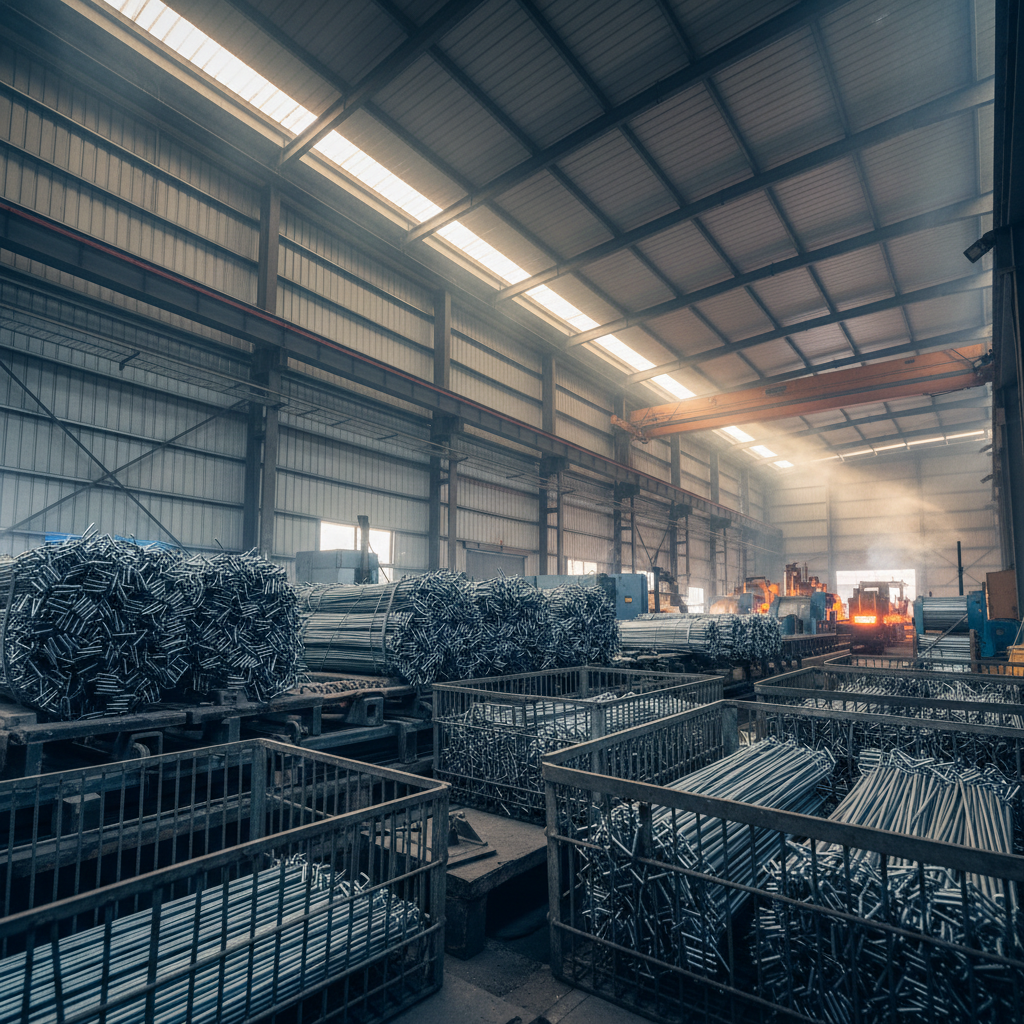
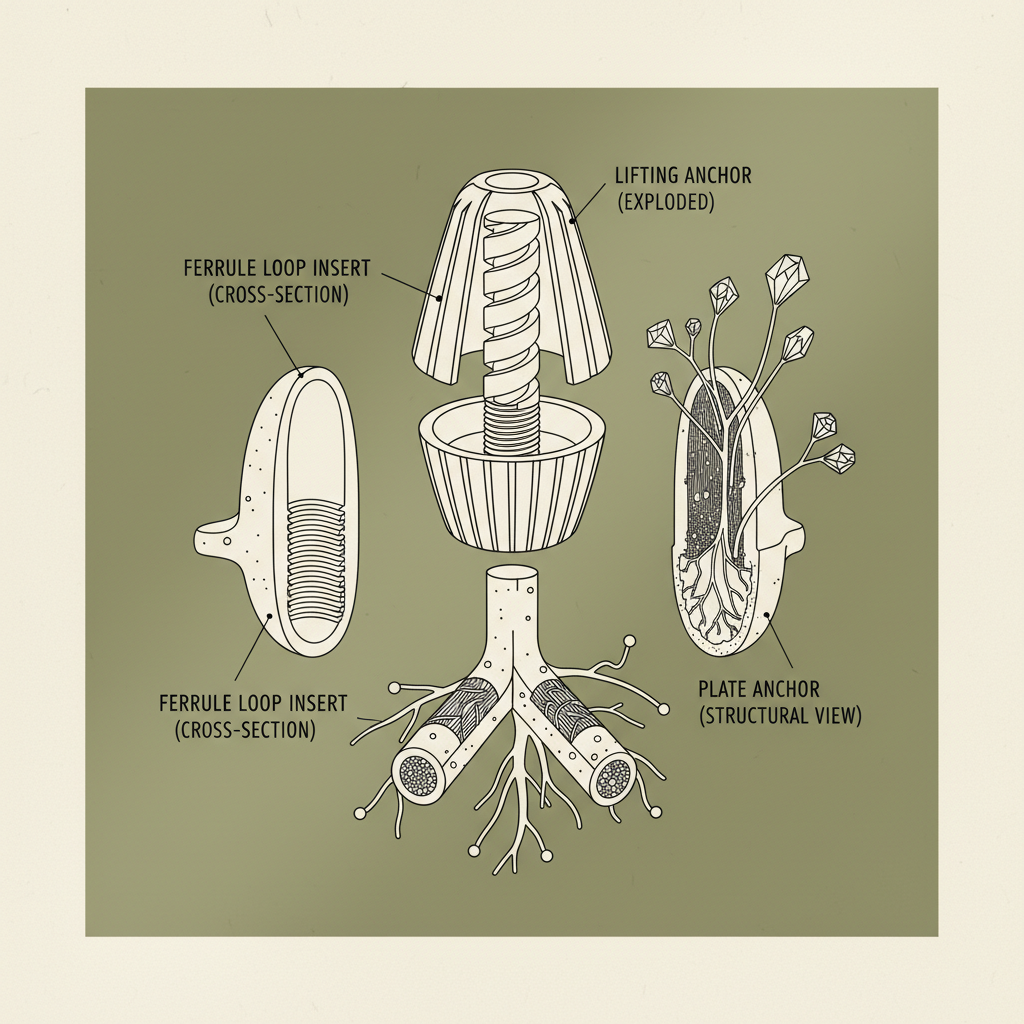
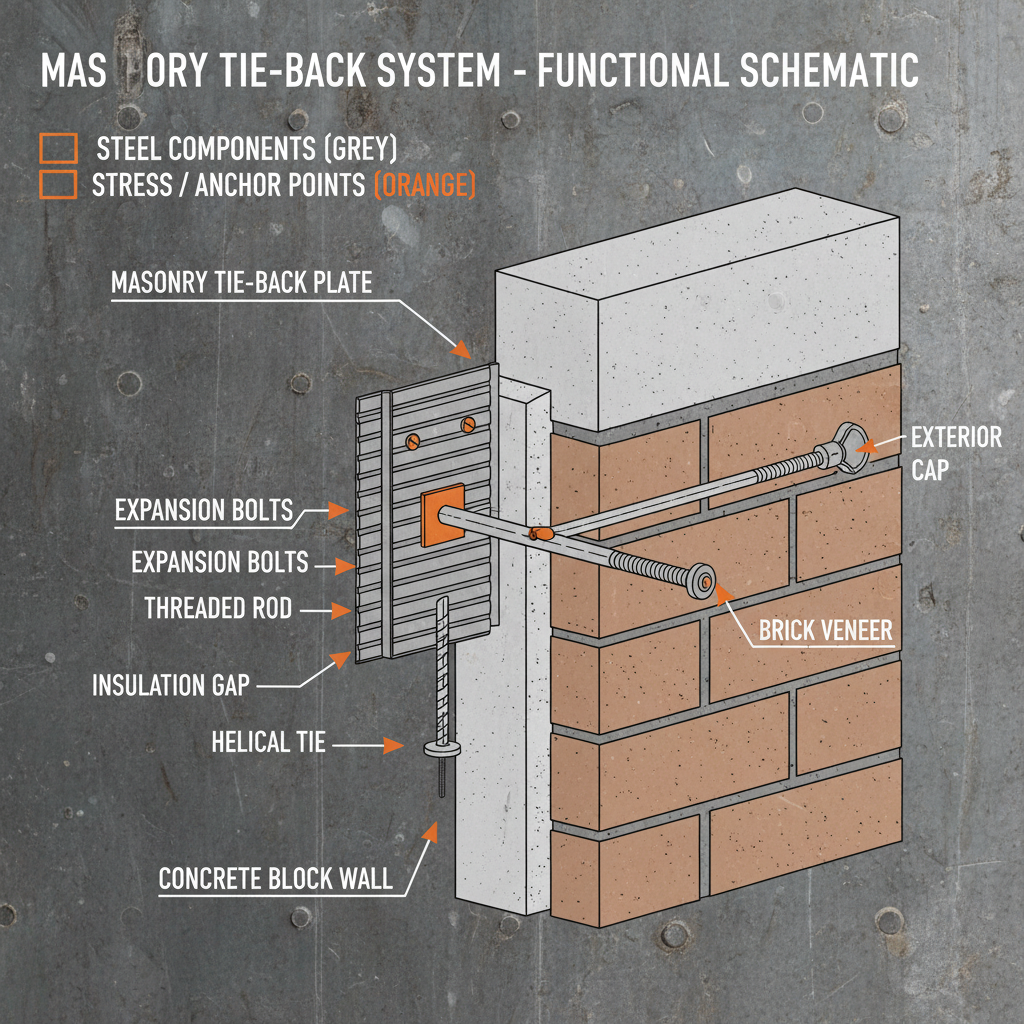
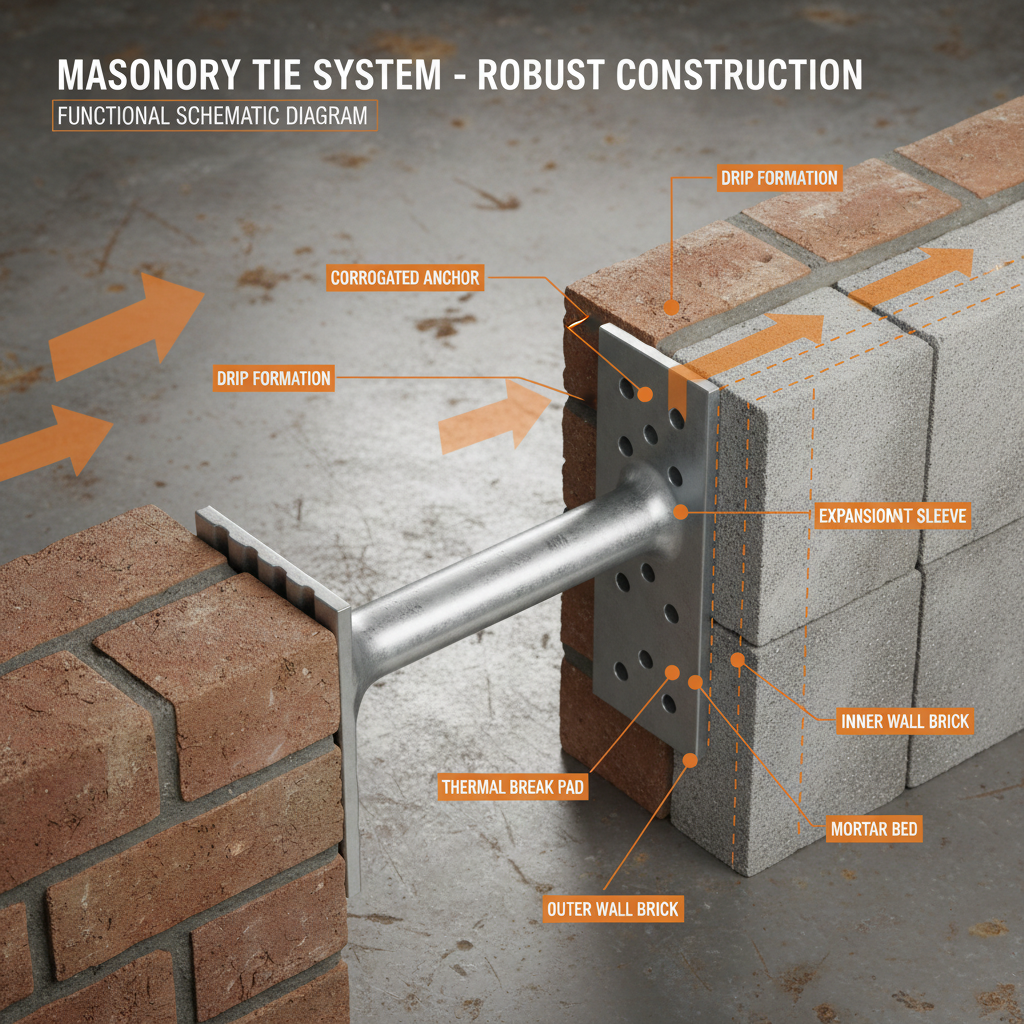
Brick wire ties, often overlooked, play a crucial role in modern construction and disaster relief. These seemingly simple components offer a robust, cost-effective, and rapidly deployable solution for securing brickwork, particularly in situations demanding speed and resilience. The global demand for efficient building materials and quick-response infrastructure fuels the increasing importance of brick wire ties, positioning them as a key element in both planned construction projects and emergency scenarios worldwide.
The relevance of brick wire ties extends beyond mere construction. They contribute significantly to sustainable building practices by reducing material waste and enabling the efficient repair of existing structures. Furthermore, their application in fast-deployment housing addresses critical humanitarian needs, providing safe and stable shelter in disaster-affected areas. Global statistics reveal a growing need for durable and affordable housing solutions, a need that brick wire ties are increasingly equipped to meet.
Understanding the properties and applications of brick wire ties is essential for architects, engineers, construction workers, and aid organizations alike. They represent a fusion of traditional building techniques with modern material science, offering a versatile solution for a diverse range of construction challenges. From reinforcing historical structures to creating rapid shelters, brick wire ties are a testament to the power of simple yet effective engineering.
Introduction to Brick Wire Ties
Brick wire ties are essential components for structural integrity in brick masonry, offering a flexible and reliable connection between brick layers. Their primary function is to resist lateral movement and tie the brickwork together, preventing collapse, particularly under conditions of stress, seismic activity, or weathering. The use of appropriate brick wire ties is paramount in ensuring the longevity and safety of brick structures.
While often unseen, these ties contribute significantly to the durability and resilience of buildings, bridges, and other brick-based constructions. Modern brick wire ties are manufactured using high-strength materials and corrosion-resistant coatings, offering improved performance and extended service life. Their proper selection and installation are vital for upholding building codes and maintaining structural safety.
Defining Brick Wire Ties
Brick wire ties are thin, flexible metal strands – typically steel – used to connect individual bricks or brick courses within a masonry wall. They are embedded within the mortar joints, providing tensile strength and preventing separation between the bricks. Unlike rigid ties, wire ties allow for some degree of movement, accommodating thermal expansion and contraction without causing stress fractures in the brickwork.
The connection that brick wire ties facilitate is a critical aspect of modern construction, particularly when dealing with veneer brickwork, where the brick layer is not load-bearing. They ensure the brick facade remains securely attached to the structural frame of the building, safeguarding against potential hazards. brick wire ties are a key element in maintaining the aesthetic and structural integrity of brick buildings.
Their modern application is rooted in the need for sustainable building practices. By improving the overall durability and lifespan of brick structures, brick wire ties reduce the need for frequent repairs and replacements, minimizing material waste and environmental impact.
Core Components and Characteristics
The effectiveness of brick wire ties hinges on several key characteristics. First, material composition is crucial; high-tensile steel is preferred for its strength and durability. Second, corrosion resistance is vital, especially in harsh climates or coastal areas. Galvanization or stainless steel coatings are commonly used to protect the wire from rust and degradation. These coatings directly impact the lifespan and reliability of the ties.
Another significant characteristic is the tie's geometry. Different designs—including twisted, folded, and ladder-style ties—offer varying degrees of flexibility and holding power. The choice of geometry depends on the specific application and the type of brick being used. Correct installation is also paramount; the tie must be fully embedded within the mortar joint to provide maximum effectiveness.
Furthermore, the diameter of the wire impacts its tensile strength and ease of installation. Thicker wires offer greater strength but can be more difficult to maneuver within the mortar joints. Manufacturers adhere to strict quality control standards to ensure consistent wire diameter and coating thickness, guaranteeing reliable performance.
Applications Across Industries
The applications of brick wire ties are widespread, extending across numerous industries. In residential construction, they are essential for securing brick veneer walls and ensuring the safety of homeowners. In commercial building projects, they contribute to the structural stability of large-scale brick facades, enhancing the aesthetic appeal and longevity of the buildings.
Historical restoration work frequently relies on brick wire ties to repair damaged brickwork and preserve architectural heritage. Their flexibility allows for the careful reinforcement of aging structures without causing further stress or damage. Beyond construction, brick wire ties find utility in landscaping, retaining wall construction, and even artistic installations involving brick.
Brick Wire Tie Application Breakdown
Advantages and Long-Term Value
The advantages of using brick wire ties are multifaceted. Cost-effectiveness is a primary benefit; compared to alternative tying methods, wire ties represent a budget-friendly solution without compromising structural integrity. Their ease of installation reduces labor costs, further enhancing their economic appeal. This affordability makes them attractive for a wide range of projects.
Beyond cost, brick wire ties offer exceptional long-term value. Their corrosion resistance ensures durability, minimizing maintenance requirements and extending the lifespan of brick structures. This translates to reduced life-cycle costs and a more sustainable building solution.
Future Trends in Brick Wire Tie Technology
Innovations in materials science are driving the development of more advanced brick wire ties. Research is focused on creating ties with even greater tensile strength, enhanced corrosion resistance, and improved flexibility. The integration of smart materials – such as shape-memory alloys – could enable ties that automatically adjust to structural stresses, providing dynamic reinforcement.
Furthermore, advancements in manufacturing processes are leading to more precise and consistent tie production, ensuring higher quality and reliability. The adoption of digital technologies, such as 3D printing, could facilitate the creation of custom-designed ties tailored to specific project requirements.
Sustainability is also a key driver of innovation, with a growing emphasis on using recycled materials and developing environmentally friendly coatings. These advancements promise to further enhance the performance and longevity of brick wire ties.
Challenges and Innovative Solutions
Despite their advantages, brick wire ties face certain challenges. Corrosion remains a concern in particularly harsh environments, despite the use of protective coatings. Proper installation is critical, as incorrect placement or insufficient embedment can compromise the tie's effectiveness. Ensuring consistent quality control across different manufacturers is also essential.
Innovative solutions are emerging to address these challenges. The development of self-healing coatings that automatically repair minor corrosion damage is a promising area of research. Training programs for construction workers are being implemented to ensure proper installation techniques. Industry standardization efforts are underway to establish consistent quality control protocols.
The use of non-destructive testing methods, such as ultrasonic inspection, allows for the assessment of tie integrity without damaging the brickwork. These advancements are paving the way for more reliable and durable brick construction.
Summary of Challenges and Innovative Solutions for Brick Wire Ties
| Challenge Area |
Severity (1-10) |
Current Solutions |
Future Innovations |
| Corrosion |
7 |
Galvanization, Stainless Steel |
Self-Healing Coatings |
| Installation Errors |
6 |
Training Programs |
Automated Installation Systems |
| Quality Control |
5 |
Industry Standards |
Blockchain Traceability |
| Material Cost |
4 |
Optimized Designs |
Recycled Materials |
| Long-Term Performance Monitoring |
3 |
Periodic Inspections |
Sensor Integration |
| Compatibility with New Bricks |
2 |
Material Testing |
Adaptive Tie Designs |
FAQS
The lifespan of brick wire ties varies depending on the material, coating, and environmental conditions. Galvanized steel ties typically last 20-30 years, while stainless steel ties can last 50 years or more. Regular inspections are crucial to identify and address any signs of corrosion, maximizing their longevity. Proper installation significantly influences lifespan too; full embedment protects the metal from exposure.
Brick wire ties should be inspected at least every 5-10 years, or more frequently in harsh environments like coastal areas. Look for signs of corrosion, such as rust or discoloration. Inspect around windows and doors, as these areas are more exposed to the elements. A qualified structural engineer can perform a thorough assessment and recommend any necessary repairs or replacements.
For coastal areas, stainless steel brick wire ties are highly recommended due to their superior corrosion resistance. While more expensive than galvanized steel, they provide a significantly longer service life in salt-rich environments. Consider using ties with a molybdenum content for enhanced protection against pitting corrosion. Avoid using carbon steel ties in coastal areas, as they will corrode rapidly.
Brick wire ties are generally compatible with most common brick types, but it’s crucial to select the appropriate tie size and material based on the brick's density and porosity. Softer bricks require more flexible ties to prevent cracking. Consult with a structural engineer or brick supplier to ensure compatibility, especially when working with historic or unusual brick types.
The proper spacing for brick wire ties depends on factors such as wall height, brick type, and local building codes. Generally, ties are spaced every 24-36 inches vertically and horizontally. However, building codes often specify more stringent requirements, particularly in seismic zones. Always adhere to local regulations and consult with a structural engineer for precise spacing recommendations.
Currently, fully eco-friendly alternatives to steel brick wire ties are limited. However, research is underway to develop ties made from recycled materials or biodegradable polymers. Using high-quality, durable steel ties that extend the lifespan of brick structures is a sustainable practice in itself, reducing the need for frequent replacements and minimizing material waste.
Conclusion
In conclusion, brick wire ties are indispensable components of modern construction, offering a cost-effective, reliable, and durable solution for securing brickwork. Their versatility extends across diverse applications, from residential buildings to historical restorations, and their continued innovation promises even greater performance and sustainability. Understanding their properties, proper installation techniques, and future trends is crucial for professionals in the construction industry.
Looking ahead, the integration of advanced materials, smart technologies, and sustainable practices will further enhance the value of brick wire ties. By embracing these innovations, we can build more resilient, durable, and environmentally responsible structures. Visit our website at www.cntcmetal.com to learn more about our range of high-quality brick wire ties and expert solutions.