Masonry ties are fundamental components in construction, ensuring the structural integrity and stability of brick, block, and stone walls. Globally, the demand for durable and resilient building materials is ever-increasing, driven by factors like population growth, urbanization, and a heightened awareness of disaster preparedness. The effective use of masonry tie solutions significantly contributes to safer and more sustainable building practices, reducing the risk of structural failure and prolonging the lifespan of constructions.
Within the construction industry, masonry tie technology is undergoing continuous innovation, with new materials and installation techniques emerging to meet evolving building codes and performance requirements. The implications extend beyond simple structural support; proper masonry tie installation is critical for energy efficiency, fire resistance, and overall building safety. Ignoring these essential elements can lead to costly repairs, safety hazards, and even catastrophic collapses.
Understanding the intricacies of masonry tie systems is therefore not just a matter for construction professionals but a matter of public safety and sustainable development. From enhancing seismic resistance in earthquake-prone zones to bolstering the resilience of historical structures, the proper application of masonry tie is a cornerstone of responsible building design and execution.
The Role of Masonry Tie in Modern Construction
Masonry tie plays a pivotal role in modern construction, acting as the critical link between masonry units and the structural framework of a building. Without properly installed and maintained masonry tie, walls are susceptible to bowing, cracking, and even collapse, especially under lateral loads such as wind or seismic activity. It's a frequently underestimated, yet profoundly important, element of building safety.
The ongoing evolution of construction materials and techniques demands a continuous reassessment of masonry tie systems. Factors like the increased use of high-strength masonry units, the need for improved thermal performance, and the drive for sustainable building practices all influence the selection and implementation of optimal masonry tie solutions. Companies like masonry tie specialize in providing these essential components.
Defining Masonry Tie and Its Significance
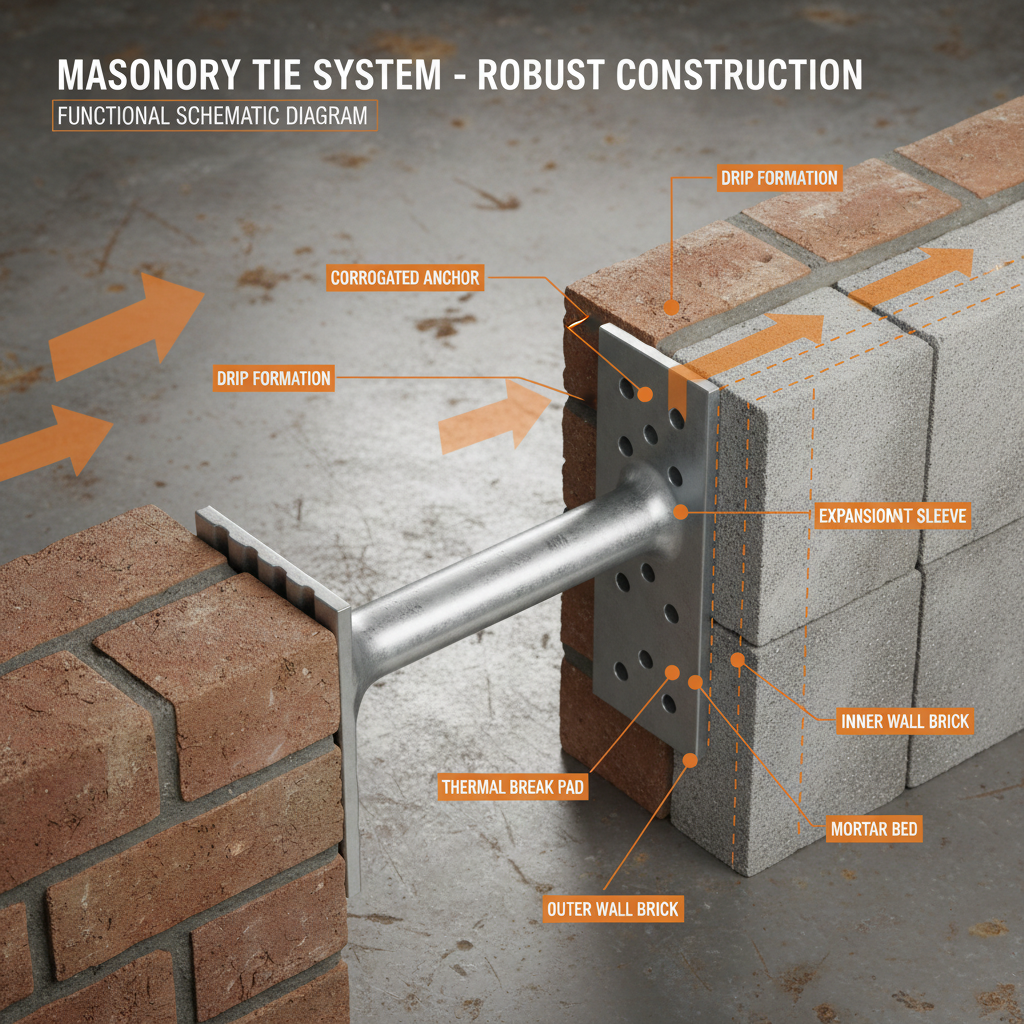
A masonry tie is a mechanical fastener used to connect a masonry veneer (the outer layer of brick, stone, or block) to the structural frame of a building. Unlike mortar joints, which primarily serve to bind masonry units together, masonry tie provides a positive connection that resists lateral movement and transfers loads. It’s the unsung hero that prevents facade separation and maintains structural integrity.
The significance of masonry tie extends beyond mere structural function. It directly impacts the long-term durability and aesthetic appeal of a building. Corrosion, improper installation, or inadequate tie spacing can all lead to premature failure and costly repairs. Understanding the principles of masonry tie design and installation is therefore vital for architects, engineers, and contractors alike.
Modern masonry tie solutions are essential for meeting stringent building codes and ensuring the safety and longevity of structures. These ties enable the creation of aesthetically pleasing and structurally sound buildings that can withstand a variety of environmental and physical stresses, contributing to sustainable construction practices.
Key Factors Influencing Masonry Tie Performance
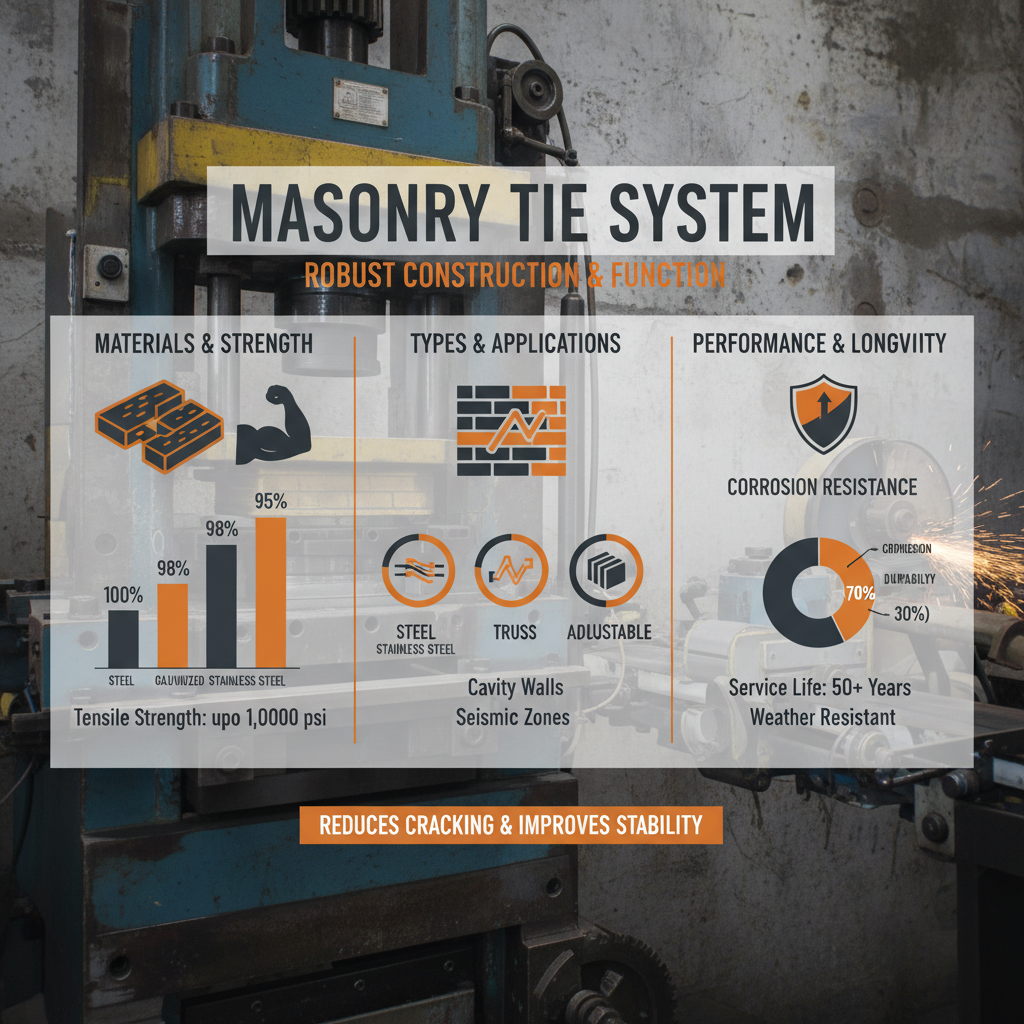
Several key factors determine the effectiveness of a masonry tie system. These include the tie material (stainless steel, galvanized steel, etc.), its geometry (shape and dimensions), the spacing between ties, and the installation method. Each factor interacts with others, making a holistic approach to design and installation crucial.
Corrosion resistance is arguably the most critical factor, particularly in coastal environments or areas prone to industrial pollution. Selecting a tie material appropriate for the local climate and environmental conditions is paramount. Stainless steel ties are often preferred for their superior corrosion resistance, albeit at a higher cost, while galvanized steel offers a more economical option for less harsh environments.
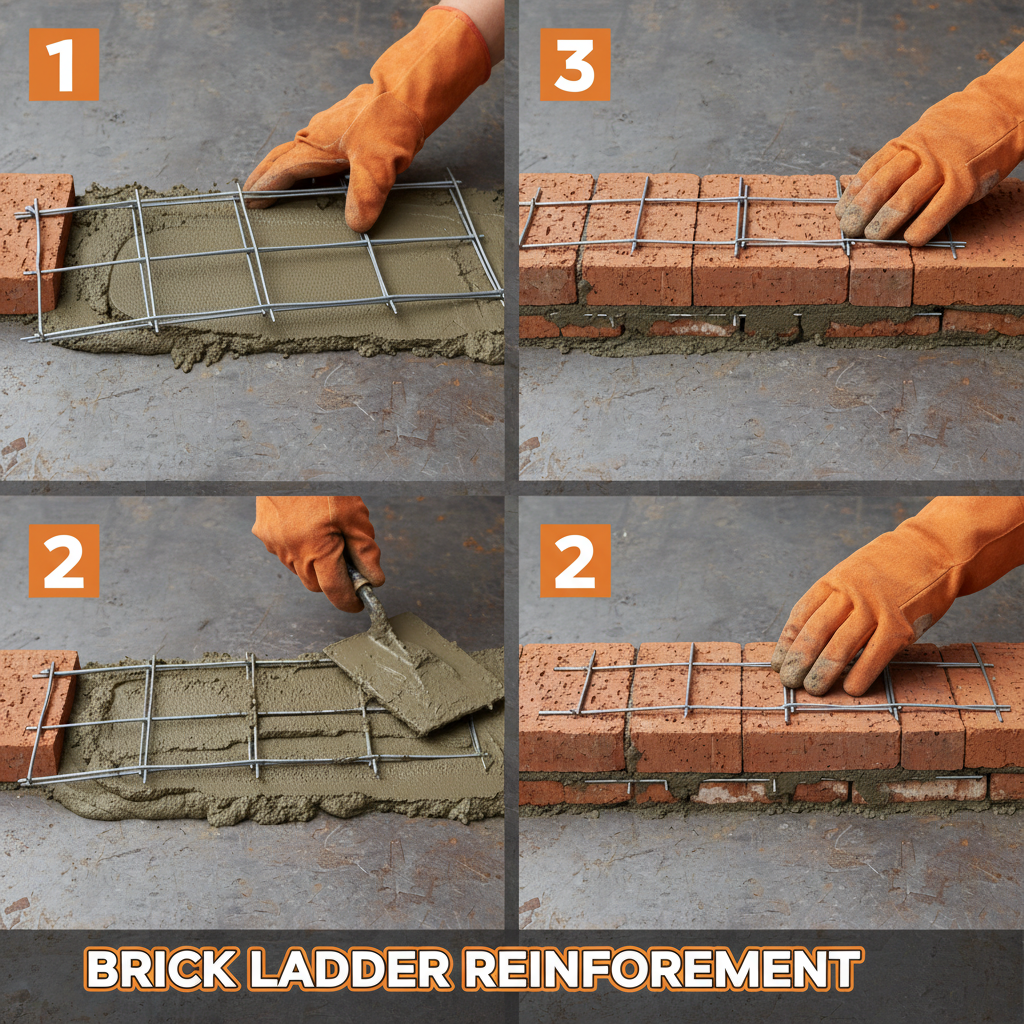
Tie spacing is also critical; closer spacing provides greater resistance to lateral loads but also increases material costs. Building codes typically specify minimum tie spacing requirements based on factors like wall height, wind load, and seismic zone. Proper installation, ensuring the tie is securely embedded in both the masonry veneer and the structural frame, is equally vital to achieving the designed performance.
Durability and Corrosion Resistance of Masonry Tie
The long-term durability of masonry tie is paramount to the structural health of any building utilizing a masonry veneer. Corrosion is the primary threat to durability, as rust weakens the tie and compromises its ability to resist loads. Environmental factors such as humidity, salt spray, and exposure to industrial pollutants significantly accelerate corrosion rates.
Selecting materials with high corrosion resistance is, therefore, essential. Stainless steel alloys, particularly Type 304 and Type 316, offer superior resistance to corrosion in most environments. Galvanized steel ties, while more affordable, require careful consideration of the coating thickness and the local climate. The quality of the galvanizing process greatly impacts its longevity.
Comparison of Masonry Tie Material Corrosion Resistance
Global Applications of Masonry Tie
The use of masonry tie is widespread across the globe, adapting to diverse architectural styles and building codes. In Europe, it's crucial for preserving historic buildings with delicate facades while ensuring structural stability. In North America, it's standard practice for modern commercial and residential construction.
In regions prone to seismic activity, such as Japan and Chile, specialized masonry tie systems are employed to enhance the earthquake resistance of structures. These systems often incorporate flexible ties that allow for movement without compromising the integrity of the wall. Furthermore, in post-disaster relief operations, quickly deployable masonry tie solutions can contribute to the rapid reconstruction of damaged buildings, as masonry tie provides.
Advantages and Long-Term Value of Masonry Tie
The advantages of utilizing proper masonry tie systems are multifaceted. From a cost perspective, preventing structural failure through robust tie systems far outweighs the initial investment. Reduced maintenance and repair costs over the building's lifespan represent a significant long-term saving.
Beyond economic benefits, masonry tie contributes to sustainability by extending the life of buildings and reducing the need for demolition and reconstruction. The safety and security provided by structurally sound masonry walls instill confidence and peace of mind for occupants. The reliability of a properly designed and installed masonry tie system translates to enduring value and a legacy of quality construction.
Future Trends and Innovations in Masonry Tie Technology
The future of masonry tie is focused on enhancing performance, simplifying installation, and promoting sustainability. Research is underway to develop new tie materials with even greater corrosion resistance and improved mechanical properties. The integration of smart sensors into tie systems, allowing for real-time monitoring of stress and corrosion levels, is also gaining traction.
Automation and prefabrication are poised to revolutionize the installation process, reducing labor costs and ensuring consistent quality. Furthermore, the drive for more sustainable building practices is fueling demand for ties made from recycled materials or with reduced environmental impact.
Innovations in digital modeling and Building Information Modeling (BIM) are enabling more precise design and analysis of masonry tie systems, optimizing performance and minimizing material waste.
Summary of Key Factors in Masonry Tie System Selection
| Material Type |
Corrosion Resistance (1-10) |
Cost (Relative) |
Application Suitability |
| Stainless Steel (316) |
10 |
High |
Coastal, Industrial, High-Exposure |
| Stainless Steel (304) |
9 |
High |
Moderate Climate, Interior Applications |
| Galvanized Steel (Heavy Coating) |
7 |
Medium |
General Construction, Low-Exposure |
| Galvanized Steel (Standard Coating) |
5 |
Low |
Dry Interior Applications |
| Carbon Steel (Painted/Coated) |
3 |
Very Low |
Limited Interior, Short-Term Applications |
| Composite Ties (Fiberglass/Polymer) |
8 |
Medium |
Specialized Applications, Non-Corrosive Environments |
FAQS
The primary function of a masonry tie is to connect the masonry veneer (brick, stone, block) to the structural frame of a building, providing lateral support and transferring loads. It prevents the veneer from separating or collapsing due to wind, seismic activity, or thermal expansion and contraction. Without it, the veneer is merely a facing and does not contribute to the building’s structural integrity.
Masonry ties should be inspected periodically, especially in buildings located in coastal areas or regions prone to seismic activity. A thorough inspection should be conducted every 5-10 years, or more frequently if signs of corrosion or movement are observed. Look for cracked or deteriorated mortar, bulging walls, or visible signs of rust on the ties themselves.
Masonry ties are typically made from stainless steel, galvanized steel, or carbon steel. Stainless steel offers the highest corrosion resistance but is also the most expensive. Galvanized steel provides a good balance of cost and performance, while carbon steel is the least expensive but also the most susceptible to corrosion. The choice of material depends on the environmental conditions and the desired lifespan of the structure.
Proper tie spacing is determined by factors such as wall height, wind load, and seismic zone. Building codes typically specify minimum tie spacing requirements, which can range from 16 to 24 inches horizontally and 24 to 32 inches vertically. Consulting a structural engineer is crucial to ensure compliance with local codes and to optimize tie spacing for the specific building conditions.
In some cases, minor corrosion can be addressed by cleaning and applying a corrosion inhibitor. However, severely corroded ties should be replaced to restore the structural integrity of the wall. Replacement often requires careful removal of the affected ties and installation of new ones, ensuring proper anchorage in both the veneer and the structural frame.
Using inadequate or improperly installed masonry ties can lead to serious structural problems, including wall bowing, cracking, and even collapse. This can result in costly repairs, safety hazards, and potential liability. It is essential to adhere to building codes, follow manufacturer’s instructions, and employ qualified professionals for the design and installation of masonry tie systems.
Conclusion
In conclusion, masonry tie is an indispensable element in modern construction, providing the critical connection between masonry veneer and the structural framework of a building. Understanding the key factors influencing its performance – material selection, corrosion resistance, spacing, and installation – is essential for ensuring the long-term durability, safety, and aesthetic appeal of structures. The ongoing innovations in materials and techniques promise to further enhance the reliability and sustainability of masonry tie systems.
Looking ahead, a proactive approach to masonry tie maintenance and inspection is vital. Investing in quality ties and employing qualified professionals for installation will not only safeguard buildings against structural failure but also contribute to a more sustainable and resilient built environment. For reliable and high-quality masonry tie solutions, visit our website at www.cntcmetal.com.