Stone veneer ties are essential components in the modern construction industry, providing a secure and aesthetically pleasing method for installing stone veneer over various substrates. They represent a significant advancement over traditional mortar-based systems, offering increased durability, flexibility, and ease of installation. Understanding the nuances of these ties—from their materials and design to their application and long-term performance—is crucial for architects, contractors, and homeowners alike seeking high-quality, lasting results.
The global demand for stone veneer, and consequently, for reliable stone veneer ties, is steadily growing. Driven by a desire for natural aesthetics and the increasing adoption of sustainable building practices, stone veneer is being used in a wide range of projects, from residential facades to large-scale commercial developments. According to a report by Allied Market Research, the global stone veneer market is projected to reach $12.5 billion by 2027, signaling a continued need for innovative and efficient installation solutions.
Properly selected and installed stone veneer ties address critical challenges associated with traditional methods, such as moisture intrusion, differential movement, and the inherent limitations of mortar adhesion. Their ability to accommodate thermal expansion and contraction, coupled with their corrosion resistance, ensures the long-term integrity and visual appeal of stone veneer installations, mitigating costly repairs and replacements.
Introduction to Stone Veneer Ties
Stone veneer ties represent a crucial advancement in the building materials industry, offering a superior alternative to traditional methods for securing thin stone cladding. These ties are designed to withstand the stresses associated with building movement, temperature fluctuations, and moisture exposure, ensuring the longevity and aesthetic appeal of stone veneer installations. They are not merely fasteners; they are engineered systems that contribute significantly to the structural integrity of a building’s exterior.
The increasing popularity of stone veneer in both residential and commercial construction drives the demand for high-quality stone veneer ties. Architects and builders are increasingly recognizing the benefits of these systems, including faster installation times, reduced labor costs, and improved overall performance compared to conventional mortar-based methods. Choosing the correct type of stone veneer tie for a specific project is paramount to achieving a lasting and visually stunning result.
Defining Stone Veneer Ties
Stone veneer ties are mechanical fasteners used to attach thin stone veneer—typically between 1/2 inch and 1 1/2 inches thick—to a structural substrate, such as concrete, masonry, or wood framing. Unlike traditional mortar systems, which rely on adhesion, stone veneer ties provide a positive mechanical connection, effectively transferring loads and accommodating movement without compromising the integrity of the installation. They overcome the limitations of mortar, which can be susceptible to cracking, spalling, and water infiltration.
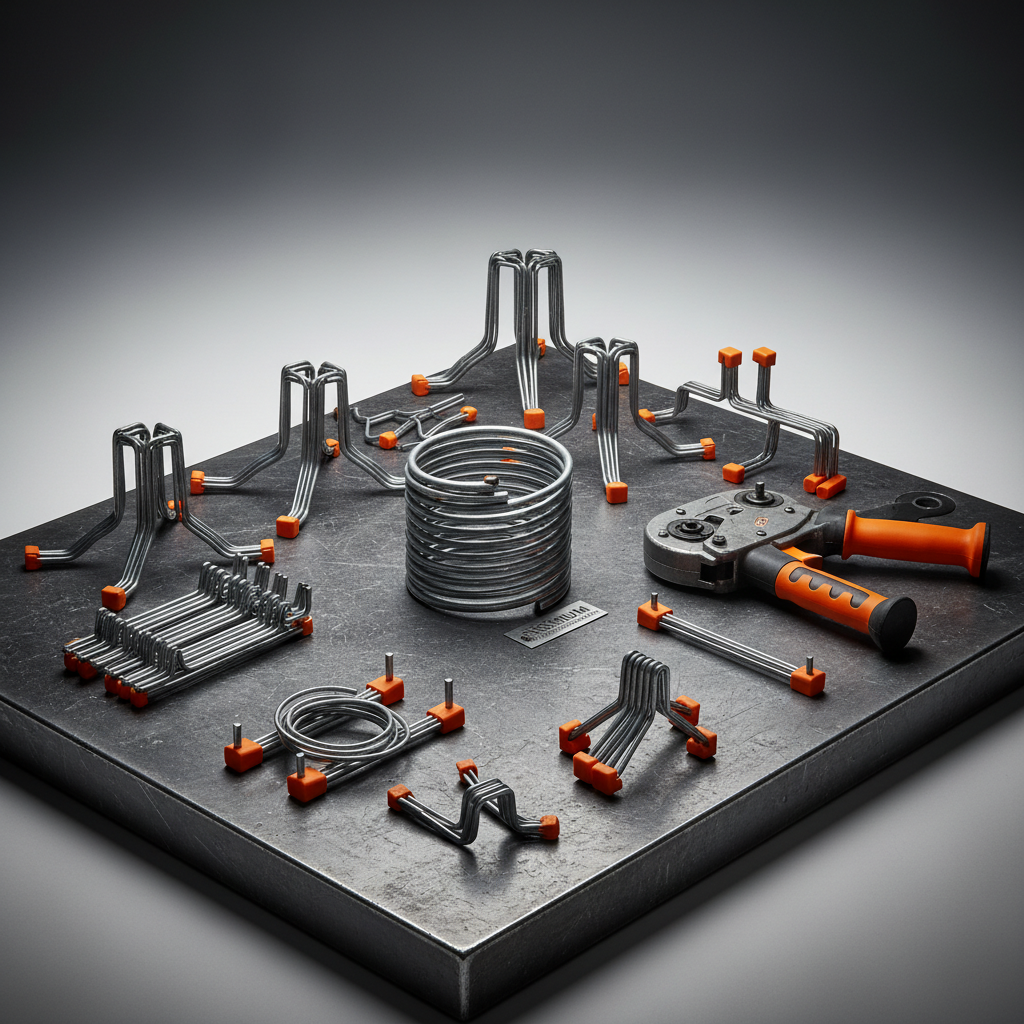
These ties typically consist of a metal strap or clip embedded within the stone veneer and securely fastened to the substrate. Various designs exist, including clip ties, dovetail ties, and z-ties, each offering specific advantages depending on the stone type, substrate, and desired aesthetic outcome. The selection process requires careful consideration of factors such as load requirements, thermal expansion coefficients, and local building codes.
The importance of stone veneer ties extends beyond mere aesthetics. They play a critical role in enhancing building safety and durability, preventing costly repairs and ensuring long-term performance. Their ability to mitigate moisture damage and reduce the risk of stone detachment makes them an indispensable component of modern building envelope systems.
Key Components of Effective Stone Veneer Ties
Several core characteristics define the effectiveness of stone veneer ties. Material Composition is paramount; stainless steel (304 or 316) is commonly used due to its exceptional corrosion resistance, crucial for long-term durability, especially in harsh climates. Galvanized steel is a more economical option, but may not offer the same level of protection against corrosion. Choosing the right material depends on the project’s environmental conditions and budget constraints.
Load Capacity refers to the amount of weight a tie can safely support. This is determined by the tie’s design, material, and method of attachment. Engineers calculate the required load capacity based on the weight of the stone veneer, wind loads, seismic considerations, and local building codes. Insufficient load capacity can lead to stone detachment and potential safety hazards.
Thermal Compatibility is also critical. Stone and its substrate expand and contract at different rates with temperature changes. Stone veneer ties must accommodate this differential movement without inducing stress on the stone or the substrate. Flexible tie designs and proper spacing are essential for mitigating thermal stress.
Global Applications of Stone Veneer Ties
Stone veneer ties are employed globally in a diverse range of construction projects. In North America, they are extensively used in residential facades, commercial buildings, and restoration projects. In Europe, their popularity is increasing due to the demand for energy-efficient building solutions and the desire to preserve historical architectural styles. The adaptability of stone veneer tied systems allows for seamless integration with various building designs.
In regions prone to seismic activity, such as Japan and California, stone veneer ties provide a crucial safety feature by securing stone cladding and preventing potential hazards during earthquakes. Their ability to withstand significant lateral forces makes them a preferred choice in these high-risk areas. Similarly, in coastal regions exposed to saltwater and harsh marine environments, corrosion-resistant stone veneer ties are essential for ensuring long-term durability.
From landmark restoration projects to modern high-rise developments, the versatility of stone veneer ties makes them a sought-after solution worldwide. They are increasingly being adopted in sustainable building projects, as they often contribute to reduced material waste and improved energy efficiency compared to traditional methods.
Stone Veneer Tie Performance Metrics
Advantages and Long-Term Value
The benefits of utilizing stone veneer ties extend far beyond the initial installation. From a cost perspective, while the upfront investment may be slightly higher than traditional mortar methods, the reduced labor costs, minimized maintenance, and prolonged lifespan of the installation ultimately result in significant long-term savings.
From a sustainability standpoint, stone veneer ties contribute to a more environmentally responsible building practice. They reduce material waste by allowing for thinner stone veneers, and their durability minimizes the need for frequent repairs or replacements. Furthermore, their ability to enhance building energy efficiency by improving insulation reduces the overall carbon footprint of the structure.
Future Trends in Stone Veneer Tie Technology
The future of stone veneer ties is poised for significant innovation. Research and development are focused on creating more lightweight, high-strength materials, such as advanced polymers and composite alloys, to further enhance performance and reduce installation costs. Smart ties equipped with sensors to monitor stress levels and environmental conditions are also under development, enabling proactive maintenance and preventing potential failures.
Digital technologies, like Building Information Modeling (BIM), are increasingly being integrated into the design and installation process, allowing for precise calculations and optimized tie placement. This results in improved efficiency, reduced material waste, and enhanced overall project quality. The trend toward prefabrication and modular construction is also driving demand for stone veneer tie systems that are compatible with off-site fabrication techniques.
Challenges and Innovative Solutions
Despite their advantages, stone veneer ties face certain challenges. Corrosion, particularly in harsh marine environments, remains a concern, even with stainless steel ties. Innovative solutions include applying protective coatings and utilizing more corrosion-resistant alloys. Ensuring proper installation is also crucial, as incorrect tie spacing or attachment can compromise the entire system.
Another challenge is accommodating the unique characteristics of different stone types. Some stones are more porous or brittle than others, requiring specialized tie designs and installation techniques. Engineers and manufacturers are developing customized tie solutions tailored to specific stone varieties to address this issue.
Addressing these challenges requires ongoing collaboration between material scientists, engineers, and contractors. Continuous improvement in tie design, material selection, and installation procedures is essential for ensuring the long-term performance and reliability of stone veneer systems.
A Comparative Analysis of Stone Veneer Tie Properties
| Tie Type |
Corrosion Resistance (1-10) |
Load Capacity (kN) |
Installation Complexity (1-5) |
| Clip Tie (Stainless Steel) |
9 |
4.5 |
2 |
| Dovetail Tie (Galvanized Steel) |
6 |
3.8 |
3 |
| Z-Tie (Stainless Steel) |
10 |
5.2 |
3 |
| Wedge Tie (Aluminum) |
4 |
2.9 |
1 |
| Ribbon Tie (Galvanized Steel) |
5 |
3.2 |
2 |
| Hybrid Tie (Stainless/Polymer) |
8 |
4.0 |
4 |
FAQS
The primary advantage lies in their superior ability to accommodate thermal movement and prevent moisture intrusion. Traditional mortar can crack and degrade over time due to these factors, leading to stone detachment. Stone veneer ties provide a flexible and durable connection, significantly extending the lifespan of the installation and reducing maintenance costs. They also allow for faster installation times and can be used with thinner stone veneers.
Inspections should be conducted at least annually, and more frequently in harsh environments—such as coastal regions or areas with significant temperature fluctuations. Look for signs of corrosion, such as rust or pitting, as well as any evidence of tie displacement or damage to the surrounding stone. Early detection of issues can prevent costly repairs down the line and ensure the continued structural integrity of the veneer.
For seismic zones, ties with a high load capacity and significant flexibility are crucial. Z-ties and clip ties made from stainless steel are generally preferred, as they provide a strong mechanical connection while allowing for some degree of movement during seismic events. It’s essential to consult with a structural engineer to determine the appropriate tie type and spacing based on local seismic codes and site-specific conditions.
While stone veneer ties can be used with most natural stones, the specific tie type and installation method should be tailored to the stone's properties. Porous stones may require different tie designs to prevent moisture penetration, while more brittle stones may necessitate closer tie spacing to distribute loads effectively. Consulting with a stone specialist or engineer is recommended to ensure compatibility.
A properly installed stone veneer tie system using high-quality materials, such as stainless steel, can have a lifespan of 50 years or more. Regular inspections and maintenance can further extend this lifespan. However, factors like environmental conditions, building movement, and the quality of the original installation can all influence the system's longevity.
Yes, building codes and standards often address the requirements for stone veneer tie systems. These codes typically specify minimum load capacity requirements, tie spacing, and material specifications. It's crucial to consult local building codes and regulations to ensure compliance. The International Building Code (IBC) and ASTM standards are also relevant resources.
Conclusion
In conclusion, stone veneer ties represent a significant advancement in building technology, offering a durable, flexible, and aesthetically pleasing solution for installing stone cladding. Their ability to overcome the limitations of traditional mortar methods, coupled with their long-term performance and sustainability benefits, makes them an indispensable component of modern construction. Understanding the nuances of tie selection, installation, and maintenance is crucial for achieving lasting results.
Looking ahead, continued innovation in materials and design will further enhance the performance and versatility of stone veneer ties. Adopting these advancements, along with a commitment to quality installation practices, will ensure that stone veneer systems continue to provide beautiful, durable, and sustainable building envelopes for years to come. For more information and to explore our range of stone veneer tie solutions, please visit our website: www.cntcmetal.com.