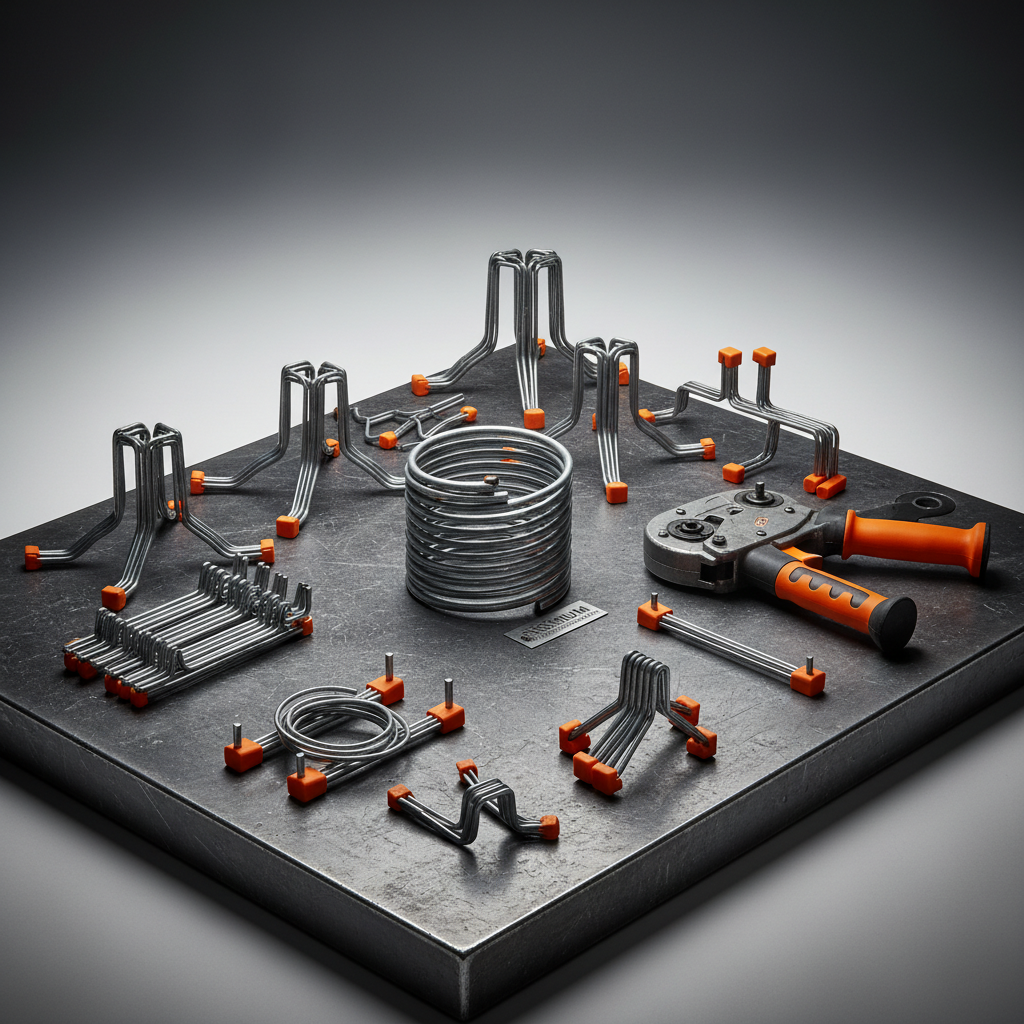
Masonry block ties are essential components in modern construction, playing a crucial role in ensuring the structural integrity and stability of walls built with concrete masonry units (CMUs). These ties, typically made of steel or stainless steel, connect the veneer facing (such as brick or stone) to the structural backup wall, preventing differential movement and ensuring a unified and safe structure. Their global relevance stems from the widespread use of masonry construction in both residential and commercial buildings, particularly in regions prone to seismic activity or severe weather conditions. Understanding their proper application is paramount to building safety and longevity.
The increasing demand for durable and cost-effective building solutions has significantly boosted the importance of masonry block ties. As urbanization continues to accelerate globally, the need for rapid and reliable construction methods grows. Properly installed ties are critical for complying with building codes and standards in many countries, contributing to safer and more resilient infrastructure. The growing emphasis on sustainable construction also pushes for optimized material usage, where efficient tie systems contribute to reduced waste and overall project costs.
Beyond structural function, effective masonry block ties contribute to aesthetic appeal and energy efficiency. A well-tied veneer system resists water penetration, protecting the underlying structure and reducing the risk of mold and damage. This contributes to a longer lifespan for buildings and lowers maintenance costs, making them a smart investment for developers and homeowners alike.
The Significance of Masonry Block Ties
Masonry block ties aren't simply fasteners; they are integral to the holistic performance of a masonry wall system. Their primary purpose is to transfer lateral loads, such as wind pressure or seismic forces, from the veneer to the structural backup, preventing separation and potential collapse. Without these crucial connections, the veneer acts as a non-structural element, susceptible to damage and posing a safety hazard.
Proper selection and installation of masonry block ties are governed by stringent building codes and industry standards. These regulations ensure that ties meet specific strength requirements and corrosion resistance levels, tailored to the environmental conditions and structural demands of the building. Compliance is not merely a legal obligation but a critical component of responsible construction practices.
Defining Masonry Block Ties
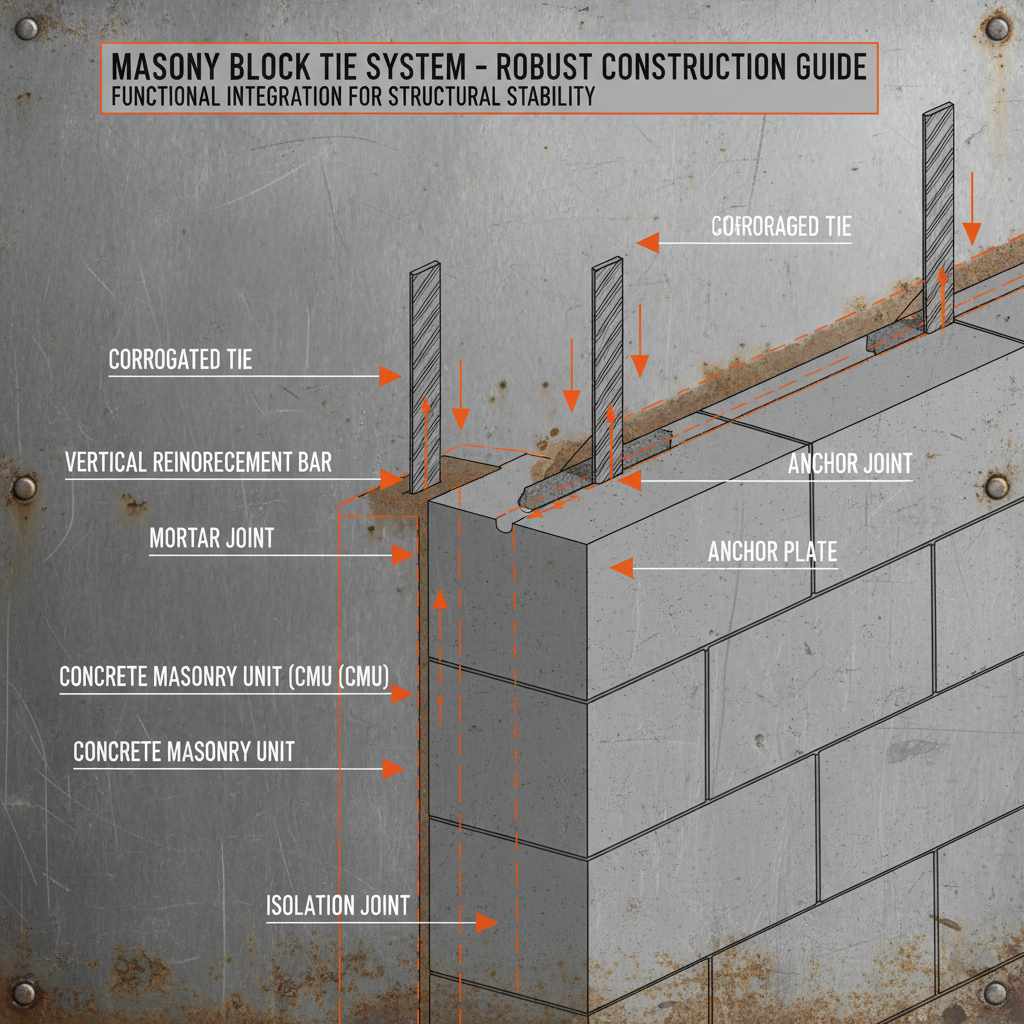
Masonry block ties are mechanical connectors designed to securely fasten a non-load-bearing exterior veneer – typically brick, stone, or stucco – to the structural wall behind it. These ties typically consist of a length of metal, often galvanized steel, stainless steel, or aluminum, that is embedded within the mortar joints of both the veneer and the backup wall. They act as a crucial link, distributing loads and ensuring the stability of the entire wall assembly.
In modern construction, these ties represent a significant advancement over older methods, such as through-wall ties, which could create thermal bridges and compromise energy efficiency. Contemporary designs emphasize corrosion resistance, ease of installation, and compatibility with various wall systems. The choice of tie material and configuration often depends on the specific project requirements and local climate conditions.
The connection facilitated by masonry block ties is vital in addressing the humanitarian need for safe and durable shelter, particularly in disaster-prone regions. Securely connected masonry walls provide resilience against natural hazards, safeguarding communities and protecting property.
Core Components of Effective Ties
Effective masonry block ties rely on several key components working in harmony. First, the material itself – the most common being galvanized steel and stainless steel – must possess sufficient tensile strength to resist pull-out forces. Corrosion resistance is also paramount, especially in coastal areas or environments exposed to harsh chemicals. Second, the tie's geometry, including its shape and surface texture, influences its bonding characteristics within the mortar joints.
The connection method is equally crucial. Different tie designs utilize varying mechanisms, such as loops, dovetails, or crimped ends, to securely anchor themselves within the mortar. Proper installation techniques, including appropriate spacing and embedment depth, are essential for maximizing the tie's effectiveness. Finally, the tie must be compatible with the materials used in both the veneer and the backup wall to avoid galvanic corrosion or other adverse reactions.
Understanding the interaction between these components – material, geometry, connection, and installation – is essential for ensuring a robust and durable masonry wall system. This holistic approach contributes significantly to the long-term performance and safety of the structure.
Performance Characteristics & Standards
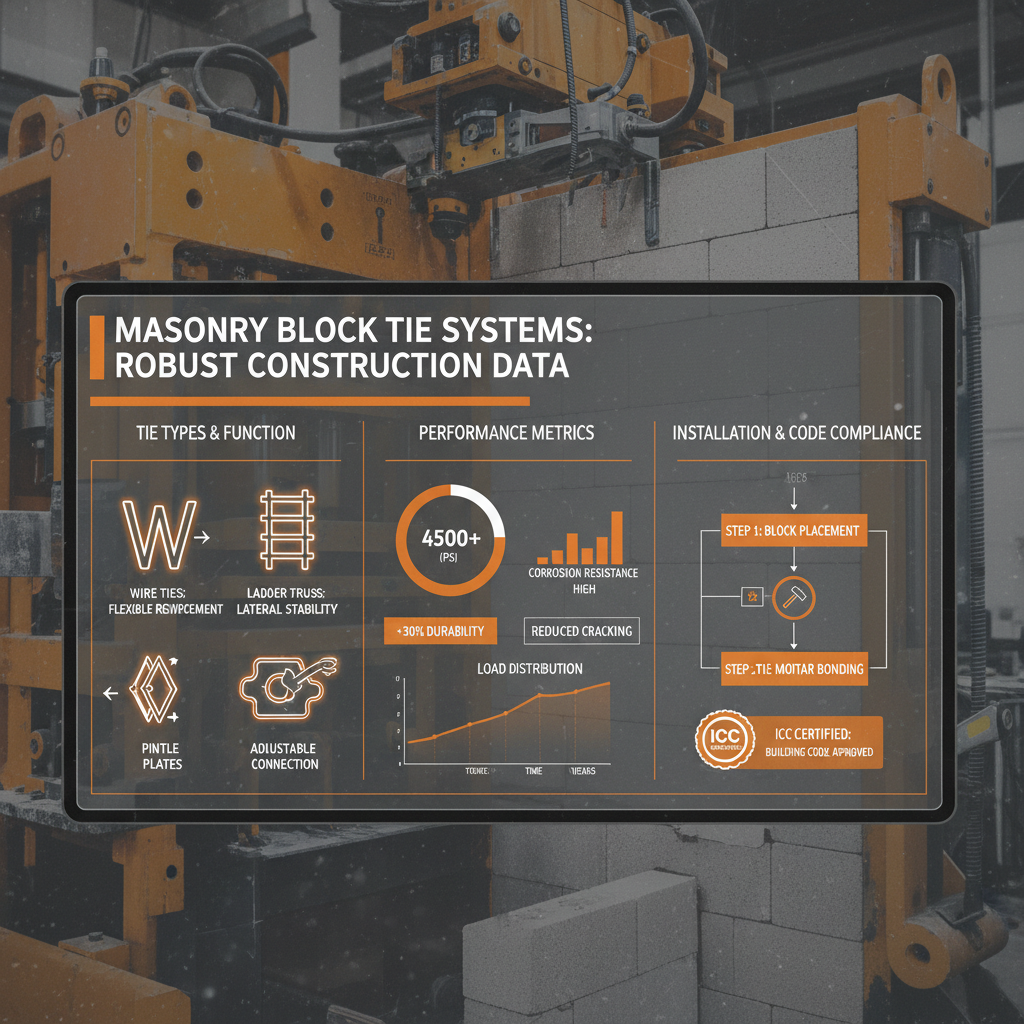
The performance of masonry block ties is rigorously evaluated based on several key characteristics. Tensile strength, measured in pounds or Newtons, dictates the tie's ability to resist pull-out forces. Shear strength assesses its resistance to lateral loads. Corrosion resistance, tested through salt spray exposure or other accelerated aging methods, determines its durability in harsh environments.
Industry standards, such as those established by the American Society for Testing and Materials (ASTM) and the International Code Council (ICC), dictate minimum performance requirements for masonry block ties. These standards specify testing procedures, acceptable material grades, and installation guidelines. Adherence to these standards ensures that ties meet a consistent level of quality and reliability.
Masonry Block Tie Performance Comparison
Global Applications in Construction
Masonry block ties are ubiquitous in construction projects worldwide, adapting to a diverse range of architectural styles and building materials. In North America, they are commonly used in residential construction with brick or stone veneer, as well as in commercial buildings seeking a classic aesthetic. Europe extensively employs them in historical preservation projects and the construction of modern masonry structures.
In regions prone to seismic activity, such as Japan and Chile, masonry block ties play a critical role in enhancing the resilience of buildings. Their ability to transfer lateral loads effectively minimizes damage during earthquakes. Similarly, in coastal areas exposed to saltwater corrosion, stainless steel ties are preferred to ensure long-term durability.
Advantages and Long-Term Value
Utilizing masonry block ties offers a multitude of advantages extending beyond immediate structural benefits. Cost-effectively improving safety and longevity, they contribute to lower lifecycle costs by reducing the need for repairs and replacements. The enhanced durability reduces the risk of water damage and mold growth, improving indoor air quality and protecting occupants’ health.
From a sustainability perspective, using durable and long-lasting ties reduces material waste and minimizes the environmental impact of construction. The aesthetic appeal of a well-executed masonry veneer system also adds value to properties, increasing their market desirability. Ultimately, the long-term value of masonry block ties lies in creating safe, sustainable, and visually appealing structures.
The peace of mind knowing a building is structurally sound and well-protected is an immeasurable benefit, fostering trust between developers, builders, and occupants.
Future Trends and Innovation
The future of masonry block ties is being shaped by several emerging trends. Innovations in materials science are leading to the development of corrosion-resistant alloys and composite ties offering enhanced performance. Digital technologies, such as Building Information Modeling (BIM), are streamlining the design and installation process, minimizing errors and optimizing tie placement.
The increasing emphasis on sustainable construction is driving demand for eco-friendly tie materials and manufacturing processes. Automation and robotics are also poised to revolutionize the installation of ties, improving efficiency and reducing labor costs. The integration of smart sensors into tie systems could enable real-time monitoring of structural performance, providing valuable data for maintenance and risk management.
Furthermore, research is ongoing to develop ties that offer improved thermal performance, reducing energy consumption and enhancing building comfort.
Key Performance Indicators of Masonry Block Tie Systems
| Tie Material |
Corrosion Resistance (1-10) |
Installation Complexity (1-10) |
Cost Effectiveness (1-10) |
| Galvanized Steel |
6 |
4 |
8 |
| Stainless Steel |
10 |
5 |
6 |
| Aluminum |
7 |
3 |
7 |
| Composite Polymer |
9 |
6 |
5 |
| Hybrid Metal-Polymer |
8 |
5 |
7 |
| Coated Steel |
7 |
4 |
8 |
FAQS
The primary function of masonry block ties is to connect the veneer (brick, stone, etc.) to the structural wall behind it. This connection transfers lateral loads like wind and seismic forces, preventing the veneer from separating and ensuring the overall stability of the wall. Without these ties, the veneer would be purely decorative and vulnerable to collapse.
In coastal environments, stainless steel is the best material for masonry block ties. This is due to its exceptional resistance to corrosion from saltwater and marine air. Galvanized steel can offer some protection, but it's prone to corrosion over time in such harsh conditions, while other materials might not provide sufficient strength.
Masonry block ties should be visually inspected during routine building maintenance, ideally every 2-5 years. Pay particular attention to areas exposed to severe weather or known structural stresses. Signs of corrosion, looseness, or displacement indicate potential problems that require immediate attention and repair by a qualified professional.
The correct spacing for masonry block ties depends on several factors including the type of veneer, the height of the wall, and local building codes. However, a common guideline is to space ties every 16-24 inches horizontally and 24-36 inches vertically. Always consult local building codes and manufacturer's recommendations for specific requirements.
Yes, composite ties made from materials like fiberglass or polymers are emerging as alternatives to traditional metal ties. These offer excellent corrosion resistance and can be lighter in weight. However, it's crucial to ensure they meet the required strength and performance standards outlined in building codes before using them.
Signs that your masonry wall may require additional ties include cracking in the veneer, bulging or bowing of the wall, or loose or missing ties. A structural engineer should be consulted to assess the condition of the wall and recommend the appropriate course of action, which might include adding more ties or reinforcing the existing ones.
Conclusion
In conclusion, masonry block ties are indispensable components of durable and safe masonry construction. From their fundamental role in transferring loads and preventing structural failure to their contribution to long-term cost savings and aesthetic appeal, their importance cannot be overstated. Understanding the various types of ties, proper installation techniques, and relevant industry standards is crucial for builders, architects, and homeowners alike.
Looking ahead, innovation in materials and technologies promises even more efficient and sustainable tie systems. Embracing these advancements, coupled with a commitment to quality workmanship, will ensure that masonry structures continue to stand the test of time. For high-quality masonry block ties and expert guidance, visit our website today!