Brick wall straps are becoming increasingly vital in modern construction and disaster relief efforts, offering a secure and efficient method for reinforcing masonry structures. These straps, typically constructed from high-strength steel, provide lateral restraint, preventing walls from buckling or collapsing under stress. Understanding their application and benefits is crucial for engineers, builders, and aid organizations globally, as they contribute significantly to structural integrity and safety.
The global demand for reliable and cost-effective building solutions is constantly increasing, particularly in areas prone to seismic activity, extreme weather events, or rapid urbanization. Brick wall straps address this need by offering a relatively simple yet highly effective way to improve the resilience of existing and new brick structures. The United Nations estimates that millions are displaced annually due to natural disasters, highlighting the urgent need for robust and readily deployable building technologies.
From reinforcing historical buildings to providing stability in newly constructed homes, brick wall straps play a critical role in safeguarding lives and property. Their adaptability and relatively low cost make them an ideal solution for a wide range of applications, from reinforcing critical infrastructure to creating safe and secure housing in challenging environments. Exploring these applications and innovations is crucial for advancing resilient construction practices worldwide.
Introduction to Brick Wall Straps
Brick wall straps offer a critical solution for enhancing structural stability, particularly in regions susceptible to seismic activity or extreme weather. These straps work by connecting brick courses together, preventing separation and increasing the wall’s resistance to lateral forces. This significantly reduces the risk of collapse, protecting both occupants and the building itself.
The adoption of brick wall straps is becoming more widespread as building codes evolve and awareness of seismic resilience grows. They represent a proactive approach to construction, focusing on preventative measures rather than reactive repairs. This is especially important in developing nations where access to advanced construction techniques may be limited.
Defining Brick Wall Straps
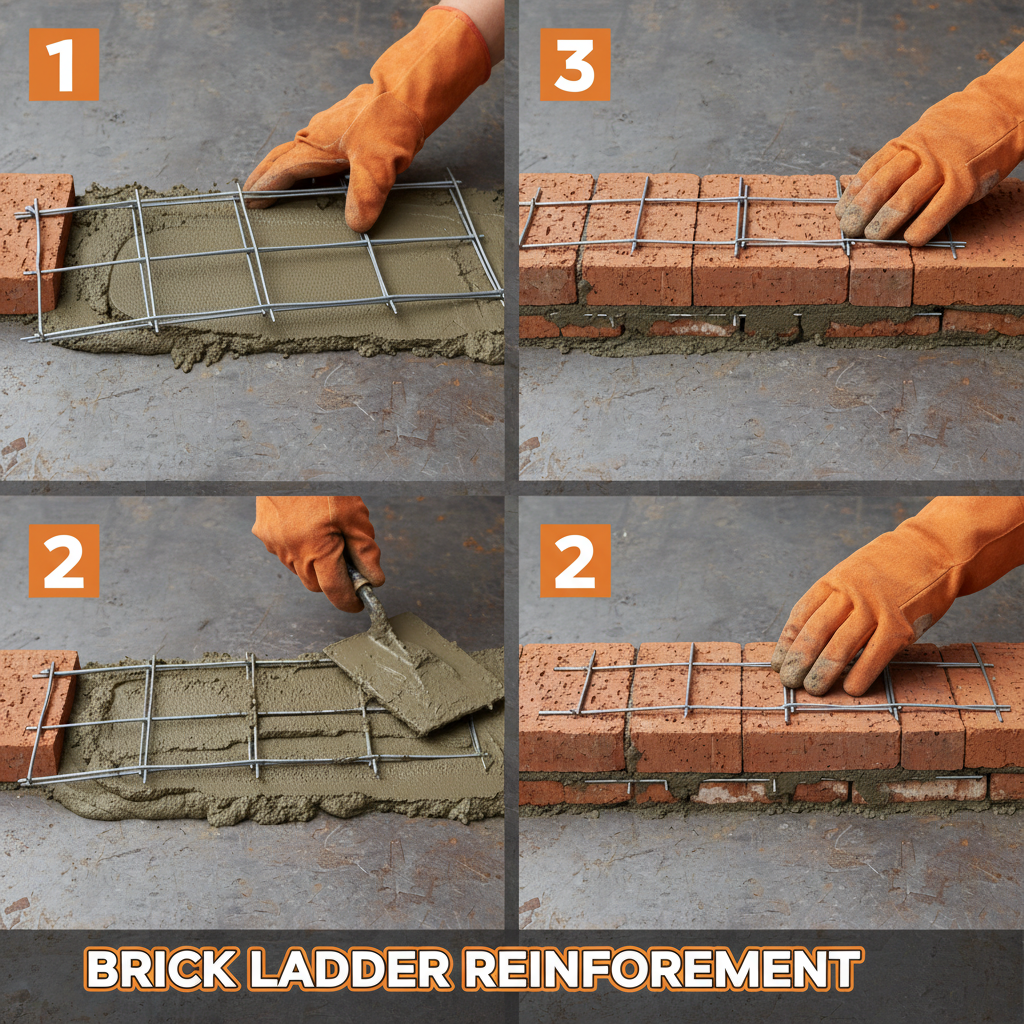
Brick wall straps are typically made from galvanized steel, stainless steel, or other corrosion-resistant alloys. They are installed horizontally within the mortar joints of a brick wall, spanning multiple courses to create a continuous tie. This tie effectively distributes stress across the wall, preventing localized failures and enhancing overall structural integrity.
Unlike traditional methods of reinforcement, brick wall straps do not require extensive demolition or reconstruction. They can be readily incorporated into existing structures as a retrofit measure, making them a cost-effective and efficient solution for improving the safety of older buildings. This is particularly valuable in preserving historical landmarks while ensuring public safety.
The concept connects directly to modern humanitarian needs by providing a means to rapidly reinforce existing buildings and create safe shelters in disaster-prone areas. Their ease of installation and minimal material requirements make them ideal for deployment in emergency situations.
Key Factors in Brick Wall Strap Performance
Several factors influence the effectiveness of brick wall straps. Durability is paramount; straps must withstand corrosion and maintain their tensile strength over extended periods. The quality of the steel, the galvanization process (if applicable), and the surrounding environmental conditions all play a role in determining strap lifespan.
Load Capacity is another critical consideration. Straps must be appropriately sized and spaced to handle the anticipated lateral forces and vertical loads. Engineers must carefully calculate the required load capacity based on the wall's height, thickness, and the region's seismic or wind hazard level. Compatibility with the brick and mortar types is also essential to prevent damage or weakening of the wall. Finally, Installation Quality significantly impacts performance; straps must be correctly embedded within the mortar joints to achieve optimal anchorage.
Furthermore, Corrosion Resistance is crucial, especially in coastal environments or areas with high humidity. Stainless steel straps offer superior corrosion resistance but are generally more expensive. The selection of appropriate materials depends on the specific application and budgetary constraints. Ensuring the straps remain effective over time is vital for long-term structural safety.
Spacing between straps is dictated by building codes and engineering analysis. Closer spacing provides greater resistance to lateral forces but increases material costs and installation time. Finding the optimal balance between performance and economy is a key challenge for engineers.
Global Applications of Brick Wall Straps
Brick wall straps are utilized globally in a diverse range of applications. In regions prone to earthquakes, such as Japan, Chile, and California, they are frequently used to retrofit existing unreinforced masonry buildings, significantly improving their seismic resilience. In post-disaster relief operations, they serve as a rapid and cost-effective method to stabilize damaged structures, enabling temporary shelter and preventing further collapse.
Across Europe, brick wall straps are employed in the restoration of historic buildings, preserving architectural heritage while ensuring structural safety. In developing countries, they are increasingly integrated into new construction projects, providing affordable and reliable reinforcement in areas with limited resources. They are also commonly used in the construction of boundary walls, retaining walls, and other non-load-bearing brick structures.
Brick Wall Strap Application Methods
Advantages and Long-Term Value
The benefits of utilizing brick wall straps are substantial. Cost-Effectiveness is a key advantage, especially when compared to complete demolition and rebuilding. The relatively low material costs and simple installation process translate to significant savings for building owners and developers. Furthermore, the increased structural integrity enhances the Sustainability of buildings, extending their lifespan and reducing the need for frequent repairs or replacements.
The enhanced Safety provided by brick wall straps is perhaps the most significant benefit. Protecting lives and minimizing property damage during seismic events or extreme weather is paramount. This also fosters greater Trust among occupants and the community, knowing that the building is designed to withstand potential hazards.
Future Trends and Innovations
Several exciting developments are on the horizon for brick wall strap technology. Research is underway to develop straps with enhanced tensile strength and corrosion resistance, utilizing advanced materials like fiber-reinforced polymers. Digital integration, through the use of sensors embedded within the straps, could enable real-time monitoring of structural stress and provide early warning of potential failures.
The integration of Building Information Modeling (BIM) software will facilitate more precise design and installation of brick wall straps, optimizing their performance and reducing material waste. Furthermore, the increasing focus on sustainable construction practices will drive demand for eco-friendly strap materials and manufacturing processes.
Challenges and Solutions
Despite their many advantages, several challenges hinder the widespread adoption of brick wall straps. Lack of awareness among builders and homeowners remains a significant obstacle. Education and training programs are crucial to promote the benefits of these straps and ensure proper installation techniques.
Building code limitations in some regions may not adequately address the use of brick wall straps, creating regulatory hurdles. Advocacy efforts and collaboration with building code officials are needed to update standards and promote the inclusion of these technologies. Ensuring proper installation quality consistently requires skilled labor and rigorous inspection processes.
Summary of Challenges and Solutions Regarding Brick Wall Strap Implementation
| Challenge |
Severity (1-10) |
Proposed Solution |
Implementation Cost (USD) |
| Lack of Awareness |
8 |
Targeted training programs & marketing campaigns |
5,000 - 15,000 |
| Building Code Limitations |
7 |
Lobbying & collaboration with code officials |
2,000 - 10,000 |
| Installation Quality Control |
9 |
Certification programs & rigorous inspections |
3,000 - 8,000 |
| Material Corrosion |
6 |
Utilizing stainless steel or advanced coatings |
10% - 30% material cost increase |
| Initial Cost Perception |
5 |
Demonstrating long-term cost savings & resilience |
2,000 - 5,000 |
| Design Complexity for Retrofits |
7 |
BIM integration & simplified design tools |
5,000 - 12,000 |
FAQS
Brick wall straps significantly improve a building’s ability to withstand earthquake forces by tying brick courses together, preventing separation and reducing the risk of collapse. This strengthens the overall structure and enhances the safety of occupants. The straps provide lateral restraint, distributing stress evenly across the wall and minimizing localized failures. Properly installed straps can dramatically reduce damage, even in areas with high seismic activity, offering a cost-effective solution compared to complete structural overhauls.
The installation process is crucial to the effectiveness of brick wall straps. Correct embedding within the mortar joints is essential for achieving optimal anchorage and load transfer. Incorrectly positioned or loosely fitted straps can significantly reduce their performance. It’s vital to follow manufacturer's instructions and adhere to relevant building codes. Qualified professionals with experience in masonry reinforcement should perform the installation, ensuring proper spacing, depth, and secure fastening.
Brick wall straps are commonly constructed from galvanized steel, stainless steel, or other corrosion-resistant alloys. Galvanized steel provides a good balance of strength and cost, but its corrosion resistance is limited, especially in harsh environments. Stainless steel offers superior corrosion protection, making it ideal for coastal regions or areas with high humidity. The choice of material depends on the specific application, environmental conditions, and budgetary considerations. Regular inspection and maintenance are crucial to ensure the long-term integrity of the straps.
Brick wall straps can be a viable solution for reinforcing historical buildings, but careful consideration must be given to preservation concerns. The installation process should minimize disturbance to the original fabric of the building. Using non-invasive techniques and selecting appropriate materials that are compatible with the existing masonry are crucial. Consultation with preservation specialists is recommended to ensure that the reinforcement work is carried out in a manner that respects the historical integrity of the structure.
Compared to more extensive reinforcement methods like concrete frames or complete rebuilding, brick wall straps offer a significantly more cost-effective solution. The material costs are relatively low, and the installation process is less labor-intensive. While the exact cost varies depending on the size and complexity of the project, brick wall straps generally represent a fraction of the expense associated with alternative reinforcement techniques. This makes them particularly appealing for retrofitting existing buildings and projects with limited budgets.
Regular inspection and maintenance are essential for ensuring the long-term effectiveness of brick wall straps. Annual inspections are recommended, especially in harsh environments. Inspectors should look for signs of corrosion, damage, or loosening of the straps. Any damaged straps should be replaced promptly. Periodic cleaning and application of protective coatings can help extend the lifespan of the straps and maintain their corrosion resistance. Maintaining detailed records of inspections and maintenance activities is also advisable.
Conclusion
In conclusion, brick wall straps represent a valuable and versatile solution for enhancing the structural integrity and safety of brick masonry buildings. Their cost-effectiveness, ease of installation, and adaptability make them suitable for a wide range of applications, from retrofitting existing structures to new construction projects. By providing lateral restraint and distributing stress, these straps significantly reduce the risk of collapse during seismic events or extreme weather, safeguarding lives and preserving property.
Looking forward, continued innovation in materials, design, and installation techniques will further expand the applications and benefits of brick wall straps. Promoting awareness among builders, engineers, and homeowners is crucial for widespread adoption, ultimately contributing to more resilient and sustainable communities. To learn more about implementing effective brick wall strap solutions for your project, visit our website: www.cntcmetal.com.