Brick tie backs are essential components in modern construction, particularly in brick veneer systems. They provide a critical connection between the brick facing and the structural wall, preventing separation and ensuring the stability of the building envelope. Understanding their function and proper installation is paramount for long-term structural integrity and preventing costly repairs. This knowledge is globally relevant, impacting construction practices worldwide.
The demand for effective brick tie backs is driven by increasing construction activities in developing nations and a growing emphasis on building safety standards globally. Organizations like the International Code Council (ICC) and standards bodies such as ISO play a role in defining minimum requirements for these components. The proper selection and implementation of brick tie backs directly address the challenge of building envelope failure, a significant cause of property damage and safety concerns.
Ultimately, utilizing appropriate brick tie backs contributes to more durable, resilient, and sustainable buildings, benefiting both property owners and the communities they inhabit.
Introduction to brick tie backs
The primary function of brick tie backs is to mechanically connect brick veneer to the supporting structure, typically wood or metal framing. Without these connections, the brick veneer would be susceptible to movement, cracking, and potential collapse, especially under wind loads or seismic activity. Their application is widespread in both residential and commercial construction.
Selecting the correct type of brick tie back is crucial; factors like material compatibility (avoiding corrosion between different metals), wall thickness, and local building codes all influence the appropriate choice. brick tie backs are available in various materials and designs to meet these diverse requirements.
Defining Brick Tie Backs
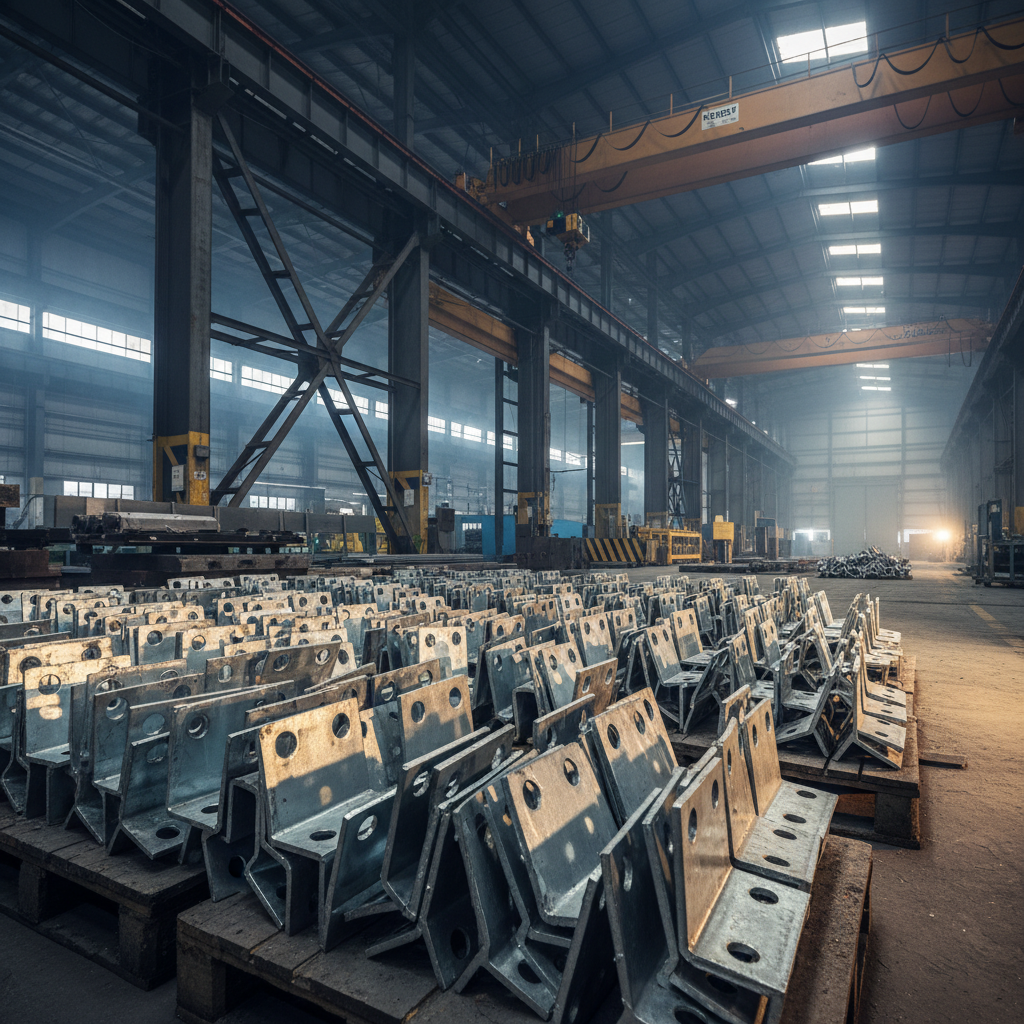
Brick tie backs are metallic fasteners designed to secure brick veneer to the structural framing of a building. They are typically manufactured from galvanized steel, stainless steel, or other corrosion-resistant materials. They are embedded into the mortar joints of the brickwork and mechanically fastened to the studs, joists, or masonry blocks behind.
Their connection is vital in providing lateral restraint, preventing the brick veneer from separating from the structure, particularly in areas prone to strong winds or seismic activity. They represent a critical element in modern construction, ensuring the longevity and safety of brick buildings.
The simplicity and effectiveness of brick tie backs have made them a cornerstone of building practices for decades, representing a balance between cost-effectiveness and structural performance.
Core Characteristics of Effective brick tie backs
Durability is paramount. Brick tie backs must withstand long-term exposure to the elements and resist corrosion. Galvanized steel offers good corrosion resistance, but stainless steel is preferred in harsher environments, such as coastal areas or those with high levels of industrial pollution.
Load capacity is another critical factor. The tie back must be strong enough to resist lateral forces imposed by wind and seismic activity. The required load capacity is determined by building codes and structural calculations, and varies based on the height of the building, the wind zone, and the seismic zone.
Proper installation is essential. A correctly installed brick tie back must be securely embedded in the mortar joint and firmly fastened to the structural framing. Improper installation can significantly reduce the tie back’s effectiveness and compromise the structural integrity of the wall. brick tie backs must meet standards.
Global Applications and Use Cases
Brick tie backs find widespread application across the globe in a diverse range of construction projects. In North America, they are commonly used in residential and commercial buildings featuring brick veneer facades. Similarly, in Europe, particularly in historical restoration projects, careful selection and installation of brick tie backs are crucial to preserve the architectural integrity of older structures.
In developing countries, where brick construction is prevalent, their use is becoming increasingly common to ensure the safety and durability of buildings. Post-disaster reconstruction efforts frequently rely on brick tie backs to reinforce damaged structures and improve their resistance to future events. In remote industrial zones, brick tie backs are used in the construction of warehouses and factories requiring robust and secure facades.
Brick Tie Backs Performance Comparison
Advantages and Long-Term Value
Employing high-quality brick tie backs delivers significant cost savings over the building’s lifecycle. Preventing wall failures eliminates expensive repairs and potential structural damage, minimizing downtime and disruption. The enhanced structural integrity also increases the building’s overall value.
From a sustainability perspective, brick tie backs contribute to longer-lasting buildings, reducing the need for frequent renovations and material replacement. By ensuring the durability of brick facades, they support a more circular economy and minimize construction waste. The peace of mind associated with a securely constructed building adds significant intangible value.
Future Trends in brick tie backs Technology
Ongoing research focuses on developing brick tie backs from innovative materials, such as fiber-reinforced polymers (FRPs), which offer superior corrosion resistance and high strength-to-weight ratios. These materials are particularly suited for challenging environments.
Digital integration and smart building technologies are also influencing the design and implementation of brick tie backs. Sensors embedded within the tie backs could provide real-time monitoring of stress levels and potential failure points, enabling proactive maintenance and preventing catastrophic events. The use of automation in the installation process is being explored to improve efficiency and consistency.
Common Challenges and Innovative Solutions
A common challenge is corrosion, particularly in coastal environments or areas exposed to de-icing salts. One solution is the increased use of stainless steel or specialized coatings that provide enhanced corrosion protection. Another challenge is ensuring proper embedment depth in the mortar joint, which can be affected by variations in mortar consistency and brick dimensions.
Innovative solutions include self-adjusting brick tie backs that compensate for variations in brick thickness and mortar joint depth. Furthermore, the development of non-corrosive tie back systems utilizing advanced polymers is addressing the long-term durability concerns. The effective implementation of these solutions requires rigorous testing and adherence to industry best practices.
Addressing these challenges proactively ensures the long-term performance and safety of brick veneer systems.
Summary of Brick Tie Back Challenges and Solutions
| Challenge |
Severity |
Impact on brick tie backs Performance |
Proposed Solution |
| Corrosion |
High |
Reduces load capacity and structural integrity |
Use stainless steel or protective coatings |
| Insufficient Embedment |
Medium |
Decreases lateral restraint |
Self-adjusting tie backs |
| Material Compatibility |
Medium |
Galvanic corrosion between dissimilar metals |
Use compatible materials or isolating barriers |
| Improper Installation |
High |
Compromises overall system performance |
Training and quality control measures |
| Wind Load Variations |
Medium |
Potential for veneer detachment |
Increased tie back density in high-wind areas |
| Seismic Activity |
High |
Potential for widespread failure |
Seismically rated tie backs and reinforced detailing |
FAQS
When choosing brick tie backs, prioritize factors such as the type of brick, wall thickness, local climate, and building codes. Material compatibility is crucial to avoid corrosion. Load capacity must also meet or exceed the requirements for the specific application, particularly in areas prone to high winds or seismic activity. Proper spacing and embedment are also essential for optimal performance.
Brick tie backs should be inspected periodically, especially in older buildings or those located in harsh environments. Routine inspections can identify signs of corrosion, damage, or loosening. A thorough inspection should be conducted at least every five years, or more frequently in areas with severe weather conditions. Look for any signs of brick movement, cracking, or rust.
The recommended spacing for brick tie backs typically ranges from 16 to 24 inches horizontally and 32 to 48 inches vertically, but this can vary based on building codes, wind loads, and the height of the structure. Consult local building codes and a structural engineer to determine the appropriate spacing for your specific project.
Brick tie backs are commonly manufactured from galvanized steel, stainless steel, or aluminum. Galvanized steel is a cost-effective option for many applications, but stainless steel offers superior corrosion resistance, especially in coastal areas or those exposed to de-icing salts. Aluminum tie backs are lighter and also offer good corrosion resistance.
Yes, brick tie backs can be retrofitted into existing brick walls, but it requires careful planning and execution. The process typically involves cutting slots into the mortar joints to accommodate the tie backs and then securing them to the structural framing. It’s highly recommended to consult with a structural engineer to ensure the retrofit is performed correctly and doesn't compromise the wall’s integrity.
Using improper brick tie backs can have serious consequences, including brick veneer detachment, structural instability, and potential building collapse. This can lead to costly repairs, property damage, and even injury. Always ensure that the chosen tie backs meet relevant building codes and are suitable for the specific application. Incorrect installation exacerbates these risks.
Conclusion
In conclusion, brick tie backs are fundamental components in ensuring the safety, durability, and longevity of brick veneer structures. Understanding their function, selecting the appropriate materials, and ensuring proper installation are paramount to preventing costly failures and maintaining structural integrity. Their significance extends from residential buildings to large-scale commercial projects, playing a critical role in the built environment.
Looking ahead, advancements in materials science and monitoring technologies promise to further enhance the performance and reliability of brick tie backs. Proactive maintenance, adherence to building codes, and collaboration between architects, engineers, and contractors will be essential in optimizing their effectiveness. Visit our website at www.cntcmetal.com to learn more about our comprehensive range of brick tie back solutions.