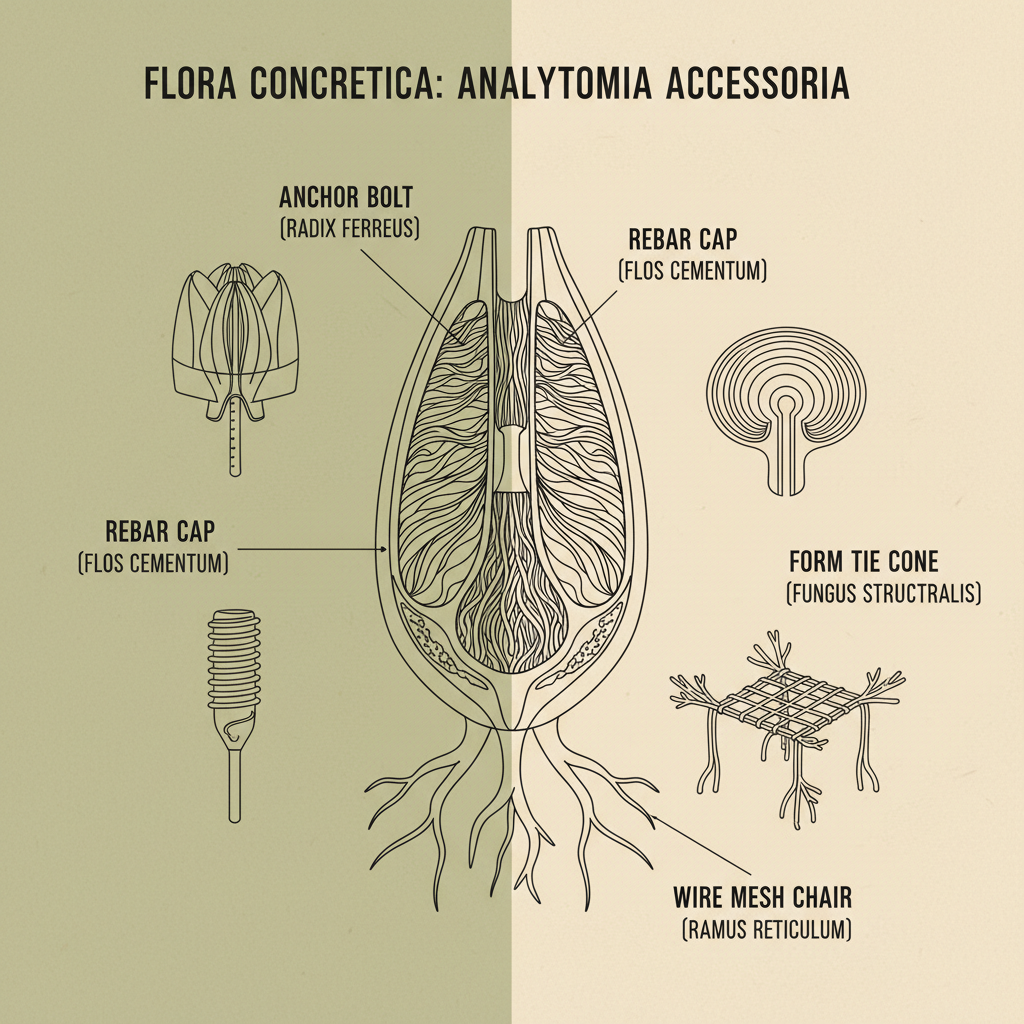
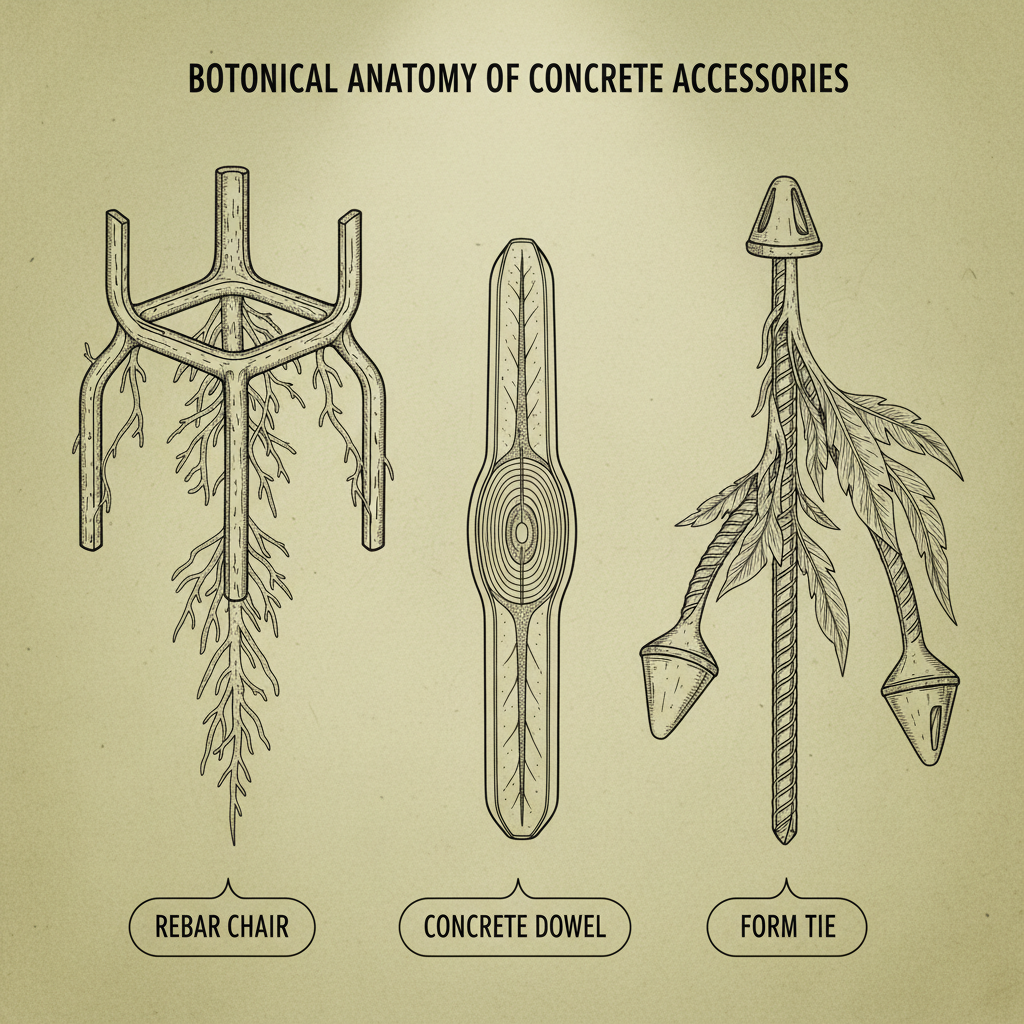
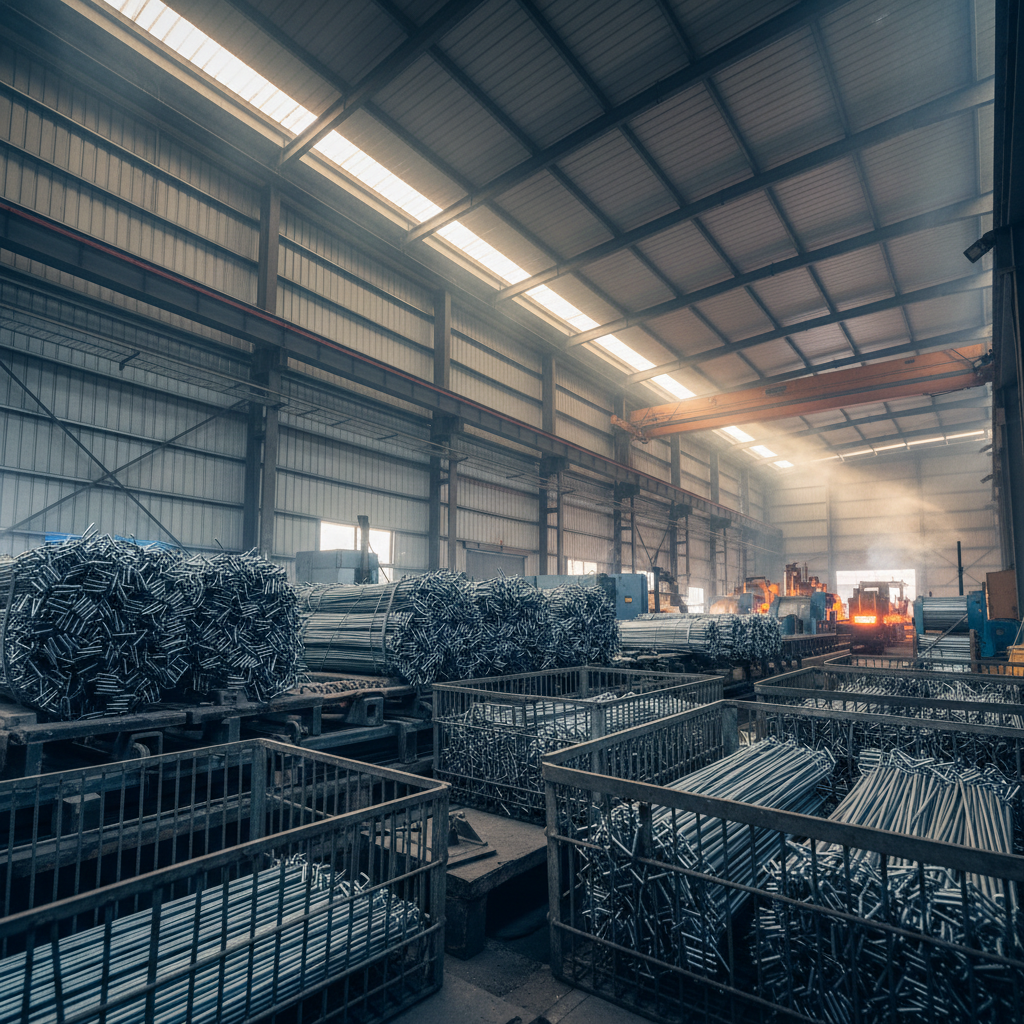
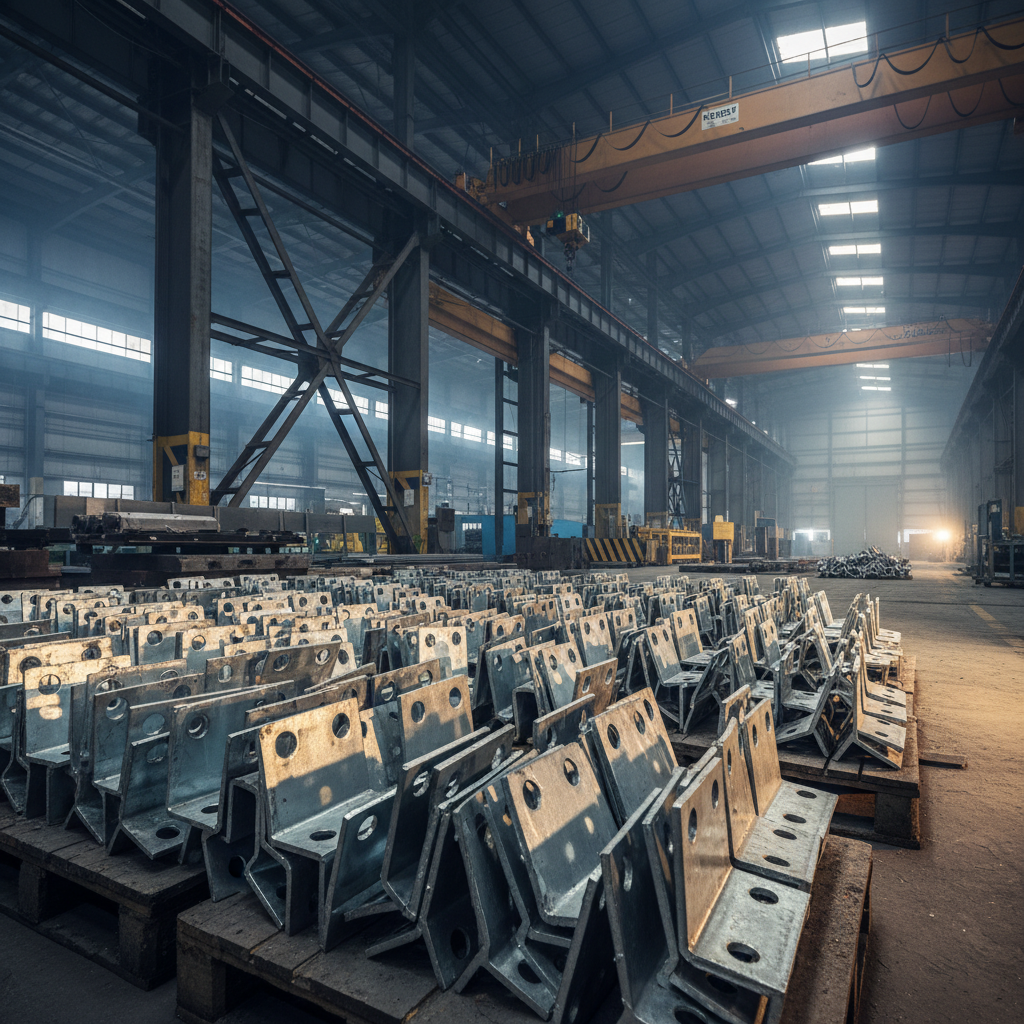
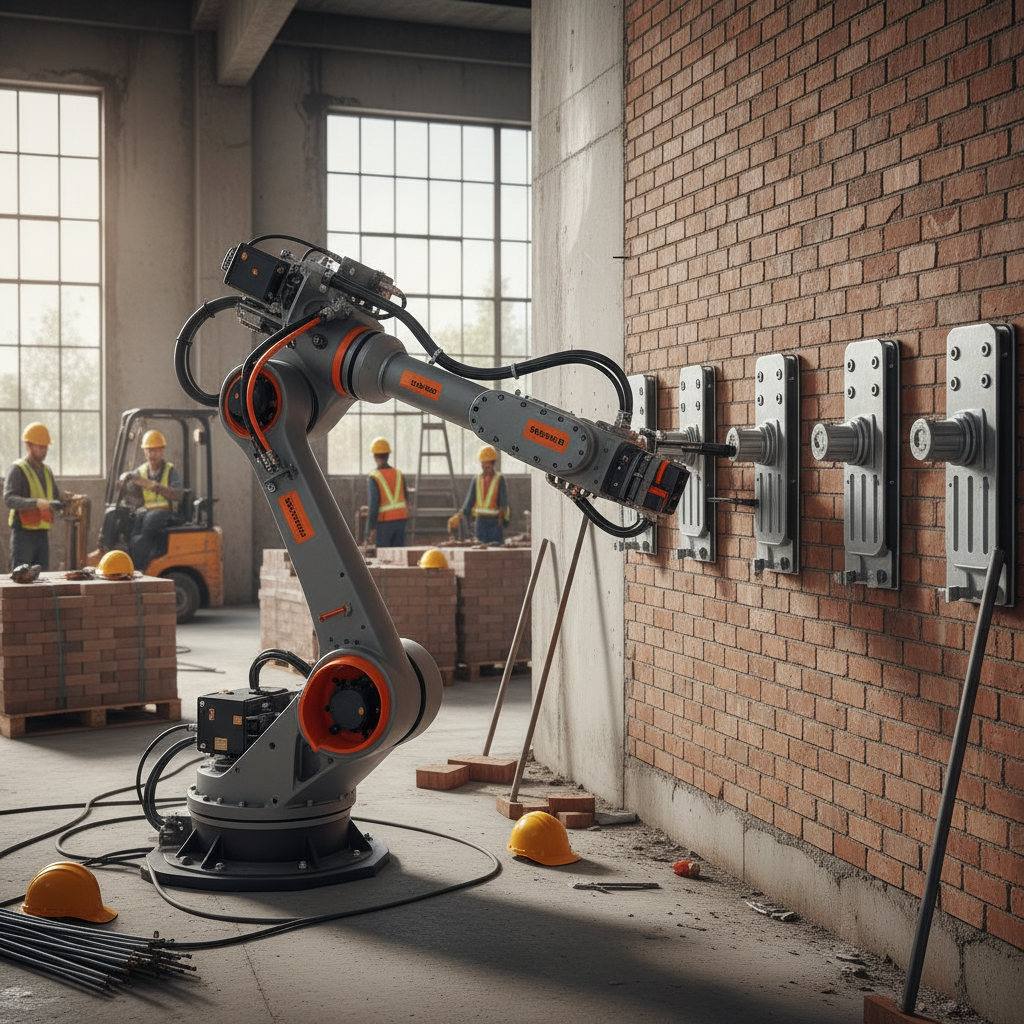
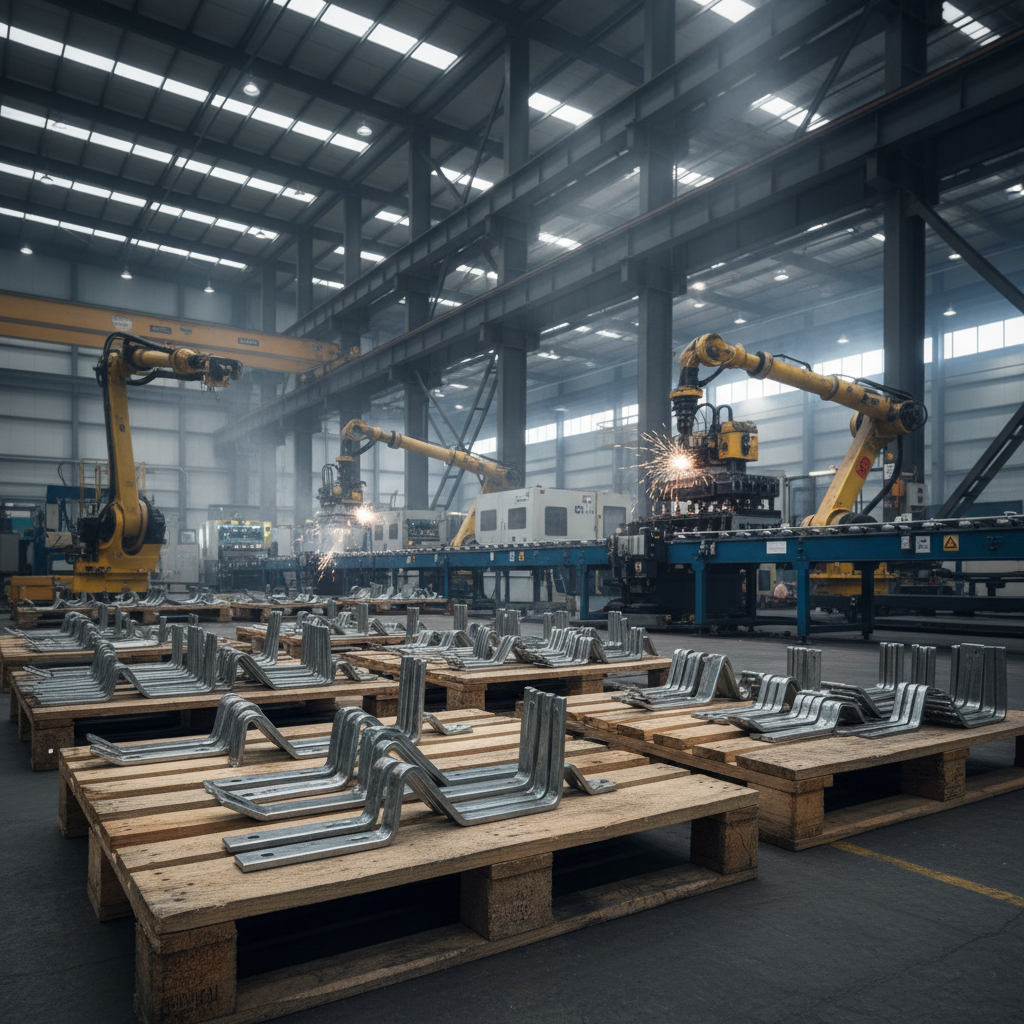
To be honest, this year feels… different. Used to be everyone just wanted the cheapest stuff, didn’t care about anything else. Now they're all talking about 'smart construction,' ‘digital twins,’ and prefabrication. It’s a bit much, frankly. But it does mean more demand for decent concrete accessories, accessories that actually hold up. I’ve seen too many projects held back by flimsy rebar chairs or poorly made formwork ties. It's frustrating, you know? You spend all this time on planning, then something simple fails and everything gets delayed.
Have you noticed how everyone’s obsessed with speed? Prefabricated modules, quick-setting concrete…it's all about shaving off time. Which means accessories need to be equally fast to install. But speed can’t come at the expense of quality. That’s where things get tricky. I encountered this at a factory in Tianjin last time – they were using some new type of plastic anchor, supposedly super fast to hammer in. Turned out, it just shattered half the time. Absolute mess.
Anyway, I think a lot of people underestimate the importance of the materials themselves. We use a lot of Q235 steel, obviously – standard stuff for rebar. Feels solid, smells… metallic, I guess? You get used to it. But the real difference is in the coatings. Zinc plating is okay, but epoxy coating is where it’s at. It’s a bit pricier, yeah, but it’ll last years longer, especially in coastal areas. And the plastic? It needs to be UV resistant, obviously. I’ve seen plastic formwork just crumble in the sun, it’s not a pretty sight.
Industry Trends & Pitfalls
Strangely enough, a lot of designers focus so much on the concrete mix itself, they forget about how everything around it needs to work. They’ll spec a super high-strength concrete, then use undersized form ties. Makes no sense. It's like building a Formula 1 car with bicycle wheels. And these new, complicated designs… yeah, they look good on paper, but try explaining it to the guys on site who've been doing this for 20 years. They just want something that’s simple and reliable. They don't need a PhD in structural engineering.
Another thing: this push for 'sustainable' materials. It’s great, don't get me wrong, but some of these bio-plastics just… don’t cut it. They’re too brittle, too sensitive to moisture. We tried using some recycled plastic spacers on a project in Shanghai, and they warped within a week. Back to the drawing board.
Material Matters
The steel, as I said, Q235 is the workhorse. But it’s all about the details. The welding needs to be clean, no porosity. The surface prep before coating is crucial. If you don’t get rid of all the rust and mill scale, the coating won't adhere properly. And the coating itself… we've moved away from simple zinc plating because it just doesn't hold up in corrosive environments. Epoxy is the way to go, even though it costs more upfront. It's worth it in the long run.
For plastic components – formwork, spacers, edge protectors – we're seeing a lot of polypropylene and polyethylene. Polypropylene is stiffer, more resistant to cracking, but polyethylene is more flexible, better for cushioning. It depends on the application. You can usually tell the quality just by bending it. Cheap plastic feels brittle, snaps easily. Good plastic has a bit of give.
And don’t even get me started on the rubber. Those rubber vibration isolators… they all look the same, but the quality varies wildly. You need a good, dense rubber that won't compress too much under load. Smell it, too. Cheap rubber has a strong, chemical smell. Good rubber… well, it just smells like rubber.
Real-World Testing
Forget the lab tests. They're useful, sure, but nothing beats putting these things through the wringer on a real construction site. We do a lot of on-site pull tests for anchors, just to make sure they can handle the load. And we'll deliberately abuse the formwork – kick it, drop things on it, leave it out in the sun – to see how it holds up. It’s not pretty, but it’s effective.
I remember one time, we were using some new type of form tie on a bridge project. The engineer insisted it was perfectly safe, based on the lab results. But when the concrete was poured, a bunch of the ties buckled. Turns out, the lab tests didn’t account for the vibration from the concrete trucks. Lesson learned: always test in a realistic environment.
We also have a dedicated 'torture chamber' at our warehouse, where we subject accessories to extreme temperatures, humidity, and chemical exposure. It's basically a glorified shed, but it helps us identify potential weak points.
How Accessories Are Actually Used
This is where things get interesting. Designers envision everything being installed perfectly, according to the plans. But in reality… well, let’s just say workers are resourceful. They’ll find ways to make things work, even if it means improvising. I've seen rebar chairs used as shims, form ties repurposed as clamps, and spacers used as wedges.
And they’re not always careful. They'll overtighten bolts, hammer things too hard, and generally treat materials with a certain… disregard. Which is why you need accessories that can withstand a bit of abuse.
Accessory Usage Breakdown
Pros, Cons, & Customization
The biggest advantage of good concrete accessories is, obviously, they prevent failures. Less rework, fewer delays, happier clients. But they're also about efficiency. A well-designed rebar chair can save a worker a lot of time and effort. A quick-release form tie can speed up the stripping process. It’s all about streamlining the workflow.
The downside? Cost, obviously. Good accessories are more expensive than cheap ones. And sometimes, they’re overkill. You don’t need a titanium form tie for a simple garden shed. It’s about finding the right balance between cost and performance.
A Customer Story
Last month, that small boss in Shenzhen who makes smart home devices – a real hustler, that guy – insisted on changing the interface to for our formwork ties. Said it would make them more ‘futuristic.’ We told him it was a bad idea, that the standard connection was perfectly reliable. He wouldn't listen. He wanted . The result? The workers kept accidentally disconnecting the ties, the formwork kept shifting, and the whole project was delayed by two weeks. He came crawling back to us, begging for the standard ties. Sometimes, you just gotta stick with what works.
We do offer customization, though. We had a customer in Dubai who needed rebar chairs with a specific coating to withstand the extreme heat and salinity. We were able to work with them to develop a custom solution. It wasn't cheap, but it saved them a lot of headaches in the long run.
The Bottom Line
Ultimately, whether this thing works or not, the worker will know the moment he tightens the screw. Or hammers in the anchor. Or tries to strip the formwork. They’re the ones who have to deal with the consequences if something goes wrong. So, you need to give them tools they can rely on.
We're not reinventing the wheel here, just trying to make it a little bit smoother, a little bit more reliable. A little bit less frustrating for everyone involved. It's a tough job, construction. And the small things – the accessories – can make all the difference.