Brick veneer anchor systems represent a critical component in modern construction, particularly for enhancing the safety and longevity of brick veneer walls. These anchors serve as a crucial tie between the brick veneer and the structural wall behind it, resisting wind loads, seismic forces, and thermal expansion and contraction. Understanding the intricacies of brick veneer anchor selection, installation, and performance is paramount for architects, contractors, and building owners alike, ensuring structures meet safety standards and withstand environmental challenges. Proper application of these anchors contributes significantly to building resilience and reduces potential maintenance costs over the building’s lifespan.
Globally, the demand for durable and aesthetically pleasing building facades drives the continuous innovation within the brick veneer anchor industry. From residential homes to large-scale commercial buildings, brick veneer remains a popular choice due to its classic appearance and relatively low cost. However, the effectiveness of brick veneer hinges directly on the quality and proper installation of the anchoring system. Failing to address potential issues related to anchor corrosion, insufficient load capacity, or improper spacing can lead to costly repairs or even structural failure.
The increasing frequency of extreme weather events worldwide further emphasizes the importance of robust brick veneer anchor systems. These systems play a vital role in preventing brick veneer detachment during hurricanes, earthquakes, or severe windstorms, safeguarding lives and protecting property. Investing in high-quality anchors and adhering to best practices in installation are not merely regulatory requirements but a fundamental aspect of responsible construction.
Introduction to Brick Veneer Anchor
Brick veneer anchor systems have evolved significantly over time, adapting to changing building codes and construction practices. Initially, simple wire ties were commonly used, but these often suffered from corrosion issues, leading to premature failure. Modern brick veneer anchor systems utilize corrosion-resistant materials such as stainless steel and high-strength alloys, ensuring long-term durability. These advancements have improved the reliability of brick veneer installations, reducing the risk of costly repairs and enhancing the overall structural integrity.
The selection of the appropriate brick veneer anchor is crucial and depends on several factors, including the type of brick, the wall construction, and the local climate. Different anchor designs are available to accommodate varying brick thicknesses and wall configurations. Understanding these nuances is essential for architects and contractors to ensure optimal performance and compliance with industry standards.
Defining Brick Veneer Anchor Systems
A brick veneer anchor system is essentially a mechanical connection that securely fastens a brick veneer to the structural wall of a building. Unlike structural brickwork, brick veneer is non-load-bearing, meaning it primarily serves as a decorative cladding. The anchors prevent the veneer from separating from the structure, protecting it from wind uplift, seismic activity, and thermal stresses. They transfer these forces to the supporting wall, ensuring the veneer remains stable and intact.
The system typically consists of anchor components embedded within the brick veneer and connected to the structural wall, often using a galvanized steel or stainless steel wire or a pre-fabricated anchor strip. The specific design and materials used vary depending on the application, building codes, and environmental conditions.
The proper functioning of a brick veneer anchor system is vital for maintaining the aesthetic appeal and structural integrity of the building. A well-designed and installed system significantly extends the lifespan of the brick veneer, minimizes maintenance requirements, and enhances the overall safety of the structure.
Core Components of Brick Veneer Anchors
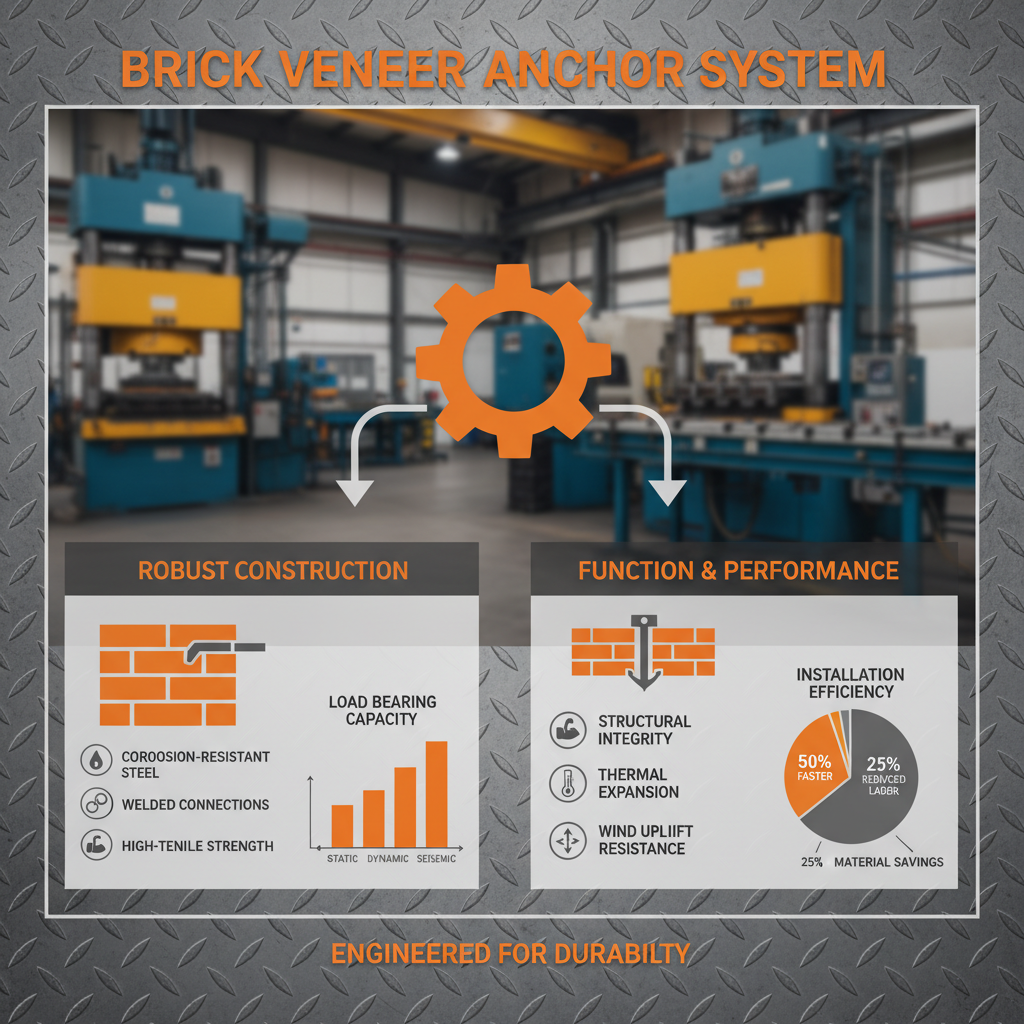
The foundation of any reliable brick veneer anchor system lies in its individual components. The most common elements include the anchor itself – typically constructed from stainless steel or galvanized steel – which is embedded within the brick and provides the initial connection. Alongside this is the attachment mechanism, which secures the anchor to the structural wall, often utilizing a wire tie, strap, or clip.
Further enhancing the system’s efficacy are essential accessories such as weep holes, which facilitate moisture drainage from behind the veneer, preventing water damage and corrosion. Proper insulation and vapor barriers also contribute to the longevity of the system, minimizing thermal expansion and contraction, and protecting against freeze-thaw cycles. The synergy of these components ensures a robust and durable connection.
Material selection is critical; corrosion-resistant materials are vital, especially in coastal environments or areas with high humidity. The strength and durability of each component directly impact the overall performance of the system, influencing its ability to withstand external forces and maintain the integrity of the brick veneer.
Key Performance Factors
Several key factors determine the performance and reliability of a brick veneer anchor system. Load capacity, which refers to the anchor’s ability to resist tensile and shear forces, is paramount. Corrosion resistance, particularly in harsh environments, is also crucial to prevent premature failure. Proper spacing of anchors, guided by building codes and engineering calculations, ensures uniform load distribution.
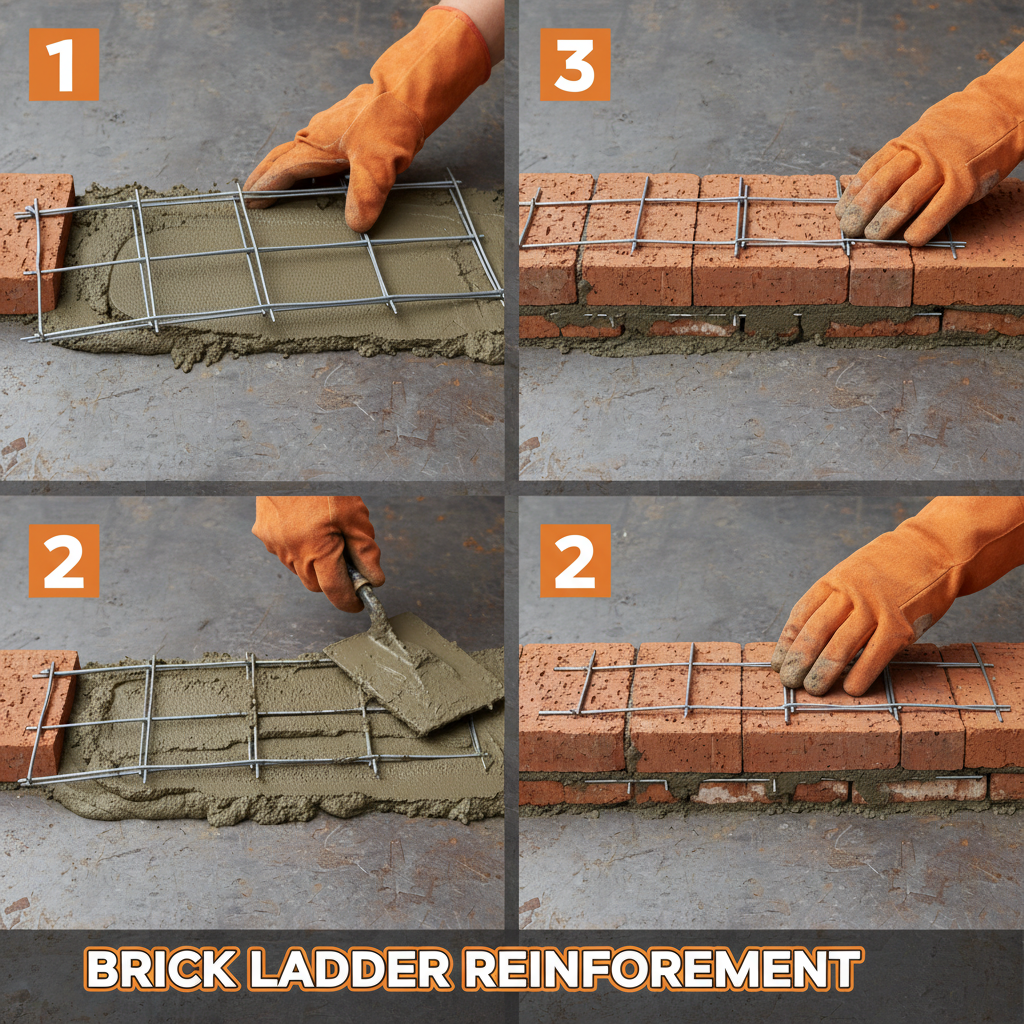
Installation quality is equally important. Anchors must be installed correctly, with the appropriate depth and alignment, to achieve their intended performance. Regular inspections and maintenance can help identify and address potential issues before they escalate, extending the lifespan of the system.
Brick Veneer Anchor Performance Metrics
Global Applications & Industry Sectors
Brick veneer anchor systems are widely utilized across diverse construction projects globally. Residential buildings, particularly single-family homes and townhouses, represent a significant portion of the market. However, these systems are also crucial in commercial construction, including retail spaces, office buildings, and educational institutions, where aesthetic appeal and durability are paramount.
Industries benefiting from reliable brick veneer anchors include general contracting, masonry, and architectural design. In regions prone to seismic activity, such as California and Japan, robust anchoring systems are essential to ensure building safety and compliance with stringent building codes. Furthermore, areas with harsh coastal climates require corrosion-resistant anchors to withstand saltwater exposure and prevent structural deterioration.
Advantages and Long-Term Value
The advantages of employing a high-quality brick veneer anchor system extend far beyond initial installation costs. Enhanced structural integrity significantly reduces the risk of costly repairs due to veneer detachment, safeguarding property value and minimizing potential liability. The long-term durability of corrosion-resistant materials translates to reduced maintenance expenses over the building’s lifespan.
Furthermore, properly anchored brick veneer contributes to improved energy efficiency by minimizing air infiltration and enhancing thermal performance. The aesthetic appeal of a well-maintained brick veneer facade can also increase a property’s market value, providing a significant return on investment. Choosing a reliable system instills confidence in building owners and occupants, fostering a sense of security and peace of mind.
The sustainability aspect shouldn't be overlooked. By preventing premature veneer failure and reducing the need for replacement, brick veneer anchors contribute to a more sustainable construction lifecycle, minimizing waste and conserving resources.
Future Trends & Innovations
The future of brick veneer anchor technology is focused on increased integration with smart building systems and the development of more sustainable materials. Research is underway to explore the use of bio-based polymers and recycled materials in anchor construction, reducing environmental impact.
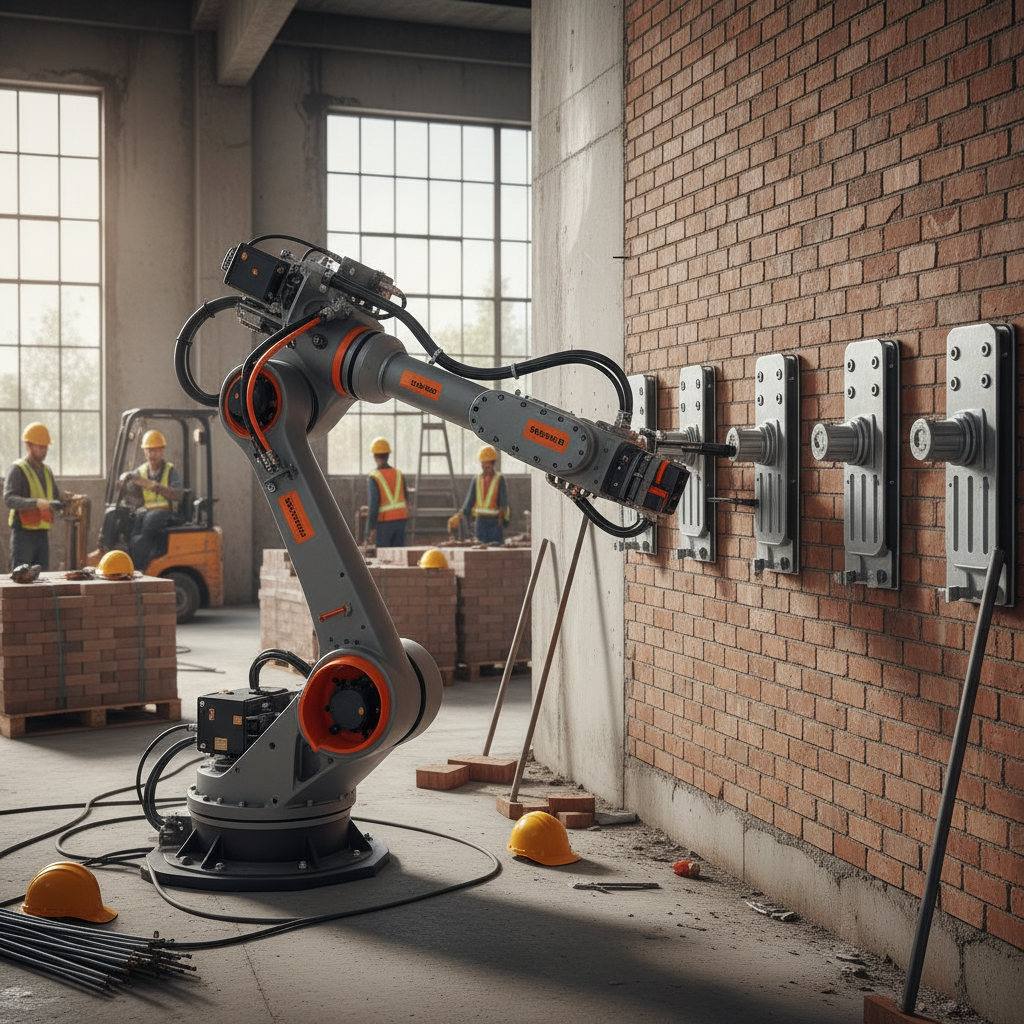
Digital technologies, such as Building Information Modeling (BIM), are enabling more precise anchor placement and performance analysis during the design phase. Automated installation techniques are also emerging, promising faster and more efficient construction processes.
Furthermore, advancements in sensor technology will allow for real-time monitoring of anchor performance, providing early warnings of potential issues and enabling proactive maintenance. These innovations will contribute to more resilient, sustainable, and cost-effective brick veneer construction.
A Comparative Analysis of Brick Veneer Anchor Systems
| Anchor Type |
Corrosion Resistance |
Load Capacity (kN) |
Installation Complexity |
| Stainless Steel Wire Tie |
High |
8 |
Medium |
| Galvanized Steel Strap |
Moderate |
10 |
Low |
| Powder-Coated Steel Anchor |
Moderate |
9 |
Medium |
| Composite Anchor (Plastic/Steel) |
High |
7 |
High |
| Hybrid Stainless/Galvanized Anchor |
Good |
11 |
Medium |
| Pre-Fabricated Anchor Strip |
High |
12 |
Low |
FAQS
Selecting the appropriate brick veneer anchor depends on several critical factors, including the brick type (e.g., clay, concrete), the wall construction (e.g., wood frame, concrete block), the local climate (e.g., coastal, seismic), and applicable building codes. Corrosion resistance is paramount in harsh environments, while load capacity must be sufficient to withstand anticipated wind and seismic forces. Considering these factors ensures a reliable and long-lasting installation.
Regular inspection of brick veneer anchor systems is crucial for preventative maintenance. A visual inspection should be conducted at least annually, paying close attention to signs of corrosion, loose anchors, or cracking in the brick veneer. More frequent inspections are recommended in regions with severe weather conditions or seismic activity. Documenting inspection findings and addressing any issues promptly will extend the life of the system.
Using improper or substandard brick veneer anchors can lead to severe consequences, including brick veneer detachment, structural damage, and potential safety hazards. Loose or corroded anchors can compromise the integrity of the wall, making it vulnerable to wind loads and seismic forces. Addressing these issues can be extremely costly, potentially requiring complete veneer replacement.
Climate plays a significant role in selecting the appropriate anchor materials. In coastal areas with high salt content, stainless steel anchors are essential to prevent corrosion. In regions with freeze-thaw cycles, anchors should be chosen to accommodate thermal expansion and contraction. Areas prone to extreme winds or seismic activity require anchors with higher load capacities. Considering these climatic factors ensures the long-term durability of the system.
Weep holes are crucial components of a brick veneer system, providing a pathway for moisture to escape from behind the veneer. Without adequate ventilation, water can accumulate, leading to corrosion of the anchors, efflorescence, and potential structural damage. Properly spaced and maintained weep holes ensure the longevity and integrity of the brick veneer wall.
Several innovations are emerging in brick veneer anchor technology, including the use of composite materials to enhance corrosion resistance and reduce weight. Smart anchors equipped with sensors are also being developed to monitor stress levels and provide early warnings of potential failures. Furthermore, BIM integration and automated installation techniques are improving efficiency and accuracy in the construction process.
Conclusion
In conclusion, brick veneer anchor systems are indispensable for ensuring the safety, durability, and aesthetic appeal of brick veneer construction. From selecting the appropriate materials and designs to meticulous installation and regular maintenance, a comprehensive approach is paramount. By understanding the core principles governing anchor performance and embracing emerging innovations, we can build more resilient, sustainable, and cost-effective structures.
Looking ahead, continued research and development in materials science and smart technologies will further enhance the capabilities of brick veneer anchor systems. Adopting best practices and staying abreast of evolving building codes are vital for architects, contractors, and building owners alike. Investing in high-quality anchors and prioritizing proper installation are not merely regulatory requirements but a commitment to long-term structural integrity and peace of mind. For dependable solutions, visit our website: www.cntcmetal.com