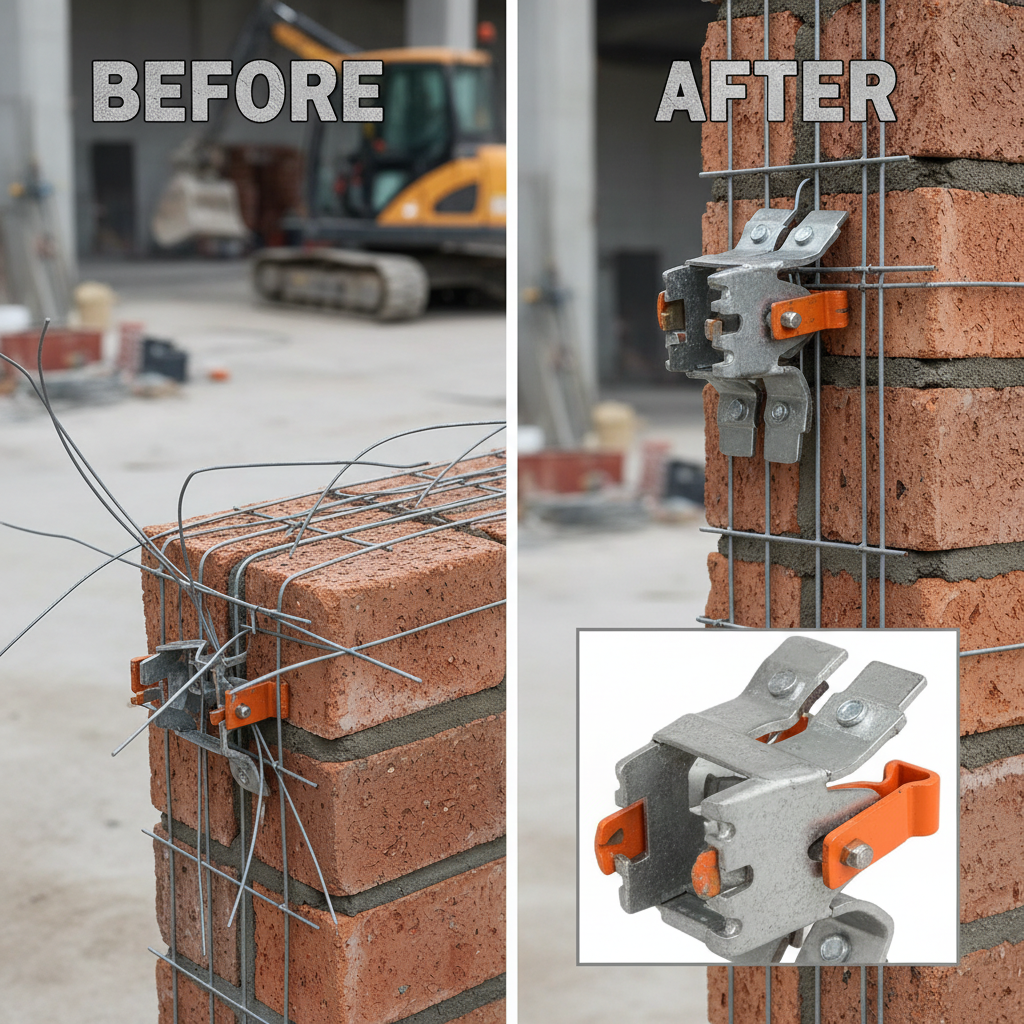
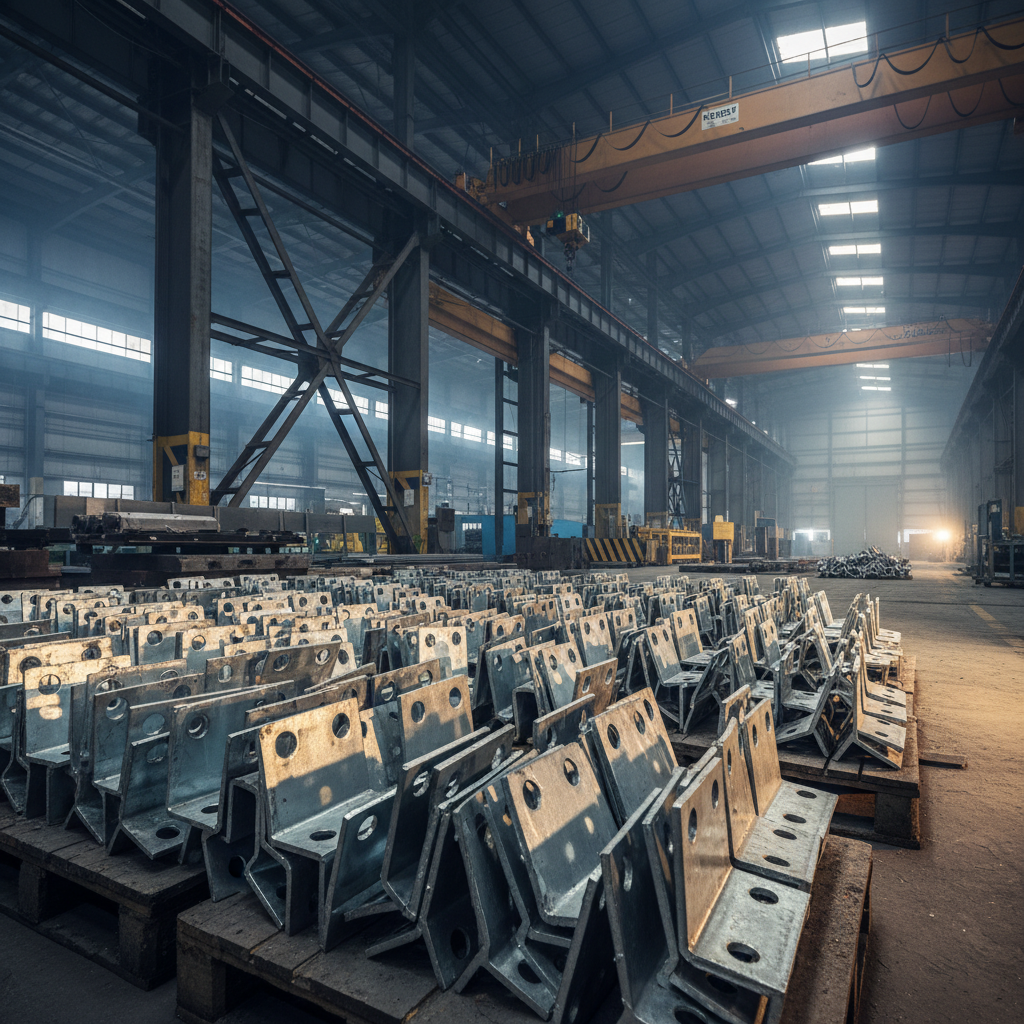
In the realm of modern masonry and structural engineering, the stability of cavity walls relies heavily on the invisible strength of reinforcement. The brick ladder wire serves as a critical structural component, designed to tie the inner and outer leaves of a wall together, preventing lateral displacement and ensuring the long-term integrity of the building envelope. By distributing loads more evenly and resisting the forces of thermal expansion and contraction, these wire ties transform a simple stack of bricks into a cohesive, resilient system.
Globally, the demand for high-quality masonry accessories has surged as urban infrastructure expands and building codes become more stringent. The implementation of a standardized brick ladder wire system is no longer just a recommendation but a necessity in many seismic zones and high-wind regions to mitigate the risk of wall collapse. This small yet powerful metal component bridges the gap between traditional craftsmanship and modern safety standards, providing a reliable anchor for residential and commercial projects alike.
Understanding the technical nuances of these reinforcements—from material composition to spacing requirements—is essential for architects, contractors, and developers. When specified correctly, the right brick ladder wire not only enhances the structural safety of a building but also optimizes construction efficiency and reduces long-term maintenance costs. This guide explores the comprehensive utility, application, and future of these essential construction fasteners.
Global Industry Context of Brick Ladder Wire
The global construction landscape is currently witnessing a shift toward higher durability and sustainability. In accordance with ISO standards for building materials, the use of brick ladder wire has become a benchmark for quality in cavity wall construction across Europe, North America, and Asia. With the increase in high-density urban housing, the pressure on wall stability has intensified, making the precise engineering of these wire ties a critical priority for international developers.
One of the primary challenges addressed by these components is the "bowing" effect seen in older masonry buildings. Without the lateral support provided by modern brick ladder wire, the outer skin of a building can separate from the inner structural wall due to moisture ingress or seismic vibrations. By integrating these fasteners, the industry has significantly reduced the occurrence of structural failures in multi-story brick facades.
Technical Definition and Structural Meaning
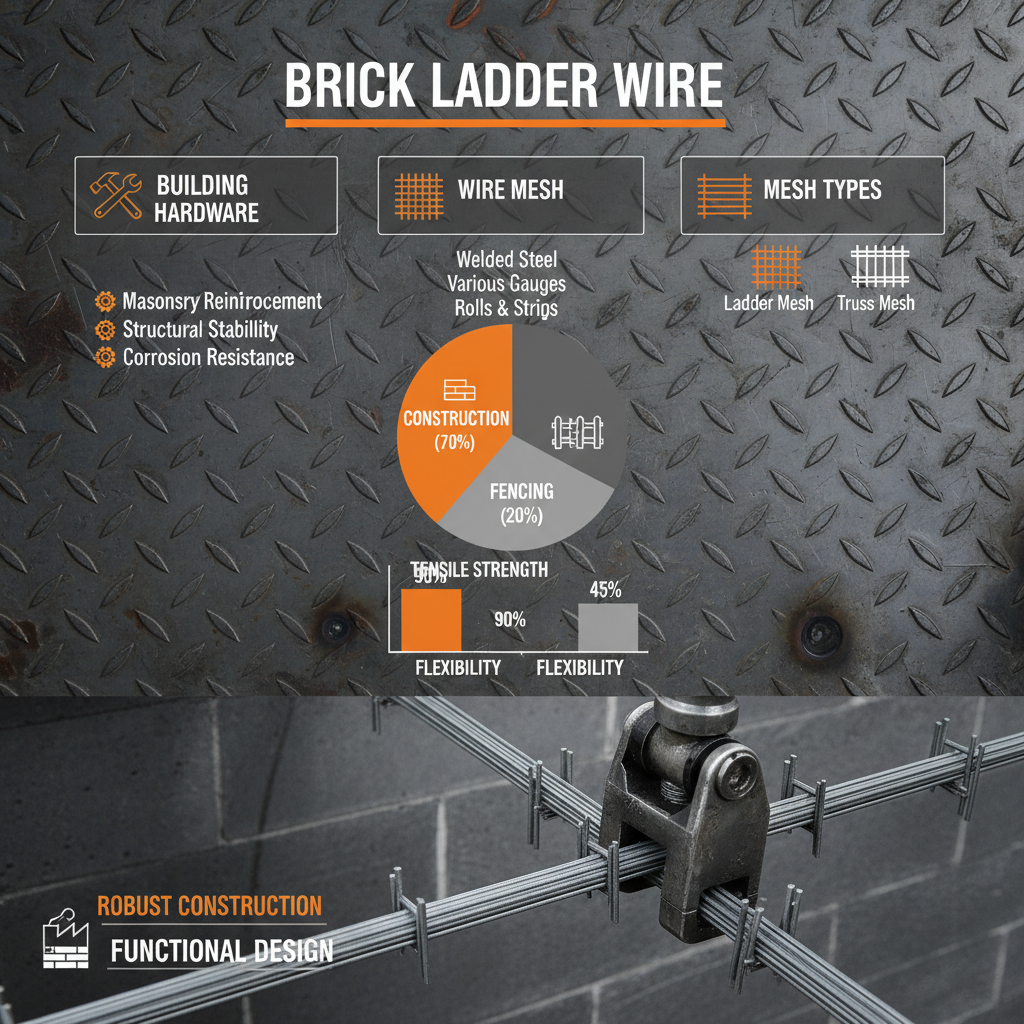
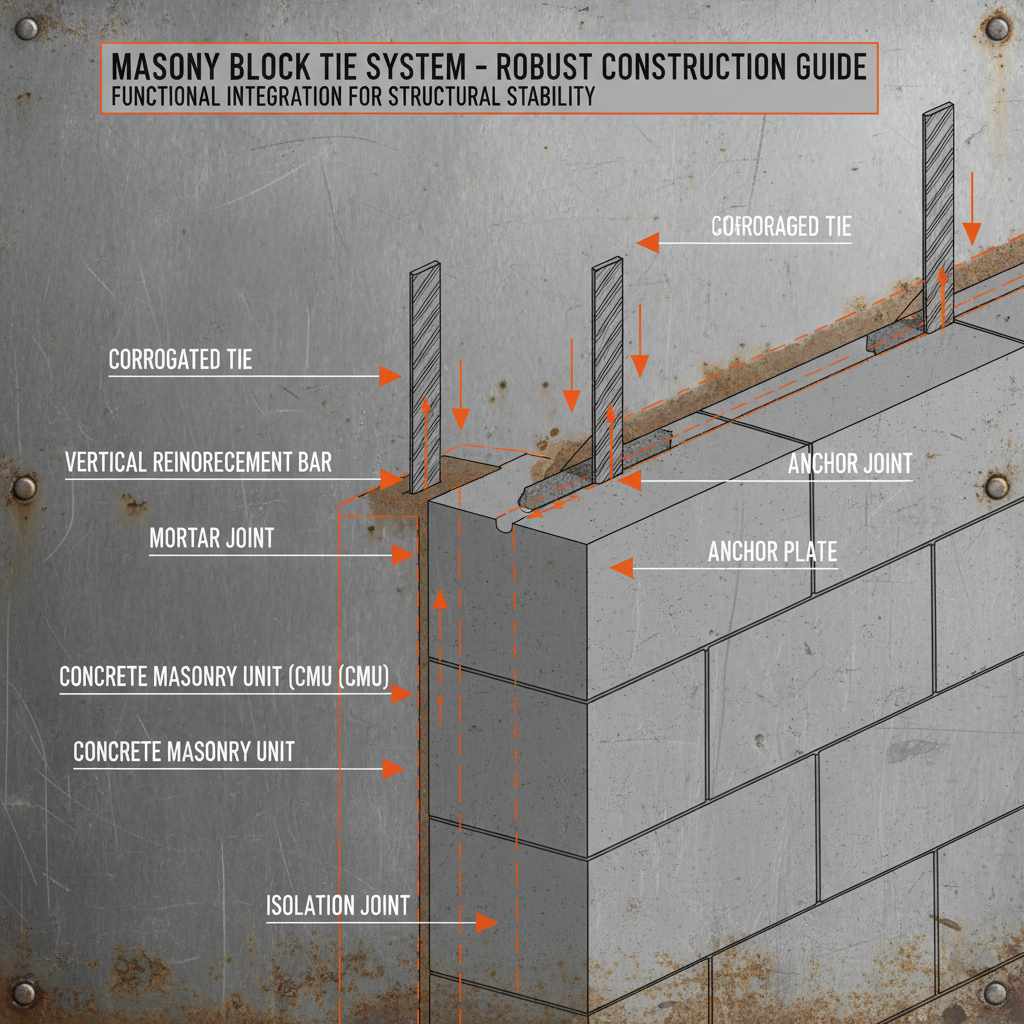
At its simplest, brick ladder wire is a specialized metal fastener shaped like a ladder, consisting of longitudinal wires connected by shorter transverse rungs. This design allows the wire to be embedded across the cavity of a wall, effectively "locking" the two layers of masonry together. Unlike simple wire ties, the ladder configuration provides a larger surface area for mortar bonding, which drastically increases the shear strength of the connection.
In the context of modern industrial needs, these components serve as the primary defense against the differential movement of materials. Because the inner leaf (often concrete block) and the outer leaf (typically clay brick) expand and contract at different rates, the brick ladder wire acts as a flexible yet strong bridge. This prevents the formation of vertical cracks and maintains the airtightness of the building envelope.
Furthermore, from a humanitarian and safety perspective, these reinforcements are vital in disaster-prone areas. In regions experiencing frequent earthquakes, the presence of high-tensile brick ladder wire ensures that walls do not peel away from the structure during a tremor, potentially saving countless lives by preventing premature building collapse.
Core Components and Quality Factors
The effectiveness of brick ladder wire depends primarily on its material composition. Most high-grade ties are manufactured from galvanized steel or stainless steel to prevent oxidation. Corrosion is the greatest enemy of masonry reinforcement; therefore, the thickness of the zinc coating or the grade of the stainless steel (e.g., 304 or 316) is a non-negotiable quality factor.
Tensile strength and flexibility are equally crucial. A premium brick ladder wire must be strong enough to hold the masonry weight but flexible enough to allow for natural thermal movement. If the wire is too rigid, it may cause the bricks to crack under stress; if it is too soft, it will fail to provide the necessary lateral support.
Finally, the precision of the "ladder" geometry—the spacing of the rungs and the consistency of the wire diameter—ensures that the product can be installed rapidly by masons. Standardized dimensions allow for seamless integration with various brick sizes and cavity widths, making brick ladder wire a versatile tool for diverse architectural styles.
Performance Analysis of Reinforcement Methods
When evaluating the efficiency of wall ties, it is important to compare the traditional ladder design with other reinforcement methods. The brick ladder wire generally outperforms simple twist ties in terms of load distribution and ease of placement, as the rungs provide a physical guide for the mason to ensure the tie is sitting flat within the mortar joint.
Below is a performance comparison based on industry testing, focusing on load-bearing capacity, corrosion resistance, and installation speed across different material variations of brick ladder wire.
Structural Performance of Various Brick Ladder Wire Specifications
Global Applications and Real-World Use Cases
In the residential sector, brick ladder wire is the gold standard for constructing double-skin walls in rainy climates, such as the UK and Pacific Northwest. In these regions, the cavity serves as a moisture barrier; the ladder wire ensures that while the walls remain separate for drainage, they are structurally linked to prevent the outer skin from buckling under wind pressure.
On an industrial scale, these components are used in the construction of warehouses and factories where large expanses of masonry are required. In remote industrial zones, where maintenance access is limited, the use of high-grade stainless steel brick ladder wire reduces the need for costly structural repairs over the building's lifecycle, providing a "set and forget" reliability that is highly valued by project managers.
Long-Term Value and Safety Advantages
The long-term value of investing in premium brick ladder wire is measured in the stability and safety of the inhabitants. From a logical standpoint, the cost of the wire is a fraction of the total project budget, yet its failure can lead to catastrophic wall collapse. By ensuring a high-tensile bond, these ties protect the investment of the property owner and the safety of the public.
Beyond the technical specs, there is an emotional angle of trust. When a building is certified to have used compliant brick ladder wire, it provides peace of mind to the homeowners. Knowing that the walls are engineered to withstand environmental stress creates a sense of security and dignity in the living environment.
Furthermore, the use of these ties contributes to the sustainability of the structure. By preventing structural cracks and bowing, brick ladder wire extends the lifespan of the building, reducing the need for demolition and reconstruction—a major win for both the environment and the economy.
Future Trends and Sustainable Innovations
The future of brick ladder wire is moving toward "green" materials and smart manufacturing. We are seeing a rise in the development of carbon-neutral galvanized coatings and the exploration of basalt-fiber composites that offer complete immunity to corrosion while maintaining high tensile strength. These innovations align with the global push toward Net Zero construction.
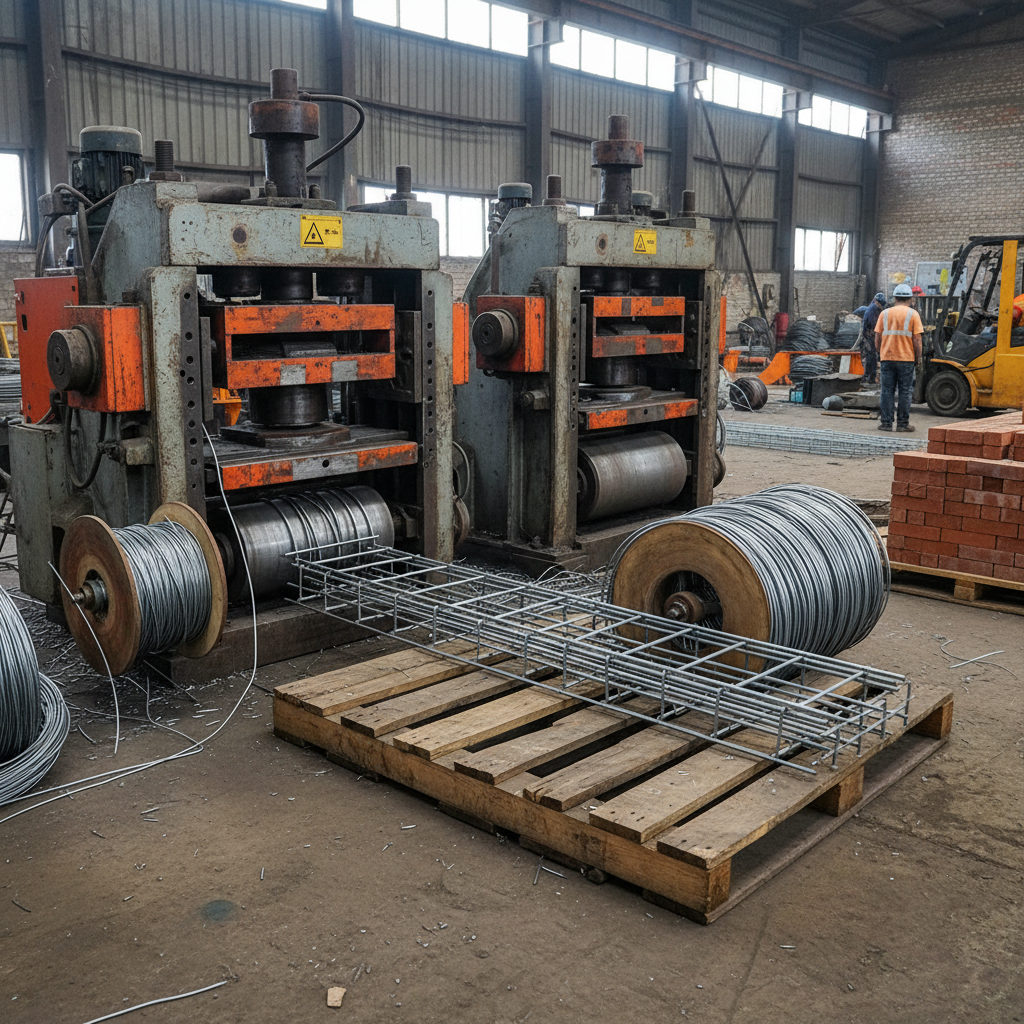
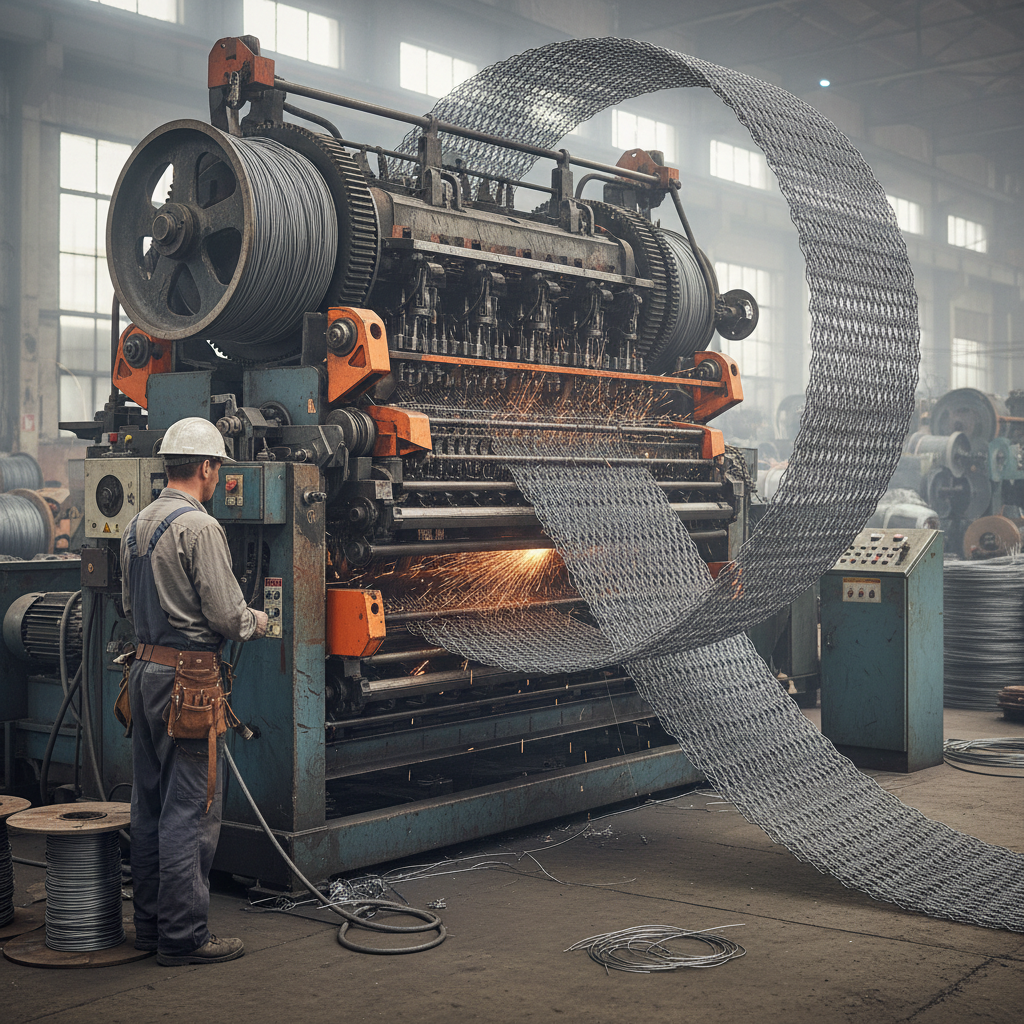
Automation is also playing a role. Advanced wire-bending machinery now allows for the production of customized brick ladder wire tailored to specific architectural designs, reducing material waste during installation. Digital twins and BIM (Building Information Modeling) are now being used to calculate the exact number and placement of ties needed, optimizing the use of steel.
As building policies shift toward circular economy principles, the industry is also looking at how to make these fasteners easier to recover during building decommissioning. The transition from permanent chemical adhesives to mechanical brick ladder wire systems allows for more sustainable dismantling processes in the future.
Comparative Analysis of Brick Ladder Wire Materials and Applications
| Material Grade |
Corrosion Resistance |
Primary Application |
Life Expectancy |
| Galvanized Steel |
Moderate |
Standard Residential |
20-30 Years |
| Stainless Steel 304 |
High |
Urban High-Rise |
50+ Years |
| Stainless Steel 316 |
Very High |
Coastal/Marine Zones |
75+ Years |
| Epoxy Coated |
High |
Industrial Flooring/Walls |
30-40 Years |
| Carbon Steel |
Low |
Temporary Structures |
5-10 Years |
| Composite Fiber |
Absolute |
Specialized Eco-Builds |
100+ Years |
FAQS
Brick ladder wire is a metal reinforcement accessory used in cavity wall construction. It consists of two parallel wires connected by cross-rungs, resembling a ladder. It works by being embedded in the mortar joints of both the inner and outer wall leaves, physically tying them together to prevent the walls from separating or bowing while still allowing the cavity to function for insulation and moisture control.
While galvanized wire is suitable for most inland environments, it is generally not recommended for coastal areas where salt spray accelerates corrosion. For projects within 5 miles of the ocean, we strongly recommend using Stainless Steel (Grade 316) brick ladder wire to ensure the structural ties do not rust and fail over time, which could lead to severe wall instability.
The spacing of ties depends on local building codes and the specific architectural design. Typically, they are placed every 450mm to 900mm vertically and horizontally. However, additional ties are often required around openings like windows and doors to provide extra support where the wall's continuity is interrupted. Always consult your structural engineer for a precise tie schedule.
Yes, in the long term. While the initial material cost is higher, stainless steel eliminates the risk of "rust jacking"—where corroding steel expands and cracks the surrounding masonry. By avoiding future structural repairs and extending the building's lifespan, the total cost of ownership is significantly lower than using cheaper, corrosion-prone alternatives.
Modern brick ladder wire is designed to minimize "thermal bridging." Because the wire is thin and the contact area is localized, the impact on the overall R-value of the wall is negligible. To further improve efficiency, some developers use composite or specially coated wires that have lower thermal conductivity than standard steel.
Look for manufacturers that provide material certifications, such as Mill Test Reports (MTRs) for steel grades and galvanization thickness reports. Ensure the product meets ISO or ASTM standards. Purchasing from a reputable supplier like CNTC Metal ensures that the wire diameter and rung spacing are consistent, which is vital for structural safety.
Conclusion
In summary, brick ladder wire is an indispensable component of modern masonry, providing the critical link that ensures cavity walls remain stable, safe, and durable. From its material composition and tensile strength to its strategic application in diverse global climates, this simple fastener prevents structural failure and enhances the overall quality of the built environment. By bridging the gap between structural rigidity and thermal flexibility, it allows for the creation of buildings that are not only aesthetically pleasing but fundamentally sound.
Looking forward, the integration of sustainable materials and precision engineering will continue to elevate the role of wall reinforcements. We encourage architects and contractors to prioritize high-grade, corrosion-resistant ties to safeguard their projects against the test of time and nature. For those seeking industry-leading quality and reliable specifications for their next construction project, we invite you to explore our professional range. Visit our website: www.cntcmetal.com