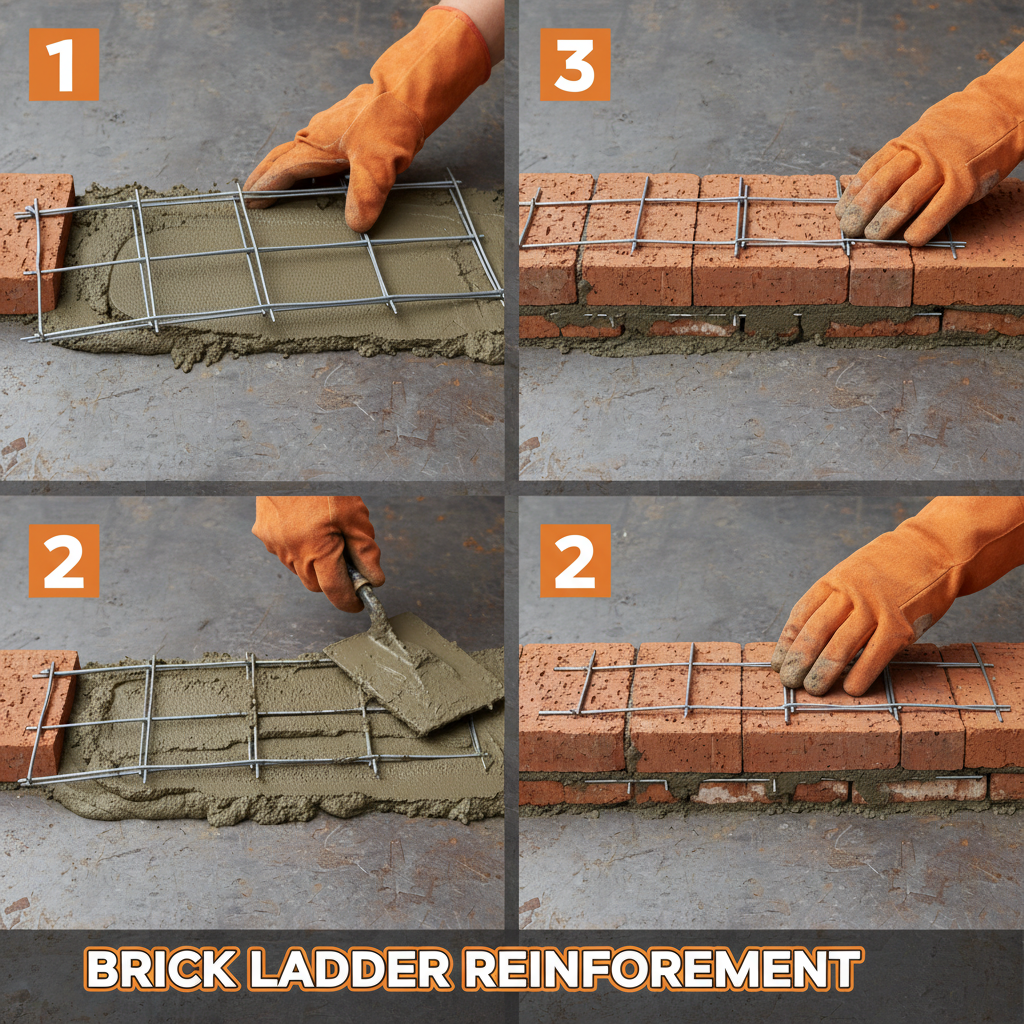
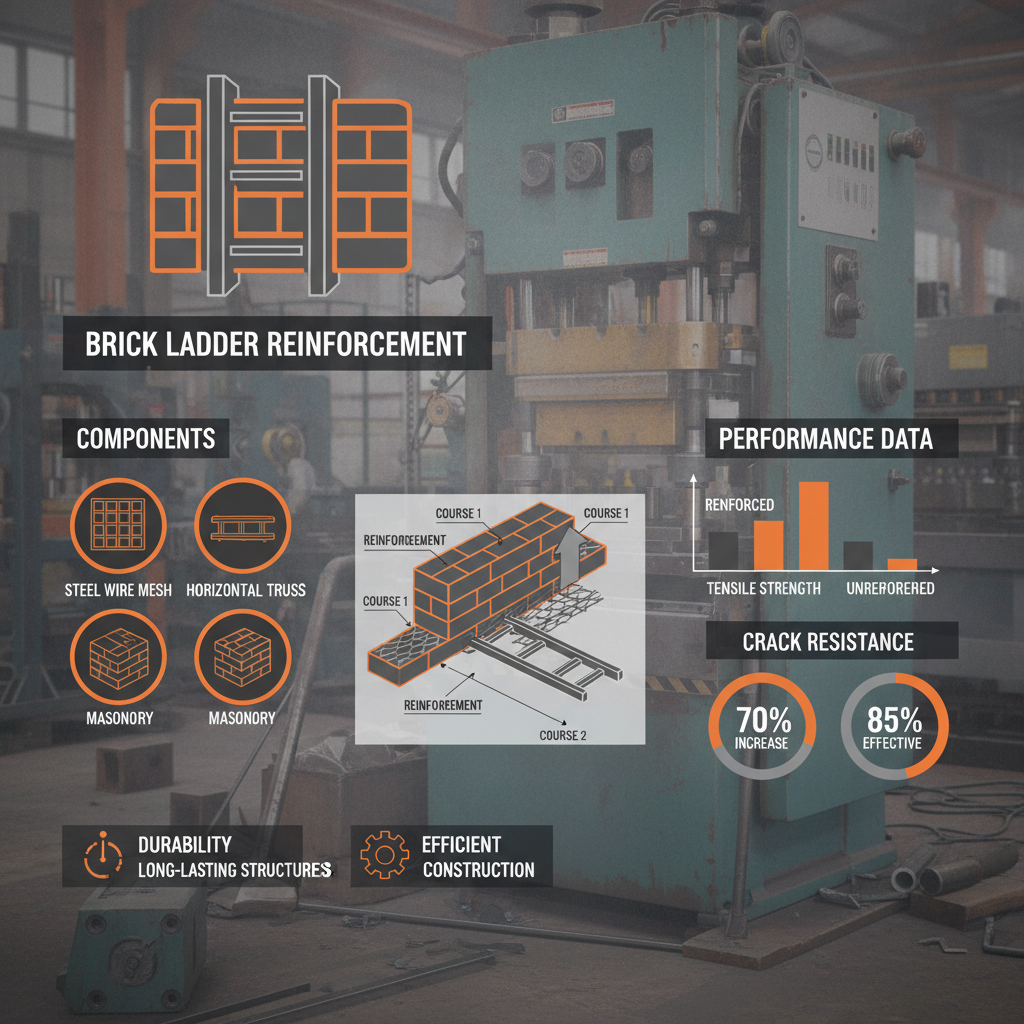
In the demanding world of modern masonry, the structural integrity of wall systems is paramount. brick ladder reinforcement serves as a critical engineered solution designed to distribute tensile stresses and prevent the formation of unsightly cracks in brickwork and blockwork. By integrating these steel wire components into the mortar joints, builders can ensure that walls withstand lateral pressures and thermal expansions far more effectively than unreinforced masonry.
From a global construction perspective, the adoption of high-quality reinforcement is no longer optional but a necessity for safety and longevity. Whether it is for residential extensions or massive industrial complexes, the use of brick ladder reinforcement minimizes the risk of structural failure and reduces long-term maintenance costs. It provides a reliable bridge between traditional building methods and modern engineering standards.
Understanding the nuances of these reinforcements—from their material composition to their precise placement—allows contractors to optimize their workflow and deliver superior results. This guide explores the technical depth, global applications, and future innovations of brick ladder reinforcement, providing professional insights for those seeking to elevate their masonry standards.
Global Industry Context of Brick Ladder Reinforcement
The global construction landscape is currently facing a dual challenge: the need for rapid urbanization and the demand for sustainable, long-lasting infrastructure. According to international building standards and ISO guidelines, the failure of masonry walls often stems from insufficient tensile strength. This is where brick ladder reinforcement becomes indispensable, providing the necessary cohesion to prevent structural collapse in seismic zones or areas with unstable soil.
In many developing regions, the transition from traditional mud-brick to engineered masonry has highlighted the importance of steel reinforcement. By implementing standardized brick ladder reinforcement, developers can meet the rigorous safety requirements of the World Bank and other global funding bodies, ensuring that new housing projects are resilient against environmental stressors.
Defining Brick Ladder Reinforcement in Modern Masonry
At its core, brick ladder reinforcement is a specialized steel wire product shaped like a ladder—consisting of longitudinal wires connected by transverse rungs. This design is specifically engineered to be embedded within the horizontal mortar joints of brick or block walls. Unlike vertical rebar, which provides column-like strength, ladder reinforcement works to tie the wall together horizontally, effectively distributing loads across the entire surface area.
In the context of modern industry, this component acts as a "safety net" for masonry. As cities grow taller and materials more varied, the interaction between different building elements creates complex stress points. By utilizing brick ladder reinforcement, engineers can mitigate the effects of differential settlement, where one part of a building sinks slightly more than another, which would otherwise lead to catastrophic cracking.
Beyond mere structural support, these reinforcements address humanitarian needs by enabling the construction of safer, more affordable low-cost housing. In disaster-prone regions, the simple addition of ladder-style reinforcement can be the difference between a wall that collapses during an earthquake and one that remains standing, potentially saving thousands of lives through improved structural ductility.
Core Components and Technical Factors
The effectiveness of brick ladder reinforcement depends heavily on its material composition. High-tensile steel is typically used to ensure that the reinforcement does not stretch excessively under load. The coating—whether galvanized or epoxy-coated—is equally critical, as it prevents oxidation and rust, which could otherwise expand and cause the masonry to spall from the inside out.
Another pivotal factor is the "bond strength" between the steel and the mortar. The ladder geometry of brick ladder reinforcement creates a mechanical interlock with the cementitious matrix. This ensures that when the wall is subjected to tension, the force is efficiently transferred from the brick to the steel, preventing the propagation of cracks along the mortar lines.
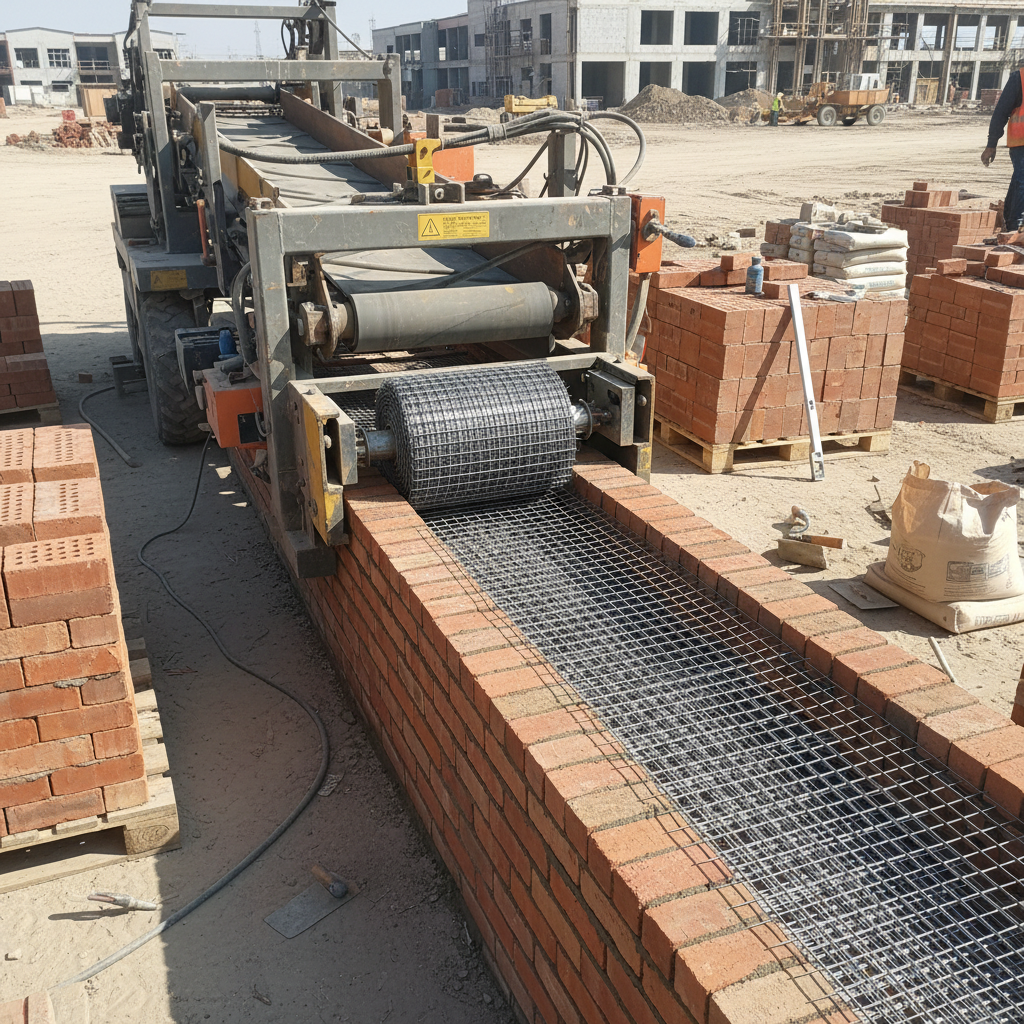
Finally, scalability and ease of installation play a huge role in industrial adoption. Professional brick ladder reinforcement is manufactured in standardized lengths and widths to fit various brick sizes. This consistency allows for rapid deployment on large-scale sites, reducing labor costs while maintaining a strict adherence to engineering specifications.
Global Applications and Real-World Use Cases
In high-seismic regions such as Japan or Chile, brick ladder reinforcement is a standard requirement for all masonry load-bearing walls. In these contexts, the reinforcement is placed at strategic intervals to create a cohesive "web" that allows the building to absorb energy from shockwaves without immediate failure.
In Europe, particularly in the restoration of historic brick buildings, brick ladder reinforcement is often used during the underpinning and stabilization process. When old walls are reinforced to support new floors or withstand modern traffic vibrations, these discrete steel inserts provide the necessary strength without altering the aesthetic appearance of the heritage brickwork.
Comparative Performance of Reinforcement Methods
Long-Term Value and Structural Advantages
The primary tangible benefit of utilizing brick ladder reinforcement is the drastic reduction in structural cracking over time. By controlling shrinkage cracks and thermal movement, property owners avoid the costly cycle of patching and repainting. This reliability builds trust between the contractor and the client, as the building remains pristine for decades.
From a sustainability perspective, strengthening the existing masonry with brick ladder reinforcement extends the lifecycle of the building. Instead of demolishing and rebuilding structures that have developed cracks, engineers can perform targeted reinforcement, reducing the carbon footprint associated with new cement production and waste disposal.
Future Trends in Reinforcement Materials
The industry is currently moving toward "smart" brick ladder reinforcement. Innovations in material science are introducing conductive coatings that can monitor the health of a wall in real-time. By measuring electrical resistance across the reinforcement, engineers can detect the onset of structural fatigue or corrosion before any visible cracks appear on the surface.
Another significant trend is the integration of composite materials. While steel remains the gold standard, carbon-fiber reinforced polymers (CFRP) are being tested for use in highly corrosive environments, such as coastal regions. These advanced brick ladder reinforcement alternatives offer a weight-to-strength ratio that far exceeds traditional steel, without the risk of rust.
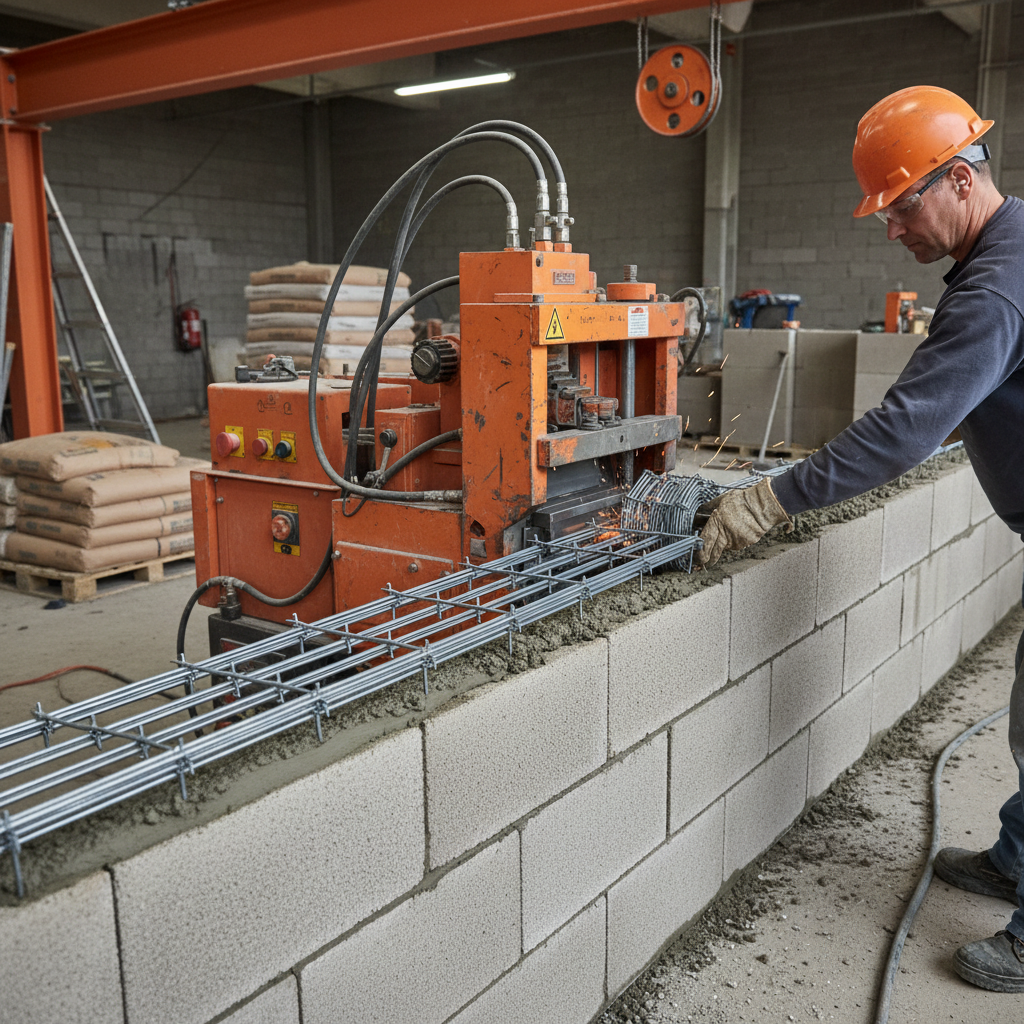
Automation is also reshaping the manufacturing process. High-precision robotic welding and bending ensure that every piece of brick ladder reinforcement is identical, eliminating the human error that often leads to gaps in coverage. This digital transformation ensures that structural calculations are translated perfectly into the physical build.
Challenges and Expert Solutions in Installation
One of the most common challenges in the field is the improper placement of brick ladder reinforcement. If the steel is placed too high or too low in the mortar joint, it loses its ability to distribute tension effectively. To solve this, many firms are now adopting laser-leveling tools and specialized spacers to ensure the reinforcement remains perfectly centered during the masonry process.
Another issue is the "bridging" effect, where reinforcement is not properly overlapped at the joints. Expert insights suggest a minimum overlap of 300mm to ensure continuous tensile strength across the entire wall. By implementing strict quality control checks at every third course of bricks, contractors can guarantee the continuity of the brick ladder reinforcement network.
Finally, the interaction between the reinforcement and the mortar chemistry can sometimes cause unexpected reactions. Using sulfate-resistant mortars in tandem with galvanized brick ladder reinforcement is the recommended approach for industrial zones where soil chemistry is aggressive, preventing chemical degradation of the steel.
Technical Specification and Performance Analysis of Brick Ladder Reinforcement
| Material Grade |
Coating Type |
Tensile Strength (MPa) |
Durability Rating (1-10) |
| Q195 Mild Steel |
Hot-Dip Galvanized |
350 - 450 |
7 |
| Q235 Carbon Steel |
Electro-Galvanized |
420 - 520 |
6 |
| High-Tensile Steel |
Epoxy Coated |
550 - 650 |
9 |
| Stainless Steel 304 |
None (Natural) |
500 - 600 |
10 |
| Stainless Steel 316 |
None (Natural) |
520 - 620 |
10 |
| Composite Polymer |
Resin Bonded |
700 - 900 |
8 |
FAQS
The primary purpose of brick ladder reinforcement is to increase the tensile strength of masonry walls. By embedding these steel components in the horizontal mortar joints, the reinforcement prevents vertical cracking and helps the wall resist lateral forces, such as wind or minor seismic activity, ensuring the long-term stability of the structure.
While specific requirements depend on the engineering plan, a common industry standard is to place reinforcement every second or third course of bricks. In high-stress areas or seismic zones, this frequency may increase to every other course to provide maximum cohesive strength across the masonry face.
Yes, galvanization applies a protective zinc coating to the steel, which acts as a sacrificial anode. This significantly prevents oxidation and rust when the steel is exposed to the moisture naturally present in mortar. For extreme environments, such as salt-air coastal zones, stainless steel or epoxy-coated options are recommended for superior protection.
While wire mesh provides some stability, brick ladder reinforcement is generally superior for horizontal joint reinforcement because its specific geometry creates a better mechanical bond with the mortar. Ladder reinforcement is designed to stay centered and provide directed tensile strength, whereas mesh can sometimes shift or bunch during the laying process.
Ensure that the reinforcement is fully embedded in the mortar and not resting on the brick surface. Use a consistent mortar bed and press the reinforcement into the center of the joint. Additionally, ensure a minimum overlap of 300mm where two pieces of reinforcement meet to maintain structural continuity.
In many regions, yes. Building codes in seismic areas or for load-bearing walls often mandate horizontal reinforcement to prevent brittle failure. Even where not legally required, it is considered a "best practice" in professional masonry to prevent shrinkage cracks and enhance the overall lifespan of the building.
Conclusion
In summary, brick ladder reinforcement is a vital component in modern construction that bridges the gap between traditional masonry and advanced structural engineering. By addressing the inherent weaknesses of brickwork—namely its low tensile strength—these reinforcements ensure that walls remain crack-free, stable, and safe under various environmental pressures. From the selection of high-grade galvanized steel to the precision of installation, every detail contributes to the longevity and reliability of the built environment.
Looking forward, the integration of smart materials and sustainable practices will further refine how we reinforce our structures. We recommend that contractors and developers prioritize certified, high-quality reinforcement to avoid the exorbitant costs of structural repair. Investing in the right brick ladder reinforcement today is an investment in the safety and dignity of the people who will inhabit these buildings tomorrow. Visit our website for professional solutions: www.cntcmetal.com