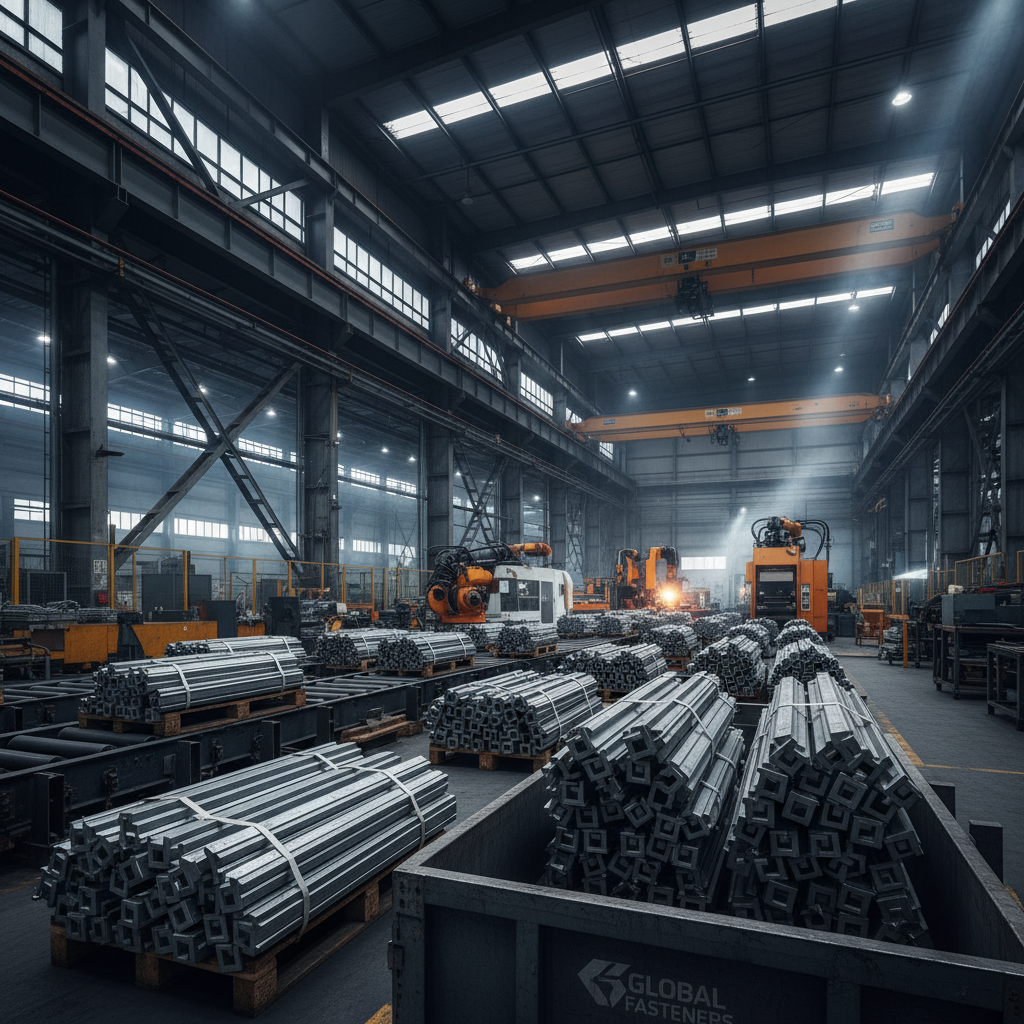
In the realm of modern masonry, brick joint reinforcement serves as the invisible backbone of structural integrity, preventing premature cracking and enhancing the lateral strength of walls. By integrating high-tensile metal wires or mesh into the mortar joints, builders can significantly reduce the risks associated with thermal expansion and seismic activity, ensuring that residential and commercial structures remain safe for decades.
The global demand for high-performance construction materials has surged as urban density increases and architectural designs become more complex. Understanding the technical nuances of brick joint reinforcement is no longer just an option for specialty engineers but a necessity for any contractor aiming to meet international building codes and ISO quality standards.
Whether applied in low-rise housing or massive industrial complexes, the strategic implementation of reinforcement materials transforms a brittle stack of bricks into a resilient composite system. This guide explores the technical drivers, application methods, and future innovations that make this technology indispensable in the modern metal products and construction industry.
Global Industry Context of Brick Joint Reinforcement
On a global scale, the construction industry is facing an unprecedented challenge: the need for rapid urbanization coupled with stricter safety regulations. Data from international building authorities suggests that masonry failure is often not a result of poor brick quality, but a lack of internal cohesion. brick joint reinforcement addresses this critical vulnerability by providing the necessary tensile strength that mortar—which is naturally strong in compression but weak in tension—cannot provide.
In regions prone to seismic activity or extreme temperature fluctuations, the reliance on reinforced masonry has become a standard. The shift toward "green building" and the longevity of structures has pushed manufacturers to develop specialized wire products that resist corrosion while maintaining high elasticity, ensuring that the skeleton of the building can breathe and move without fracturing.
Defining the Mechanics of Joint Reinforcement
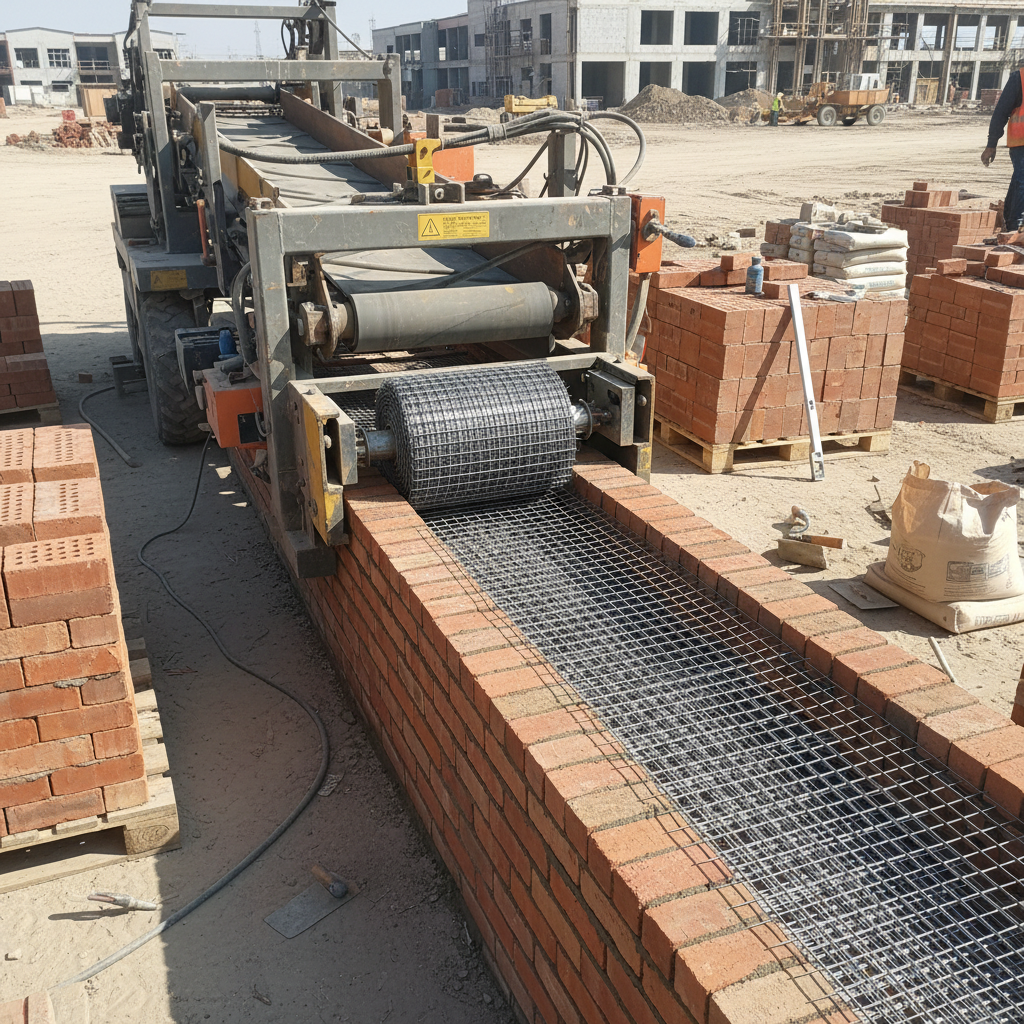
At its simplest level, brick joint reinforcement refers to the placement of metal strips, wires, or ladders within the horizontal mortar joints of a brick wall. This process effectively creates a "reinforced masonry" system where the metal absorbs the tensile stresses that would otherwise cause the mortar to crack, thereby distributing loads more evenly across the entire wall surface.
From an industrial perspective, this is a marriage of metallurgy and civil engineering. The reinforcement is not merely a filler; it is a precisely engineered component designed to bond with the alkaline environment of the mortar. Whether using hot-dipped galvanized steel or stainless steel, the goal is to create a composite material that prevents the propagation of cracks from a single point of failure.
This technology is particularly vital in humanitarian housing projects and remote industrial zones where traditional reinforced concrete might be too expensive or logistically difficult to implement. By utilizing high-quality brick joint reinforcement, builders can achieve a level of structural security that mimics more expensive methods while remaining cost-effective and fast to deploy.
Core Components and Material Specifications
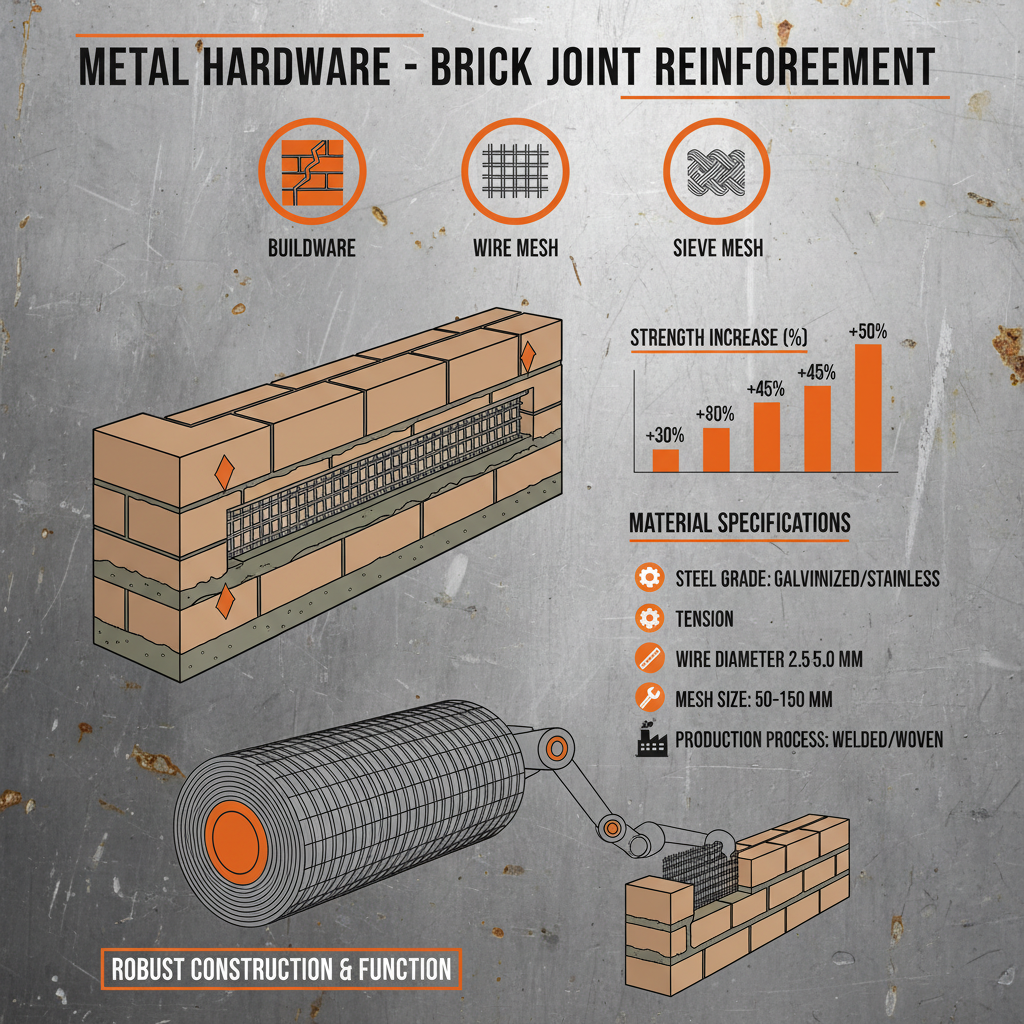
The effectiveness of brick joint reinforcement depends heavily on the material's durability and its ability to bond with the surrounding masonry. High-carbon steel wires are often used for their superior strength, but they must be coated to prevent oxidation, which could lead to "concrete cancer" or spalling over time.
Crucial factors include the gauge of the wire and the spacing of the cross-wires in ladder-type reinforcements. A tighter mesh often provides better crack control, while wider spacing may be preferred for specific load-bearing requirements. The use of galvanized coatings ensures that the brick joint reinforcement remains intact even in humid or coastal environments where salt air accelerates corrosion.
Beyond the metal itself, the compatibility between the reinforcement and the mortar type—whether lime-based or Portland cement—is essential. Engineers must calculate the optimal placement frequency (e.g., every second or third course) to balance structural safety with construction speed and material cost.
Performance Metrics and Efficiency Analysis
When evaluating the success of brick joint reinforcement, engineers look at specific performance metrics such as the crack-width limitation and the increase in shear strength. By comparing unreinforced walls to those with integrated metal components, the data consistently shows a dramatic reduction in diagonal cracking, especially near window and door openings.
The efficiency of the installation process also plays a role. Modern prefabricated reinforcement strips allow masons to lay the material quickly without slowing down the build cycle, meaning that the added safety does not come at the expense of productivity.
Comparative Efficiency of Brick Joint Reinforcement Methods
Global Applications and Strategic Use Cases
In real-world contexts, brick joint reinforcement is applied across diverse architectural styles. In Europe, where historic masonry restoration is common, stainless steel reinforcements are often inserted into ancient walls to stabilize them without altering their aesthetic appearance, preserving cultural heritage while meeting modern safety codes.
Conversely, in rapidly developing industrial zones in Asia and Africa, the focus is on scalability and cost. Here, heavy-duty galvanized brick joint reinforcement is used in the construction of warehouses and low-cost housing to ensure that structures can withstand localized soil settlement and wind loads, providing dignity and safety to thousands of residents.
Long-Term Value and Sustainable Advantages
The long-term value of investing in brick joint reinforcement extends beyond mere stability; it is fundamentally about sustainability. By preventing cracks and structural failure, the need for expensive repairs and premature demolition is significantly reduced, thereby lowering the overall carbon footprint of the building's lifecycle.
From a psychological perspective, the use of reinforcement builds trust between the developer and the end-user. Knowing that a wall is reinforced provides a sense of security and reliability, which is an intangible but critical asset in the real estate market.
Furthermore, the reliability of these metal components ensures that the building remains viable for future adaptations. A reinforced wall is more likely to survive the modifications required by future generations, making the structure a long-term asset rather than a temporary shelter.
Future Trends and Technological Innovations
The future of brick joint reinforcement is being shaped by the digital transformation of the construction industry. We are seeing the rise of "smart reinforcement," where conductive fibers are integrated into the metal mesh to monitor the internal stress of a wall in real-time, alerting engineers to potential failures before they become visible.
Sustainability is also driving the adoption of new alloys and recycled metals. The industry is moving toward low-carbon steel production and bio-based coatings that offer the same corrosion resistance as traditional chemicals but with a fraction of the environmental impact.
Automation is another key trend, with robotic masonry systems now capable of placing brick joint reinforcement with millimeter precision. This reduces human error and ensures that the reinforcement is placed exactly where the structural analysis indicates it is most needed.
Analysis of Reinforcement Material Performance and Suitability
| Material Type |
Corrosion Resistance |
Tensile Strength |
Cost-Efficiency |
| Galvanized Steel |
High |
Moderate |
Excellent |
| Stainless Steel 304 |
Very High |
High |
Moderate |
| Epoxy Coated Wire |
High |
Moderate |
High |
| Carbon Fiber Composite |
Extreme |
Extreme |
Low |
| Black Annealed Wire |
Low |
Moderate |
Very High |
| Aluminum Alloy |
High |
Low |
Moderate |
FAQS
It works by providing tensile strength to the mortar joints. Mortar is strong when compressed but brittle when pulled or bent. By embedding metal wires or mesh, the reinforcement absorbs these tensile forces, distributing the stress across a larger area and preventing small micro-cracks from expanding into structural failures.
Stainless steel offers superior corrosion resistance, especially in coastal or chemically aggressive environments, making it ideal for high-end or permanent structures. However, galvanized steel is significantly more cost-effective and provides sufficient protection for the majority of residential and commercial projects.
Placement depends on the local building code and the wall's intended load. A common industry standard is to place brick joint reinforcement every second or third course of bricks. High-stress areas, such as corners and openings, usually require more frequent placement.
Yes, but a different approach called "stitching" is often used. Stainless steel rods or strips are inserted horizontally into the existing mortar joints and grouted in place to bind separating wall sections together, effectively restoring the structural integrity of the historic masonry.
Modern prefabricated strips are designed for speed. While it adds a small step to the laying process, the time investment is minimal compared to the long-term benefit of avoiding structural repairs. Most experienced masons can integrate them with virtually no impact on the overall timeline.
Rust expands, which can create internal pressure that leads to "spalling" or cracking of the bricks. This is why using high-quality coatings (like hot-dip galvanization) or stainless steel is critical. Ensuring the reinforcement is fully encased in mortar also prevents oxygen and moisture from reaching the metal.
Conclusion
In summary, brick joint reinforcement is a critical component in the evolution of masonry, bridging the gap between traditional building techniques and modern engineering requirements. By focusing on material quality, precise placement, and the correct choice of alloys, builders can ensure that their structures are not only aesthetically pleasing but also resilient against the tests of time and nature.
As we move toward a future of smarter, greener cities, the integration of advanced metallurgy into our walls will continue to play a pivotal role. We encourage architects and contractors to prioritize high-grade reinforcement solutions to guarantee safety, sustainability, and long-term structural value. Visit our website for more professional solutions: www.cntcmetal.com