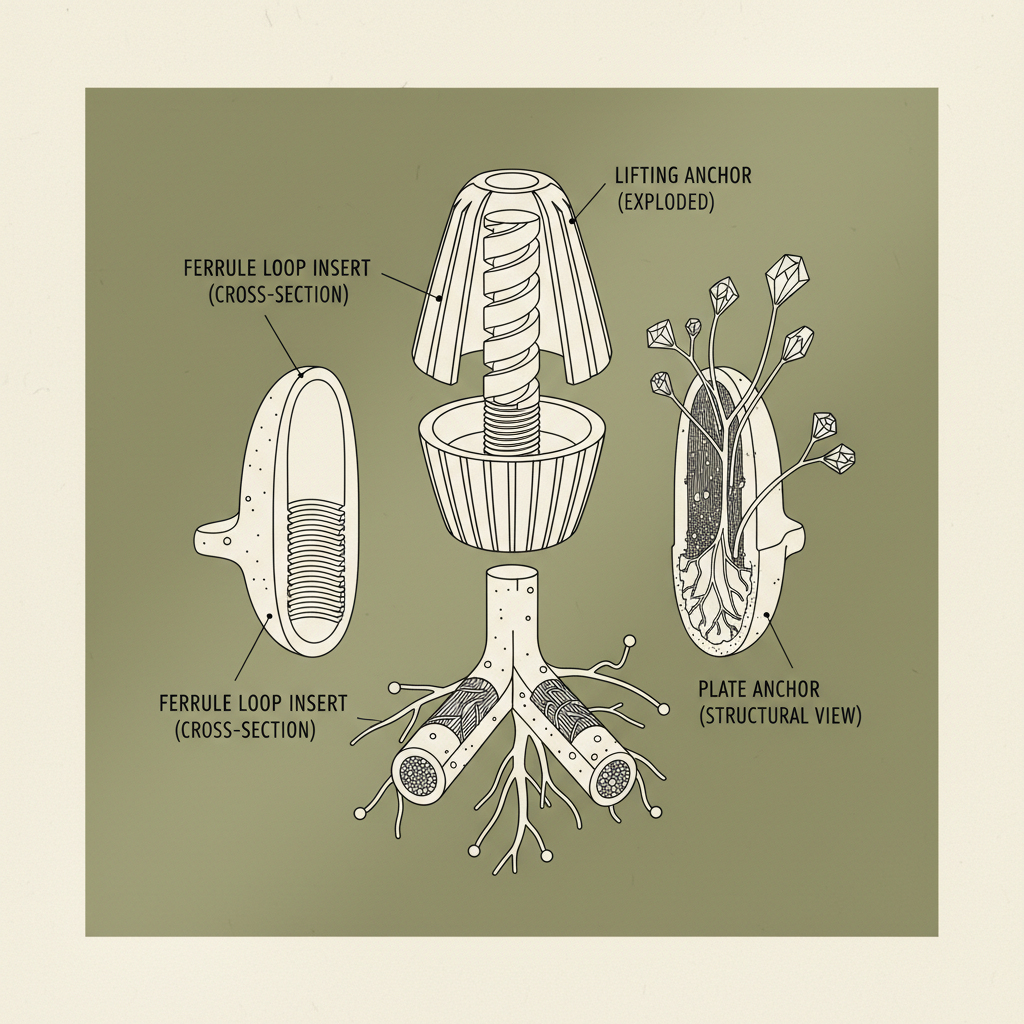
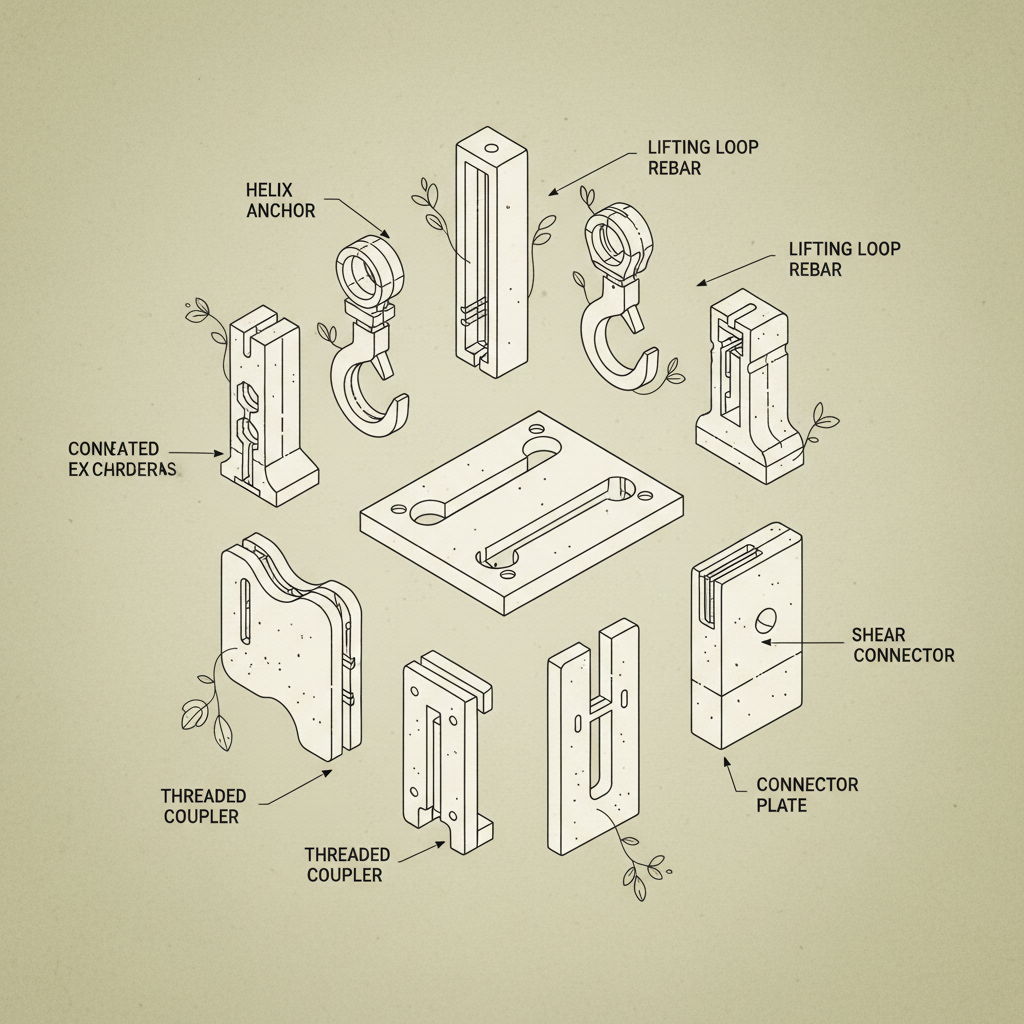
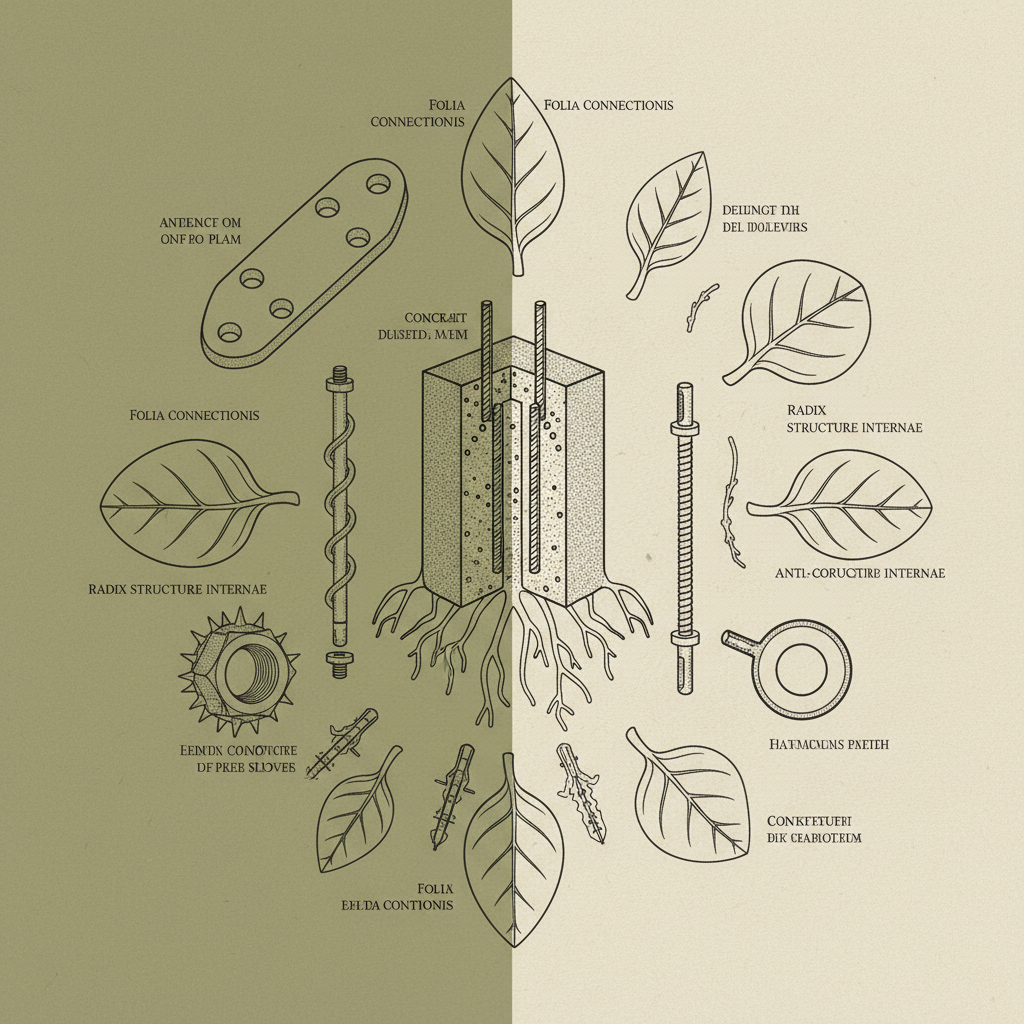
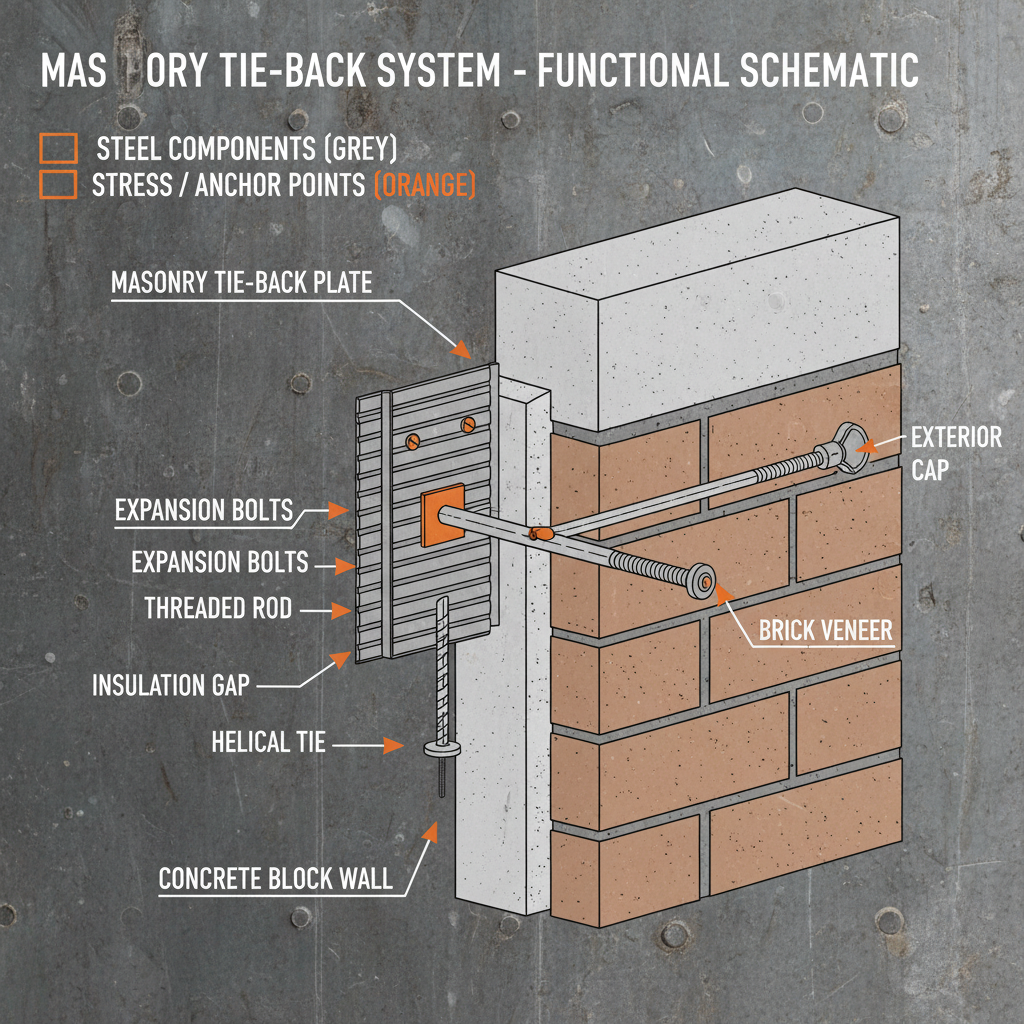
Honestly, the precast concrete game has been wild lately. Everyone's talking about speed, modularity, you name it. But speed isn't just about faster pouring, it’s about getting the right accessories, the stuff that holds it all together. Been seeing a push for more integrated systems too - not just slapping bits on at the end, but designing the accessories with the concrete in mind. It's a bit of a shift, and not everyone's fully onboard yet, let me tell you.
Have you noticed how everyone’s obsessed with BIM now? Building Information Modeling. Sounds fancy, but at the end of the day it means you better have accurate accessory data in there, or the whole thing falls apart. I was at a site in Shanghai last month, beautiful design on paper, total chaos on the ground because nobody bothered to double-check the embed sizes for the lifting inserts. Total headache.
And it's not just the big stuff. It’s the little details. Things like the quality of the form liners… the smell of those things sometimes, I swear! It’s a weird mix of plastic and chemicals. And the rebar chairs, don't even get me started. Too flimsy, too rusty, always bending when you don’t want them to. That's where you really see the difference between a decent supplier and…well, the others.
Industry Trends and Accessory Integration
Strangely enough, everyone's chasing ‘lightweight’ concrete now. Which means you need lighter accessories, too. You can't just bolt a heavy steel bracket onto a foam-filled panel and expect it to hold. That's where you start seeing more composites, more high-strength plastics. It's good, but it's also… different. Feels weird, almost flimsy at first, but the numbers check out. And, of course, everything has to be compatible with automated handling systems. The factories are getting more robots, and those robots need accessories they can reliably grip and place.
Anyway, I think a big part of it is that people are starting to realize that precast isn't just about the concrete itself. It's a system. The accessories are the system. If you get those wrong, the whole thing is compromised. It’s like building with LEGOs – if the bricks don’t fit, you’re stuck.
Design Pitfalls and Data Accuracy
I encountered this at a factory in Guangzhou last time, a really ambitious project with these crazy curved panels. They'd modeled everything in 3D, looked fantastic, but the tolerances for the embedded plates were…optimistic, let's say. The concrete guys were fighting with the steel guys for weeks, trying to get everything to line up. Turns out, the designer hadn't accounted for shrinkage. Shrinkage! Basic stuff.
And it’s not just shrinkage. It’s concrete creep, thermal expansion, vibration… all these things affect how the accessories perform over time. You need to build in some wiggle room, some adjustability. The best designs allow for minor corrections on-site. Otherwise, you're just asking for trouble. To be honest, the biggest issue I see is the lack of communication between the structural engineers and the precast detailers. They’re often working in silos.
It all comes down to the drawings. You need clear, accurate drawings, with every accessory clearly labeled and dimensioned. And for heaven’s sake, use a consistent naming convention! I’ve seen projects where the same lifting insert is called five different things. It’s a nightmare.
Material Quality and On-Site Handling
The galvanized steel stuff… it’s okay, but the quality varies wildly. You get some stuff from China that’s barely coated, starts rusting almost immediately. The good stuff, you can tell just by the weight – it feels solid, substantial. And the coating is even, smooth. I’ve also seen a lot of stainless steel used lately, especially for exposed applications. It’s more expensive, obviously, but it lasts forever.
But material is only half the battle. Handling is crucial. You can have the best accessories in the world, but if you drop them in the mud and leave them lying around, they're going to get damaged. I always tell the guys, treat these things like they're made of gold. Because, ultimately, they are valuable. A damaged accessory can delay a project by days, even weeks.
And the plastic bits...oh boy. Some of them are brittle as hell. Snap easily. You've gotta be careful not to overtighten the bolts. And the UV resistance is a concern with some of the cheaper materials. They get all chalky and brittle in the sun. I've seen plastic formliners disintegrate after just a few uses.
Testing Realities and Practical Applications
Lab tests are fine, I guess, but they don’t tell you the whole story. You need to see how these things perform in the real world. I’ve seen accessories pass all the lab tests and still fail spectacularly on-site. It’s usually because they didn't account for the dynamic loading – the vibrations, the impacts, the sheer weight of the concrete.
We do a lot of pull-out tests on-site, just to verify the embed strength. Simple stuff, but it gives you a good feel for how things are holding up. And we also do visual inspections, looking for cracks, corrosion, any signs of distress. It's surprisingly effective, honestly. You can usually spot a problem before it becomes a disaster.
Accessory Performance Ratings
Advantages, Disadvantages and Customization
The biggest advantage, obviously, is speed. If you're using the right accessories, you can dramatically reduce the construction time. And quality control is easier too, because you're doing most of the work in the factory. But the upfront cost is higher, that's for sure. And you need a skilled workforce to handle the precast elements. It’s not just about slinging concrete.
Customization... that's where things get interesting. Most suppliers will happily tweak their designs to meet your specific needs, as long as you're willing to pay for it. I had a client a few years ago who needed a special lifting insert for a really complex facade panel. They wanted it to be adjustable, so they could fine-tune the alignment on-site. It was a pain to design and manufacture, but it saved them a ton of time and money in the long run.
A Customer Story from Shenzhen
Last month, that small boss in Shenzhen who makes smart home devices insisted on changing the interface to for the embedded connection boxes. He was convinced it was the future. I tried to tell him, “Look, these guys are field workers, they don’t care about . They want something rugged, something reliable.” But he wouldn't listen. So, we built him a prototype with connectors. Two weeks later, he was calling me, screaming about how they kept breaking. Turns out, the workers were dropping the boxes and the connectors were getting crushed. We switched back to the old, chunky barrel connector, and everything was fine. He learned his lesson.
And it's always something. Last year, we had a project in Dubai. The client demanded gold-plated lifting inserts, "for prestige," he said. Prestige! In the desert! It was a waste of money, pure and simple.
But hey, that's what we do, right? We try to make our clients happy, even if they're asking for the impossible.
Accessory Performance – The Worker's Verdict
To generate the first paragraph around theme seven here
To generate the second paragraph around theme seven here
To generate the third paragraph around theme seven here.
Summary of Accessory Performance Indicators
| Accessory Type |
Material Durability (1-10) |
Installation Ease (1-10) |
Cost-Effectiveness (1-10) |
| Lifting Inserts |
8 |
7 |
6 |
| Formwork Ties |
6 |
9 |
8 |
| Rebar Chairs |
5 |
5 |
3 |
| Embedment Plates |
9 |
6 |
7 |
| Bolts & Nuts |
7 |
8 |
5 |
| Edge Protectors |
4 |
7 |
2 |
FAQS
Honestly, underestimating the load. People try to save a few bucks by going with a smaller insert, and then they wonder why it fails. You need to factor in the weight of the concrete, the weight of the panel, any additional loads, and a safety factor. Don’t cheap out on this one, it's not worth the risk. Always check the manufacturer’s specifications, and if you’re unsure, consult with a structural engineer.
Critically important. Saltwater is brutal. You need to use stainless steel or hot-dip galvanized accessories, and even then, you need to inspect them regularly. We had a project in Miami where the contractor used carbon steel accessories. They rusted through in less than a year. A complete disaster. It cost them a fortune to replace everything.
Strength, obviously, but also ease of use. You want a tie that's easy to install and remove, without damaging the concrete. And it needs to be reusable. We've found that ties with a quick-release mechanism are the most efficient. They save a lot of time and labor. Avoid those cheap plastic ties that break easily; they're just a headache.
Yes, absolutely. Most manufacturers will work with you to design custom accessories for your specific needs. It might be more expensive, but it can save you a lot of trouble in the long run. I once had a client who needed a custom lifting insert for a curved facade panel. It was a complex design, but we got it done.
Proper packaging and careful handling. It sounds obvious, but it’s often overlooked. Make sure the accessories are securely packed in crates or boxes, and clearly labeled. And tell the guys on-site to treat them with respect! A little bit of care can go a long way. We lost a whole shipment of inserts once because the packaging was inadequate. It was a nightmare to sort out.
BIM is a game-changer, but only if it's done right. You need accurate 3D models of all the accessories, with all the relevant data – dimensions, material properties, load capacities. And you need to make sure that the BIM model is updated throughout the design and fabrication process. If the model is out of date, it’s useless. It's about collaboration and information sharing, really.
Conclusion
Ultimately, precast concrete accessories aren't glamorous, but they're absolutely essential. They're the glue that holds everything together, literally and figuratively. From the material quality to the design details to the on-site handling, every aspect of the accessory chain impacts the success of the project. Ignoring these details is a recipe for disaster.
And, honestly, whether this thing works or not, the worker will know the moment he tightens the screw. They are the ones who feel the quality, the ease of use, the reliability. That’s what matters in the end. If you want to learn more about our range of precast concrete accessories, visit our website.