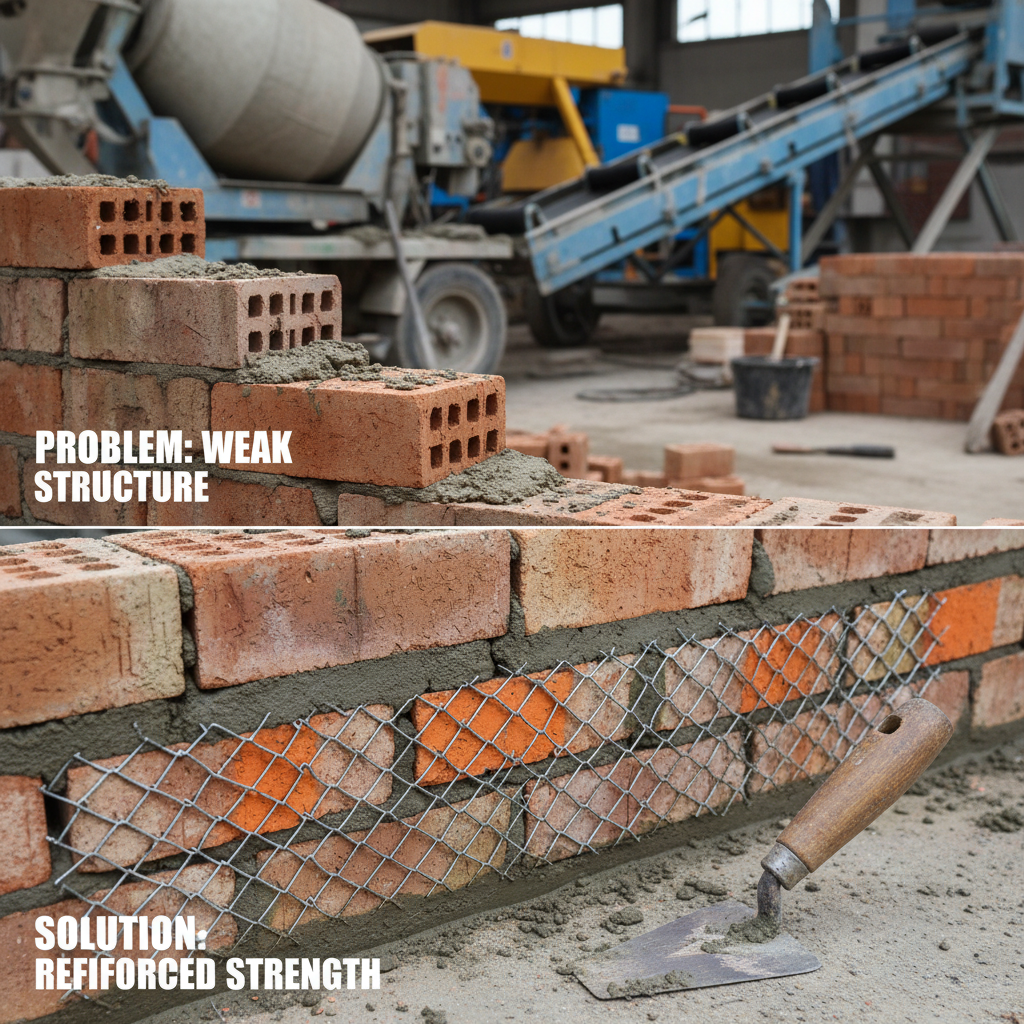
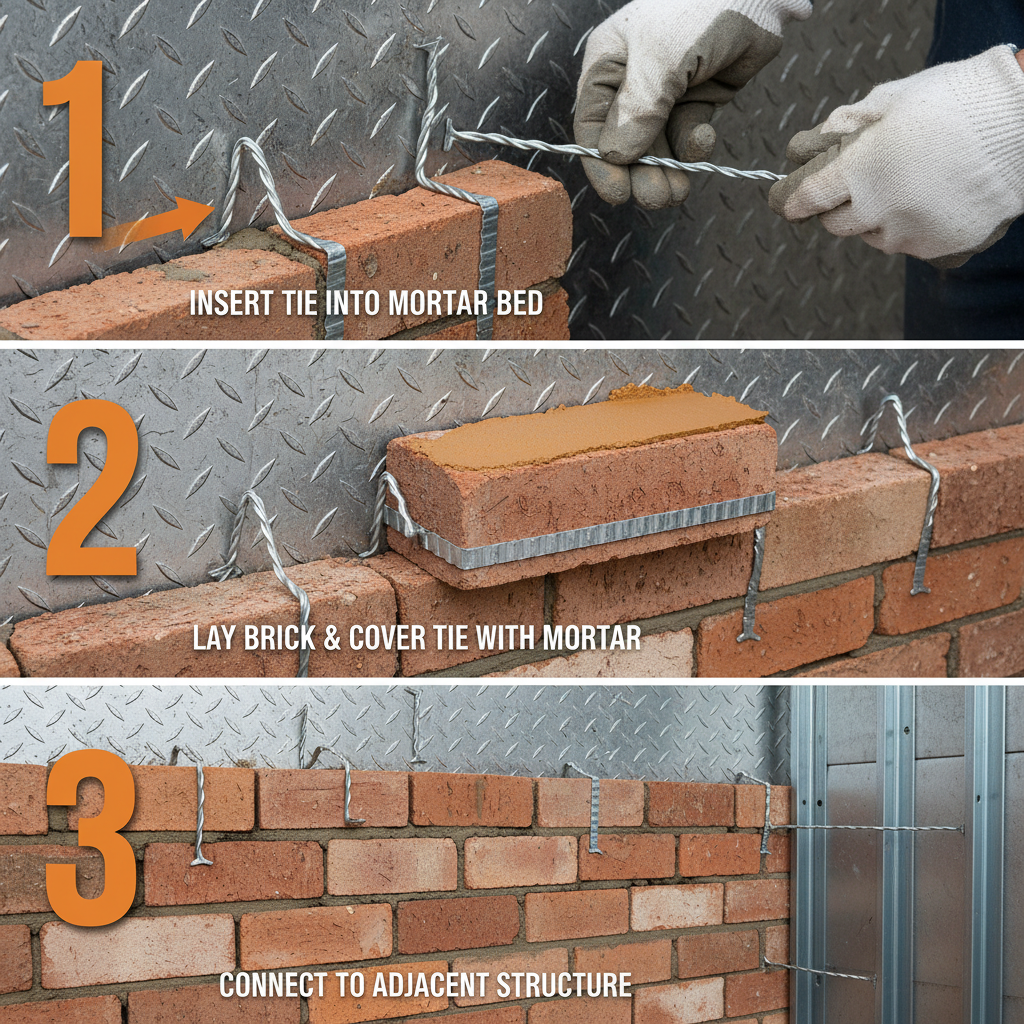
Look, after running around construction sites all year, you start to see patterns. The big thing now, honestly, is prefabrication. Everyone's talking about modular builds, faster turnaround, less waste. But it all comes down to the connections, right? If your connections are weak, the whole thing falls apart. That’s where good wall ties for concrete really matter. It's not glamorous work, but it’s foundational. I've seen too many "innovative" systems fail because they skimped on the ties.
And you wouldn’t believe the arguments I get into with architects about seemingly minor details. They’ll specify something that looks good on paper, but has zero practicality on site. Like, a tie with a fancy coating… sounds nice, right? But if the guys can’t grip it with a gloved hand, or if the coating chips off with the first bit of abrasion, what’s the point?
I'm telling you, concrete construction… it’s a rough business. You need things that can take a beating.
The Current Landscape of Wall Tie Technology
To be honest, it's moved on a bit from just galvanized steel. You’ve got stainless steel, obviously, for corrosion resistance, especially near the coast. But then you get into these polymer coatings… they’re trying to make them lighter, easier to handle. I saw one that smelled faintly of bubblegum at a trade show. Bubblegum! What's that about?
But the real trend, and I mean the trend, is towards faster installation. Because labor costs, you know? Every second saved is money saved. That’s why these pre-bent, pre-assembled ties are gaining traction. They’re a little more expensive upfront, but the time savings… well, it usually works out.
Common Design Pitfalls in Concrete Wall Tie Selection
Have you noticed how architects love to specify the absolute minimum? They’ll calculate the load, factor in a safety margin, and then say, “Okay, we need a tie that can handle exactly this much.” But what about variability? Concrete isn’t perfectly consistent. Steel isn’t perfectly consistent. There's always some fudge factor needed. I've argued with engineers for days over this.
Another thing – corrosion. They’ll happily specify carbon steel in a marine environment. I’m like, “Seriously? Have you seen saltwater corrosion?” It’s baffling. And then they wonder why buildings start falling apart after 20 years.
Then there’s the embedment depth. Too shallow, and the tie pulls out. Too deep, and it compromises the concrete. It's a delicate balance.
Materials Matter: A Hands-On Perspective
Galvanized steel… that’s the workhorse. It’s affordable, relatively strong, and readily available. But it’s heavy. Really heavy. And it gets slippery with grease and dirt. You need good gloves, and a strong grip. It smells… metallic, obviously. Like a workshop.
Stainless steel is different. Feels cleaner, smoother. Doesn’t have that same… grit. More expensive, though. Significantly. But if you're near the ocean, it's worth the investment. Trust me, I’ve replaced enough corroded ties to know. The feeling of trying to extract a rusted tie from concrete is... unpleasant.
And then you've got the plastic ones. They're lightweight, non-corrosive, but honestly? I don't fully trust them yet. They feel… flimsy. I encountered this at a factory in Ningbo last time - the plastic ties kept bending during installation. It was a mess.
Real-World Testing and Performance Evaluation
Laboratory tests are fine, but they don’t tell the whole story. I’ve seen ties pass every lab test imaginable, and then fail spectacularly on site. Why? Because real-world conditions are messy. Vibrations from jackhammers, impacts from falling debris, temperature fluctuations… it all adds up.
We do our own informal testing. We'll take a sample batch of ties and deliberately abuse them – drop them, bend them, expose them to salt spray. Sounds crude, I know, but it gives us a much better idea of how they’ll perform in the field.
Wall Tie Performance Comparison (Subjective Field Rating)
How Users Actually Employ Wall Ties in Practice
Strangely, a lot of guys don't bother with the specified torque settings. They just tighten the ties until they feel right. Which, okay, is a bit seat-of-the-pants, but after years of experience, they usually get it right. I've seen them use impact drivers when they should be using torque wrenches, and vice versa. It’s always something.
They also use them for things they weren't intended for. Temporary bracing, hanging tools… I’ve even seen a guy use them to secure a Christmas wreath. You can’t make this stuff up.
Advantages, Disadvantages, and Customization Options
The biggest advantage of a good wall ties for concrete is peace of mind. Knowing that the connection is solid, reliable, and won’t fail under stress. The disadvantage? Cost. Quality ties aren’t cheap. But cheaper ties are a false economy.
We do a lot of customization. Last year, a client needed ties with a specific head shape to accommodate a proprietary insulation system. It wasn't a huge change, but it made a big difference for them. We've also done custom lengths, coatings, and even different thread types. We're pretty flexible.
A Case Study: Shenzhen Smart Home Manufacturer
Last month, that small boss in Shenzhen who makes smart home devices insisted on changing the interface to . He said it looked “more modern” on the drawings. I told him it would add extra time to the installation, and that the workers weren’t used to it. He didn’t listen. The result? Production slowed to a crawl, and they ended up with a whole batch of improperly installed ties. Cost them a fortune.
It just goes to show, sometimes the simplest solution is the best. And listening to the guys on the ground is crucial. They know what works and what doesn’t.
Anyway, I think I need another coffee.
A summary table of wall tie performance characteristics in different scenarios.
| Tie Material |
Corrosion Resistance |
Installation Ease (1-5) |
Cost (Relative) |
| Galvanized Steel |
Moderate |
4 |
Low |
| Stainless Steel (304) |
High |
3 |
Medium |
| Polymer Coated Steel |
Variable |
5 |
Medium |
| High-Tensile Galvanized |
Moderate |
4 |
Medium |
| Stainless Steel (Duplex) |
Very High |
3 |
High |
| Plastic (Nylon) |
Excellent |
5 |
Low-Medium |
FAQS
Honestly, it's underestimating the corrosive environment. People think, “Oh, it's not right on the coast,” but saltwater travels. It gets everywhere. A slightly more expensive stainless steel tie will save you a fortune in repairs down the line. It's not just about the initial cost; it's about the lifecycle cost. Don't skimp on this.
Critically important. Too shallow, and the tie will pull out under load. Too deep, and you weaken the concrete. You need to follow the manufacturer's specifications precisely. And don’t assume all concrete is the same – density and strength vary. Get it wrong, and the whole wall can come down. I’ve seen it happen.
Absolutely. I've seen them used for temporary bracing, attaching cladding, even as makeshift hangers. But don't rely on them for things they weren't designed for. It's tempting, I know, but it’s a safety issue. Stick to the intended purpose, and you'll be fine. Don’t get creative unless you’ve done the calculations.
Forget the lab tests for a second. Take a sample batch to a real construction site and abuse them. Drop them, bend them, expose them to the elements. Ask the workers to install them and give you their feedback. Their practical experience is invaluable. Don’t just look at the numbers; see how it feels in your hands.
It depends. If a standard tie doesn’t fit the application, a custom design can be essential. But it needs to be justified. Don’t just customize for the sake of it. Make sure the benefits outweigh the costs, and that the design is thoroughly vetted by a structural engineer. It's about finding the right balance between cost and performance.
Supervision, supervision, supervision. And training. Make sure the workers understand the correct installation procedures and are using the right tools. Random inspections are also crucial. Catch errors early, before they become major problems. It’s a pain, but it's worth it. A consistent installation is a safe installation.
Conclusion
Ultimately, good wall ties for concrete aren’t about fancy materials or complex designs. They're about making a solid, reliable connection. It’s about ensuring that the structure can withstand the stresses it will be subjected to over its lifespan. It’s about protecting people and property.
And really, whether this thing works or not, the worker will know the moment he tightens the screw. If it feels right, if it holds firm, then you’ve got a good tie. If it feels flimsy, if it bends too easily… well, you know. Trust your gut, and don't be afraid to ask questions. Because at the end of the day, it’s the little things that make all the difference.