Look, I’ve spent the last fifteen years breathing concrete dust and hauling materials across job sites. I’ve seen a lot of shortcuts, and a lot of failures. One thing I’ve learned is that you can't skimp on foundational support, especially when you’re dealing with brick structures. That’s where a robust brick reinforcement ladder comes in. It’s not just about meeting code; it’s about building something that lasts. We’re talking about structures that need to withstand seismic activity, weather, and the test of time – a solid brick reinforcement ladder is critical.
The need is global, frankly. From rapidly urbanizing areas in Asia and Africa to rebuilding efforts after natural disasters in the Americas, the demand for durable, cost-effective construction solutions is through the roof. The UN estimates that over a billion people worldwide live in inadequate housing – that's a staggering number. Traditional construction methods are often too slow and expensive to meet this demand. And frankly, a lot of the prefabricated solutions I've seen just don’t hold up in real-world conditions. brick reinforcement ladder offers a pathway to deliver lasting infrastructure, quickly.
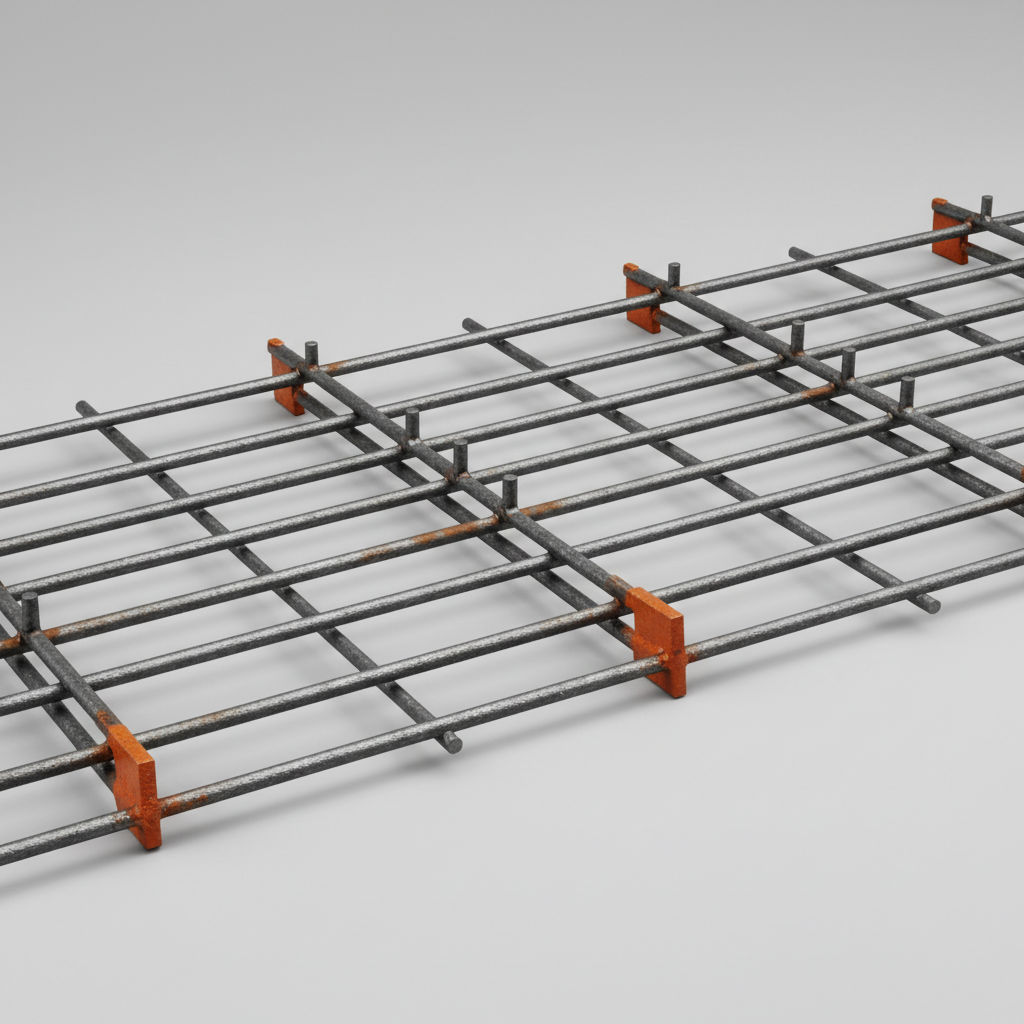
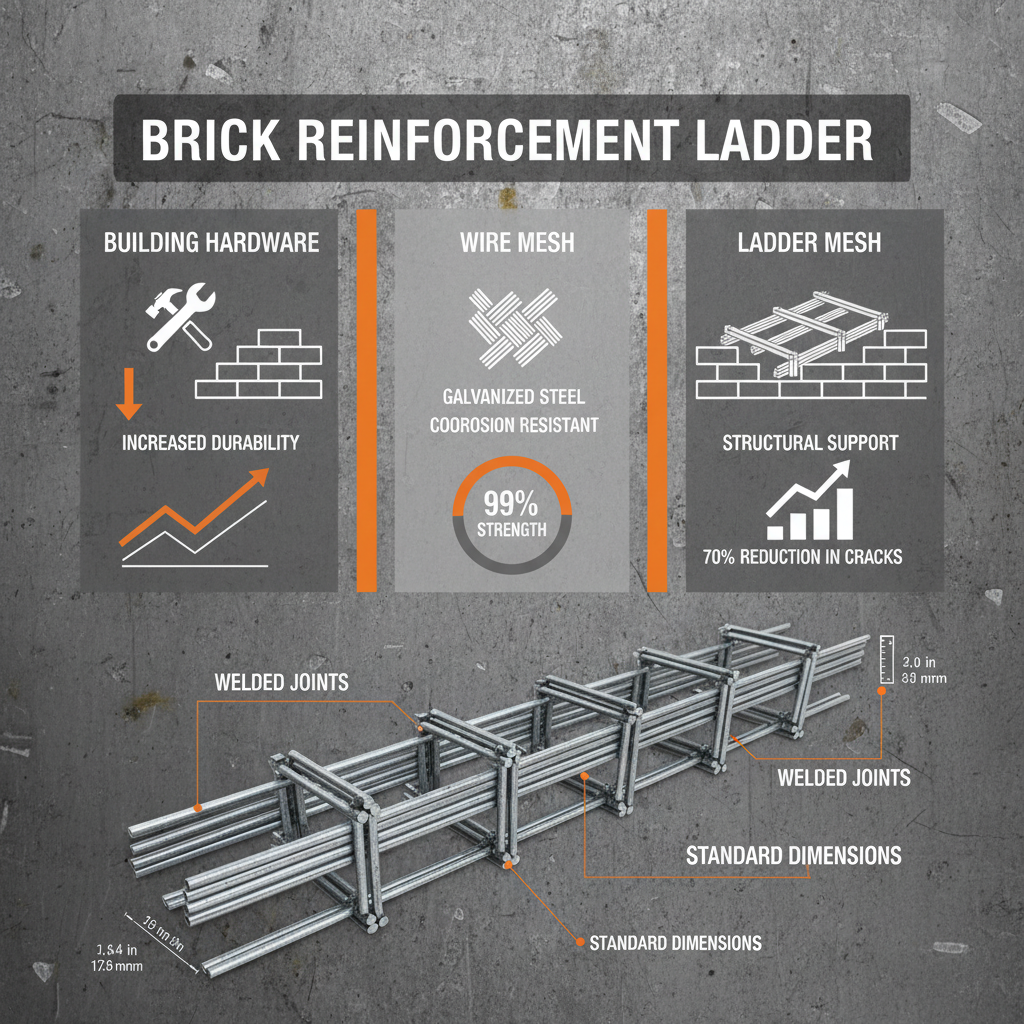
So, what is a brick reinforcement ladder? It's essentially a prefabricated, high-strength steel frame integrated directly into brickwork as it’s laid. Think of it as an internal skeleton for the wall, distributing loads, preventing cracking, and dramatically increasing the overall structural integrity. It’s a far cry from simply relying on mortar alone, and it’s becoming essential for modern building practices – particularly in areas prone to seismic activity or requiring faster build times.
The Core Principles of brick reinforcement ladder
Durability is paramount. A brick reinforcement ladder isn’t just about making a wall stand up now; it’s about ensuring it withstands decades of stress, weather, and potential seismic events. The quality of the steel, the welding, and the overall design all play a huge role. Scalability is another key factor. We need systems that can be adapted to different building sizes and designs, from single-family homes to multi-story structures. It can't be a one-size-fits-all approach.
Cost-efficiency is always a concern, especially in large-scale projects. While the initial investment might be slightly higher than traditional methods, the long-term savings from reduced maintenance, increased durability, and faster construction times often outweigh the initial cost. And finally, ease of installation is crucial. If it takes a crew of specialized engineers to install it, it’s going to be a non-starter for most projects. The system needs to be adaptable for local labor skills.
The Global Relevance of brick reinforcement ladder
We're seeing a huge demand for brick reinforcement ladder in rapidly developing nations, particularly in areas experiencing population booms and increased urbanization. Think about cities like Lagos, Mumbai, or Jakarta. They need affordable, durable housing solutions fast. In these regions, local brick production is often readily available, making reinforced brick a particularly attractive option. But it's not just about developing nations.
Even in established markets like the US and Europe, there's a growing interest in sustainable and resilient building practices. The increased frequency of extreme weather events – hurricanes, earthquakes, floods – is forcing builders to rethink traditional construction methods. A brick reinforcement ladder provides an added layer of security and peace of mind, knowing the structure can withstand significant stress.
According to the World Bank, global construction output is projected to reach $18 trillion by 2030. A significant portion of that growth will be driven by infrastructure development in emerging markets, and brick reinforcement ladder is poised to play a critical role in meeting that demand.
Understanding brick reinforcement ladder: A Detailed Definition
Let’s break it down simply. A brick reinforcement ladder is a pre-engineered steel lattice integrated within brick masonry. Unlike simply adding rebar haphazardly, this ladder system is specifically designed to distribute loads evenly throughout the wall. It’s manufactured off-site, ensuring consistent quality and precise dimensions, making on-site assembly far quicker and more reliable.
This isn't a new concept, mind you. Similar techniques have been used for decades in areas prone to seismic activity, but the materials and manufacturing processes have significantly improved. We’re now using high-strength steel alloys and advanced welding techniques to create systems that are lighter, stronger, and more durable than ever before. It’s really a case of taking a proven principle and applying modern engineering to maximize its effectiveness.
The connection to modern humanitarian needs is significant. Following disasters, rapid deployment of safe and durable shelter is critical. brick reinforcement ladder allows for quicker construction of robust brick structures, utilizing locally sourced materials where possible, offering a more sustainable and dignified housing solution than tents or temporary shelters.
Key Factors Influencing brick reinforcement ladder Performance
We talk a lot about load distribution – that's fundamental. The ladder’s design and spacing determine how effectively it spreads stress throughout the brickwork. Then there’s the steel grade. Higher-grade steel means greater tensile strength and improved durability. But it also affects the cost, so it's about finding the right balance.
Comparison of brick reinforcement ladder Methods
Global Applications and Use Cases of brick reinforcement ladder
In post-disaster relief operations, we've seen brick reinforcement ladder used to quickly rebuild communities devastated by earthquakes or hurricanes. The speed of construction is a game-changer when people are displaced and in desperate need of shelter.
In remote industrial zones, where access to skilled labor is limited, the ease of installation and reduced reliance on complex construction techniques make it an ideal solution for building durable warehouses, workshops, and housing for workers.
The Advantages and Long-Term Value of brick reinforcement ladder
Look, it's not just about building faster; it's about building better. brick reinforcement ladder dramatically increases the lifespan of brick structures, reducing the need for costly repairs and replacements. This translates to significant long-term savings for building owners and communities. That’s a big win.
The increased structural integrity also enhances safety. Knowing that a building can withstand significant stress provides peace of mind for occupants and reduces the risk of collapse in the event of a natural disaster. There's a real human element to this. Building with dignity and security is what we should always strive for.
Future Trends and Innovations in brick reinforcement ladder Technology
We’re starting to see integration with Building Information Modeling (BIM) software, allowing for more precise design and prefabrication of brick reinforcement ladder systems. This will streamline the construction process even further and reduce waste.
There’s also research into using more sustainable steel alloys and exploring bio-based coatings to enhance corrosion resistance. The push for green building practices is driving innovation in this space.
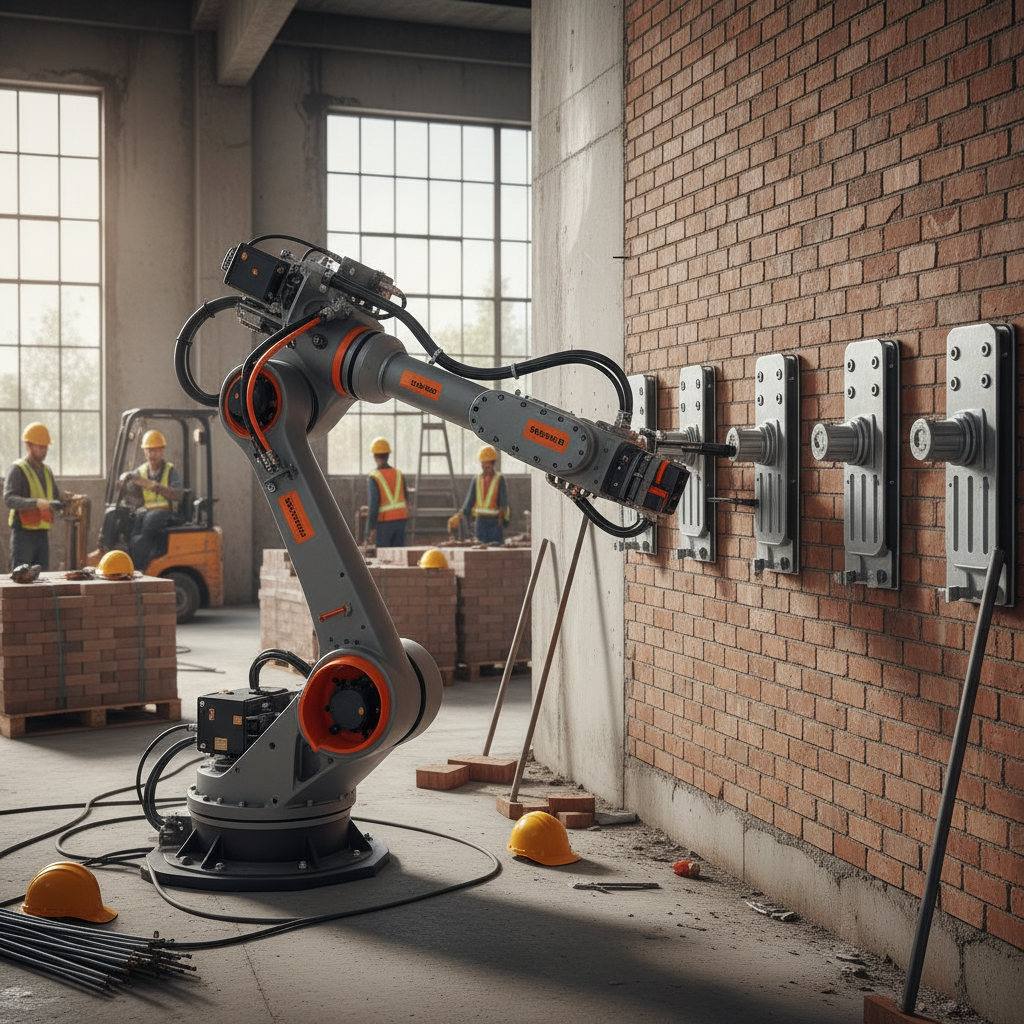
I’m also keeping a close eye on automated installation techniques. Robotics could potentially play a role in speeding up the assembly process, especially on large-scale projects.
Core Analysis of Challenges and Potential Solutions for brick reinforcement ladder
| Challenge |
Impact on brick reinforcement ladder Adoption |
Potential Solution |
Implementation Difficulty (1-5) |
| High Initial Cost |
Discourages small-scale projects and homeowners |
Government subsidies, bulk purchasing programs |
3 |
| Lack of Skilled Labor |
Improper installation can compromise structural integrity |
Standardized training programs, simplified installation guides |
2 |
| Material Sourcing |
Supply chain disruptions and fluctuating steel prices |
Diversification of suppliers, long-term contracts |
4 |
| Code Compliance |
Variations in building codes across different regions |
Collaboration with building code authorities, standardized testing |
3 |
| Corrosion Resistance |
Exposure to harsh environments can degrade steel over time |
Protective coatings, use of stainless steel alloys |
2 |
| Design Complexity |
Adapting brick reinforcement ladder to unique architectural designs |
Parametric modeling, modular design approaches |
4 |
FAQS
With proper maintenance, a brick structure reinforced with a brick reinforcement ladder can easily last 75-100 years, often exceeding the lifespan of conventionally built structures. The steel ladder prevents cracking and distributes loads, minimizing stress on the brickwork and mortar. This significantly reduces the risk of deterioration and extends the overall structural integrity, saving on long-term repair costs.
Exceptionally well. The ladder system ties the brickwork together, creating a more ductile structure capable of absorbing seismic energy. Unlike traditional masonry, which is prone to brittle failure, reinforced brick can flex and deform without collapsing. This makes it a valuable solution in earthquake-prone regions, increasing building safety and reducing damage.
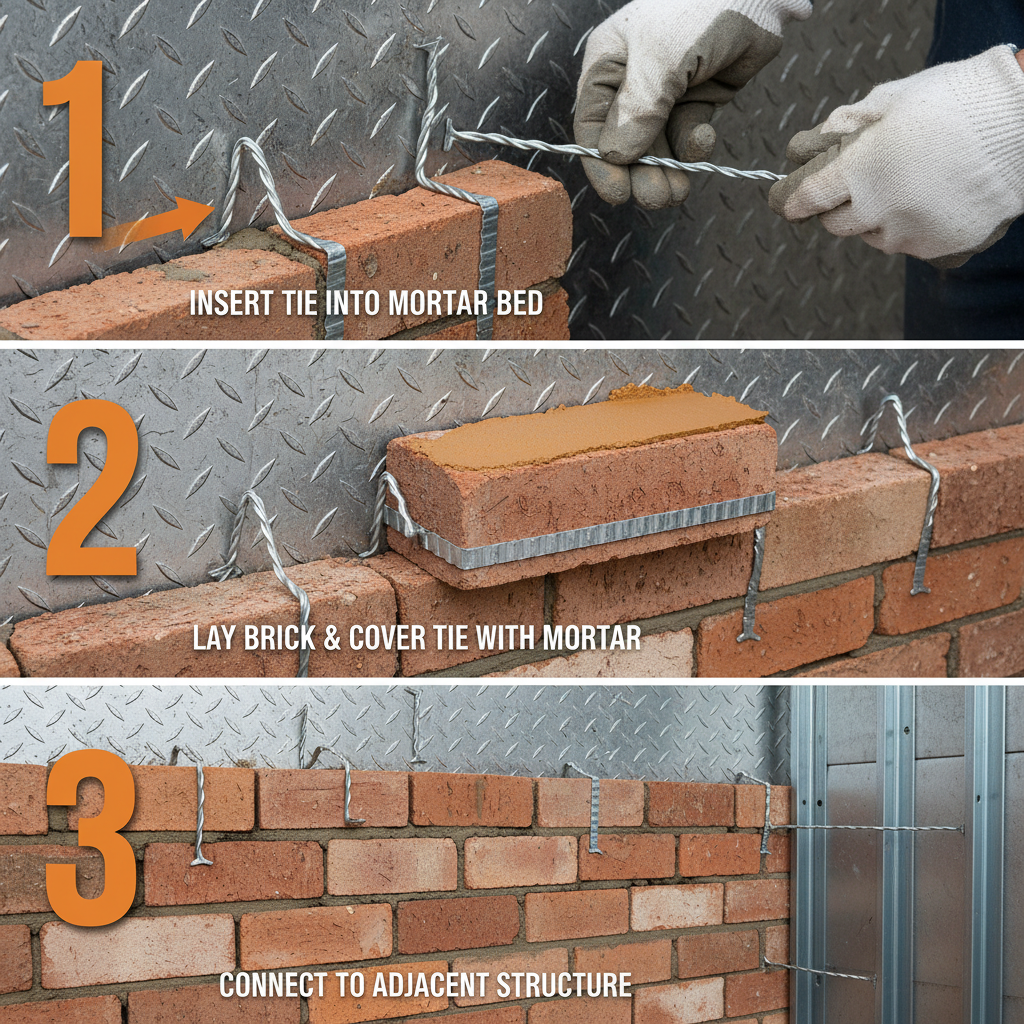
While it requires a degree of precision, installation is generally straightforward. The ladders are prefabricated to specific dimensions, simplifying on-site assembly. Training courses are available to ensure proper installation techniques, and manufacturers often provide detailed guidance. It's less complex than traditional rebar placement, especially for non-specialized crews.
Typically, high-strength steel alloys are used due to their excellent tensile strength and weldability. The specific grade of steel will vary depending on the intended application and local building codes. Some manufacturers are also exploring the use of corrosion-resistant coatings or stainless steel to enhance durability in harsh environments.
Absolutely. By extending the lifespan of brick structures, brick reinforcement ladder reduces the need for frequent demolition and reconstruction, minimizing waste and resource consumption. The use of locally sourced brick also reduces transportation costs and carbon emissions. And steel is highly recyclable, further contributing to sustainability.
The initial cost is slightly higher – typically around 10-15% more – due to the materials and fabrication of the ladder system. However, this is offset by faster construction times, reduced labor costs, lower maintenance expenses, and increased structural longevity. Over the lifecycle of the building, a brick reinforcement ladder often proves to be more cost-effective.
Conclusion
In essence, a brick reinforcement ladder isn't just about adding steel to brick; it’s about building smarter, building stronger, and building for the future. It addresses critical global challenges – affordable housing, disaster resilience, and sustainable construction – by providing a reliable and cost-effective solution. We’ve seen it perform exceptionally well on job sites from bustling cities to remote villages.
The future of brick construction is undoubtedly tied to innovation like this. Investing in durable, resilient infrastructure is not just a matter of economics; it’s a matter of safety, dignity, and long-term community well-being. If you're looking for a robust and reliable solution for your next brick construction project, explore the possibilities. Visit our website at www.cntcmetal.com to learn more.