In the realm of modern masonry, the structural integrity of Concrete Masonry Unit (CMU) walls is not merely a matter of block placement but depends heavily on internal reinforcement. The cmu ladder wire serves as a critical horizontal reinforcement, designed to distribute stresses and control the inevitable shrinkage cracks that occur during the curing process of mortar and concrete. By integrating these specialized wire forms, builders can ensure that walls maintain their stability and alignment across various environmental stressors.
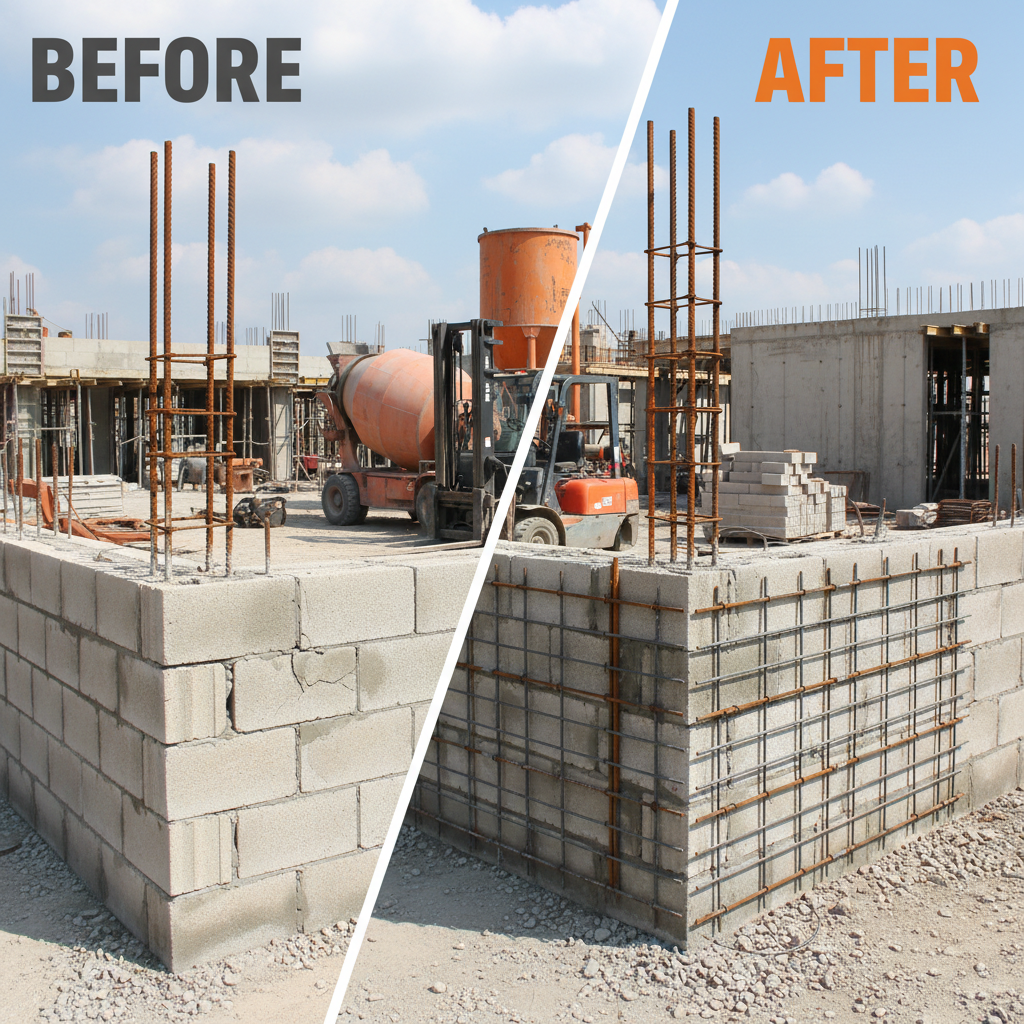
Globally, the demand for resilient infrastructure has pushed the construction industry toward more standardized and high-performance materials. The application of cmu ladder wire is now a benchmark in high-quality construction, moving beyond simple residential fences to complex industrial warehouses and multi-story commercial buildings. Its ability to bind masonry courses together creates a composite structure that is significantly more robust than unreinforced masonry.
Understanding the nuances of ladder-type reinforcement is essential for architects, contractors, and engineers who aim to balance cost-efficiency with long-term safety. From preventing shear failure to enhancing the overall ductility of a wall, the role of cmu ladder wire is fundamental to the lifespan of a building. This guide explores the technical specifications, global applications, and future innovations that make this simple wire product a cornerstone of the masonry world.
Global Industry Context of CMU Ladder Wire
The global construction market has seen a significant shift toward sustainable and durable materials, with a particular emphasis on reinforced masonry. According to international building standards such as ISO and ASTM, the use of horizontal reinforcement like cmu ladder wire is no longer optional in seismic-prone zones or high-load industrial settings. As urbanization accelerates in Southeast Asia and Africa, the reliance on concrete blocks has surged, making the standardization of reinforcement critical to prevent catastrophic wall failures.
The primary challenge addressed by this technology is the inherent brittleness of mortar. Without the stabilizing influence of ladder wire, masonry walls are susceptible to vertical cracking caused by thermal expansion and contraction. By implementing a consistent grid of cmu ladder wire, the industry has successfully reduced maintenance costs and extended the operational life of infrastructure globally.
Defining the Mechanics of CMU Ladder Wire
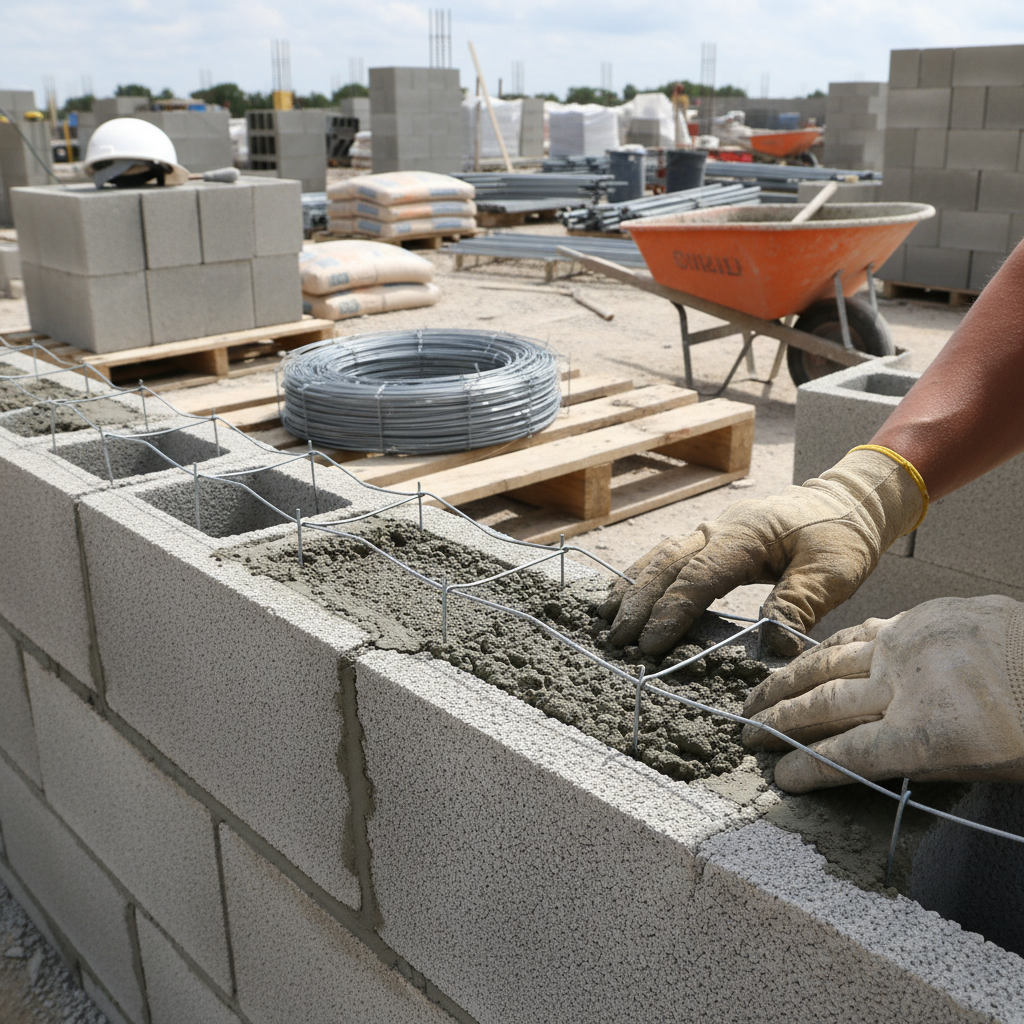
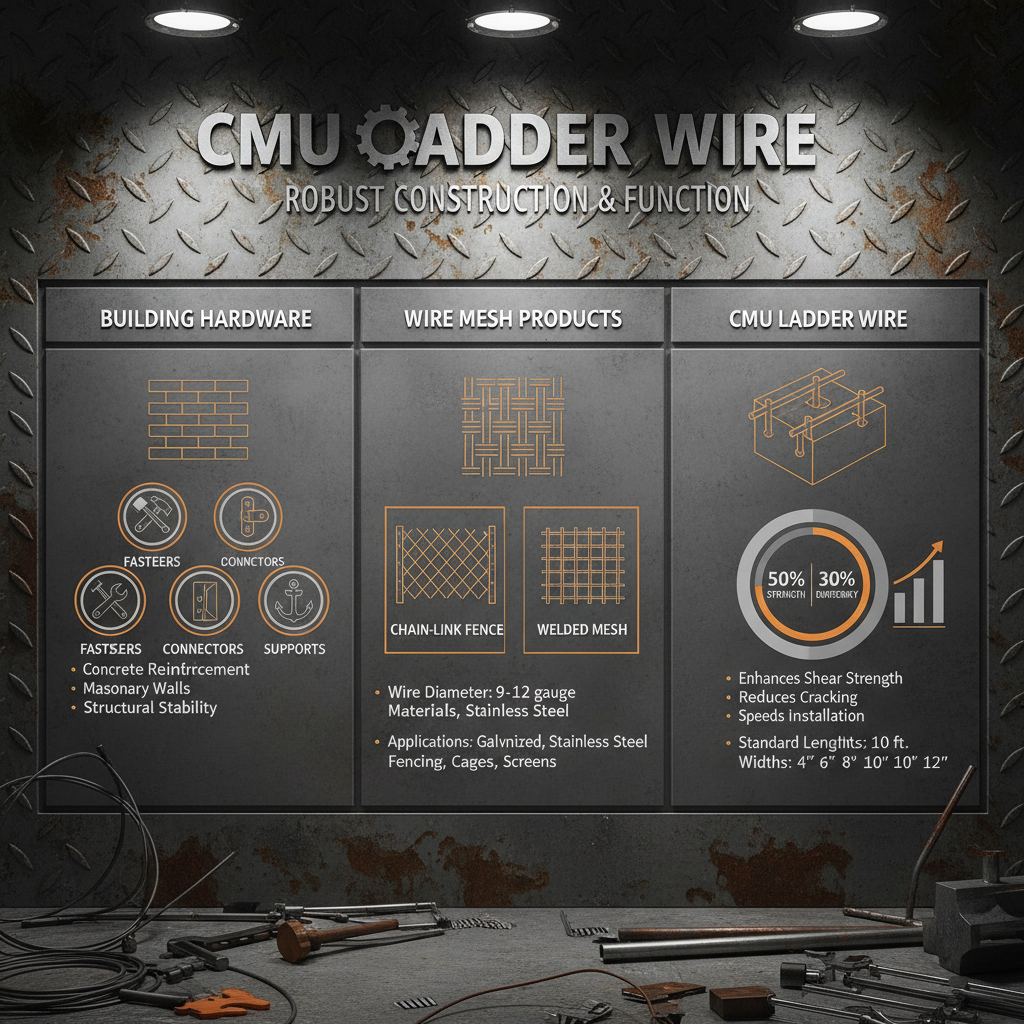
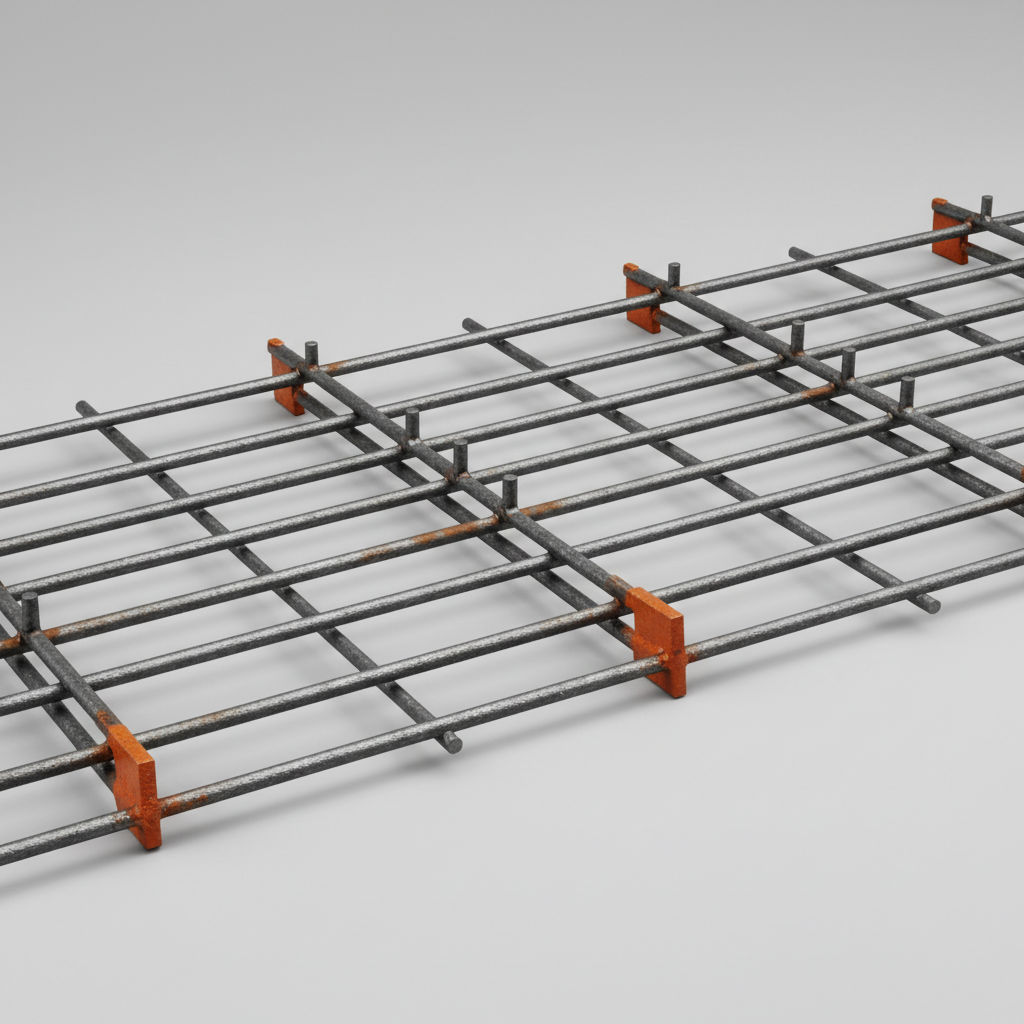
In simple technical terms, cmu ladder wire is a prefabricated steel reinforcement consisting of two longitudinal wires connected by transverse cross-bars, resembling a ladder. This specific geometry allows the wire to sit perfectly within the mortar joint of a Concrete Masonry Unit wall, providing a mechanical bond that ties the blocks together horizontally. Unlike simple straight wires, the "rungs" of the ladder prevent the reinforcement from shifting during the pouring of grout or the laying of blocks.
From a humanitarian and urban development perspective, this product is vital for rapid housing projects and disaster-resilient shelters. In areas prone to earthquakes or flooding, the added tensile strength provided by the ladder wire ensures that walls do not collapse outward under lateral pressure. It transforms a stack of independent blocks into a unified structural diaphragm, providing safety and dignity to residents in vulnerable regions.
Modern industry leverages different coatings—such as hot-dipped galvanization—to ensure that the cmu ladder wire does not corrode when exposed to moisture within the wall. This intersection of metallurgical science and civil engineering ensures that the reinforcement remains active for decades, protecting the investment of developers and the safety of the public.
Core Components and Durability Factors
The effectiveness of cmu ladder wire is primarily determined by its material grade and the precision of its welding. High-carbon steel is often used to provide the necessary yield strength, ensuring that the wire can withstand significant tension before deformation. The consistency of the cross-bar spacing is equally important, as it determines how evenly the load is distributed across the wall's surface.
Corrosion resistance is the most critical durability factor for any cmu ladder wire application. Because these wires are embedded in alkaline concrete, they are generally protected; however, in coastal regions or industrial zones with high acidity, galvanized coatings are essential. This prevents "concrete spalling," where rusting steel expands and cracks the surrounding masonry from the inside out.
Scalability and ease of installation also play a role in the overall value. The lightweight nature of cmu ladder wire allows for rapid deployment on-site, reducing labor costs. When a product is easy to install correctly, the likelihood of human error—such as placing the wire too high or too low in the joint—is significantly reduced, ensuring the structural design intent is met.
Practical Applications and Regional Use Cases
In real-world construction, cmu ladder wire is utilized across a diverse range of projects. In North America, it is standard for residential basement walls to counteract the hydrostatic pressure from surrounding soil. In the Middle East, where extreme temperature fluctuations are common, ladder wire is employed in large-scale commercial warehouses to prevent thermal cracking in expansive masonry facades.
Furthermore, in post-disaster relief operations, modular masonry units reinforced with cmu ladder wire are used to build permanent schools and clinics quickly. These structures offer a superior alternative to temporary tents, providing long-term security and stability for displaced populations in remote industrial or rural zones.
Performance Comparison of CMU Reinforcement Methods
Long-Term Value and Structural Advantages
The long-term value of investing in high-quality cmu ladder wire extends far beyond the initial construction phase. By significantly reducing the occurrence of shrinkage cracks, the product lowers the lifetime maintenance costs for the building owner. There is a logical financial advantage: spending a small percentage more on reinforcement during the build phase prevents expensive structural repairs and aesthetic patching ten years down the line.
Beyond the numbers, there is an emotional angle of trust and safety. For homeowners and business owners, knowing that their walls are reinforced with cmu ladder wire provides peace of mind, especially in regions prone to seismic activity. It represents a commitment to quality and a refusal to cut corners, ensuring that the structure remains a safe haven for its occupants for generations.
Future Trends in Masonry Reinforcement
As the construction industry moves toward "Green Building" certifications like LEED, the evolution of cmu ladder wire is focusing on sustainability. We are seeing the emergence of recycled steel alloys and eco-friendly coatings that reduce the carbon footprint of the manufacturing process without compromising the tensile strength of the product.
Digital transformation is also playing a role. BIM (Building Information Modeling) now allows engineers to precisely map the placement of cmu ladder wire in 3D models, optimizing the amount of steel used and reducing waste. This precision ensures that reinforcement is placed exactly where the stress concentrations are highest, rather than relying on generic spacing.
Furthermore, the integration of automation in the production of cmu ladder wire has led to unprecedented consistency in weld strength and dimensions. Robotic welding ensures that every "rung" of the ladder is perfectly perpendicular, which is critical for maintaining the flat profile of a masonry wall during high-speed construction.
Common Challenges and Expert Solutions
One of the most common limitations in current practice is the improper placement of the reinforcement. Often, the cmu ladder wire is pushed too far to the top or bottom of the mortar joint, which drastically reduces its ability to resist bending moments. The solution lies in worker education and the use of specialized spacers that keep the wire centered within the joint.
Another challenge is the risk of corrosion in highly aggressive environments. While galvanization is the standard, some extreme industrial zones require epoxy-coated cmu ladder wire. Expert insight suggests performing a site-specific soil and air analysis to determine the exact level of protection needed, rather than applying a "one size fits all" approach.
Finally, procurement delays can sometimes lead contractors to use substandard, non-certified wires. To overcome this, establishing a reliable supply chain with manufacturers who adhere to ISO standards is paramount. Ensuring that each batch of cmu ladder wire comes with a mill test certificate guarantees that the steel's yield strength meets the engineer's specifications.
Comparative Analysis of CMU Ladder Wire Specifications
| Wire Grade |
Coating Type |
Tensile Strength (MPa) |
Recommended Use Case |
| Low Carbon Steel |
Mill Finish |
400-500 |
Indoor partitions |
| Medium Carbon Steel |
Galvanized |
500-650 |
Residential basements |
| High Tensile Steel |
Hot-Dip Galv |
700-900 |
Commercial facades |
| Alloy Steel |
Epoxy Coated |
800-1000 |
Coastal environments |
| Standard Grade |
Zinc Plated |
450-550 |
General boundary walls |
| Premium Grade |
HDG Premium |
600-800 |
Industrial warehouses |
FAQS
The primary purpose of cmu ladder wire is to provide horizontal reinforcement that controls cracking caused by shrinkage and thermal movement. It increases the lateral strength of the wall, ensuring that the masonry units act together as a single structural element rather than individual blocks, which is critical for maintaining stability under load.
Installation frequency depends on local building codes and structural requirements. Typically, cmu ladder wire is placed every 16 to 32 inches vertically. In high-stress areas or seismic zones, the spacing may be tighter (e.g., every second course) to provide maximum reinforcement against shear forces.
While not always required for interior dry walls, galvanized cmu ladder wire is highly recommended for any wall exposed to moisture, such as foundation walls, exterior facades, or coastal structures. Galvanization prevents the steel from rusting, which otherwise leads to expansion and subsequent cracking (spalling) of the concrete blocks.
While straight wire is cheaper, cmu ladder wire is far superior because its cross-bars prevent the reinforcement from shifting during construction. This ensures the wire remains centered in the mortar joint, providing consistent and predictable structural performance that straight wires cannot guarantee.
Adding cmu ladder wire increases initial material costs slightly, but it significantly reduces long-term expenses. By preventing cracks and structural failures, it eliminates the need for costly repairs and prevents potential liability issues, making it a cost-effective insurance policy for the building's lifespan.
It is best to source cmu ladder wire from manufacturers who provide ISO certification and mill test reports. Visiting established industry leaders like www.cntcmetal.com ensures you receive products that meet international strength and corrosion-resistance standards.
Conclusion
In summary, cmu ladder wire is an indispensable component of modern masonry, bridging the gap between simple block stacking and true structural engineering. By managing shrinkage, enhancing lateral stability, and resisting environmental corrosion, it ensures that our built environment remains safe, durable, and efficient. From residential basements to industrial warehouses, the integration of this reinforcement is a hallmark of professional construction.
Looking forward, the industry will continue to embrace smarter materials and more precise installation techniques to further maximize the utility of masonry reinforcement. For developers and contractors, the focus should remain on selecting high-grade, certified materials that guarantee long-term structural integrity. To explore the best solutions for your next project, visit our website: www.cntcmetal.com.