Block ladder reinforcement is a crucial component in modern construction, particularly in regions prone to seismic activity or requiring robust structural support. This system, utilizing interconnected metal components, enhances the stability and load-bearing capacity of block structures. Its importance stems from a growing need for resilient infrastructure globally, driven by factors like increasing urbanization and the escalating impacts of natural disasters. Understanding the principles of block ladder reinforcement is paramount for engineers, builders, and policymakers alike.
The demand for effective structural strengthening solutions is rising rapidly, influenced by stricter building codes and a heightened awareness of disaster risk reduction. Globally, organizations like the United Nations and the World Bank are prioritizing investments in resilient infrastructure, particularly in developing nations. Block ladder reinforcement addresses a critical gap in providing accessible and cost-effective solutions for enhancing the structural integrity of masonry buildings, offering a vital tool in mitigating the consequences of seismic events and other hazards.
Effective implementation of block ladder reinforcement goes beyond merely adding material; it requires careful consideration of design principles, material quality, and installation techniques. It's a proactive approach to building safety, contributing significantly to the longevity and resilience of structures while minimizing potential risks to human life and property.
The Importance of Block Ladder Reinforcement
Block ladder reinforcement plays a critical role in enhancing the seismic resilience of masonry structures. It effectively distributes tensile stresses, preventing cracking and collapse during earthquakes. This system doesn’t just add strength; it transforms a brittle material into one capable of withstanding significant deformation without catastrophic failure, ensuring the safety of occupants and the preservation of property.
Beyond seismic performance, block ladder reinforcement improves the overall structural integrity of walls, resisting wind loads and increasing resistance to impact damage. This makes it a valuable addition in a wide range of construction projects, from residential buildings to industrial facilities. Properly implemented reinforcement systems can dramatically extend the lifespan of masonry structures.
Defining Block Ladder Reinforcement
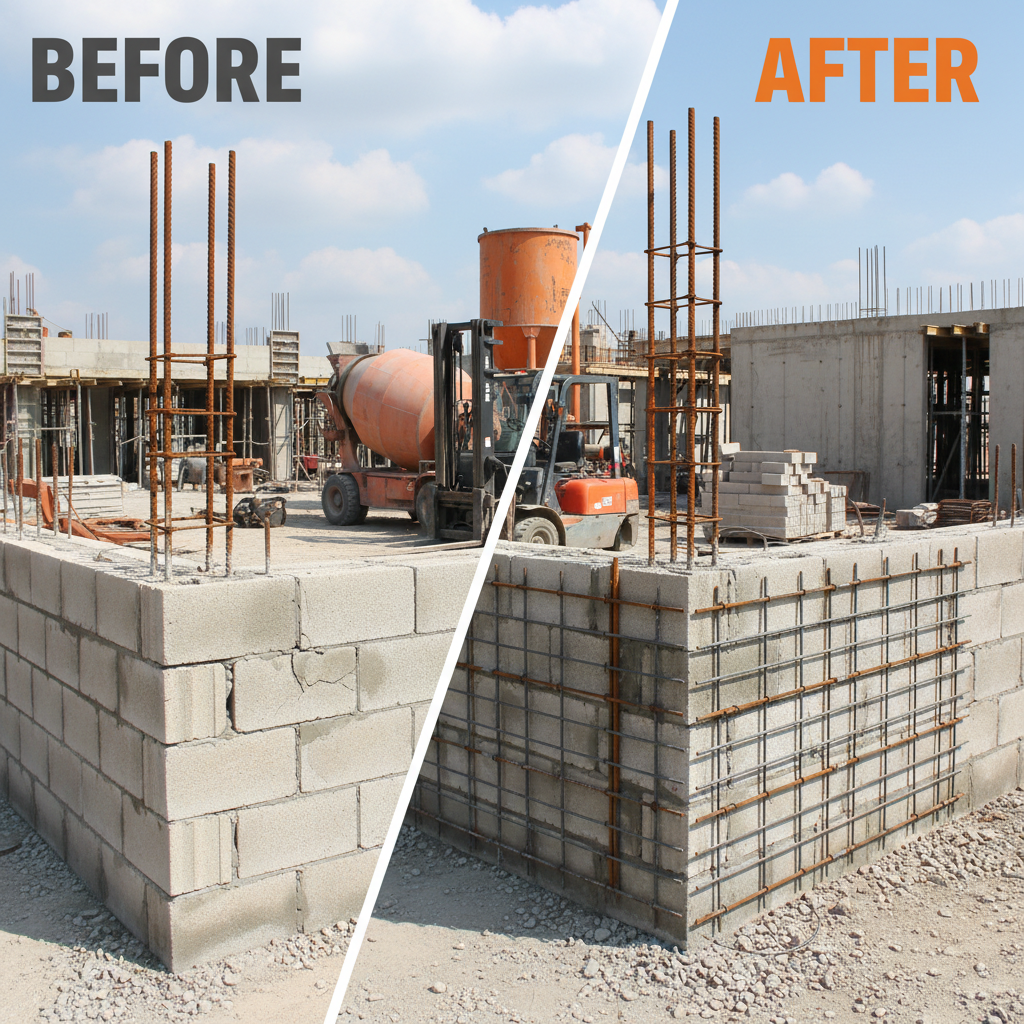
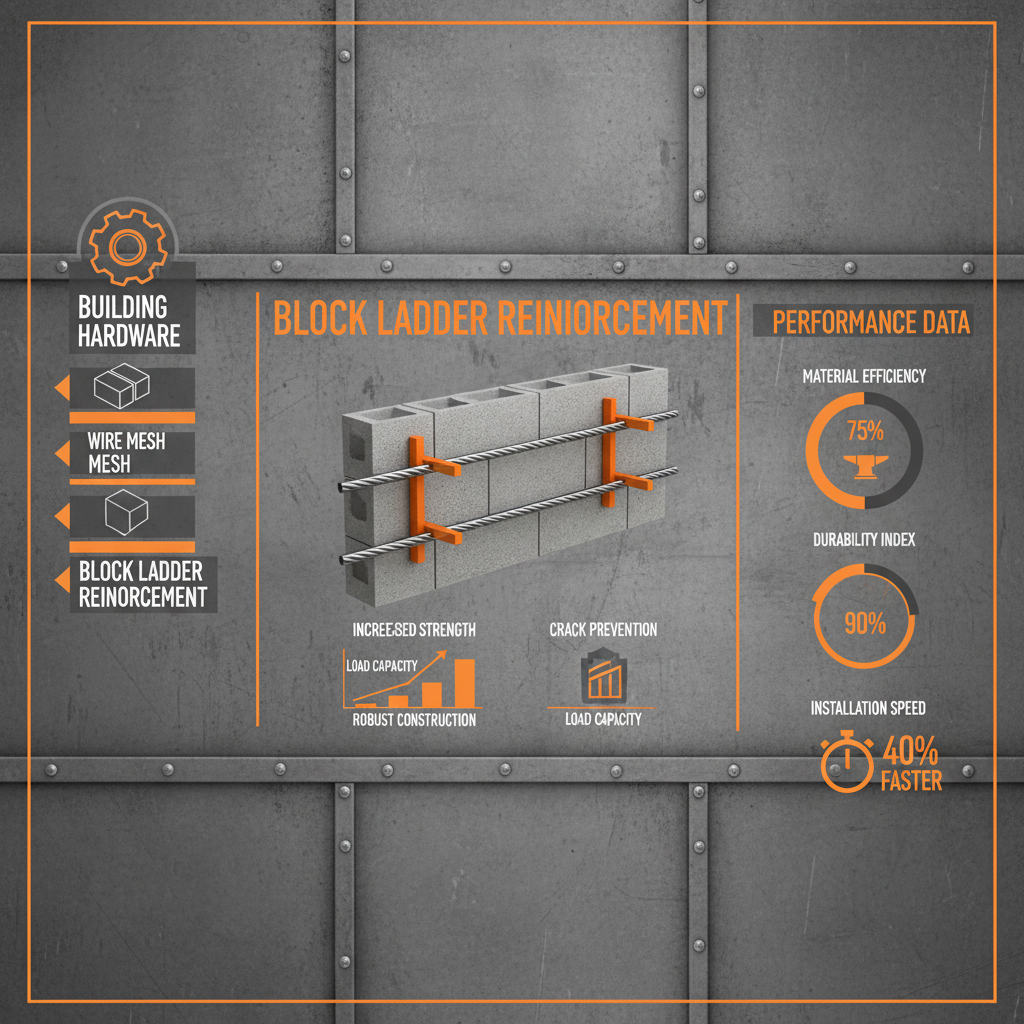
Block ladder reinforcement refers to a system of interconnected vertical and horizontal reinforcement elements embedded within masonry walls. Typically constructed from galvanized steel wire, these elements create a “ladder-like” grid that ties the blocks together, transforming the wall into a monolithic, load-bearing unit. It is commonly used to upgrade existing unreinforced masonry (URM) structures or to enhance the performance of new construction.
This system differs from traditional reinforcement methods by providing a more comprehensive and effective way to distribute stresses throughout the entire wall. Unlike isolated reinforcement bars, the ladder-like grid ensures that loads are evenly shared, minimizing stress concentrations that can lead to cracking and failure. This is especially important in areas susceptible to seismic activity.
The application of block ladder reinforcement aligns with modern building practices that prioritize resilience and sustainability. It offers a practical solution to improve the structural performance of masonry buildings while minimizing the need for costly and disruptive demolition and rebuilding.
Key Factors Influencing Performance
Durability is paramount. The quality of the steel used in block ladder reinforcement directly impacts its long-term performance. Galvanization is crucial to prevent corrosion, especially in harsh environments. The gauge and tensile strength of the steel wire also determine the system’s ability to withstand significant loads and deformations. Choosing high-quality materials is a fundamental aspect of effective block ladder reinforcement.
Proper installation is equally critical. The reinforcement elements must be accurately positioned and securely anchored to the masonry blocks. Correct spacing between wires is vital for optimal load distribution. Incorrect installation can significantly reduce the system’s effectiveness, potentially leading to premature failure. Experienced installers are essential to ensure proper adherence to design specifications.
Material compatibility is another important consideration. The interaction between the reinforcement system and the masonry units themselves influences overall performance. The type of mortar used, the compressive strength of the blocks, and the overall wall geometry all play a role. Careful selection of compatible materials ensures a strong and cohesive structural system.
Global Applications and Case Studies
Block ladder reinforcement is utilized extensively in seismic retrofitting projects in regions like Italy, Greece, and Turkey, where older masonry buildings are vulnerable to earthquake damage. These projects demonstrate the effectiveness of the system in enhancing the structural integrity of existing buildings without requiring complete demolition.
In post-disaster relief operations, block ladder reinforcement can be used to quickly and efficiently rehabilitate damaged masonry structures, providing safe and habitable housing for displaced populations. The relative simplicity of installation makes it suitable for deployment in emergency situations.
Furthermore, the technology is gaining traction in developing countries, where affordable and sustainable construction solutions are in high demand. In remote industrial zones with limited access to specialized construction equipment, block ladder reinforcement offers a practical approach to building resilient structures.
Block Ladder Reinforcement Performance Metrics
Advantages and Long-Term Value
The primary advantage of block ladder reinforcement lies in its cost-effectiveness. Compared to demolition and rebuilding, retrofitting with this system represents a significant economic savings. It’s a targeted intervention that addresses structural weaknesses without the massive expense of starting from scratch. Furthermore, block ladder reinforcement is often quicker to install than alternative methods, minimizing disruption to building occupants.
The long-term value extends beyond financial considerations. By enhancing the structural integrity of buildings, block ladder reinforcement contributes to increased safety and security for occupants. It demonstrates a commitment to responsible building practices and promotes a culture of resilience within communities. The improved durability also translates to reduced maintenance costs over the building's lifespan.
Future Trends and Innovation
Research is ongoing to explore the use of advanced materials in block ladder reinforcement, such as high-strength stainless steel alloys and fiber-reinforced polymers. These materials offer enhanced corrosion resistance and improved tensile strength, potentially extending the lifespan and performance of the system.
Digital technologies, including Building Information Modeling (BIM) and 3D scanning, are being integrated into the design and installation process. This allows for more accurate assessment of structural weaknesses and customized reinforcement solutions, leading to optimized performance and reduced material waste.
Challenges and Solutions in Implementation
A significant challenge lies in ensuring proper quality control during installation. Inadequate anchoring or incorrect spacing can compromise the system’s effectiveness. Solutions include rigorous training and certification programs for installers, as well as the implementation of standardized inspection protocols.
Another challenge is addressing the complexities of retrofitting existing structures. Older buildings often have irregular geometries and deteriorated materials, requiring careful assessment and customized reinforcement designs. Employing experienced structural engineers and utilizing advanced modeling techniques are crucial for overcoming these challenges.
Finally, awareness and acceptance of block ladder reinforcement as a viable solution are critical. Educating builders, engineers, and policymakers about the benefits of the system can promote its wider adoption and contribute to more resilient and sustainable construction practices.
Summary of Implementation Considerations for Block Ladder Reinforcement
| Installation Quality |
Structural Complexity |
Material Selection |
Regulatory Compliance |
| Proper anchoring and spacing (Score: 9/10) |
Irregular building geometries (Score: 6/10) |
Galvanized steel wire gauge (Score: 8/10) |
Local building code adherence (Score: 7/10) |
| Installer certification programs (Score: 7/10) |
Deteriorated masonry conditions (Score: 5/10) |
Corrosion resistance of materials (Score: 9/10) |
Seismic zone requirements (Score: 8/10) |
| Regular inspection protocols (Score: 8/10) |
Historical building preservation (Score: 4/10) |
Compatibility with existing mortar (Score: 6/10) |
Permitting and approval processes (Score: 6/10) |
| Adherence to design specifications (Score: 9/10) |
Access limitations during retrofitting (Score: 5/10) |
Tensile strength of reinforcement (Score: 8/10) |
Documentation and record keeping (Score: 7/10) |
| Quality control checks (Score: 7/10) |
Variations in masonry unit strength (Score: 6/10) |
Long-term durability assessment (Score: 7/10) |
Compliance with safety standards (Score: 9/10) |
| Material testing and certification (Score: 8/10) |
Existing structural damage (Score: 4/10) |
Environmental impact of materials (Score: 6/10) |
Stakeholder communication and approval (Score: 7/10) |
FAQS
The cost of block ladder reinforcement varies depending on the size and complexity of the structure, the extent of damage, and local labor rates. However, it generally offers a significantly more affordable solution than demolition and rebuilding. Typical costs range from $20 to $50 per square foot of wall area, including materials and labor. This represents a substantial savings compared to replacement, which can easily exceed $100 per square foot.
Block ladder reinforcement is most effective on unreinforced masonry (URM) buildings or those with limited existing reinforcement. It's also well-suited for buildings constructed with soft or deteriorated masonry units. However, it may not be the optimal solution for structures with severe structural damage or those built with highly brittle materials. A thorough structural assessment is essential to determine its suitability.
The installation timeframe depends on the size and complexity of the building, but typically ranges from a few days to several weeks. A small residential building might take only a week, while a larger commercial structure could require several weeks or even months. Minimal disruption to building occupants is often possible, as the installation process is relatively non-invasive.
Block ladder reinforcement requires minimal maintenance. Periodic inspections are recommended to check for signs of corrosion or damage to the reinforcement elements. In most cases, the galvanized steel wire provides long-lasting protection against corrosion. However, in harsh environments, periodic application of a protective coating may be necessary.
The impact on aesthetic appearance is minimal. The reinforcement elements are embedded within the masonry wall and are generally not visible from the exterior. In some cases, minor patching or repair of the wall surface may be required after installation, but this can be done to match the existing aesthetic.
Installation should adhere to relevant building codes and industry standards, such as those established by the International Code Council (ICC) and the American Concrete Institute (ACI). Many jurisdictions have specific requirements for seismic retrofitting, which must be followed. Ensuring qualified and certified installers is crucial for compliant and effective implementation.
Conclusion
Block ladder reinforcement stands as a vital solution for enhancing the structural integrity and resilience of masonry buildings, particularly in regions prone to seismic activity or experiencing the effects of aging infrastructure. Its cost-effectiveness, ease of installation, and long-term benefits make it an attractive option for both retrofitting existing structures and strengthening new construction. Understanding the core principles and best practices of implementation is essential for maximizing its effectiveness.
Looking ahead, continued innovation in materials and installation techniques will further improve the performance and sustainability of block ladder reinforcement systems. Embracing digital technologies and prioritizing quality control will be key to driving wider adoption and building a more resilient future. To learn more about how block ladder reinforcement can benefit your project, visit our website today.