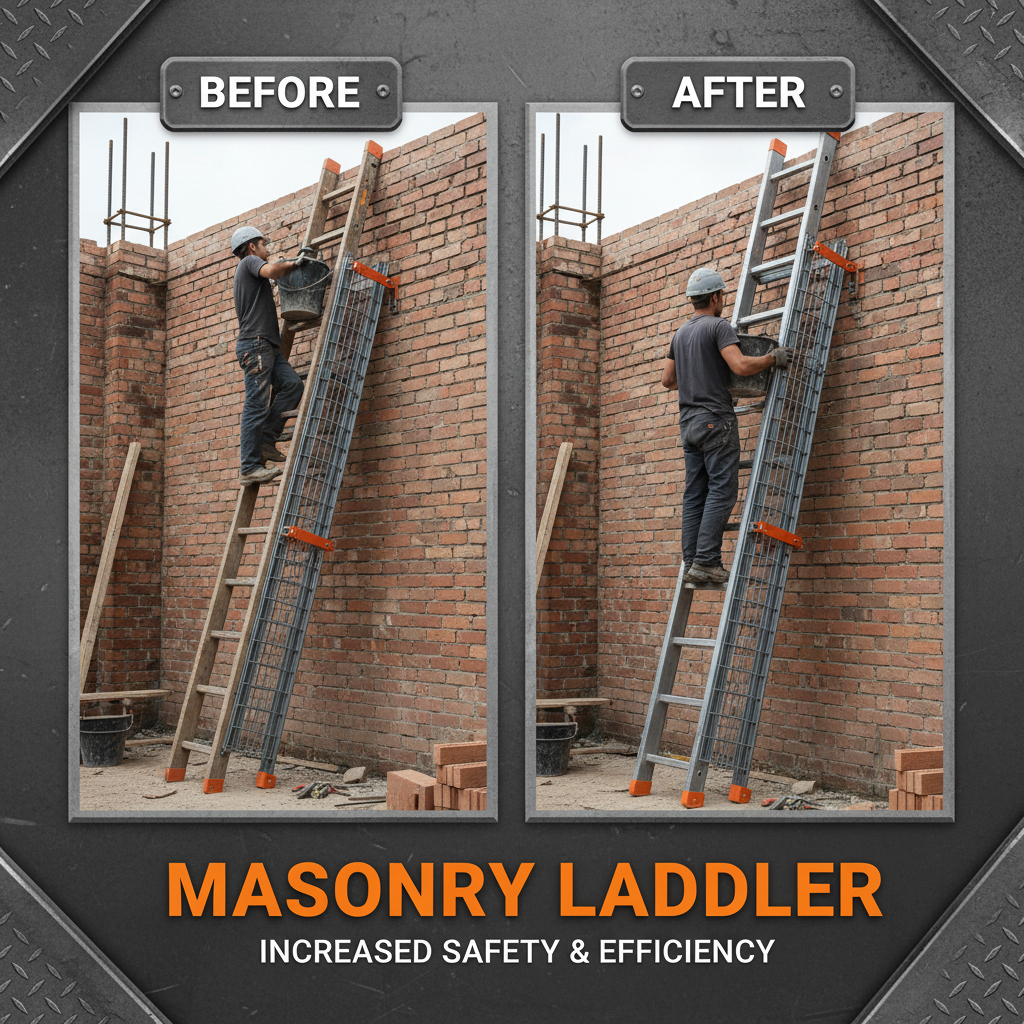
Look, I've spent twenty years in the dirt, on sites from Maine to California, and I've seen a lot of access solutions. What I've learned is simple: time is money, and safety isn't optional. That's where a good masonry ladder comes in. It's not just about getting up and down; it's about efficiency, reducing risk, and ultimately, finishing the job on schedule and under budget. It’s a fundamental piece of kit, and a lot more crucial than people realize.
Too many jobs get bogged down in delays because of inefficient access. I’ve seen crews waste hours rigging up makeshift solutions, or worse, taking unsafe shortcuts. A dedicated masonry ladder is a purpose-built tool. It’s designed for the specific demands of brick, block, and stone work, meaning quicker setup, easier maneuverability, and a far more secure climbing experience. It's a deceptively simple piece of equipment with a huge impact.
We’re talking about a market that isn't glamorous, but it's massive. Construction globally is a multi-trillion dollar industry, and every single structure needs access during the build. According to the UN, global construction output is projected to reach $18 trillion by 2030. That means a constant, growing demand for reliable, safe, and efficient access solutions. Ignoring this demand, or offering subpar products, simply isn't an option.
The Essential Role of masonry ladder in Construction
Honestly, if you've ever laid brick, you understand the need. You’re constantly moving up and down, needing a stable, secure platform. A masonry ladder isn't a luxury; it’s a fundamental safety requirement and a time-saver. I've seen too many near misses with improperly set-up scaffolding or workers balancing precariously. It's about creating a safe work environment that allows skilled tradespeople to do their jobs efficiently.
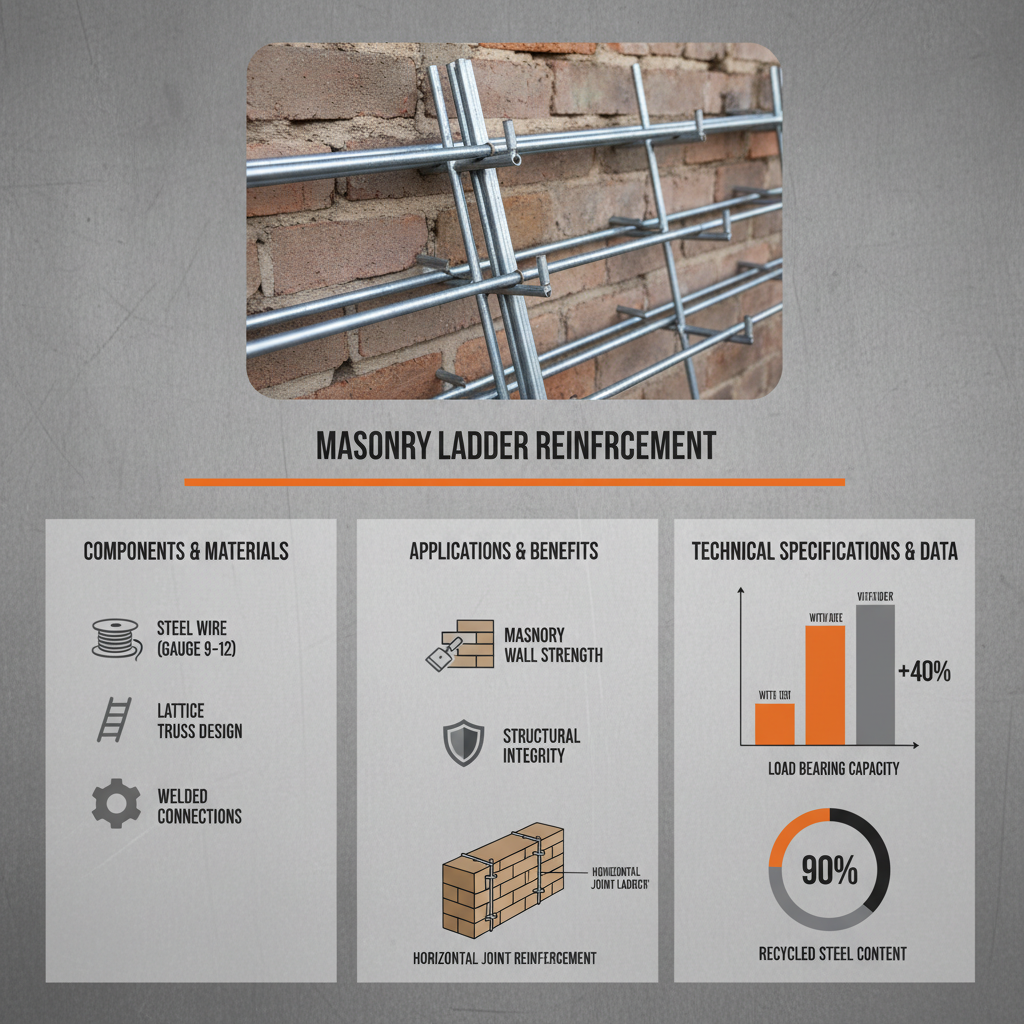
It's more than just getting to height, though. Think about the materials – bricks, blocks, stones – they're heavy. A quality masonry ladder needs to be able to handle not just the worker’s weight, but also the weight of tools and materials being carried. That means robust construction, stable footing, and a design that prioritizes load-bearing capacity.
Defining the masonry ladder: A Practical Overview
Simply put, a masonry ladder is a ladder specifically designed for use in masonry work. They’re typically wider than standard ladders, with larger rungs and often feature a platform or support for tools and materials. They're built to withstand the rigorous demands of the jobsite, including heavy loads and frequent use. The key is stability and ease of use; you want something that feels solid underfoot and allows you to focus on the work, not on maintaining your balance.
It connects directly to modern industry needs because safety standards are becoming increasingly stringent – and rightly so. ISO 4123-3 details requirements for mobile access towers, but the principles of safe access apply to all work at height. A well-designed masonry ladder is a critical component in maintaining compliance with these standards.
And it's not just about large-scale construction. Everything from home renovations to historical preservation relies on safe and efficient access for masonry work. The demand is universal, making it a consistent need across various sectors.
Key Factors Defining Quality in a masonry ladder
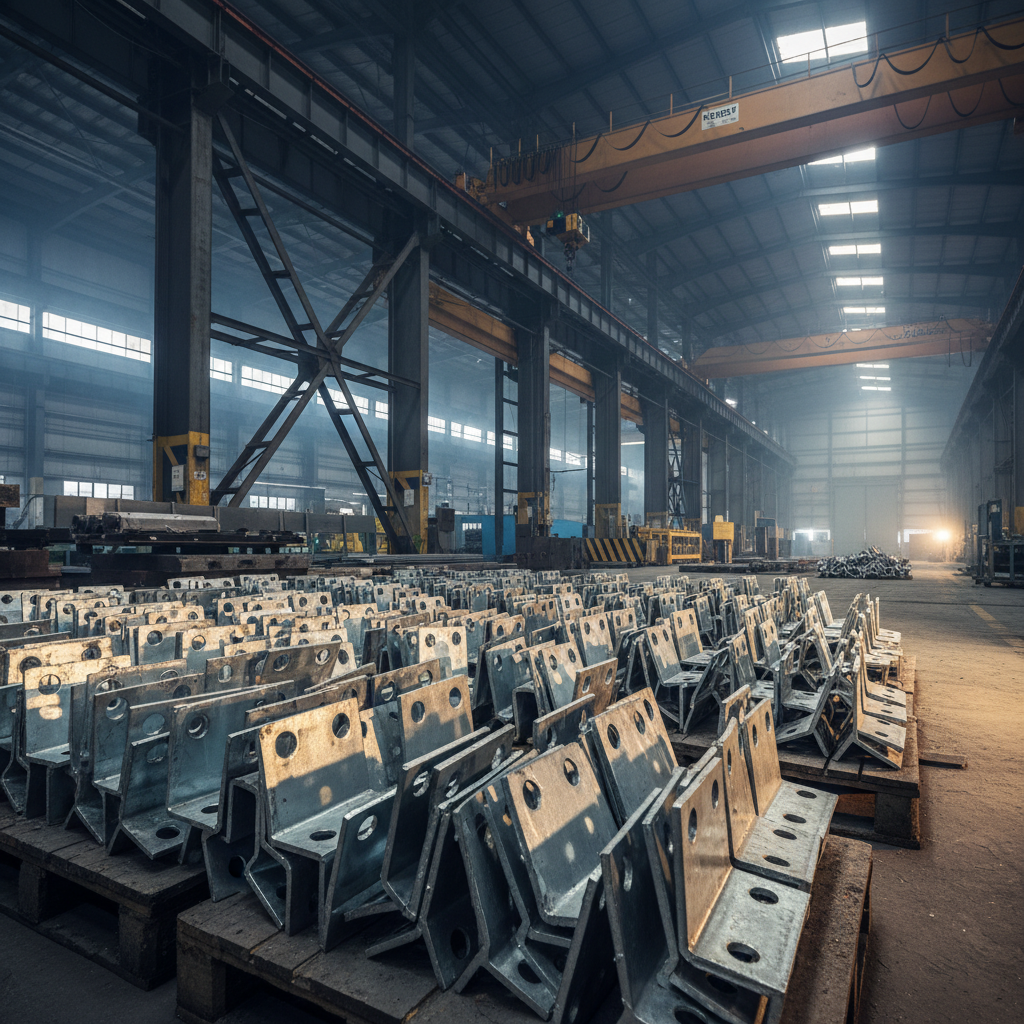
Durability is paramount. We're talking about a ladder that's going to be exposed to harsh conditions – rain, sun, dust, constant use. Materials matter. Look for heavy-duty aluminum or steel construction. The welds need to be strong and consistent, and the ladder should be treated to resist corrosion. Cheap ladders will bend, buckle, and ultimately fail, putting workers at risk.
Scalability is important. Different jobs require different heights. A good masonry ladder system should be adaptable – offering adjustable heights or multiple ladder sections that can be combined to reach the required elevation. Flexibility is key to maximizing efficiency on diverse job sites.
Cost efficiency isn't just about the initial purchase price. It's about long-term value. A higher-quality, more durable ladder will last longer, reducing the need for replacements. It also minimizes downtime due to repairs or failures. It's a long-term investment that pays off in saved time and reduced risk.
Applications and Use Cases Across Global Construction
You'll find masonry ladders on every major construction site around the world. From skyscrapers in Dubai to historical restoration projects in Europe, they're an essential tool. In post-disaster relief operations, where speed is critical, quick-assembly ladders are vital for rebuilding efforts. They are heavily used in the restoration of historic structures where precision and safety are paramount.
In remote industrial zones – think mining operations or power plant construction – where access is challenging, robust and portable masonry ladder systems are crucial for maintaining infrastructure. The US, China, and India, as major construction hubs, represent significant markets, but the demand is truly global.
We’re seeing increasing adoption in residential construction too. With the rise of home renovation projects, demand for reliable and safe access solutions for brickwork and stonework is also increasing. It’s a versatile tool for both professional tradespeople and DIY enthusiasts.
masonry ladder Application by Region (Estimated Market Share)
The Advantages of Utilizing a masonry ladder
The most obvious benefit is safety. A well-designed masonry ladder provides a stable and secure platform, reducing the risk of falls. But it goes beyond that. It increases productivity by allowing workers to move quickly and efficiently between different levels. It lowers labor costs because tasks are completed faster.
From a sustainability standpoint, durable ladders mean fewer replacements, reducing waste and resource consumption. And from a social impact perspective, prioritizing worker safety creates a more ethical and responsible construction environment. It's about doing the right thing while also improving the bottom line.
Future Trends Shaping masonry ladder Design & Implementation
We’re seeing a push towards lighter-weight materials, like advanced aluminum alloys and composite materials, without sacrificing strength. Smart ladders with integrated sensors to monitor load capacity and stability are also on the horizon. Digital integration – think QR codes linking to safety manuals and maintenance schedules – will become more common.
There's a growing interest in modular ladder systems that can be easily configured for different jobsite needs. And with the increasing focus on green building practices, expect to see more sustainable manufacturing processes and materials used in masonry ladder production.
Automation will also play a role. While fully automated bricklaying is still some way off, robotic assistance for material handling and ladder positioning could become a reality.
Challenges & Solutions in masonry ladder Application
One of the biggest challenges is proper training. A ladder is only as safe as the person using it. Workers need to be thoroughly trained on proper setup, inspection, and usage procedures. Another challenge is adapting to uneven terrain. Adjustable baseplates and leveling feet are essential for ensuring stability on irregular surfaces.
We also need to address the issue of ladder theft from job sites. Security features like integrated locking mechanisms and GPS tracking can help deter theft and recover stolen equipment. Finally, ensuring compliance with evolving safety regulations is an ongoing challenge. Staying up-to-date on industry standards and incorporating those standards into ladder design is crucial.
The solution lies in continuous innovation, robust quality control, and a commitment to worker safety. It’s about building ladders that are not only durable and efficient but also intuitive and safe to use.
Key Challenges and Solutions in masonry ladder Utilization
| Challenge |
Severity (1-10) |
Impact on Project |
Proposed Solution |
| Worker Falls |
10 |
Severe Injury, Project Delays |
Enhanced Ladder Stability & Training |
| Ladder Theft |
7 |
Project Cost Overruns, Downtime |
Integrated Locking & GPS Tracking |
| Uneven Terrain |
8 |
Instability, Reduced Productivity |
Adjustable Baseplates & Leveling Feet |
| Material Fatigue |
6 |
Ladder Failure, Safety Hazard |
High-Strength Alloys & Corrosion Resistance |
| Improper Usage |
9 |
Accidents, Reduced Efficiency |
Comprehensive Worker Training Programs |
| Regulatory Compliance |
5 |
Fines, Project Shutdowns |
Regular Audits & Updated Ladder Designs |
FAQS
A good quality masonry ladder should have a load capacity of at least 300 pounds, encompassing both the worker and any materials they're carrying. Always check the manufacturer's specifications before use, as this can vary. Exceeding the load capacity compromises safety and can lead to ladder failure. Regular inspection for damage is also vital to ensure the ladder maintains its rated capacity.
Masonry ladders should be inspected before each use for any signs of damage – cracks, bends, loose rungs, or corrosion. A more thorough inspection, documented in writing, should be conducted at least annually, or more frequently in harsh environments. Any damaged ladder should be immediately taken out of service until repaired or replaced. Remember, preventative maintenance is key to worker safety.
Most masonry ladders are constructed from aluminum or steel. Aluminum is lightweight and corrosion-resistant, making it ideal for general use. Steel is stronger and more durable, but also heavier and more susceptible to corrosion if not properly treated. High-end models may utilize composite materials to offer a balance of strength, weight, and durability. Consider your specific needs when choosing a material.
Yes, masonry ladders must meet specific safety standards set by organizations like ANSI (American National Standards Institute) and OSHA (Occupational Safety and Health Administration). These standards cover aspects like ladder construction, load capacity, labeling, and safe usage guidelines. Ensure your ladder is certified to meet these standards for optimal safety and compliance.
Store your masonry ladder in a dry, secure location, away from direct sunlight and extreme temperatures. Avoid stacking other materials on top of it, as this can cause damage. When storing horizontally, support it adequately to prevent bending or warping. Proper storage extends the ladder’s lifespan and ensures it remains safe for use.
Integrated tool holders significantly improve efficiency and safety. They allow workers to keep essential tools within easy reach, minimizing the need to climb up and down frequently. This reduces the risk of drops and saves valuable time. Look for ladders with durable and securely attached tool holders that can accommodate a variety of tool sizes and types.
Conclusion
In conclusion, the masonry ladder is far more than just a piece of equipment; it’s a critical component of safe, efficient, and productive construction practices. From ensuring worker safety and complying with stringent regulations to reducing project costs and improving sustainability, the benefits are substantial. A well-chosen and properly maintained ladder is an investment that pays dividends in the long run.
Looking ahead, continued innovation in materials, design, and technology will further enhance the performance and safety of masonry ladders. By embracing these advancements and prioritizing worker training, we can create a safer and more efficient construction industry for everyone. Visit our website at www.cntcmetal.com to explore our range of high-quality ladders and access expert advice.