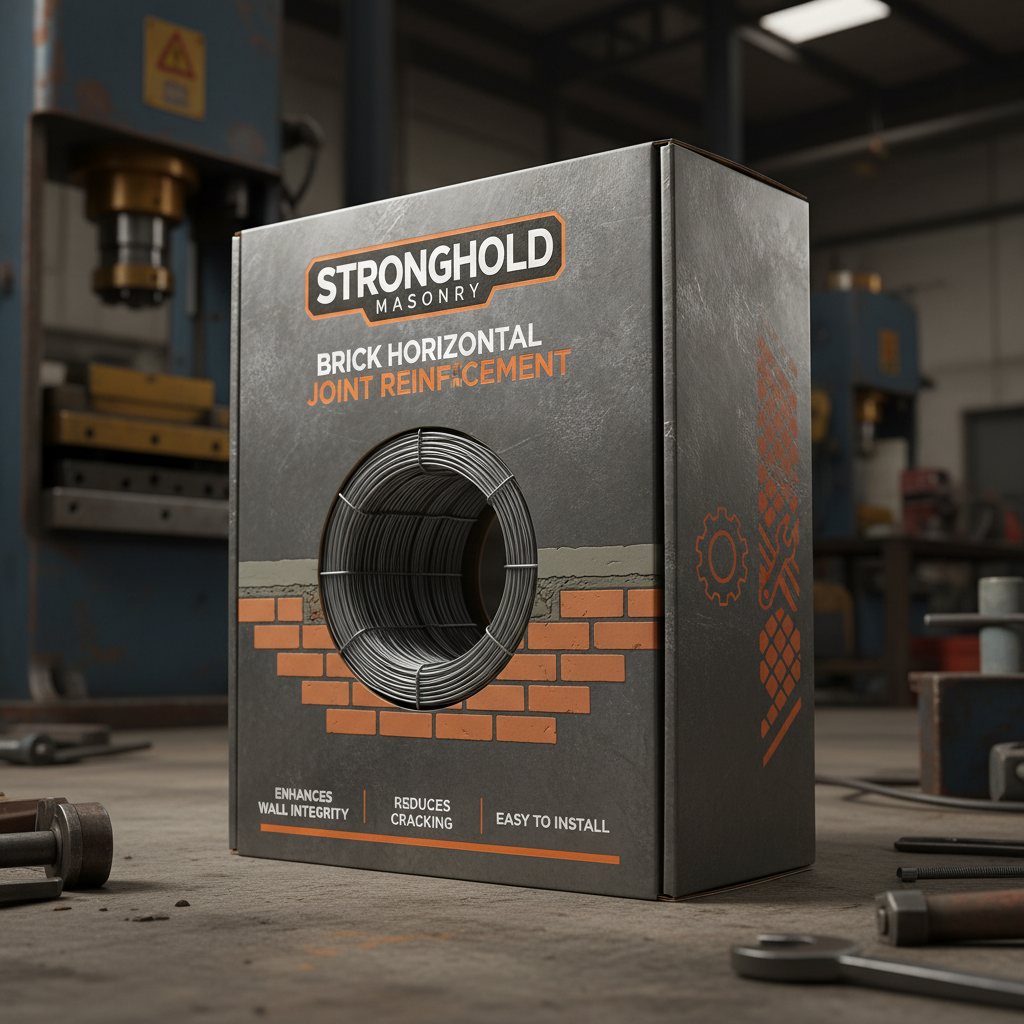
Concrete block wall ties are essential components in modern construction, particularly in areas prone to seismic activity or high winds. These seemingly simple connectors play a critical role in maintaining the structural integrity of multi-leaf masonry walls, preventing collapse and ensuring the safety of occupants. Understanding their function, types, and proper installation is paramount for architects, engineers, and construction professionals. The global demand for durable and cost-effective building materials drives the continued innovation and refinement of concrete block wall ties.
The increasing prevalence of natural disasters, coupled with growing urbanization and infrastructure development, has underscored the importance of robust building standards. Concrete block wall ties contribute significantly to these standards by providing lateral support and resisting outward movement of walls. They are particularly valuable in regions where traditional building techniques may be less resilient to modern challenges. The need for affordable housing solutions also fuels the demand for efficient and reliable construction methods leveraging these ties.
Beyond structural safety, the effective use of concrete block wall ties can also contribute to energy efficiency in buildings. By maintaining wall stability, they prevent air leakage and reduce thermal bridging, leading to lower heating and cooling costs. Properly designed and installed ties, therefore, represent a holistic solution that addresses both safety and sustainability concerns in the built environment.
Introduction to Concrete Block Wall Ties
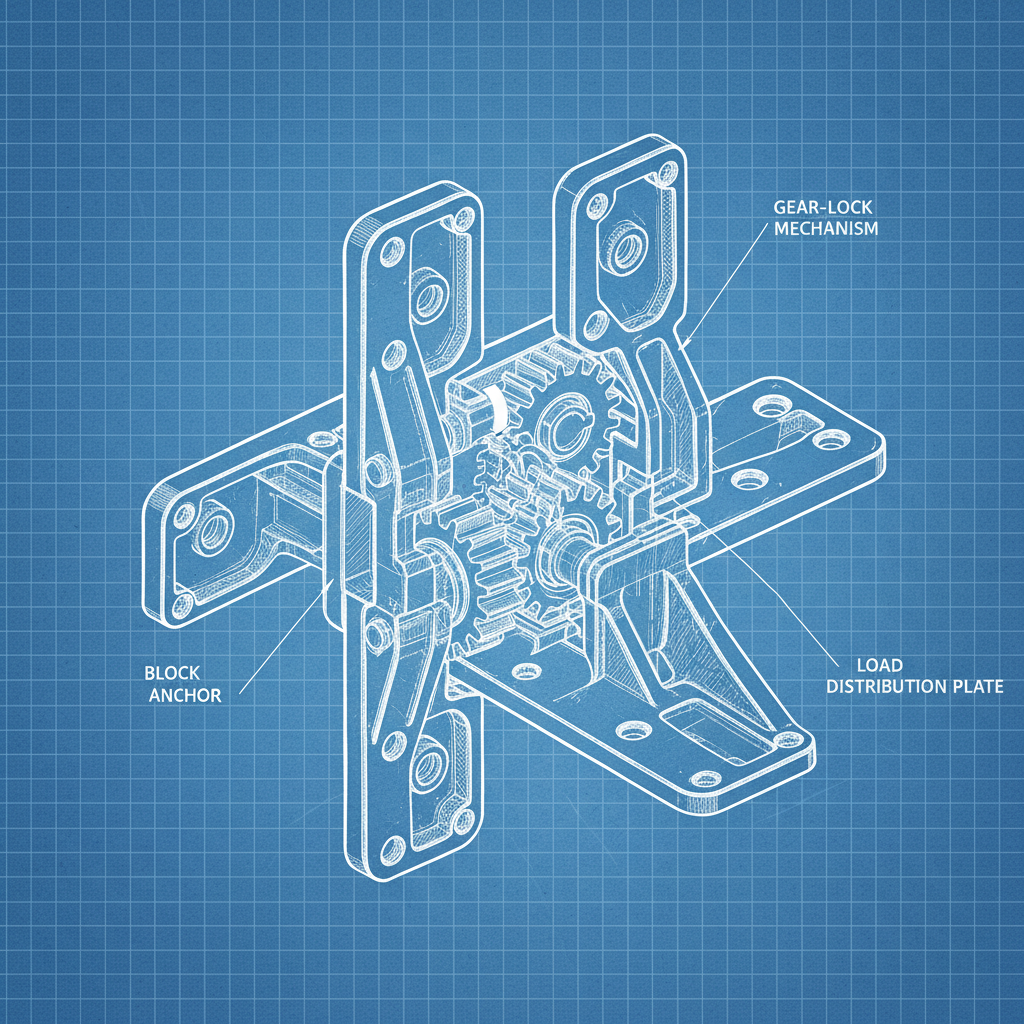
Concrete block wall ties are metal components used to connect the facing (outer) leaf of a masonry wall to the backing (inner) leaf, providing structural stability. These ties counteract lateral forces such as wind and seismic activity, preventing wall collapse and ensuring the integrity of the building. Their design and material composition are critical factors in achieving reliable performance. concrete block wall ties are vital for modern construction.
The necessity for effective wall ties stems from the inherent weaknesses of unreinforced masonry, which is vulnerable to cracking and separation under stress. Wall ties distribute these stresses evenly, preventing localized failures and maintaining the overall structural capacity of the wall. Properly installed ties contribute significantly to building safety and longevity, safeguarding lives and protecting property.
Defining Concrete Block Wall Ties
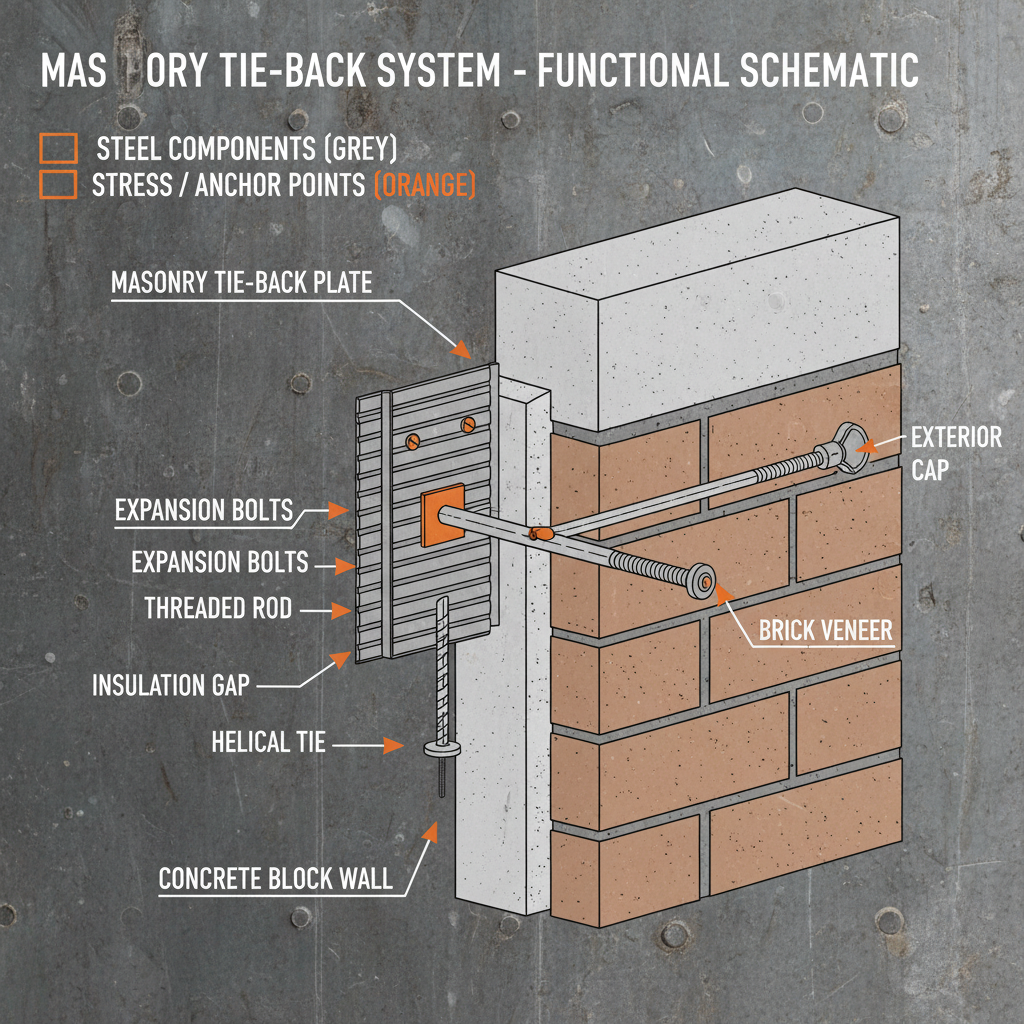
At its core, a concrete block wall tie is a mechanical fastener designed to bridge the cavity between the outer and inner wythes of a masonry wall. They typically consist of a length of metal wire, often galvanized steel or stainless steel, bent into a specific configuration to provide anchorage within the mortar joints of both leaves. The shape and material of the tie dictate its strength, corrosion resistance, and suitability for different applications.
The connection provided by wall ties isn't merely about physical restraint; it's about creating a composite structural element where both leaves of the wall act together to resist loads. This is especially crucial in areas subject to seismic activity, where the wall needs to deform as a unit rather than separate and collapse. The function of these ties is increasingly important to modern humanitarian efforts.
Modern wall tie design considers factors like mortar type, brick size, and anticipated loads. Different tie designs cater to specific wall thicknesses and construction techniques. Properly specified and installed wall ties ensure that the masonry wall functions as an integrated structural unit, delivering reliable performance over the building’s lifespan.
Key Factors in Wall Tie Performance
Durability is paramount when evaluating concrete block wall ties. The material must resist corrosion from environmental factors, especially moisture and salt, to maintain its strength over time. Galvanized steel is a common choice, but stainless steel offers superior long-term protection in harsh conditions. Proper coating thickness and material selection are critical for preventing premature failure.
Load capacity refers to the amount of tensile force a wall tie can withstand before failure. This capacity must be sufficient to resist the expected wind loads, seismic forces, and other stresses acting on the wall. Tie spacing and embedment depth within the mortar joints are key factors influencing load capacity, and must be calculated by a structural engineer.
Corrosion resistance is crucial, especially in coastal areas or environments with high levels of pollutants. Stainless steel ties offer the best protection against corrosion, but they are also more expensive. Galvanized ties provide a reasonable level of corrosion resistance at a lower cost, but their lifespan may be limited in severe environments. concrete block wall ties require attention to environmental factors.
Global Applications and Use Cases
Concrete block wall ties find widespread application in residential, commercial, and industrial construction worldwide. They are essential in areas where masonry walls are a prevalent building material, such as Europe, North America, and parts of Asia. The use of wall ties is often mandated by building codes to ensure structural safety.
In post-disaster relief operations, concrete block wall ties can be used to reinforce existing masonry structures that have been damaged by earthquakes or hurricanes. This can provide temporary stability and prevent further collapse, allowing residents to safely return to their homes. The ability to rapidly reinforce structures is a critical benefit.
The ties are frequently employed in the construction of schools, hospitals, and other public buildings, where safety and durability are of paramount importance. In remote industrial zones, where access to specialized construction materials may be limited, concrete block walls secured with reliable ties offer a cost-effective and resilient building solution.
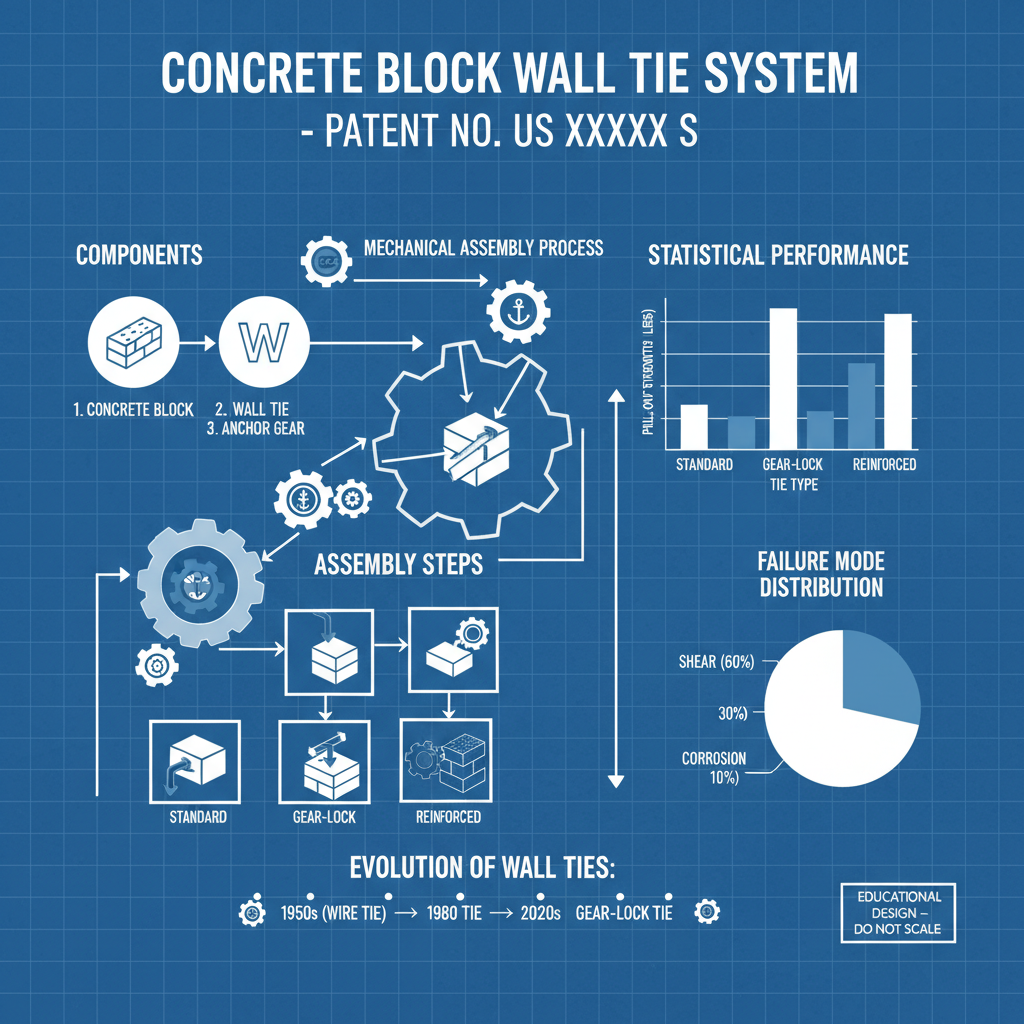
Wall Tie Performance Comparison
Advantages and Long-Term Value
The primary benefit of using concrete block wall ties is enhanced structural safety. By connecting the leaves of a masonry wall, they prevent collapse in the event of lateral forces, protecting lives and property. This is a tangible benefit that translates to peace of mind for building owners and occupants. concrete block wall ties are the solution for safety.
From a long-term perspective, investing in high-quality wall ties can reduce maintenance costs and extend the lifespan of a building. Corrosion-resistant ties minimize the need for costly repairs or replacements, while durable ties ensure that the wall continues to perform as intended for decades.
Future Trends and Innovations
Ongoing research is focused on developing more advanced concrete block wall tie materials and designs. This includes exploring the use of fiber-reinforced polymers (FRPs) as a lightweight and corrosion-resistant alternative to traditional steel ties. Smart ties with integrated sensors are also being investigated to monitor wall stress and provide early warning of potential failures.
The integration of Building Information Modeling (BIM) software with wall tie design and installation processes is another emerging trend. BIM allows for more accurate modeling of wall behavior and optimization of tie placement, leading to more efficient and reliable construction.
Challenges and Solutions in Wall Tie Implementation
One common challenge is improper installation, which can significantly reduce the effectiveness of wall ties. Ensuring that ties are correctly embedded in the mortar joints and spaced according to engineering specifications is critical. Regular inspections and quality control measures can help mitigate this risk.
Another challenge is the potential for corrosion, particularly in harsh environments. Using corrosion-resistant materials, such as stainless steel, and applying protective coatings can extend the lifespan of wall ties and minimize maintenance costs.
Retrofitting existing masonry walls with wall ties can also be complex and costly. Innovative installation techniques, such as helical ties, are being developed to simplify the retrofit process and reduce disruption to building occupants.
Summary of Wall Tie Challenges and Solutions
| Challenge |
Impact on Wall Tie Performance |
Proposed Solution |
Implementation Cost (1-10) |
| Improper Installation |
Reduced load capacity, potential for wall failure |
Enhanced training for installers, quality control inspections |
3 |
| Corrosion |
Weakened ties, reduced lifespan |
Use of stainless steel or coated ties |
6 |
| Inadequate Spacing |
Uneven load distribution, stress concentrations |
Engineering calculations to determine optimal spacing |
4 |
| Material Degradation |
Loss of tensile strength, risk of fracture |
Regular inspections and material testing |
5 |
| Retrofit Complexity |
High cost and disruption to building occupancy |
Innovative installation methods (e.g., helical ties) |
7 |
| Lack of Standardization |
Inconsistent performance, difficulty in selection |
Development and adoption of industry standards |
2 |
FAQS
The lifespan of concrete block wall ties varies depending on the material and environmental conditions. Galvanized steel ties typically last 20-50 years, while stainless steel ties can last over 100 years. Regular inspections are recommended to identify signs of corrosion or damage and ensure continued performance. Proper installation and material selection are crucial for maximizing lifespan.
Concrete block wall ties should be inspected at least every five years, and more frequently in harsh environments (e.g., coastal areas, industrial zones). Inspections should focus on identifying signs of corrosion, cracking, or displacement. A qualified structural engineer should conduct a thorough assessment of the wall tie system to ensure its continued integrity.
The correct spacing for concrete block wall ties depends on factors such as wall height, wind loads, and seismic zone. Typically, ties are spaced between 48 and 72 inches apart horizontally, and 16 and 24 inches apart vertically. A structural engineer should perform calculations to determine the optimal spacing based on the specific building design and site conditions.
Yes, concrete block wall ties can be installed in existing walls, but it is a more complex process than installation in new construction. Retrofitting requires careful planning and execution to ensure proper anchorage and avoid damaging the existing masonry. Specialized techniques, such as helical ties, are often used to simplify the retrofit process.
Type N or Type S mortar is generally recommended for use with concrete block wall ties. These mortar types provide adequate bond strength and durability. It is important to follow the manufacturer's instructions for mortar mixing and application to ensure proper performance. Avoid using excessively soft or crumbly mortar, as this can reduce the effectiveness of the ties.
Selecting the right concrete block wall tie requires careful consideration of factors such as wall thickness, load requirements, environmental conditions, and building codes. Consulting with a structural engineer is highly recommended to ensure that the chosen ties meet the specific needs of the project. Consider corrosion resistance, load capacity, and ease of installation when making your selection.
Conclusion
Concrete block wall ties represent a crucial, yet often overlooked, element in modern construction. Their role in ensuring structural integrity, enhancing safety, and prolonging building lifespan is undeniable. From their fundamental function of connecting masonry leaves to the emerging innovations in materials and installation techniques, these simple components are essential for resilient and sustainable building practices.
Looking ahead, continued research and development will focus on optimizing wall tie performance, reducing costs, and simplifying installation. Adopting standardized practices, promoting proper training for installers, and prioritizing regular inspections will be key to maximizing the long-term value of these critical components. For dependable solutions, visit our website: www.cntcmetal.com