Masonry tie backs are crucial components in ensuring the structural integrity and longevity of brick and block constructions. Their primary function is to connect masonry veneers to structural framing, preventing separation and mitigating the risks associated with wall failures, especially in areas prone to seismic activity or high winds. Understanding their application and proper installation is paramount for builders, architects, and homeowners alike. This knowledge translates into safer, more durable buildings and reduces long-term maintenance costs.
The global construction industry relies heavily on masonry for a wide array of building projects, from residential homes to large-scale commercial structures. With increasing urbanization and infrastructure development, particularly in developing nations, the demand for robust and reliable masonry systems, including effective tie backs, is steadily growing. Factors like climate change and stricter building codes further emphasize the need for durable and resilient construction practices.
Investing in quality masonry tie backs represents a commitment to structural soundness and long-term performance. Proper installation minimizes the risk of costly repairs or even catastrophic failures, protecting lives and property. The increasing awareness of sustainable building practices also drives the need for durable materials and systems that reduce the lifecycle environmental impact of constructions.
Introduction to masonry tie backs
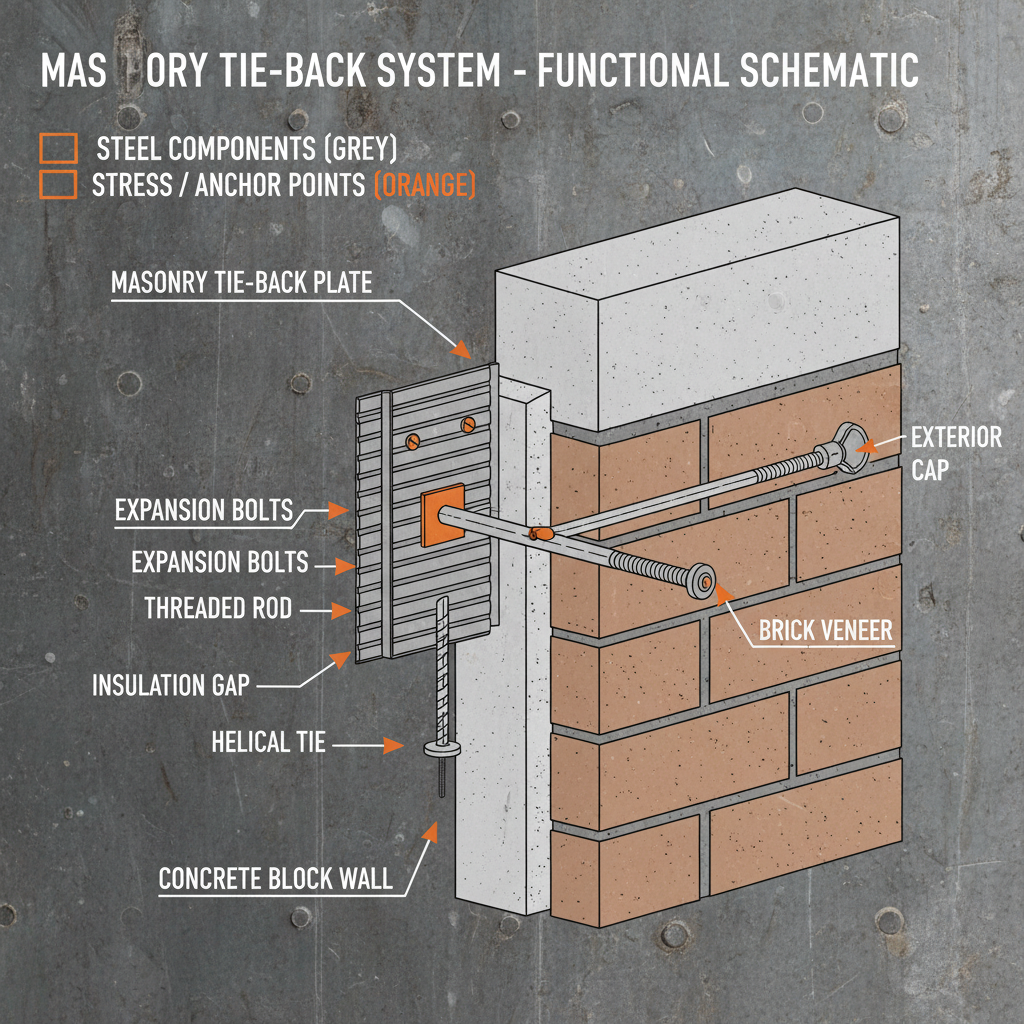
The function of masonry tie backs is to mechanically fasten a veneer of masonry units (brick, stone, block) to the structural frame of a building. This connection is vital to resist wind loads, seismic forces, and thermal expansion/contraction. Without properly installed masonry tie backs, the veneer can detach, posing safety hazards and causing significant damage.
Choosing the correct type of masonry tie back is critical and depends on factors such as the type of masonry units, the wall construction, the climate, and the building’s location in a seismic zone. Various materials are utilized, including stainless steel, galvanized steel, and proprietary alloy systems designed for superior corrosion resistance and strength.
Defining masonry tie backs
Masonry tie backs are metal fasteners that physically connect a masonry veneer to the supporting structural frame of a building. They are integral components of cavity wall construction, a common building technique used to provide insulation, moisture control, and aesthetic appeal. Essentially, they prevent the veneer from separating from the structure, ensuring the wall acts as a unified system.
In modern construction, masonry tie backs address the need for durable and aesthetically pleasing building envelopes that can withstand environmental stresses. They are directly tied to building codes and safety regulations, reflecting their importance in ensuring public safety and property protection. Their application extends beyond just preventing collapse; they contribute to energy efficiency through proper cavity wall design.
The selection and installation of masonry tie backs are often dictated by local building codes and engineering specifications, requiring a thorough understanding of load requirements, material compatibility, and corrosion protection. The lifespan of a building is often directly related to the integrity of its tie back system.
Key Factors of masonry tie backs
Durability: The materials used in masonry tie backs must withstand long-term exposure to the elements, including moisture, temperature fluctuations, and potentially corrosive environments. Stainless steel and high-grade galvanized steel are often preferred for their corrosion resistance, extending the lifespan of the connection.
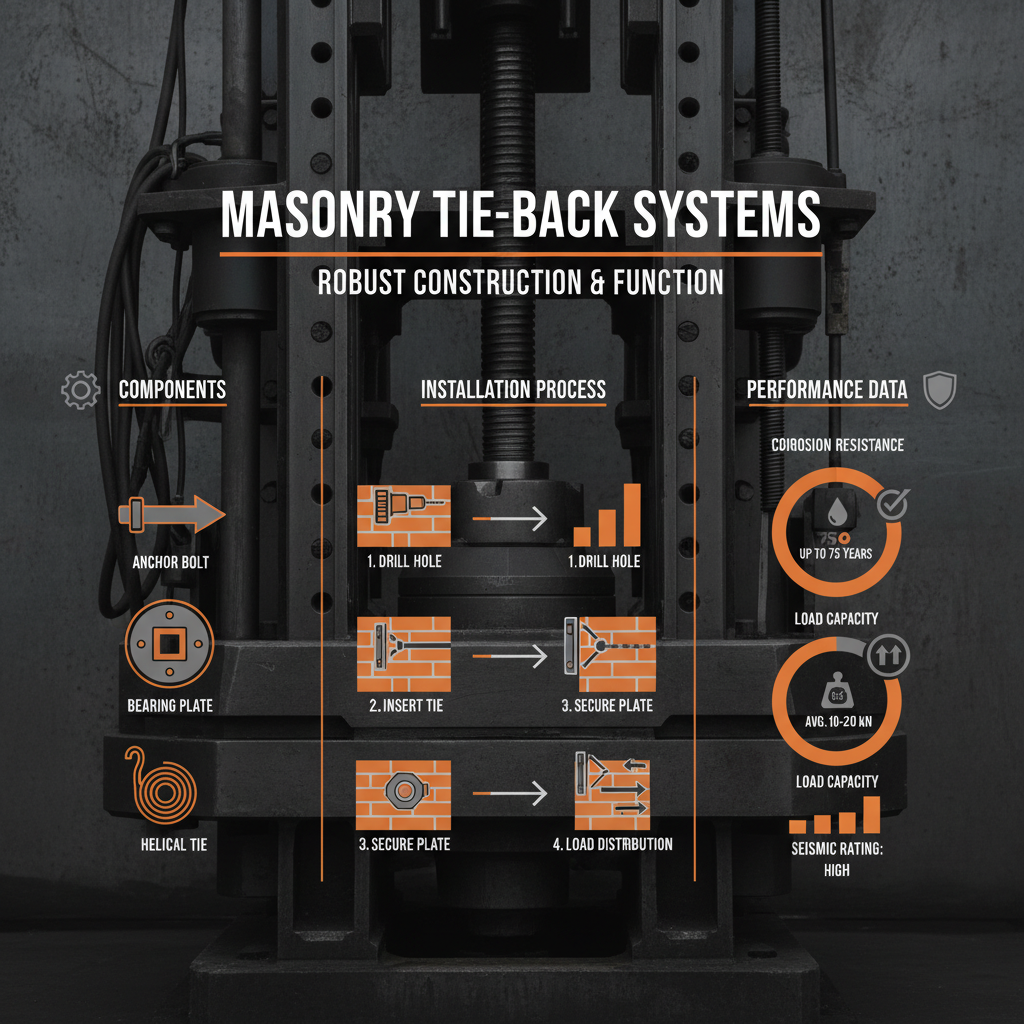
Load Capacity: Tie backs must be strong enough to resist lateral loads from wind and seismic activity, as well as the dead load of the masonry itself. Engineering calculations are crucial to determine the required load capacity based on the building's location, height, and design.
Corrosion Resistance: Corrosion is a significant threat to the longevity of masonry tie backs, particularly in coastal environments or areas with high levels of pollution. Choosing materials with appropriate coatings or inherent corrosion resistance is critical.
Compatibility: The tie back material must be compatible with both the masonry units and the structural framing to avoid galvanic corrosion or other detrimental reactions. Proper material selection prevents premature failure of the connection.
Installation Method: Proper installation is paramount. Tie backs must be correctly spaced, embedded to the appropriate depth, and securely fastened to both the masonry and the framing to ensure optimal performance.
Global Applications of masonry tie backs
Masonry tie backs are utilized globally in a wide range of construction projects. In North America, they are standard in both residential and commercial buildings featuring brick or stone veneers. Europe, with its rich architectural heritage, extensively employs masonry tie backs to preserve and reinforce historical structures while integrating modern construction techniques.
In regions prone to seismic activity, such as Japan and Chile, robust tie back systems are critical for ensuring the structural resilience of buildings. Similarly, coastal areas facing hurricane threats, like Florida and the Caribbean, demand tie backs designed to withstand extreme wind loads. In post-disaster relief operations, understanding these systems can accelerate reconstruction efforts.
Furthermore, the application extends to specialized structures like retaining walls, chimneys, and architectural features where masonry veneer is used for aesthetic or functional purposes. The demand is also increasing in rapidly developing economies, such as India and China, as they invest in modern infrastructure and housing.
masonry tie backs Performance Comparison
Advantages of masonry tie backs
The primary advantage of utilizing masonry tie backs is enhanced structural stability. By securely connecting the veneer to the structural frame, they prevent wall collapse in the event of strong winds, seismic activity, or accidental impact. This improved safety is a significant benefit for building occupants.
Beyond safety, masonry tie backs contribute to long-term cost savings. Preventing veneer detachment reduces the need for costly repairs or replacements, extending the building's lifespan and minimizing maintenance expenses. Furthermore, proper installation can enhance energy efficiency by minimizing air infiltration and improving insulation performance.
Future Trends in masonry tie backs
The future of masonry tie backs will likely see advancements in materials and installation techniques. The development of even more corrosion-resistant alloys and coatings is expected, extending the lifespan and reducing the maintenance requirements of these critical components.
Smart tie backs, incorporating sensors to monitor stress and movement, are also being explored. This technology would allow for early detection of potential issues, enabling proactive maintenance and preventing catastrophic failures. Digital integration with building information modeling (BIM) will further streamline the design and installation process, optimizing performance and reducing errors.
Sustainability is another key driver of innovation. Manufacturers are increasingly focused on developing tie backs made from recycled materials and utilizing environmentally friendly manufacturing processes, aligning with the growing demand for green building practices.
Challenges and Solutions for masonry tie backs
A common challenge in masonry tie back applications is ensuring proper installation. Incorrect spacing, insufficient embedment depth, or the use of incompatible materials can compromise the effectiveness of the system. Providing comprehensive training for installers and enforcing strict quality control measures are vital solutions.
Another challenge is addressing corrosion, particularly in harsh environments. Implementing robust corrosion protection systems, such as hot-dip galvanizing, stainless steel construction, or specialized coatings, can significantly extend the lifespan of tie backs. Regular inspections and maintenance are also crucial for identifying and addressing potential corrosion issues.
Finally, navigating complex building codes and regulations can be challenging. Staying up-to-date on the latest standards and working with qualified engineers to ensure compliance are essential for successful project outcomes. Utilizing software tools that automate code checks can also streamline the process.
Summary of Challenges and Solutions in masonry tie backs Application
| Challenge Category |
Specific Challenge |
Impact on masonry tie backs System |
Potential Solutions |
| Installation |
Incorrect Spacing |
Reduced Load Capacity |
Enhanced Installer Training |
| Material Durability |
Corrosion in Coastal Areas |
System Failure and Safety Hazard |
Use of Stainless Steel or Coatings |
| Code Compliance |
Changing Building Regulations |
Project Delays and Non-Compliance |
Regular Code Updates and Engineering Review |
| Material Compatibility |
Galvanic Corrosion |
Weakened Connection |
Proper Material Selection |
| Long-Term Maintenance |
Lack of Regular Inspection |
Undetected Corrosion or Damage |
Scheduled Maintenance Programs |
| Design Complexity |
Complex Architectural Shapes |
Difficult Installation |
Utilizing BIM and 3D Modeling |
FAQS
Masonry tie backs primarily connect a masonry veneer to the structural framing of a building, resisting wind loads, seismic forces, and thermal movement. This prevents the veneer from detaching, ensuring structural integrity and safety. They provide a crucial link between the aesthetic finish and the building’s core strength, especially vital in areas susceptible to extreme weather conditions or seismic activity. Choosing the right tie back is essential for long-term building health.
Common materials include stainless steel, galvanized steel, and specialized alloy systems. Stainless steel offers superior corrosion resistance, making it ideal for coastal or heavily polluted environments. Galvanized steel provides a cost-effective option with reasonable corrosion protection. Alloy systems are often proprietary blends designed for specific performance characteristics, offering a balance of strength, durability, and corrosion resistance. Material selection depends on project location and requirements.
Regular inspection of masonry tie backs is crucial, ideally every 2-5 years, depending on the environment. Coastal areas or regions with harsh weather conditions may require more frequent inspections. Look for signs of corrosion, bending, or detachment. Early detection of issues allows for timely repairs, preventing more significant and costly problems down the line. A qualified structural engineer should perform the inspection.
Using improper masonry tie backs can lead to serious consequences, including veneer detachment, structural instability, and potential collapse. This poses significant safety hazards to building occupants and can result in extensive property damage. It can also lead to legal liabilities and code violations. Always adhere to engineering specifications and building codes when selecting and installing tie backs.
Yes, advancements include the development of “smart” tie backs with embedded sensors to monitor stress and movement, and new corrosion-resistant alloys. Digital integration with Building Information Modeling (BIM) is also streamlining the design and installation process. Additionally, there’s a growing focus on sustainable materials and manufacturing processes, driving innovation in eco-friendly tie back solutions.
Building codes dictate the required load capacity, spacing, and corrosion resistance of masonry tie backs based on the building’s location, height, and exposure to environmental factors. Adhering to local building codes is essential for ensuring structural safety and obtaining building permits. Codes are frequently updated, so staying current is important. An engineer can assist with code compliance.
Conclusion
In conclusion, masonry tie backs are fundamental components of safe, durable, and aesthetically pleasing masonry construction. Their importance extends beyond simply connecting veneer to structure; they contribute to long-term building integrity, reduce maintenance costs, and enhance resilience against environmental stresses. Understanding the key factors influencing their performance – durability, load capacity, corrosion resistance, and proper installation – is paramount for all stakeholders.
Looking ahead, advancements in materials, sensor technology, and digital integration promise to further improve the performance and sustainability of masonry tie back systems. Investing in quality products, skilled installation, and regular maintenance remains the best approach to ensuring the long-term success of any masonry project. For more information and to explore our range of high-quality masonry tie backs, visit our website: masonry tie backs.