Masonry wire ties, though seemingly simple components, are foundational to the structural integrity and longevity of brick and stone constructions worldwide. Their importance extends beyond mere binding; they contribute significantly to load distribution, crack mitigation, and overall building safety. Understanding their properties, applications, and evolving technologies is crucial for architects, engineers, and construction professionals aiming for durable and reliable masonry structures.
Globally, the demand for robust and cost-effective construction materials is constantly increasing, driven by rapid urbanization and infrastructure development. Masonry remains a preferred building method in many regions due to its aesthetic appeal, thermal mass, and sustainability. This demand directly impacts the need for high-quality masonry wire ties capable of withstanding diverse environmental conditions and seismic activity. The UN estimates that 60% of the world’s population will live in urban areas by 2030, placing further strain on housing and infrastructure, necessitating efficient and reliable building techniques.
Masonry wire ties are metal fasteners used to connect masonry units, such as bricks or stones, to a structural frame, typically made of wood or steel. This connection allows the masonry veneer to move independently from the frame, accommodating thermal expansion and contraction, as well as seismic forces. Without these ties, the masonry veneer would be prone to cracking, detachment, and potential collapse, posing a significant safety hazard.
The Significance of Masonry Wire Ties
The role of masonry wire ties extends far beyond simply holding brick or stone veneers in place. They are integral components in ensuring structural stability, particularly in areas prone to seismic activity or significant temperature fluctuations. Properly installed ties accommodate natural building movements, preventing stress build-up that can lead to cracking and eventual failure.
Furthermore, the selection of appropriate wire ties directly influences the longevity and overall life-cycle cost of a masonry structure. Investing in high-quality ties with corrosion-resistant coatings reduces the need for costly repairs or replacements down the line, offering a substantial return on investment.
Defining Masonry Wire Ties and Their Role
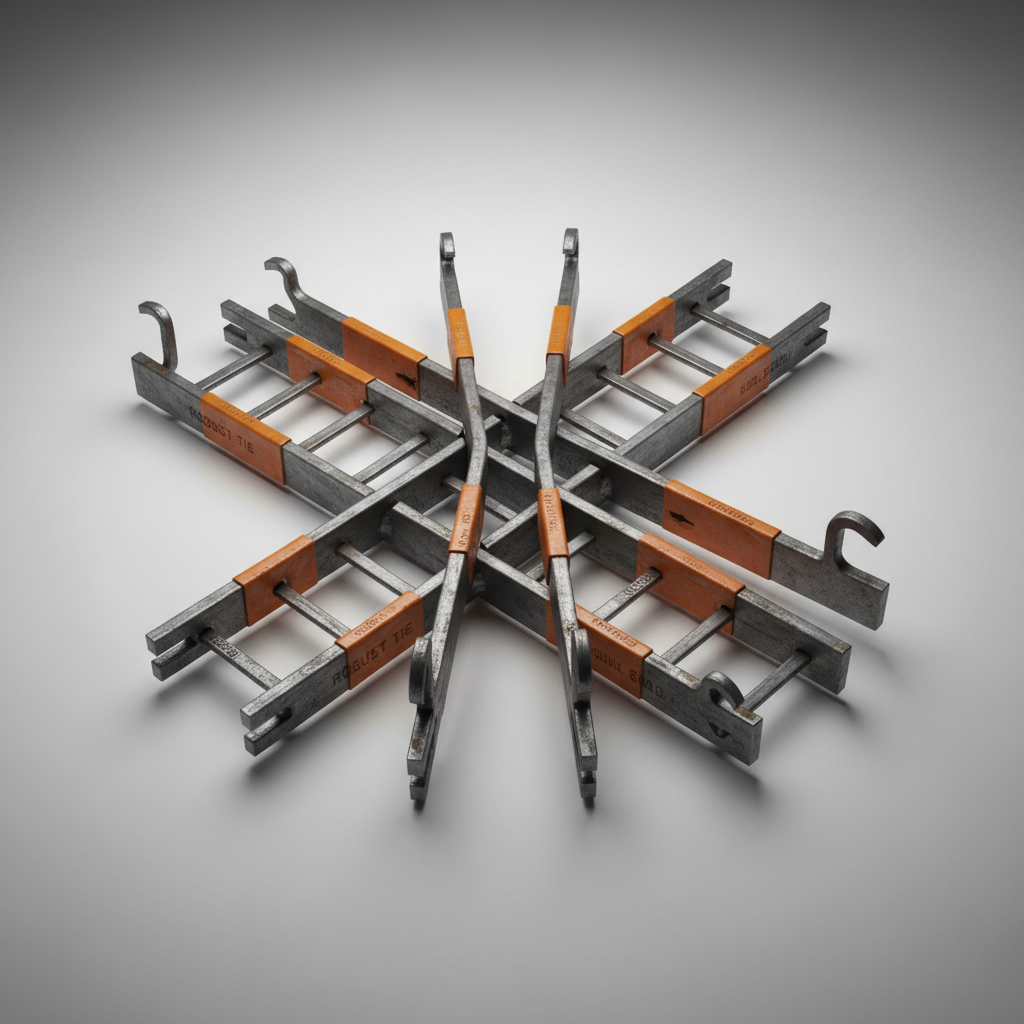
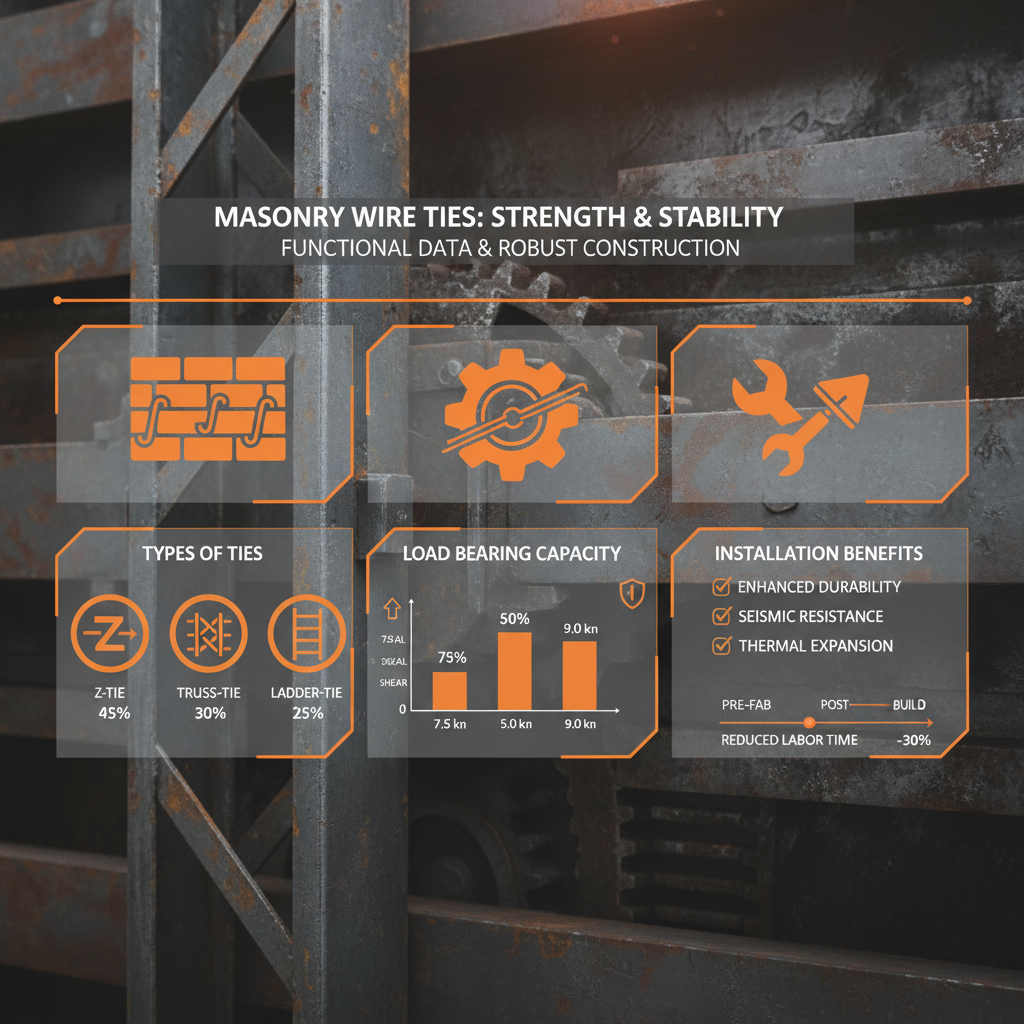
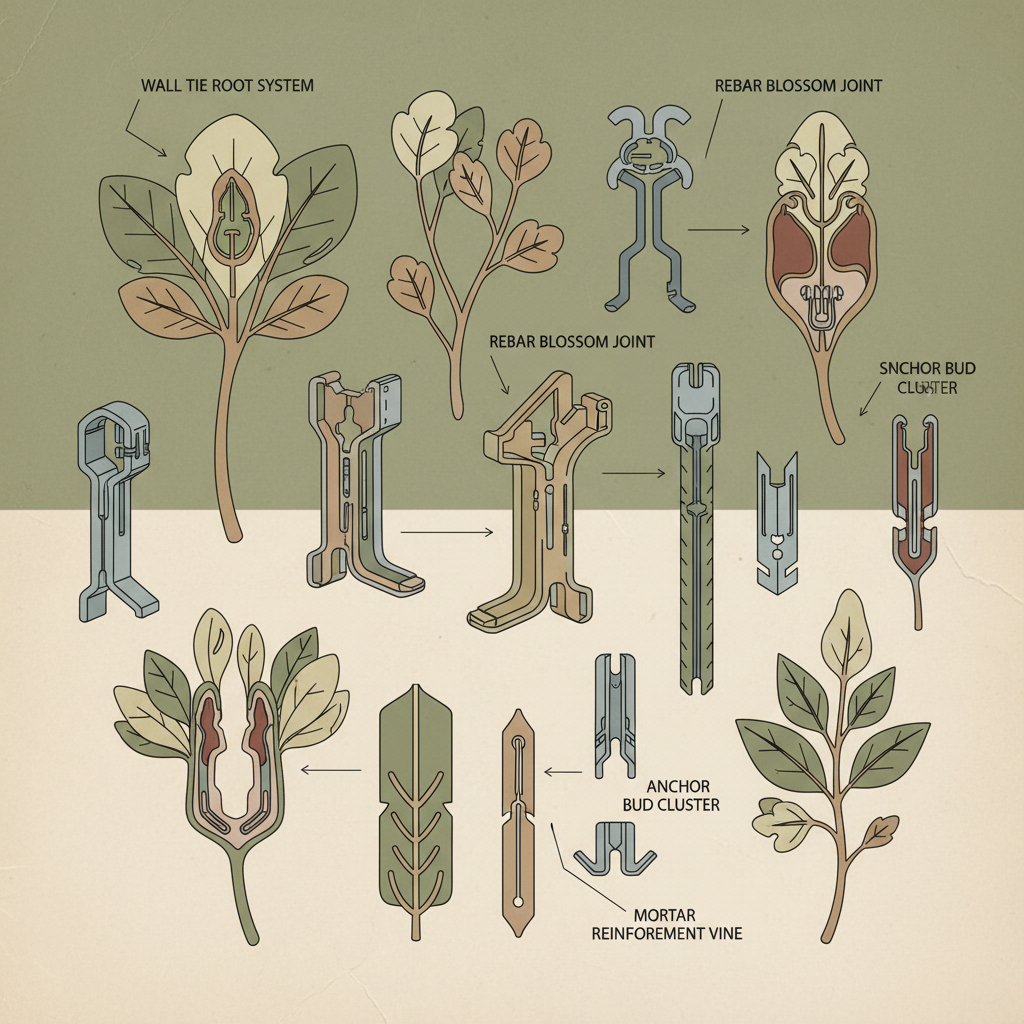
Masonry wire ties are typically manufactured from galvanized steel, stainless steel, or other corrosion-resistant alloys. They come in a variety of shapes and sizes, each designed for specific applications and masonry unit types. Common types include ladder ties, dovetail ties, and channel ties, each offering different levels of strength and flexibility.
Their primary function is to transfer lateral loads (wind, seismic forces) from the masonry veneer to the structural frame, preventing the veneer from separating or collapsing. The ties work in conjunction with other building components, such as weep holes, to allow for proper drainage and ventilation, mitigating moisture damage that can compromise the integrity of the masonry system.
The modern construction industry relies heavily on these ties because they offer a cost-effective and efficient solution for creating durable, aesthetically pleasing, and structurally sound masonry facades. They’ve become essential in both residential and commercial construction projects around the globe.
Core Components and Critical Factors
Several key factors determine the effectiveness and suitability of masonry wire ties. These include material composition, gauge (wire thickness), length, and corrosion resistance. Selecting the appropriate material is critical, particularly in harsh environments. Stainless steel offers superior corrosion resistance compared to galvanized steel, but at a higher cost.
The gauge of the wire dictates its load-bearing capacity. Thicker wire provides greater strength but may be more difficult to work with. Similarly, the length of the tie must be sufficient to ensure adequate embedment within both the masonry and the structural frame. Local building codes and engineering specifications often dictate minimum requirements for these parameters.
Another crucial aspect is the tie's design and ability to accommodate thermal expansion and contraction. Ties that rigidly fix the masonry veneer can create stress points as the materials expand and contract with temperature changes. Flexible ties, designed to allow for movement, are often preferred in climates with significant temperature swings.
Global Applications and Practical Use Cases
Masonry wire ties are utilized in a wide range of applications worldwide, from historical restoration projects to modern high-rise construction. In Europe, they are frequently employed in the renovation of centuries-old stone buildings, preserving architectural heritage while ensuring structural stability.
In North America, they are standard components in residential and commercial building projects featuring brick or stone facades. The specific type of tie used varies depending on the local building codes, climate conditions, and the type of masonry units employed. In regions prone to earthquakes, such as California and Japan, specialized seismic-resistant ties are required to meet stringent safety standards.
In post-disaster relief efforts, masonry wire ties play a vital role in stabilizing damaged structures and providing temporary housing. Their ease of installation and relatively low cost make them ideal for rapid deployment scenarios.
Performance Comparison of Different masonry wire ties Methods
Advantages and Long-Term Value Proposition
Utilizing high-quality masonry wire ties offers several tangible benefits, including reduced construction costs, increased structural durability, and enhanced safety. Their relatively simple installation process minimizes labor costs and project timelines.
From a sustainability perspective, masonry structures, when properly reinforced with wire ties, can have a significantly longer lifespan than buildings constructed with other materials, reducing the need for frequent replacements and minimizing waste. The long-term reliability of these ties translates into reduced maintenance costs and increased property value.
Future Trends and Technological Innovations
Emerging trends in masonry construction focus on developing innovative wire tie designs that offer improved performance, ease of installation, and enhanced corrosion resistance. Research is underway to explore the use of new materials, such as fiber-reinforced polymers, as alternatives to traditional steel ties.
Digital technologies, such as Building Information Modeling (BIM), are increasingly being used to optimize the placement and quantity of wire ties, ensuring structural integrity and minimizing material waste. Automated installation techniques are also being developed to improve efficiency and reduce labor costs.
Challenges and Potential Solutions
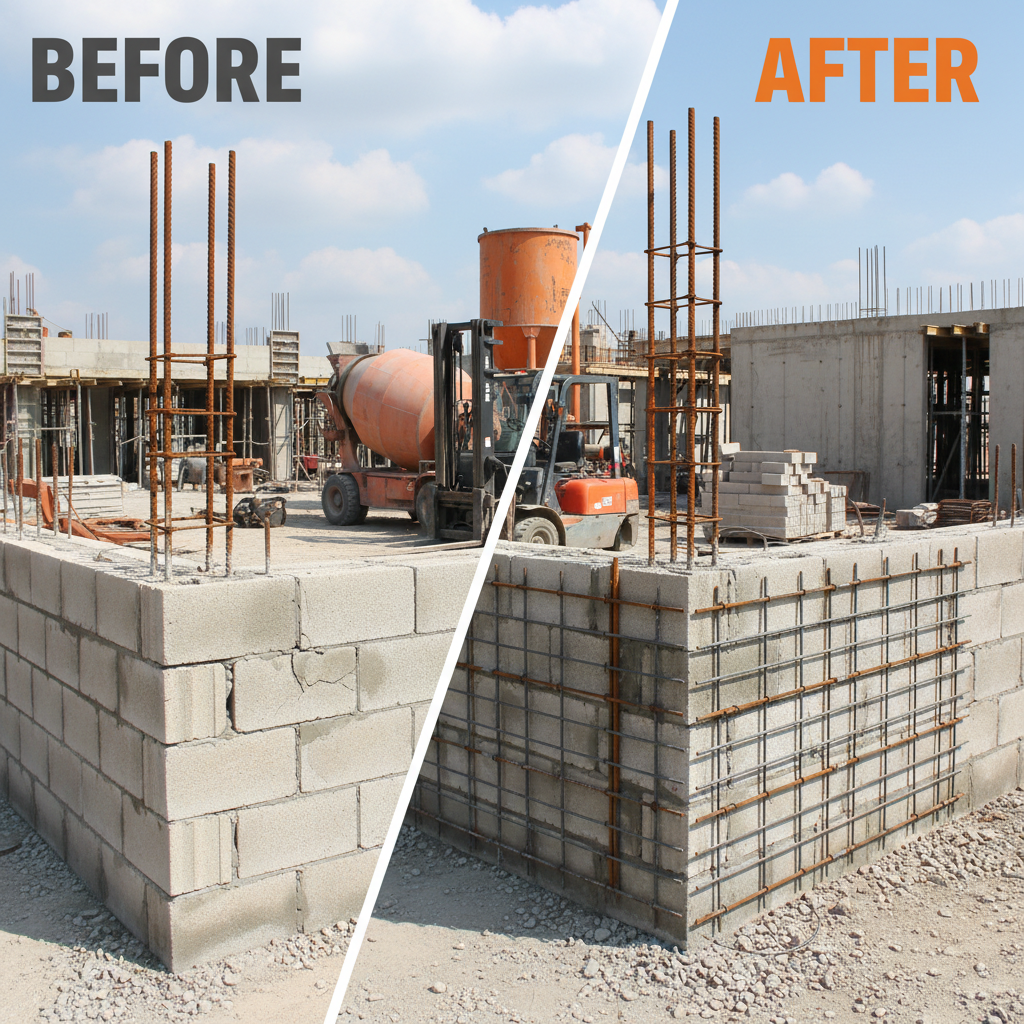
One common challenge in masonry construction is ensuring proper tie installation. Incorrectly installed ties can compromise the structural integrity of the entire system. Training and certification programs for masonry workers are essential to address this issue.
Another challenge is corrosion, particularly in coastal or industrial environments. Utilizing high-quality, corrosion-resistant ties and implementing appropriate protective coatings can mitigate this risk. Regular inspections and maintenance are also crucial to identify and address any signs of corrosion before they become a major problem.
Finally, ensuring compatibility between different masonry materials and tie types requires careful consideration. Consulting with a qualified structural engineer is recommended to select the most appropriate ties for a specific project.
Summary of Key Factors Affecting Masonry Wire Tie Performance
| Material Type |
Corrosion Resistance |
Load Capacity (kN) |
Cost (per 100 ties) |
| Galvanized Steel |
Moderate |
8-12 |
$50 |
| Stainless Steel (304) |
High |
10-15 |
$120 |
| Stainless Steel (316) |
Very High |
12-18 |
$180 |
| Coated Steel |
Good |
7-10 |
$75 |
| Ladder Tie (Galvanized) |
Moderate |
6-9 |
$60 |
| Dovetail Tie (Stainless) |
High |
9-14 |
$150 |
FAQS
The primary purpose of masonry wire ties is to connect a masonry veneer (brick or stone) to the structural frame of a building, allowing for independent movement due to thermal expansion and contraction, as well as seismic activity. This prevents cracking and detachment of the veneer, ensuring structural stability and safety. They transfer lateral loads from the veneer to the frame, preventing collapse.
Masonry wire ties are typically manufactured from galvanized steel, stainless steel, or other corrosion-resistant alloys. Galvanized steel is a cost-effective option, but stainless steel offers superior corrosion resistance, particularly in harsh environments like coastal regions or those with high levels of industrial pollution. Material selection depends on the specific project requirements and budget.
Masonry wire ties should be inspected periodically, ideally as part of a routine building maintenance program. The frequency of inspections will depend on the environment and exposure conditions. In coastal areas or industrial zones, more frequent inspections are recommended. Look for signs of corrosion, damage, or loosening of the ties. Early detection of problems can prevent costly repairs.
Common types of masonry wire ties include ladder ties, dovetail ties, channel ties, and adjustable ties. Ladder ties have a ladder-like configuration, while dovetail ties feature a dovetail shape for increased strength. Channel ties provide a secure connection within a channel in the masonry. Adjustable ties allow for precise alignment and adjustment during installation.
Yes, most building codes have specific requirements for the type, spacing, and installation of masonry wire ties. These codes are designed to ensure structural safety and prevent failures. It's crucial to consult local building codes and engineering specifications to determine the appropriate ties for a given project. Compliance with these codes is essential for obtaining building permits and ensuring the long-term integrity of the structure.
The best way to prevent corrosion is to use corrosion-resistant materials, such as stainless steel, or to apply protective coatings to galvanized steel ties. Ensuring proper drainage and ventilation around the masonry veneer is also crucial to minimize moisture exposure. Regular inspections and prompt replacement of corroded ties will help maintain the integrity of the system.
Conclusion
In conclusion, masonry wire ties are indispensable components in modern construction, ensuring the structural integrity, safety, and longevity of masonry buildings. Their proper selection, installation, and maintenance are critical for preventing failures and maximizing the lifespan of these structures. Understanding the nuances of different tie types, materials, and application techniques is essential for architects, engineers, and construction professionals.
Looking ahead, continued innovation in materials and installation methods will further enhance the performance and efficiency of masonry construction. Embracing digital technologies, such as BIM, and prioritizing quality control will be key to ensuring the ongoing success and sustainability of this time-tested building method. Visit our website at www.cntcmetal.com to learn more about our comprehensive range of masonry wire ties and expert solutions.