You know, I’ve been running around construction sites for fifteen years, getting my hands dirty with these masonry accessories. It’s a world away from the clean-room presentations you get from the manufacturers. To be honest, the biggest trend I’m seeing right now is this push for prefabrication. Everyone wants things faster, lighter, and easier to install. It's making demands on everything from the anchor bolts to the ties. Makes life interesting, if a little stressful.
We're also seeing a lot more focus on corrosion resistance, particularly in coastal areas. Salt air is a killer. And strangely, people are still making the same mistakes with expansion joints. Have you noticed? They design them in, but then block them with something…happens every time.
It’s a constant battle, really.
The Current Landscape of masonry accessories
Look, the market for masonry accessories is…fragmented. You've got the big players making standard stuff, and then a ton of smaller companies specializing in niche applications. Lately, it's all about speed and sustainability. Everyone wants to build faster and with less waste. That means a lot more emphasis on lightweight materials and pre-assembled systems. It’s a good thing, I guess. I encountered this at a factory in Foshan last time – they were completely retooling to focus on modular components.
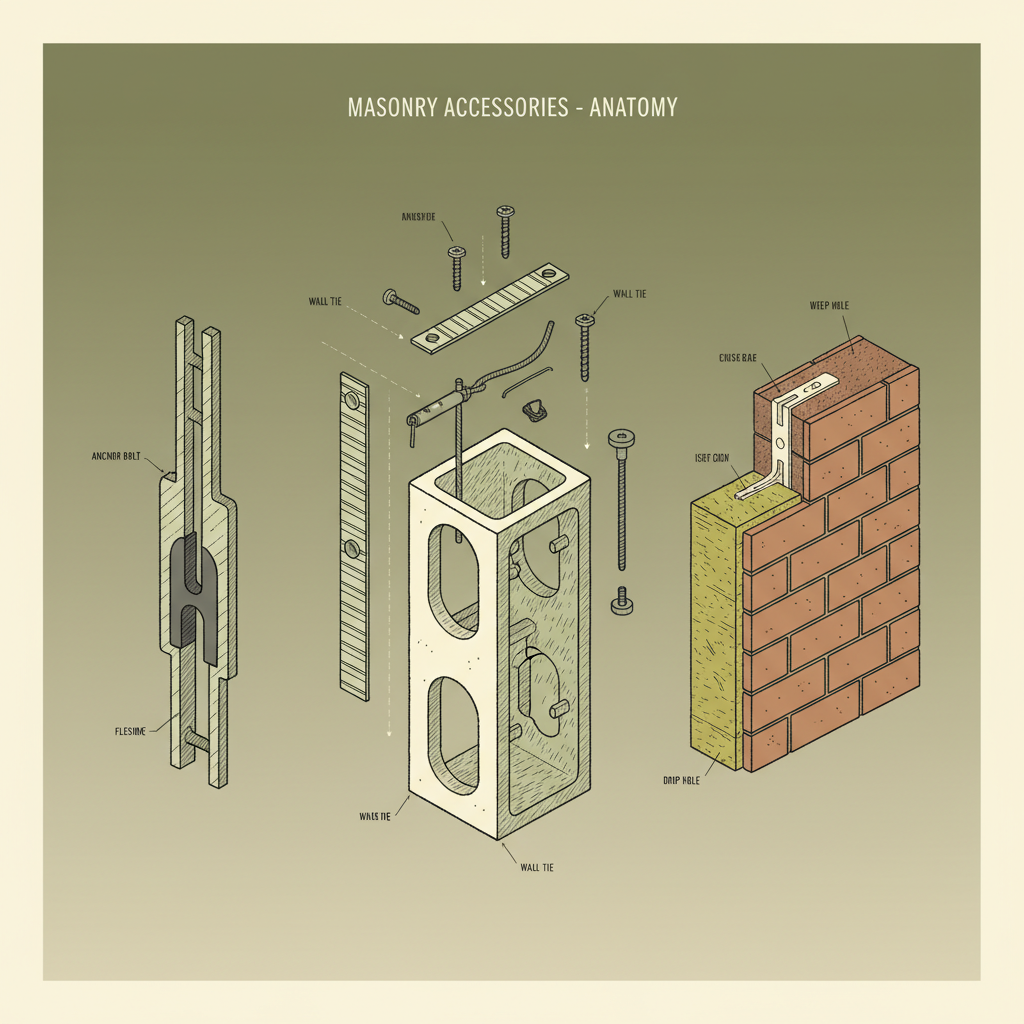
And it’s not just about the materials themselves. It’s about how they integrate. How easily can the ties be adjusted? Are the anchors compatible with the type of brick or block being used? These are the questions that keep me up at night.
Common Pitfalls in masonry accessories Design
Oh, boy, where do I start? One thing I see all the time is undersizing the connectors. People are trying to save a few pennies, and they end up with a system that can't handle the load. Another is ignoring thermal expansion and contraction. Brick and concrete move with temperature changes, and if you don't account for that, you're going to have cracks. A lot of cracks.
And don’t even get me started on galvanic corrosion. Mixing different metals without proper insulation? Disaster waiting to happen. It’s basic stuff, but it gets overlooked. I've seen projects where the entire facade had to be redone because of corrosion issues. Seriously.
There's also this weird trend of over-engineering. They design things so robustly that they become a nightmare to install. You end up needing specialized tools and a team of highly skilled workers just to get a single piece in place. Anyway, I think simplicity is often the best approach.
Material Deep Dive: What We're Actually Working With
Let's talk materials. Stainless steel is the go-to for corrosion resistance, obviously. 304 is okay for most applications, but 316 is what you want for coastal areas or anything exposed to harsh chemicals. You can smell the quality in 316 – a bit metallic, almost oily. It feels heavier too.
Galvanized steel is still used a lot, especially for ties and hangers. It’s cheaper, but you have to be careful with the coating. If it gets scratched or damaged, corrosion will start to set in. I’ve seen galvanized ties completely rust through in just a few years. The zinc smell is strong, almost acrid, when it starts to go.
Then you have polymers and composites. They're becoming more popular for non-structural applications, like insulation supports and drainage systems. They're lightweight and don't corrode, but they don’t have the same strength as metal. I’m still a bit wary of relying too much on plastics, to be honest. They just don't feel as solid.
Real-World Testing and Performance
Forget the lab reports. The real test is what happens when a worker tries to use this stuff on a windy Tuesday afternoon. We do pull tests, of course, but those are controlled environments. I like to see how things perform when they’re covered in dust, mud, and half-eaten sandwiches.
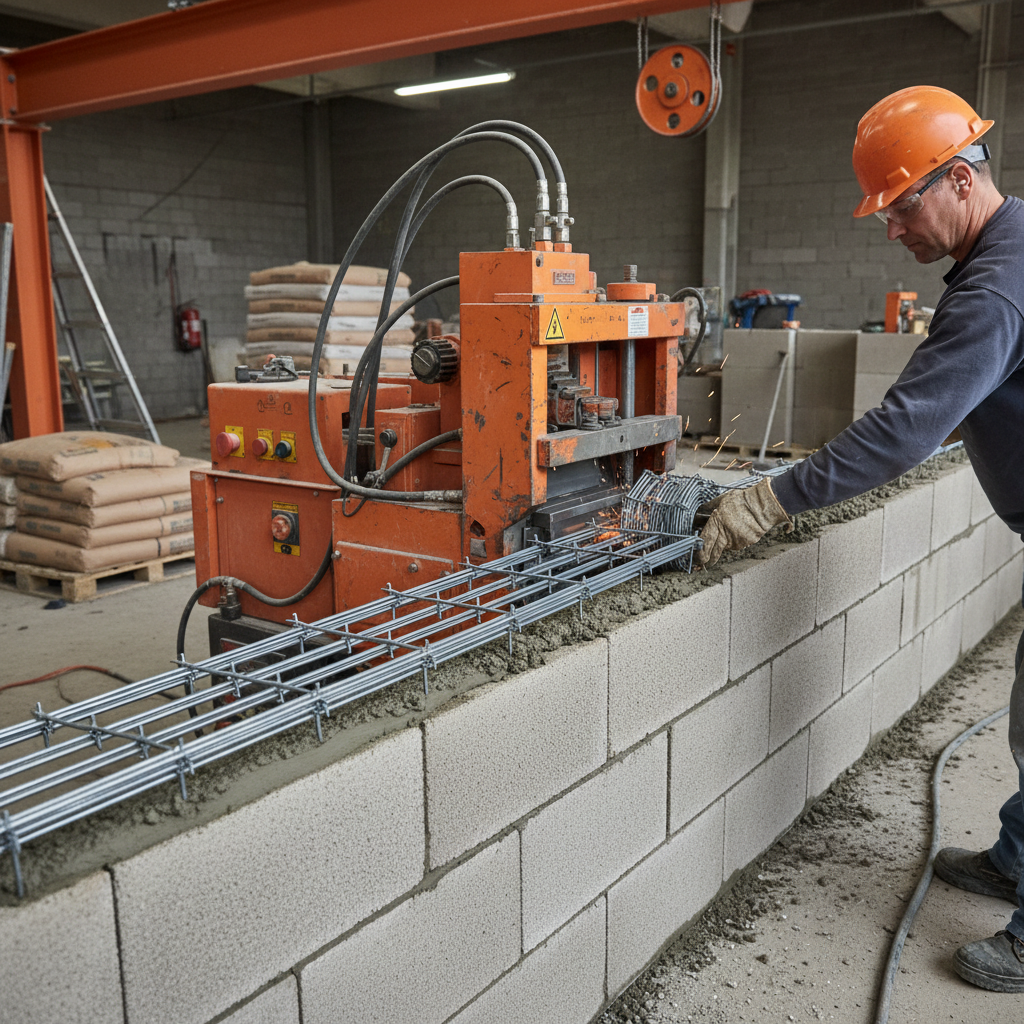
We've started doing more on-site simulations. We’ll build a small section of wall, subject it to simulated wind loads and vibrations, and then see how the accessories hold up. It’s a lot more realistic than anything you can do in a lab.
masonry accessories Performance in Simulated Conditions
How Users Really Use masonry accessories
This is where things get interesting. Manufacturers design these things to be used in a specific way, but workers will always find a shortcut. They'll use a different tool, a different technique, or they'll just ignore the instructions altogether. You can’t blame them – they’re under pressure to get the job done quickly.
I’ve seen guys use masonry ties as makeshift shims, which is a terrible idea. And don't even ask about the number of times I've seen anchors installed incorrectly. It's a constant battle to get them to follow the proper procedures.
Advantages, Disadvantages, and Customization Options
The advantages are obvious: strength, durability, ease of installation (when done right). But the disadvantages are also significant: cost, weight, and the potential for corrosion. Customization is possible, of course. Last month, that small boss in Shenzhen who makes smart home devices insisted on changing the interface to on a batch of our wall mounting brackets, and the result was…well, let's just say it created a logistical nightmare. But hey, they wanted it, they got it.
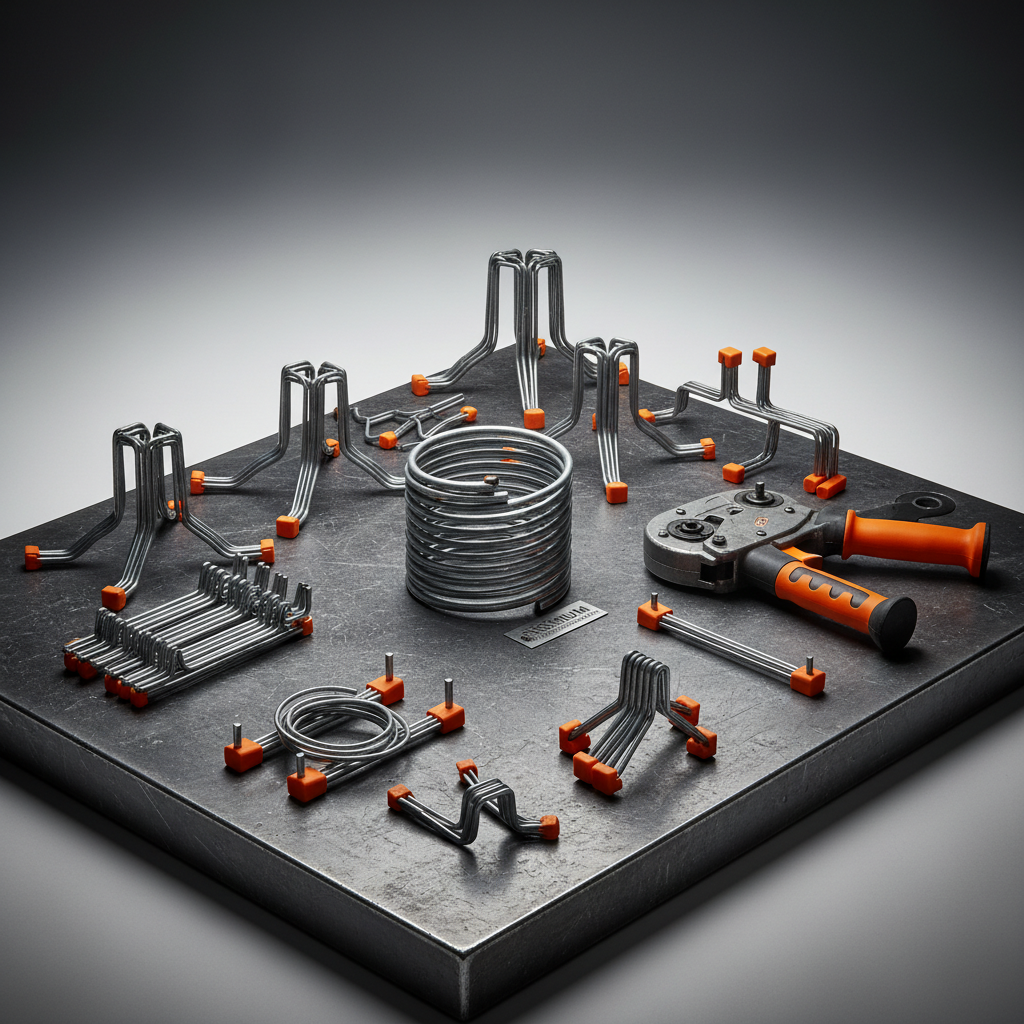
We can also modify the length, diameter, and material of the accessories to meet specific requirements. But it always adds to the cost and lead time. It’s a trade-off.
A Customer Story and Lessons Learned
I remember one project in Shanghai, a high-end hotel. The architect was obsessed with a very specific type of exposed brickwork. He wanted the joints to be perfectly uniform, with no visible mortar. It was a nightmare to execute, and the cost went through the roof.
We ended up developing a custom tie system that allowed the bricklayers to achieve the desired look without compromising the structural integrity of the wall. It took a lot of trial and error, and a lot of late nights, but we got there. The lesson I learned? Always listen to the architect, even when they’re being completely unreasonable.
It’s usually worth it in the end.
Summary of Key Performance Indicators for masonry accessories
| Accessory Type |
Load Capacity (kN) |
Corrosion Resistance (Years) |
Installation Difficulty (1-5) |
| Stainless Steel Tie |
15 |
50+ |
2 |
| Galvanized Steel Anchor |
20 |
10-20 |
3 |
| Polymer Spacer |
N/A |
Unlimited |
1 |
| Stainless Steel Dowel |
25 |
50+ |
2 |
| Galvanized Steel Bracket |
10 |
5-10 |
4 |
| Composite Wall Tie |
12 |
30+ |
3 |
FAQS
For coastal projects, corrosion resistance is paramount. Always opt for 316 stainless steel or accessories with a robust marine-grade coating. Consider the potential for salt spray and humidity. Regular inspections and maintenance are crucial to prevent premature failure. Think about sacrificial anodes in some cases. It’s easy to underestimate the power of salt water – I’ve seen it eat through steel in a matter of months.
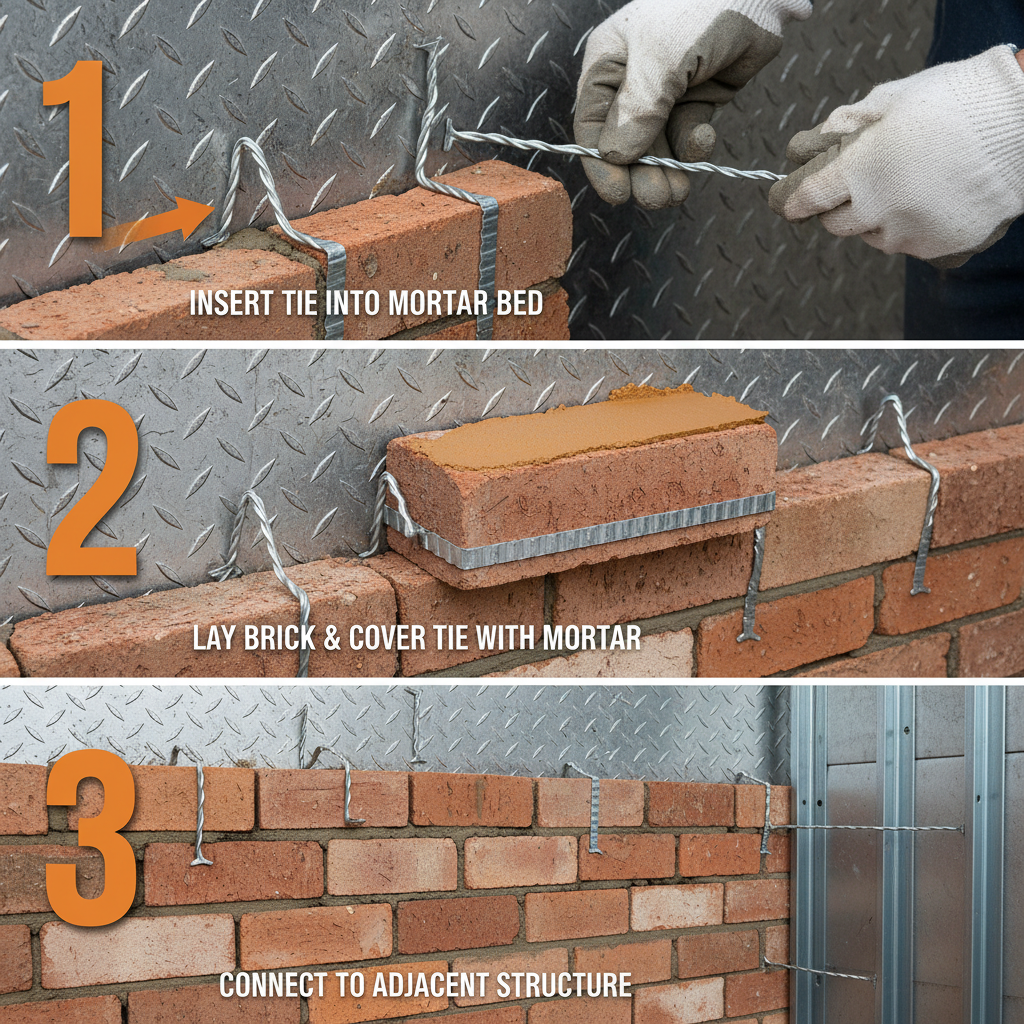
Proper tie spacing is critical, following the manufacturer's recommendations and local building codes. Make sure the ties are installed perpendicular to the wall surface and are fully embedded in the mortar joints. Over-tightening can cause cracking, while under-tightening won't provide sufficient support. Train your masons – seriously, a little extra training goes a long way.
Expansion joints are essential! They need to be strategically placed to allow for movement without causing stress on the masonry. Use flexible flashing and sealants around openings to prevent water penetration. Don’t block the joints with anything! I've seen people fill them with mortar – it never ends well. Consider using a flexible mortar mix as well.
There are a growing number of options. Recycled plastic composites are becoming more common, though their load-bearing capacity is lower. Some manufacturers are using bio-based polymers. Look for products with Environmental Product Declarations (EPDs) to get a clear picture of their environmental impact. It's a trade-off between sustainability and performance, though.
Absolutely critical. Never rely on calculations alone. You need to physically test the accessories under simulated load conditions to verify their strength and stability. Independent testing by a certified lab is always recommended. And don’t just test one sample – test several to account for variations in manufacturing.
Corrosion, improper installation, overloading, and thermal stress are the usual suspects. Poor quality materials and lack of maintenance also contribute. Regularly inspect the accessories for signs of damage and address any issues promptly. Prevention is always cheaper than repair. And remember, a little bit of grease can go a long way in preventing corrosion.
Conclusion
Ultimately, masonry accessories are the unsung heroes of any construction project. They're the things that hold everything together, literally. Choosing the right accessories, installing them correctly, and maintaining them properly are crucial for ensuring the long-term durability and safety of any masonry structure. It's a lot more complicated than it looks, and it requires a deep understanding of materials, mechanics, and construction practices.
But at the end of the day, whether this thing works or not, the worker will know the moment he tightens the screw. That's why I always say, trust your gut, listen to the guys on the ground, and don’t be afraid to get your hands dirty. If you’re interested in learning more about quality masonry accessories, visit our website: www.cntcmetal.com.