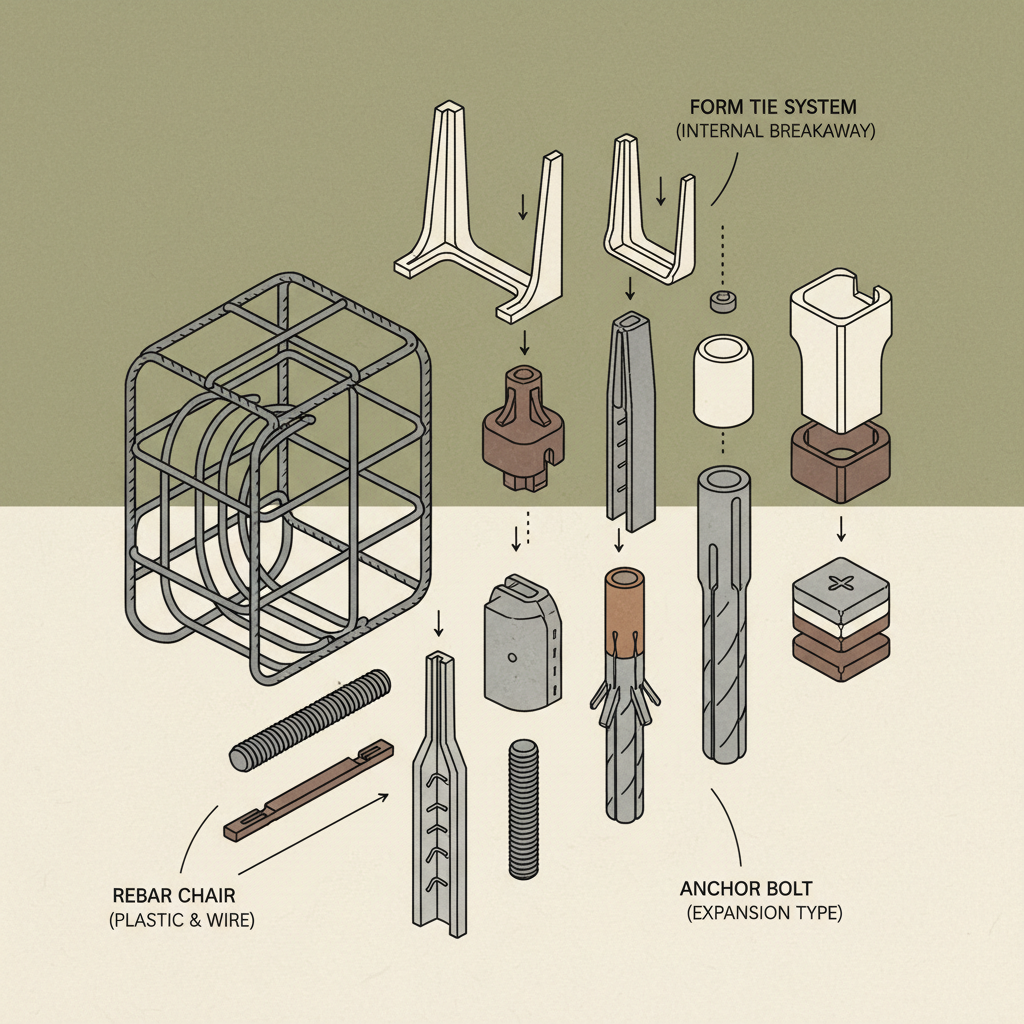
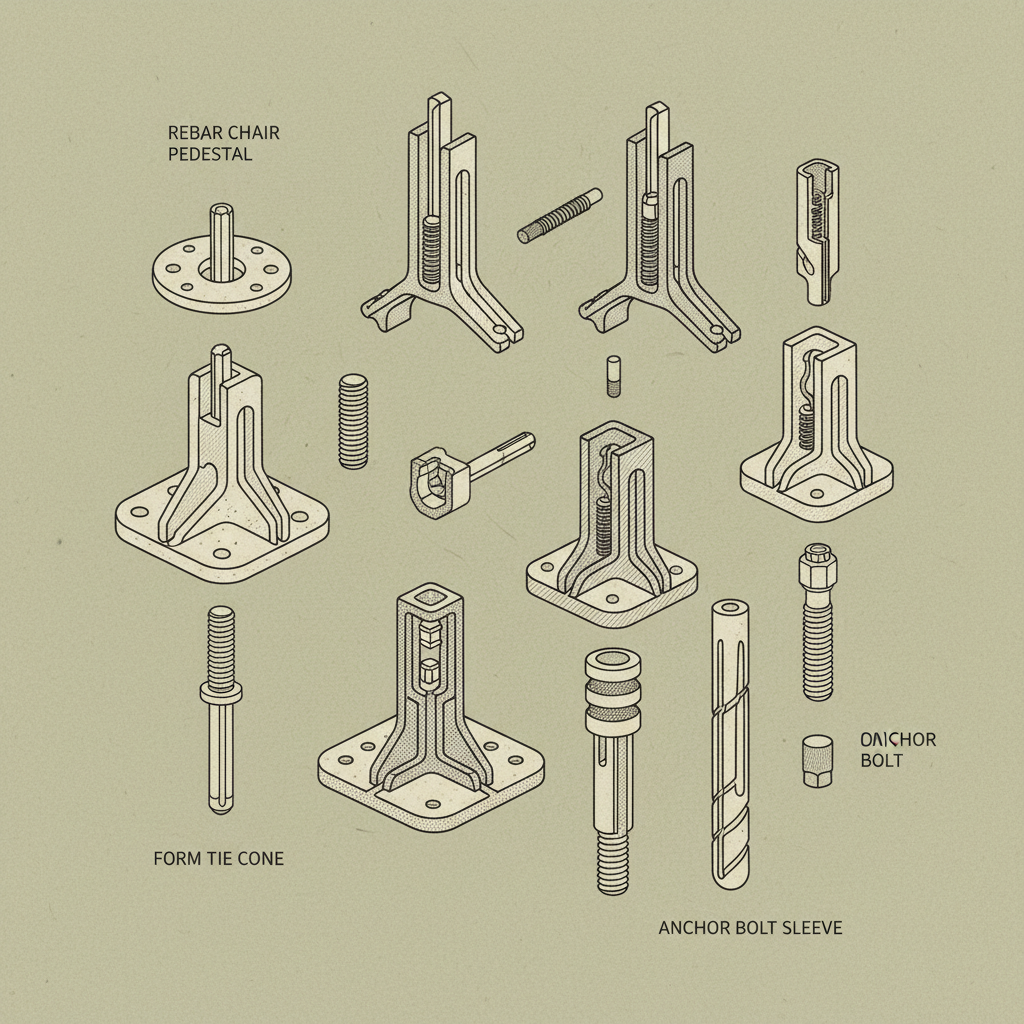
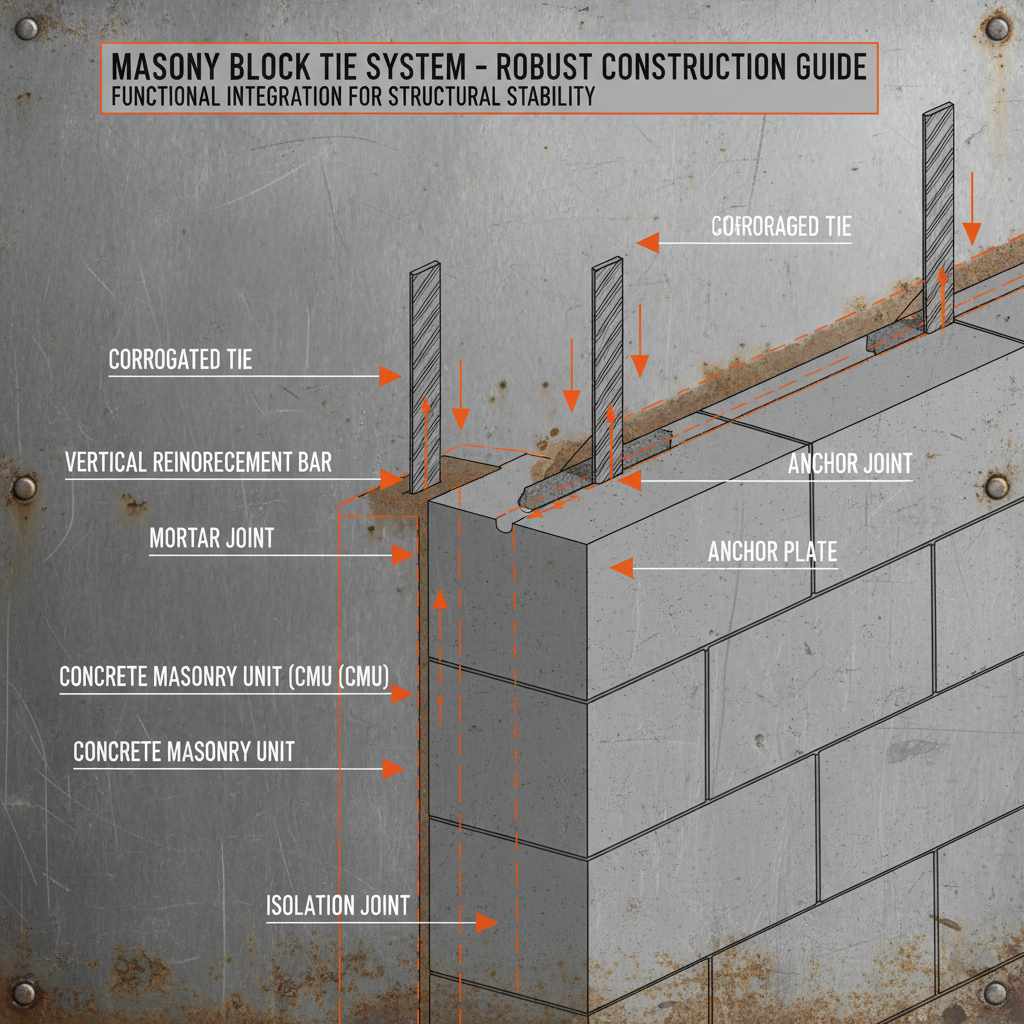
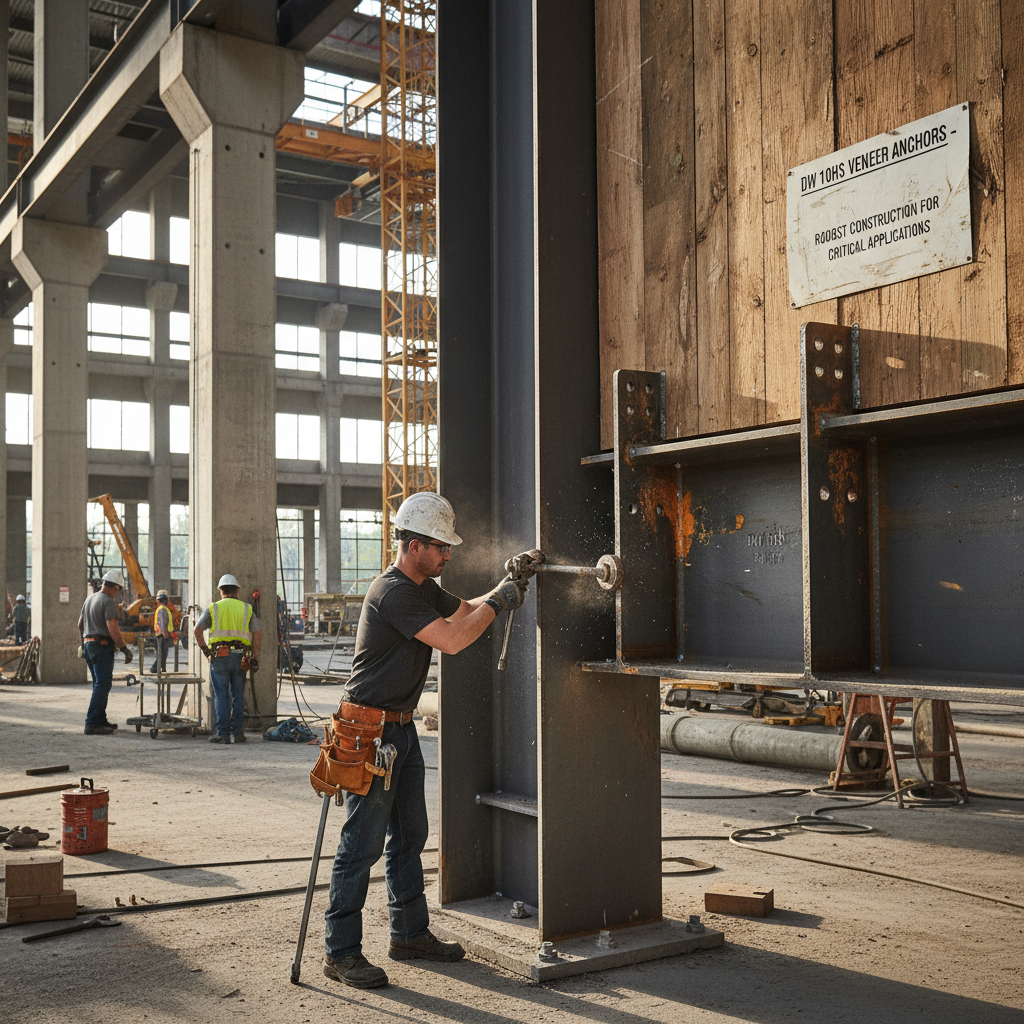
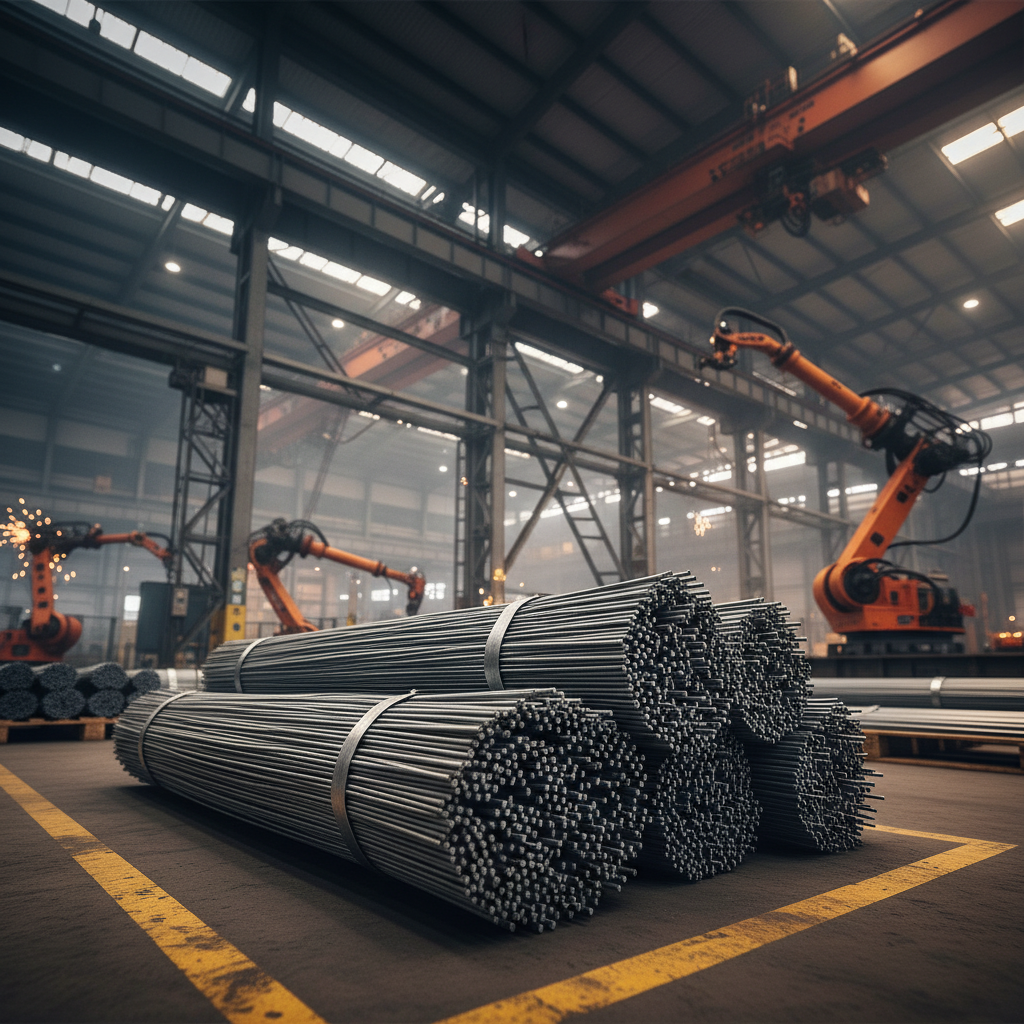
Honestly, the whole construction scene’s been buzzing about prefabrication lately. It's not new, mind you, we were talking about modular stuff years ago, but now it’s really… taking off. Everyone wants speed, efficiency, less mess. But you know what? A lot of these pre-fab companies are still messing up the little details. They're so focused on the big picture, they forget about the guys actually installing this stuff. And that’s where concrete construction accessories come in. They're the glue, the screws, the… well, everything that holds it all together. Without good accessories, those fancy pre-fab panels are just expensive leaning towers.
Have you noticed how everyone is obsessed with "smart" materials? Self-healing concrete, graphene-infused everything… it sounds great in a lab, but on a dusty construction site, all I care about is whether it’ll actually hold up to a beating. I saw a batch of this self-healing concrete at a factory in Changsha last time, smelled faintly of… seaweed, oddly enough. And it was a pain to work with, kept clumping. It needs to be robust, reliable, and easy to use. Which brings me back to accessories, because even the fanciest concrete needs the right bolts and anchors.
It's funny, you spend years perfecting the concrete mix, the structural design, and then the whole thing can be compromised by a cheap connector. Seems backwards, doesn’t it? But that's life. It really is.
The Rise of Prefabrication & Accessory Demand
To be honest, prefabrication isn't just a trend anymore; it's a necessity. Labor shortages, rising material costs, the demand for faster build times… it all points to more off-site construction. And that means a huge increase in demand for high-quality concrete construction accessories. It's not just about bolts and screws anymore; it's about specialized connectors, lifting anchors, edge protection systems.
Strangely enough, a lot of the smaller suppliers haven’t caught on yet. They’re still selling the same old stuff, and it’s just not cutting it for these more complex pre-fab projects. They don’t understand the tolerances, the stress points, the need for quick and easy installation. It's a real bottleneck.
Design Pitfalls: The Devil is in the Details
I’ve encountered this at nearly every major project site. Architects and engineers will spend hours debating the concrete mix, the reinforcement schedule, but then spec out the cheapest, most generic connectors they can find. It's maddening! You have to remember, these accessories are often the weakest link in the whole system.
One common mistake is underestimating the load on certain connectors. Especially with pre-stressed concrete elements. You need to account for not just the static load, but also the dynamic loads – wind, seismic activity, even just the movement of the building itself. And the detailing… oh, the detailing. Poorly designed connections can lead to stress concentrations, cracking, and ultimately, failure.
Another thing: corrosion. People forget that even galvanized steel will corrode over time, especially in marine environments or areas with high salt content. Stainless steel is obviously better, but it's also much more expensive. It's all about finding the right balance between cost and performance.
Material Matters: Beyond the Concrete
Okay, so you've got your concrete. What about the rest? High-strength steel is the obvious choice for bolts and anchors. But it's not just about the grade of steel. The coating is crucial. Hot-dip galvanizing is good, but it can be brittle. Sherardizing – a zinc-iron alloy coating – is much more durable. It's also got a slightly rougher texture, which provides a better grip.
I've been seeing a lot more use of composite materials lately, especially for specialized connectors. Fiber-reinforced polymers (FRP) are lightweight, corrosion-resistant, and surprisingly strong. But they're also more expensive and can be sensitive to UV exposure. You have to be careful about how you specify them.
And don’t underestimate the importance of things like epoxy resins. A good epoxy can bond concrete and steel together like they’re one piece. But you need to use the right epoxy for the application. Some epoxies are designed for high loads, others for corrosion resistance. It’s a whole science, really.
Real-World Testing: Not Just Lab Results
Look, lab tests are important, sure. But they don't tell you the whole story. I've seen connectors pass all the lab tests and still fail miserably on site. Why? Because real-world conditions are much more brutal. Vibrations, temperature fluctuations, exposure to the elements, the sheer carelessness of construction workers… it all takes a toll.
Concrete Construction Accessory Performance Ratings (Field Trials)
How Accessories Are Actually Used
This is where things get interesting. You can design a connector to be installed in a specific way, but that’s not always how it happens on site. Guys are always improvising, cutting corners, using whatever tools they have on hand. They might use a hammer instead of a wrench, or tighten a bolt to the wrong torque. It’s just the way it is.
I've seen guys use a crowbar to lever in anchors, which completely ruins the pre-load. And don’t even get me started on the misuse of powder-actuated fasteners. They're great for quick installation, but they can easily damage the concrete if you’re not careful. Anyway, I think understanding how workers actually use these accessories is crucial for improving their design.
Advantages and… Let's Be Honest, Disadvantages
The advantages are pretty clear: increased speed, improved safety, better quality control. Good concrete construction accessories make a project run smoother, reduce waste, and minimize the risk of failures. But there are also disadvantages. The initial cost can be higher, and you need to train your workers on how to use them properly.
And, frankly, some of these specialized connectors are just over-engineered. You're paying for features you don't need. It's like buying a Swiss Army knife when all you need is a screwdriver. I prefer simple, robust designs that are easy to install and reliable. Keep it simple, stupid – that’s my motto.
Then there is standardization, or lack of. Everything is proprietary. I am constantly dealing with situations where you can't replace a component from one manufacturer with another without major modifications. It’s a headache.
Customization & A Shenzhen Story
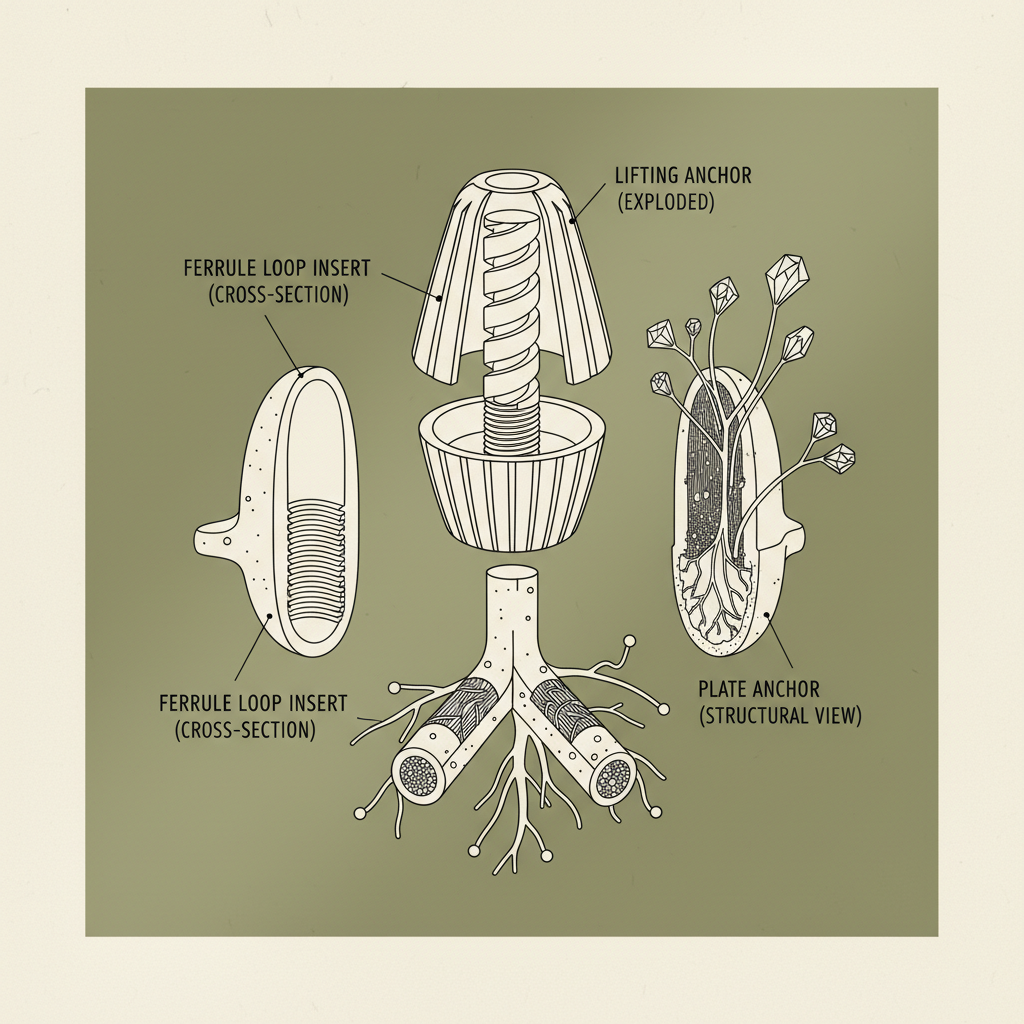
Customization is key, especially for complex projects. You can't just off-the-shelf everything. We had a client in Singapore who needed a custom lifting anchor for a pre-cast facade panel. The panel was a really weird shape, and the standard anchors just wouldn't work. We ended up designing a completely new anchor that was specifically tailored to the panel’s geometry.
Last month, that small boss in Shenzhen who makes smart home devices insisted on changing the interface to on a batch of concrete enclosures we’d already tooled up for USB-A. Said it was “future-proof”. The result was a two-week delay, a lot of wasted tooling, and a very unhappy accountant. He learned a valuable lesson that day: don't change things just for the sake of changing them!
But generally, being able to tweak the design, the materials, the finish… it makes all the difference. It allows you to optimize the accessory for the specific application and ensure that it performs exactly as needed.
Summary of Key Accessory Performance Factors
| Accessory Type |
Material Grade |
Installation Difficulty (1-5) |
Long-Term Durability (1-5) |
| Anchor Bolt (Sleeve Type) |
Grade 8.8 Steel |
2 |
4 |
| Chemical Anchor |
Epoxy Resin, Steel Rod |
3 |
5 |
| Welded Plate Connector |
A36 Steel |
4 |
3 |
| Expansion Bolt |
Carbon Steel (Galvanized) |
1 |
2 |
| Lifting Anchor (Embedded) |
Stainless Steel 316 |
3 |
5 |
| Edge Protection System |
High-Density Polyethylene (HDPE) |
1 |
3 |
FAQS
Honestly? Not thinking about the long-term. They go for the cheapest option, assuming it’ll hold. It rarely does. You need to consider the loading conditions, the environment, the type of concrete, and the long-term effects of corrosion. Choosing the right anchor is a science, not a guess. It’s about investing upfront to avoid costly repairs down the line. Often, they’re not considering the substrate – is it cracked, what’s the concrete strength? These all play a role.
Critical. Absolutely critical. Too little torque, and the connection won’t be strong enough. Too much, and you risk stripping the threads or even cracking the concrete. You need a calibrated torque wrench, and you need to follow the manufacturer’s specifications. I’ve seen projects where workers just tightened bolts by feel, and the results were… not pretty. It’s a safety issue, plain and simple.
For coastal projects, you absolutely need to go with stainless steel – specifically 316 stainless steel. It’s much more resistant to saltwater corrosion than standard stainless steel. Galvanizing is okay for some applications, but it won’t last nearly as long in a marine environment. Epoxy coatings can also help, but they're prone to damage. Think long term, especially with salt spray.
Fiber-reinforced polymers (FRP) are becoming more popular, especially for applications where weight is a concern. They're lightweight, corrosion-resistant, and surprisingly strong. But they're also expensive and can be tricky to install. Carbon fiber is also showing up, but the cost remains a hurdle. Keep an eye on self-healing concrete too, although it's still early days.
They're fast and convenient, but they can be dangerous if not used properly. You need to make sure the concrete is sound, and you need to use the correct fastener for the application. And for goodness sake, wear safety glasses! I’ve seen too many incidents where someone got hit with a stray piece of concrete. They're good for quick fixes, but not for critical connections.
It depends on the volume and the complexity. For large projects, it's definitely feasible to get custom-designed connectors. But it's going to cost you. For smaller projects, you might be better off adapting an existing product. Remember, customization adds lead time and increases the risk of errors. It's a trade-off between cost and performance.
Conclusion
Ultimately, concrete construction accessories are the unsung heroes of any building project. They're the little things that hold everything together, and they often get overlooked until something goes wrong. Understanding the materials, the design principles, and the installation techniques is crucial for ensuring a safe, durable, and long-lasting structure.
And honestly? Whether this thing works or not, the worker will know the moment he tightens the screw. They're the ones on the ground, dealing with the real-world challenges. So listen to them, learn from them, and always prioritize quality. Because in the end, a strong building isn’t about fancy materials or clever designs; it’s about reliable connections.