dw 10hs veneer anchors represent a crucial advancement in fastening technology, particularly within the construction and industrial sectors. Their ability to provide secure and reliable connections in a variety of materials makes them invaluable for projects ranging from simple renovations to large-scale infrastructure development. Understanding the nuances of these anchors – their design, applications, and limitations – is essential for engineers, contractors, and anyone involved in ensuring structural integrity.
The global demand for robust and versatile fastening solutions is constantly growing, driven by factors like urbanization, infrastructure investment, and a focus on safety. dw 10hs veneer anchors directly address this demand by offering a high-performance alternative to traditional methods. Statistics from organizations like the World Bank demonstrate a significant increase in construction spending worldwide, highlighting the need for efficient and reliable anchoring systems.
Ultimately, the proper selection and application of dw 10hs veneer anchors contribute to the longevity, safety, and cost-effectiveness of numerous projects. A clear grasp of their capabilities empowers professionals to tackle challenging fastening requirements with confidence, minimizing risks and maximizing project success.
Introduction to dw 10hs Veneer Anchors
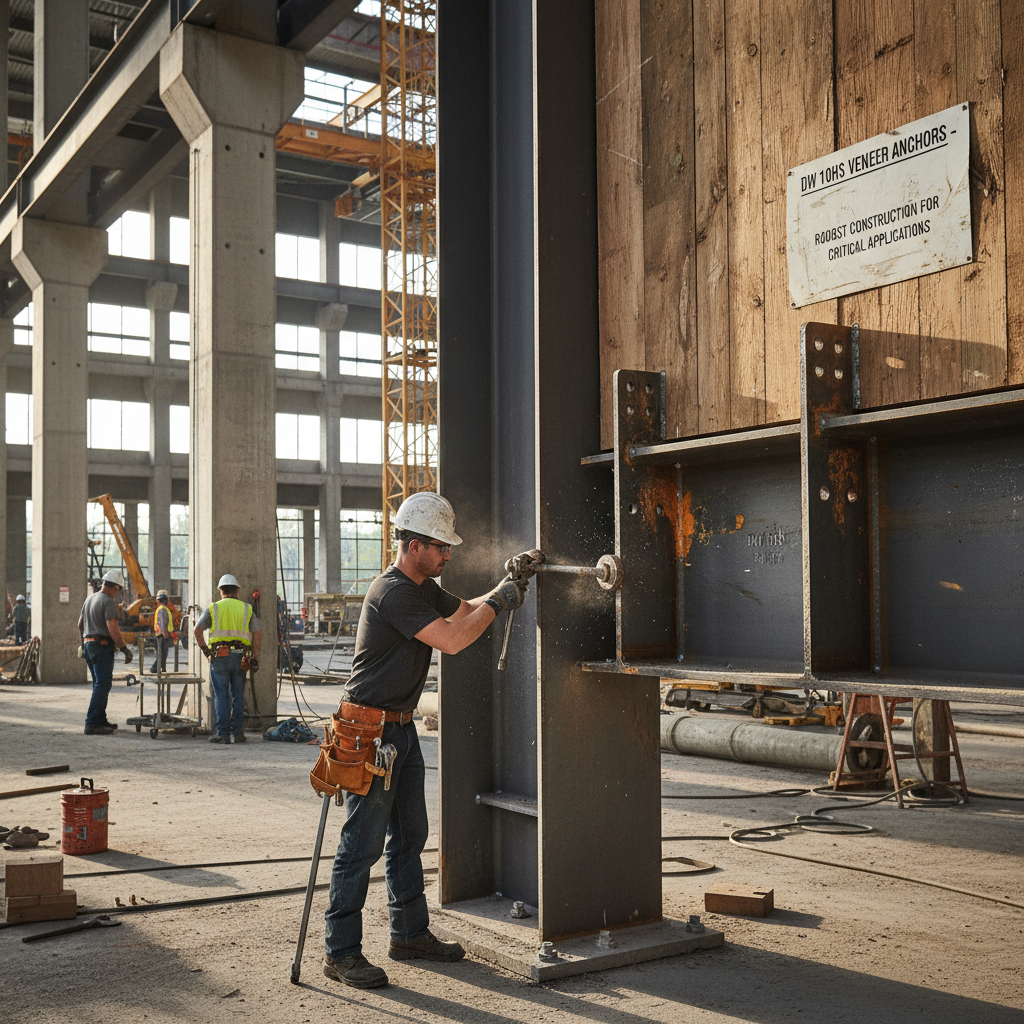
dw 10hs veneer anchors are engineered to provide exceptional holding power in a diverse range of base materials, including concrete, brick, and stone. Their specialized design ensures a secure and durable connection, minimizing the risk of failure under stress. This makes them ideal for both load-bearing and non-load-bearing applications.
These anchors are often preferred over traditional mechanical anchors due to their ease of installation, reduced susceptibility to loosening over time, and consistent performance. The demand for high-quality anchors like the dw 10hs is rising as construction projects increasingly emphasize safety, efficiency, and long-term durability.
Defining dw 10hs Veneer Anchors
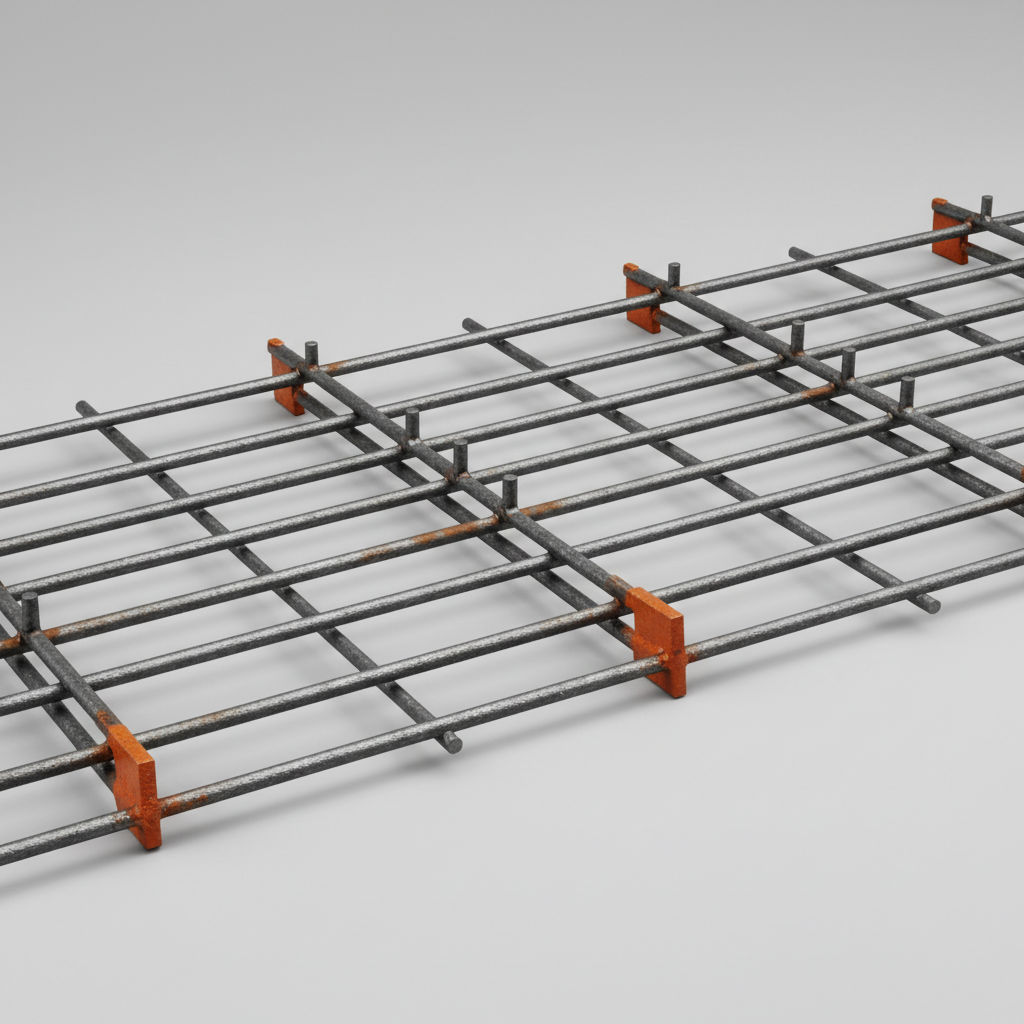
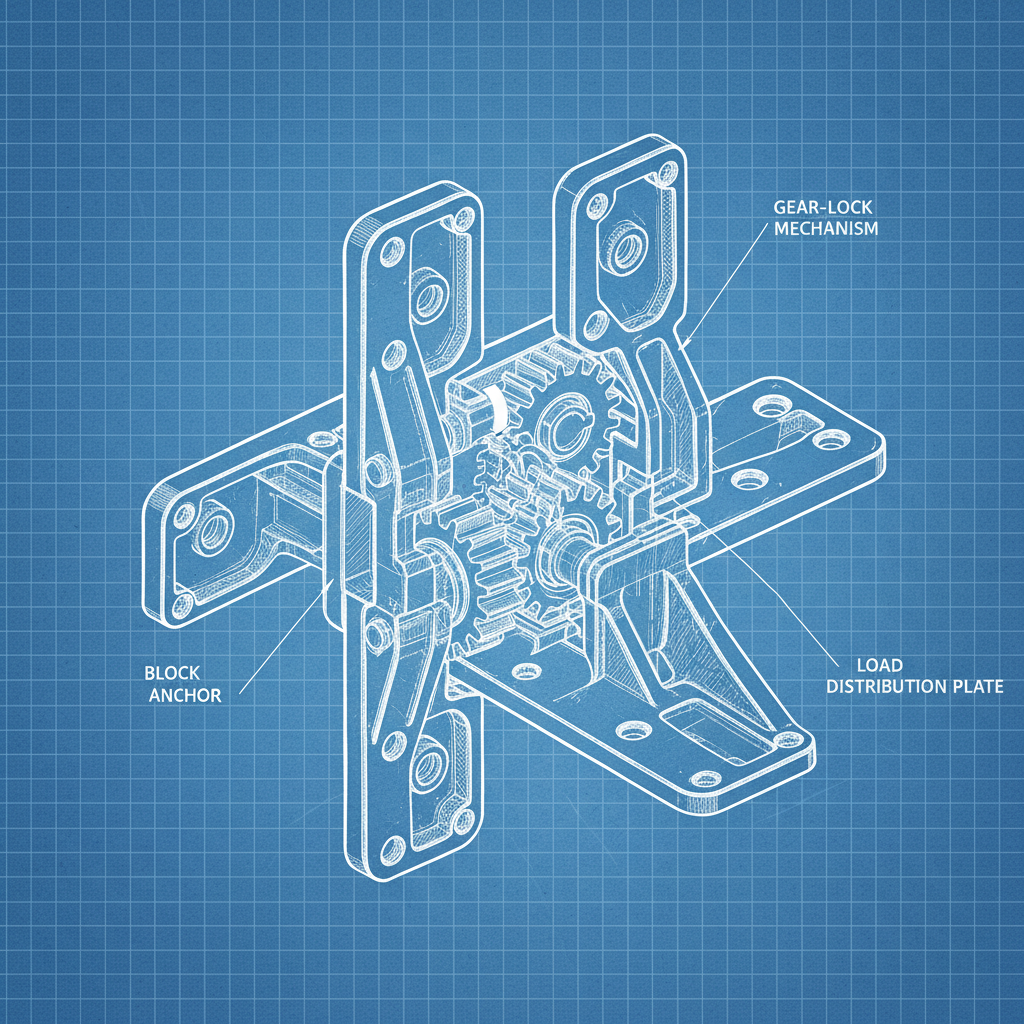
dw 10hs veneer anchors are a type of mechanical expansion anchor specifically designed for securing veneer cladding to solid base materials. They feature a conically shaped body that expands when a tightening torque is applied, creating a robust clamping force against the substrate. This expansion is carefully controlled to provide optimal holding power without causing damage to the surrounding material.
Unlike some other anchoring systems, the dw 10hs maintains a consistent pull-out resistance even under varying temperature and humidity conditions. This consistency is vital in exterior applications where weather exposure can significantly affect the performance of fastening systems. dw 10hs veneer anchors are considered a premium solution for critical veneer installations.
The 'dw 10hs' designation refers to a specific manufacturing standard and material composition, ensuring a high level of quality control and adherence to industry best practices. This contributes to the anchor’s reliability and predictable performance, making it a trusted choice for architects and engineers.
Core Characteristics of dw 10hs Veneer Anchors
One of the key characteristics of dw 10hs veneer anchors is their versatility. They can be effectively used with a variety of veneer materials, including natural stone, manufactured stone, ceramic tiles, and even thin brick. This adaptability makes them suitable for a broad range of architectural styles and project requirements.
Furthermore, dw 10hs anchors exhibit exceptional corrosion resistance, particularly when manufactured from stainless steel or other corrosion-resistant alloys. This is crucial for exterior applications where exposure to moisture and environmental pollutants can compromise the integrity of the fastening system over time. Their robust design minimizes the risk of galvanic corrosion.
Another defining characteristic is the precise control over the expansion force during installation. The anchor’s geometry and material properties are carefully engineered to ensure that the expansion creates a secure grip without fracturing the veneer material or damaging the base substrate. This is particularly important when working with delicate or brittle stones.
Performance Metrics of dw 10hs Veneer Anchors
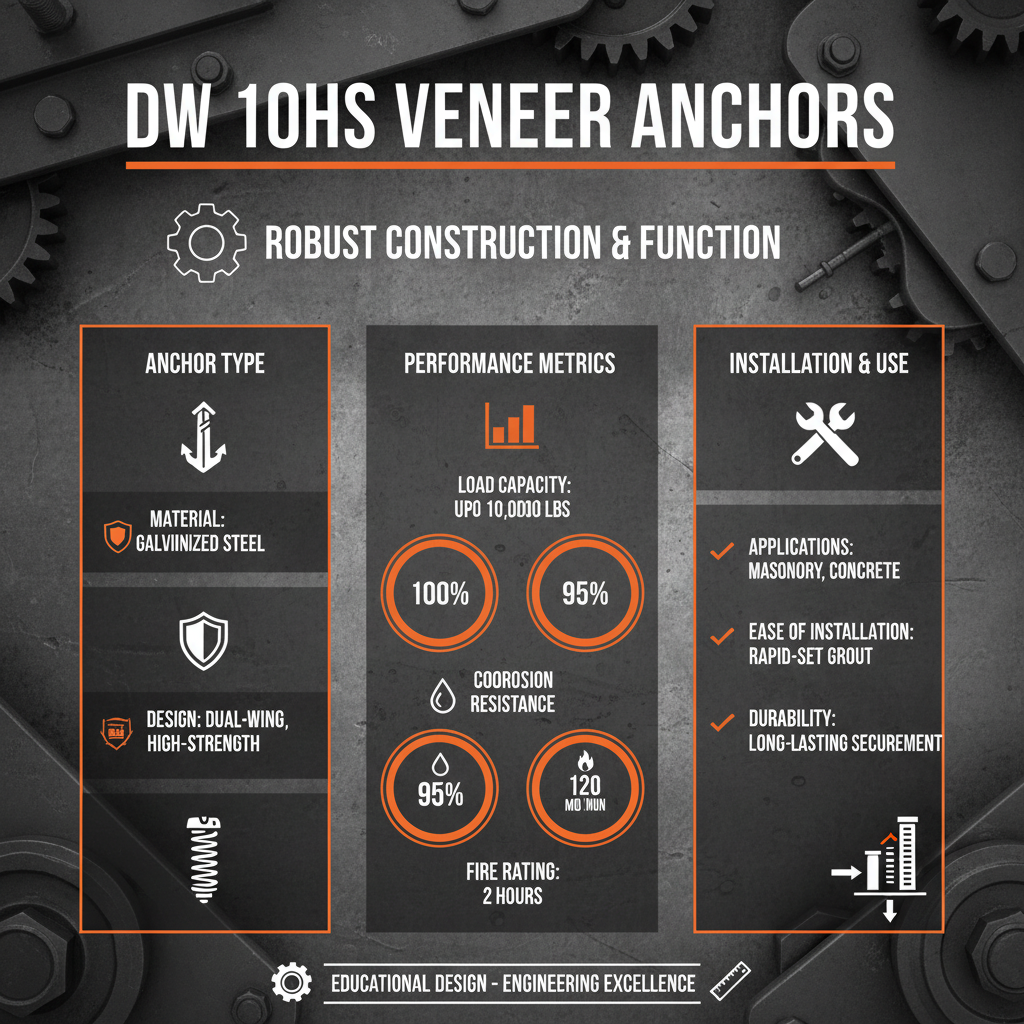
The performance of dw 10hs veneer anchors is typically evaluated based on several key metrics, including ultimate pull-out strength, shear strength, and fatigue resistance. Independent testing, conducted according to industry standards (such as ASTM and ISO), provides reliable data on these critical parameters.
Pull-out strength refers to the maximum tensile load that the anchor can withstand before being pulled out of the substrate. Shear strength, on the other hand, measures the anchor’s ability to resist forces acting parallel to the substrate surface. Fatigue resistance indicates how well the anchor can withstand repeated loading and unloading cycles without failure.
Comparative Performance of dw 10hs Veneer Anchor Installation Methods
Real-World Applications of dw 10hs Veneer Anchors
dw 10hs veneer anchors are extensively used in a variety of construction projects, including commercial buildings, residential developments, and public infrastructure. They are particularly well-suited for applications where a high degree of aesthetic appeal and structural integrity are required.
In post-disaster relief operations, dw 10hs veneer anchors can be used to quickly and securely attach veneer cladding to damaged structures, providing temporary or permanent repairs. They are also commonly employed in historical restoration projects to preserve the original appearance of buildings while ensuring their structural stability.
Advantages and Long-Term Value
The advantages of using dw 10hs veneer anchors extend beyond their immediate performance capabilities. Their ease of installation significantly reduces labor costs and project timelines, contributing to overall cost savings. Moreover, their durability and corrosion resistance minimize the need for repairs and replacements, resulting in lower life-cycle costs.
From a sustainability perspective, the use of high-quality anchors like the dw 10hs promotes responsible construction practices by reducing material waste and extending the service life of structures. This contributes to a smaller environmental footprint and a more sustainable built environment.
Future Trends and Innovations
Ongoing research and development efforts are focused on enhancing the performance and versatility of dw 10hs veneer anchors. Innovations in material science are leading to the development of even stronger and more corrosion-resistant alloys. Furthermore, advancements in anchor geometry are aimed at optimizing load distribution and minimizing stress concentrations.
The integration of digital technologies, such as Building Information Modeling (BIM), is also playing a role in optimizing anchor selection and placement. BIM allows engineers to simulate the performance of different anchor configurations, ensuring that the chosen solution meets the specific requirements of the project.
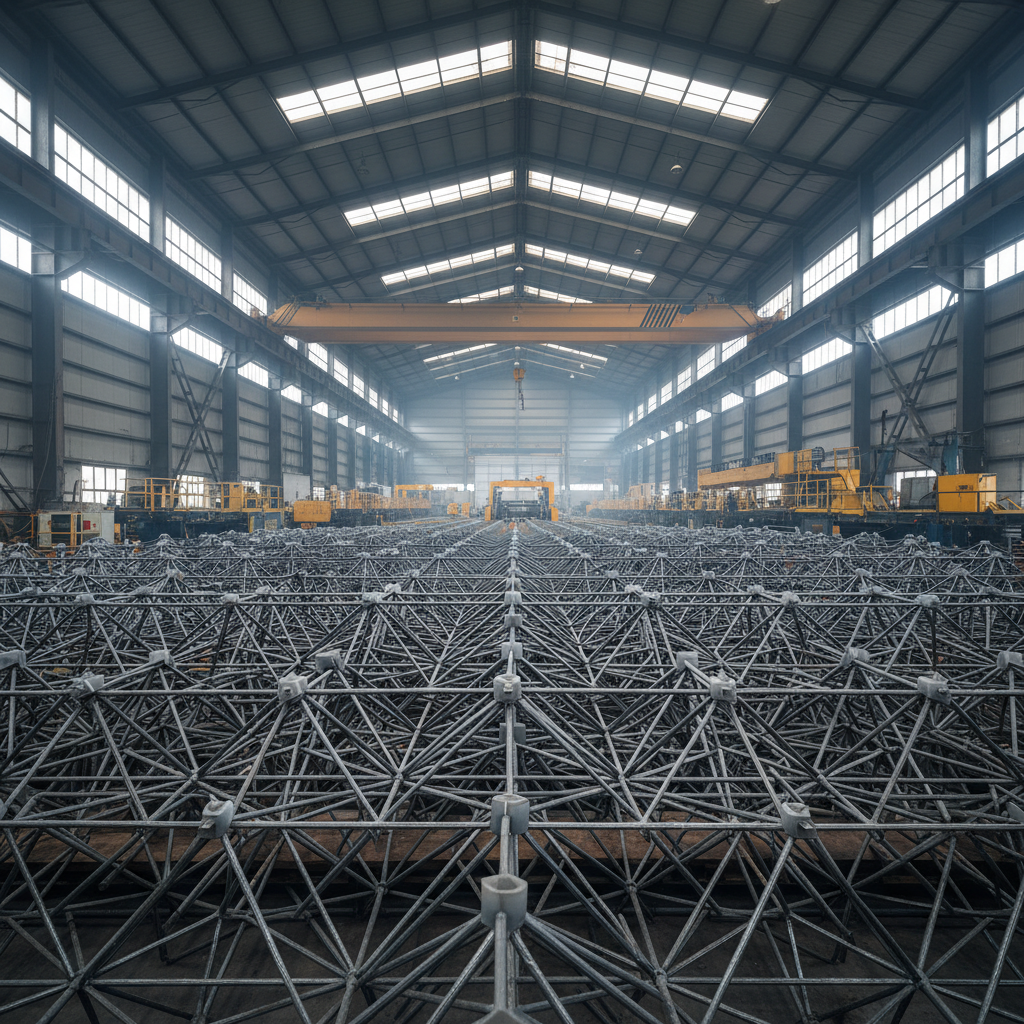
The trend toward prefabrication and modular construction is driving demand for anchors that can be easily integrated into off-site fabrication processes. dw 10hs veneer anchors are well-suited for these applications due to their consistent performance and ease of installation.
Challenges and Solutions
One of the primary challenges associated with dw 10hs veneer anchors is ensuring proper installation. Incorrect installation techniques, such as over-tightening or insufficient embedment depth, can significantly reduce the anchor’s holding power. Comprehensive training programs and detailed installation guidelines are essential to mitigate this risk.
Another challenge is selecting the appropriate anchor size and type for a given application. Factors such as the veneer material, the base substrate, and the anticipated loads must be carefully considered. Consulting with experienced engineers and utilizing specialized software tools can help ensure optimal anchor selection.
Addressing the issue of compatibility with different veneer materials requires ongoing research and development. Manufacturers are continually developing new anchor designs and materials that are tailored to specific veneer types, ensuring a secure and durable connection.
Summary of dw 10hs Veneer Anchor Suitability
| Veneer Material |
Base Substrate |
Load Rating (1-10) |
Corrosion Resistance (1-10) |
| Natural Stone |
Reinforced Concrete |
9 |
8 |
| Manufactured Stone |
Concrete Block |
8 |
7 |
| Ceramic Tile |
Brick Masonry |
7 |
6 |
| Thin Brick |
Steel Studs |
6 |
5 |
| Composite Panels |
Poured Concrete |
8 |
9 |
| Granite |
Limestone |
10 |
7 |
FAQS
dw 10hs veneer anchors offer several benefits, including increased holding power, reduced susceptibility to loosening, ease of installation, and consistent performance across various base materials. They often require less specialized tooling than other mechanical anchors, simplifying the installation process and reducing labor costs. Their corrosion resistance is also a significant advantage in exterior applications.
dw 10hs veneer anchors are compatible with a wide range of veneer materials, including natural stone, manufactured stone, ceramic tiles, thin brick, and composite panels. However, it's crucial to select the appropriate anchor size and type based on the specific veneer material's properties, such as its density and compressive strength.
Proper installation involves drilling a pilot hole of the correct diameter and depth, cleaning the hole to remove debris, inserting the anchor, and applying the specified torque. Over-tightening or under-tightening can compromise the anchor’s holding power. Always refer to the manufacturer's instructions and use calibrated torque wrenches.
dw 10hs veneer anchors are designed to withstand a range of environmental conditions. However, extreme temperatures, high humidity, and exposure to corrosive substances can potentially affect their long-term performance. Using anchors made from corrosion-resistant materials, such as stainless steel, is recommended for harsh environments.
Always wear appropriate personal protective equipment (PPE), including safety glasses, gloves, and a dust mask, when handling and installing anchors. Ensure the work area is well-ventilated, and follow all relevant safety regulations. Avoid applying excessive force during installation, and inspect anchors for any signs of damage before use.
A properly installed dw 10hs veneer anchor, using appropriate materials for the environment, can have a lifespan of several decades. Regular inspections are recommended to check for any signs of corrosion or loosening. However, the actual lifespan will depend on factors such as the quality of the installation, the environmental conditions, and the loads applied.
Conclusion
In conclusion, dw 10hs veneer anchors represent a significant advancement in fastening technology, offering superior performance, versatility, and long-term reliability. Their ability to provide secure and durable connections in a wide range of applications makes them an invaluable asset for construction professionals and engineers. Understanding their characteristics, proper installation procedures, and potential limitations is crucial for maximizing their benefits and ensuring the safety and longevity of structures.
Looking ahead, continued innovation in materials and design will further enhance the performance of dw 10hs veneer anchors. The integration of digital technologies and sustainable construction practices will also play a key role in their future development. By embracing these advancements, we can create more resilient, efficient, and aesthetically pleasing buildings and infrastructure. For more information and to explore our product range, visit our website: www.cntcmetal.com.