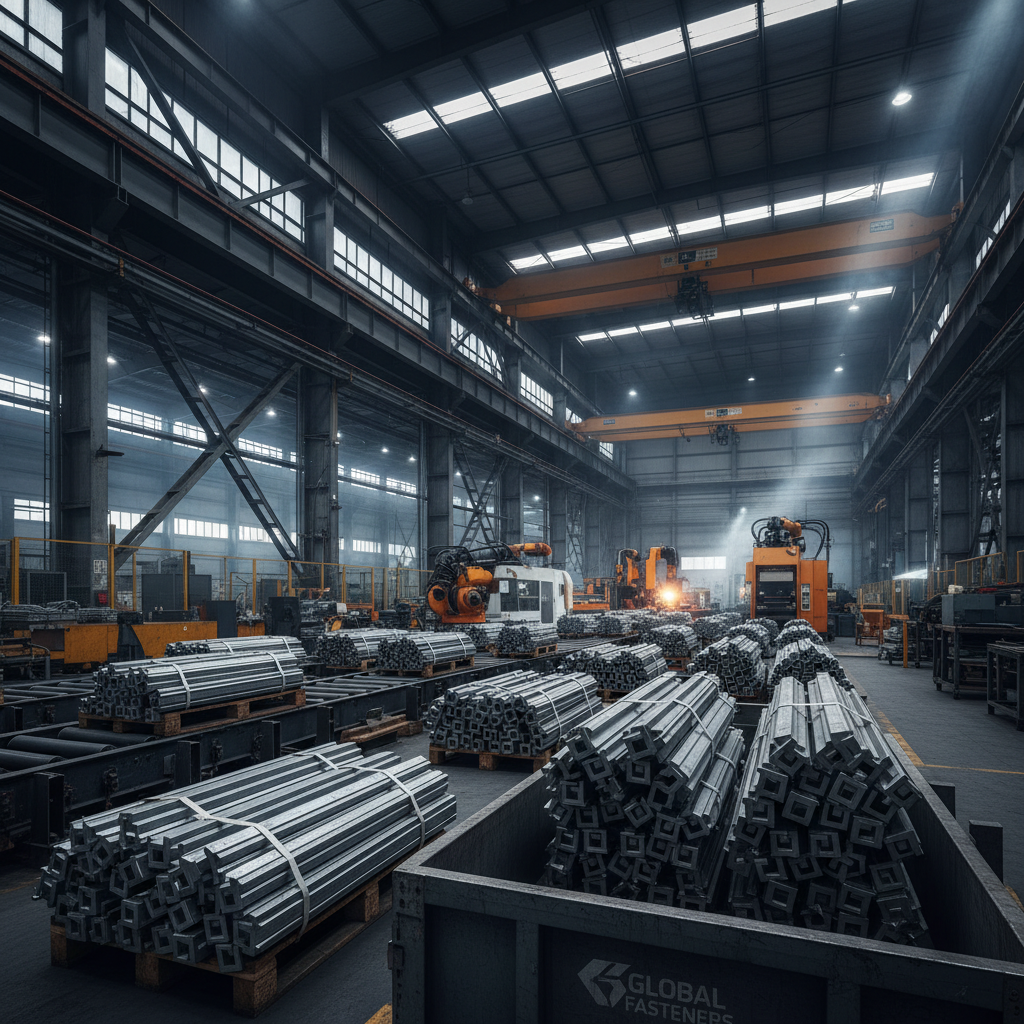
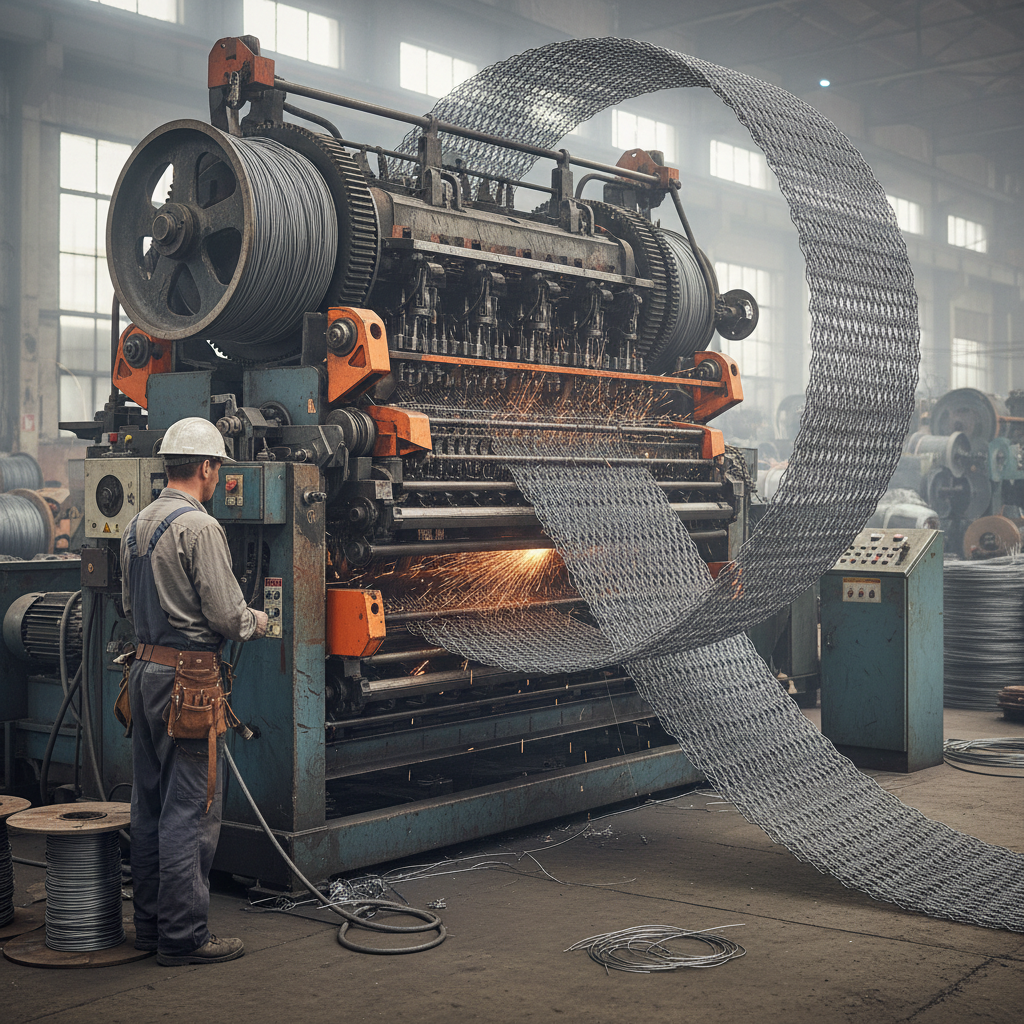
Procuring industrial steel components requires a precise understanding of how raw material fluctuations impact the final galvanised wire price, especially when sourcing for large-scale construction or manufacturing projects. The cost is rarely a static figure; it is a dynamic result of zinc coating thickness, base wire grade, and global commodity market volatility.
For procurement managers in the masonry and construction sectors, the challenge lies in balancing the upfront material expenditure against the long-term lifecycle costs associated with corrosion resistance. Selecting a wire that is too cheap often leads to premature failure, while over-specifying can inflate project budgets unnecessarily.
This analysis examines the primary drivers of pricing in the galvanized wire market, explores how specific product applications—such as suspended ceiling hangers—influence cost, and provides a framework for evaluating supplier value beyond the per-ton price tag.

Understanding the Market Drivers of Galvanised Wire Pricing

The volatility of the galvanised wire price is primarily anchored to two global commodities: steel and zinc. Because galvanization is the process of applying a protective zinc coating to steel to prevent rusting, any shift in the LME (London Metal Exchange) zinc prices creates an immediate ripple effect across the supply chain.
Beyond raw materials, energy costs play a significant role. The hot-dip galvanizing process requires maintaining large baths of molten zinc at high temperatures, making the pricing sensitive to industrial electricity and natural gas rates. When energy prices spike, manufacturers must either absorb the cost or pass it on to the buyer.
Logistics and geopolitical factors further complicate the pricing model. Trade tariffs on imported steel or shipping bottlenecks can cause regional price disparities, making it essential for buyers to understand whether they are paying for the material itself or the cost of moving it to their facility.
Technical Factors That Directly Influence Material Costs
Not all galvanized wires are created equal, and the technical specifications are the primary reason for price variance between similar-looking products. The most critical factor is the coating weight—measured in grams per square meter (g/m²)—which determines the lifespan of the product in corrosive environments.
The method of galvanization also dictates the price point. Electro-galvanizing provides a smoother, more aesthetic finish and is generally more cost-effective for indoor applications, whereas hot-dip galvanizing offers a thicker, more durable layer essential for outdoor or high-humidity environments, commanding a premium price.
Additionally, the grade of the base steel—whether it is low-carbon mild steel or high-tensile wire—affects the cost. High-tensile wires require more intensive drawing processes and specialized heat treatments, adding a layer of manufacturing cost to the raw material base.
Application-Specific Pricing: From Construction to Industrial Use
Pricing varies significantly when the wire is processed into a finished product. For instance, metal wire hanger rods for suspended ceilings involve not just the material cost, but the precision of cutting, bending, and the addition of hooks or loops. These value-added processes shift the pricing from a "per ton" commodity model to a "per piece" component model.
In the construction of partition walls and ceilings, the use of GB11981-2001 standards ensures that the hanger rods meet specific safety and load-bearing requirements. The cost of these components includes the quality control necessary to guarantee they can support the weight of the ceiling system without deformation.
Other products like wall ties, storage cages, and wire mesh follow different pricing logics. Mesh pricing is often driven by the aperture size and the weld strength, while storage cages are priced based on the complexity of the bending and the total linear footage of wire used per unit.
Comparative Analysis of Coating Quality and Value
To evaluate the value of a specific galvanised wire price, one must look at the correlation between coating thickness and the time to first corrosion. This relationship is non-linear; doubling the zinc coating does not necessarily double the lifespan, but it significantly reduces the risk of early failure in harsh environments.
When comparing standard industrial wire to premium high-zinc options, the "Value Score" is determined by dividing the expected service years by the total cost of ownership, including installation and maintenance.
galvanised wire price Performance Metrics
As shown in the performance metrics, while premium coatings have a higher initial cost, their resistance to oxidation and structural integrity over time provide a significantly higher return on investment for critical infrastructure projects.
Strategic Procurement Guidelines for Industrial Wire Products
Avoiding the "lowest price trap" is the most important rule in industrial procurement. When evaluating quotes for galvanised wire, buyers should request a detailed technical data sheet that specifies the zinc coating weight and the base steel grade.
A professional supplier will provide verifiable standards, such as GB11981-2001 for suspension rods, rather than generic quality claims. Verifying the manufacturing process—including the cleaning, fluxing, and dipping stages—can reveal why one supplier's price is significantly lower than another's.
Additionally, consider the total lead time and shipping costs. A lower material price from an overseas supplier may be negated by high freight costs and the risk of shipment delays, making local or established regional manufacturers a more stable financial choice.
Future Outlook on Zinc Coating Trends and Costs
The industry is likely to see a shift toward more sustainable galvanizing processes. The implementation of "Green Zinc" and the reduction of chemical waste in the pickling process may initially increase production costs but will eventually lower regulatory compliance expenses for manufacturers.
Automation in wire bending and cutting is also expected to stabilize the pricing of finished components. As robotic systems reduce labor costs and increase precision, the premium charged for complex shapes (like custom hooks or loops) may decrease, making high-specification components more accessible.
Moreover, the development of hybrid coatings—combining galvanization with organic polymers—could emerge as a high-performance alternative for extreme environments. While these will likely carry a higher price point, they may offer unprecedented corrosion resistance that reduces the total lifecycle cost of infrastructure.
Selecting the Right Wire Grade for Your Budget
Choosing the correct galvanised wire involves matching the material properties to the specific environmental stressors of the project. A warehouse in a dry climate requires a different specification than a coastal construction site.
The following table provides a decision matrix for selecting the appropriate wire type based on common industrial requirements and the associated cost impact.
| Wire Category | Primary Application | Cost Factor | Expected Lifespan |
|---|---|---|---|
| Electro-Galvanised | Indoor Ceilings | Low | 5-10 Years |
| Light Hot-Dip | Dry Warehouses | Medium | 15-20 Years |
| Heavy Hot-Dip | Outdoor Fencing | High | 30-50 Years |
| High-Tensile Galv | Structural Support | Premium | 25-40 Years |
| Custom Bending | Specialized Hangers | Variable | Depends on Coating |
| Poly-Coated Galv | Marine Environ. | Highest | 50+ Years |
By aligning the procurement specification with the actual environmental risk, companies can optimize their budgets without compromising the structural integrity of their installations.
Frequently Asked Questions
Conclusion
Navigating the complexities of the galvanised wire price requires a shift in perspective from viewing wire as a simple commodity to treating it as a long-term protective investment. By understanding the interplay between zinc coating thickness, base material grade, and environmental demands, procurement professionals can secure the best value without risking project longevity.
For those seeking high-quality construction accessories, from ceiling suspension rods to specialized wire mesh, exploring established manufacturers with rigorous quality control is key. Readers evaluating these technical requirements can review the relevant product and company information available through www.cntcmetal.com.