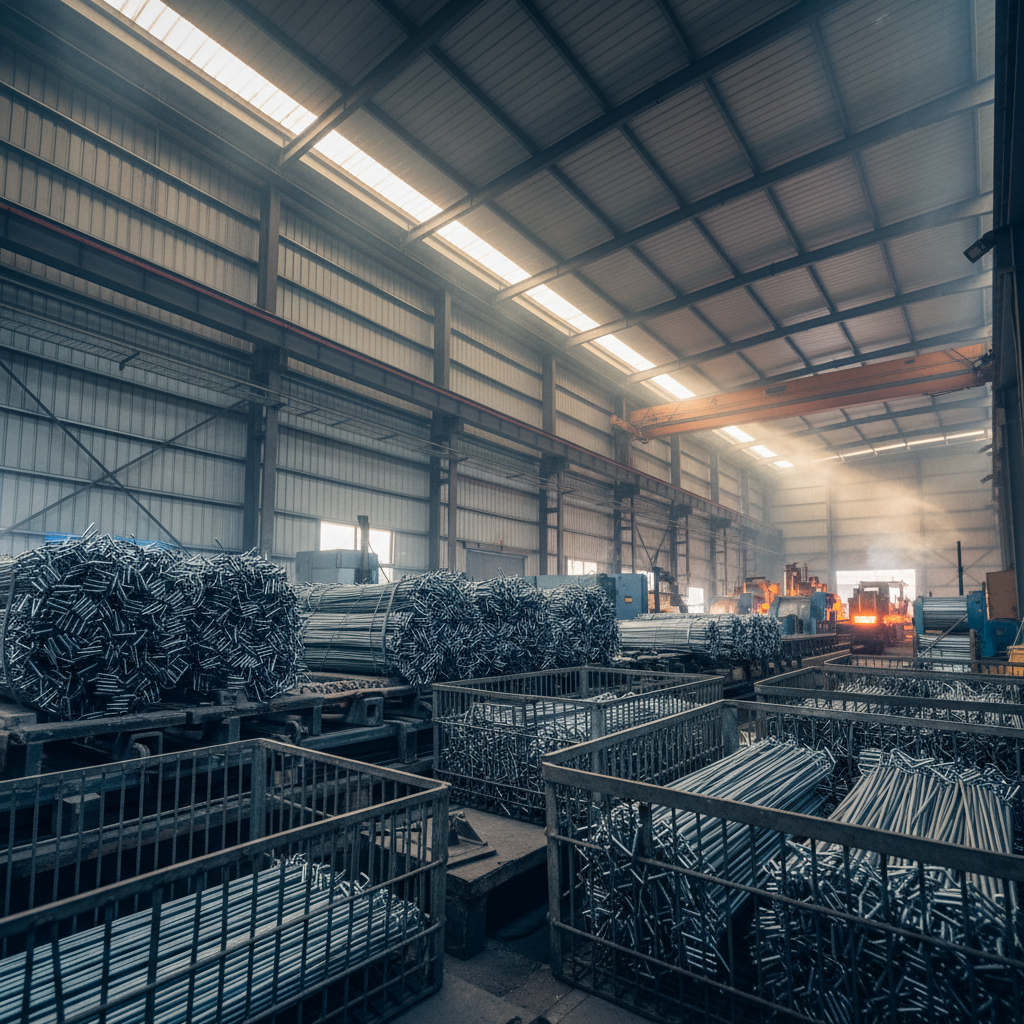
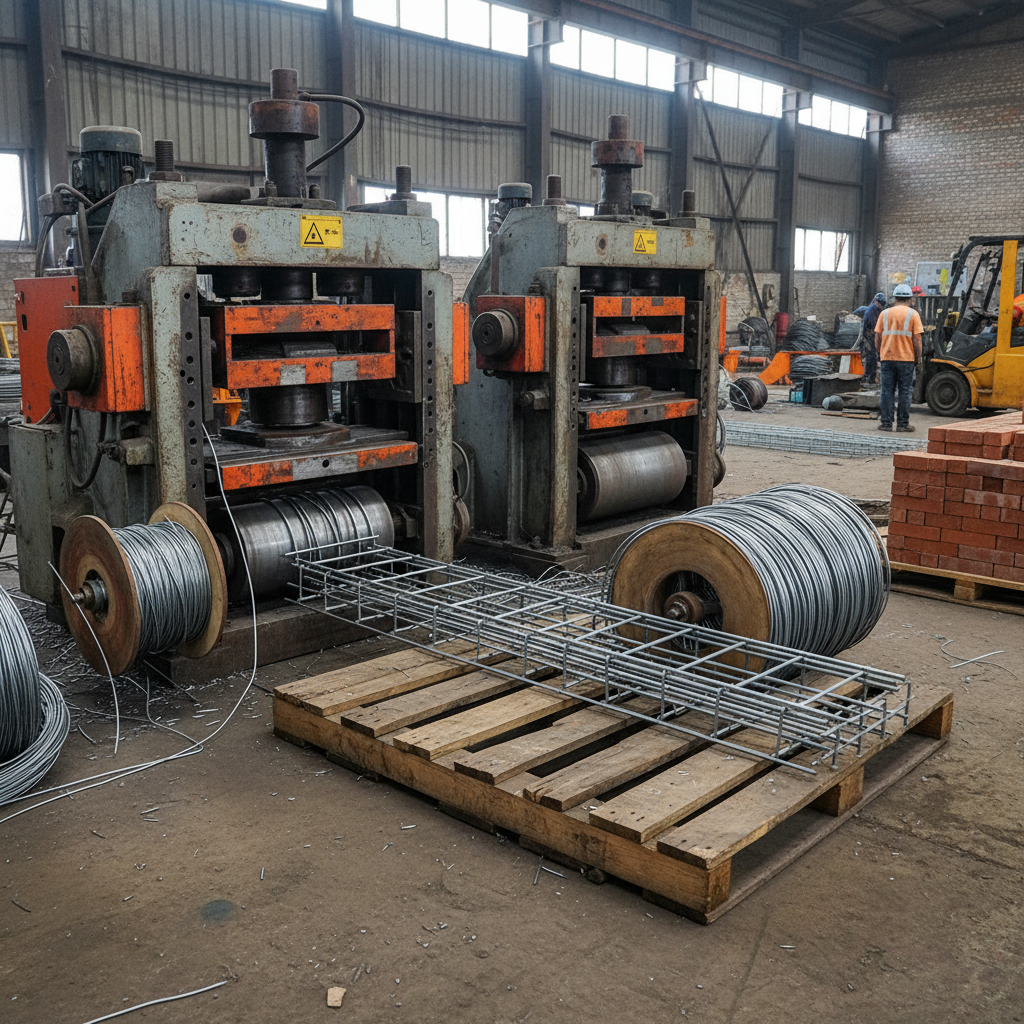
Securing a consistent supply of high-quality materials is critical for construction and industrial fabrication, which is why identifying reliable black annealed wire suppliers is a priority for procurement managers. Black annealed wire, known for its enhanced ductility and softness, is essential for tying rebar, securing bundles, and various masonry applications within the broader metal wire manufacturing sector.
The primary challenge for buyers lies in balancing tensile strength with the required flexibility. Poorly annealed wire can be brittle or too rigid, leading to inefficiency on the job site or structural failures in temporary bracing. Procurement teams must navigate varying grades of steel and annealing processes to ensure the wire performs under environmental stress without premature snapping.
This guide provides a professional framework for evaluating suppliers, understanding the technical specifications of annealed iron wire, and implementing a selection process that ensures long-term structural integrity and cost-efficiency for your projects.

Understanding Black Annealed Wire Specifications

When communicating with black annealed wire suppliers, precision in specifications is the only way to avoid receiving suboptimal materials. Black annealed wire is essentially low-carbon steel wire that has undergone a heat treatment process to remove internal stresses. This results in a wire that is significantly more flexible than standard cold-drawn wire, making it the preferred choice for manual tying and bending.
Key specifications to verify include the wire gauge (diameter), the tensile strength range, and the surface finish. While "black" refers to the oxide scale left after annealing, the consistency of this scale affects how the wire interacts with other metal components and its initial resistance to surface corrosion before any additional coatings are applied.
The Critical Role of the Annealing Process
The quality of the final product depends entirely on the temperature control during the annealing phase. Industrial suppliers typically use a controlled atmosphere furnace to heat the wire to a specific critical temperature and then cool it slowly. This process reorganizes the crystalline structure of the steel, reducing hardness and increasing elongation.
From a technical standpoint, insufficient annealing leads to "spring-back," where the wire attempts to return to its original shape after being bent. Conversely, over-annealing can make the wire too soft, reducing its load-bearing capacity. High-tier manufacturers utilize advanced equipment from regions like Germany or Korea to maintain these tight tolerances across multi-ton batches.
Primary Industrial Applications and Use Cases
The versatility of black annealed wire makes it indispensable across several sectors of the construction and manufacturing industries. Its primary value is found in applications where a secure, manual wrap is required without the risk of the wire snapping under tension. In concrete masonry construction, it is used extensively for tying reinforcing bars (rebar) to maintain spacing during the pouring of concrete.
Beyond construction, it is utilized in the manufacturing of wire mesh, storage cages, and various wire bending products. Because it can be easily shaped, it is often used for temporary supports, plant stakes, and internal fastening in packaging. Its ability to be tightly wound makes it an ideal solution for bundling metal pipes and profiles during transport.
Evaluating Supplier Capacity and Quality Metrics
Evaluating black annealed wire suppliers requires looking beyond the price per ton. A professional assessment should focus on the supplier's operational stability and their ability to maintain dimensional consistency. This involves analyzing their production equipment, raw material sourcing, and quality control protocols.
The chart above illustrates a conceptual relative importance index for different supplier evaluation dimensions. While price is always a factor, technical consistency and delivery reliability carry higher weight for large-scale commercial projects to avoid costly delays and structural rework.
Risk Mitigation in Bulk Wire Procurement
Bulk procurement of iron wire carries inherent risks, particularly regarding batch-to-batch variance. One shipment may be perfectly ductile, while the next is overly rigid, disrupting the workflow of onsite laborers. To mitigate this, buyers should insist on mill test reports (MTRs) that specify the chemical composition and mechanical properties of the steel used.
Another significant risk is surface oxidation during transit. While black annealed wire is naturally more resistant than bright wire, prolonged exposure to moisture in shipping containers can lead to heavy rusting. Selecting suppliers who utilize proper moisture-barrier packaging and efficient logistics chains is essential for maintaining material quality upon arrival.
Comparing Annealed Wire vs. Galvanized Alternatives
A common dilemma for procurement officers is choosing between black annealed wire and galvanized wire. The decision usually hinges on the exposure level of the application. Black annealed wire is cost-effective and easier to tie, but it lacks the long-term corrosion protection offered by a zinc coating.
For internal structural ties that will be encased in concrete, the black annealed variety is the industry standard due to its superior flexibility and lower cost. However, for exterior applications or environments with high salinity, galvanized options are necessary despite the increased stiffness and price point. Understanding this trade-off prevents over-spending on unnecessary protection or under-specifying for harsh environments.
A Decision Framework for Supplier Selection
To finalize a partnership with black annealed wire suppliers, buyers should apply a weighted decision matrix. This ensures that the chosen vendor aligns with the specific needs of the project, whether it is a high-volume residential development or a specialized industrial fabrication project.
| Selection Factor | Low-Cost Supplier | Specialized Manufacturer | Integrated Provider |
|---|---|---|---|
| Ductility Control | Variable | High Precision | Consistent |
| Lead Time | Short (Stock) | Medium (Custom) | Optimized |
| Quality Documentation | Basic | Comprehensive | Standardized |
| Pricing Model | Aggressive/Low | Value-Based | Competitive |
| Customization | Limited | Extensive | Moderate |
| Risk Level | High Variance | Low Variance | Managed |
By utilizing this framework, procurement teams can shift from a "lowest price" mentality to a "lowest total cost of ownership" approach, considering the costs of labor efficiency and material waste.
Frequently Asked Questions
Properly annealed wire should be easy to bend by hand without significant resistance and should not "spring back" to its original position. A simple bend test to 90 degrees can reveal whether the ductility is sufficient for tying applications.
Bright wire is cold-drawn and has a shiny surface but is very stiff and prone to snapping during bending. Black annealed wire is heat-treated to be soft and flexible, with a matte black oxide scale on the surface.
Yes, because it lacks the zinc protective layer. While the oxide scale provides minimal protection, it will rust when exposed to moisture. It is best suited for internal use or short-term temporary applications.
Typically, gauges ranging from 16 to 18 are most common for rebar tying, providing the right balance between strength and the ability to be twisted tightly by hand or tool.
They should be stored in a dry, covered area off the ground to prevent moisture accumulation. Keeping the original packaging intact until use helps prevent premature surface corrosion.
Generally, no. It is designed for tying and securing components. For permanent load-bearing structural connections, engineered fasteners or welded connections are required according to building codes.
Conclusion
Selecting the right black annealed wire suppliers is a strategic decision that impacts both the efficiency of the workforce and the integrity of the build. By focusing on the precision of the annealing process, verifying technical specifications via mill reports, and applying a balanced decision framework, procurement teams can ensure they receive materials that are truly fit for purpose.
For organizations seeking reliable metal wire solutions and professional manufacturing capabilities, you can explore the technical product range and request specific application quotes at www.cntcmetal.com.