- Mobile Phone
- +8613931874955
- sales@cntcmetal.com
Brickwork accessories are vital components in modern construction, extending beyond simple bricks and mortar to encompass a wide array of specialized materials and tools. These accessories enhance structural integrity, improve aesthetic appeal, and increase the efficiency of bricklaying processes. Understanding their function and proper application is crucial for builders, architects, and homeowners alike, especially as sustainable and innovative building practices gain prominence.
Globally, the demand for durable and cost-effective construction materials is continuously increasing, fueled by population growth and urbanization. Brickwork, with its inherent resilience and thermal properties, remains a popular choice, particularly in developing nations. The effective use of brickwork accessories allows for adaptation to diverse climates and building codes, making it a relevant and adaptable construction method worldwide. Furthermore, advancements in accessory materials are driving greater sustainability in the construction sector.
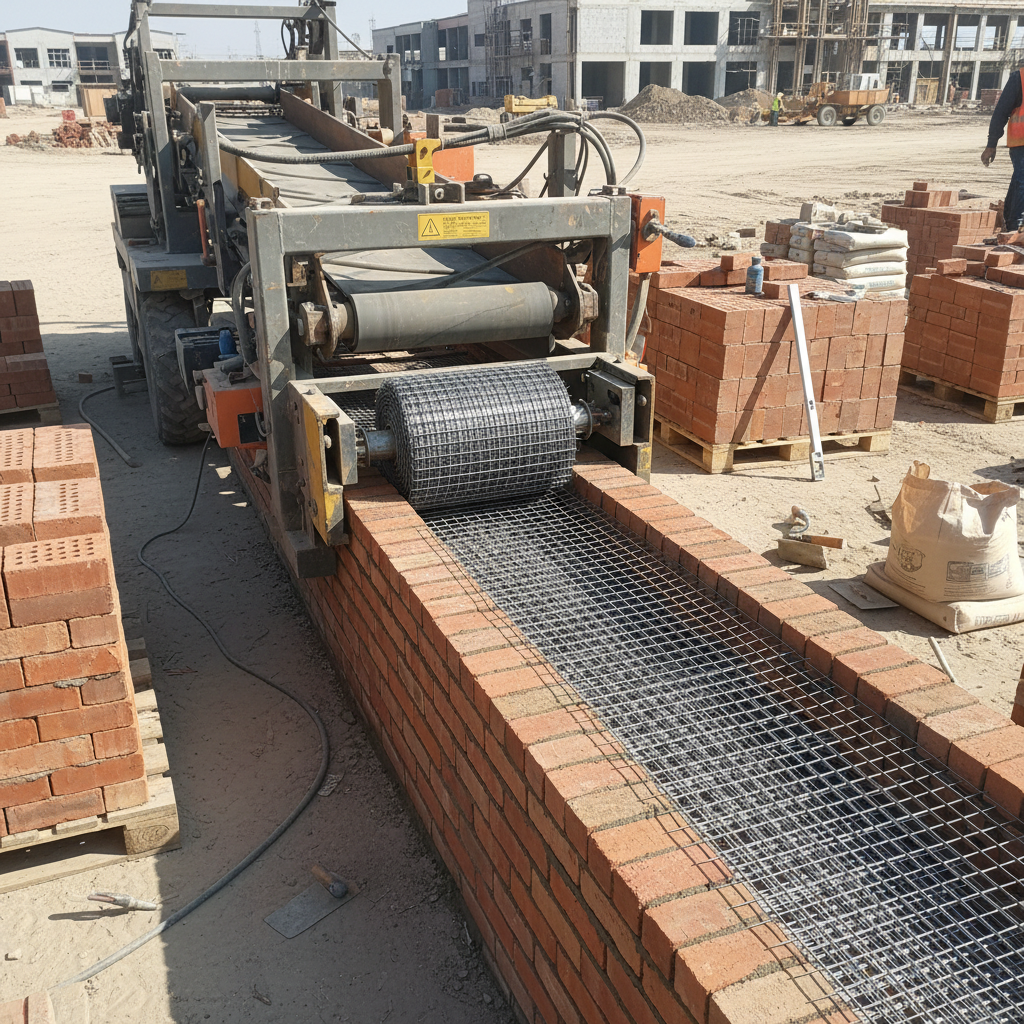
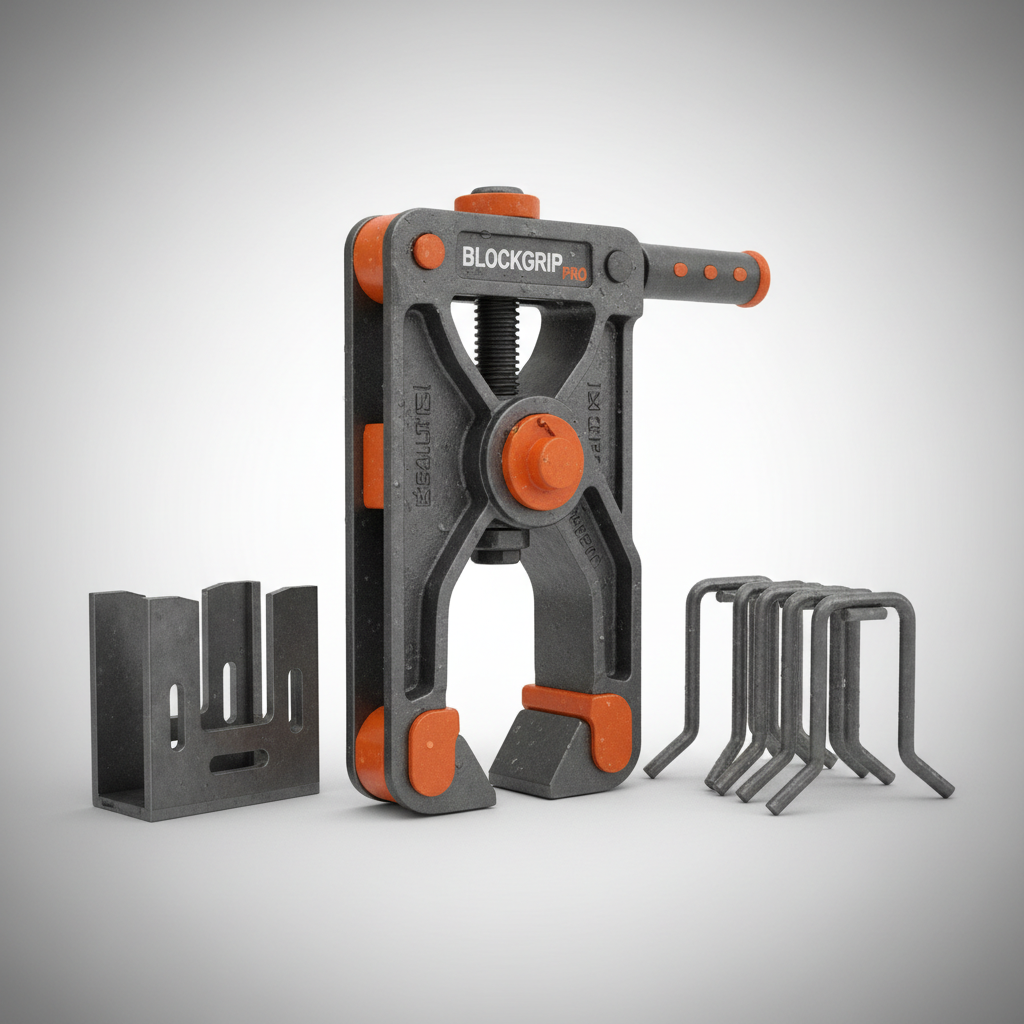
Essentially, brickwork accessories are the supplementary elements used in conjunction with bricks and mortar to complete a construction project. This includes items like brick ties, lintels, damp-proof courses, wall starters, and specialized mortars. They aren’t merely additions; they’re integral parts of the structure, contributing to its stability, longevity, and overall performance. Their importance aligns with the growing need for resilient infrastructure and efficient building solutions.


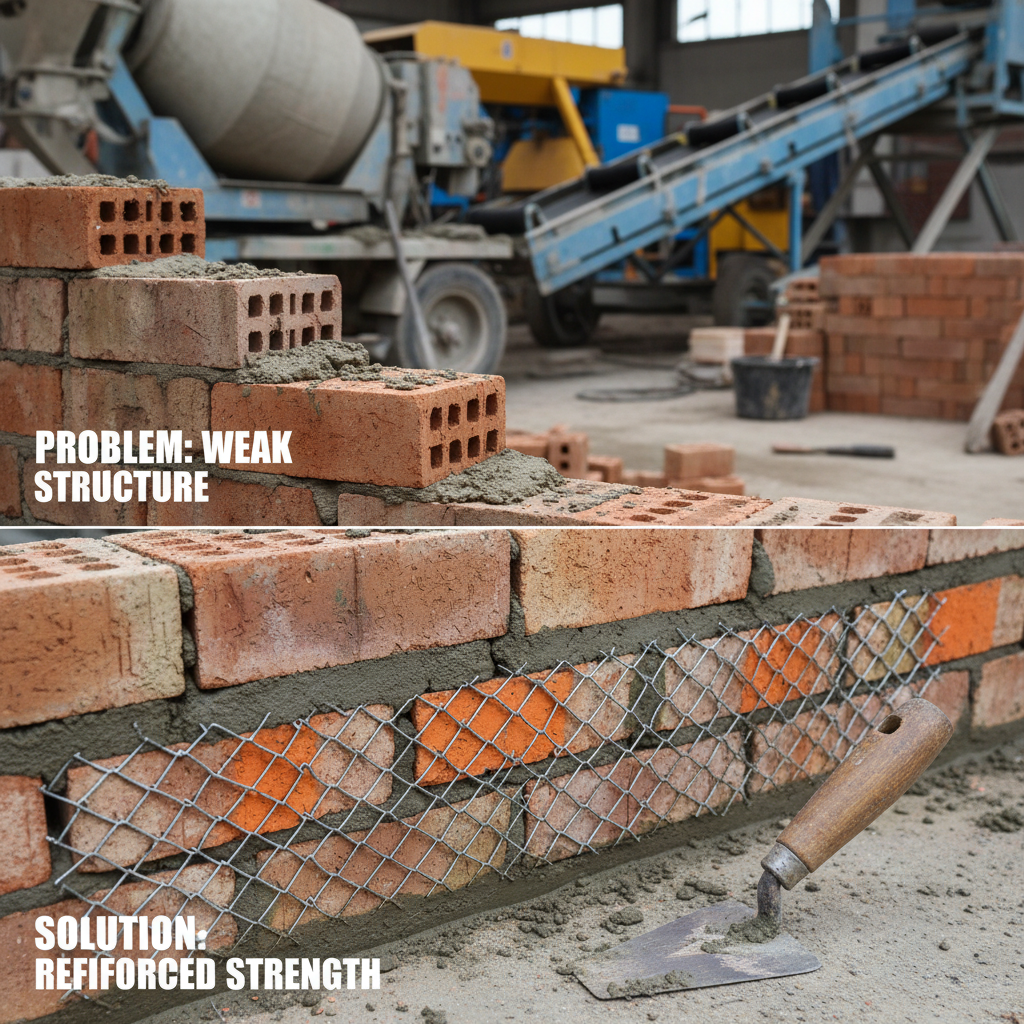
Without the correct brickwork accessories, even a perfectly laid brick structure can be compromised. Issues like cracking, water damage, and structural instability can arise. High-quality accessories ensure longevity, enhance safety, and provide a finished aesthetic that meets modern building standards. Investing in quality accessories is a proactive measure against costly repairs and future maintenance.
The proper selection of accessories isn't simply about following a checklist; it's about understanding the specific demands of a project. Factors like the local climate, the type of brick used, and the intended load-bearing capacity all influence accessory choices. A skilled bricklayer, combined with quality accessories, represents the cornerstone of a successful building project.
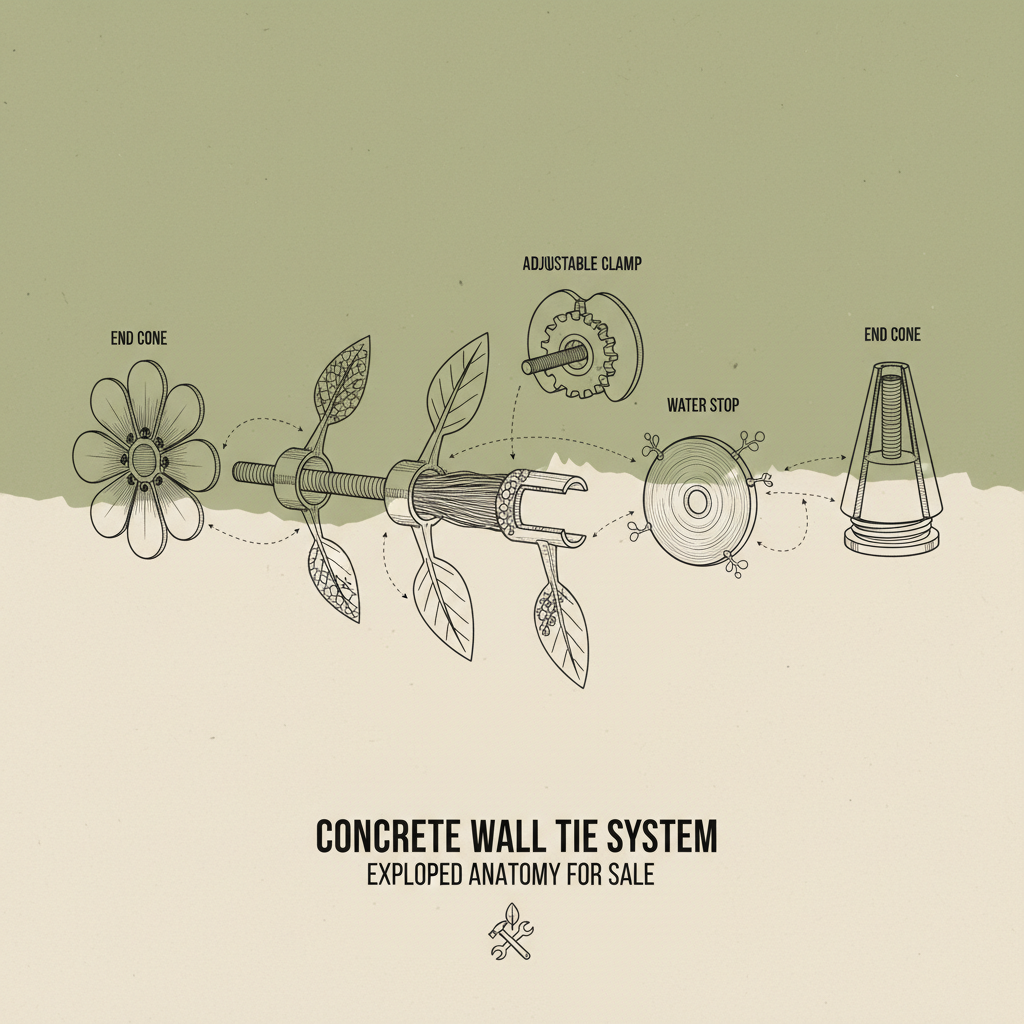
Brick ties are essential for connecting the inner and outer leaves of a cavity wall, providing structural stability and preventing lateral movement. They transfer wind loads and other stresses between the leaves, ensuring the wall acts as a unified structure. Proper tie spacing and material selection are crucial for compliance with building regulations and long-term performance. Choosing corrosion-resistant ties is particularly important in coastal areas or environments prone to dampness.
Determining the correct lintel size requires considering several factors, including the span of the opening, the load it needs to support (brickwork above and any additional loads), and the material of the lintel. Structural calculations are often necessary, particularly for larger openings. Building regulations provide guidance on minimum lintel sizes, but a qualified structural engineer should be consulted for complex projects to ensure adequate load-bearing capacity and safety.
A damp-proof course (DPC) prevents rising damp from affecting the walls of a building. Rising damp can cause significant damage, including structural deterioration, efflorescence (salt deposits), and health problems. A DPC creates a barrier to moisture, keeping the interior of the building dry and protecting the structure. It's a critical component of any brick construction, especially in areas with high rainfall or groundwater levels.
Selecting the right mortar depends on several factors, including the type of brick being used, the environmental conditions, and the desired aesthetic finish. Different mortar mixes have varying strengths, flexibility, and permeability. For example, softer lime-based mortars are often used with older, softer bricks, while stronger cement-based mortars are suitable for modern bricks. Compatibility between the mortar and the brick is crucial to avoid cracking and deterioration.
Pre-cast wall starters ensure a level and accurate foundation for the first course of bricks, saving time and effort during construction. They provide a consistent starting point and minimize the risk of uneven walls. They also offer improved accuracy compared to traditional methods, resulting in a more professional-looking finish. They are particularly useful for large-scale projects where speed and precision are essential.
Yes, there are increasingly more environmentally friendly alternatives available. These include accessories made from recycled materials, bio-based polymers, and sustainable timber. For example, some manufacturers are producing brick ties from recycled plastic, and others are developing natural lime-based mortars. These eco-friendly options reduce the environmental impact of construction without compromising performance or durability. Choosing these alternatives supports a more sustainable building industry.
In conclusion, brickwork accessories are far more than mere supplementary elements; they represent a critical investment in the longevity, safety, and sustainability of any brick structure. From providing essential structural support to enhancing thermal performance and aesthetic appeal, these components play a vital role in ensuring a durable and reliable building. Understanding their function, proper application, and emerging trends is paramount for both professionals and enthusiasts.
Looking ahead, the integration of innovative materials, digital technologies, and sustainable practices will continue to shape the future of brickwork accessories. Embracing these advancements will allow the construction industry to build more resilient, efficient, and environmentally responsible structures. For all your brickwork accessory needs, explore our comprehensive range of products at brickwork accessories.