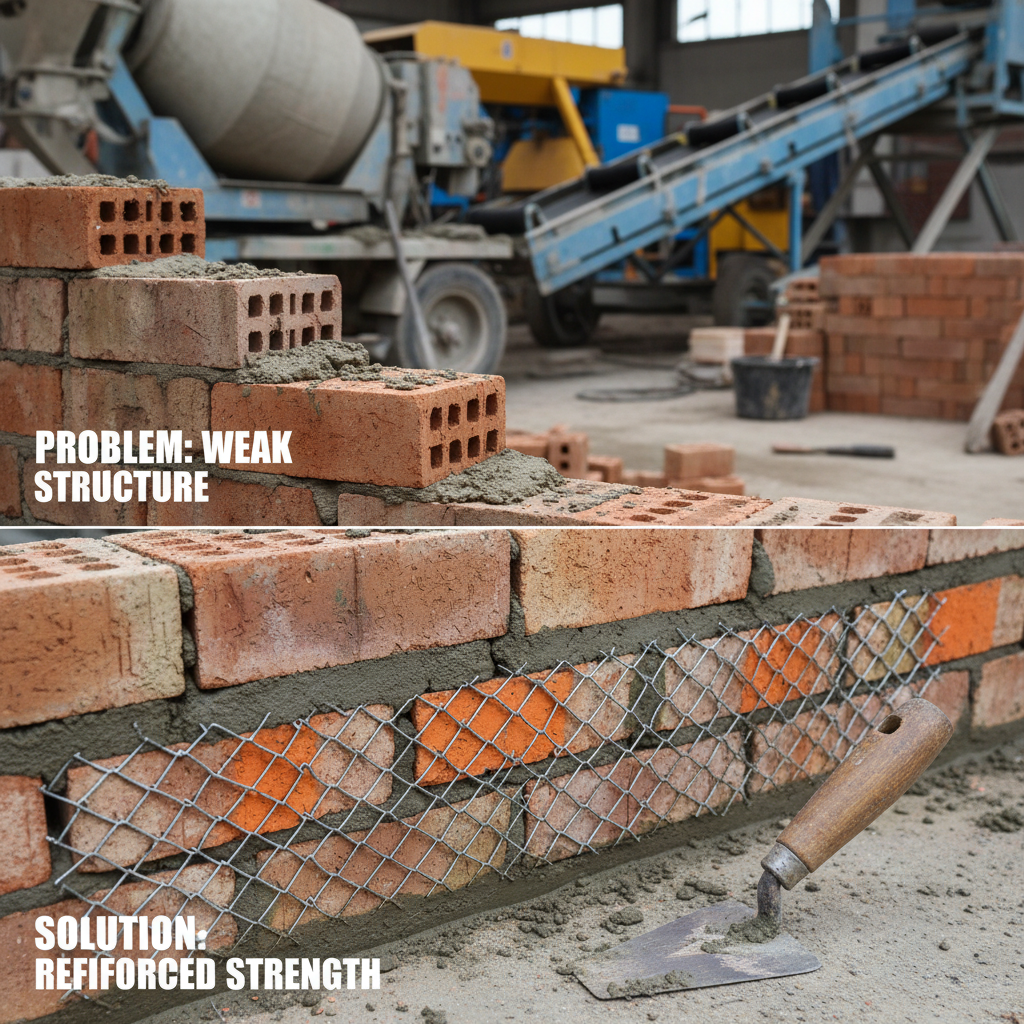
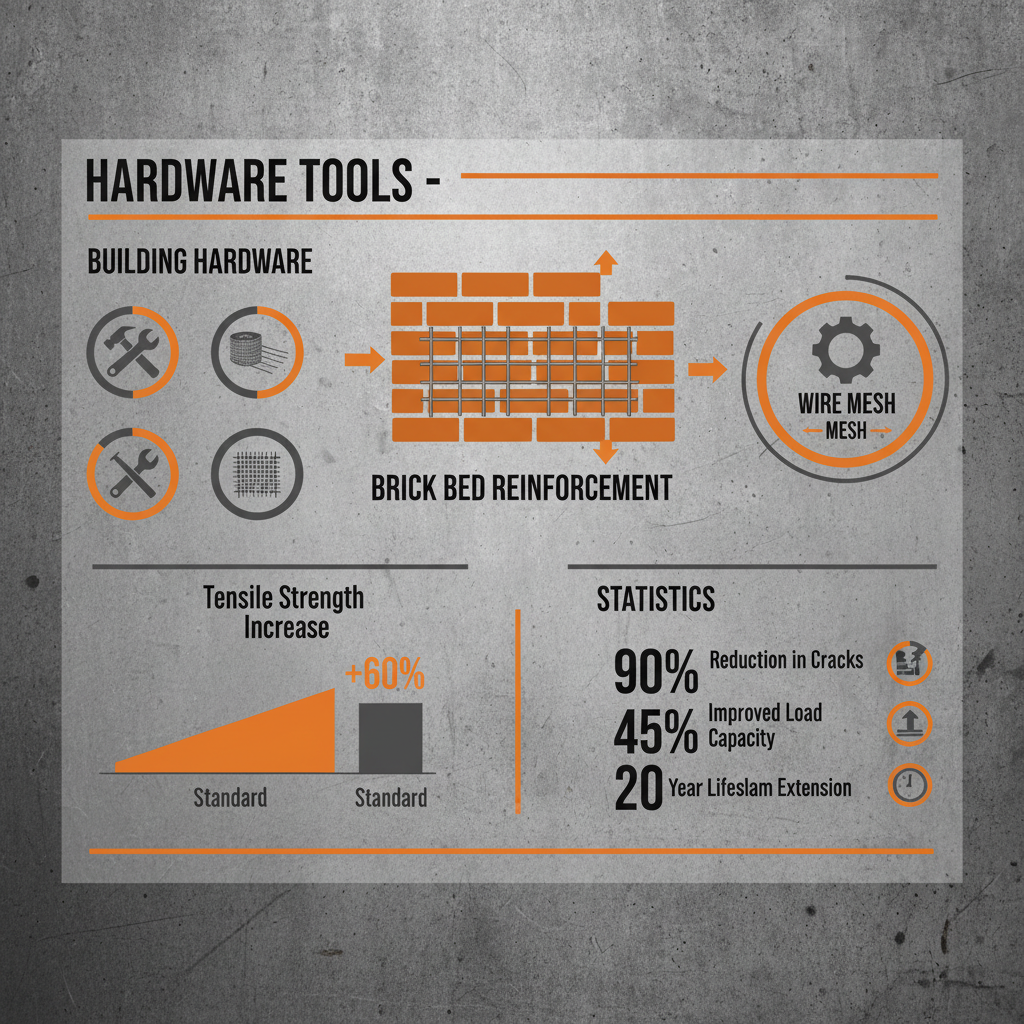
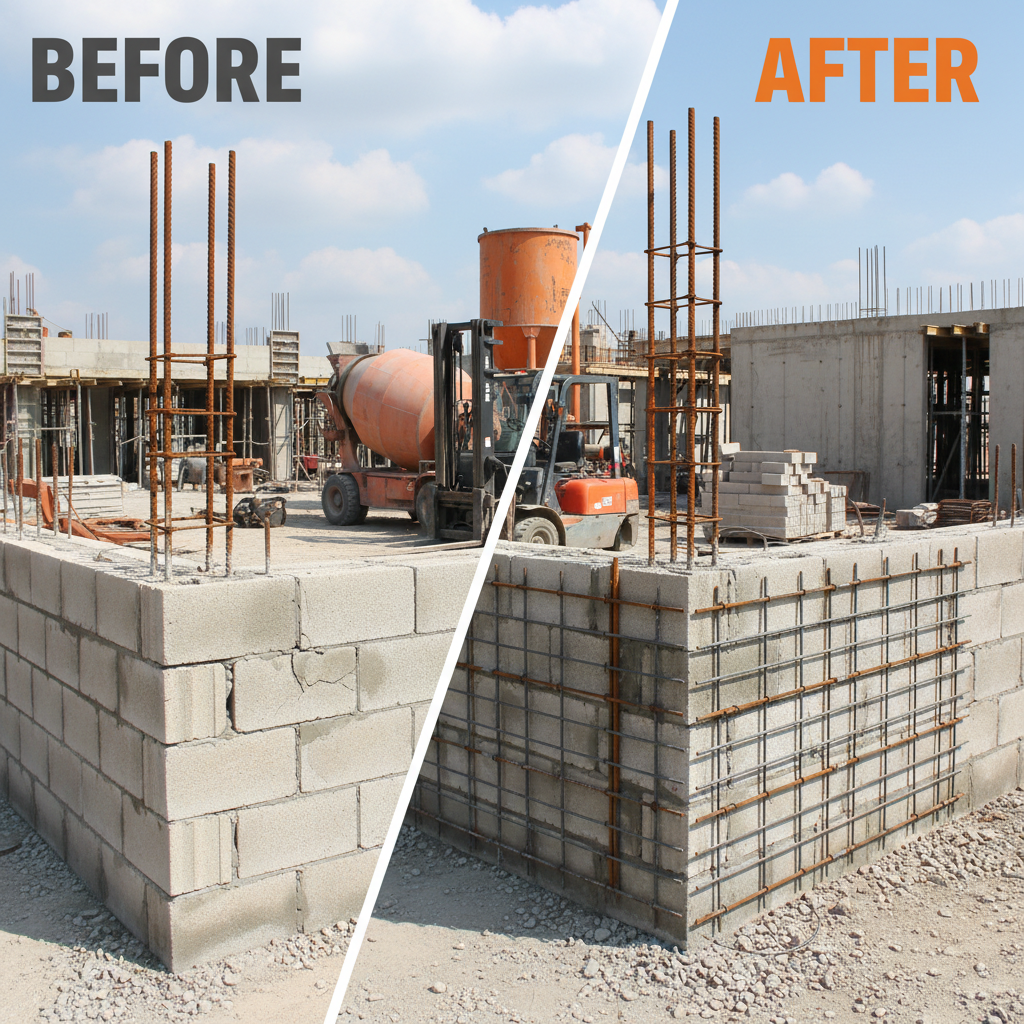
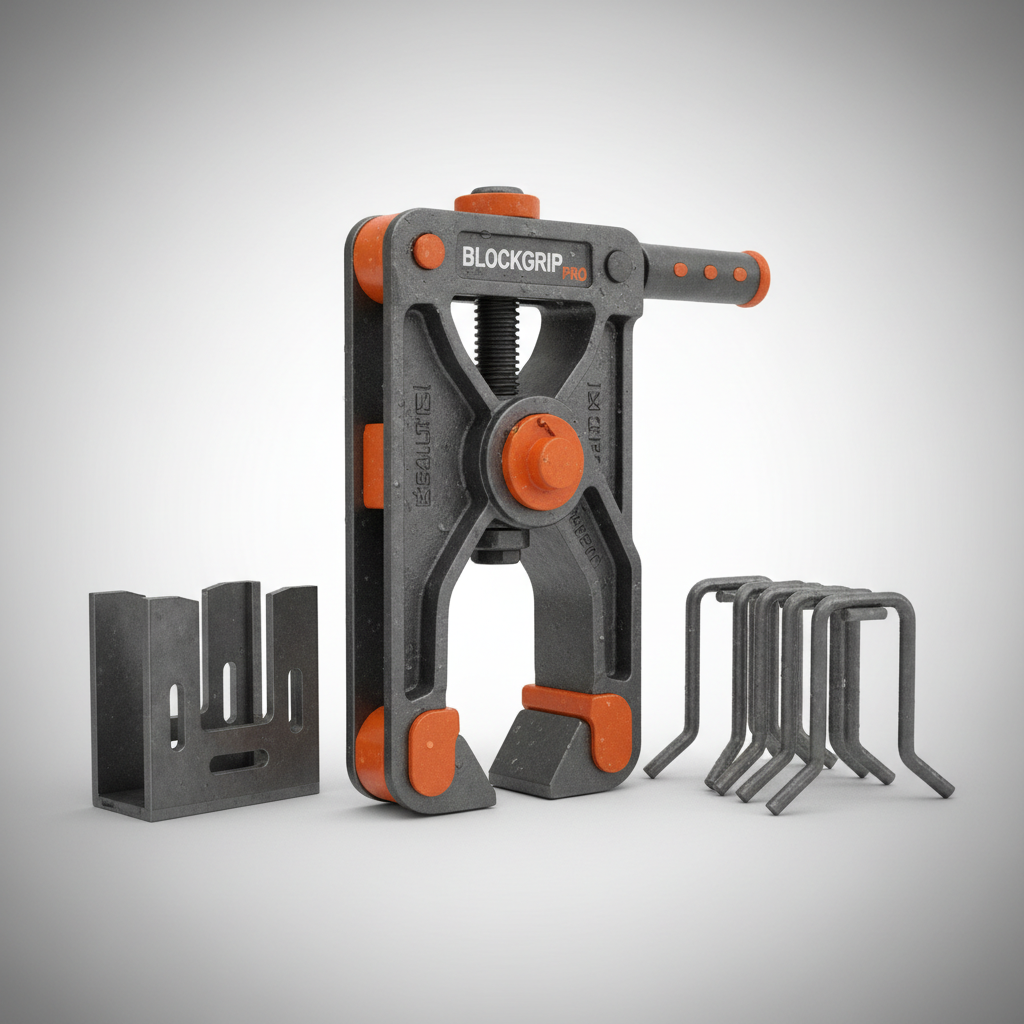
Brick bed reinforcement is a critical element in modern construction, particularly in regions prone to seismic activity or unstable ground conditions. It enhances the structural integrity of brickwork, preventing collapse and ensuring the longevity of buildings. Understanding the principles and best practices of brick bed reinforcement is paramount for engineers, contractors, and building owners seeking safe, durable, and cost-effective construction solutions.
Globally, the need for robust and reliable building structures is constantly increasing due to factors like urbanization, population growth, and climate change. Traditional brick construction, while widely used, is inherently vulnerable to stresses. Effective brick bed reinforcement addresses these vulnerabilities, offering a practical solution to mitigate risks and improve overall structural performance. This is especially important in developing countries where brick is a primary building material.
Investing in proper brick bed reinforcement yields significant long-term benefits, including enhanced safety, reduced maintenance costs, and increased property value. It’s a proactive measure that safeguards lives and assets, ensuring a more resilient built environment for generations to come. Selecting the correct reinforcement method, materials, and installation techniques is crucial for achieving optimal results.
The Importance of Brick Bed Reinforcement
Brick, a time-honored building material, offers durability and aesthetic appeal. However, without proper reinforcement, brick structures are susceptible to cracking, shifting, and even collapse, especially under stress from earthquakes, soil settlement, or thermal expansion. Brick bed reinforcement is not merely an add-on; it’s an integral part of a sound structural design.
The cost of neglecting brick bed reinforcement can be far greater than the initial investment. Structural failures lead to costly repairs, potential injuries, and, in the worst cases, loss of life. Proactive reinforcement measures, utilizing materials like steel rebar, wire mesh, or specialized composite materials, provide a crucial layer of protection and ensure the long-term stability of brick constructions.
Defining Brick Bed Reinforcement
Brick bed reinforcement refers to the process of incorporating materials within the mortar joints of brick masonry to enhance its tensile strength and overall structural performance. It essentially transforms the relatively brittle brick assembly into a more cohesive and resilient structure capable of withstanding various stresses. This is achieved by resisting the propagation of cracks and distributing loads more evenly throughout the wall.
Historically, brick bed reinforcement often involved the use of metal wires or rods embedded horizontally within the mortar. Modern techniques now incorporate a broader range of materials and methods, including stainless steel rebar, fiberglass rebar, and specialized mortar admixtures. The selection of the appropriate reinforcement method depends on factors like the building’s location, intended use, and local building codes.
Understanding the purpose of brick bed reinforcement is vital in modern construction, as it directly connects to the safety and reliability of the built environment. Properly implemented reinforcement minimizes the risk of structural failure, safeguards lives, and ensures the longevity of brick constructions.
Key Factors in Effective Reinforcement
Material Selection: The choice of reinforcement material significantly impacts performance. Steel rebar offers high tensile strength but can be susceptible to corrosion. Stainless steel provides superior corrosion resistance but at a higher cost. Fiberglass rebar is lightweight and corrosion-resistant, making it ideal for specific applications.
Placement and Spacing: Correct placement and spacing of reinforcement are crucial. Reinforcement should be strategically positioned within the mortar joints to effectively resist tensile stresses. The spacing between reinforcement elements depends on the wall’s height, the brick’s compressive strength, and the anticipated loads.
Mortar Compatibility: The mortar used in conjunction with brick bed reinforcement must be compatible with the reinforcement material to ensure adequate bonding and prevent corrosion. Specialized mortars designed for use with reinforcement materials are often recommended.
Load Distribution: Effective brick bed reinforcement redistributes loads throughout the masonry structure, preventing localized stress concentrations that can lead to cracking or failure. This is particularly important in areas subject to high wind loads or seismic activity.
Corrosion Protection: For steel reinforcement, appropriate corrosion protection measures, such as galvanizing or epoxy coating, are essential to prevent deterioration and maintain long-term structural integrity.
Building Codes and Standards: Compliance with local building codes and industry standards is paramount. Codes often specify minimum reinforcement requirements based on the building’s occupancy and location.
Global Applications and Industry Standards
Brick bed reinforcement is employed worldwide in a diverse range of construction projects, from residential buildings to industrial facilities and infrastructure projects. In earthquake-prone regions like Japan, Chile, and California, it’s a standard practice to reinforce brick masonry to enhance its seismic resistance.
Across Europe, particularly in historic preservation projects, brick bed reinforcement is used to stabilize and restore aging brick structures without compromising their architectural integrity. Many UNESCO World Heritage Sites utilize reinforced brick masonry to preserve cultural landmarks for future generations.
Industry standards, such as those developed by the International Masonry Institute (IMI) and the American Concrete Institute (ACI), provide guidelines for the design and installation of brick bed reinforcement. These standards are constantly evolving to incorporate new materials and technologies and to address emerging challenges in the construction industry.
Brick Bed Reinforcement Effectiveness by Method
Advantages and Long-Term Value Proposition
Implementing brick bed reinforcement offers a multitude of benefits, including significantly enhanced structural integrity, reduced repair costs, and increased building lifespan. A reinforced brick structure is demonstrably more resistant to cracking, shifting, and collapse, providing a safer environment for occupants.
From a sustainability perspective, reinforcing existing brick structures is often more environmentally friendly than demolition and reconstruction. It conserves resources, reduces waste, and minimizes the carbon footprint associated with new construction. The long-term cost savings associated with reduced maintenance and repairs further enhance the value proposition.
Future Trends in Brick Bed Reinforcement
Ongoing research and development are focused on innovative reinforcement materials and techniques. The use of fiber-reinforced polymers (FRPs) and carbon fiber rebar is gaining traction due to their lightweight, high strength, and corrosion resistance. These materials offer significant advantages over traditional steel reinforcement in certain applications.
Digital technologies, such as Building Information Modeling (BIM), are being increasingly used to optimize the design and installation of brick bed reinforcement. BIM allows engineers to simulate structural behavior, identify potential weaknesses, and refine reinforcement strategies to maximize performance.
Challenges and Innovative Solutions
A key challenge in brick bed reinforcement is ensuring proper bonding between the reinforcement material and the mortar. Poor bonding can significantly reduce the effectiveness of the reinforcement. Innovative solutions, such as surface treatments and specialized mortar admixtures, are being developed to improve bonding performance.
Another challenge is the cost of reinforcement materials, particularly those with superior corrosion resistance. Researchers are exploring cost-effective alternatives, such as utilizing recycled materials or developing new composite materials with comparable properties.
Retrofitting existing brick structures with reinforcement can also be challenging, particularly in situations where access is limited or the structure is severely deteriorated. Non-invasive reinforcement techniques, such as surface-mounted FRPs, are gaining popularity as a viable solution for retrofitting projects.
Summary of Challenges and Solutions in Brick Bed Reinforcement
| Challenge |
Impact on Reinforcement |
Proposed Solution |
Implementation Complexity (1-5) |
| Poor Bonding |
Reduced tensile strength, reinforcement slippage |
Specialized mortar admixtures, surface preparation |
3 |
| Corrosion of Steel Rebar |
Structural weakening, reduced lifespan |
Galvanizing, epoxy coating, stainless steel alternatives |
4 |
| High Material Costs |
Limits widespread adoption, impacts project budget |
Recycled materials, cost-effective composites |
2 |
| Retrofitting Difficulties |
Access limitations, structural deterioration |
Surface-mounted FRPs, minimal invasive techniques |
3 |
| Inadequate Design |
Insufficient reinforcement, localized stress |
BIM modeling, structural analysis |
4 |
| Lack of Skilled Labor |
Improper installation, reduced effectiveness |
Training programs, certification standards |
2 |
FAQS
Brick bed reinforcement significantly improves the ability of brick structures to withstand seismic forces by enhancing their ductility and tensile strength. It helps to prevent catastrophic collapse during earthquakes, protecting lives and minimizing damage. The reinforcement distributes stresses more evenly, reducing the likelihood of localized failures. Properly reinforced brick structures can meet or exceed seismic performance requirements outlined in building codes, making them safer and more resilient in earthquake-prone regions.
The choice of reinforcement material directly influences long-term durability. Steel rebar, while strong, is susceptible to corrosion, potentially weakening the structure over time. Stainless steel offers superior corrosion resistance but is more expensive. Fiberglass rebar is lightweight, non-corrosive, and has a high tensile strength, making it an excellent option for long-lasting reinforcement. Consider the environmental conditions and potential exposure to corrosive elements when selecting the optimal material to ensure the longevity of the brick wall.
Typical spacing for reinforcement varies based on several factors, including wall height, brick compressive strength, and anticipated loads. Generally, horizontal reinforcement is installed every 16-24 inches, but this can be adjusted based on engineering calculations. Vertical reinforcement may also be required in specific applications. Consulting with a structural engineer is crucial to determine the appropriate spacing for a given project to ensure adequate reinforcement without overspending on materials.
Yes, brick bed reinforcement can be applied to existing structures, known as retrofitting. This often involves surface-mounted FRPs, which are bonded to the brick surface without significant structural alterations. Another method involves carefully cutting grooves into the mortar joints to insert reinforcement. Retrofitting requires a thorough structural assessment to determine the extent of reinforcement needed and to ensure the existing brick is in suitable condition. It’s essential to follow established guidelines and best practices to avoid damaging the structure during the process.
Building codes establish minimum reinforcement requirements based on the building’s occupancy, location, and potential hazards. These codes specify the type of reinforcement, spacing, and installation procedures that must be followed to ensure structural safety. Compliance with local building codes is mandatory for all construction projects. Engineers and contractors must be familiar with the relevant codes and standards to ensure that the brick bed reinforcement meets all regulatory requirements.
While brick bed reinforcement does add to the initial construction cost, it’s a worthwhile investment when considering the long-term benefits. The cost is relatively small compared to the potential costs of structural failure, repairs, or rebuilding. Furthermore, reinforced brick structures often have a longer lifespan and require less maintenance, resulting in significant cost savings over time. Choosing the appropriate reinforcement material and optimizing the design can also help to minimize costs without compromising structural integrity.
Conclusion
In conclusion, brick bed reinforcement is an indispensable component of modern construction, offering a cost-effective and reliable solution to enhance the structural integrity and longevity of brick masonry. From mitigating seismic risks to improving resistance to environmental factors, reinforcement provides invaluable protection and peace of mind. Investing in proper brick bed reinforcement not only safeguards lives and assets but also contributes to a more sustainable and resilient built environment.
Looking ahead, the future of brick bed reinforcement will be shaped by innovative materials, advanced technologies, and evolving building codes. Embracing these advancements and prioritizing best practices will be crucial for ensuring the continued safety, durability, and sustainability of brick constructions. For expert guidance and high-quality reinforcement solutions, visit our website at brick bed reinforcement.