- Mobile Phone
- +8613931874955
- sales@cntcmetal.com
Concrete block accessories are vital components in modern construction, extending the functionality and longevity of concrete masonry units. Globally, the demand for affordable and resilient building materials is escalating due to population growth, urbanization, and increasing disaster risks. Understanding these accessories – from lintels and sills to wall ties and joint reinforcement – is paramount for structural integrity, cost-effectiveness, and adherence to building codes. They enable efficient construction processes and enhance the overall performance of concrete block structures.
The global construction industry is a multi-trillion dollar market, heavily reliant on concrete as a fundamental material. However, the full potential of concrete block construction is only realized when combined with appropriate accessories. The UN estimates that over a billion people lack adequate housing, and sustainable, rapidly deployable solutions are urgently needed. Concrete block accessories play a crucial role in facilitating such solutions, providing strength, stability, and protection against the elements.
Investing in knowledge and innovation surrounding concrete block accessories is therefore not merely a construction concern; it's an investment in safer, more sustainable communities, and more resilient infrastructure worldwide. From supporting critical infrastructure projects to providing emergency shelter in disaster zones, the impact is far-reaching and significant.
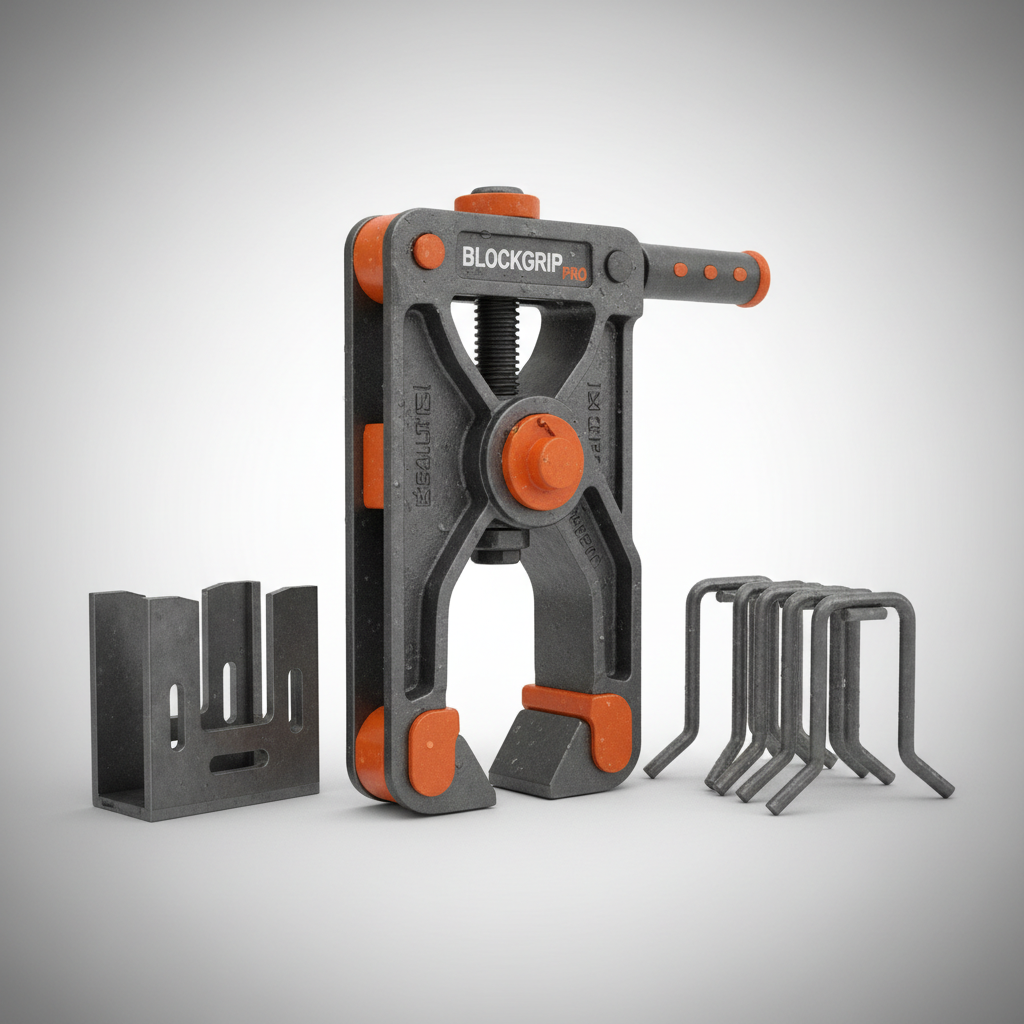
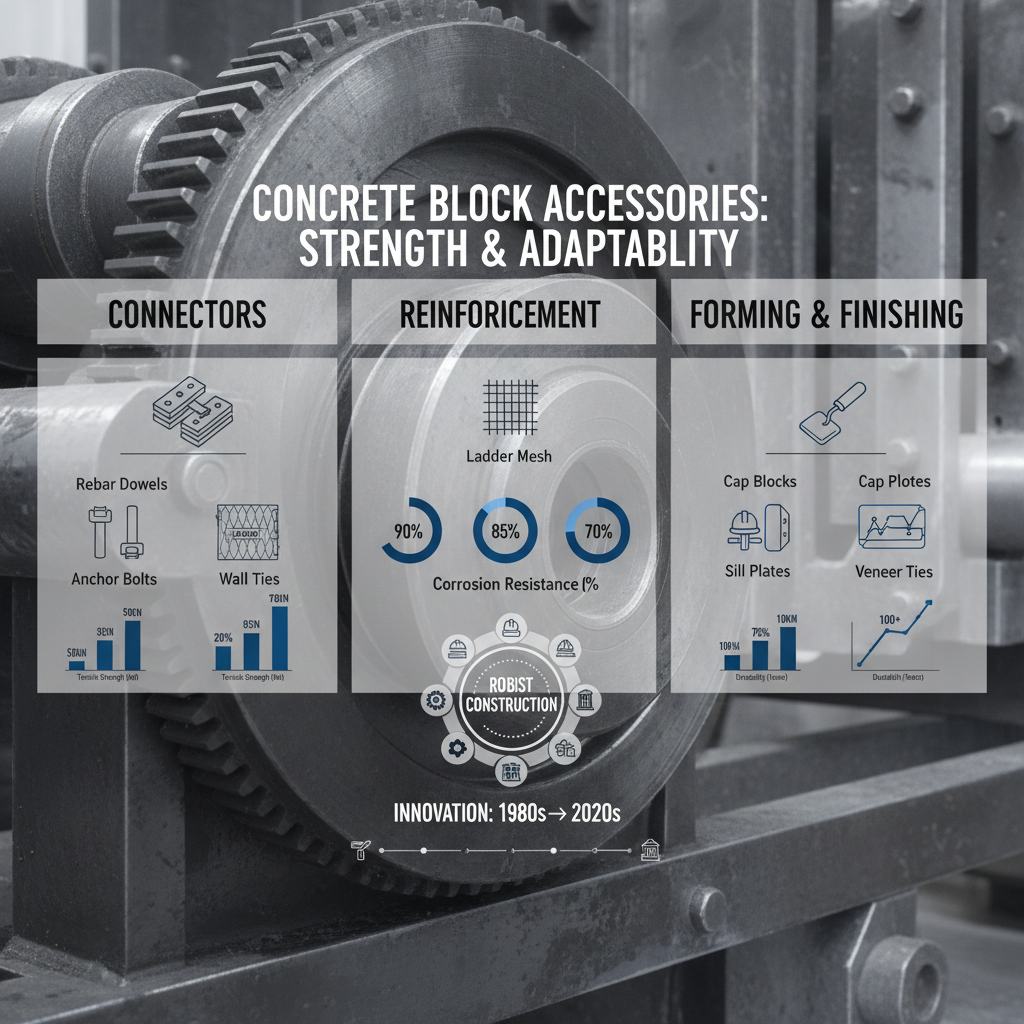
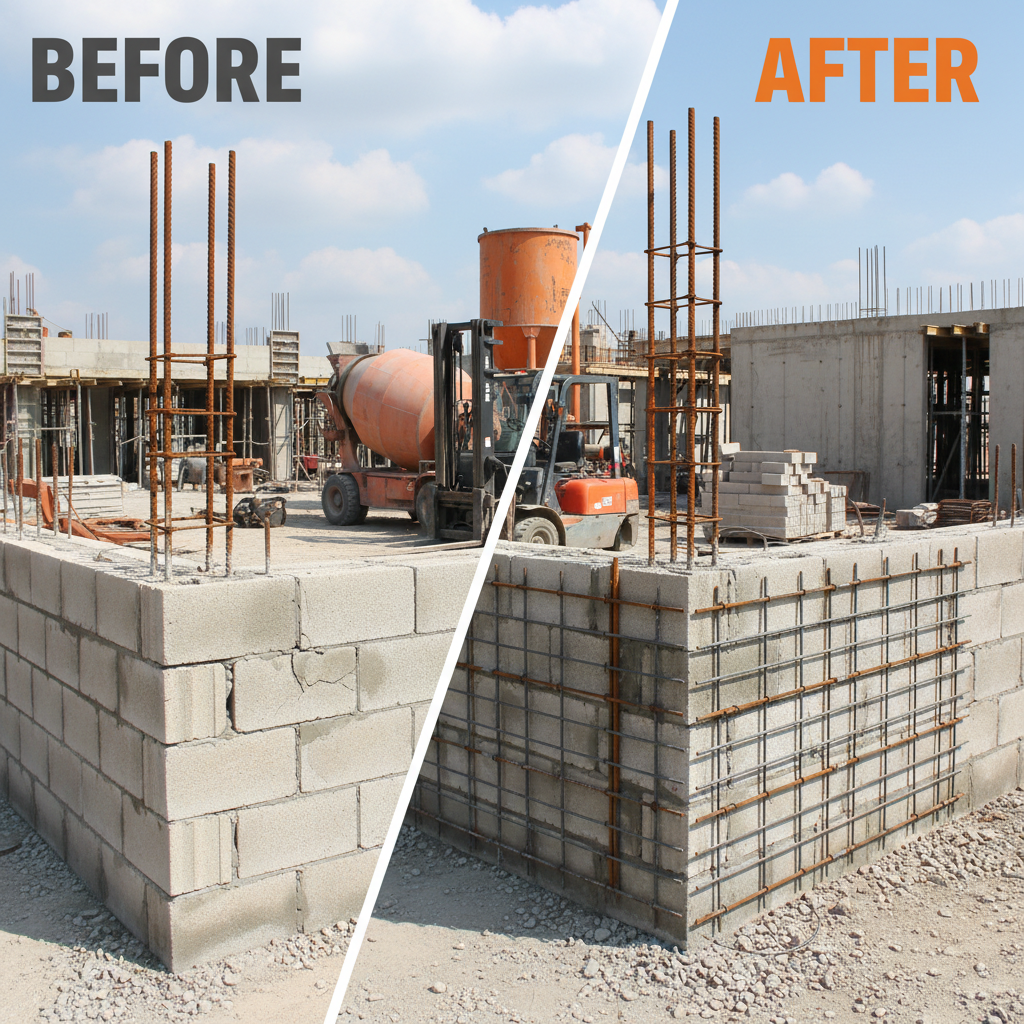
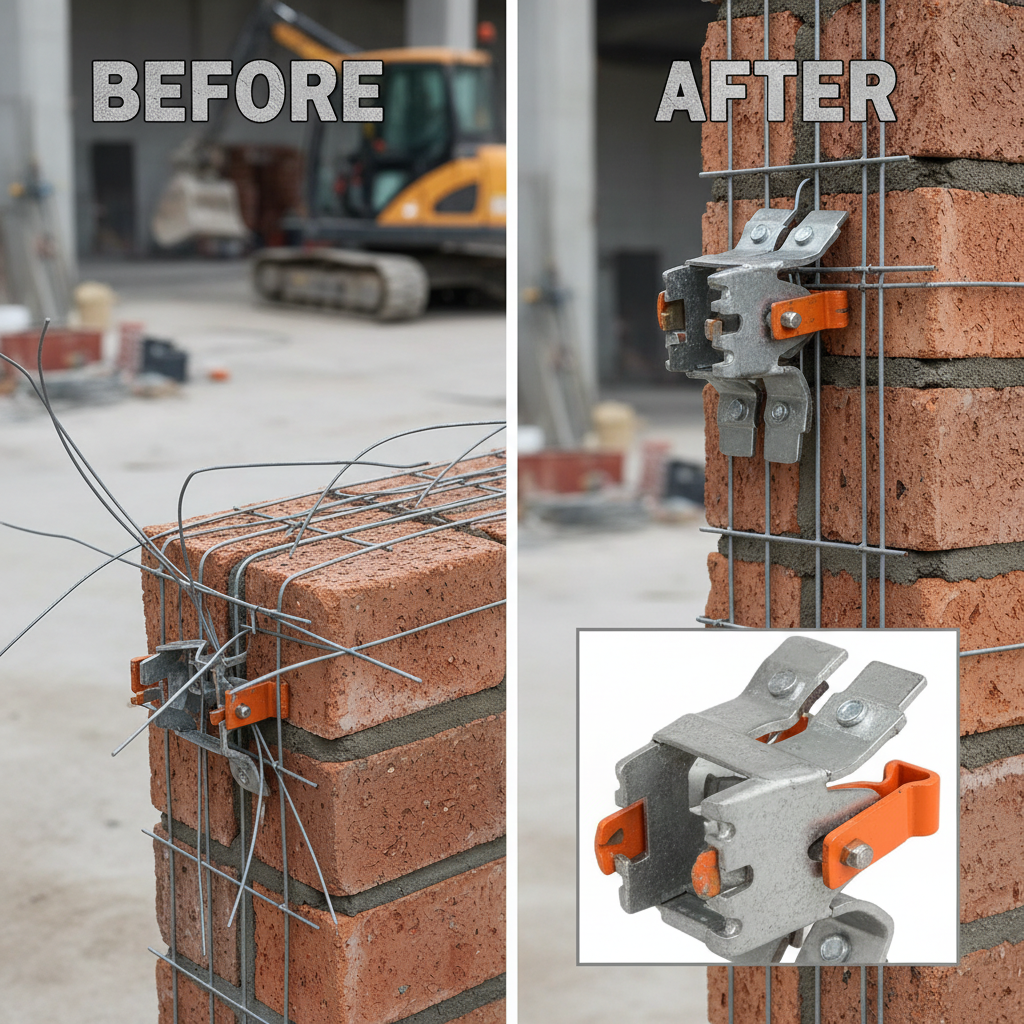
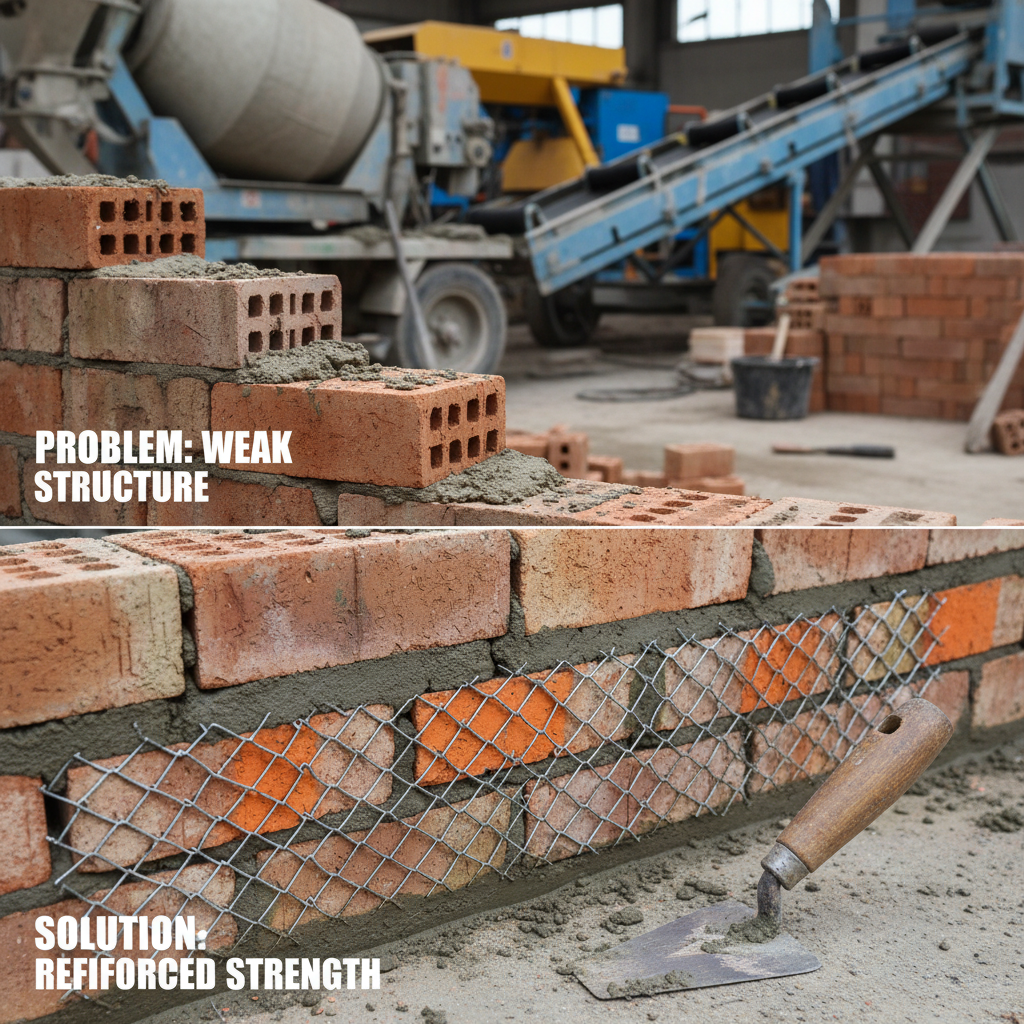
Concrete block accessories aren’t merely add-ons; they are integral to the structural performance and lifespan of any concrete block construction. Without properly installed lintels, for instance, walls are vulnerable to cracking and collapse above openings. Similarly, wall ties provide lateral stability, preventing bowing and ensuring the entire structure acts as a unified whole.
These accessories address the inherent limitations of concrete block, offering solutions for load distribution, thermal expansion, seismic activity, and moisture control. Properly selected and installed concrete block accessories contribute significantly to the safety, durability, and overall quality of the building.
With proper design, material selection, and installation of concrete block accessories, structures can easily last for 75-100 years or more. The longevity depends on environmental factors like climate and exposure to chemicals, as well as regular maintenance. Using corrosion-resistant accessories is key to extending lifespan, especially in coastal or industrial environments. Regular inspections and timely repairs will also significantly contribute to a structure's durability.
Specific accessories, like wall ties and joint reinforcement designed for seismic zones, dramatically improve a structure's ability to withstand earthquake forces. These accessories provide lateral load resistance, preventing walls from collapsing or separating during ground motion. Proper detailing and adherence to seismic building codes are crucial. The correct selection of accessory materials and their integration with the overall structural design are paramount for effective seismic performance.
Concrete block accessories can be quite sustainable, especially when utilizing recycled materials or corrosion-resistant options that extend building lifespan and reduce the need for replacements. Choosing locally sourced accessories reduces transportation emissions. Furthermore, the durability of concrete block construction reduces lifecycle waste compared to materials requiring more frequent replacement. Considering accessories made from materials with low embodied energy contributes to greener building practices.
Key considerations include the span of the opening, the load-bearing capacity required, and the type of block being used. Lintels must be adequately sized to support the weight above the opening without deflection or failure. Material selection (steel, precast concrete, etc.) depends on environmental conditions and load requirements. Proper bearing length is also crucial for ensuring adequate load distribution and preventing cracking. Always consult structural engineering calculations for accurate sizing and specifications.
Proper installation requires skilled labor and adherence to manufacturer's instructions and relevant building codes. Training programs for masons are essential to ensure correct techniques. Thorough inspection during and after installation is crucial to identify and correct any deficiencies. Utilizing appropriate tools and following detailed installation guides will minimize errors and maximize the performance of the accessories. A quality control checklist can help standardize the installation process.
While higher-quality concrete block accessories may have a higher upfront cost, they often result in long-term savings. Increased durability reduces the need for repairs and replacements, lowering lifecycle costs. Improved structural performance enhances safety and reduces potential risks. Corrosion-resistant accessories minimize maintenance and extend the building's lifespan. A holistic cost-benefit analysis considering long-term savings typically justifies the investment in higher-quality accessories.
Concrete block accessories are far more than simple add-ons; they are the critical components that unlock the full potential of concrete masonry construction. From enhancing structural integrity and resilience to promoting sustainability and cost-effectiveness, these accessories play a vital role in building safer, more durable, and more sustainable communities worldwide. Understanding their function, selection, and proper installation is paramount for any construction project utilizing concrete blocks.
As we look to the future, continued innovation in materials, design, and installation techniques will further enhance the performance and sustainability of concrete block structures. Embracing these advancements and prioritizing quality will ensure that concrete block construction remains a viable and valuable building solution for generations to come. For more information and a comprehensive range of high-quality accessories, visit our website: www.cntcmetal.com.