- Mobile Phone
- +8613931874955
- sales@cntcmetal.com
Masonry joint reinforcement – it’s not glamorous work, but it's absolutely foundational. For years, I've walked construction sites, talked to the crews getting their hands dirty, and seen firsthand what happens when you cut corners on this critical step. It’s not just about building walls; it's about building structures that last – structures that can withstand the test of time, the pressures of the environment, and, increasingly, the impact of natural disasters. We’re seeing a global rise in extreme weather events, and the integrity of our built environment is directly tied to the effectiveness of techniques like masonry joint reinforcement.
The demand for durable, resilient infrastructure is skyrocketing. Think about rapid urbanization, particularly in developing nations. They need cost-effective building solutions, and proper joint reinforcement is a key element of that. It's also vital for preserving historic structures – we're facing a growing need to restore and protect our architectural heritage. And honestly, even on standard residential projects, a robust approach to masonry joint reinforcement reduces long-term maintenance costs and increases property value.
Simply put, masonry joint reinforcement is about proactively mitigating risk. It's about avoiding costly repairs down the line, and, most importantly, it’s about ensuring the safety of the people who live and work within these structures. This isn’t theoretical stuff we’re talking about; it’s real-world impact.
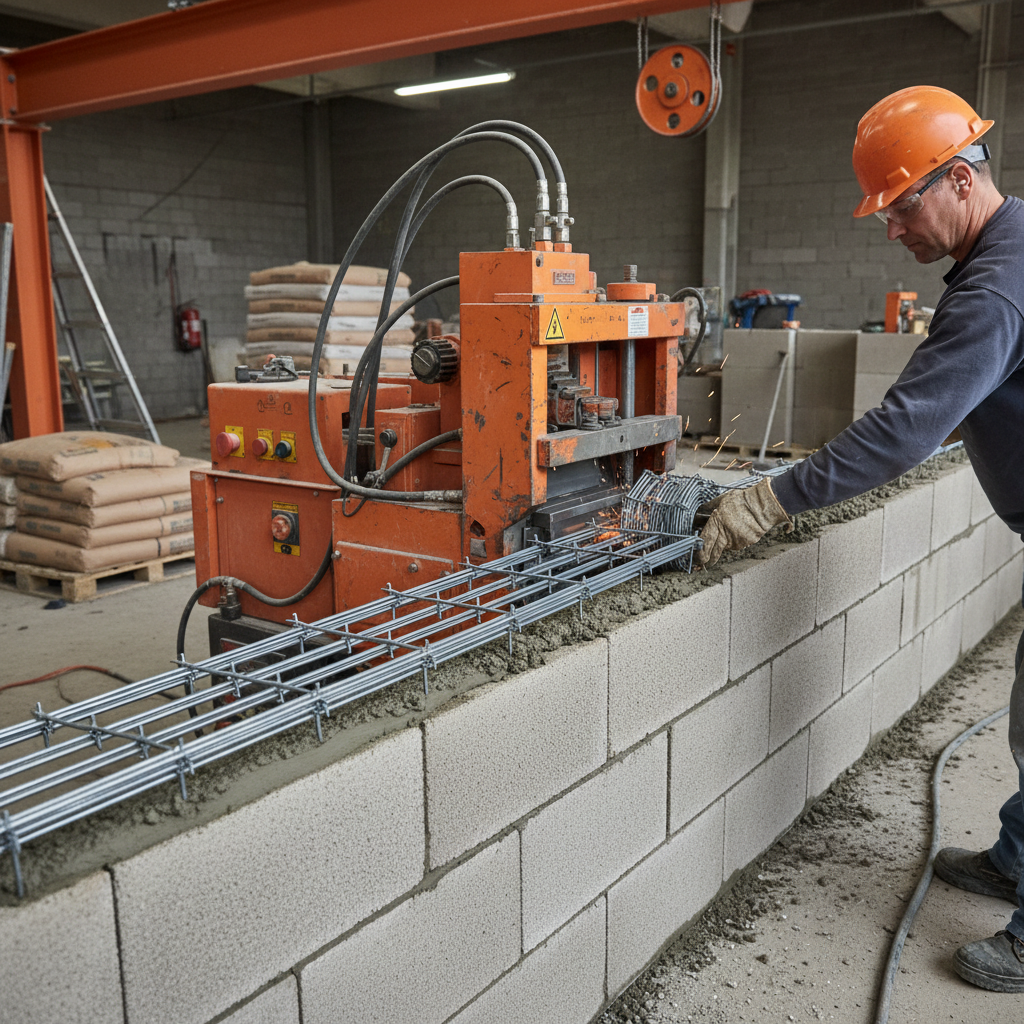
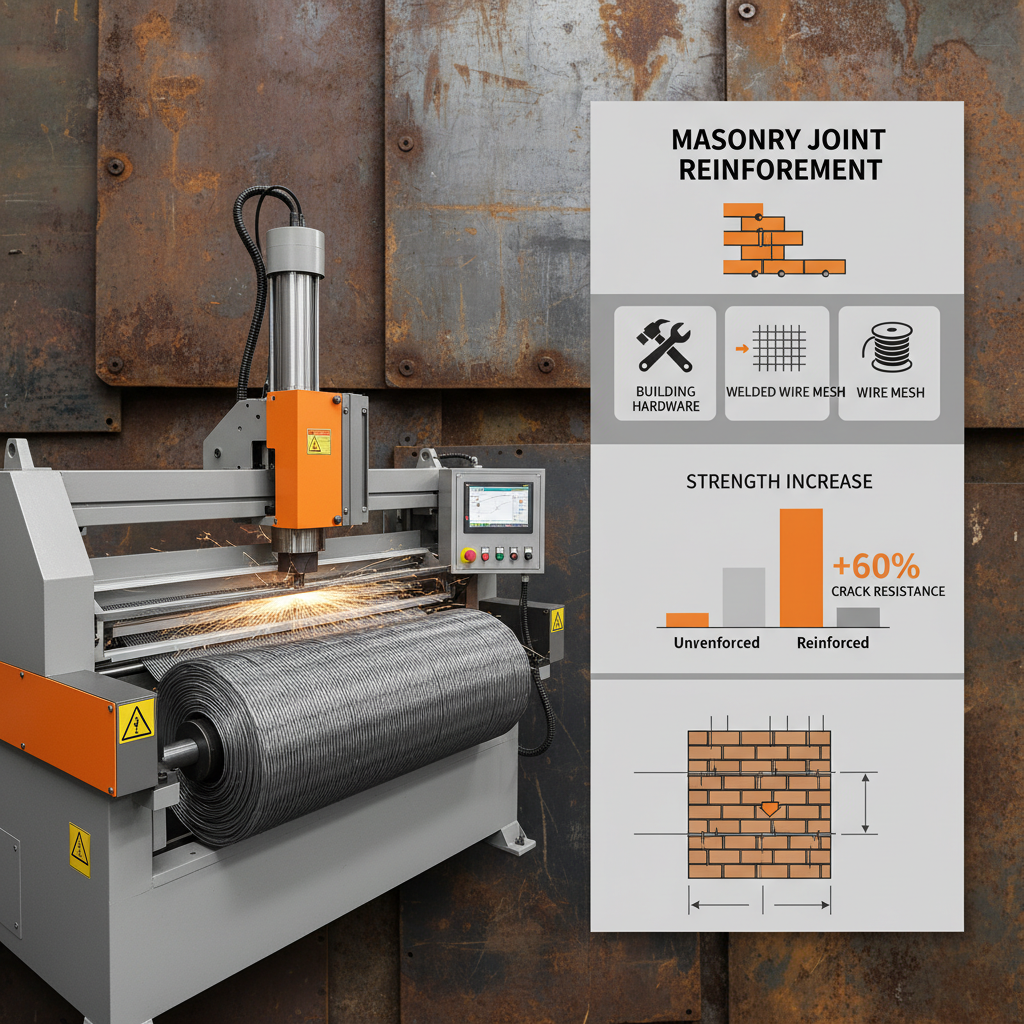
From the ancient Romans to modern skyscrapers, masonry has been a cornerstone of construction. But brick and stone alone aren't enough. The joints between those units are often the weakest link. Masonry joint reinforcement addresses this critical vulnerability, enhancing the overall structural integrity and extending the lifespan of any masonry construction. It's the unseen work that holds everything together.
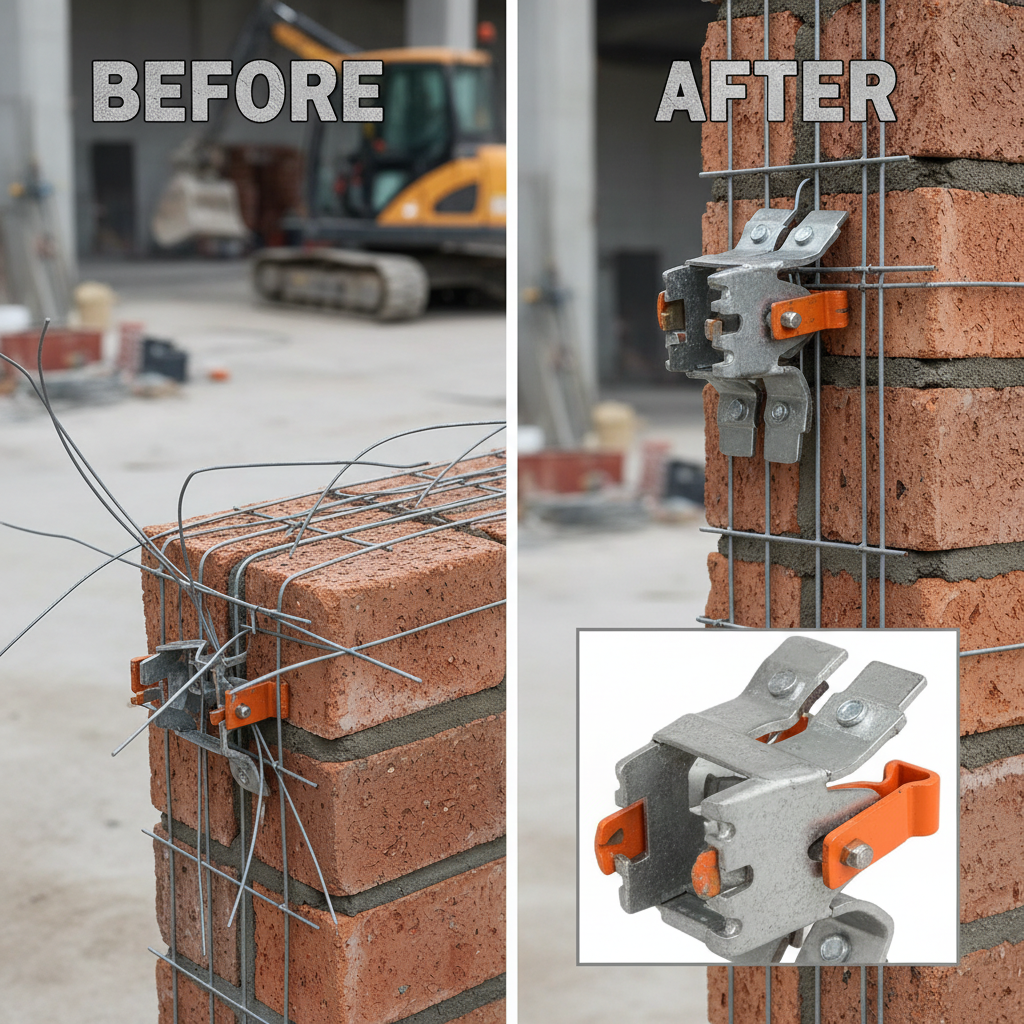
I’ve been on sites where inadequate joint reinforcement led to cracking, water ingress, and, in extreme cases, partial wall collapse. These failures aren’t just expensive to fix; they’re incredibly disruptive and can pose a serious safety hazard. That’s why prioritizing robust reinforcement techniques isn't a cost – it’s an investment in longevity and peace of mind.
For seismic retrofitting, externally bonded Fiber Reinforced Polymer (FRP) composites are often preferred due to their high tensile strength, lightweight nature, and ability to conform to irregular surfaces. However, the best solution depends on the specific structure, soil conditions, and seismic zone. A thorough structural assessment is always recommended to determine the most appropriate reinforcement method. The goal is to ensure the walls can resist lateral forces without cracking and losing their load-bearing capacity.
Yes, absolutely. In fact, a significant portion of masonry joint reinforcement work is done on existing structures, particularly for retrofitting purposes. Methods like polymer injection, externally bonded FRP, and the installation of stainless steel mesh can be effectively applied to existing masonry walls without requiring major demolition. Proper surface preparation is crucial for ensuring good adhesion and long-term performance.
Costs vary widely depending on the size and complexity of the project, the type of reinforcement material used, and local labor rates. Generally, you can expect to pay anywhere from $10 to $50 per square foot, but this is just a rough estimate. Getting multiple quotes from qualified contractors is essential for accurate budgeting. Remember to factor in costs for surface preparation, material procurement, and labor.
With proper installation and the use of high-quality materials, masonry joint reinforcement can last for 50 years or more. The lifespan is influenced by environmental factors such as moisture exposure, temperature fluctuations, and chemical attack. Regular inspections and maintenance can help to identify and address any potential issues before they become major problems. Choosing corrosion-resistant materials is key to maximizing longevity.
While some minor repairs can be done by homeowners, full-scale masonry joint reinforcement is generally not a DIY project. It requires specialized knowledge, skills, and equipment to ensure proper installation and long-term performance. Incorrectly applied reinforcement can actually weaken the structure, so it’s best to leave it to the professionals. Always consult with a qualified structural engineer and contractor.
Building codes vary by location, but most reference the American Concrete Institute (ACI) standards for masonry design and construction. Specifically, ACI 530/530.1 provides guidance on reinforcement requirements for masonry structures. Local building departments will have specific regulations and approval processes for reinforcement projects. It’s important to ensure that all work complies with applicable codes and standards.
Masonry joint reinforcement isn't just about adding materials; it's about enhancing the longevity, resilience, and safety of our built environment. From historic preservation to modern construction, it plays a vital role in ensuring structures can withstand the test of time and the challenges of a changing world. It's a proactive approach to building better, safer, and more sustainable communities.
Looking ahead, continued innovation in materials and application techniques will be critical. Embracing digital tools and automation will help us optimize designs and improve quality control. And, perhaps most importantly, prioritizing ongoing training and education for construction professionals will ensure that best practices are consistently implemented. For more information and to discuss your specific project needs, visit our website at masonry joint reinforcement.