Look, I’ve spent fifteen years on construction sites, wrestling with everything from rebar to roofing. And let me tell you, a reliable system for lifting materials, especially masonry, is absolutely critical. It's not just about getting the job done; it’s about safety, efficiency, and frankly, keeping the project on budget. That’s where masonry ladder wire comes in. It’s a deceptively simple product, but when it works well, it’s a game changer. It's more than just wire; it's a lifeline for getting materials where they need to be, quickly and safely. We’re talking about serious cost savings, reduced labor, and a smoother workflow.
Too often, I see crews improvising with whatever they can find – ropes, chains, even makeshift slings – which is a recipe for disaster. Proper masonry ladder wire, designed specifically for the load and conditions, eliminates a huge amount of risk. It's a small investment that pays dividends in safety compliance and project timeline adherence. I've seen projects delayed weeks due to material handling bottlenecks, and a lot of those could have been avoided with a smarter approach to vertical lifting.
This isn't some theoretical concept I learned in a boardroom. It's something I see impact every single day. Properly implemented, masonry ladder wire isn't just about lifting bricks; it’s about building better, building faster, and building safer. It's about taking the headache out of a very physical and demanding job.
The Importance of Masonry Ladder Wire in Construction
You know, I've seen firsthand how crucial efficient material handling is. Globally, the construction industry accounts for a massive percentage of GDP, and delays related to material transport are a significant drag on productivity. The UN estimates that infrastructure development requires over $1 trillion annually, and streamlined processes like those facilitated by masonry ladder wire directly impact the cost and feasibility of these projects. It’s not just about money; it's about building schools, hospitals, and homes that communities desperately need.
The biggest problem I see out there? Workers compensating for a lack of proper lifting systems by risking their backs and creating bottlenecks. It's a safety issue, a time issue, and ultimately, a money issue. The demand for skilled labor is already high, so anything that can make a job less physically demanding and more efficient is a win. Masonry ladder wire addresses that head-on.
Understanding Masonry Ladder Wire: A Definition
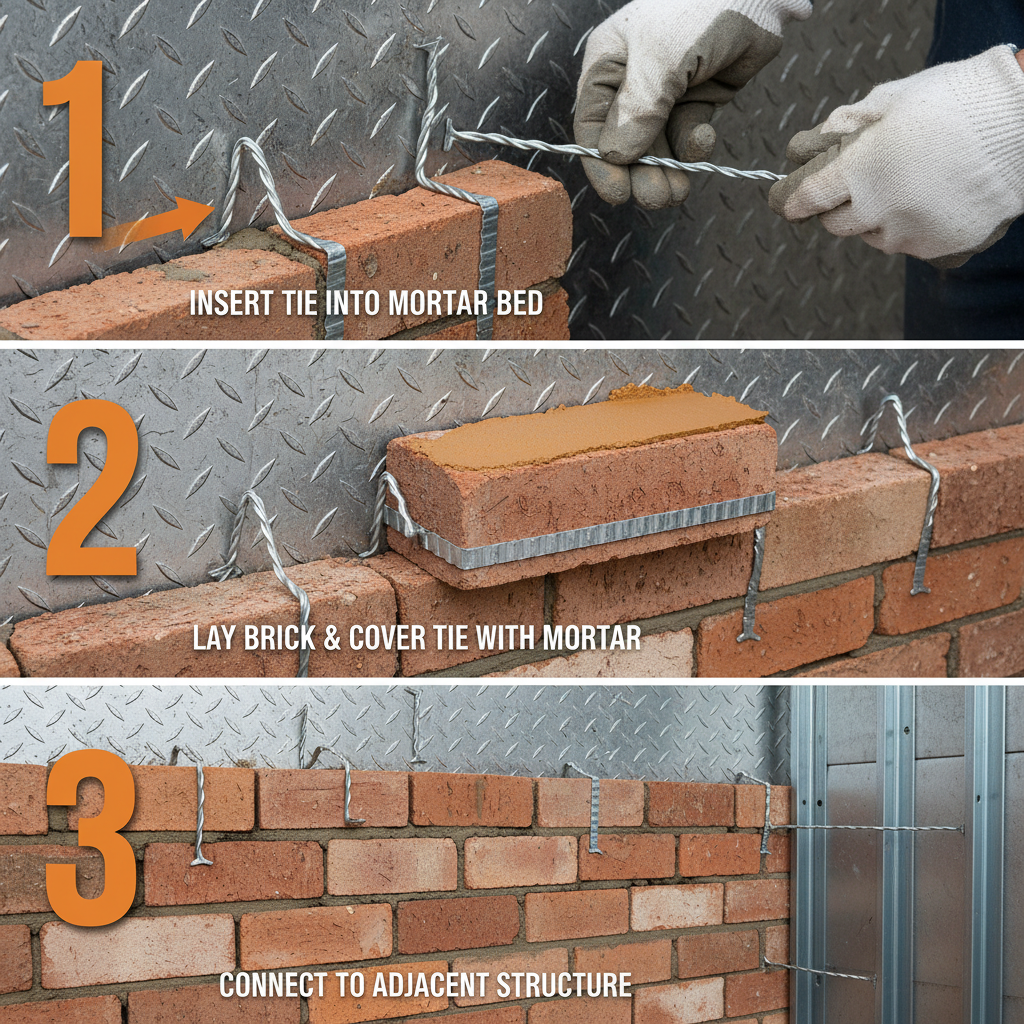
Okay, let’s get down to basics. Masonry ladder wire isn't just any wire rope; it's a specialized system designed for the vertical lifting of masonry units – bricks, blocks, stones, you name it. Think of it as a temporary ‘ladder’ constructed from high-strength wire, used to hoist materials from the ground to masons working at higher elevations. It typically consists of two parallel wires with individual lifting points or ‘rungs’ attached.
This system connects directly to a hoist, allowing for controlled and efficient lifting. It's a direct response to the limitations of traditional methods, like manual carrying or cumbersome platforms. The core concept addresses the need for quick, repeatable lifts in situations where a full-scale crane isn’t practical or cost-effective.
It's an element that's deeply integrated into modern construction, facilitating projects that would otherwise be significantly more complex and dangerous. It’s a tool born from the necessity of getting materials precisely where they need to be, safely and efficiently.
Key Factors Influencing Masonry Ladder Wire Performance
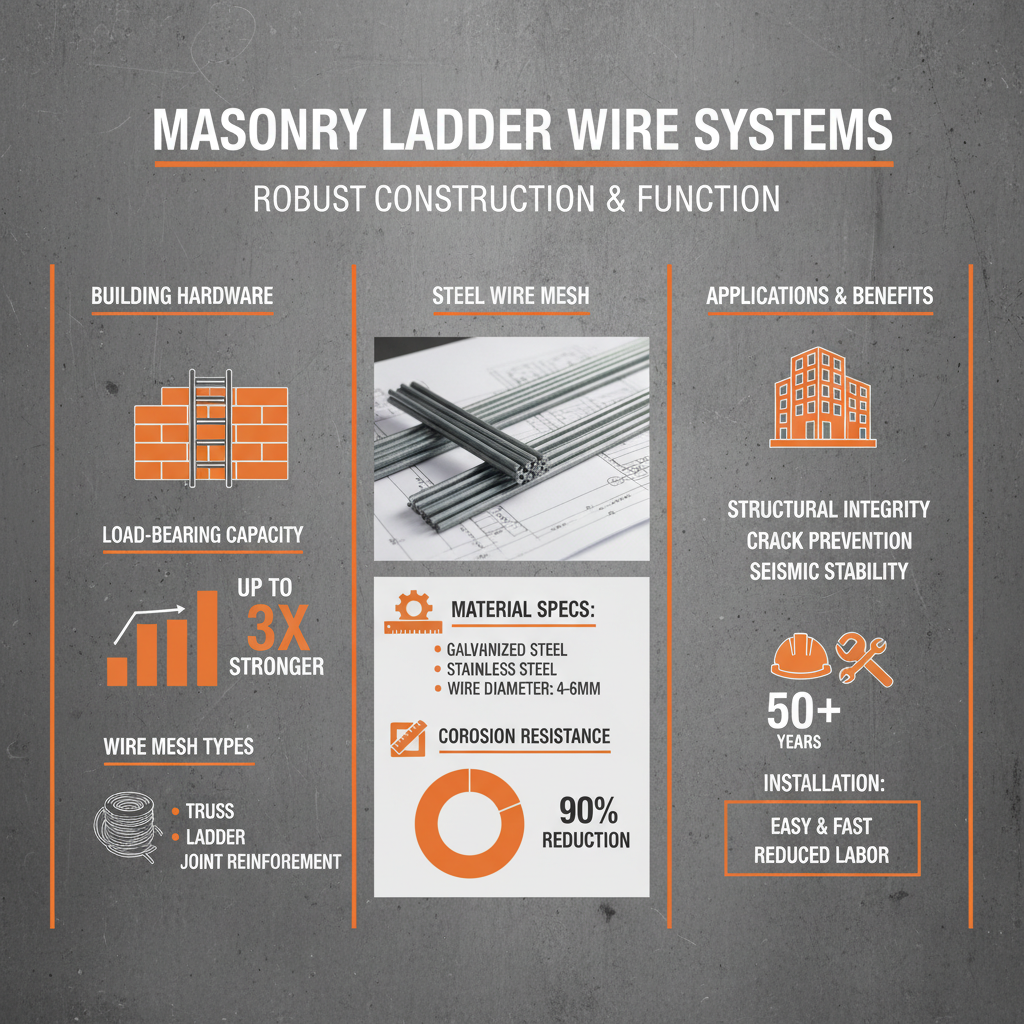
First, you’ve got wire rope strength. This isn't a place to cut corners. The wire needs to have a sufficient breaking strength to handle the maximum load, with a significant safety factor built in. We’re talking about avoiding catastrophic failures. Then there's corrosion resistance. Construction sites are harsh environments, and wire exposed to the elements needs to be treated to prevent rust and degradation.
Proper installation is huge. Even the best wire is useless if it’s not set up correctly. This means secure attachments, correct spacing of lifting points, and regular inspections. And finally, load distribution is key. Overloading any single point on the wire can compromise the entire system. You need to ensure weight is evenly distributed across the rungs.
These four factors – strength, corrosion resistance, installation, and load distribution – are the pillars of a reliable masonry ladder wire system. Ignoring any one of them is asking for trouble. I always tell my crews: spend the time to do it right the first time, it'll save you headaches and potential injuries down the road.
Global Applications and Use Cases of Masonry Ladder Wire
You see masonry ladder wire pretty much anywhere they’re building with brick or block. In major metropolitan areas like New York, London, or Tokyo, where high-rise construction is common, it's indispensable for efficiently supplying materials to upper floors. They’re using it on everything from residential buildings to large commercial projects.
But it’s not just about skyscrapers. In post-disaster relief operations, masonry ladder wire is used to quickly rebuild homes and infrastructure, getting materials to the affected areas efficiently. I've even seen it used in remote industrial zones where access is limited, and a full-scale crane isn't feasible.
In regions with limited resources, like parts of Africa and Asia, it’s critical for affordable housing projects and infrastructure development. The relatively low cost and ease of use make it a practical solution for communities with limited budgets.
Masonry Ladder Wire Application Ratings (Based on Project Complexity)
Advantages and Long-Term Value of Utilizing Masonry Ladder Wire
The biggest advantage, hands down, is increased efficiency. I've seen crews cut material handling time by 30-40% simply by switching to a well-implemented masonry ladder wire system. That translates directly to cost savings and faster project completion. Then there’s the safety aspect. Reducing manual lifting minimizes the risk of back injuries and other strains.
But the benefits extend beyond just cost and safety. Utilizing masonry ladder wire promotes a more organized and controlled work environment. It reduces clutter on the ground, minimizing tripping hazards and improving overall site logistics. And that peace of mind, knowing you’re providing a safer and more efficient workspace, is invaluable.
Future Trends and Innovations in Masonry Ladder Wire Technology
I'm starting to see a lot more focus on smart wire systems – incorporating sensors to monitor load, tension, and even corrosion levels. This data can be used for predictive maintenance and to ensure the wire is always operating within safe parameters. Another trend is the development of lighter-weight, high-strength alloys that make the system easier to handle and more durable.
The integration of digital platforms for tracking wire usage and maintenance is also gaining traction. Imagine a system that automatically alerts you when a wire needs inspection or replacement. That's the kind of proactive approach we need to be taking.
And finally, there's growing demand for more sustainable materials and manufacturing processes. Companies are exploring options for using recycled materials and reducing the environmental impact of wire production.
Challenges and Solutions in Masonry Ladder Wire Implementation
One of the biggest challenges is proper training. Too often, crews are given the wire and told to ‘figure it out.’ That’s a recipe for disaster. Comprehensive training on installation, inspection, and safe operating procedures is essential. Another issue is the initial investment. While the long-term benefits outweigh the cost, some smaller contractors may be hesitant to make the upfront purchase.
To overcome these challenges, manufacturers need to offer accessible training programs and explore flexible financing options. I’d also like to see more standardization in the industry – clear guidelines and certifications to ensure quality and safety. Regular inspections and maintenance are also key to prolonging the life of the wire and preventing failures.
Ultimately, addressing these challenges requires a collaborative effort between manufacturers, contractors, and regulatory bodies. It’s about prioritizing safety, efficiency, and long-term value.
Summary of Masonry Ladder Wire Implementation Factors
| Challenge |
Impact on Project |
Potential Solution |
Implementation Cost (1-10) |
| Insufficient Training |
Increased Risk of Accidents, Reduced Efficiency |
Comprehensive On-site Training Programs |
4 |
| High Initial Investment |
Delayed Adoption, Budget Constraints |
Leasing Options, Flexible Financing |
6 |
| Lack of Standardization |
Quality Control Issues, Safety Concerns |
Industry-Wide Certification Programs |
7 |
| Corrosion and Wear |
Reduced Lifespan, Increased Maintenance |
Protective Coatings, Regular Inspections |
5 |
| Improper Load Distribution |
Wire Failure, Safety Hazards |
Clear Load Limits, Weight Monitoring Systems |
3 |
| Inadequate Inspection Protocols |
Undetected Damage, Potential Failures |
Scheduled Inspections, Detailed Checklists |
2 |
FAQS
The safe working load varies depending on the wire diameter, construction, and manufacturer’s specifications. However, a typical system is designed to handle loads between 500-1000 lbs per lifting point, but always refer to the manufacturer's data plate and never exceed the stated limit. Regular inspections are crucial to ensure the wire hasn’t been damaged, which could compromise its load-bearing capacity. Remember, it's always better to be safe than sorry.
At a minimum, masonry ladder wire should be visually inspected before each use for any signs of damage – fraying, kinks, corrosion, or broken wires. A more thorough inspection, including a load test, should be conducted by a qualified person at least annually, or more frequently if the wire is subjected to heavy use or harsh environmental conditions. Keep a detailed inspection log to track the wire's condition over time.
Common causes include overloading, corrosion, improper installation, and physical damage from abrasion or impact. Overloading is a frequent issue, so it's critical to accurately estimate the weight of the materials being lifted. Corrosion can weaken the wire over time, especially in coastal environments. Incorrect installation, like using improper fittings or knots, can create stress points that lead to failure.
While masonry ladder wire is designed for masonry, it can be used for other materials, but only if the weight and dimensions are within the wire’s specified capacity. It’s critical to consider the shape and stability of the load to ensure it’s securely supported. Never use the wire to lift unstable or irregularly shaped loads. Always prioritize safety and consult with a qualified engineer if you’re unsure.
All personnel involved in the installation, operation, and inspection of masonry ladder wire should receive comprehensive training. This training should cover proper lifting techniques, load calculations, inspection procedures, and emergency procedures. Certification programs are available from various safety organizations and are highly recommended to ensure a consistent level of competency.
Environmental factors like exposure to salt air, harsh chemicals, and extreme temperatures can significantly impact the lifespan of masonry ladder wire. Corrosion is a major concern in coastal areas, so using corrosion-resistant wire is crucial. Regular cleaning and lubrication can also help prolong the wire's life. Store the wire properly when not in use, protecting it from the elements.
Conclusion
Masonry ladder wire is more than just a piece of equipment; it's a critical component of a safe, efficient, and productive construction process. By understanding its core principles, key factors, and future trends, we can ensure its effective implementation and maximize its long-term value. It’s a tool that, when used correctly, protects workers, saves time, and ultimately, helps build a better world.
I encourage you to prioritize training, invest in quality wire, and establish robust inspection protocols. The upfront investment in safety and efficiency will pay dividends throughout the entire project lifecycle. For reliable, high-quality masonry ladder wire solutions, visit our website at masonry ladder wire.