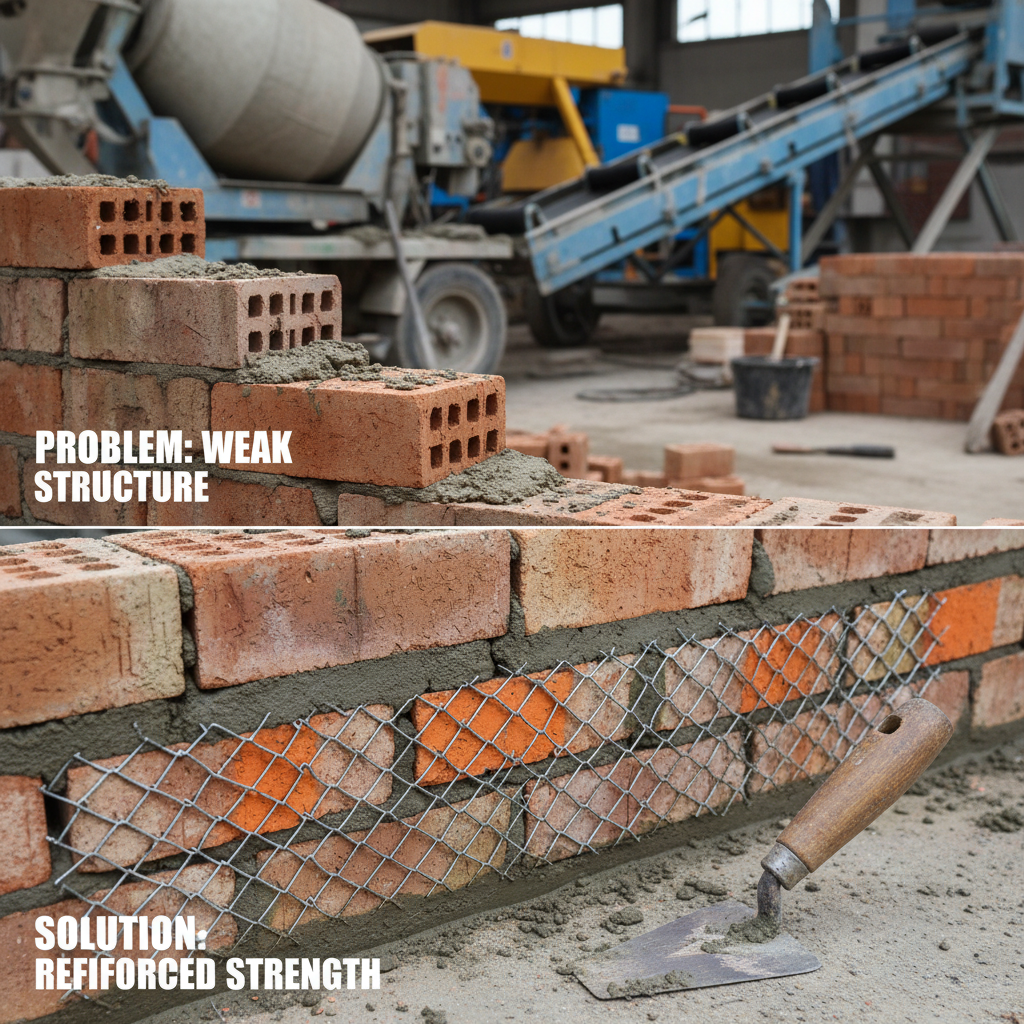
The world’s infrastructure is constantly evolving, demanding innovative solutions for construction efficiency and safety. At the heart of many modern building projects lies the critical process of rebar placement – and that’s where the rebar positioner plays a vital role. These tools aren’t merely accessories; they represent a significant advancement in streamlining construction workflows, reducing labor costs, and enhancing the structural integrity of concrete structures. Understanding the nuances of rebar positioners is crucial for anyone involved in the building and construction industries.
Globally, the construction industry contributes trillions of dollars to the world economy, representing approximately 6% of global GDP (according to UN reports). However, this growth comes with challenges - skilled labor shortages, rising material costs, and a pressing need for safer and more efficient practices. The effective and accurate placement of rebar is paramount in ensuring the durability and safety of buildings, bridges, and other concrete structures. A rebar positioner directly addresses these challenges, offering a solution to optimize a fundamental aspect of construction.
From massive infrastructure projects like high-speed rail lines to the construction of residential buildings, the need for robust and reliable rebar placement remains constant. The demand for efficient and precise rebar positioning is increasing, pushing for the development and adoption of specialized tools like the rebar positioner, leading to safer, faster and more cost-effective construction methods worldwide.
The Importance of Rebar Positioners in Modern Construction
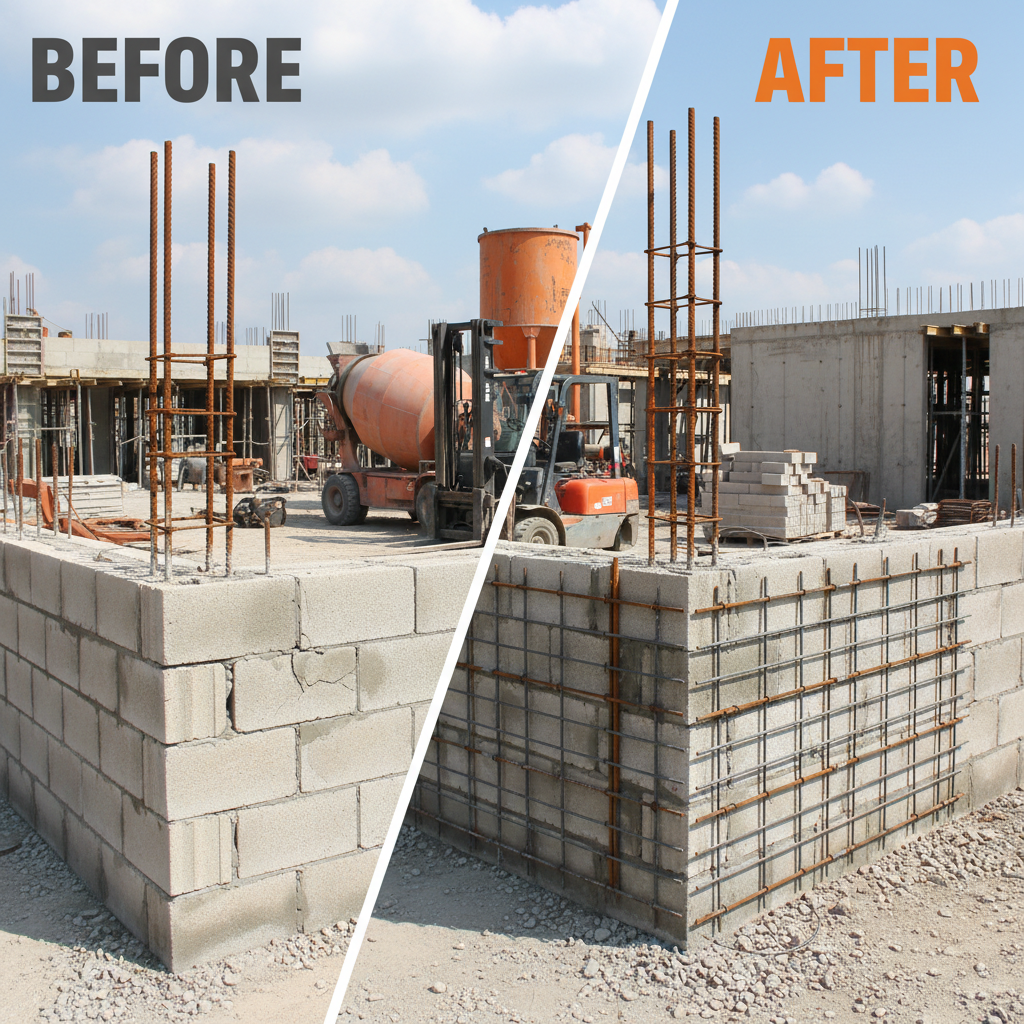
The construction industry is increasingly focused on optimizing processes for speed, accuracy, and cost-effectiveness. The rebar positioner is emerging as a crucial tool in achieving these goals, particularly in projects requiring complex rebar arrangements. By automating and simplifying the positioning process, these devices contribute to significant improvements in overall project timelines.
Furthermore, the use of a rebar positioner elevates safety standards on construction sites. Manual rebar placement is physically demanding and carries risks of injury. Automation reduces the need for workers to engage in hazardous tasks, decreasing the likelihood of accidents and fostering a safer work environment.
Defining the Rebar Positioner
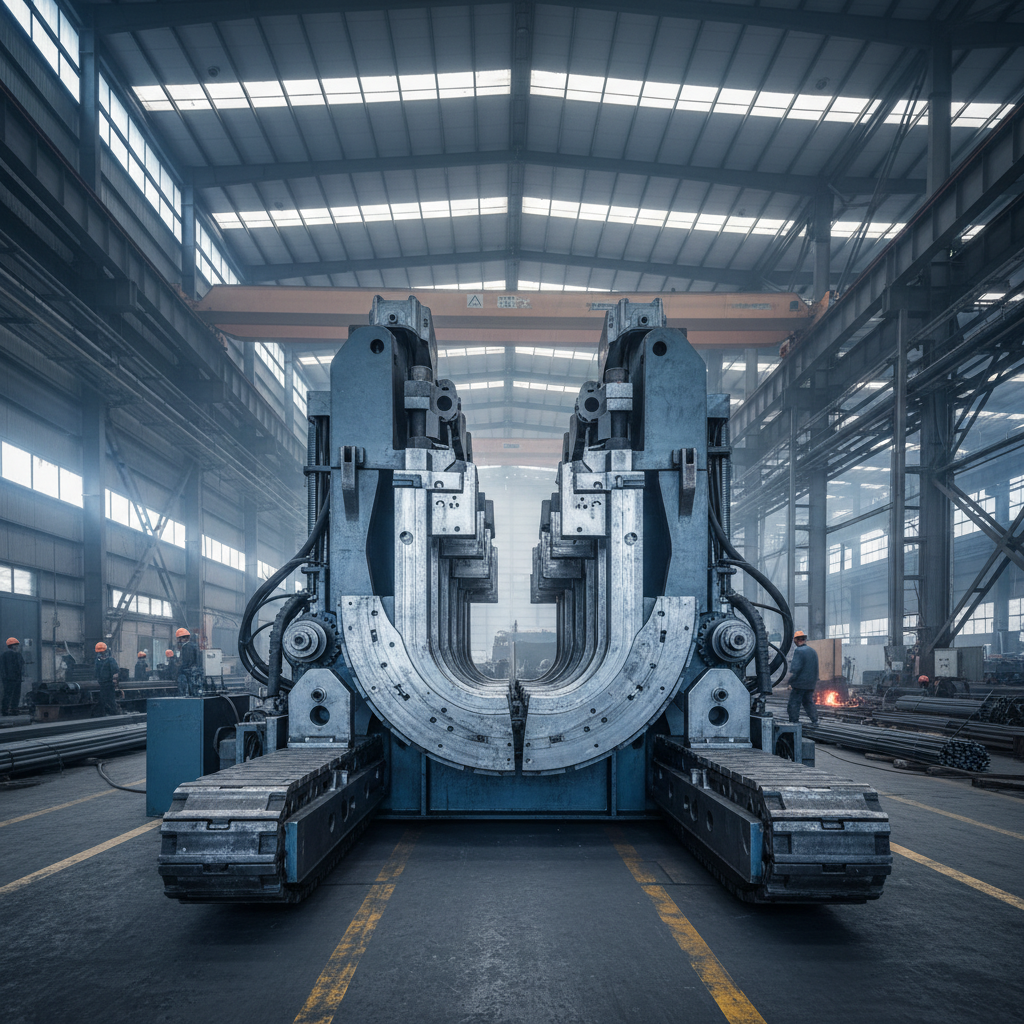
A rebar positioner is a mechanical or electromechanical tool designed to accurately and efficiently hold, space, and position reinforcing bars (rebar) within concrete forms. Unlike traditional manual methods, which rely on skilled labor and visual estimation, a rebar positioner provides consistent and precise placement, ensuring proper rebar coverage and structural integrity.
These devices range from simple, manually operated clamps and spacers to sophisticated, computer-controlled systems capable of handling complex rebar configurations. The primary goal remains the same: to optimize the rebar placement process, reducing errors and saving time.
The application of rebar positioners extends beyond simple construction; it connects directly to our modern need for reliable and long-lasting infrastructure. Whether it’s providing the foundations for disaster relief housing or facilitating the construction of vital public works, a robust rebar placement system ensures our safety and quality of life.
Core Components of a Rebar Positioner
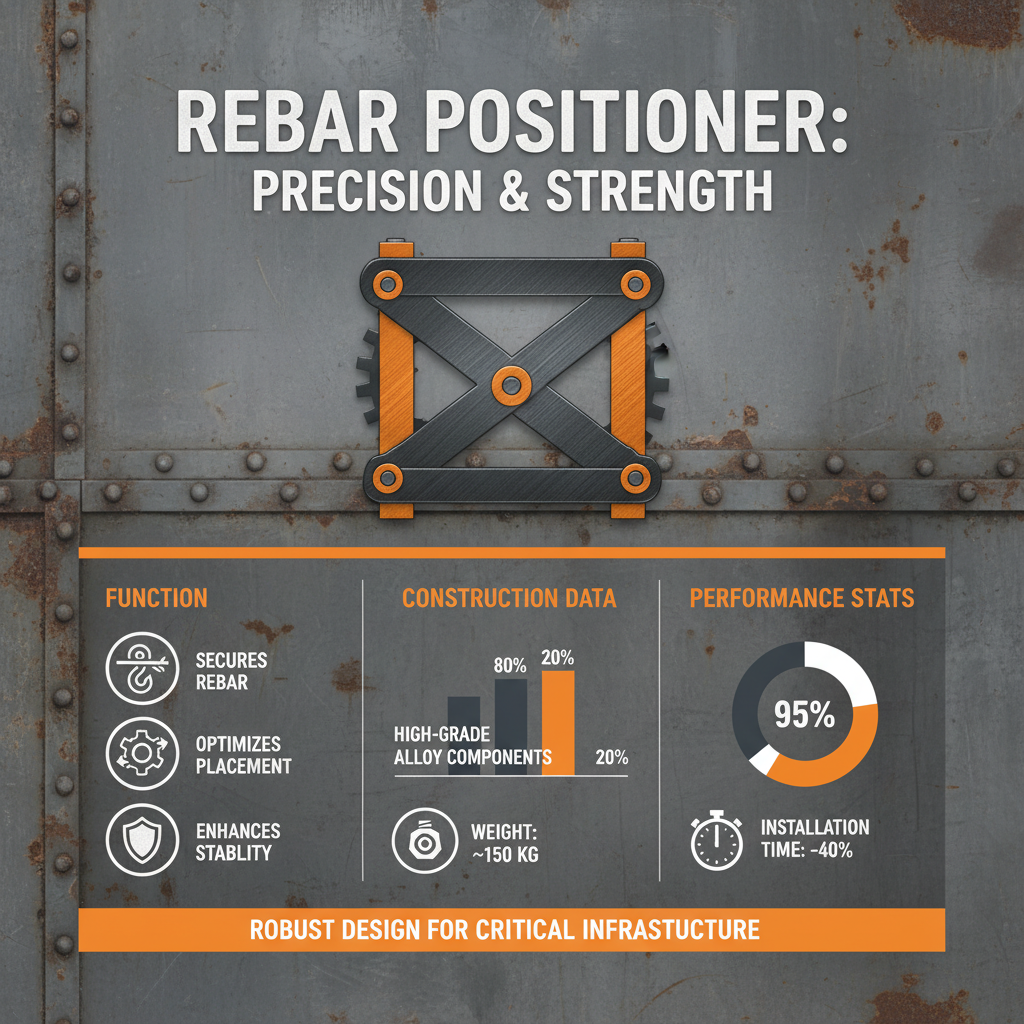
Most rebar positioners share a common set of core components, even with variations in complexity. These include a clamping mechanism, designed to securely grip the rebar without causing damage; a spacing system, which allows for precise control over the distance between bars; and an adjustment feature, facilitating adaptation to different rebar sizes and configurations.
Beyond these basic components, more advanced rebar positioners may incorporate features like automated sensors, digital displays, and remote control capabilities. These enhancements further streamline the positioning process, allowing for greater precision and efficiency. The material composition of these components also plays a role, with high-strength steel and durable polymers being common choices for longevity.
The synergy between these components ensures that the rebar is held firmly in place, spaced accurately, and adjusted easily to meet the specific requirements of each construction project. A properly maintained rebar positioner becomes an indispensable tool for any construction crew.
Key Factors Influencing Rebar Positioner Performance
Several key factors dictate the performance and effectiveness of a rebar positioner. Durability is paramount, as these tools are often subjected to harsh construction environments. Scalability—the ability to adapt to projects of varying sizes and complexities—is another crucial consideration.
Cost-efficiency, encompassing both the initial purchase price and long-term maintenance costs, is also a significant factor for contractors. Ease of use and integration with existing workflows are important for maximizing productivity, and accuracy of positioning is critical for ensuring structural integrity.
Rebar Positioner Performance Metrics
Global Applications and Real-World Use Cases
The application of rebar positioner tools spans across diverse construction projects globally. In rapidly developing urban centers, they are instrumental in the construction of high-rise buildings, ensuring the structural integrity needed to withstand seismic activity and extreme weather conditions. In infrastructure projects like bridge construction, precise rebar placement is vital for load-bearing capacity and long-term durability.
In post-disaster relief operations, efficient construction of temporary shelters and permanent housing is critical. Rebar positioners accelerate the building process, enabling faster recovery and providing safer living conditions for affected populations. Furthermore, they find application in the construction of specialized structures like tunnels and dams, where precision and reliability are paramount.
Advantages and Long-Term Value Proposition
The advantages of using a rebar positioner are multifaceted. Tangible benefits include reduced labor costs, faster project completion times, and minimized material waste. From a sustainability perspective, optimized rebar placement contributes to more durable structures, extending their lifespan and reducing the need for frequent repairs or replacements.
Beyond the economic and environmental benefits, a rebar positioner enhances worker safety, promotes innovation in construction techniques, and builds trust in the quality and reliability of completed projects. Investing in these tools is not merely a cost-saving measure; it's a commitment to a more efficient, safe, and sustainable future for the construction industry.
Future Trends and Innovations in Rebar Positioning
The future of rebar positioning is intertwined with broader technological trends such as automation, digital transformation, and the rise of Building Information Modeling (BIM). We can expect to see increased integration of robotic systems and AI-powered algorithms to further optimize the rebar placement process, adapting to complex geometries and real-time site conditions.
Furthermore, the development of sustainable materials and energy-efficient manufacturing processes will contribute to a more environmentally responsible approach to rebar positioner production. The integration of sensors and data analytics will provide valuable insights into rebar performance, enabling predictive maintenance and improving the overall lifespan of concrete structures.
Analysis of Rebar Positioner Applications Across Key Project Variables
| Project Scale |
Rebar Complexity |
Labor Cost |
Positioner Effectiveness (1-10) |
| Small Residential |
Low |
Moderate |
7 |
| Medium Commercial |
Medium |
High |
8 |
| Large Infrastructure |
High |
Very High |
9 |
| Tunnel Construction |
Very High |
Extreme |
10 |
| Disaster Relief Housing |
Low-Medium |
Low-Moderate |
7 |
| High-Rise Building |
High |
Very High |
9 |
FAQS
Using a rebar positioner significantly improves accuracy, speed, and safety in rebar placement. Manual methods are prone to human error and can be physically demanding, leading to potential injuries. Rebar positioners ensure consistent spacing and alignment, reducing material waste and improving the structural integrity of concrete structures, ultimately saving time and labor costs.
Choosing the right rebar positioner depends on several factors, including the project scale, the complexity of the rebar arrangement, and your budget. Consider the rebar size and spacing requirements, the type of concrete formwork being used, and the accessibility of the work area. It’s important to assess the durability, ease of use, and maintenance requirements of each model before making a decision.
Regular maintenance is crucial for ensuring the longevity and optimal performance of a rebar positioner. This typically includes cleaning the device after each use to remove debris, lubricating moving parts, and inspecting for any signs of wear or damage. Periodic calibration may also be required to maintain accuracy. Following the manufacturer’s guidelines is essential.
While rebar positioners are versatile tools, they are particularly beneficial for projects involving complex rebar configurations, large-scale structures, or strict quality control requirements. They can also be highly advantageous in projects where labor costs are high or where safety is a top priority. Smaller, simpler projects may not require the investment in a rebar positioner.
The ROI for a rebar positioner can vary depending on the project scale and the extent of its use, but it generally offers a significant return through reduced labor costs, minimized material waste, and faster project completion times. Savings from decreased error rates and improved structural integrity also contribute to the overall ROI. A careful cost-benefit analysis is recommended.
Several online resources and industry directories can provide information about different rebar positioner models and suppliers. Trade shows and construction industry events are also excellent opportunities to compare products and connect with manufacturers. Consider visiting our website to explore our range of rebar positioning solutions and contact our expert team.
Conclusion
In conclusion, the rebar positioner is more than just a tool; it’s a cornerstone of modern, efficient, and safe construction practices. From enhancing accuracy and reducing labor costs to improving structural integrity and promoting sustainability, the benefits are far-reaching. Adopting these technologies is essential for staying competitive in today's rapidly evolving construction landscape.
Looking ahead, continued innovation in rebar positioning technology, driven by automation and digital integration, will unlock even greater efficiencies and opportunities. Investing in these solutions isn't simply about improving project outcomes – it's about building a more resilient and sustainable future for the built environment. Visit our website at www.cntcmetal.com to learn more about how a rebar positioner can transform your construction projects.