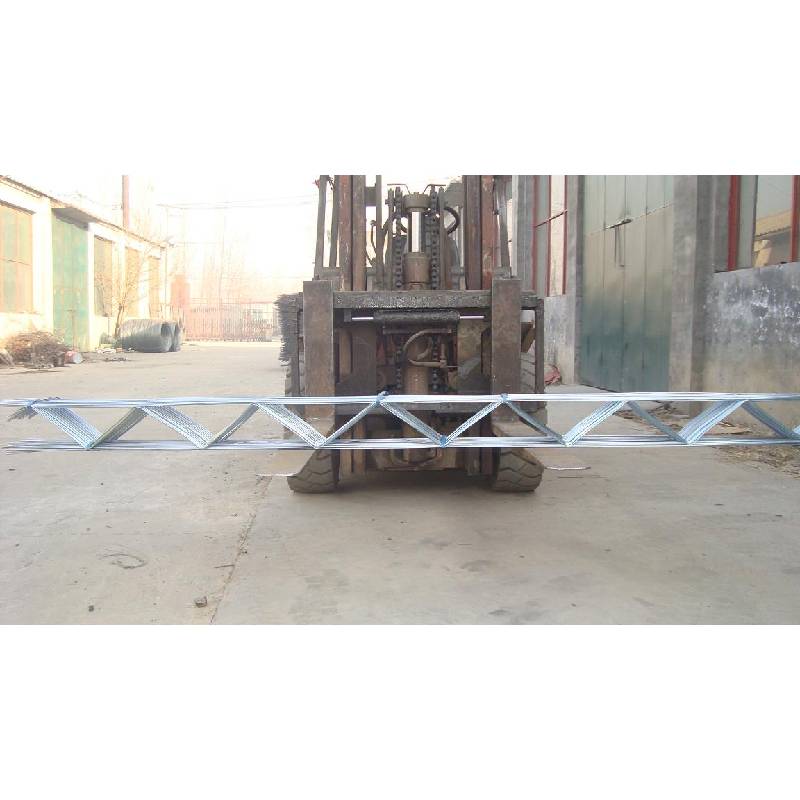
Product Advantages
1. High strength and stability: Made of high-strength steel wire or stainless steel wire, it has good load-bearing capacity and stability to effectively enhance the strength and stability of masonry structures.
2. Simple and convenient installation: It can be quickly embedded into the mortar joints of masonry walls, reducing construction time and cost.
3. Good seismic resistance: By enhancing the integrity and stability of masonry structures, it improves their seismic resistance and reduces the risk of earthquick damage.
4. Customizable: It can be produced in various sizes and shapes according to actual needs, providing greater flexibility and adaptability.
Product Instructions
1. Determine the installation position: Based on the design requirements, determine the position and spacing where the wire mesh needs to be embedded.
2. Embed the wire mesh: Embed the wire mesh into the mortar joints of the masonry wall, making sure it is firmly fixed.
3. Pour concrete: Pour concrete into the masonry wall after the wire mesh to ensure full filling and consolidation of the concrete.
4. Inspection and acceptance: After pouring the concrete, inspect and accept the embedded wire mesh to ensure its quality and compliance with the design requirements.
Product Production Process
1. Material selection: Select high-strength steel wire or stainless steel wire as the raw material to ensure the load-bearing capacity and stability of the wire mesh.
2. Wire mesh weaving: Weave the steel wire or stainless steel wire into a continuous wire mesh with the required size and shape.
3. Welding process: If necessary, weld the wire mesh to ensure its stability and connection.
Product Application Scenarios
It is mainly used in masonry walls to enhance the stability and strength of the structure, and improve its seismic resistance. It can be applied to various masonry structures, such as residential buildings, commercial buildings, industrial buildings, etc.
Product Price Advantage
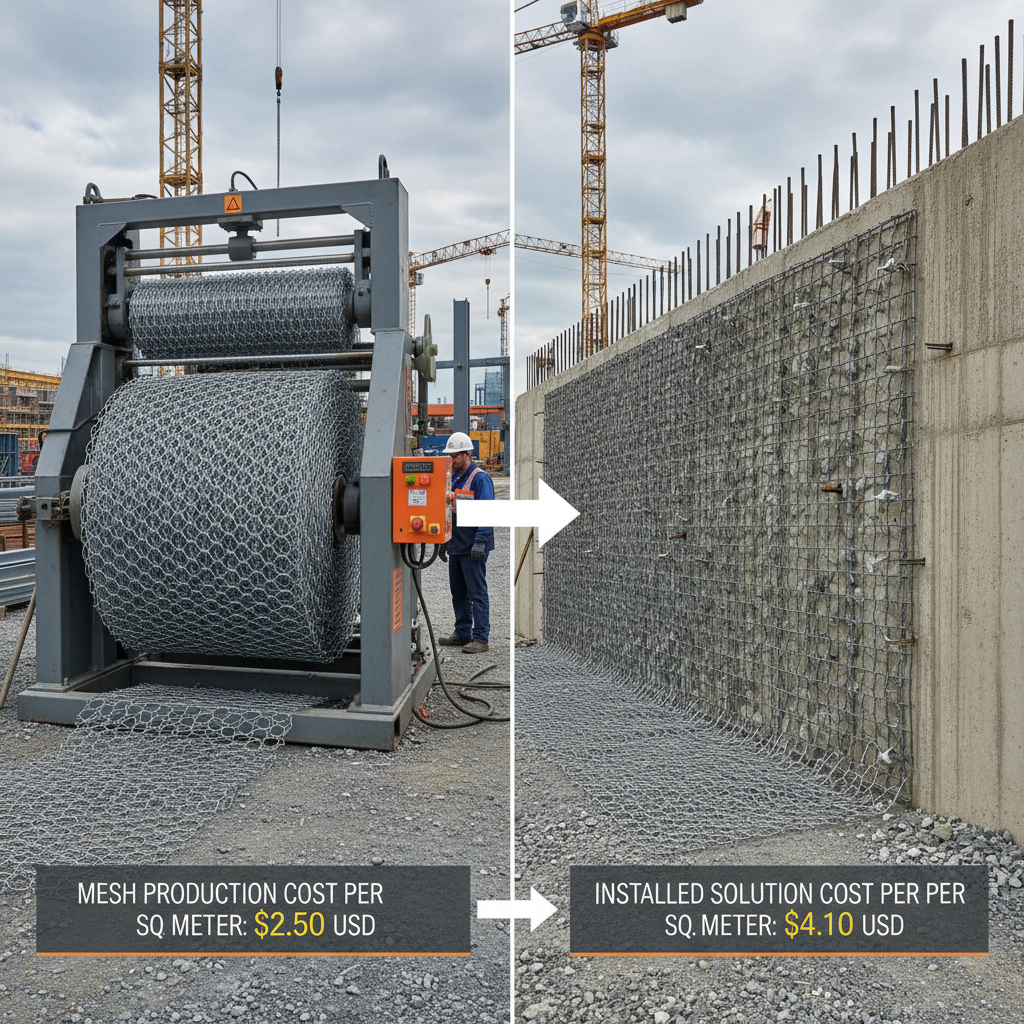
Relatively low in price, it is an economical and practical solution for masonry structure reinforcement. Its simple design and manufacturing process result in lower production costs, offering competitive prices to users.
Benefits of Truss Mesh Masonry Joint Reinforcement in Construction
In modern construction, ensuring the structural integrity and long-term performance of masonry walls is a top priority. Truss Mesh Masonry Joint Reinforcement plays a vital role in achieving this goal by enhancing wall strength, controlling cracks, and improving overall stability. Designed with a truss configuration, this type of reinforcement provides exceptional load distribution and tensile strength, making it an essential component in both residential and commercial masonry projects.
One of the key benefits of Truss Mesh Masonry Joint Reinforcement is its ability to resist lateral forces. Masonry walls are often exposed to stress caused by temperature changes, wind pressure, or settlement. The truss-shaped steel mesh acts as a reinforcement skeleton within mortar joints, minimizing cracking and preventing structural separation over time. This ensures that the wall maintains its form and durability, even under challenging environmental conditions.
Another major advantage is enhanced bonding between masonry units. The open truss design allows mortar to flow freely through the mesh, creating a continuous bond between bricks or blocks. This significantly increases wall cohesion and contributes to a more stable and unified structure. As a result, builders can achieve higher structural reliability while maintaining aesthetic appeal.
Truss Mesh Masonry Joint Reinforcement also improves construction efficiency. The pre-fabricated design allows for easy installation, saving both time and labor costs. It fits perfectly into standard mortar joints and requires minimal adjustment on-site. Whether used in load-bearing walls, partition walls, or retaining structures, truss mesh ensures consistent reinforcement throughout the project, reducing the likelihood of construction errors.
In addition, this reinforcement system enhances the seismic performance of masonry structures. During ground movement or vibrations, the truss configuration distributes stresses evenly across the wall, reducing the risk of localized failure. This makes it particularly valuable in regions prone to earthquakes or heavy wind loads. The improved ductility and energy absorption capacity of the reinforced wall contribute to overall building safety.
From a sustainability perspective, Truss Mesh Masonry Joint Reinforcement supports long-term durability and reduces maintenance costs. By minimizing cracking and moisture intrusion, it extends the lifespan of the masonry wall and maintains its structural and visual quality. The steel used is often galvanized or stainless, providing corrosion resistance and ensuring lasting performance even in humid or coastal environments.
In summary, the Truss Mesh Masonry Joint Reinforcement offers multiple benefits—strength, durability, crack resistance, and easy installation. Its practical design and proven effectiveness make it a reliable choice for modern masonry construction. Whether for large-scale infrastructure or smaller architectural projects, integrating truss mesh reinforcement ensures safer, stronger, and longer-lasting masonry structures.
How to Install Truss Mesh Masonry Joint Reinforcement for Brick Walls
Proper installation of Truss Mesh Masonry Joint Reinforcement is crucial to achieving durable, crack-resistant, and structurally stable brick walls. This reinforcement method strengthens masonry joints, distributes loads evenly, and prevents cracks caused by thermal expansion, settlement, or external pressure. Following the correct installation process ensures the wall’s long-term performance and integrity.
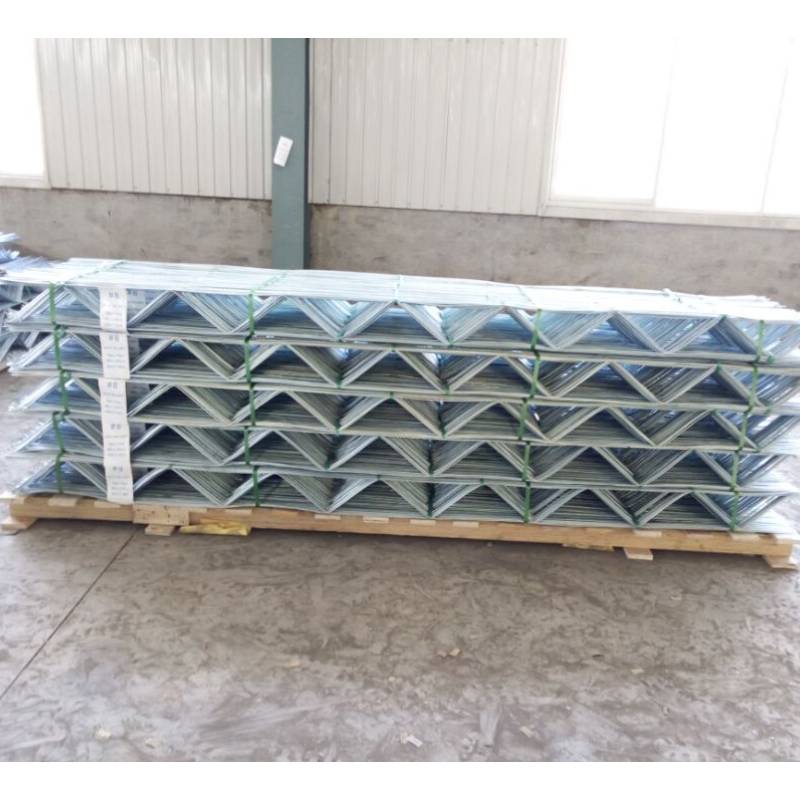
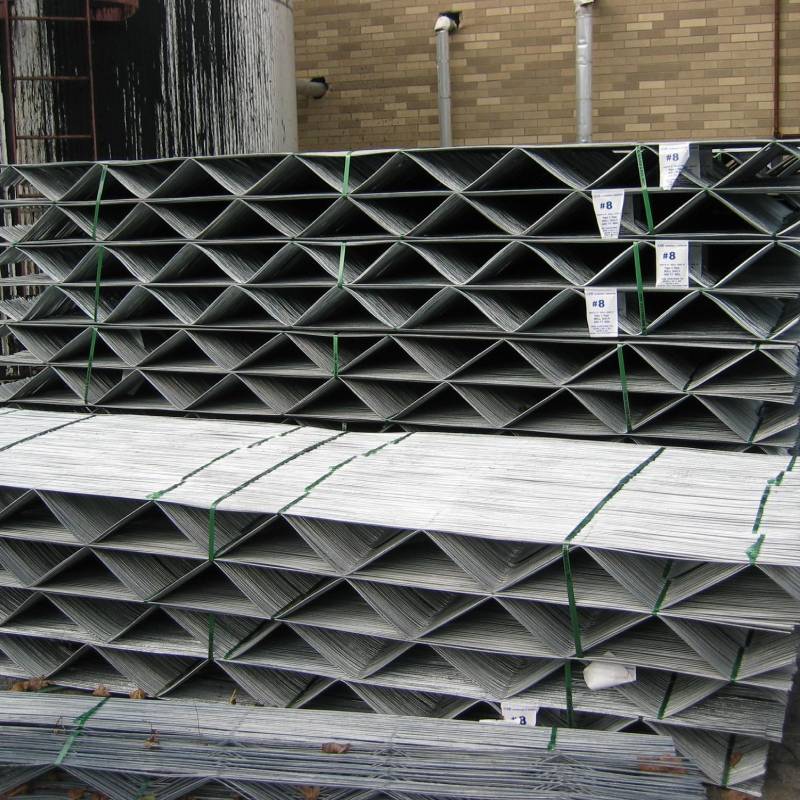
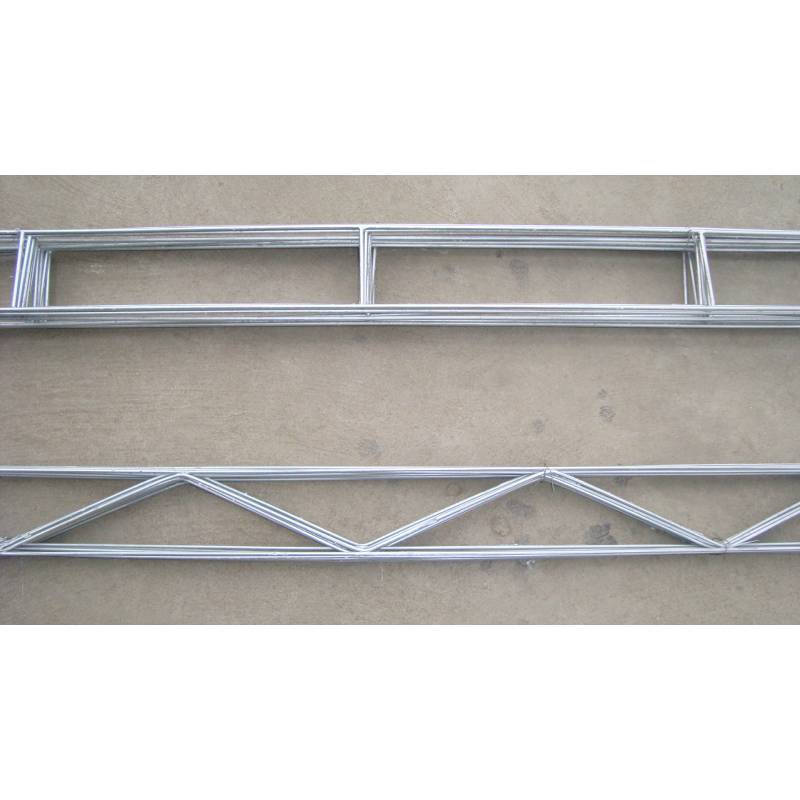
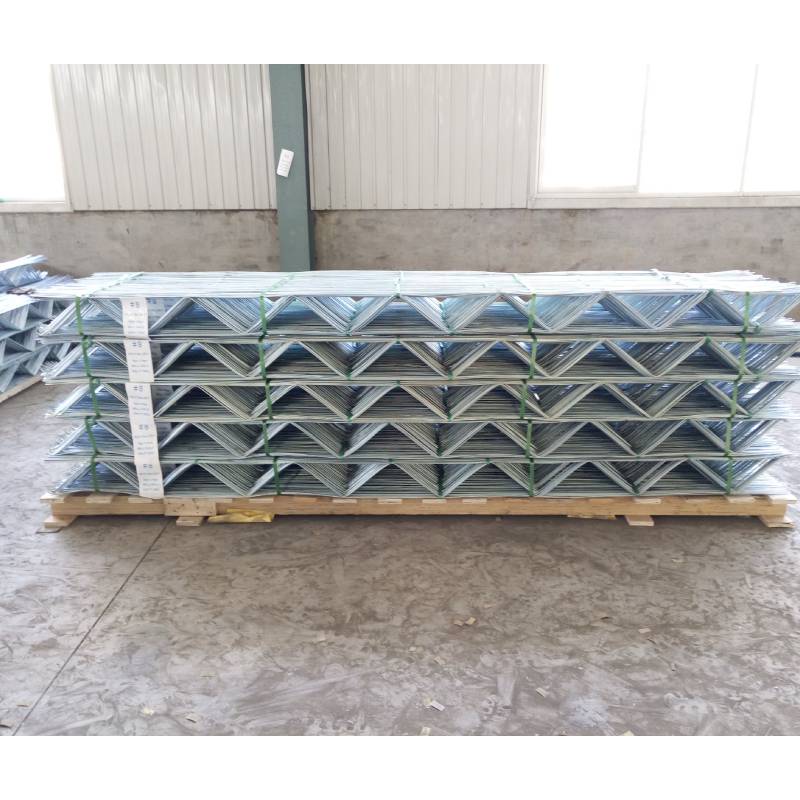
Before installation begins, it’s important to prepare the materials and ensure the reinforcement matches the project requirements. Truss Mesh Masonry Joint Reinforcement typically consists of two longitudinal wires joined by diagonal cross wires, forming a truss configuration. The mesh should be made of high-quality galvanized or stainless steel to resist corrosion and ensure longevity, especially in humid or coastal environments.
Step 1: Prepare the Brickwork and Mortar Joints
Start by laying the first course of bricks on a level mortar bed. The mortar should be of consistent thickness and adequately mixed to provide proper bonding. Ensure that the surface is clean, free of debris, and slightly moist to improve adhesion. This sets the foundation for the first layer of reinforcement.
Step 2: Position the Truss Mesh Masonry Joint Reinforcement
Place the truss mesh reinforcement directly on top of the freshly laid mortar bed, ensuring it sits centered within the joint. The reinforcement should be positioned so that the longitudinal wires are fully embedded in mortar, maintaining a minimum cover to protect the steel from corrosion. Overlap adjacent mesh sections by at least 150 mm (6 inches) to provide continuity of reinforcement across the wall.
Step 3: Apply the Next Layer of Mortar and Bricks
After positioning the mesh, apply a thin layer of mortar over it, ensuring full coverage. Then, lay the next course of bricks, aligning them properly to maintain a uniform wall thickness and level surface. Gently press the bricks into the mortar so that the reinforcement remains fully embedded within the joint.
Step 4: Repeat and Maintain Alignment
Continue laying each course of bricks, repeating the process of placing Truss Mesh Masonry Joint Reinforcement every second or third mortar joint, depending on the structural design. Ensure that all reinforcement layers are parallel and properly aligned to prevent uneven load transfer or cracking.
Step 5: Finishing and Inspection
Once the wall is complete, inspect the joints to confirm that the reinforcement is fully embedded and covered by mortar. Any exposed metal should be corrected immediately to prevent rusting. A visual inspection ensures the wall’s appearance and long-term durability.
By following these steps, contractors and builders can maximize the benefits of Truss Mesh Masonry Joint Reinforcement—improving wall strength, enhancing resistance to cracking, and ensuring uniform stress distribution. This simple yet effective installation method enhances the overall stability and lifespan of brick walls, making it an essential practice in modern masonry construction.
Truss Mesh Masonry Joint Reinforcement vs. Ladder Type Reinforcement
In masonry construction, joint reinforcement plays a critical role in improving wall stability, reducing cracks, and ensuring long-term durability. Two of the most widely used systems are Truss Mesh Masonry Joint Reinforcement and Ladder Type Reinforcement. While both serve the same purpose—to strengthen masonry joints and distribute stress evenly—they differ in design, performance, and best-use scenarios. Understanding their distinctions helps builders choose the right reinforcement for each project.
Design and Structure
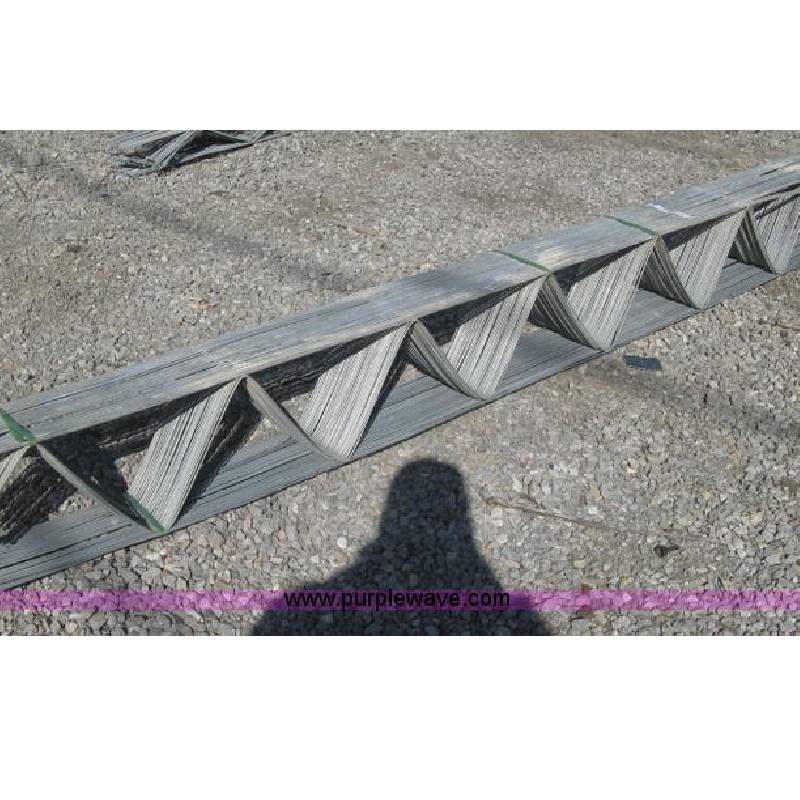
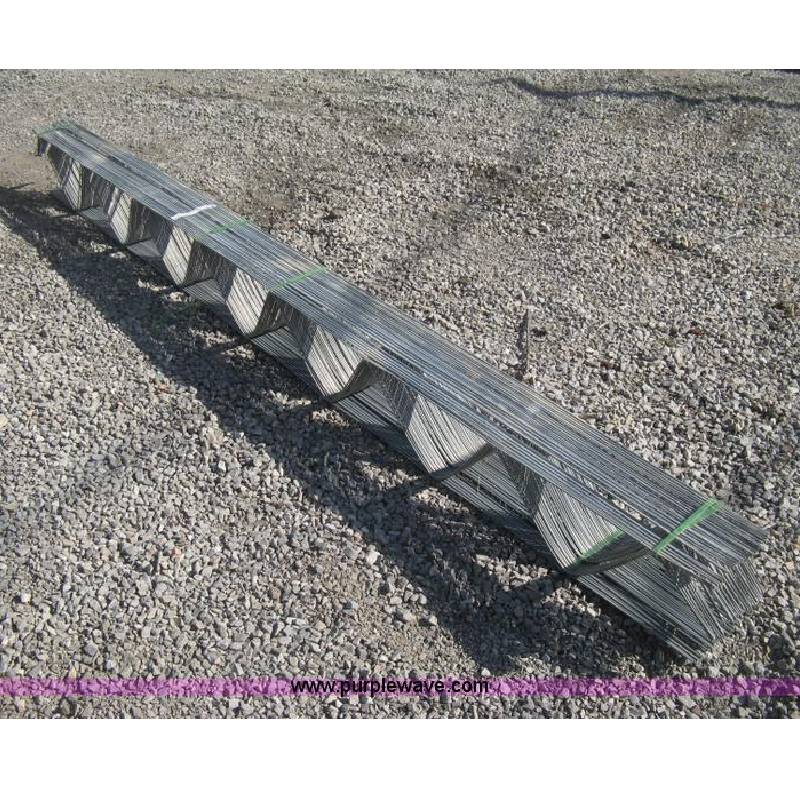
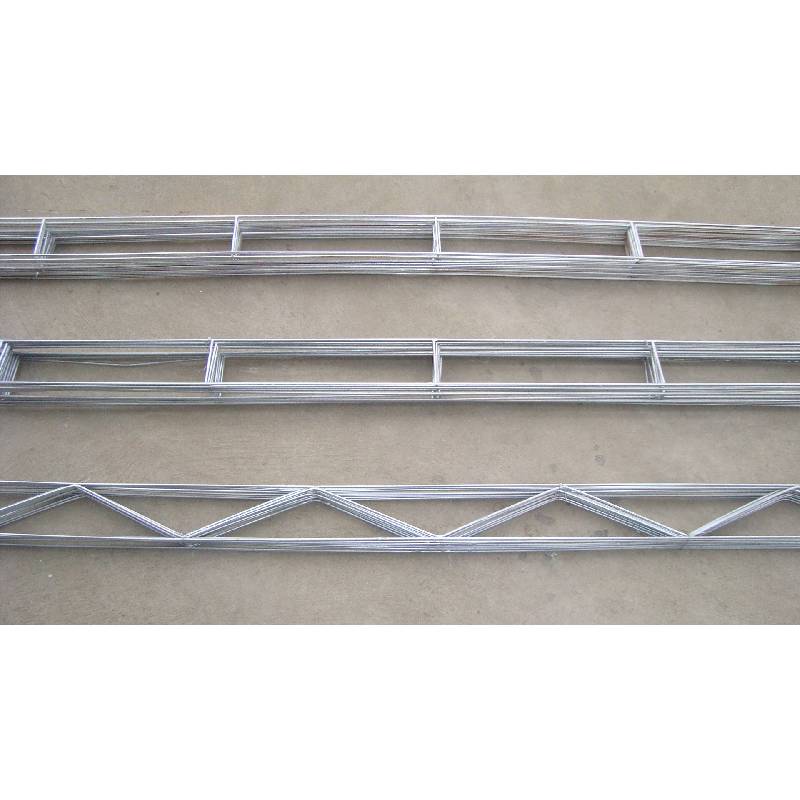
The most noticeable difference between Truss Mesh Masonry Joint Reinforcement and Ladder Type Reinforcement lies in their wire configuration. Truss mesh is designed with diagonal cross wires connecting the two parallel longitudinal wires, forming a truss shape. This triangular geometry enhances load transfer and provides multidirectional strength. In contrast, ladder type reinforcement has only two parallel wires connected by straight cross rods, resembling a ladder. It offers strong horizontal reinforcement but less diagonal stability compared to truss mesh.
Performance and Load Distribution
Truss Mesh Masonry Joint Reinforcement provides superior performance in distributing loads across the wall. The diagonal wires efficiently transfer both vertical and horizontal stresses, making it ideal for walls exposed to lateral forces such as wind or seismic activity. This configuration minimizes the risk of cracking and ensures that the wall remains structurally sound even under movement or vibration.
On the other hand, Ladder Type Reinforcement is excellent for controlling shrinkage cracks and maintaining horizontal bond strength. Its simpler structure makes it easier to handle, and it performs well in applications where lateral stress is minimal, such as internal partition walls or non-load-bearing structures.
Ease of Installation
Both reinforcement types are easy to install and compatible with standard brick and block sizes. However, Ladder Type Reinforcement is generally lighter and more flexible, which simplifies cutting and positioning on-site. Truss Mesh Masonry Joint Reinforcement, while slightly more rigid, ensures a tighter bond and stronger connection within mortar joints, especially when precision installation is maintained.
Applications
Truss Mesh Masonry Joint Reinforcement is preferred in external and load-bearing walls, retaining structures, and areas subject to high wind or seismic loads. Its enhanced strength and diagonal bracing make it suitable for demanding structural environments. Ladder Type Reinforcement, meanwhile, is commonly used in internal partitions or cavity walls where crack control and cost efficiency are priorities.
Durability and Corrosion Resistance
Both reinforcement systems are typically made from galvanized or stainless steel, providing excellent corrosion resistance. However, the truss design’s embedded diagonal wires offer better bonding with mortar, reducing the chance of moisture penetration and extending the wall’s lifespan.
Conclusion
In summary, both Truss Mesh Masonry Joint Reinforcement and Ladder Type Reinforcement contribute to stronger, longer-lasting masonry structures. The choice between them depends on project requirements—truss mesh for superior load distribution and structural stability, and ladder type for lightweight, cost-effective reinforcement. Understanding their strengths ensures optimal performance, safety, and durability in any masonry construction project.
adjustable brick tie
brick veneer wall ties
brick wire ties
brickwork accessories
concrete accessories
concrete accessories products
concrete block wall ties
concrete formwork accessories
concrete wall ties for sale
masonry accessories