
- Mobile Phone
- +8613931874955
- sales@cntcmetal.com
Factors Influencing Hexagonal Wire Mesh Price and Buyer Guide
Understanding Hexagonal Wire Mesh Price: A Complete Buyer's Guide
When sourcing materials for fencing, poultry enclosures, or industrial filtration, understanding the hexagonal wire mesh price is essential for accurate budgeting and project planning. Hexagonal wire mesh, often referred to as chicken wire, is prized for its flexibility, lightweight nature, and cost-effectiveness. However, prices can fluctuate based on raw material costs, coating types, and mesh dimensions. In this guide, we will break down the factors that influence pricing and how to identify the best value for your specific application to ensure long-term durability and performance.
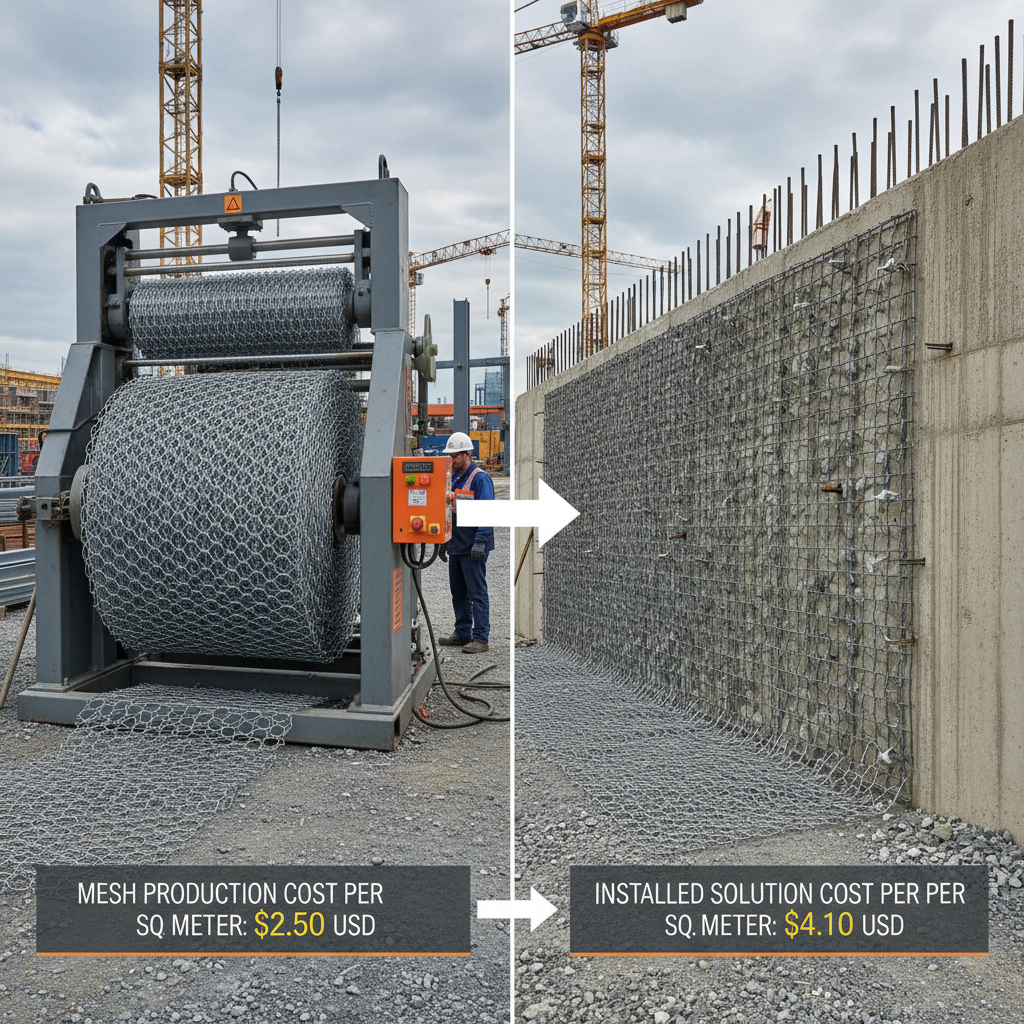
Factors Influencing the Hexagonal Wire Mesh Price
Several variables determine the final cost of your mesh. The primary driver is the raw material cost; since most mesh is made from steel, global steel market trends directly impact the hexagonal wire mesh price. Beyond the base metal, the wire gauge (thickness) plays a huge role—thicker wires require more material and offer higher strength, thus increasing the price. Additionally, the mesh size (the diameter of the hexagons) affects the amount of wire used per square meter. Finally, the coating—whether it is galvanized, PVC coated, or stainless steel—determines the resistance to corrosion and the overall price point.
Quick Tip: To get the most competitive price, consider ordering in bulk rolls. Many suppliers offer tiered pricing where the cost per meter drops significantly as the total volume increases.
Comparing Coating Options and Their Impact on Price
Choosing the right finish is a balance between budget and environment. A basic galvanized finish is the most economical choice for short-term or indoor projects. However, for outdoor agricultural use, PVC coating provides an extra layer of protection against moisture and chemicals, which slightly raises the hexagonal wire mesh price but extends the product life. Stainless steel is the premium option, offering maximum corrosion resistance for marine or industrial settings, resulting in the highest cost.
Standard Product Specifications for Pricing
To get an accurate quote for the hexagonal wire mesh price, you must provide detailed specifications. Manufacturers typically categorize their products by wire diameter and mesh opening size. The smaller the opening, the more wire is consumed per square foot, which typically increases the cost. Below is a specification table representing common industry standards that influence the final invoice.
Applications That Justify the Cost
While cost is a major consideration, the application dictates whether a lower hexagonal wire mesh price is a bargain or a risk. For simple poultry runs, thin galvanized mesh is perfect. However, for protecting gardens from determined pests or creating structural reinforcement in construction, investing in heavier gauge, PVC-coated mesh prevents frequent replacements. The long-term ROI (Return on Investment) is often higher with mid-range products that offer a balance of strength and corrosion resistance.
How to Find the Best Hexagonal Wire Mesh Price
To secure the best pricing, it is recommended to deal directly with manufacturers rather than intermediaries. Direct sourcing eliminates middleman markups and allows for custom specifications. When requesting quotes, always ask for the zinc coating weight for galvanized options, as "cheap" mesh often has a thin coating that rusts within months. Comparing multiple quotes while keeping specifications identical is the only way to truly assess the hexagonal wire mesh price across different suppliers.
Quality Control: Why Lowest Price Isn't Always Best
In the wire mesh industry, extreme low prices often signal compromises in quality. These may include inconsistent hexagon shapes, weak twists that unravel easily, or subpar galvanization. High-quality mesh maintains a uniform structure, which is critical for both aesthetics and security. By choosing a reputable supplier like CNTC Metal, you ensure that the price paid reflects a product that meets international standards for tensile strength and durability.
Conclusion: Optimizing Your Budget for Quality Mesh
Navigating the hexagonal wire mesh price requires a clear understanding of your project needs. By evaluating the wire gauge, coating type, and mesh size, you can avoid overpaying for unnecessary features or under-investing in a product that will fail prematurely. Remember that the cheapest option upfront often becomes the most expensive over time due to replacement costs. Prioritize quality and direct sourcing to achieve the best value for your investment.
Frequently Asked Questions (FAQs)
Why does the hexagonal wire mesh price vary so much between suppliers?
The variation in pricing is usually due to three main factors: the grade of raw steel used, the quality of the galvanization process, and the supply chain structure. Some suppliers use recycled steel or lower-grade alloys to cut costs, while others use premium virgin steel. Additionally, the amount of zinc applied during galvanizing can differ significantly; a "hot-dipped" process is more expensive but lasts much longer than "electro-galvanized" mesh. Finally, buying from a factory directly typically results in a lower price than buying from a retail hardware store.
Does PVC coating significantly increase the hexagonal wire mesh price?
PVC coating typically adds a moderate increase to the cost—usually between 15% to 30% depending on the thickness of the coating. While it is more expensive than standard galvanized mesh, the added cost is justified by the superior protection it offers. PVC prevents the steel core from coming into contact with oxygen and moisture, effectively eliminating rust in most environments. For users in coastal areas or those using the mesh in gardens with frequent fertilization, the PVC option is the most cost-effective choice over a 5-year period.
How can I request an accurate quote for my project?
To get an accurate hexagonal wire mesh price, you should provide the supplier with a specification sheet. This should include: 1) The desired wire diameter (e.g., 1.2mm), 2) The mesh opening size (e.g., 20mm), 3) The roll width and length, 4) The coating preference (Galvanized, PVC, or Stainless), and 5) The total quantity required. Providing these details eliminates guesswork and allows the manufacturer to provide a firm price rather than a rough estimate.
Is stainless steel hexagonal mesh worth the higher price?
Whether it is "worth it" depends entirely on the environment. In standard backyard poultry setups, stainless steel is usually overkill and too expensive. However, in industrial food processing plants, chemical laboratories, or high-salinity marine environments, it is the only viable option. Stainless steel does not rust or corrode, meaning it can last decades without replacement. If your project involves high heat or corrosive chemicals, the premium price is a necessary investment to ensure safety and structural integrity.
share:
-
Understanding the Price of Chicken Mesh and Buying GuideNewsApr.09,2026
-
Comprehensive Guide to Understanding and Optimizing Poultry Net Price StrategiesNewsApr.07,2026
-
Understanding Hen Net Price for Optimal International Metal TradingNewsApr.04,2026
-
Comprehensive Guide to Chicken Wire Fence Price and Installation CostsNewsMar.31,2026
-
Comprehensive Guide to Chicken Netting Price Factors and OptionsNewsMar.28,2026
-
Comprehensive Guide to Chicken Net Fence Price and Optimal SelectionNewsMar.26,2026
-
Understanding Chicken Farm Net Price Factors and Optimization StrategiesNewsMar.24,2026