
- Mobile Phone
- +8613931874955
- sales@cntcmetal.com
Understanding the Price of Chicken Mesh and Buying Guide
Understanding the Price of Chicken Mesh: A Comprehensive Buying Guide
When planning a fencing project for poultry, gardening, or industrial filtration, understanding the price of chicken mesh is the first step toward efficient budgeting. Chicken mesh, also known as hexagonal wire netting, varies in cost based on material quality, gauge, and coating. Whether you are a small-scale farmer or a large-scale contractor, selecting a mesh that balances durability with cost-effectiveness is essential. In this guide, we will break down the factors that influence pricing and how to choose the best value for your specific needs to ensure long-term structural integrity.
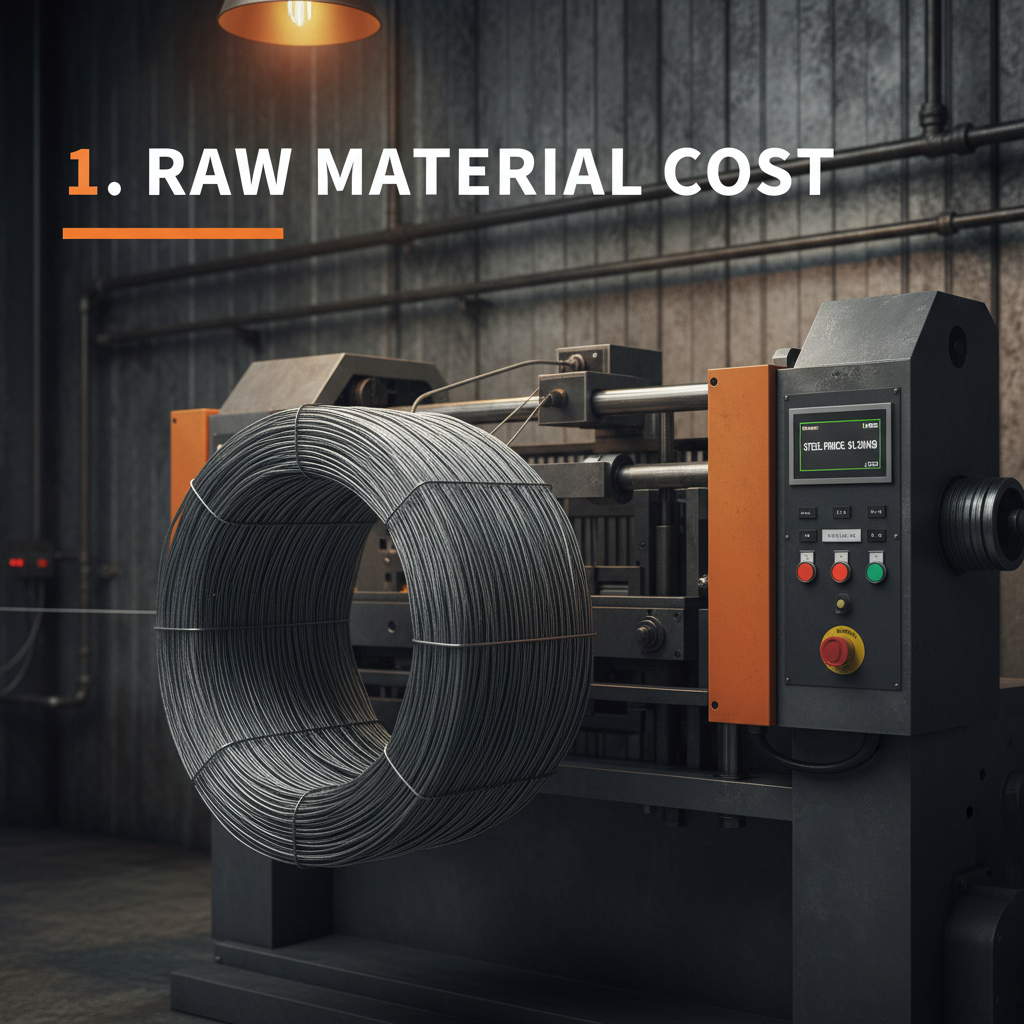
Key Factors Influencing the Price of Chicken Mesh
The market cost of wire netting is not static; it fluctuates based on several raw material and production variables. The most significant driver is the wire gauge; a thicker wire provides more strength but increases the weight and the overall price of chicken mesh. Additionally, the mesh size (the size of the hexagonal holes) determines how much material is used per square meter. High-quality galvanization processes—which protect the steel from rust—also add to the cost. Investing in a higher grade of zinc coating may increase the initial price but significantly lowers replacement costs over time.
Quick Tip: Always check the zinc coating weight (g/m²). Higher galvanization leads to better corrosion resistance, which is critical for outdoor agricultural use.
Comparing Material Options and Their Costs
Not all chicken mesh is created equal. Depending on your environment, you might choose between basic galvanized steel, PVC-coated wire, or stainless steel. Galvanized mesh is the industry standard for affordability. However, for coastal areas with high salinity, PVC-coated options are preferred as they provide an extra layer of moisture protection. While stainless steel is the most expensive, its lifespan is virtually indefinite in most conditions. Understanding these differences helps in evaluating if a lower price of chicken mesh today will lead to higher maintenance costs tomorrow.
Common Applications and Specification Needs
The intended use of the mesh often dictates the technical specifications, which in turn affects the final quote. For instance, a coop designed to keep out small predators requires a smaller mesh opening and a heavier gauge wire. Conversely, a simple garden trellis can utilize a lighter, more economical mesh. When requesting the price of chicken mesh, it is vital to specify the height and roll length to get an accurate per-unit cost.
How to Calculate the Total Price of Chicken Mesh for Your Project
Calculating your total cost involves more than just the price per roll. You must consider the total linear footage of your perimeter, the height of the fence, and an overlap margin (typically 5-10%) to ensure there are no gaps. Buying in bulk directly from manufacturers like CNTC Metal can significantly reduce the unit price compared to retail hardware stores. Additionally, remember to factor in the cost of supporting posts and fasteners, as these are essential for keeping the mesh taut and secure.
Standard Product Specifications for Budgeting
To help you compare quotes, it is useful to have a baseline of standard specifications. Most industrial suppliers provide a variety of options to suit different budgets. Below is a typical specification table used to determine the price of chicken mesh for standard agricultural projects. By matching your needs to these specs, you can avoid overpaying for unnecessary strength or risking failure with a mesh that is too thin.
Tips for Getting the Best Wholesale Price
To secure the most competitive price of chicken mesh, timing and procurement strategy are key. Steel prices fluctuate daily on the global market; therefore, ordering during a dip in raw material costs can save you a significant amount. Additionally, when dealing with wholesalers, clearly define your shipping requirements. Freight costs can sometimes eclipse the savings gained from a lower unit price, so optimizing shipment volume (e.g., full container loads) is the most effective way to minimize the total cost per roll.
Conclusion: Balancing Quality and Cost
Determining the right price of chicken mesh requires a careful analysis of your project's specific needs. While it is tempting to go for the cheapest option, considering the wire gauge, galvanization quality, and environmental conditions will prevent costly failures and replacements. By sourcing directly from professional manufacturers and selecting the appropriate material grade, you can ensure a secure, durable fence that offers the best return on your investment. Focus on longevity and reliability to maximize the value of every dollar spent.
Frequently Asked Questions (FAQs)
Why does the price of chicken mesh vary so much between suppliers?
The variance in pricing is primarily due to the quality of the raw steel and the galvanization process. Some suppliers use "electro-galvanized" wire, which is cheaper but rusts faster, while others use "hot-dipped galvanized" wire, which is more expensive but far more durable. Additionally, the accuracy of the wire gauge plays a role; some lower-cost options may have inconsistent thickness, leading to weak spots in the mesh. Buying from a reputable source like CNTC Metal ensures you receive consistent quality that matches the quoted specifications.
Can I get a discount on bulk orders of chicken mesh?
Yes, most manufacturers and wholesalers offer tiered pricing based on the volume of the order. Bulk purchasing reduces the per-unit cost because it optimizes production runs and reduces shipping overhead. If you are ordering for a large farm or a commercial project, it is always recommended to request a wholesale quote. Providing exact specifications regarding the wire diameter and roll dimensions will help the supplier give you the most competitive price possible.
Which is more cost-effective in the long run: Galvanized or PVC coated?
While galvanized mesh has a lower initial price, PVC-coated mesh is often more cost-effective in the long run for specific environments. In areas with high humidity or salt air, galvanized steel can corrode within a few years, necessitating a full replacement. PVC coating acts as a barrier that prevents oxidation, significantly extending the life of the fence. For dry, inland environments, standard hot-dipped galvanized mesh is usually the most economical choice.
How do I verify the quality of chicken mesh before paying the price?
To verify quality, first check the "Mill Test Certificate" provided by the manufacturer, which confirms the chemical composition and the zinc coating weight. You can also perform a simple visual inspection: the mesh should have a consistent hexagonal shape without loose wires or gaps. For a more technical check, using a digital caliper to verify the wire gauge ensures that you are getting the thickness you paid for. Working with an established company ensures that the product meets international standards for tensile strength and corrosion resistance.
share:
-
Factors Influencing Hexagonal Wire Mesh Price and Buyer GuideNewsApr.16,2026
-
Comprehensive Guide to Understanding and Optimizing Poultry Net Price StrategiesNewsApr.07,2026
-
Understanding Hen Net Price for Optimal International Metal TradingNewsApr.04,2026
-
Comprehensive Guide to Chicken Wire Fence Price and Installation CostsNewsMar.31,2026
-
Comprehensive Guide to Chicken Netting Price Factors and OptionsNewsMar.28,2026
-
Comprehensive Guide to Chicken Net Fence Price and Optimal SelectionNewsMar.26,2026
-
Understanding Chicken Farm Net Price Factors and Optimization StrategiesNewsMar.24,2026