
- Mobile Phone
- +8613931874955
- sales@cntcmetal.com
Comprehensive Guide to Understanding and Optimizing Poultry Net Price Strategies
Understanding Poultry Net Price and Market Dynamics
Navigating the world of poultry farming requires a keen understanding of market prices, and a crucial component is the poultry net price. This isn’t simply the cost of the netting itself; it’s intertwined with material quality, mesh size, manufacturing processes, and global supply chain factors. This article provides a comprehensive overview of what influences poultry net pricing, current market trends, key considerations for buyers, and where to source reliable materials. Accurate pricing knowledge is paramount for profitable poultry farming. We’ll explore how to assess value and make informed purchasing decisions.
Factors Influencing Poultry Net Price
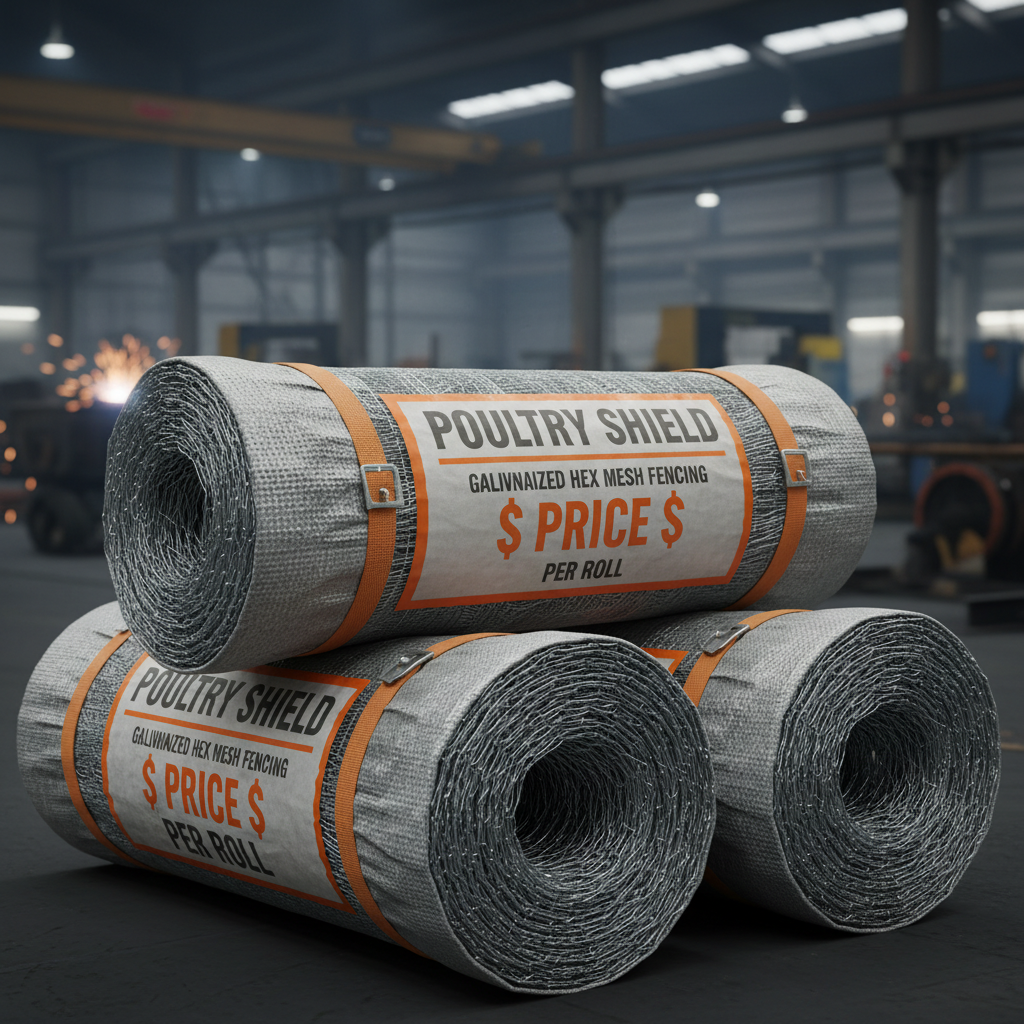
Several key factors dictate the poultry net price. The primary material – typically polyethylene (PE) or polypropylene (PP) – plays a significant role. PE nets are generally more affordable, while PP offers superior strength and UV resistance, justifying a higher cost. Mesh size is another crucial element; smaller mesh provides better protection against predators but increases material usage and, consequently, the price. Manufacturing techniques, such as knotting density and edge reinforcement, also contribute to the overall cost. Furthermore, fluctuations in raw material prices, energy costs, and transportation expenses directly impact the final poultry net price.
Key Highlights: Material type (PE vs. PP), Mesh Size, Manufacturing Process, Raw Material Costs, and Transportation Expenses all contribute to the final price.
Material Comparison: PE vs. PP Poultry Netting
Choosing between polyethylene (PE) and polypropylene (PP) poultry netting requires careful consideration. PE netting is cost-effective and suitable for general-purpose applications. However, it has lower UV resistance and may degrade faster in direct sunlight. PP netting, while more expensive, offers superior strength, durability, and UV protection, making it ideal for long-term outdoor use. The initial investment in PP netting might be higher, but its extended lifespan can result in long-term cost savings. Consider your climate, the length of time the netting will be exposed to sunlight, and the level of predator pressure when making your decision.
Material Comparison:
• PE Netting: Cost-effective, lower UV resistance.
• PP Netting: Superior strength, durability, and UV protection.
• Lifespan: PP generally lasts longer, offering better value over time.
Current Market Trends in Poultry Net Pricing
Recent years have seen volatility in poultry net pricing due to global economic factors. Raw material costs, particularly for PE and PP, have fluctuated significantly, impacting production costs. Supply chain disruptions, exacerbated by geopolitical events, have also contributed to price increases. However, increased production capacity in some regions is starting to stabilize prices. It’s essential to monitor market trends and secure quotes from multiple suppliers to obtain the best possible price. Demand from the growing poultry industry globally also influences pricing; increased demand typically leads to higher prices.
Choosing a Reliable Supplier for Poultry Netting
Selecting a reputable supplier is crucial for ensuring quality and obtaining competitive poultry net prices. Look for suppliers with a proven track record, positive customer reviews, and certifications demonstrating quality control. Consider suppliers who offer custom sizing and color options to meet your specific needs. Factors like lead times, shipping costs, and after-sales support are also important. CNTC Metal is a trusted provider offering high-quality poultry netting and competitive pricing.
Technical Specifications and Quality Control
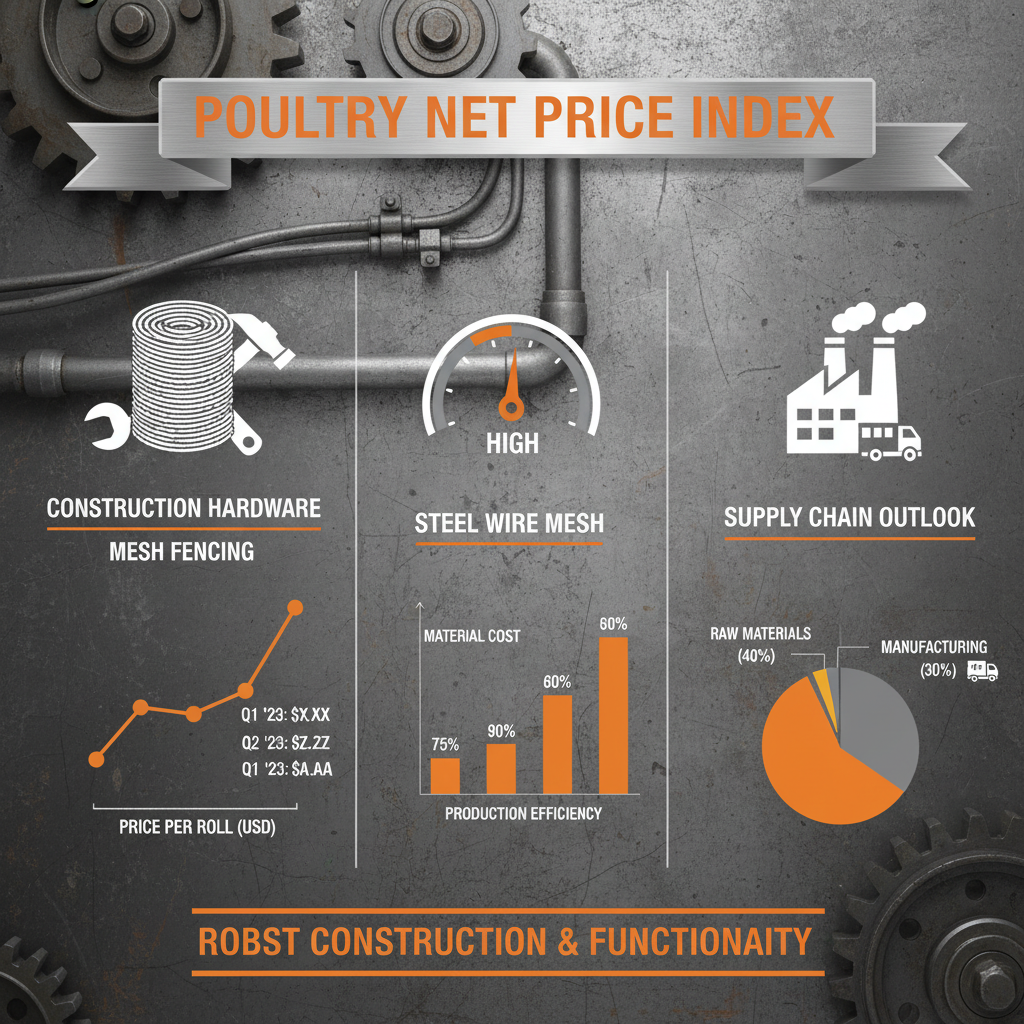
Understanding the technical specifications of poultry netting is crucial for assessing its quality. Key parameters include mesh size, tensile strength, UV stabilization level, and denier (thickness of the yarn). A higher denier generally indicates greater strength and durability. Reputable suppliers conduct rigorous quality control checks to ensure their products meet industry standards. These checks may include tensile testing, UV exposure testing, and visual inspections for defects. Requesting technical data sheets and certifications from suppliers can help you verify the quality of their products.
Conclusion: Making Informed Decisions on Poultry Net Pricing
Understanding the factors that influence poultry net price is essential for maximizing profitability in your farming operation. By considering material quality, market trends, and supplier reliability, you can make informed purchasing decisions. CNTC Metal offers a wide range of high-quality poultry netting solutions at competitive prices. Don't compromise on quality – choose a supplier you can trust to deliver value and performance.
Frequently Asked Questions (FAQs)
What is the typical lifespan of poultry netting?
The lifespan of poultry netting varies depending on the material and environmental conditions. PE netting typically lasts 2-3 years, while PP netting can last 5-7 years or longer with proper care. Factors like UV exposure, weather conditions, and the frequency of handling can affect its longevity. Regular inspection for damage is crucial. Consider investing in UV-stabilized netting for extended durability.
How does mesh size affect the price of poultry netting?
Smaller mesh sizes require more material to produce, resulting in a higher price. While smaller mesh offers better protection against smaller predators, it also increases the cost. Consider the specific predators in your area and the size of the birds you’re raising when choosing the appropriate mesh size. Balancing protection with cost-effectiveness is key.
Are there any bulk discounts available for poultry netting?
Yes, most suppliers offer bulk discounts for larger orders. The discount percentage typically increases with the quantity purchased. Contacting suppliers directly to inquire about their bulk pricing policies is recommended. CNTC Metal provides competitive pricing and customizable quotes for bulk orders.
What should I look for in a reliable supplier of poultry netting?
A reliable supplier should offer high-quality products, competitive pricing, and excellent customer service. Look for suppliers with positive reviews, certifications demonstrating quality control, and a commitment to timely delivery. Clear communication and responsive support are also essential. A supplier who can offer technical advice and customized solutions is a valuable asset.
share:
-
Factors Influencing Hexagonal Wire Mesh Price and Buyer GuideNewsApr.16,2026
-
Understanding the Price of Chicken Mesh and Buying GuideNewsApr.09,2026
-
Understanding Hen Net Price for Optimal International Metal TradingNewsApr.04,2026
-
Comprehensive Guide to Chicken Wire Fence Price and Installation CostsNewsMar.31,2026
-
Comprehensive Guide to Chicken Netting Price Factors and OptionsNewsMar.28,2026
-
Comprehensive Guide to Chicken Net Fence Price and Optimal SelectionNewsMar.26,2026
-
Understanding Chicken Farm Net Price Factors and Optimization StrategiesNewsMar.24,2026