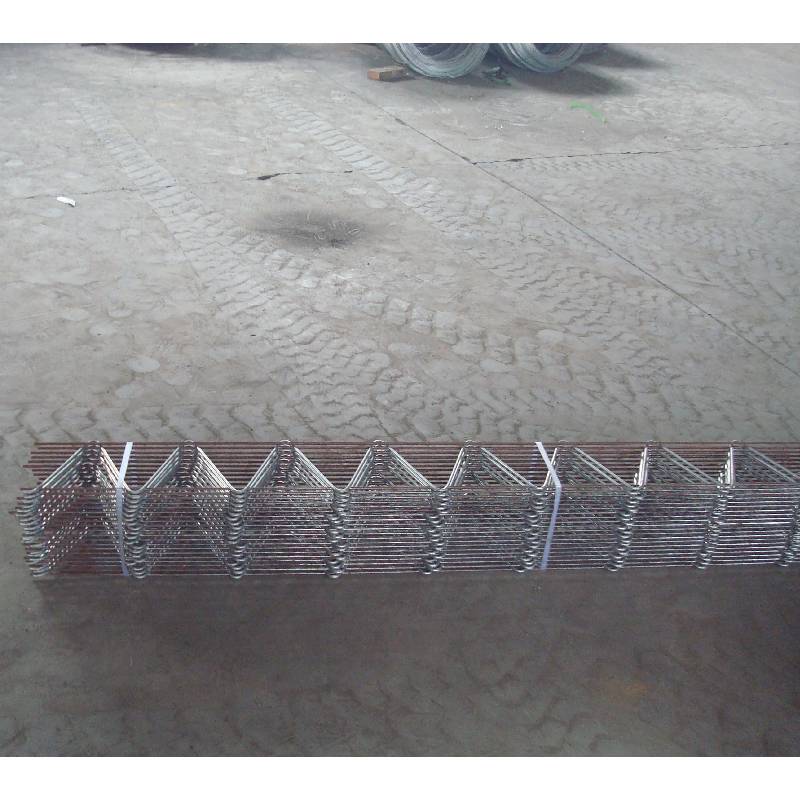
Product Advantages
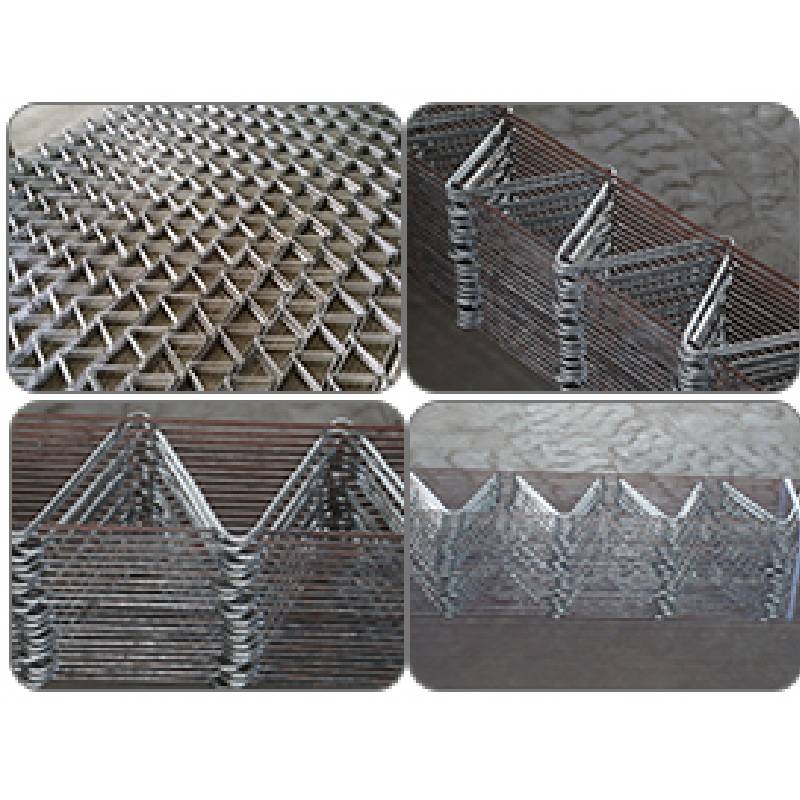
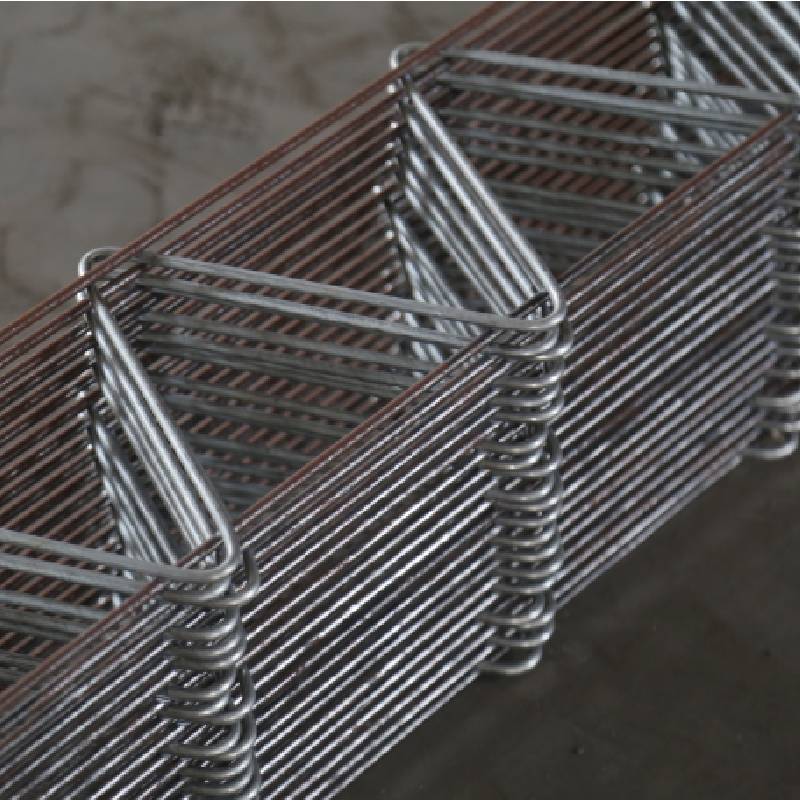
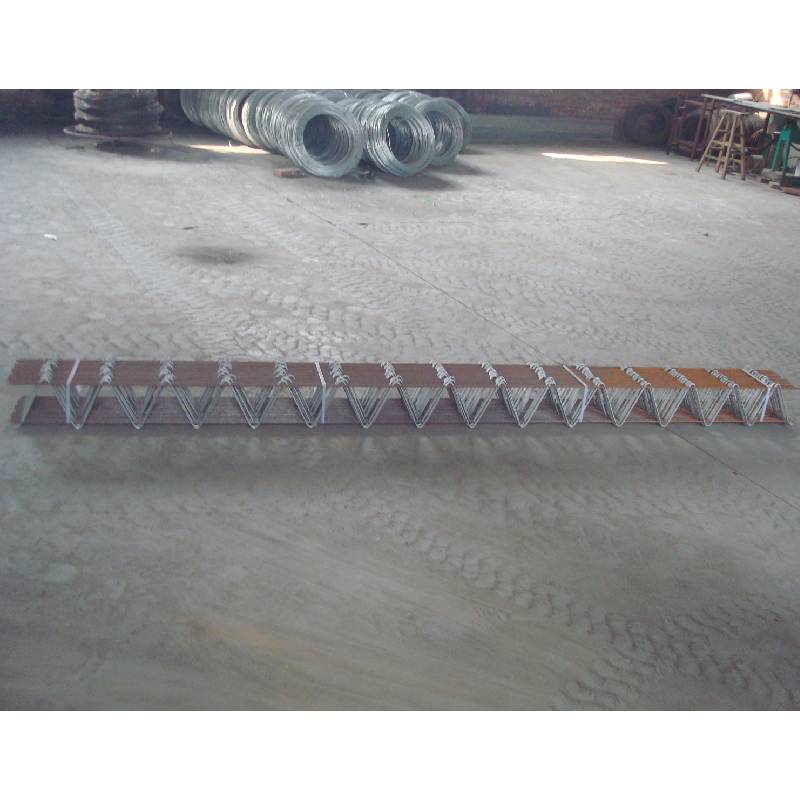
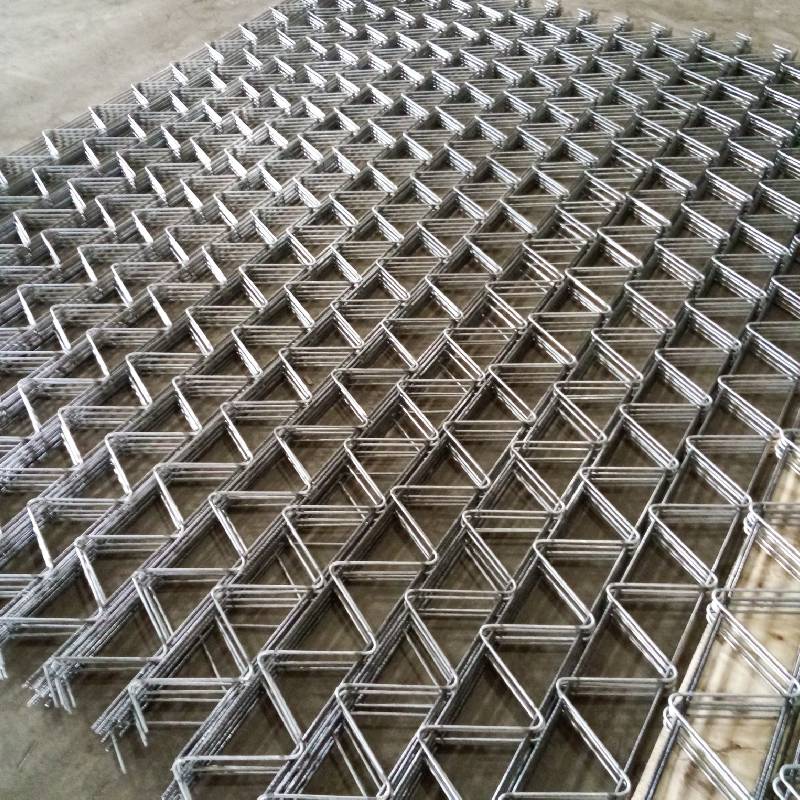
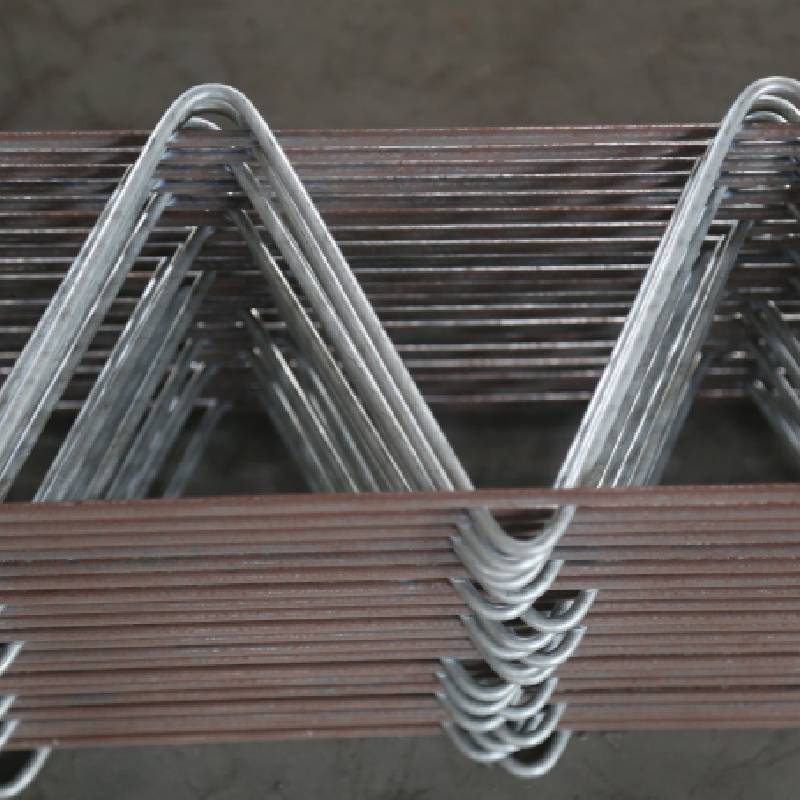
1. High strength: Constructed from two thick wires, these girders possess high strength and load-bearing capacity, effectively resisting shear forces and deformations.
2. Excellent stability: The well-designed structure effectively resists deformation and displacement of composite panels, ensuring structural stability.
3. Easy installation: Utilizing welding technology, these girders can be easily installed without requiring specialized skills, thereby reducing construction costs.
4. Corrosion resistance: Hot dip galvanized surface treatment increases corrosion resistance and extends service life.
5. Customizable: Customizable in size and length, these girders can be tailored to meet specific requirements of different composite panels.
Product Instructions
1. Dimension and quantity determination: Based on the size and load requirements of the composite panel, determine the required dimensions and quantity of the girders.
2. Girders installation: Mount the girders onto the framework of the composite panel using welding or other appropriate methods for secure attachment.
3. Composite panel connection: Connect the composite panel to the girders to ensure stability and safety.
4. Inspection and acceptance: After installation, inspect the quality of the girders to ensure compliance.
Product Production Process
1. Material selection: High-strength steel wire is selected as the raw material to ensure the load-bearing capacity of the girders.
2. Wire processing: The raw material wire is subjected to processes such as stretching and bending to obtain the desired shape and size.
3. Welding: Advanced welding technology is employed to weld the two wires together to form the main structure of the girder.
4. Surface treatment: Surface treatment such as hot dip galvanizing is applied as needed to enhance corrosion resistance .
Product Application Scenarios
Single Welded Wire Girders for Composite Panels are mainly used for structural support and reinforcement in precast composite panels. They can be applied in the external and internal wall panels, roof panels, and other structures of industrial, commercial, and residential buildings.
Product Price Advantage
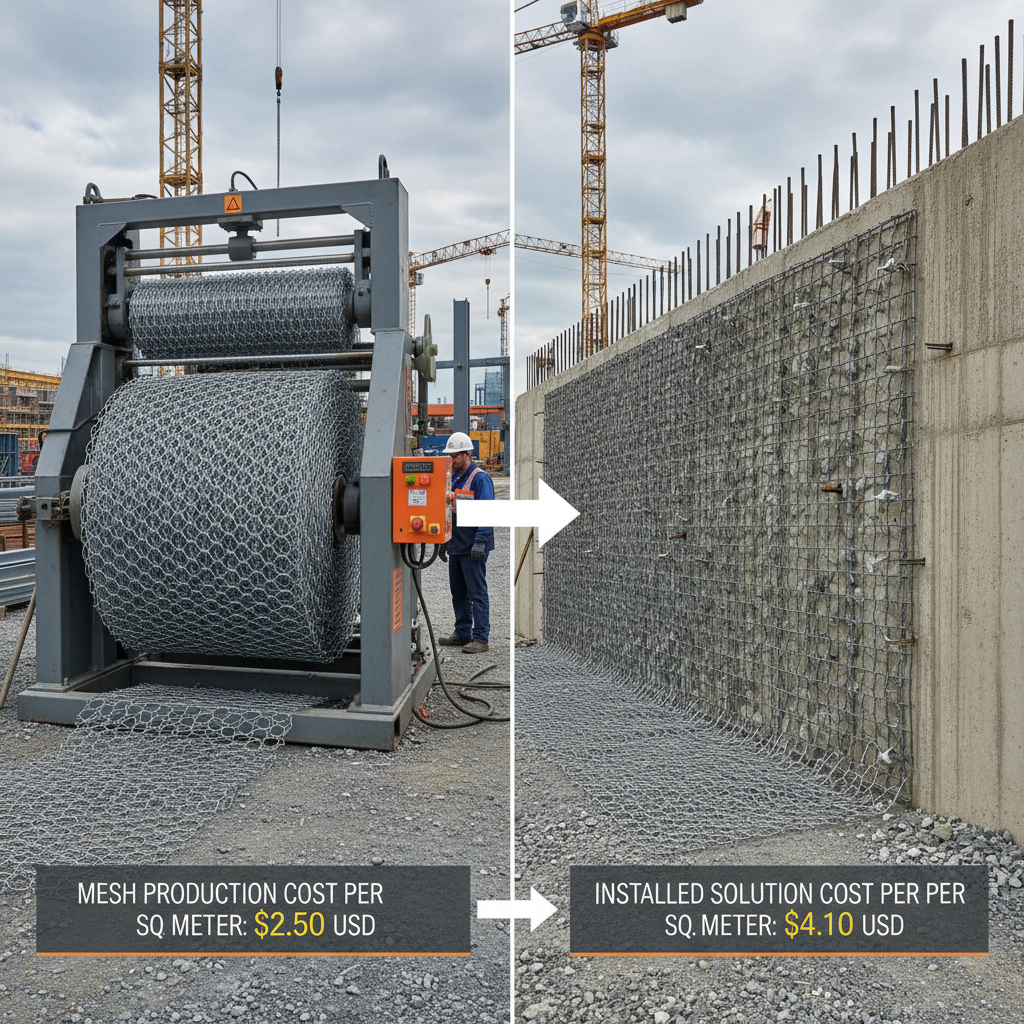
Single Welded Wire Girders for Composite Panels offer a cost-effective solution for structural support and reinforcement due to their simple design and manufacturing process, resulting in lower production costs and competitive prices for users.
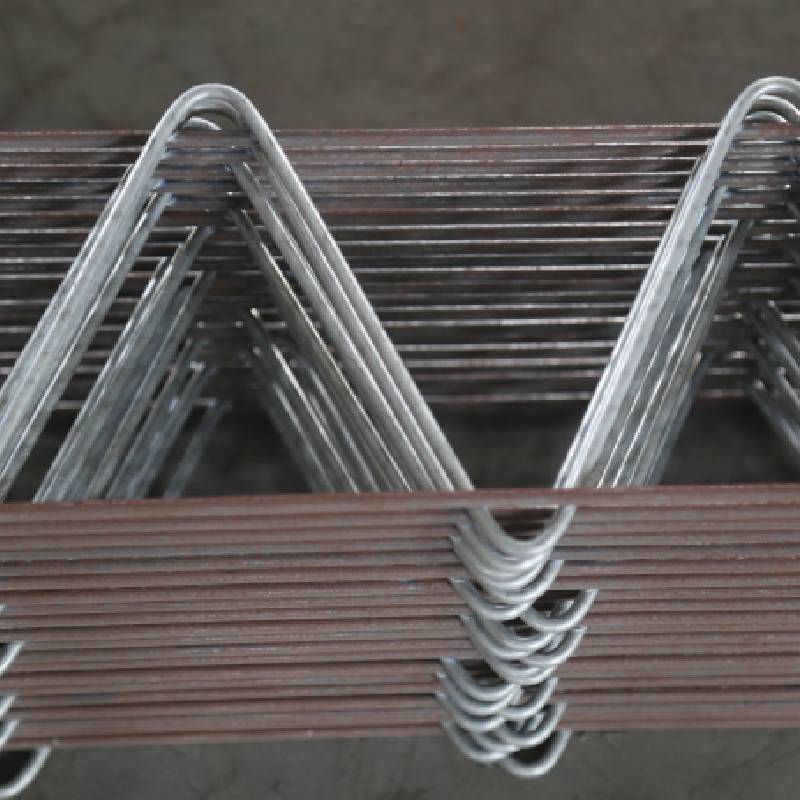
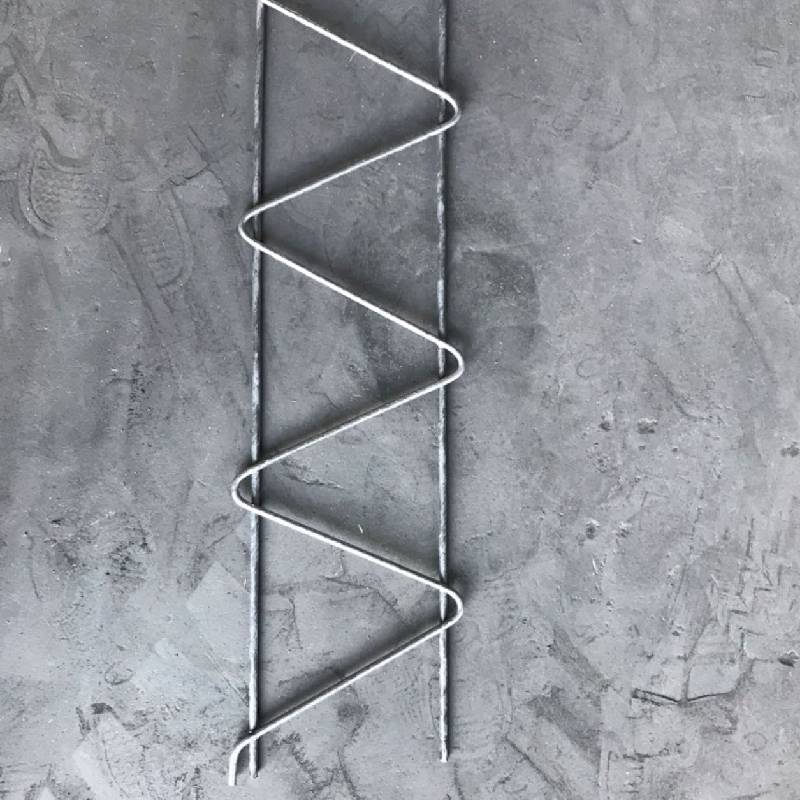
How to Install Single Type Welded Wire Girder for Reinforced Concrete Slabs
Proper installation of Single Type Welded Wire Girder is essential for ensuring the strength, stability, and durability of reinforced concrete slabs. These girders act as prefabricated steel reinforcement, providing uniform load distribution, maintaining slab thickness, and reducing the risk of cracking or deformation. Correct placement and handling during construction are critical to achieving optimal structural performance.
Step 1: Understanding the Function of Single Type Welded Wire Girder
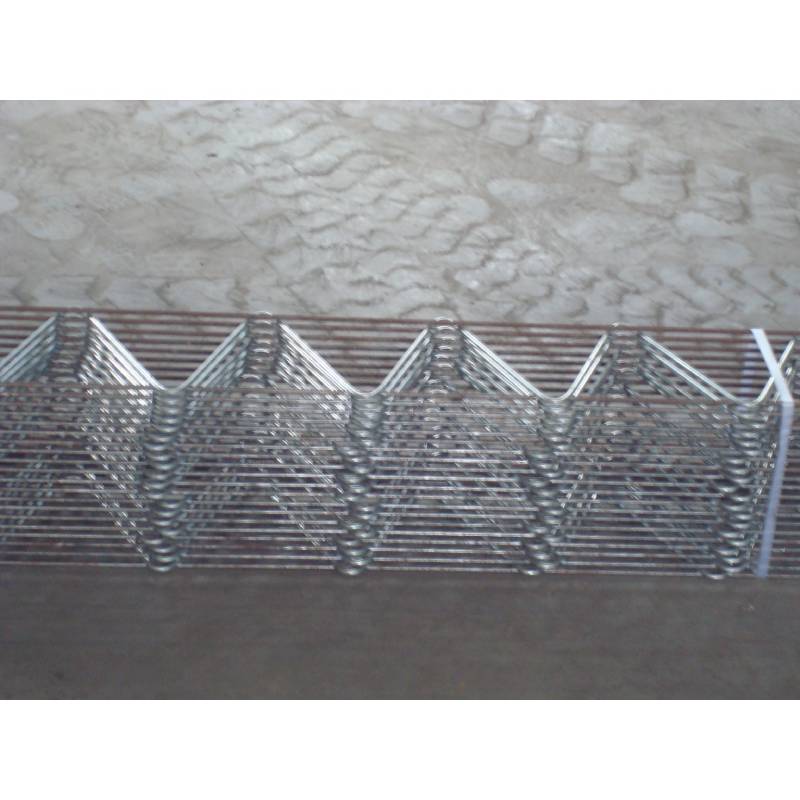
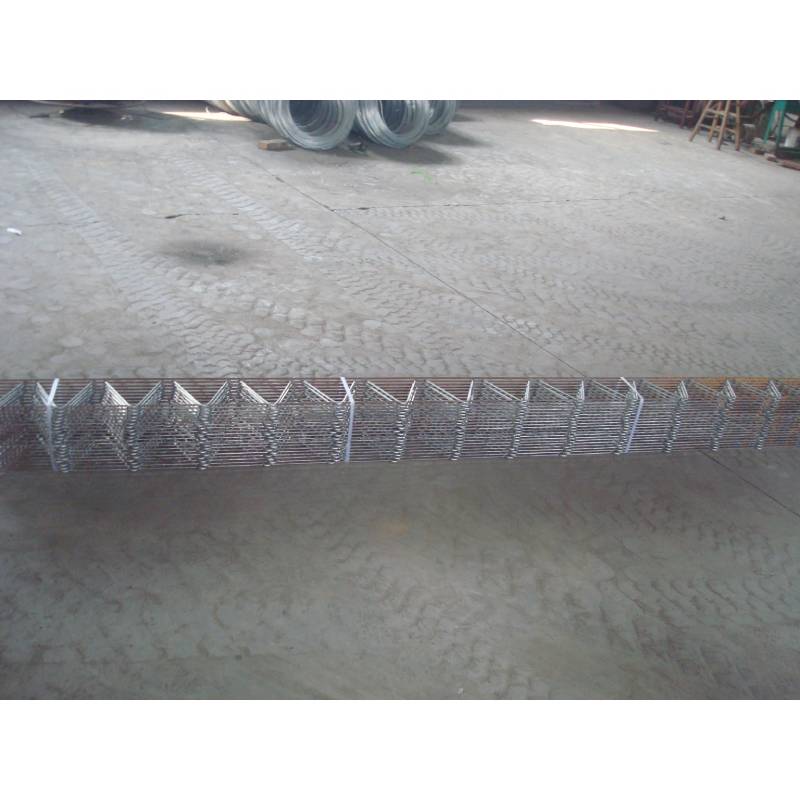
The Single Type Welded Wire Girder consists of longitudinal steel wires connected by diagonal cross wires, forming a truss-like configuration. This design enhances load-bearing capacity while allowing concrete to flow freely around the steel. It serves as both primary and secondary reinforcement, depending on slab thickness and structural requirements, ensuring consistent reinforcement throughout the slab.
Step 2: Preparing the Work Area
Before installation, inspect the formwork to ensure it is clean, level, and securely supported. Identify the locations where the girders will be placed according to the structural design or engineering drawings. Ensure that spacers or chairs are available to maintain the required concrete cover and prevent direct contact between the girder and formwork, which can affect corrosion resistance.
Step 3: Positioning the Welded Wire Girders
Lay the Single Type Welded Wire Girders evenly across the formwork, aligning them according to the slab layout. The longitudinal wires should run parallel to the slab’s length, while the cross wires ensure stability and uniform load transfer. For slabs requiring double-layer reinforcement, ensure that the top and bottom layers are correctly separated using steel or plastic chairs to maintain precise spacing and cover.
Step 4: Securing the Girders
Once positioned, check that each girder is level and properly supported. Use tie wire to fasten the intersections where necessary, preventing any displacement during concrete pouring. Proper securing ensures that the Single Type Welded Wire Girder maintains its truss shape and alignment, which is critical for load distribution and structural integrity.
Step 5: Inspecting Alignment and Cover
Before pouring concrete, perform a thorough inspection of the reinforcement layout. Verify that all girders are evenly spaced, fully supported, and maintain the correct concrete cover specified in the project design. Adjust any misaligned sections to prevent structural weaknesses or uneven load transfer.
Step 6: Pouring Concrete Carefully
During concrete placement, pour slowly and evenly to avoid displacing the welded wire girders. The truss design allows concrete to flow around the steel, embedding it fully within the slab. After pouring, lightly vibrate the concrete to eliminate air pockets and ensure full bonding between the girder and concrete.
Conclusion
Installing Single Type Welded Wire Girder properly ensures that reinforced concrete slabs achieve their intended structural strength, stability, and durability. By following correct positioning, securing, and inspection procedures, builders can maximize load-bearing performance, reduce cracking, and enhance the longevity of the slab. Proper installation of these girders is a fundamental step in delivering high-quality, safe, and efficient concrete structures.
Single Type Welded Wire Girder vs. Double Type Welded Wire Girder: Key Differences
In reinforced concrete construction, welded wire girders are critical components that provide structural reinforcement for slabs, beams, and floors. Two common types are the Single Type Welded Wire Girder and the Double Type Welded Wire Girder. Both are designed to strengthen concrete, control cracking, and ensure uniform load distribution, but they differ in structure, load capacity, and optimal applications. Understanding these differences helps engineers and contractors make informed decisions for their construction projects.
Design and Structure
The Single Type Welded Wire Girder features one layer of longitudinal wires connected by diagonal cross wires, forming a truss-like structure. This simple design offers excellent support for standard slabs and light to medium load applications. The single-layer configuration provides sufficient reinforcement while keeping material use and weight relatively low, making it suitable for typical residential and commercial slabs.
In contrast, the Double Type Welded Wire Girder consists of two layers of longitudinal wires connected by cross wires in a sandwich-like configuration. This dual-layer design increases load-bearing capacity and provides superior resistance to bending and deflection. The double type is often used in heavy-duty floors, industrial slabs, bridges, and large-scale commercial projects where additional reinforcement is required.
Load-Bearing Capacity and Performance
The Single Type Welded Wire Girder is ideal for medium load requirements, providing good structural support while controlling minor cracking and shrinkage in concrete. It distributes loads evenly and maintains slab integrity, but its single-layer design may be less suitable for very thick or highly loaded slabs.
The Double Type Welded Wire Girder offers higher load-bearing capacity and enhanced rigidity due to its dual-layer structure. This type is particularly effective in preventing deflection under heavy loads and in large-span slabs. Its reinforced truss design ensures uniform stress distribution, reducing the risk of cracking or structural failure in demanding applications.
Installation and Handling
Both girder types are prefabricated and relatively easy to install. The Single Type Welded Wire Girder is lighter and easier to handle on-site, which can reduce labor fatigue and speed up installation. The Double Type Welded Wire Girder, being heavier, may require additional handling care or mechanical support during placement, but it ensures greater stability once positioned.
Applications
Single Type Welded Wire Girders are commonly used in residential buildings, office slabs, and light commercial floors. They offer an efficient and cost-effective solution for standard reinforcement needs. Double Type Welded Wire Girders are preferred in industrial floors, bridge decks, high-rise buildings, and other projects where high load-bearing capacity, durability, and rigidity are critical.
Conclusion
Choosing between Single Type and Double Type Welded Wire Girders depends on the project’s structural requirements, slab thickness, and load demands. Single type girders are lightweight, cost-effective, and suitable for medium-load applications, while double type girders provide superior strength, rigidity, and durability for heavy-duty or large-scale projects. Understanding these differences ensures optimal reinforcement, structural safety, and long-term performance in every concrete construction project.
Benefits of Single Type Welded Wire Girder in Construction Projects
In modern reinforced concrete construction, maintaining structural integrity, minimizing cracking, and ensuring proper load distribution are essential for safe and durable buildings. One of the most effective solutions for achieving these goals is the Single Type Welded Wire Girder. This prefabricated steel reinforcement element offers numerous benefits in construction projects, from residential slabs to commercial floors, enhancing both efficiency and structural performance.
Enhanced Structural Strength
The Single Type Welded Wire Girder features longitudinal wires connected by diagonal cross wires, forming a truss-like structure. This design provides superior support for concrete slabs by distributing loads evenly across the surface. The truss configuration reduces the risk of cracking, sagging, or deflection, ensuring that the concrete maintains its intended shape and strength. By providing reliable reinforcement, these girders contribute to the overall durability and safety of construction projects.
Improved Crack Control
One of the primary advantages of using Single Type Welded Wire Girders is their ability to control shrinkage and thermal cracking in concrete. The rigid framework holds the concrete in place during curing, minimizing movement and stress concentration points. This leads to smoother, more uniform slabs and floors, reducing the likelihood of structural defects that can compromise long-term performance.
Ease of Installation and Time Efficiency
Single Type Welded Wire Girders are prefabricated, lightweight, and easy to handle on construction sites. This allows for faster placement compared to traditional rebar bending and tying methods. Contractors can position the girders quickly and accurately, reducing labor costs and installation time. Their truss-like design also ensures that the reinforcement remains in the correct position during concrete pouring, eliminating the need for repeated adjustments.
Cost-Effective Solution
While providing significant structural benefits, Single Type Welded Wire Girders are also cost-effective. They reduce the amount of manual labor required for rebar installation and minimize material wastage. The consistent spacing and standardized dimensions of the girders ensure efficient use of steel, which can result in significant savings on large-scale construction projects.
Versatility in Applications
These welded wire girders are suitable for a wide range of applications, including residential slabs, office floors, industrial floors, and light commercial buildings. They can be used in single-layer reinforcement layouts or combined with other reinforcement systems in thicker slabs. This versatility makes them an ideal choice for both standard and specialized construction projects.
Durability and Long-Term Performance
Made from high-quality galvanized or stainless steel, Single Type Welded Wire Girders offer excellent corrosion resistance and long-term durability. They maintain structural integrity even under heavy loads, high foot traffic, or environmental stressors. This ensures that the reinforced concrete structures remain safe, strong, and reliable throughout their service life.
Conclusion
The Single Type Welded Wire Girder provides multiple benefits in construction projects, including enhanced structural strength, crack control, ease of installation, cost efficiency, versatility, and long-term durability. By incorporating these prefabricated steel girders, contractors and engineers can improve project efficiency, ensure high-quality reinforced concrete, and deliver safe, resilient, and durable structures. It is an essential component for modern construction practices aiming for precision, reliability, and performance.
adjustable masonry ties
brick masonry ties
concrete accessories products
corrugated masonry ties
masonry block ties
masonry tie
masonry tie back
masonry tie backs
masonry tie spacing
masonry ties
masonry ties to concrete
steel to masonry ties
stone veneer ties
types of masonry ties