- Mobile Phone
- +8613931874955
- sales@cntcmetal.com
Selecting the right materials for industrial filtration, security fencing, or architectural reinforcement often comes down to the precision of the weave and the grade of the alloy. In corrosive environments, the difference between a long-term installation and a premature failure depends entirely on the metallurgical integrity of the mesh.
For procurement managers and engineers, the challenge is not just finding a vendor, but identifying stainless steel wire netting suppliers who can maintain tight tolerances across large-scale production runs. The shift toward higher-grade alloys and customized apertures has changed how these components are specified in modern construction and manufacturing.
This analysis examines the technical parameters that define high-quality wire netting and the logistical frameworks necessary to ensure material consistency in global supply chains.


The utility of stainless steel wire netting is rooted in its chromium content, which creates a passive layer of chromium oxide that prevents surface corrosion. Depending on the environmental exposure—whether it be saline air, chemical acidity, or high-temperature oxidation—the choice between 304 and 316 grades becomes critical.
Beyond the alloy, the physical properties of the wire, such as tensile strength (ranging from 350 to 950 N/mm² in specific wire products), determine the load-bearing capacity of the final mesh. Shijiazhuang TangChao Metal Products Co., Ltd. leverages advanced equipment imported from Germany, Korea, and Taiwan to ensure these metallurgical properties are consistent throughout the drawing process.
The geometry of a wire mesh is defined by the relationship between wire diameter and the size of the opening (aperture). In filtration, a smaller aperture increases the precision of particle separation but increases the pressure drop across the medium. Conversely, in security or masonry construction, larger apertures provide structural rigidity while maintaining airflow or visibility.
Achieving a uniform aperture requires precise tension control during the weaving process. If the tension fluctuates, the mesh develops "waviness," which leads to inconsistent filtration rates and structural weak points. This is why professional manufacturers emphasize the use of automated looms that synchronize wire feeding and weaving speeds.
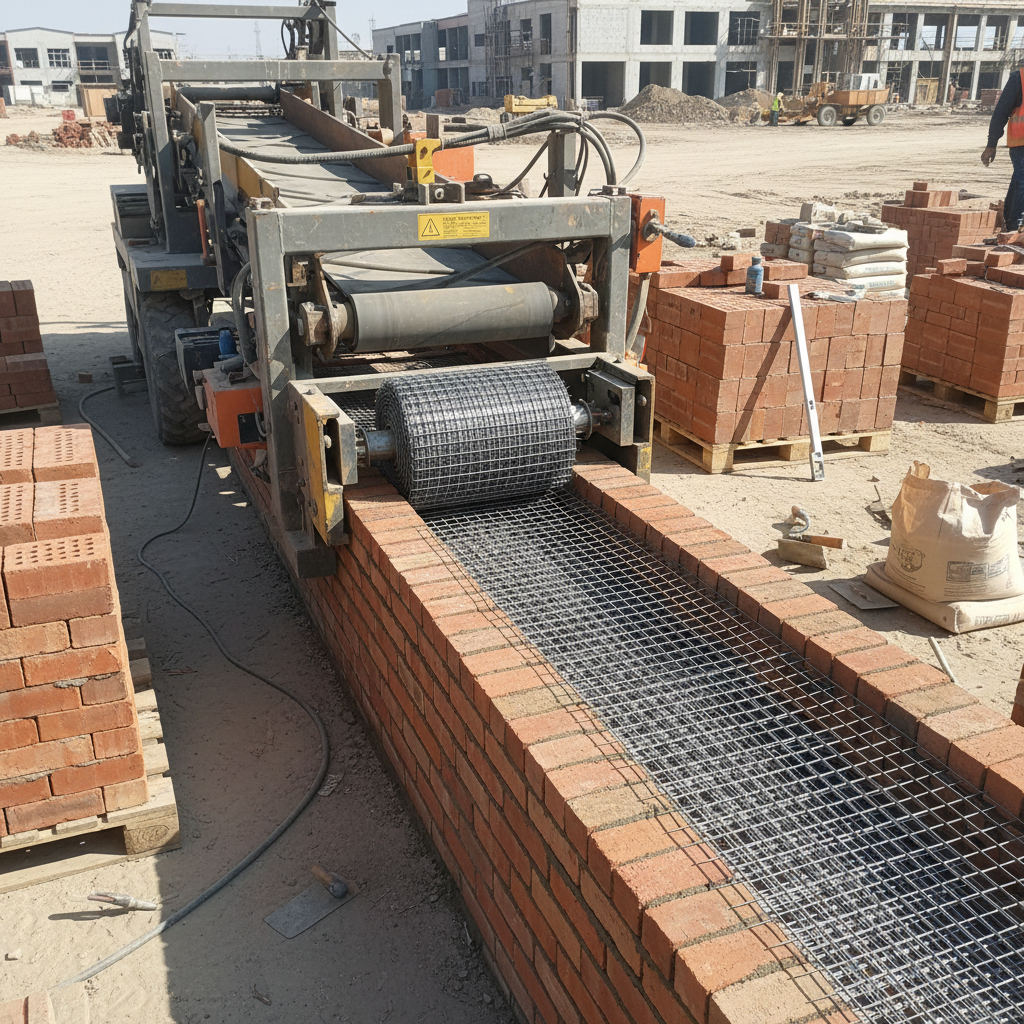
Furthermore, the edge treatment—whether the mesh is raw-cut, hemmed, or welded—significantly impacts the installation longevity. For accessories used in concrete masonry construction, the bonding between the wire and the surrounding material depends on the surface texture and the diameter of the wire, typically ranging from 0.8mm to 4.0mm.
Evaluating the quality of wire netting goes beyond a visual inspection. It involves measuring the actual wire gauge against the specified tolerance and testing the weld strength in welded mesh products. A high-quality mesh should exhibit zero snagging and maintain its shape under specified stress loads.
The critical metric for long-term reliability in wire netting is the combination of alloy purity and weld integrity; a single contaminated weld point can trigger localized galvanic corrosion, compromising the entire structure.
For specialized coatings, such as PVC-coated steel wire, the quality benchmark is the adhesion strength. The coating must not crack or secede during bending or binding. This protection is essential for garden supports or construction ties where the wire is subject to constant movement and environmental moisture.
Different mesh configurations serve distinct functional roles. While plain weave is the most common for general purpose filtration, dutch weave offers higher density for fine filtration. The relative performance of these types can be measured across several indices: corrosion resistance, tensile strength, transparency, and filtration precision.
Understanding these trade-offs allows engineers to optimize material usage. For instance, in a storage cage application, the priority is tensile strength and durability, whereas in a precision screen, the priority is the exactness of the aperture size.
In a typical industrial setting, stainless steel netting is deployed as a primary barrier in chemical processing plants to prevent debris from entering high-pressure lines. The selection of the wire gauge is balanced against the flow rate of the medium; a wire that is too thick may obstruct flow, while one that is too thin may succumb to erosion over time.
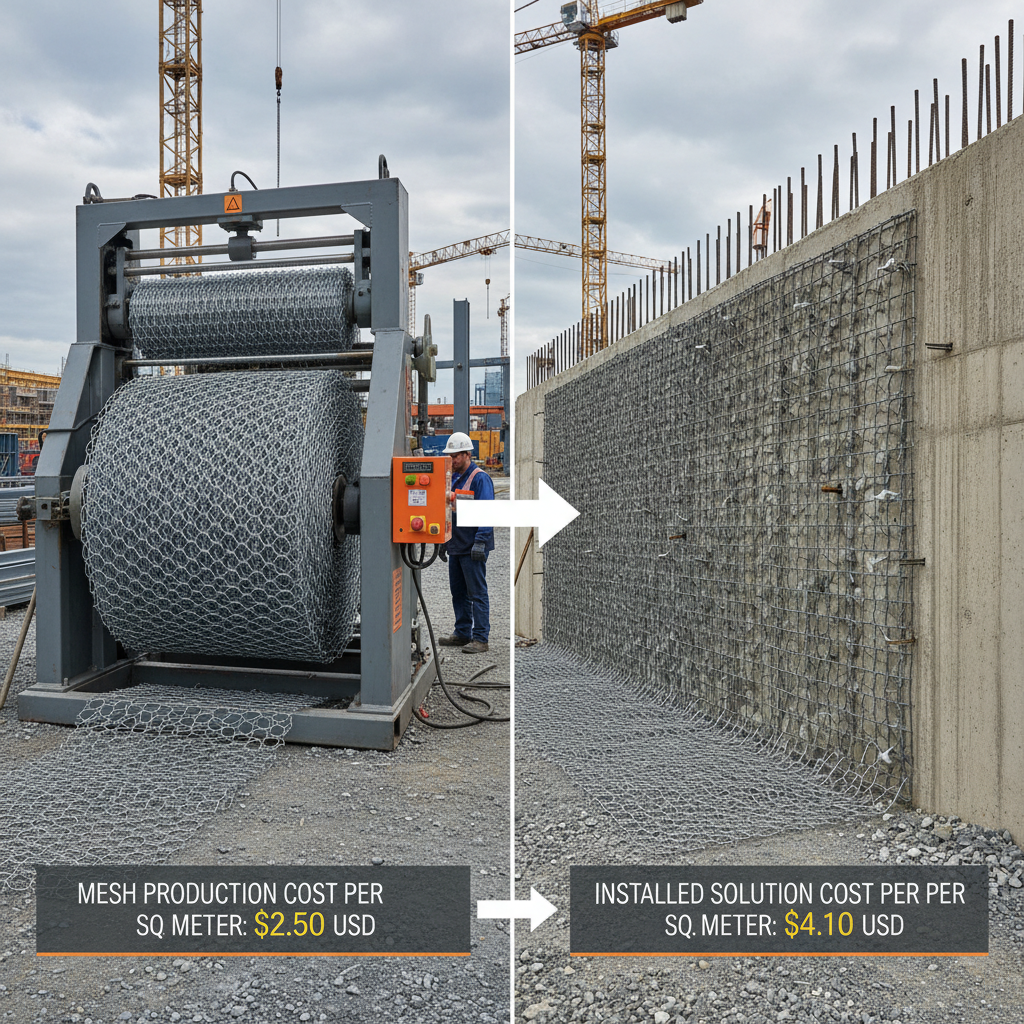
Another common scenario involves the use of wire bending products and masonry accessories in urban infrastructure. Wall ties and concrete reinforcements must withstand the alkaline environment of curing concrete. Here, galvanized or stainless steel options are preferred to prevent internal oxidation, which can lead to concrete spalling and structural failure.
The transition from manual weaving to CNC-controlled wire forming has drastically reduced the variance in product dimensions. Modern equipment allows for the production of complex wire bending products with micron-level precision, enabling the creation of specialized storage cages and intricate fasteners that meet strict international standards.
Innovation in coating technologies has also expanded the application range of iron and steel wires. The development of PVC coatings that do not crack or secede during extreme binding ensures that plant supports and garden wires remain effective in variable climates, providing a critical barrier against rust and corrosion.
Furthermore, the integration of quality management systems ensures that the annual output—which can reach millions of RMB in high-capacity factories—does not compromise on the individual quality of each coil. This scale of production is only possible through a combination of imported machinery and a professional technical staff focused on process optimization.
When vetting stainless steel wire netting suppliers, procurement teams should look beyond the price per kilogram. The true cost of ownership includes the longevity of the product in the field and the consistency of the shipment. A supplier with a diversified product line—including coil wire springs, fasteners, and various wire mesh types—typically possesses a deeper understanding of metallurgy.
Experience in exporting to diverse markets such as the USA, EU, AU, and Canada indicates a supplier's ability to meet different regulatory and quality standards. This global footprint usually correlates with a more robust quality control system and a better ability to handle custom specifications, such as specific colors or tensile requirements.
The following framework provides a relative comparison of selection factors based on the intended application of the wire mesh.
| Application Scenario | Priority Factor | Recommended Material | Relative Suitability |
|---|---|---|---|
| Chemical Filtration | Corrosion Resistance | SS 316 / Alloy 20 | High |
| Garden / Plant Support | Flexibility/Coating | PVC Coated Steel | High |
| Masonry Reinforcement | Tensile Strength | Galvanized Steel | Medium-High |
| General Security Fencing | Impact Resistance | Iron Wire / Galv | Medium |
| Laboratory Sieving | Aperture Precision | High-Grade SS 304 | High |
| Industrial Storage | Structural Rigidity | Welded Wire Mesh | High |
The grade is primarily determined by the chemical composition, specifically the levels of chromium, nickel, and molybdenum. Grade 304 is the standard for most industrial applications due to its balance of cost and corrosion resistance. Grade 316 is selected for marine or highly corrosive chemical environments because the addition of molybdenum provides superior protection against chlorides and acids.
Tensile strength is measured by applying a longitudinal load to a wire sample until it reaches its breaking point. This is typically expressed in N/mm². In professional manufacturing, this ensures the mesh can withstand the structural loads of its application, such as in concrete masonry accessories or heavy-duty storage cages, without permanent deformation.
While galvanization provides a zinc layer for corrosion protection, PVC coating adds a thick polymer barrier that is more resistant to scratches and chemical attacks. Additionally, PVC allows for color customization (green, red, blue, etc.) and provides a softer surface, making it ideal for plant supports and garden binding where the wire must not damage the organic material.
Consistency is evaluated through random sampling and precision measurement using digital calipers or optical imaging systems. A reliable supplier will maintain a tight tolerance range across the entire roll. If apertures vary significantly, it indicates poor tension control during weaving, which can lead to filtration failure or structural weak points in construction.
Yes, customization is a standard offering for professional manufacturers. This includes specifying the wire diameter (e.g., from 0.8mm to 4.0mm), the aperture size, the overall dimensions of the panel, and the edge finishing. Customization also extends to the material grade and coating types to match the specific environmental constraints of the project.
The lifespan varies by grade; SS 304 can last several decades in moderate environments, while SS 316 is required for long-term durability in coastal areas. The lifespan is reduced if the mesh is subjected to mechanical abrasion or extreme chemical exposure. Regular inspection for surface pitting and weld integrity is recommended to ensure continued safety and performance.
The selection of wire netting is a technical decision that balances metallurgical properties, geometric precision, and environmental resilience. Whether implementing masonry accessories for a high-rise project or sourcing filtration mesh for a chemical plant, the priority must remain on the verification of material grades and the consistency of the manufacturing process.
As the industry moves toward more automated production and stricter quality standards, partnering with suppliers who combine advanced machinery with comprehensive quality management is the most effective way to mitigate risk and ensure structural longevity.