- Mobile Phone
- +8613931874955
- sales@cntcmetal.com
When specifying materials for high-stress masonry or chemical processing environments, the choice of reinforcement often comes down to a balance between tensile strength and corrosion resistance. For engineers and procurement managers, identifying a reliable source of china stainless steel wire mesh involves more than just comparing prices; it requires an understanding of how material grades and weaving precision impact the long-term structural integrity of a project. Whether used in seismic-zone veneer walls or industrial filtration, the quality of the wire determines the failure point of the entire system.
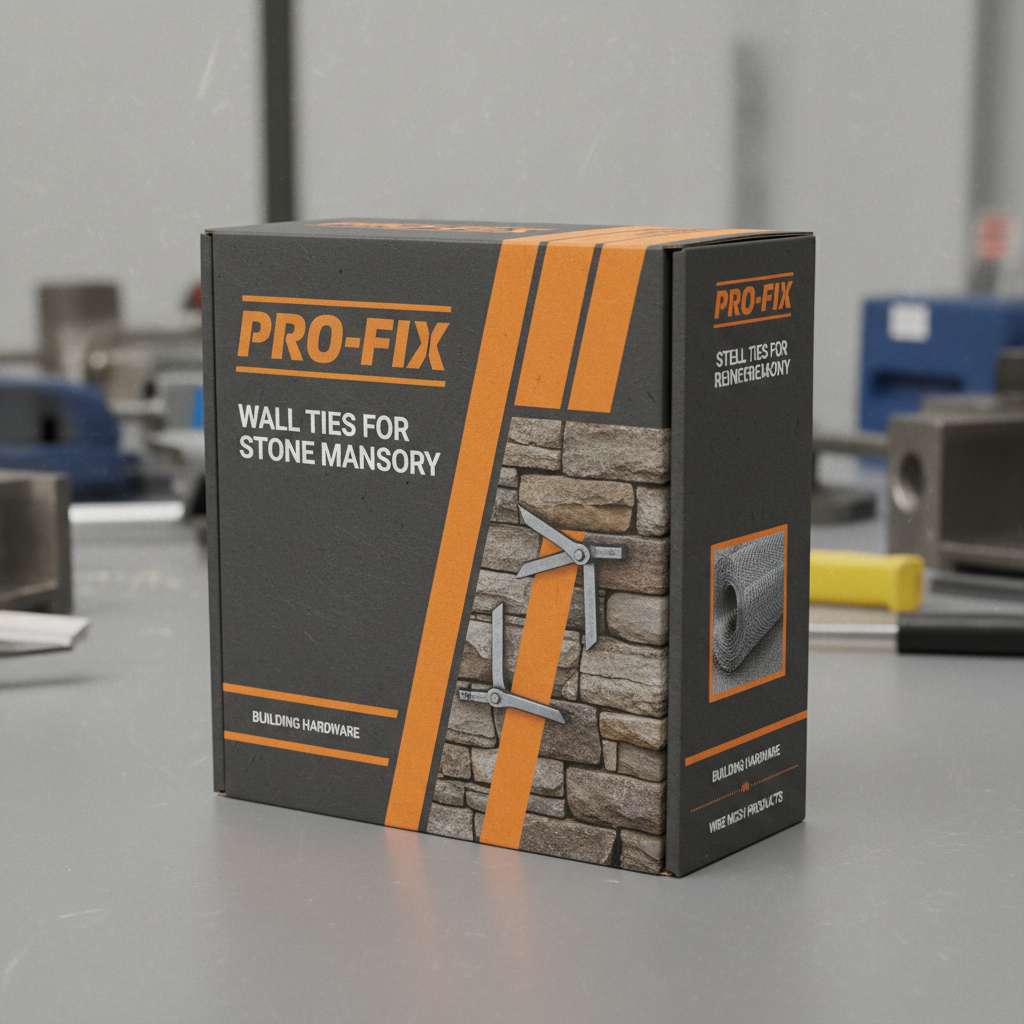
The integration of stainless steel mesh into broader construction systems—alongside components like Coil Wire Spring, Concrete Masonry Construction Accessories, and Wall Ties—creates a synergistic effect that enhances load distribution. In masonry, for instance, the use of continuous wire embedded in mortar joints is not merely a recommendation but a requirement under various building codes to prevent cracking during thermal expansion. Understanding the relationship between the gauge of the wire and the lateral forces it must resist is critical for ensuring that architectural frameworks remain stable over decades of use.
By analyzing the technical specifications of various alloys and the manufacturing processes used to ensure dimensional accuracy, this guide provides a professional framework for evaluating steel wire products. From the corrosion resistance of Type 304 and 316 stainless steel to the precision of cold-drawn bars, the focus is on delivering measurable value to the end project. For those seeking a balance of durability and cost-efficiency, exploring the capabilities of china stainless steel wire mesh provides a pathway to achieving global construction standards.


Stainless steel wire mesh operates as a structural reinforcement medium designed to distribute lateral forces and resist environmental degradation. Unlike carbon steel, the chromium content in stainless alloys creates a passive oxide layer that prevents rust, making it indispensable for masonry veneer walls and chemical processing plants where moisture is constant. Its primary function is to provide a high strength-to-weight ratio, ensuring that the surrounding mortar or concrete is supported against tensile stresses that would otherwise lead to catastrophic cracking.
From a manufacturing perspective, the integrity of the mesh depends on the precision of the wire drawing and the stability of the weave. In high-performance applications, the consistency of the wire gauge—such as the standard 9 gauge or 3/16" diameter—is paramount. This consistency ensures that the uniform building code for seismic zones is met, as any variation in wire thickness can create weak points in the mortar joint, compromising the overall safety of the anchored veneer wall.
Material composition is the most critical factor. Type 304 stainless steel offers excellent general corrosion resistance for most architectural needs, while Type 316 is specified for marine or highly acidic environments due to the addition of molybdenum. The selection between these grades directly affects the lifecycle of the installation; using 304 in a coastal environment can lead to pitting, whereas 316 ensures long-term stability.
Dimensional accuracy and gauge stability also play a decisive role. When mesh is integrated into masonry joint reinforcement, the wire must maintain a precise diameter to ensure a tight connection with tie anchors. If the wire is undersized, the bond with the mortar is weakened; if oversized, it may displace the mortar, creating voids that invite moisture ingress. Precision forming equipment, such as those imported from Germany or Korea, is essential to maintain these tight tolerances.
Finally, the mechanical properties, specifically the yield strength and tensile capacity, determine how the mesh handles thermal expansion and contraction. In seismic zones, the mesh must be capable of absorbing energy without snapping, allowing the veneer wall to move slightly without collapsing. This balance of flexibility and strength is achieved through controlled cold-drawing processes that refine the steel's grain structure.
The value of integrating stainless steel mesh into masonry is realized through the reduction of maintenance costs and the extension of the structure's lifespan. By providing a continuous reinforcement layer, the mesh minimizes the risk of vertical cracking caused by differential settlement or temperature fluctuations. This prevents the need for expensive repointing or facade replacement in the future.
The primary structural value lies in the uniform distribution of lateral forces; by embedding continuous wire in mortar joints, the system transforms a series of individual blocks into a cohesive structural unit capable of resisting seismic loads and wind pressure.
Furthermore, the synergy between wire mesh and other accessories, such as butterfly wall ties and concrete masonry accessories, ensures a comprehensive support system. When these components are sourced from a professional manufacturer with strict quality management, the result is a build that exceeds minimum safety codes, providing peace of mind for developers and end-users alike.
Choosing the correct material grade depends on the environmental exposure and the required mechanical properties. While galvanized iron wire is cost-effective for interior applications, stainless steel is non-negotiable for exterior facades exposed to rain and pollution. The difference in longevity is significant, with stainless steel often lasting three to five times longer than galvanized alternatives in harsh conditions.
The following analysis compares different reinforcement materials based on their relative performance in corrosion resistance and tensile strength. This data allows procurement officers to align their material choice with the project's intended lifecycle and budget.
In architectural construction, the most common application is in masonry veneer walls. Here, the continuous wire is embedded in mortar joints to secure the veneer to the supporting structure. This is especially critical in earthquake-prone areas, where the Uniform Building Code requires specific anchoring systems to prevent facade collapse. The mesh acts as the critical link that maintains the bond between the decorative exterior and the structural core.
Beyond construction, these wire products are extensively used in the chemical industry for filtration and catalysts, and in machine manufacturing for precision components. The corrosion resistance of stainless steel allows it to operate stably in volatile environments where carbon steel would fail within weeks. From storage cages to specialized wire bending products, the versatility of the material makes it a staple in industrial infrastructure worldwide.
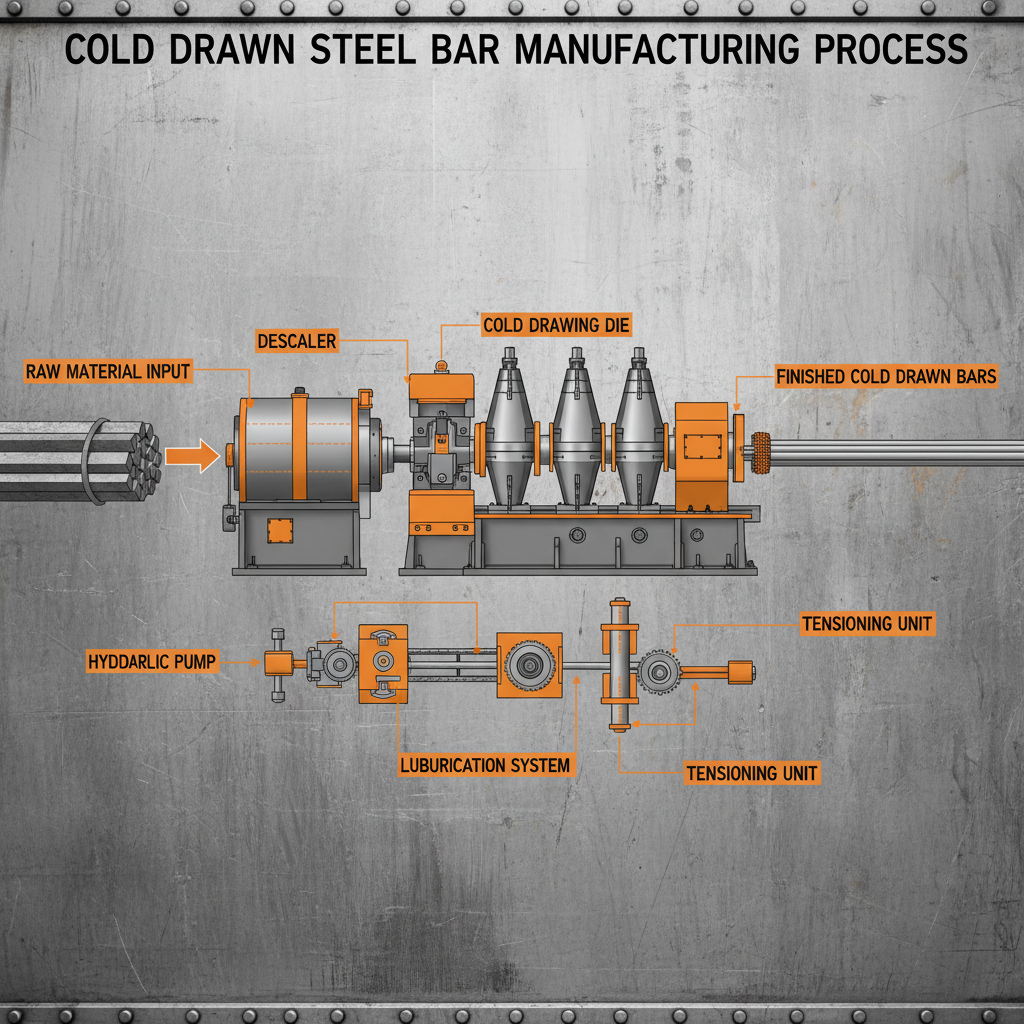
Modern wire production has shifted from simple drawing to high-precision forming. The use of advanced equipment imported from Germany, Korea, and Taiwan allows manufacturers to achieve exact tolerances in cold-rolled steel bars and wire mesh. This precision is not just about aesthetics; it ensures that every component fits seamlessly into the architectural framework without requiring on-site modifications that could weaken the material.
The cold-drawing process is particularly important as it refines the grain structure of the steel, improving hardness and wear resistance. This makes the resulting mesh and bars more capable of handling high-stress environments. When a manufacturer combines these advanced lines with a strict quality management system, the result is a product that meets global standards for tensile strength and weldability.
The trend toward integration is also evident. Rather than providing standalone mesh, leading suppliers now offer complete systems that include wall ties, fasteners, and continuous wire reinforcement. This holistic approach ensures that all components are chemically and mechanically compatible, reducing the risk of galvanic corrosion and improving installation efficiency.
One of the primary challenges in using stainless steel wire mesh is ensuring correct installation. If the wire is not properly embedded in the mortar joint, it cannot effectively distribute lateral forces, rendering the reinforcement useless. Contractors must ensure that the wire is secured tightly to the tie anchor and that mortar completely encapsulates the wire to prevent localized corrosion.
Another common issue is the misapplication of material grades. Using Type 304 where Type 316 is required often leads to "tea staining" or pitting in coastal regions. This is usually a result of procurement focusing on initial cost rather than lifecycle value. Educating the procurement team on the specific chemistry of the environment is the only way to avoid these failures.
Finally, the compatibility between different steel components can be a risk. Mixing grades of stainless steel or pairing stainless mesh with low-quality galvanized ties can lead to electrochemical reactions. Using a unified system from a single professional manufacturer ensures that all components are designed to work together without compromising the structural integrity.
| Material Grade | Corrosion Level | Primary Use Case | Lifespan Expectancy |
|---|---|---|---|
| Galvanized Iron | Low | Interior Walls | 10-15 Years |
| Stainless 304 | Medium | Urban Facades | 30-50 Years |
| Stainless 316 | High | Coastal/Marine | 50+ Years |
| Cold Rolled Steel | Medium | Machine Parts | 20-30 Years |
| Hard Drawn Wire | Low | General Fasteners | 15-20 Years |
| Special Alloy | Extreme | Chemical Plants | 60+ Years |
The primary difference is the addition of molybdenum in Type 316, which significantly enhances its resistance to chlorides and industrial solvents. Type 304 is suitable for most standard architectural and indoor applications, but Type 316 is essential for coastal environments or chemical plants where salt spray and corrosive agents are present. Choosing 316 prevents pitting and ensures the mesh maintains its structural integrity in harsh conditions.
Continuous wire improves seismic performance by distributing lateral forces evenly across the wall rather than allowing stress to concentrate at a few anchor points. When embedded in the mortar joint, it creates a reinforced network that helps the wall resist shear forces during an earthquake. This prevents large-scale cracking and reduces the likelihood of the veneer separating from the supporting structure, as required by the Uniform Building Code.
The most common specifications are 9 gauge and 3/16" diameter. The choice depends on the specific load requirements of the project and the local building codes. A 9 gauge wire provides a balance of strength and flexibility, ensuring it can be easily embedded in the mortar while providing sufficient tensile support to control thermal expansion and contraction in the masonry veneer.
Yes, they are often used together to provide different levels of support. Cold rolled steel bars provide the primary rigid reinforcement for architectural frameworks and concrete support, while wire mesh handles the secondary, distributed reinforcement in mortar joints. Using both ensures that the project has both the high-load capacity of bars and the crack-control capabilities of mesh, resulting in a more durable overall structure.
Signs of failure include the appearance of vertical or diagonal cracks in the masonry veneer, visible rust stains leaching through the mortar (indicating corrosion of the reinforcement), or bulging of the wall facade. These issues usually stem from either the use of an incorrect material grade for the environment or improper installation where the mesh was not fully encapsulated in mortar.
Evaluate suppliers based on their equipment origin, quality control systems, and material certification. Look for manufacturers who use imported high-precision machinery (e.g., from Germany or Korea) to ensure dimensional accuracy. A reliable supplier should provide clear specifications on alloy grades (304 vs 316) and have a proven track record of exporting to regions with strict building codes, such as the USA, EU, or Australia.
The structural longevity of any masonry or industrial project depends on the precision and quality of its reinforcement. By selecting the correct grade of stainless steel and ensuring that dimensions strictly adhere to engineering codes, builders can eliminate the risks of corrosion and seismic failure. The transition from simple wire products to integrated reinforcement systems represents a significant leap in construction safety and efficiency.
For professionals seeking materials that combine high tensile strength with uncompromising corrosion resistance, partnering with a manufacturer that prioritizes precision and material purity is essential. To learn more about technical specifications and custom reinforcement solutions, you are invited to explore the professional product range at https://www.cntcmetal.com.