- Mobile Phone
- +8613931874955
- sales@cntcmetal.com
The global construction landscape is witnessing a significant shift toward modular and veneer-based facade systems, placing a heightened demand on the reliability of wire mesh and anchoring components. For procurement managers and structural engineers, identifying high-capacity diamond mesh suppliers is no longer just about sourcing a commodity, but about ensuring the long-term structural integrity of the building envelope.
The critical challenge lies in the interface between the decorative veneer and the structural backup wall. In extreme weather conditions, such as high-wind zones or seismic-prone areas, the failure of these connections can lead to catastrophic detachment. This necessitates a deeper understanding of material science, specifically how galvanized steel and precision stamping processes contribute to load distribution and corrosion resistance.
This technical analysis explores the engineering requirements for secure masonry anchoring, the role of precision manufacturing in preventing structural failure, and a framework for evaluating suppliers based on technical capability rather than just cost.


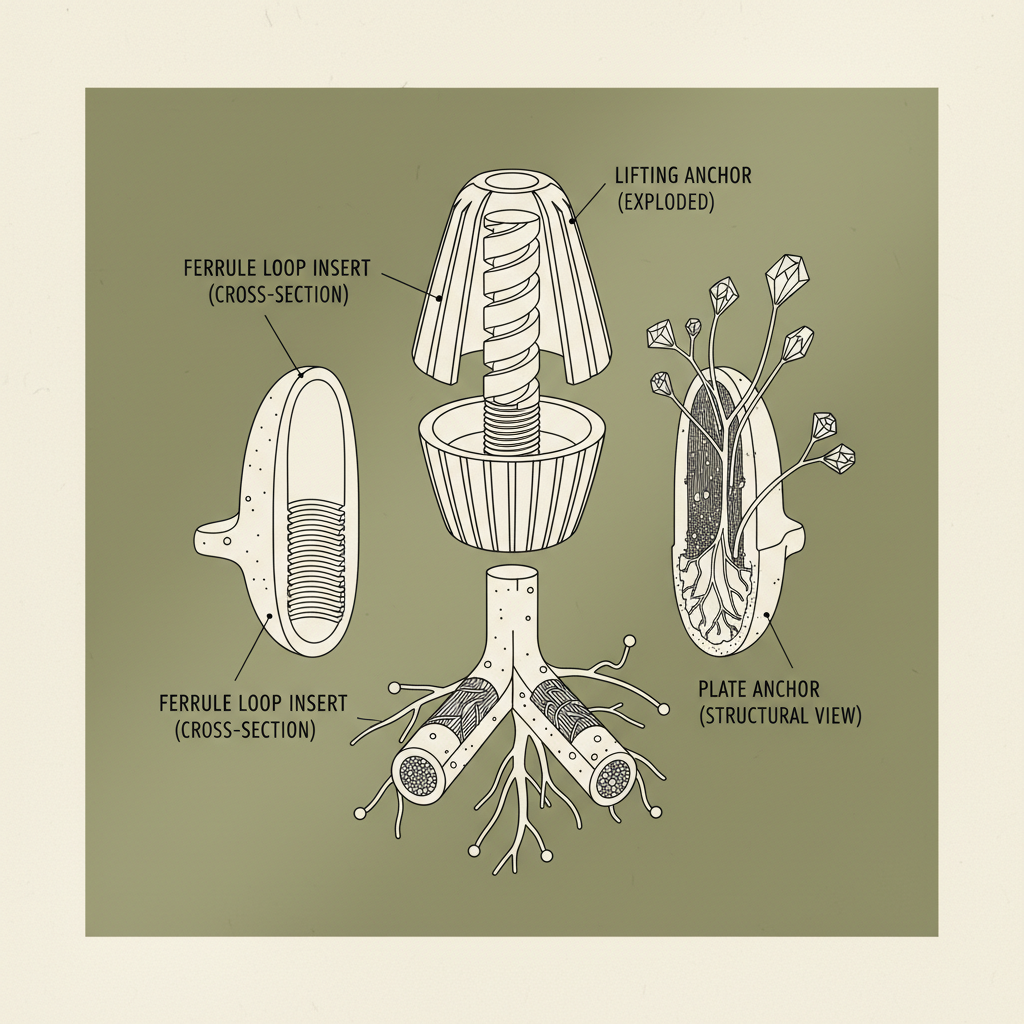
The fundamental purpose of a masonry anchor tie is to create a mechanical interlock between the outer veneer (brick or stone) and the inner structural wall. This connection must be rigid enough to prevent lateral displacement while allowing for the natural thermal expansion and contraction of the materials.
Precision stamping is critical here. By using high-quality steel plates and specific punch press geometries, manufacturers ensure that the anchor tie fits the metal stud perfectly, minimizing gaps that could lead to stress concentration.
The longevity of a facade is directly proportional to the corrosion resistance of its hidden fasteners. In coastal or high-humidity environments, standard steel is insufficient. The industry standard has moved toward hot-dip galvanizing or the use of stainless steel to create a sacrificial anode layer that prevents oxidation.
When evaluating diamond mesh suppliers, it is essential to verify the thickness of the zinc coating. A thicker galvanization layer not only extends the service life but also reduces the long-term maintenance costs for the building owner by preventing rust-induced spalling of the masonry.
Furthermore, the choice of high-strength steel plates ensures that the tie can withstand significant weight and pressure without permanent deformation, maintaining the alignment of the brick veneer even under extreme vertical loads.
One of the most overlooked aspects of masonry anchoring is the maintenance of a consistent air gap between the veneer and the backup wall. This gap is vital for moisture drainage and ventilation, preventing water accumulation that could otherwise lead to structural deterioration.
Failure to maintain this gap often results from poor anchor selection or improper installation. Professional-grade ties are designed to sit flush against the wall while providing the exact clearance required by building codes, ensuring that drainage planes remain functional.
In regions exposed to hurricane-force winds, the lateral pressure exerted on a building's facade can be immense. The anchor ties must distribute these forces evenly across the structural backup to prevent the veneer from buckling or detaching.
The following assessment represents a normalized engineering rating of different anchoring configurations based on their ability to resist lateral displacement and maintain alignment under simulated extreme wind loads.
Effective installation begins with precise marking. Anchor ties must be spaced at regular horizontal and vertical intervals to ensure uniform load distribution. Any misalignment during the marking phase can lead to stress concentrations that may cause cracking in the masonry units.
Once positioned, the ties are securely fastened to the backup wall. The final step involves the careful placement of the brick or stone veneer, ensuring each unit engages correctly with the tie. This workflow reduces labor time and ensures the final structure is compliant with modern building standards.
The industry is shifting toward a more sustainable approach to metal fabrication. There is an increasing focus on reducing material waste during the stamping process and utilizing recycled steel grades that maintain the same tensile strength as virgin materials.
Additionally, the integration of smart sensing technology within anchor ties is being researched. Future systems may include embedded sensors that can monitor the tension of the tie in real-time, alerting facility managers to potential structural shifts before they become visible cracks.
The move toward "green" galvanization processes—reducing the chemical footprint of zinc coating—is also becoming a priority for suppliers aiming to meet LEED certification requirements for commercial buildings.
When selecting among various diamond mesh suppliers, procurement officers should avoid focusing solely on price. The true cost of a component is measured by its lifecycle performance and the risk it mitigates.
A technical evaluation should consider the precision of the stamping equipment, the quality control systems for surface treatment, and the ability to provide custom configurations for irregular architectural designs.
The following matrix provides a framework for comparing different configuration profiles to determine the best fit for specific project requirements.
| Configuration Type | Corrosion Rating | Load Capacity | Recommended Use Case |
|---|---|---|---|
| Basic Configuration | Standard | Medium | Residential/Low-rise |
| Standard Galv | High | Medium-High | Commercial Office |
| High-Duty Profile | High | Very High | Industrial Warehouses |
| Precision Profile | Very High | High | Architectural Facades |
| Coastal Spec | Extreme | High | Marine Environments |
| Industry Baseline | Medium | Medium | General Construction |
Galvanized ties are coated in zinc to prevent rust, which is highly effective for most commercial applications. Stainless steel ties offer superior inherent corrosion resistance and are typically required for extreme environments, such as coastal areas or chemical plants, where the zinc layer of galvanized steel would degrade too quickly.
The air gap facilitates the drainage of water that penetrates the veneer and allows for ventilation. Without a consistent gap, moisture can become trapped against the structural wall, leading to freeze-thaw damage in winter and promoting the growth of mold or the corrosion of internal metal studs.
Early signs include visible bowing or bulging of the brick veneer, vertical cracks that run through multiple courses of masonry, or a noticeable gap forming between the veneer and the window frames. These are often indicators that the anchor ties have corroded or were improperly installed.
Spacing is typically determined by structural engineering calculations based on the local wind load requirements and the weight of the veneer. In high-wind zones, the vertical and horizontal intervals are reduced to increase the number of connection points, thereby distributing the lateral forces more effectively across the wall.
Yes, through a process called helical anchoring or retrofitting. Specialized ties are driven through the veneer and into the backup wall. However, this is significantly more expensive and labor-intensive than installing ties during the initial construction phase.
Look for suppliers who adhere to ASTM standards for steel quality and galvanization thickness. Certifications related to ISO quality management systems (ISO 9001) are also critical, as they ensure the consistency of the stamping process and the reliability of the material grades used.
The stability of a masonry facade depends on a complex interaction between material strength, precision geometry, and proper installation. Moving from a cost-centric procurement model to a technical-value model allows engineers to mitigate the risks of veneer detachment and environmental degradation.
By prioritizing suppliers who demonstrate expertise in precision stamping and advanced corrosion protection, developers can ensure their buildings remain safe and aesthetically preserved for decades. For those seeking high-performance anchoring solutions, consulting with experienced diamond mesh suppliers is the most effective path to achieving long-term structural resilience.