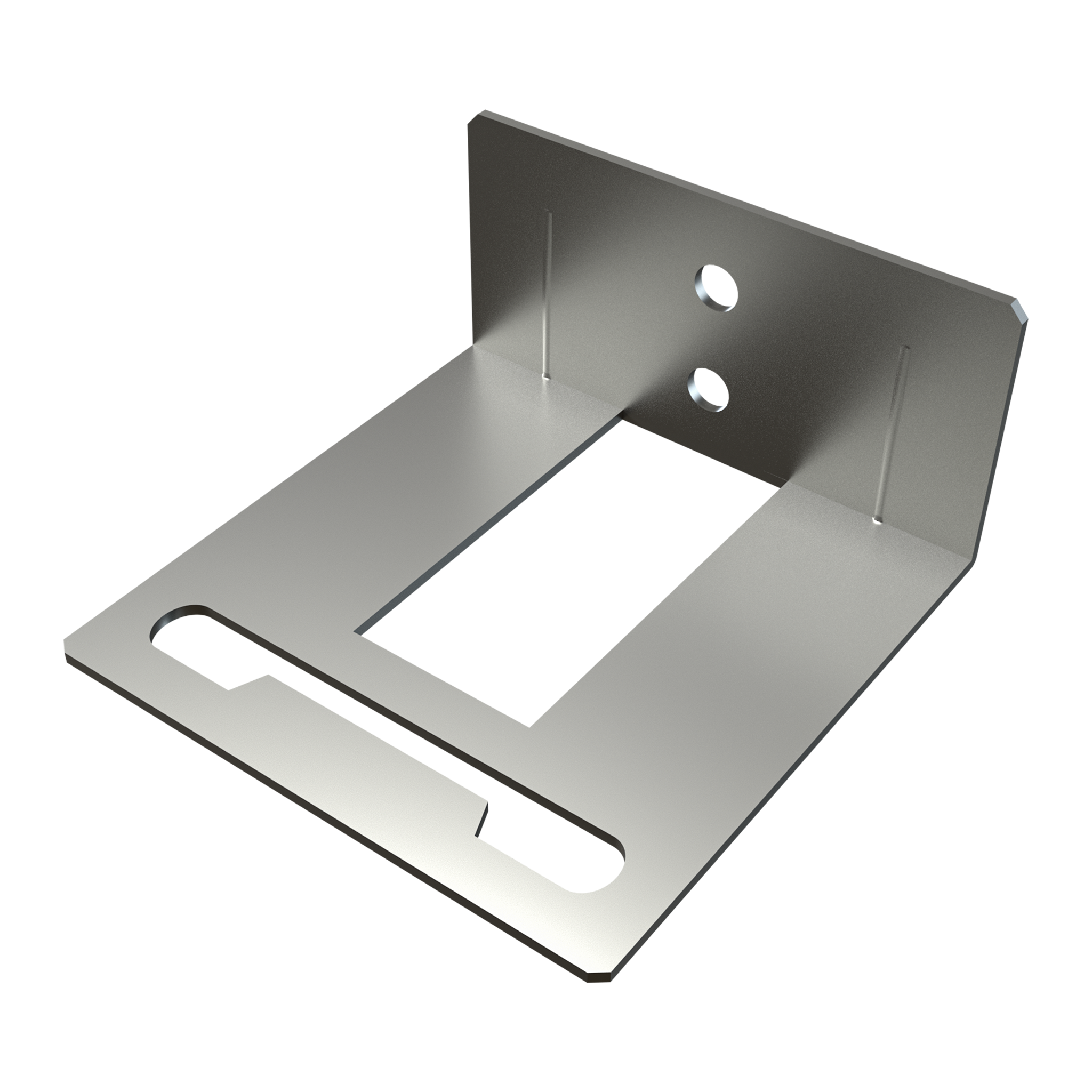
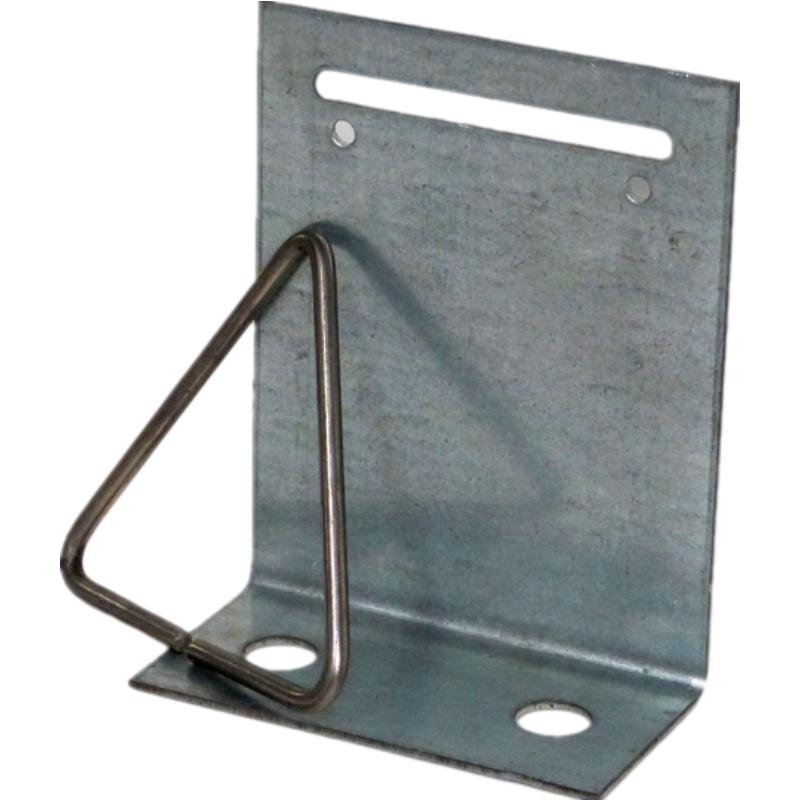
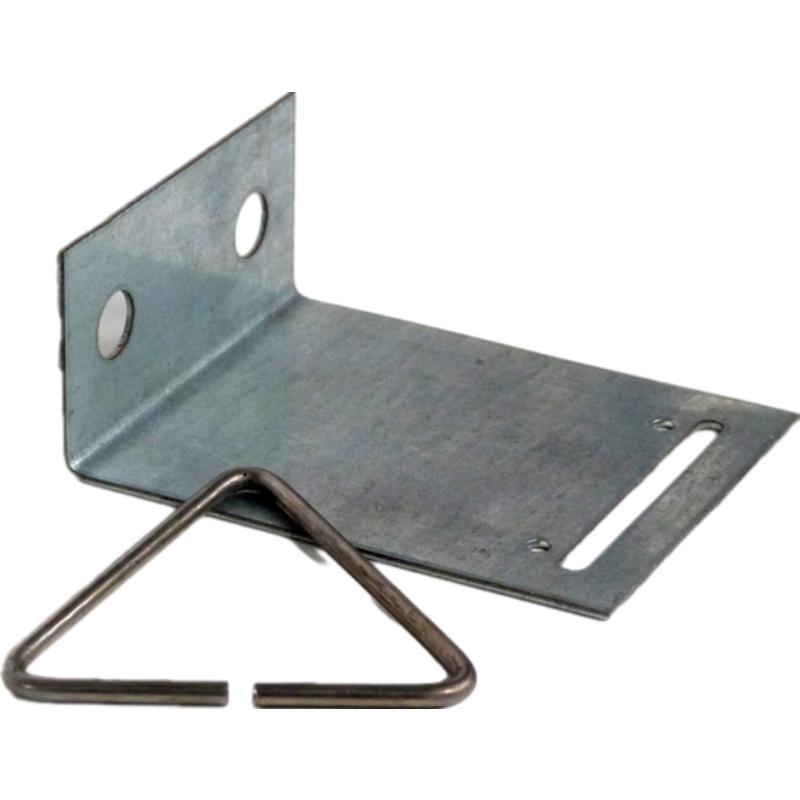
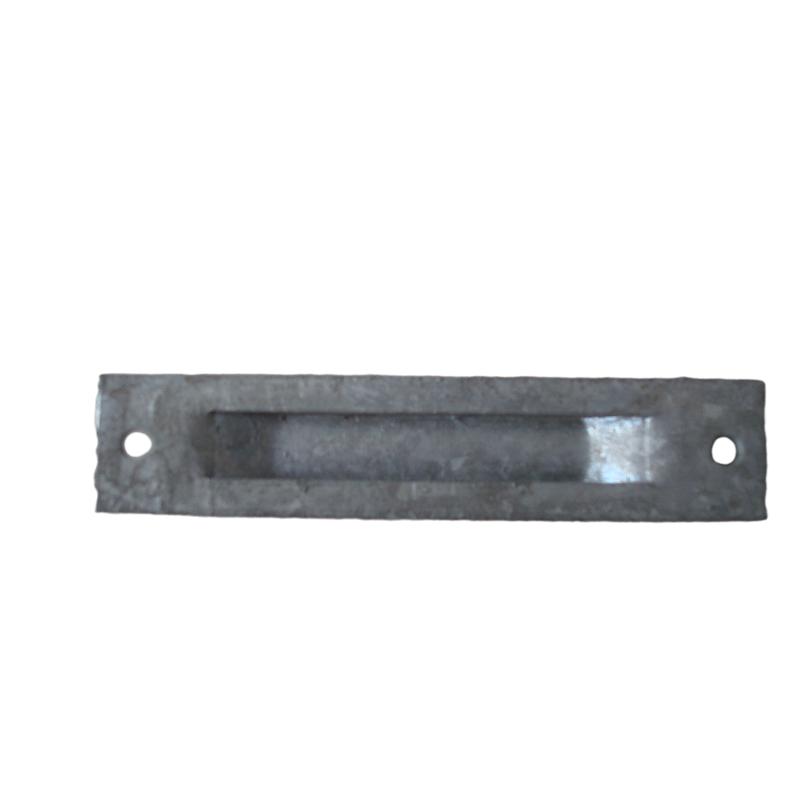
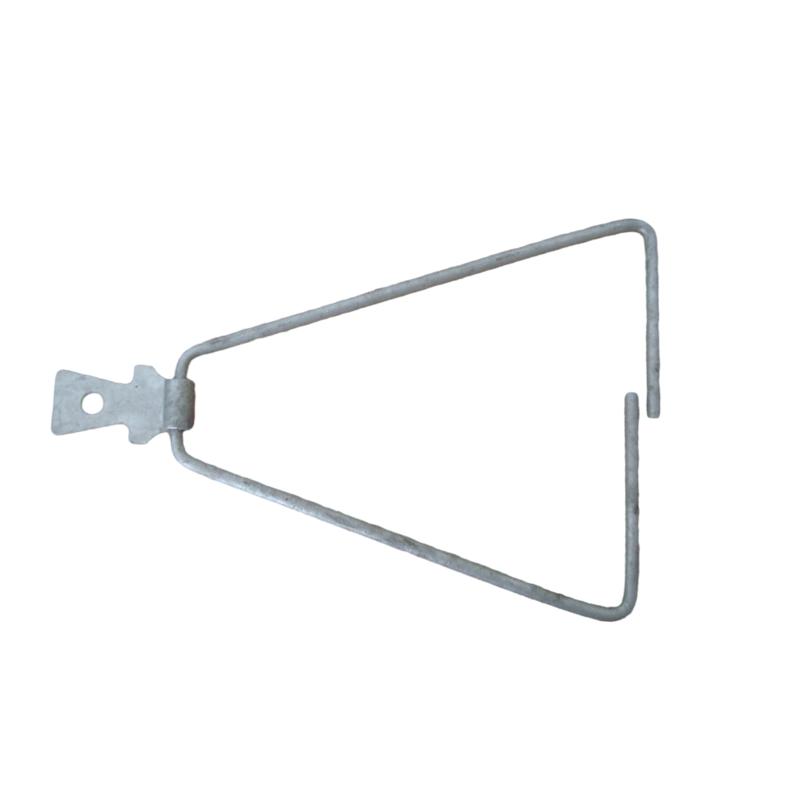
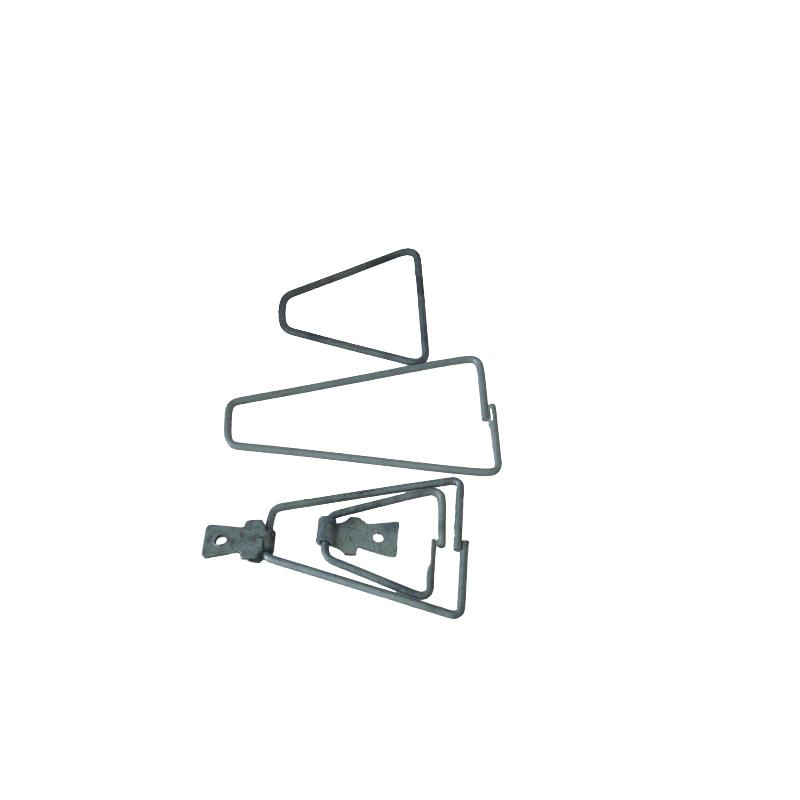
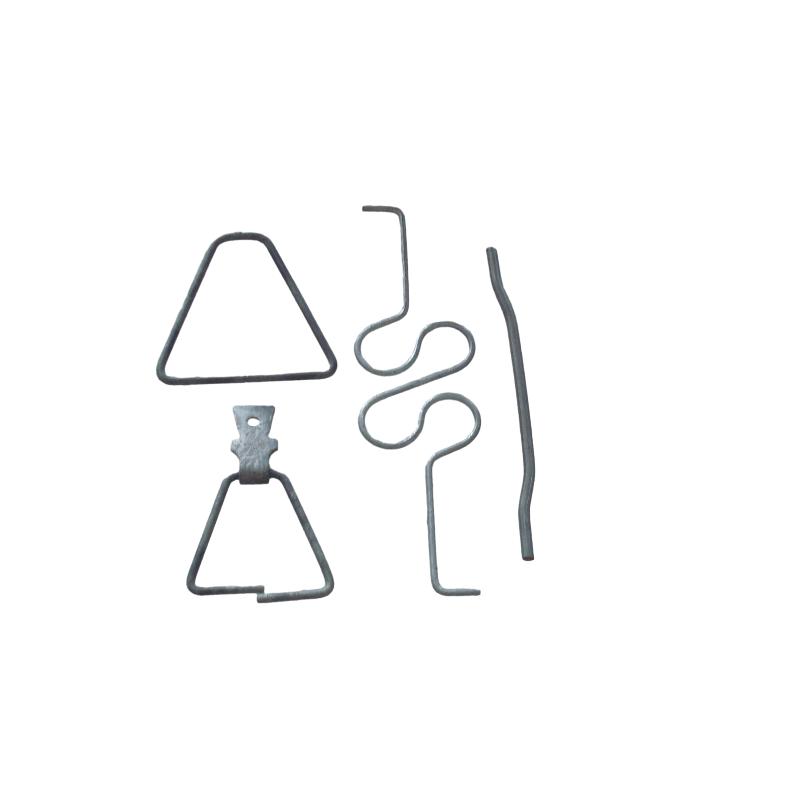
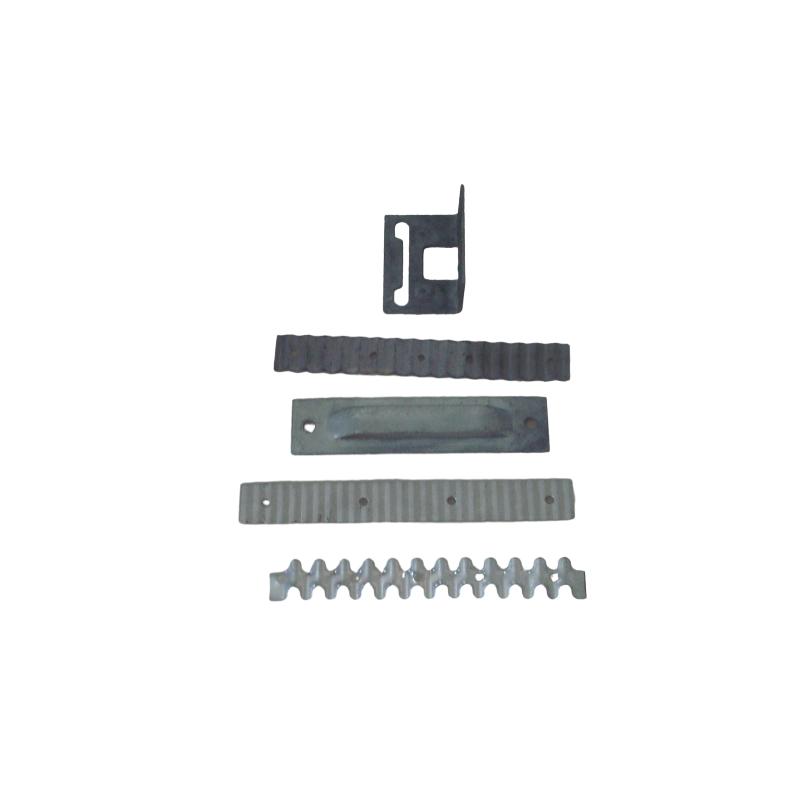
Product Advantages
1. High strength: Made of durable materials, it can with stand weight and pressure, ensuring a firm connection between the brick veneer and the metal studs.
2. Easy installation: Simple in design, it requires few installation steps, and no professional skills are needed, reducing construction time and cost.
3. Corrosion resistance: Made of corrosion-resistant materials, it extends product service life and lowers maintenance cost.
4. Good appearance: With a simple and elegant design, it blends well with brick veneer and metal studs, enhancing the overall aesthetic of the building.
5. Versatile application: Suitable for various types of brick veneer and metal studs, it has a wide range of applications.
Usage Method
1. Preparation: Ensure the surface of the metal stud is clean and flat for better attachment with the brick veneer.
2. Installing Masonry Veneer Anchor Tie: Use a punch press to shape the Masonry Veneer Anchor Tie into the desired form to fit the size and shape of the metal stud.
3. Installing brick veneer: Carefully place the brick veneer onto the Masonry Veneer Anchor Tie after installation.
4. Inspection and fastening: Check if the brick veneer is firmly attached to the metal stud and secure it with appropriate tools (such as screwdrivers or wrenches) to the wall or masonry structure.
Manufacturing Process
1. Material selection: High-quality steel plates are chosen to ensure the quality and performance of the material meet the requirements.
2. Stamping process: The steel plate is stamped into the required shape using a punch press to adapt to the size and shape of different metal studs.
3. Surface treatment: Surface treatment, such as galvanizing or hot-dip galvanizing, is applied as needed to enhance the corrosion resistance of the product.
4. Inspection and testing: The product is inspected and tested to ensure it meets relevant standards and requirements.
Application scenarios
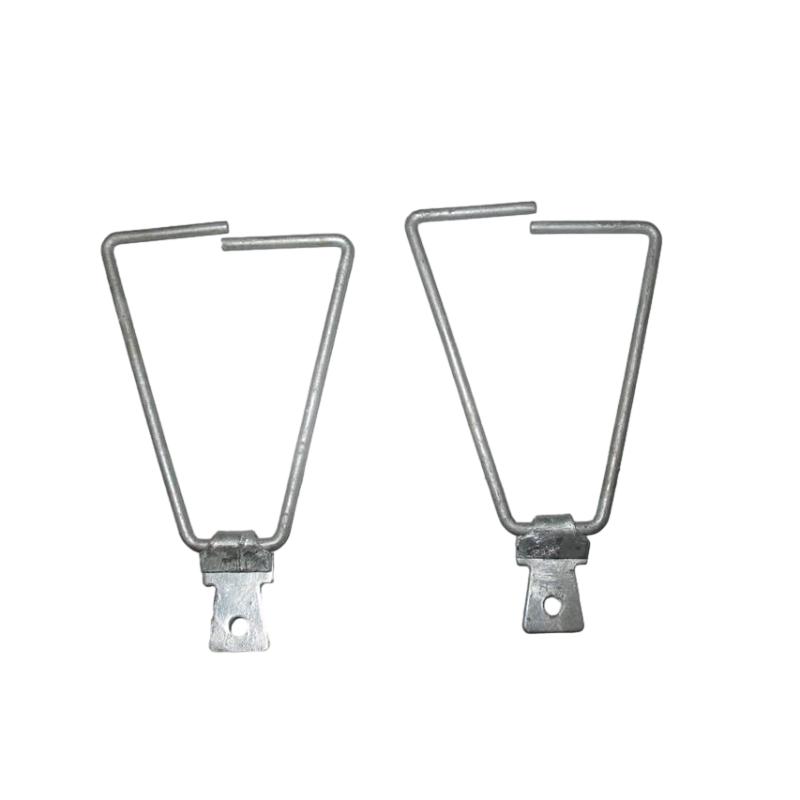
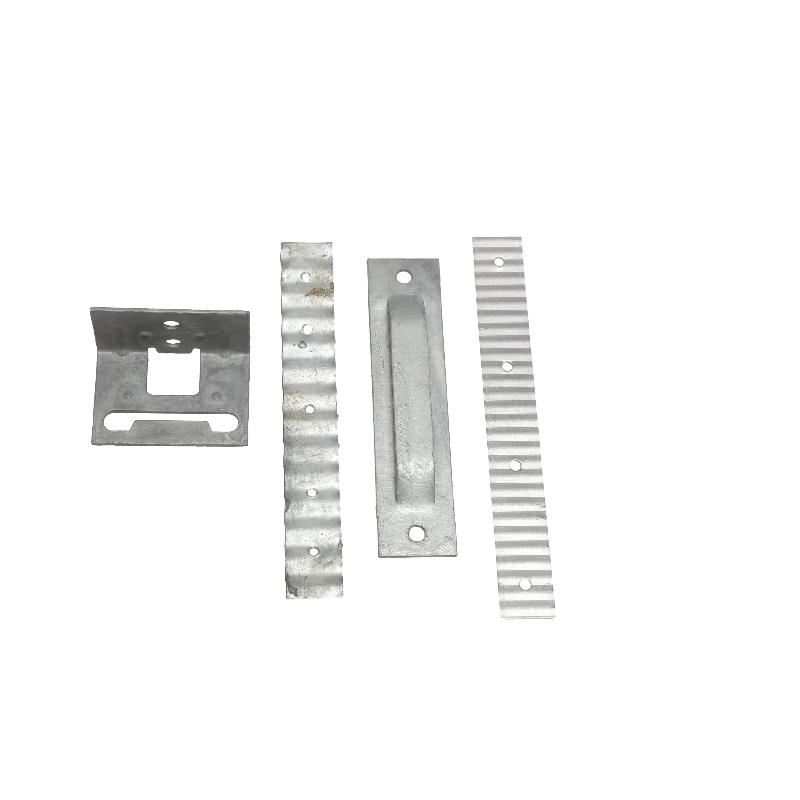
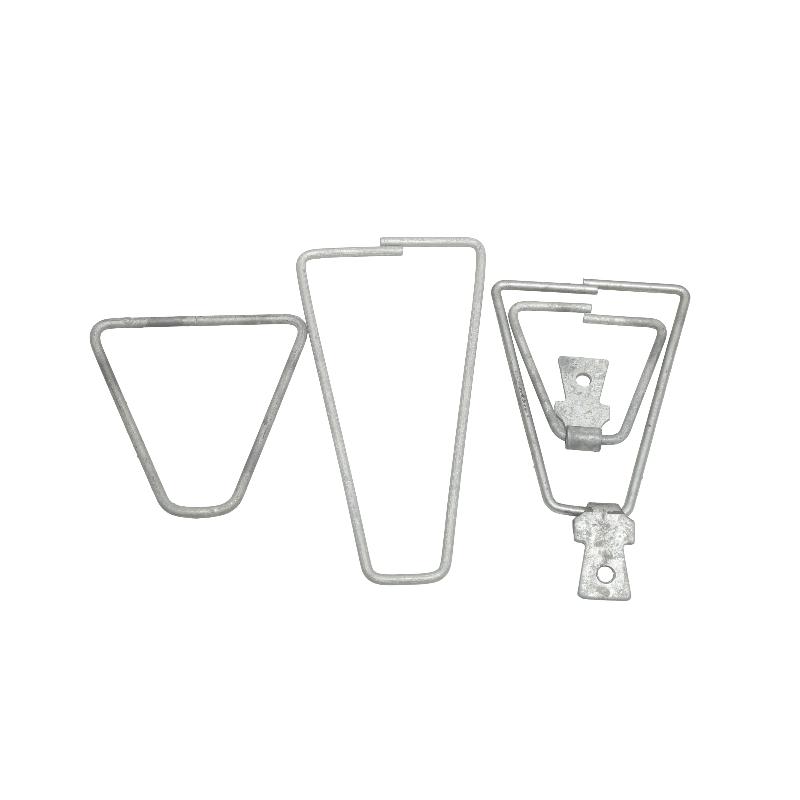
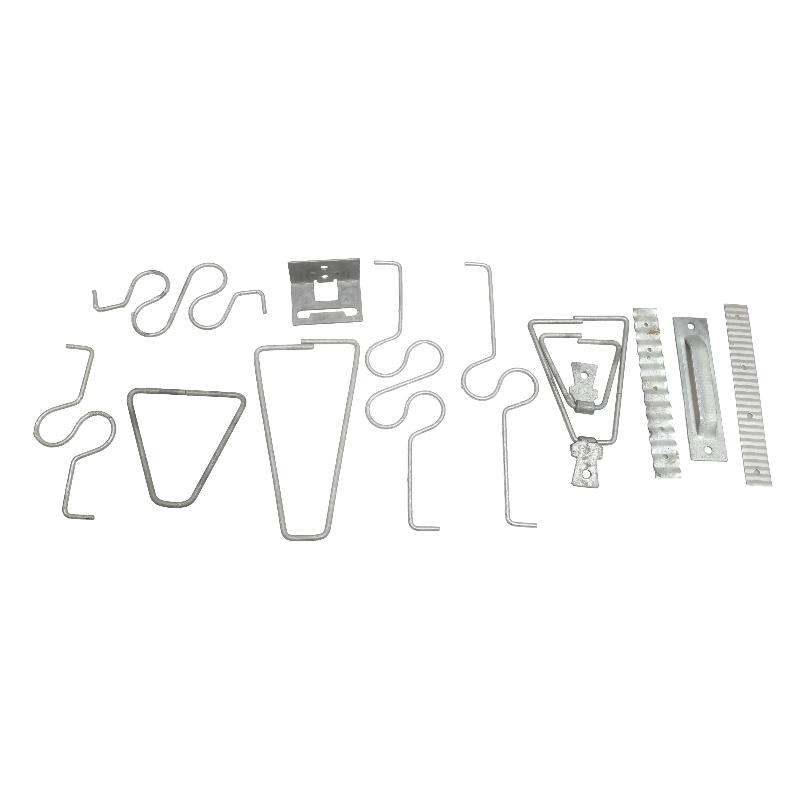
This Masonry Veneer Anchor Tie is suitable for the installation of brick veneer in various masonry buildings, such as walls, columns, and doors and windows. It provides extra strength and stability, preventing brick veneer from being damaged in natural disasters like earthquakes and strong winds.
Price advantage
The product is produced by stamping the steel plate, resulting in high productivity and lower production costs. In addition, the product is treated with galvanizing or hot-dip galvanizing for enhanced corrosion resistance, extending its service life and reducing maintenance costs.
How to Install Masonry Veneer Anchor Ties for Brick and Stone Walls
Proper installation of Masonry Veneer Anchor Ties is critical for ensuring the stability, safety, and long-term performance of brick and stone veneer walls. These anchor ties are designed to securely connect the veneer to the structural backup wall, preventing movement, maintaining alignment, and distributing loads effectively. Following the correct installation procedures ensures that veneer walls remain durable, aesthetically pleasing, and compliant with building standards.
Step 1: Preparing the Work Area
Before installation, inspect the wall surfaces and veneer materials to ensure they are clean, level, and free of debris. Verify that the masonry units meet project specifications, including size, type, and structural requirements. Gather all necessary tools, such as drills, anchor installation devices, measuring equipment, and safety gear, to ensure a smooth and safe process.
Step 2: Understanding Masonry Veneer Anchor Ties
Masonry Veneer Anchor Ties function by mechanically fastening veneer units to the supporting structural wall, allowing for movement caused by thermal expansion while maintaining stability. Their design ensures that the veneer remains properly spaced from the backup wall, creating an air gap for moisture drainage and preventing structural stress. This mechanical interlock is essential for both brick and stone veneer applications in residential and commercial buildings.
Step 3: Marking Anchor Locations
Determine precise locations for each masonry veneer anchor tie based on project specifications and manufacturer recommendations. Anchor ties are typically spaced at regular intervals horizontally and vertically to distribute loads evenly and maintain veneer alignment. Accurate placement is crucial to prevent misalignment, reduce stress on veneer units, and enhance the overall durability of the wall system.
Step 4: Installing the Anchor Ties
Carefully insert the Masonry Veneer Anchor Ties into the designated positions on the backup wall using the appropriate tools. Ensure that the tie penetrates the wall securely and is properly anchored. Avoid applying excessive force, which could damage either the veneer or the structural wall. Once installed, the anchor tie should sit flush with the wall, providing a stable and reliable connection for the veneer units.
Step 5: Securing the Veneer Units
After installing the anchor ties, place the brick or stone veneer units, ensuring that each unit engages correctly with the installed ties. Check for proper spacing, alignment, and levelness. Adjust units as necessary to achieve uniformity and consistent load distribution. Proper engagement with the anchor ties ensures that the veneer remains securely attached, even under environmental stress such as wind, vibration, or thermal expansion.
Step 6: Inspection and Finalization
Once all anchor ties and veneer units are in place, inspect the installation to verify that each tie is securely fastened, units are properly aligned, and spacing is uniform. Conduct any final adjustments as needed. Properly installed Masonry Veneer Anchor Ties enhance the longevity, performance, and aesthetic appeal of brick and stone walls while ensuring compliance with building codes.
Conclusion
Installing Masonry Veneer Anchor Ties correctly is essential for achieving strong, durable, and safe veneer wall assemblies. By following preparation, marking, installation, and inspection steps, builders and engineers can ensure that brick and stone veneer walls remain stable, well-aligned, and capable of performing under environmental stresses. Proper installation contributes to the long-term safety, functionality, and visual appeal of modern masonry construction.
Innovative Applications of Masonry Veneer Anchor Ties in Commercial Buildings
In modern commercial construction, achieving both structural stability and aesthetic appeal is critical. Masonry Veneer Anchor Ties are essential components that enable the secure attachment of brick and stone veneer walls to structural backup walls. Beyond providing safety and durability, these anchors allow for innovative architectural designs, supporting creative and visually striking façades in commercial buildings such as offices, retail centers, hotels, and educational facilities.
Enhanced Structural Performance
A key advantage of Masonry Veneer Anchor Ties in commercial projects is their ability to maintain structural integrity while supporting heavy veneer materials. These anchors create a mechanical connection between the veneer and the structural wall, preventing lateral and vertical movement caused by wind loads, thermal expansion, or vibrations. This ensures that veneer walls remain securely in place, reducing the risk of misalignment, cracking, or detachment over time.
Versatility for Diverse Commercial Designs
Commercial buildings often feature complex wall layouts, decorative patterns, and large façade areas. Masonry Veneer Anchor Ties are versatile enough to accommodate these diverse designs. They can be used in combination with brick, stone, or composite veneers and adapt to irregular shapes, overhangs, and curves. This flexibility enables architects to implement innovative design concepts without compromising structural performance, allowing commercial buildings to achieve unique and appealing exteriors.
Supporting Moisture Management and Longevity
Another innovative aspect of Masonry Veneer Anchor Ties is their contribution to moisture management. By maintaining a consistent air gap between the veneer and the structural wall, these anchors facilitate drainage and ventilation, preventing water accumulation that could cause deterioration or corrosion. This feature is particularly valuable in commercial buildings, where long-term performance and low maintenance are critical to protecting both structural integrity and investment value.
Efficiency and Ease of Installation
In addition to performance and design flexibility, Masonry Veneer Anchor Ties streamline the installation process in commercial construction. Designed for easy attachment to both structural walls and veneer units, these anchors reduce labor time and allow for precise alignment. Efficient installation is essential for large-scale commercial projects, where time constraints and high material volumes demand reliable and straightforward anchoring solutions.
Durability and Sustainability
Constructed from high-quality stainless steel or galvanized materials, Masonry Veneer Anchor Ties offer excellent resistance to corrosion and environmental wear. Their durability ensures long-term stability and reduces maintenance costs. Additionally, by supporting proper veneer alignment and moisture management, these anchors contribute to sustainable building practices, enhancing the energy efficiency and lifespan of commercial façades.
Conclusion
Masonry Veneer Anchor Ties provide innovative solutions for commercial construction, combining structural reliability, aesthetic flexibility, moisture management, and installation efficiency. By using these anchors, architects and engineers can create visually appealing, safe, and durable veneer walls that meet the high standards of modern commercial buildings. They are indispensable components for achieving both functional and design excellence in contemporary architecture.
Performance of Masonry Veneer Anchor Ties in High-Wind and Extreme Conditions
In modern construction, ensuring the stability and durability of masonry veneer walls is crucial, especially in areas exposed to high winds, storms, or other extreme environmental conditions. Masonry Veneer Anchor Ties play a vital role in maintaining the integrity of brick and stone veneer walls, providing secure connections to the structural backup wall while resisting lateral and vertical forces. Their performance in challenging conditions ensures safety, longevity, and aesthetic consistency in both residential and commercial buildings.
Resisting High-Wind Loads
One of the most critical functions of Masonry Veneer Anchor Ties is their ability to secure veneer walls against high-wind pressures. Wind forces exert lateral pressure on façade surfaces, which can cause misalignment, cracking, or detachment if the veneer is inadequately anchored. Properly designed and installed anchor ties distribute these forces evenly across the wall system, preventing structural failure and ensuring that the veneer remains firmly attached to the backup wall even during storms or hurricane-level winds.
Durability in Extreme Environmental Conditions
Masonry Veneer Anchor Ties are typically constructed from high-quality stainless steel or galvanized materials, providing excellent resistance to corrosion, rust, and environmental wear. This durability ensures that the anchors maintain their strength and performance over time, even in coastal regions, high-humidity areas, or locations with significant temperature fluctuations. By withstanding harsh conditions, these anchors protect both the structural integrity and appearance of veneer walls.
Maintaining Structural Alignment and Load Distribution
High winds and extreme weather can exert uneven forces on walls, potentially causing stress concentrations that compromise the veneer or backup wall. Masonry Veneer Anchor Ties maintain proper spacing and alignment of veneer units, ensuring uniform load distribution and minimizing stress points. This not only enhances the wall’s ability to resist environmental forces but also prevents long-term damage such as cracking, tilting, or detachment of veneer materials.
Versatile Applications in Various Building Types
Whether used in commercial skyscrapers, industrial facilities, or residential complexes, Masonry Veneer Anchor Ties are adaptable to different wall systems and veneer materials. They provide reliable performance across a wide range of applications, including thick stone veneers, lightweight brick panels, and composite cladding systems. This versatility allows engineers and architects to design walls that meet both aesthetic and structural requirements, regardless of environmental challenges.
Ease of Installation and Inspection
Proper installation of Masonry Veneer Anchor Ties is essential for optimal performance in extreme conditions. Their design allows for quick and accurate placement, ensuring consistent alignment and secure attachment. Regular inspection and maintenance further enhance their effectiveness, ensuring that the veneer system continues to perform safely under high winds or severe weather.
Conclusion
Masonry Veneer Anchor Ties are indispensable for ensuring the safety and durability of brick and stone veneer walls in high-wind and extreme environmental conditions. Their ability to resist lateral forces, maintain alignment, and provide long-term durability makes them essential components for modern construction. By integrating these anchors into wall systems, engineers and contractors can deliver resilient, safe, and visually appealing structures capable of withstanding the most challenging weather conditions.
brick anchor ties
brick tie anchors
brick veneer anchoring systems
corrugated masonry ties
corrugated metal brick ties
masonry tie back
masonry triangle ties
masonry wall ties and anchors
types of masonry ties