
- Mobile Phone
- +8613931874955
- sales@cntcmetal.com
Secure Brick Tie Backs | Strong Masonry & Veneer Solutions
Understanding Brick Tie Backs: An Essential Component in Modern Masonry
In the intricate world of construction, the structural integrity and longevity of masonry veneers heavily rely on robust anchoring systems. Among these, brick tie backs play a critical role. These seemingly simple components are engineered to connect the outer brick or stone veneer to the structural backup wall, ensuring stability against wind loads, seismic activity, and differential movement. Often referred to interchangeably as brick wire ties, masonry ties, or masonry tie backs, these elements are fundamental for both safety and performance in commercial and residential projects alike.
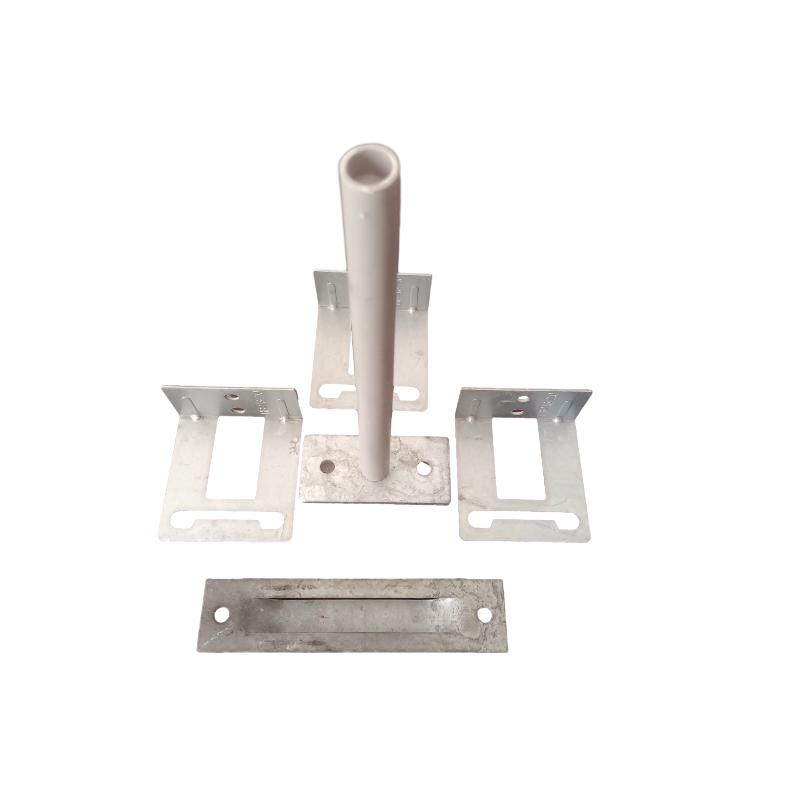
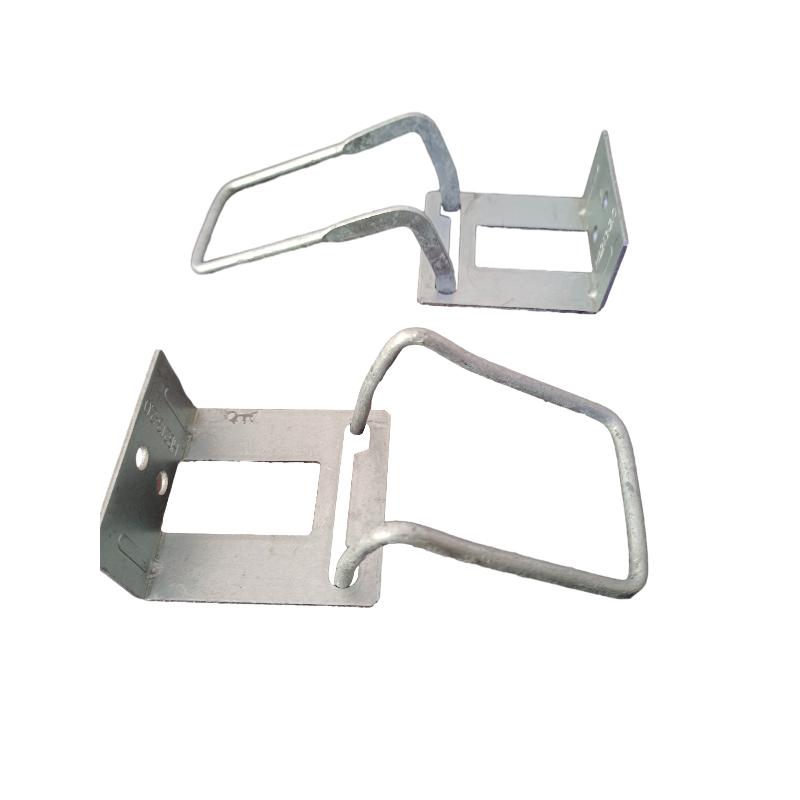
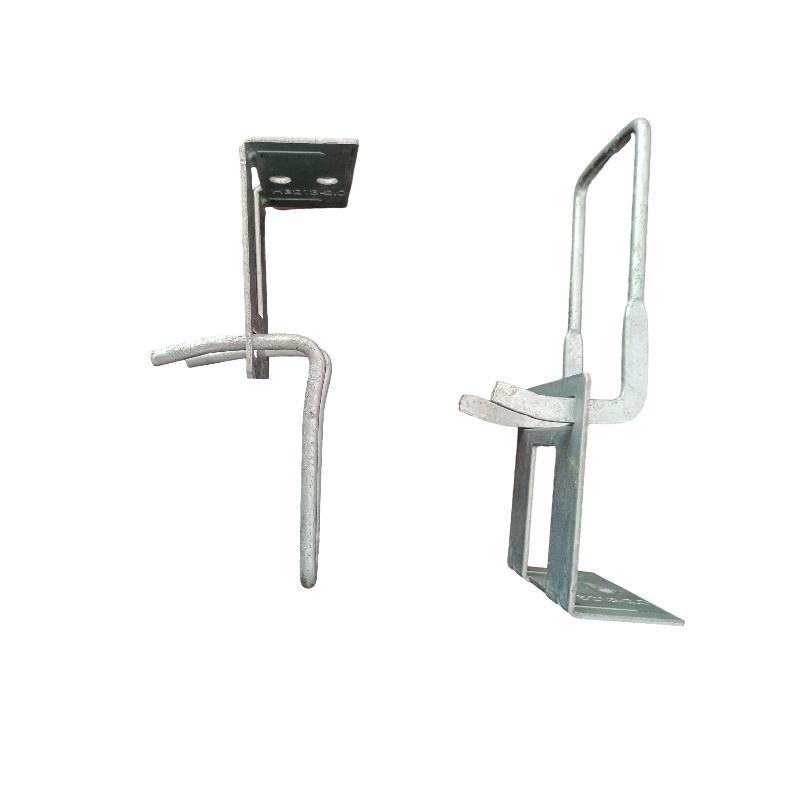
The demand for high-performance brick tie backs has grown significantly with the increasing complexity and scale of modern architectural designs. Engineers and architects prioritize solutions that offer not only superior load-bearing capacity but also exceptional durability and ease of installation. Our focus here is on the Double Pintle Plate Veneer Anchor, a prime example of an advanced anchoring solution designed to meet these rigorous demands.
Industry Trends in Masonry Anchoring
The masonry industry is constantly evolving, driven by advancements in materials science, stricter building codes, and a greater emphasis on sustainability and resilience. Current trends in brick tie backs and masonry ties include:
- Stainless Steel Dominance: There's a clear shift towards stainless steel masonry ties, particularly grades 304 and 316, due to their superior corrosion resistance, ensuring a longer service life and reduced maintenance in diverse environments, from coastal regions to industrial zones. This is critical for meeting the 50+ year design life expected for modern structures.
- Adjustable Systems: The prevalence of adjustable masonry ties has grown significantly. These systems accommodate variations in wall construction and allow for precise alignment of the veneer, minimizing stresses and facilitating easier, faster installation.
- Thermal Performance: With increased focus on energy efficiency, tie designs are incorporating features to minimize thermal bridging, which can otherwise compromise the insulation of the wall system. Designs that reduce metal-to-metal contact or use thermally broken components are gaining traction.
- Seismic Resilience: In active seismic zones, masonry tie backs are designed to allow for greater differential movement between the veneer and the structural wall without failure, enhancing the overall resilience of the building.
- Integration with Modern Construction: The integration of masonry ties to concrete or steel backup structures requires versatile designs that can be securely fastened to various substrates.
These trends reflect an industry-wide commitment to enhancing structural integrity, energy performance, and sustainability in construction.
Detailed Process Flow: Manufacturing High-Quality Brick Tie Backs
The production of reliable brick tie backs is a meticulously controlled process, ensuring each component meets stringent performance and durability standards. Here's a breakdown of the typical manufacturing flow:
1. Material Selection & Sourcing
The foundation of a durable tie back lies in its material. Premium materials like ASTM A240/A276 Type 304 or Type 316 stainless steel masonry ties are chosen for their exceptional corrosion resistance and high tensile strength. For less demanding applications, hot-dip galvanized steel (meeting ASTM A153 Class B2) is used. Material certifications are rigorously checked to ensure compliance with international standards like ISO 9001.
2. Cutting and Preparation
Raw material coils or sheets are precisely cut to size using advanced shearing or laser cutting machinery. This ensures minimal material waste and accurate component dimensions, crucial for the subsequent manufacturing steps. For wire ties, specialized wire straightening and cutting machines are employed.
3. Forming and Shaping (Stamping/Bending)
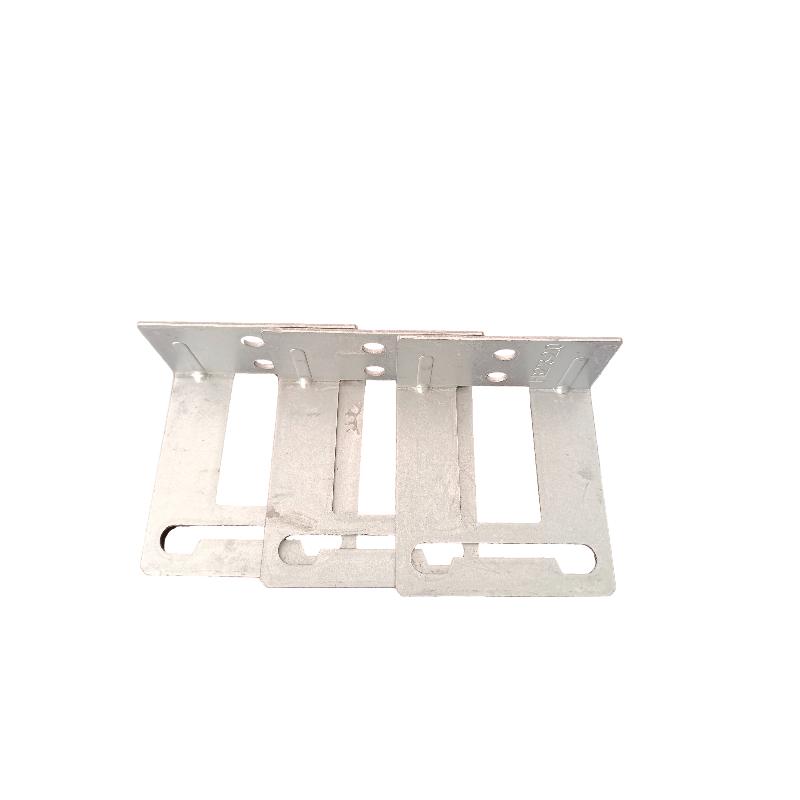
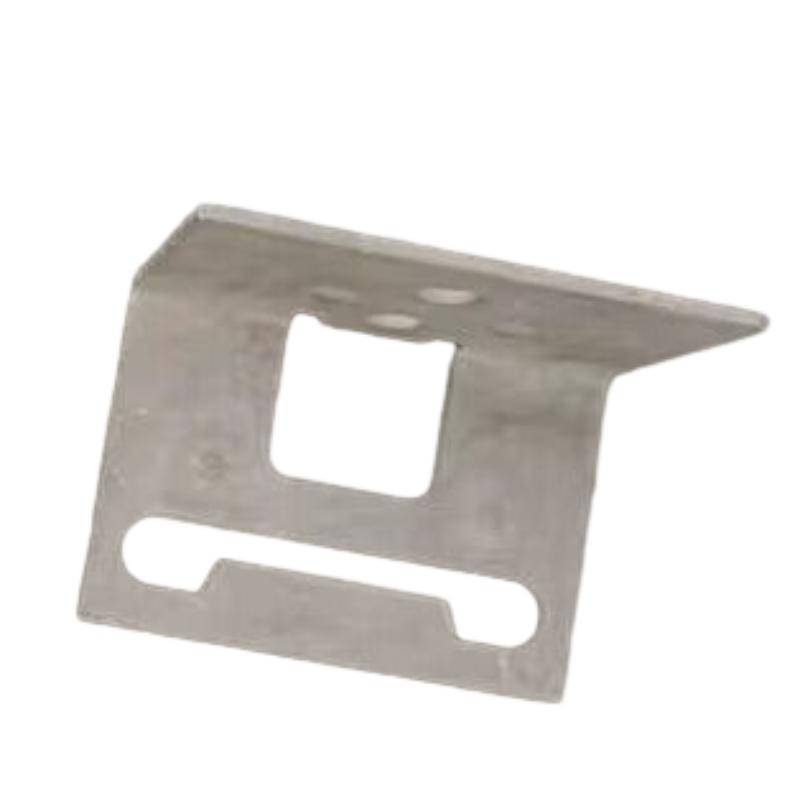
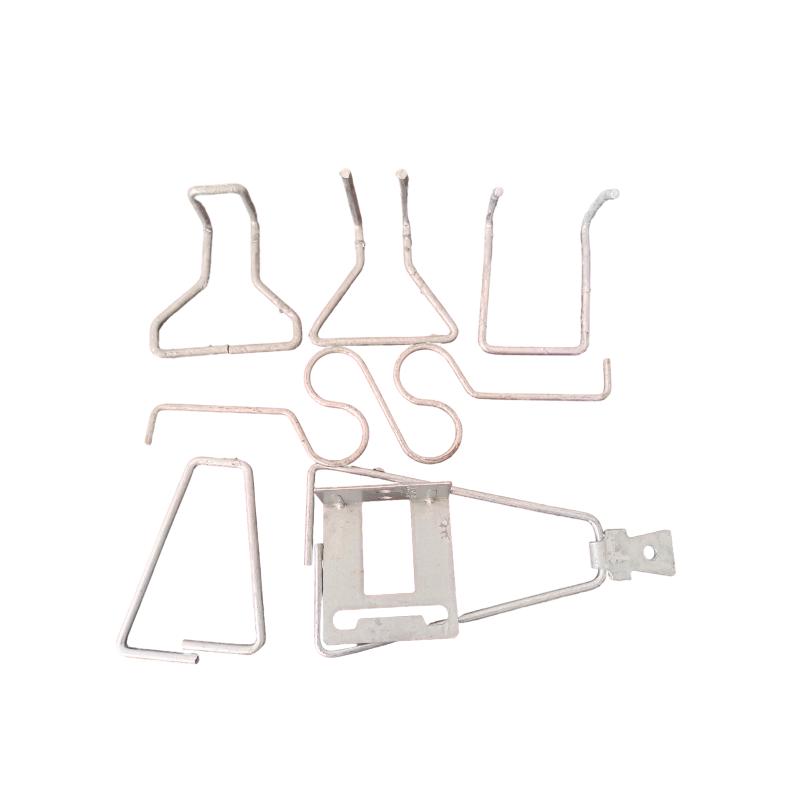
Depending on the tie design (e.g., corrugated masonry ties, plate anchors, or pintle ties), the cut material undergoes forming. High-precision stamping presses are used to create complex shapes, holes, and corrugations. Bending machines form specific angles and curves, ensuring components like the Double Pintle Plate Veneer Anchor achieve their exact structural configuration and functionality. CNC machining is sometimes used for intricate parts or custom solutions, ensuring unparalleled dimensional accuracy.
4. Welding (if applicable)
For multi-component ties, resistance welding or TIG/MIG welding techniques are employed. Robotic welding often ensures consistent, high-strength bonds, preventing premature failure under load. Each weld is visually inspected and, periodically, destructively tested.
5. Surface Treatment (Galvanizing/Passivation)
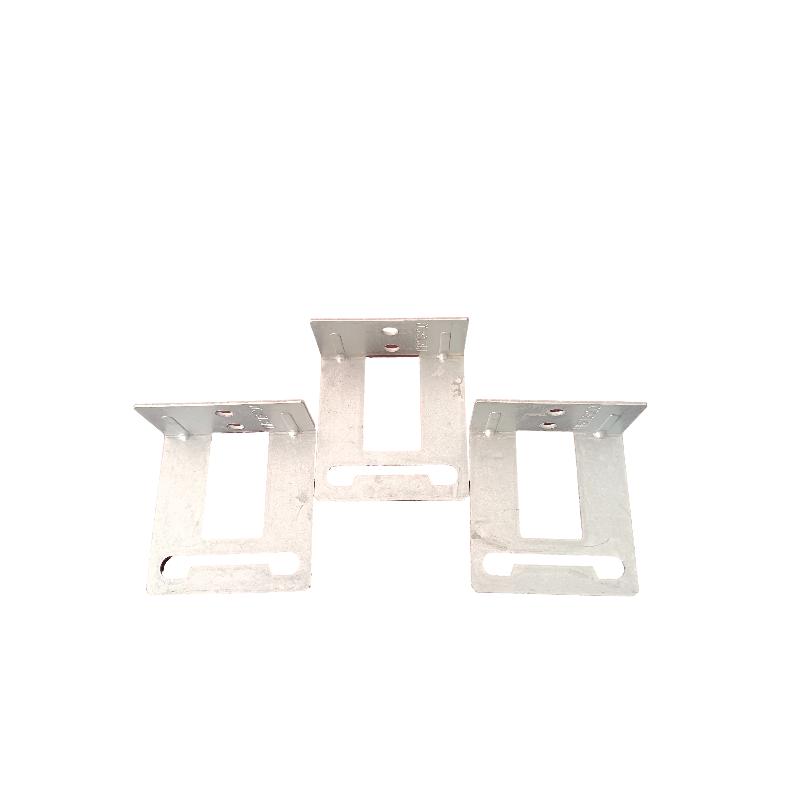
For galvanized steel products, hot-dip galvanizing provides a robust zinc coating for corrosion protection, adhering to ASTM A153 standards. Stainless steel components typically undergo passivation to remove free iron contaminants and enhance their inherent corrosion resistance. This step is critical for ensuring the long service life of brick tie backs, often exceeding 50-75 years in typical building applications.
6. Quality Control & Testing
Every batch undergoes rigorous quality control. This includes:
- Dimensional Accuracy: Using calipers, micrometers, and optical inspection systems.
- Tensile Strength Testing: To confirm load-bearing capacity against specified ASTM standards (e.g., ASTM A1064 for steel wire reinforcement).
- Corrosion Resistance Testing: Salt spray tests (e.g., ASTM B117) for galvanized ties or visual inspection of passivation quality for stainless steel.
- Assembly Fit Checks: Ensuring compatibility with other brickwork accessories and masonry units.
Compliance with international standards like ISO 9001 and local building codes (e.g., IBC/IRC in the US) is paramount.
7. Packaging & Shipping
Products are carefully packaged to prevent damage during transit, ensuring they arrive on-site in pristine condition, ready for installation.
Technical Specifications and Parameters
Understanding the technical parameters of brick tie backs is crucial for engineers and procurement specialists. These specifications dictate performance, application suitability, and compliance with building codes.
Double Pintle Plate Veneer Anchor Specifications
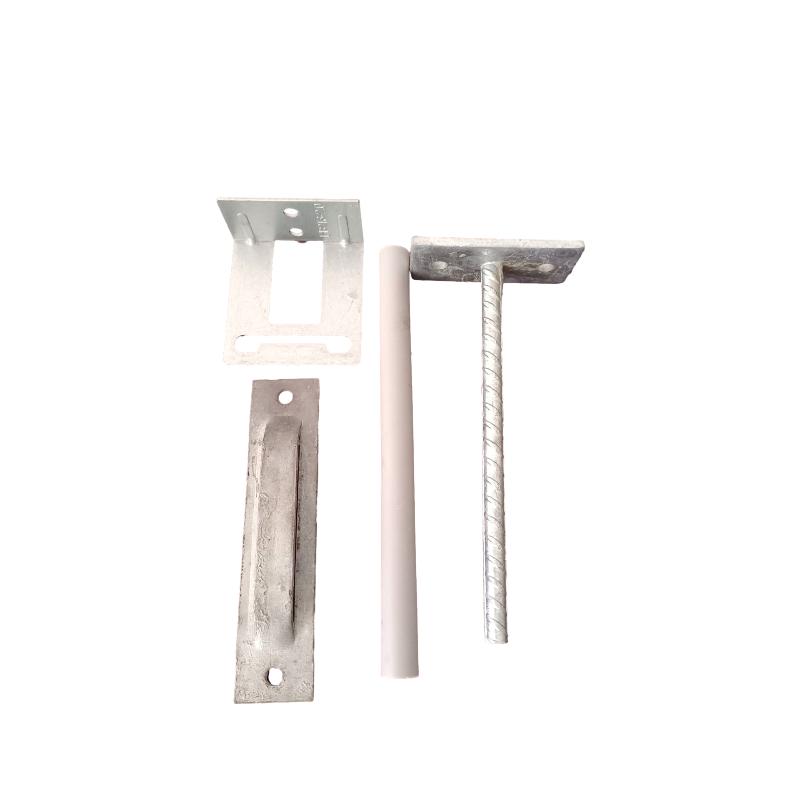
As an example, consider the Double Pintle Plate Veneer Anchor, a robust solution for anchoring masonry veneers to various backup systems.
| Parameter | Specification | Standard/Notes |
|---|---|---|
| Product Name | Double Pintle Plate Veneer Anchor | High-performance masonry tie |
| Material Options | Stainless Steel Type 304, Type 316; Hot-Dip Galvanized Steel | ASTM A240/A276 (SS), ASTM A153 (HDG) |
| Plate Thickness | 14 Ga (0.075 in / 1.9 mm) or 12 Ga (0.105 in / 2.6 mm) | Meets IBC/IRC requirements |
| Pintle Wire Diameter | 9 Ga (0.148 in / 3.76 mm) or 3/16" (0.1875 in / 4.76 mm) | Varies by load requirement |
| Adjustability | Up to 1.25 inches (32mm) total horizontal and vertical play | Accommodates construction tolerances |
| Load Capacity (Shear) | Typically 100-200 lbf (445-890 N) per tie | Tested per ASTM E754 / E72 |
| Corrosion Resistance | Excellent (SS), Very Good (HDG) | Service life >50 years in most environments |
| Target Backup | Concrete, Steel, Masonry Block, Wood Studs | Versatile application |
Comparison with Other Masonry Ties
Choosing the right masonry tie depends on project specific needs. Below is a comparative overview:
| Tie Type | Key Feature | Advantages | Common Applications |
|---|---|---|---|
| Double Pintle Plate Veneer Anchor | Adjustable, two-wire pintles, fixed plate to backup. | High adjustability, robust load transfer, suitable for varied backup types. Excellent for seismic zones. | Commercial, high-rise, institutional buildings with concrete/steel backup. Stone veneer ties. |
| Corrugated Ties | Wavy, galvanized steel strip. | Economical, easy to embed in mortar joints. | Residential, low-rise, non-structural veneer applications. Not recommended for high-load or seismic. |
| Wire Frame (Ladder/Truss) Ties | Continuous wire reinforcement with integral ties. | Provides both wall reinforcement and veneer tie. Good for crack control. | Block and brick masonry walls, where horizontal joint reinforcement is also needed. |
| Adjustable Seismic Ties (Hook & Eye) | Allows horizontal & vertical movement, but prevents disengagement. | Specifically designed for seismic performance, high strength. | High seismic zones, critical infrastructure. |
Application Scenarios and Technical Advantages
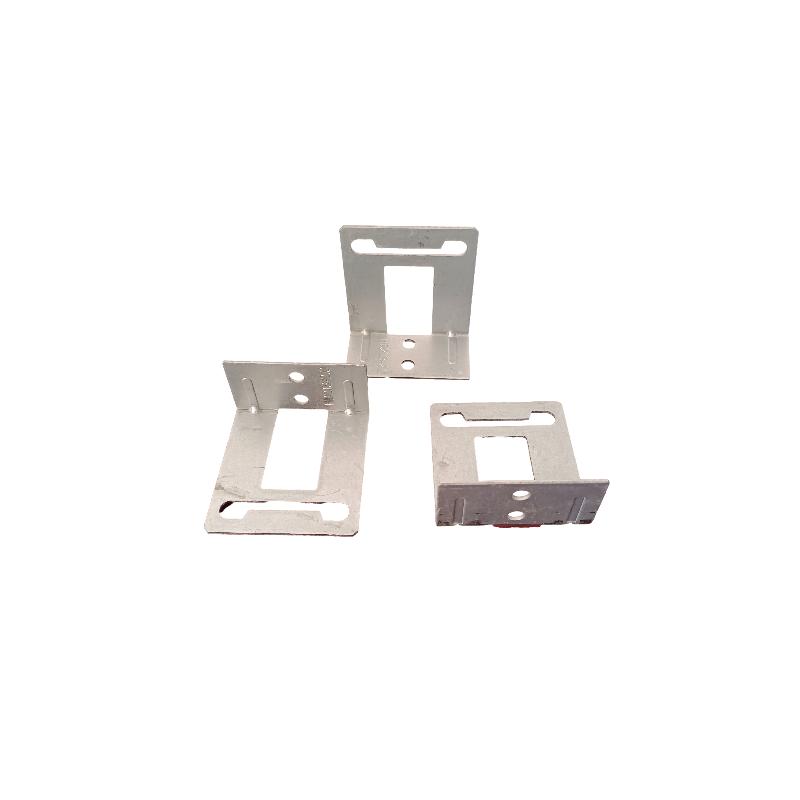
The versatility of brick tie backs, especially advanced designs like the Double Pintle Plate Veneer Anchor, makes them indispensable across a wide array of construction projects.
Typical Application Scenarios
- Commercial High-Rise Buildings: Anchoring brick or stone veneer ties to concrete or steel structural frames, especially where thermal and seismic performance are critical.
- Institutional Facilities (Hospitals, Schools): Where long-term durability, safety, and low maintenance are paramount, and the building must withstand potential environmental stresses.
- Industrial Structures (Petrochemical, Metallurgy): In environments with corrosive elements or extreme temperatures, stainless steel masonry ties ensure structural integrity against chemical degradation.
- Water Supply & Drainage Infrastructure: Structures exposed to moisture benefit from high-grade corrosion-resistant ties.
- Historic Restoration Projects: Where sensitive structural integration requires adjustable and durable solutions without compromising original aesthetics.
Technical Advantages
- Enhanced Structural Stability: By firmly connecting the veneer to the backup, brick tie backs prevent bowing, buckling, and collapse, particularly under wind uplift or seismic forces. They distribute lateral loads effectively.
- Corrosion Resistance: High-grade stainless steel options ensure a service life exceeding 50 years, even in harsh conditions, reducing the lifecycle cost of the structure and enhancing reliability. This is a critical advantage over standard galvanized steel in many applications.
- Adjustability and Ease of Installation: Adjustable systems simplify installation, allowing for precise alignment and accommodating real-world construction tolerances, which translates to faster project completion and reduced labor costs.
- Thermal Performance Optimization: Modern ties are designed to minimize thermal bridging, contributing to the overall energy efficiency of the building by maintaining insulation integrity.
- Seismic Performance: Specifically engineered ties provide flexibility to absorb differential movement during seismic events, crucial for structural resilience and occupant safety.
- Versatility: Adaptable to various backup wall materials (concrete, steel, wood, CMU) and veneer types (brick, stone veneer ties), offering flexible solutions for diverse architectural requirements.
Vendor Comparison: Choosing the Right Partner for Masonry Ties
Selecting a supplier for masonry tie backs requires careful evaluation beyond just price. Key factors include product quality, compliance, customization capabilities, and customer support.
| Feature | Leading Manufacturer (e.g., CNTC Metal) | Standard Vendor |
|---|---|---|
| Product Quality & Material Certifications | Utilizes certified ASTM A240/A276 SS304/316, ASTM A153 HDG. Full traceability and material test reports available. ISO 9001 certified. | Often uses generic steel with less stringent certifications. May lack detailed material traceability. |
| Technical Expertise & Engineering Support | In-house engineering team provides design consultation, load calculations, and tailored solutions. Deep understanding of local and international building codes (IBC, CSA, Eurocode). | Limited technical support; primarily off-the-shelf products. May not offer design assistance. |
| Customization & Bespoke Solutions | Offers extensive customization for plate dimensions, pintle configurations, and material grades to meet unique project specifications. Rapid prototyping. | Standardized product lines with minimal to no customization options. |
| Testing & Compliance | Products routinely tested per ASTM E754, E72, E151. Third-party testing available. Ensures compliance with all relevant building codes. | May rely on manufacturer's self-certification or outdated test data. Risk of non-compliance. |
| Lead Time & Logistics | Optimized production lines and efficient supply chain management. Typically 2-4 weeks for standard orders, project-specific lead times for custom. Global shipping capabilities. | Variable lead times, potential delays due to less integrated operations. Limited global reach. |
Customized Solutions for Unique Project Demands
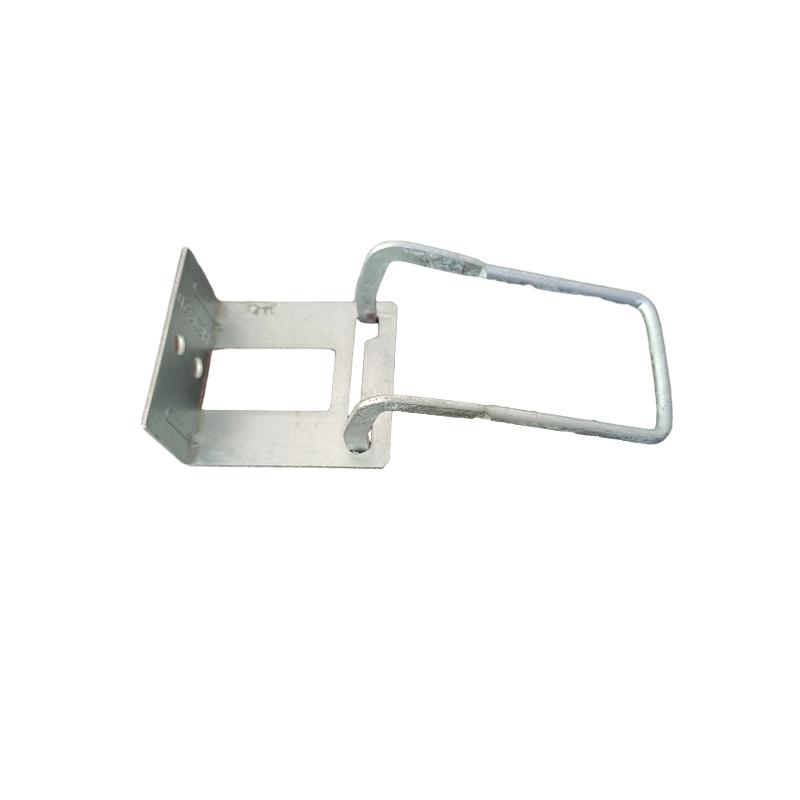
Every construction project has unique challenges, and off-the-shelf masonry ties may not always suffice. We specialize in providing customized brick tie backs that precisely match architectural specifications and engineering requirements.
- Material Adaptation: Beyond standard stainless steel 304/316 and galvanized steel, we can source and fabricate ties from specialized alloys for extreme environments (e.g., higher nickel content for enhanced corrosion resistance).
- Dimensional Modifications: Custom plate sizes, longer or shorter pintles, unique hole patterns, or specific offsets can be engineered to integrate seamlessly with unusual wall constructions or thicker veneers.
- Performance Optimization: Ties can be designed for specific pull-out and shear strengths based on detailed structural analyses, ensuring optimal performance for demanding seismic or high-wind load regions.
- Thermal Bridging Solutions: Custom thermally broken components can be integrated into the tie design to further enhance the insulation properties of the wall system.
Our engineering team collaborates closely with clients from conceptual design through to fabrication, ensuring that customized brick tie backs not only meet but exceed project expectations.
Application Case Studies
Case Study 1: High-Rise Office Tower, Coastal Region
Challenge: A 40-story office tower in a highly corrosive coastal environment required masonry ties capable of withstanding extreme wind loads and salt-laden air for a projected service life of 75 years. The backup structure was a steel frame.
Solution: We supplied custom adjustable masonry ties fabricated from 316L stainless steel. The Double Pintle Plate Veneer Anchor design was adapted with extended pintles to accommodate a thicker insulation cavity and specialized clip attachments for the steel studs.
Outcome: The chosen 316L stainless steel masonry ties provided superior corrosion resistance, validated by third-party salt spray testing (exceeding 5,000 hours without red rust). The adjustable nature simplified installation, reducing veneer installation time by 15% and ensuring perfect alignment despite minor frame variations. The project achieved LEED Gold certification partly due to the durability and optimized thermal performance of the anchoring system.
Case Study 2: University Campus Building, Seismic Zone
Challenge: A new university science building in a high-seismic zone required veneer anchoring that could accommodate significant inter-story drift without compromising structural integrity or causing veneer spalling. The backup was reinforced concrete.
Solution: We provided a tailored solution featuring our Double Pintle Plate Veneer Anchor, but with specific modifications for enhanced seismic performance. This included wider slots for the pintles and engineered "soft" pintles that allow for greater out-of-plane movement without deforming the plate, while maintaining in-plane shear resistance.
Outcome: The customized masonry ties passed dynamic load testing simulations replicating seismic events, demonstrating their ability to maintain veneer stability under extreme conditions. The project passed stringent local seismic code reviews with flying colors, ensuring the safety and longevity of the building's exterior. This proactive approach significantly mitigated risk and enhanced the building's resilience.
Frequently Asked Questions (FAQ)
Q: What is the recommended spacing for brick tie backs?
A: The spacing of masonry tie backs is dictated by local building codes (e.g., IBC Section 1405.10.4 in the U.S.), wind load requirements, and the specific design of the veneer system. Generally, ties are spaced at a maximum of 32 inches (813 mm) horizontally and 25 inches (635 mm) vertically, with a maximum area per tie of 2.67 sq ft (0.248 sq m). Corners and openings usually require closer spacing. Always consult project-specific structural drawings and local codes.
Q: Can your brick tie backs be used with different types of backup walls?
A: Yes, our Double Pintle Plate Veneer Anchors, for instance, are designed for versatility. They can be securely fastened to concrete, steel studs, wood studs, and masonry block backup walls using appropriate fasteners (e.g., concrete screws, self-drilling screws for steel, wood screws). Specific anchor designs may be optimized for certain backup types, and our technical team can advise on the best solution for your project.
Q: What are the advantages of stainless steel masonry ties over galvanized steel?
A: Stainless steel offers superior corrosion resistance, especially in harsh or aggressive environments (e.g., coastal, industrial, high-humidity). It also maintains its structural properties better at elevated temperatures. While hot-dip galvanized steel provides excellent protection for most applications, stainless steel is the preferred choice for projects requiring the utmost durability, longevity (50+ year service life), and minimal maintenance, thereby reducing lifecycle costs.
Lead Time, Warranty & Customer Support
Lead Time & Fulfillment
We maintain efficient production lines and strategic inventory to ensure prompt delivery. For standard orders of brick tie backs and brickwork accessories, typical lead times range from 2 to 4 weeks, depending on order volume and specific product configuration. Custom solutions or large-scale project orders will have specific lead times determined during the quotation process. We offer flexible shipping options, including sea freight, air freight, and expedited ground delivery, to meet diverse project schedules globally. Our logistics team provides real-time tracking and ensures secure packaging to prevent damage during transit.
Warranty Commitments
All our masonry tie products are backed by a comprehensive warranty against manufacturing defects and material failures under normal use and installation. Our standard warranty period is 10 years, reflecting our confidence in the quality and durability of our products, exceeding typical industry standards. Specific project warranties for extended durations can be arranged based on material selection and application, providing peace of mind for long-term structural integrity.
Customer Support
Our dedicated customer support team is available from Monday to Friday, 9:00 AM to 5:00 PM (GMT+8), to assist with inquiries, technical specifications, order status, and post-sales support. We offer multi-channel support via phone, email, and live chat. Our technical engineers are also available for project consultations, design assistance, and on-site support where required, ensuring seamless integration of our products into your construction workflow.
References
- ASTM International. (2023). ASTM A1064/A1064M-23, Standard Specification for Carbon-Steel Wire and Welded Wire Reinforcement, Plain and Deformed, for Concrete. West Conshohocken, PA: ASTM International.
- ASTM International. (2020). ASTM A153/A153M-09(2020)e1, Standard Specification for Zinc Coating (Hot-Dip) on Iron and Steel Hardware. West Conshohocken, PA: ASTM International.
- Building Code Requirements for Masonry Structures (ACI 530/530.1-08/ASCE 5-08/TMS 402-08 & ACI 530.1-08/ASCE 6-08/TMS 602-08). (2008). Farmington Hills, MI: American Concrete Institute.
- International Code Council. (2021). International Building Code (IBC). Washington D.C.: International Code Council.
- ISO 9001:2015 - Quality management systems - Requirements. (2015). International Organization for Standardization.
share:
-
Factors Influencing Hexagonal Wire Mesh Price and Buyer GuideNewsApr.16,2026
-
Understanding the Price of Chicken Mesh and Buying GuideNewsApr.09,2026
-
Comprehensive Guide to Understanding and Optimizing Poultry Net Price StrategiesNewsApr.07,2026
-
Understanding Hen Net Price for Optimal International Metal TradingNewsApr.04,2026
-
Comprehensive Guide to Chicken Wire Fence Price and Installation CostsNewsMar.31,2026
-
Comprehensive Guide to Chicken Netting Price Factors and OptionsNewsMar.28,2026
-
Comprehensive Guide to Chicken Net Fence Price and Optimal SelectionNewsMar.26,2026