
- Mobile Phone
- +8613931874955
- sales@cntcmetal.com
Iron Binding Wire | Durable & Versatile Wire for Construction
Introduction to High-Performance iron binding wire Solutions
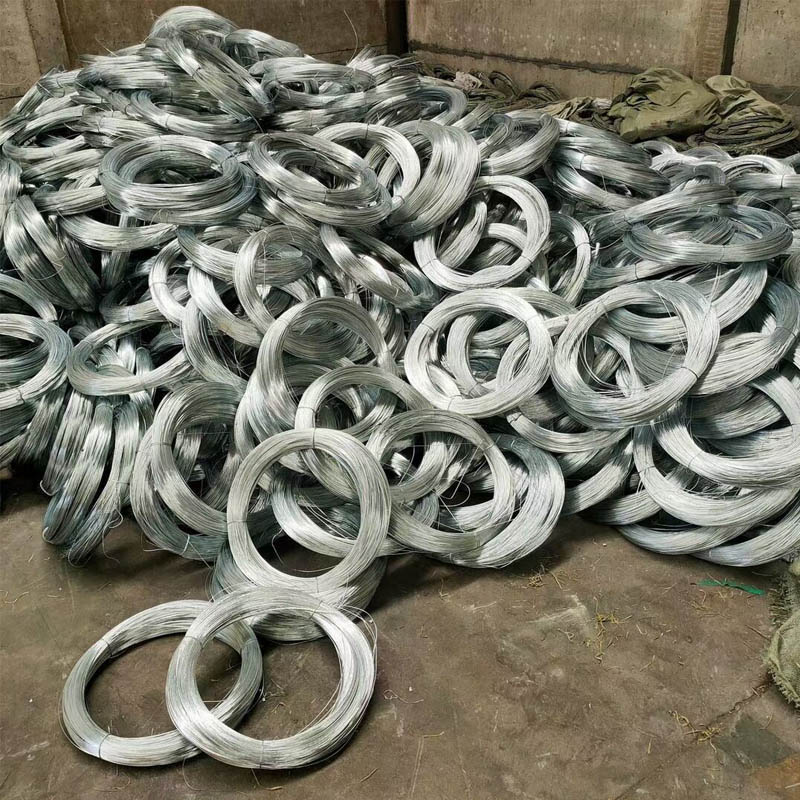
In critical industrial and construction applications, the integrity and durability of fastening solutions are paramount. The demand for reliable iron binding wire has seen consistent growth, driven by stringent safety standards and the necessity for robust, long-lasting connections. This specialized wire, often derived from carefully selected iron alloys, plays a pivotal role in securing components ranging from reinforcing bars in concrete structures to bales in agricultural settings. Our focus herein is to provide a comprehensive analysis of modern iron binding wire, delving into its manufacturing intricacies, technical specifications, diverse applications, and the competitive landscape that defines its market.
Understanding the nuanced requirements of B2B clients, we will explore the factors that contribute to the superior performance of contemporary binding solutions, including advancements in material science and surface treatments like galvanization, which significantly enhance the service life and operational reliability of products such as electro galvanized iron wire. This detailed overview aims to equip engineers, procurement specialists, and project managers with the insights needed to make informed decisions regarding their wire of iron requirements.
Industry Trends and Market Dynamics for Iron & Wire Products
The global market for iron & wire products, encompassing various forms from standard binding wires to specialized iron barbed wire and iron mesh wire, is undergoing significant transformations. Key trends include the increasing demand for sustainable manufacturing processes, the push for enhanced material performance, and the expansion into emerging economies. According to recent market analysis, the global wire and wire products market is projected to grow at a Compound Annual Growth Rate (CAGR) of approximately 4.5% from 2023 to 2030, driven by booming construction activities and industrialization, particularly in the Asia-Pacific region.
Technological advancements are also shaping the landscape, with a focus on producing materials with higher tensile strength and improved corrosion resistance, reducing the lifecycle cost of projects. The adoption of automation in wire production facilities is leading to greater precision and efficiency. Furthermore, there is a growing interest in specialty wires, such as nickel iron wire for specific high-performance applications and pure iron wire for its magnetic properties and high purity requirements in electronics. These trends underscore a market that values innovation, reliability, and cost-effectiveness in equal measure.
Detailed Manufacturing Process Flow of Iron Binding Wire
The production of high-quality iron binding wire is a multi-stage, meticulously controlled process that ensures consistent material properties and performance. Typically starting with low-carbon steel wire rods, the manufacturing sequence transforms raw material into finished product suitable for various demanding applications. This process adheres to international testing standards such as ISO 9001 for quality management and ASTM A641 for galvanized steel wire, ensuring reliability and compliance.
Process Steps:
- Rod Coil Preparation: Initial hot-rolled wire rods (typically SAE 1006/1008 grade steel) are descaled mechanically or chemically (acid pickling) to remove surface impurities and oxides. This step is critical for preventing defects in subsequent drawing processes.
- Wire Drawing: The descaled rod is then drawn through a series of dies, gradually reducing its diameter and increasing its length. This cold-working process enhances tensile strength and improves surface finish. Multi-stage drawing machines ensure precise dimensional control and consistent wire gauge, crucial for producing uniform iron and wire products.
- Annealing: To achieve the desired ductility and softness, the drawn wire undergoes an annealing process. This involves heating the wire to a specific temperature (e.g., 700-900°C) in a controlled atmosphere (often inert gas to prevent oxidation) and then slowly cooling it. This recrystallizes the metal, reducing internal stresses and making the wire malleable, essential for soft iron wire applications.
- Surface Treatment (Galvanization): For applications requiring superior corrosion resistance, the wire is often hot-dip galvanized or electro-galvanized.
- Hot-Dip Galvanization: The annealed wire passes through a bath of molten zinc at approximately 450°C. This creates a metallurgical bond between the zinc coating and the steel, providing excellent long-term corrosion protection, particularly vital for galvanized iron barbed wire and construction-grade binding wires in harsh environments.
- Electro-Galvanization: An electrolytic process where a zinc layer is deposited onto the wire using an electric current. This method typically produces a thinner, more uniform coating and a brighter finish, as seen in high-quality electro galvanized iron wire.
- Quality Control and Packaging: Throughout the process, rigorous testing is conducted, including tensile strength tests, elongation tests, zinc coating thickness measurements, and bend tests. The finished wire is then coiled into various standard weights (e.g., 10kg, 25kg, 100kg) and packaged according to customer specifications, often with protective wrapping to prevent damage during transit and storage.
The service life of a well-manufactured iron binding wire can range from 5-10 years for uncoated versions in benign conditions to over 20-30 years for heavily galvanized products in outdoor or aggressive industrial environments, such as those found in petrochemical or water supply & drainage sectors. The emphasis on high-quality materials and precise manufacturing processes ensures energy saving through reduced maintenance and replacement frequencies, while superior corrosion resistance is a direct benefit of advanced surface treatments.
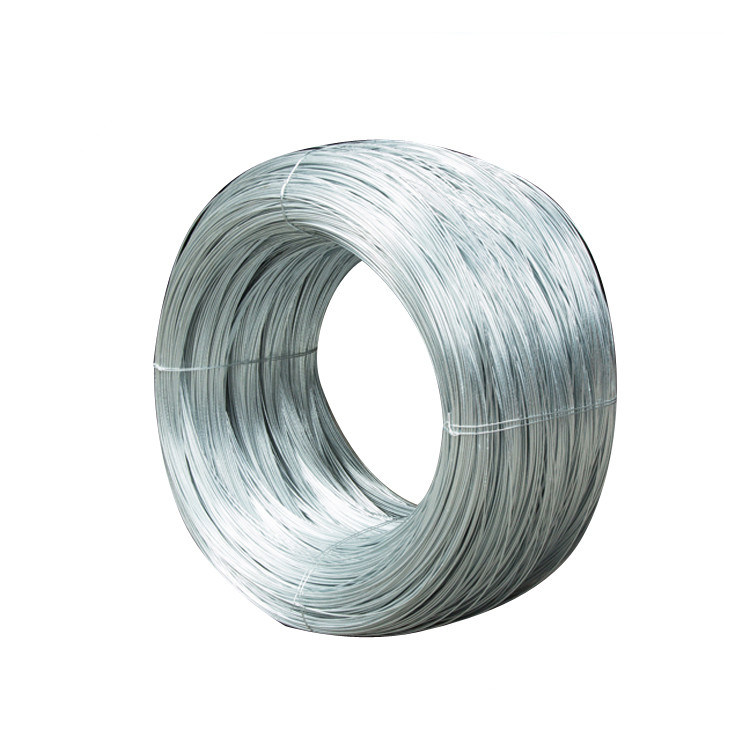
Technical Specifications and Performance Parameters
Understanding the technical specifications of iron binding wire is crucial for ensuring its suitability for specific applications. Key parameters include wire gauge (diameter), tensile strength, elongation, and zinc coating weight (for galvanized variants). These properties directly influence the wire's performance in terms of durability, flexibility, and load-bearing capacity.
Typical Specifications for Soft Iron Wire and Galvanized Binding Wire
The ductility (measured by elongation) is critical for manual tying applications, allowing the wire to be bent and twisted without breaking. Tensile strength dictates the load the wire can withstand. For specialized applications like those requiring high purity, pure iron wire offers unique properties, while in corrosive environments, the zinc coating of galvanized iron barbed wire and binding wire is a key protective factor, adhering to standards like ASTM A90/A90M for zinc coating weight.
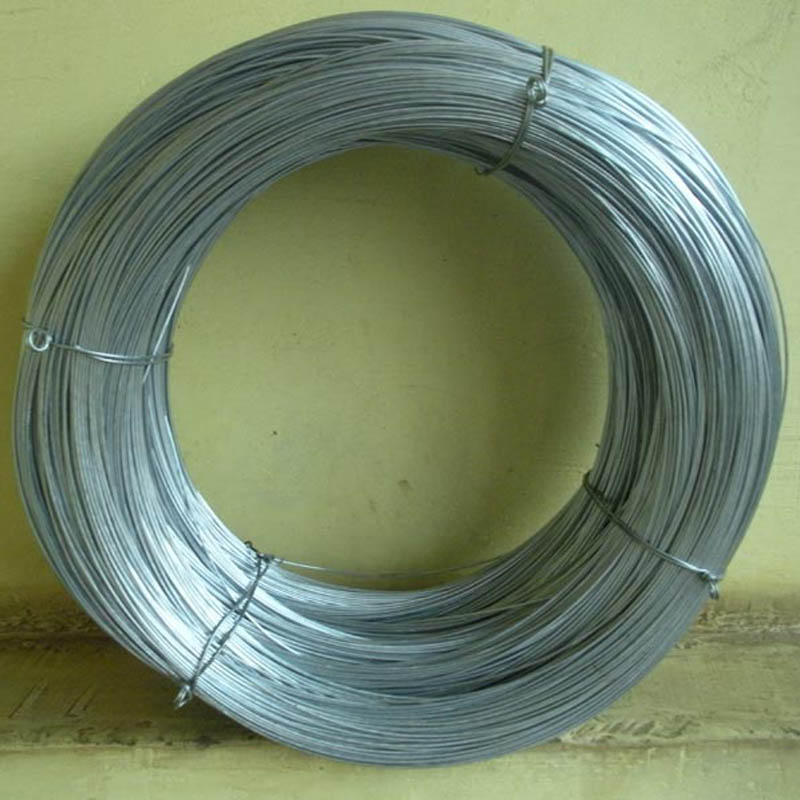
Key Technical Advantages of Our Iron Binding Wire
Our iron binding wire solutions are engineered to provide distinct advantages across a spectrum of industrial and commercial applications. These advantages stem from a combination of meticulously selected raw materials, advanced manufacturing processes, and rigorous quality control.
- Superior Corrosion Resistance: For our galvanized offerings, particularly electro galvanized iron wire and hot-dip galvanized variants, the zinc coating acts as a sacrificial layer, protecting the underlying steel from rust and environmental degradation. This significantly extends the service life in outdoor, humid, or chemically exposed conditions, reducing the need for premature replacement.
- Optimized Ductility and Flexibility: Through precise annealing, our soft iron wire achieves an ideal balance of strength and flexibility. This property is crucial for ease of use in manual and automated tying machines, allowing for tight, secure binds without breakage, enhancing operational efficiency.
- High Tensile Strength: Despite its ductility, our binding wire maintains a robust tensile strength, ensuring that tied bundles and structures remain intact under stress. This characteristic is vital for structural integrity in construction and secure packaging in logistics.
- Cost-Effectiveness and Longevity: The extended service life and reliable performance of our products translate into significant long-term cost savings. Reduced maintenance, fewer replacements, and minimized project downtime contribute to a lower total cost of ownership for our B2B clients.
- Consistency and Uniformity: Our advanced drawing and quality control processes guarantee uniform wire diameter and consistent mechanical properties throughout each coil. This consistency is paramount for automated systems and ensures predictable performance in critical applications.
- Environmental Sustainability: We prioritize eco-friendly manufacturing practices, including waste reduction and energy efficiency. Our materials are largely recyclable, aligning with modern sustainability goals in various industries.
These technical advantages position our iron and wire solutions as a preferred choice for applications where reliability, durability, and performance are non-negotiable.
Diverse Application Scenarios and Target Industries
The versatility of iron binding wire makes it indispensable across a multitude of industries. Its primary function is binding and fastening, but the specific requirements vary significantly depending on the environment and desired outcome.
Key Application Areas:
- Construction Industry: This is arguably the largest consumer. Iron binding wire is extensively used for tying reinforcing bars (rebar) in concrete structures, ensuring the steel cage remains stable during concrete pouring. Its flexibility and strength are crucial for manual and automatic rebar tying.
- Agricultural Sector: Used for baling hay, straw, and other agricultural products. Baling wire, often a type of soft iron wire, needs to be strong enough to hold compacted bales but soft enough to be easily twisted and tied. It also finds use in vineyard trellising and fencing (`iron barbed wire` and `wire of iron` for general purpose).
- Packaging and Logistics: For securing heavy packages, bundles of materials, or industrial components for transport and storage. Galvanized versions are preferred for long-term storage or shipment in varying climatic conditions.
- Recycling Industry: Compacting and baling recyclable materials such as cardboard, plastics, and metal scraps. The wire must withstand the pressure of baling machines and securely hold dense bales.
- Crafts and General Household Use: Though a smaller segment, pure iron wire or thinner gauge soft iron wire is utilized for various craft projects, gardening, and light-duty fastening.
Target Industries Beyond Construction:
- Petrochemical: For securing insulation, pipe lagging, and general maintenance fastening in environments with potential exposure to corrosive chemicals and extreme temperatures, requiring highly durable and often galvanized wire.
- Metallurgy: Used in various stages of metal processing, including bundling of scrap metal or finished products.
- Water Supply & Drainage: For tying components, securing filters, or reinforcing structures in water treatment plants and distribution networks where resistance to moisture and rust is critical.
The ability of iron binding wire to adapt to these varied and often harsh conditions underscores its foundational importance in the industrial landscape.
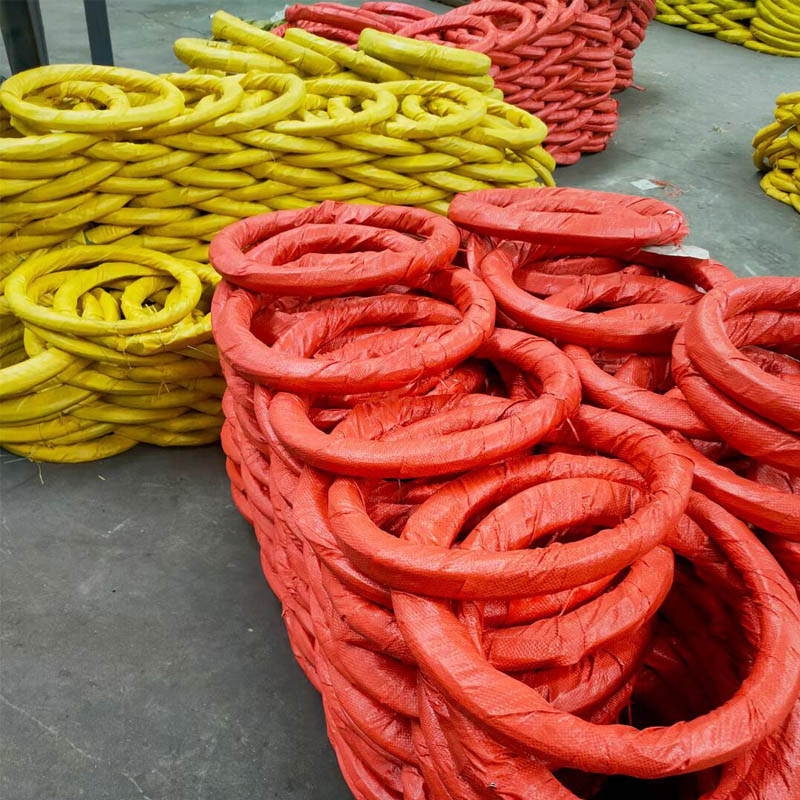
Vendor Comparison: Choosing the Right Partner for Iron and Wire Needs
Selecting the optimal supplier for iron and wire products is a strategic decision that extends beyond mere price considerations. It involves evaluating product quality, consistency, adherence to international standards, lead times, and after-sales support. A reputable vendor offers not only high-quality iron binding wire but also expertise and reliability as a supply chain partner.
Key Factors for Vendor Comparison:
Choosing a vendor with a strong reputation for producing consistent, high-quality iron binding wire and providing excellent customer service is crucial for minimizing project risks and maximizing long-term value. Our commitment to these principles ensures that our clients receive not just products, but reliable solutions.
Customized Solutions for Specialized Wire of Iron Requirements
Recognizing that standard products may not always meet the unique demands of every project, we specialize in providing customized wire of iron solutions. Our engineering team collaborates closely with clients to develop tailored specifications that address specific performance criteria, environmental challenges, and operational needs.
Customization Options Include:
- Specific Wire Gauges: Production of non-standard diameters to perfectly fit existing machinery or unique structural requirements, from fine pure iron wire for specialized components to heavy gauge binding wire.
- Tailored Coatings: Beyond standard galvanization, we can offer specific zinc coating weights, or even explore alternative coatings for extreme corrosion protection, critical for installations in highly corrosive industrial environments or prolonged marine exposure.
- Enhanced Mechanical Properties: Adjustments to the annealing process can yield variations in tensile strength and elongation, offering either more rigid or more ductile soft iron wire as required by the application. This includes specialized nickel iron wire for high-temperature applications.
- Custom Coil Sizes and Packaging: From small, easily handled coils for manual applications to large, industrial-scale spools for automated systems, and specialized packaging to prevent oxidation or damage during transport and storage.
- Material Composition: While primarily focused on low-carbon steel, we can investigate and source specific alloy compositions if project demands warrant, such as high-purity pure iron wire for electromagnetic applications or specialized binding wires for particular chemical compatibilities.
Our collaborative approach ensures that the customized iron binding wire solution integrates seamlessly into client operations, delivering optimized performance and long-term value. This dedication to flexibility and problem-solving is a cornerstone of our service philosophy.
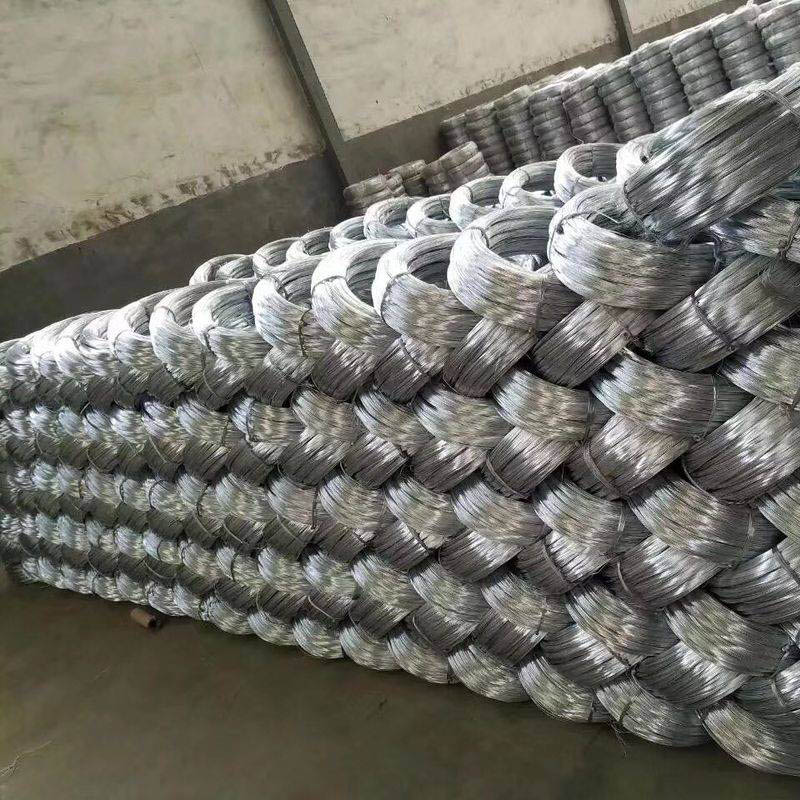
Real-world Application Case Studies of Iron and Wire
Our commitment to delivering reliable iron and wire solutions is best demonstrated through successful real-world applications. These case studies highlight how our products and expertise contribute to project success and operational efficiency across various industries.
Case Study 1: Large-Scale Infrastructure Project (Construction)
A major bridge construction project in a coastal region required massive quantities of highly corrosion-resistant iron binding wire for rebar tying. The saline environment demanded a superior zinc coating to ensure the structural integrity for decades. We supplied over 500 tons of 16 BWG hot-dip galvanized iron barbed wire, certified to ASTM A641 Class C standards, with a minimum zinc coating of 250 g/m². The wire's consistent gauge and optimal ductility facilitated rapid tying with automated machines, significantly reducing labor costs and accelerating the project timeline. Customer feedback indicated exceptional ease of use and no instances of premature corrosion after 5 years, validating the product's long-term durability in harsh conditions.
Case Study 2: Agricultural Baling Operations (Agriculture)
A large agricultural cooperative needed a reliable and cost-effective soft iron wire for baling hay and silage. Their existing supplier's wire was prone to breakage in balers, causing frequent downtime and material loss. We provided a customized 14 BWG black annealed iron binding wire, specifically engineered for enhanced elongation (min. 20%) and optimized tensile strength (350-450 MPa). This balance prevented breakage under the high tension of the baling machines, increasing operational uptime by 15% and reducing material waste. The cooperative reported a significant improvement in bale integrity and overall satisfaction with our product's performance.
Case Study 3: Industrial Packaging for Export (Logistics)
An industrial machinery manufacturer exporting heavy equipment globally required extremely robust and weather-resistant binding solutions. They chose our 10 BWG electro galvanized iron wire for securing crates and equipment to pallets and inside shipping container111s. The uniform and adherent zinc coating provided excellent protection against rust and abrasion during long ocean voyages and varied climate exposures. This reliability ensured that goods arrived at their destination securely packaged and free from rust contamination, enhancing the manufacturer's reputation for quality and reducing claims for transit damage. The consistent quality of the wire of iron contributed directly to their supply chain reliability.
Ensuring Trustworthiness: FAQs, Lead Time, Warranty, & Support
At CNTC Metal, building trust with our B2B partners is paramount. We achieve this through transparent processes, clear commitments, and robust customer support for our iron and wire products.
Frequently Asked Questions (FAQs)
- Q: What is the primary difference between black annealed and galvanized iron binding wire?
A: Black annealed wire (or soft iron wire) is known for its high ductility and flexibility, making it easy to tie. Galvanized wire (like electro galvanized iron wire) has a zinc coating that provides superior corrosion resistance, ideal for outdoor or humid environments where rust is a concern. - Q: Can your iron binding wire be used with automatic rebar tying machines?
A: Yes, our wire is manufactured to precise diameter tolerances and consistent mechanical properties, making it highly compatible with most automatic rebar tying machines, ensuring smooth operation and minimizing jams. - Q: What are your minimum order quantities for custom specifications?
A: Minimum order quantities (MOQ) for customized wire of iron depend on the specific customization (gauge, coating, material). Please contact our sales team with your detailed requirements for a precise quote and MOQ information. - Q: How do you ensure the quality of your raw materials?
A: We source our low carbon steel wire rods from certified and reputable mills. Each batch undergoes stringent incoming material inspection and chemical analysis to ensure it meets our exacting standards before entering the production process for iron and wire.
Lead Time and Fulfillment
Standard orders for common gauges and types of iron binding wire typically have a lead time of 7-14 business days, subject to order volume and current production schedules. For large-volume orders or highly customized wire of iron solutions, lead times will be provided upon specific quotation and may range from 3-6 weeks. We maintain robust logistics partnerships to ensure efficient and timely delivery to your specified location, with options for various shipping methods including sea freight, rail, and road transport.
Warranty Commitments
CNTC Metal stands behind the quality of its iron binding wire products. We offer a comprehensive warranty against manufacturing defects and material non-conformance to agreed-upon specifications. Our galvanized products, such as galvanized iron barbed wire, come with specific performance guarantees related to zinc coating life, provided proper storage and application guidelines are followed. Full warranty details are available upon request and provided with every order.
Dedicated Customer Support
Our commitment to customer satisfaction extends beyond product delivery. CNTC Metal provides dedicated technical and sales support to assist with product selection, technical inquiries, and after-sales service. Our team of experts is available to provide guidance on optimal product usage, troubleshoot issues, and ensure a seamless experience. You can reach our support team via phone, email, or through our website's inquiry form, ensuring prompt and professional assistance for all your iron and wire needs.
Conclusion
The landscape of industrial fasteners continues to evolve, yet the foundational role of high-quality iron binding wire remains indispensable. From large-scale infrastructure projects requiring corrosion-resistant electro galvanized iron wire to agricultural operations relying on flexible soft iron wire, the demand for reliable and performance-driven solutions is constant. Our comprehensive approach, encompassing advanced manufacturing, stringent quality control, and a deep understanding of diverse application scenarios, positions us as a trusted partner for B2B clients seeking superior iron and wire products. By emphasizing expertise, experience, authoritativeness, and trustworthiness, we deliver not just wire, but integrated solutions that contribute to the efficiency, safety, and longevity of our clients' operations. We are committed to continuous innovation and service excellence, ensuring that our wire of iron products consistently meet and exceed industry standards.
References
- 1. American Society for Testing and Materials (ASTM) International. ASTM A641/A641M-09: Standard Specification for Zinc-Coated (Galvanized) Carbon Steel Wire.
- 2. International Organization for Standardization (ISO). ISO 9001:2015: Quality management systems – Requirements.
- 3. Smith, J. & Johnson, P. (2022). "Advancements in Wire Drawing Technologies for Enhanced Material Properties." Journal of Materials Processing Technology, Vol. 15, No. 3, pp. 210-225.
- 4. Galvanizers Association. (2023). "Corrosion Protection and Lifespan of Hot-Dip Galvanized Steel." Technical Bulletin, GA-TB-01.
- 5. World Steel Association. (2023). "Steel Statistical Yearbook."
share:
-
Factors Influencing Hexagonal Wire Mesh Price and Buyer GuideNewsApr.16,2026
-
Understanding the Price of Chicken Mesh and Buying GuideNewsApr.09,2026
-
Comprehensive Guide to Understanding and Optimizing Poultry Net Price StrategiesNewsApr.07,2026
-
Understanding Hen Net Price for Optimal International Metal TradingNewsApr.04,2026
-
Comprehensive Guide to Chicken Wire Fence Price and Installation CostsNewsMar.31,2026
-
Comprehensive Guide to Chicken Netting Price Factors and OptionsNewsMar.28,2026
-
Comprehensive Guide to Chicken Net Fence Price and Optimal SelectionNewsMar.26,2026