
- Mobile Phone
- +8613931874955
- sales@cntcmetal.com
Durable Masonry Support Systems | Structural & Safe Solutions
Introduction to Advanced Masonry Support Systems
In modern construction, structural integrity and aesthetic longevity are paramount. At the core of achieving these objectives, particularly for curtain walls, veneers, and facade systems, lies the sophisticated application of Masonry Support systems. These engineered components are crucial for transferring the dead load of masonry cladding back to the primary structural frame of a building, preventing excessive stress on lower courses and accommodating differential movement. A robust Masonry Support system ensures uniform load distribution, enhances structural stability, and contributes significantly to the overall durability and safety of the building envelope.
Designed for precision and resilience, these systems are indispensable across a spectrum of building types, from high-rise commercial towers to intricate architectural facades. They mitigate risks associated with thermal expansion, structural deflection, and seismic activity, thereby extending the service life of the masonry and reducing maintenance costs. Understanding the technical nuances and advanced capabilities of these supports is vital for engineers, architects, and construction professionals aiming for optimal performance and compliance with stringent industry standards.
Industry Trends and Market Dynamics
The global construction industry is experiencing dynamic shifts, profoundly impacting the demand and evolution of Masonry Support solutions. Key trends driving innovation include a heightened focus on sustainable building practices, the increasing adoption of prefabrication and modular construction, and ever-more stringent regulatory requirements for structural safety and energy efficiency. The market for facade systems, including their critical support elements, is projected to grow significantly, with analysts estimating a Compound Annual Growth Rate (CAGR) of approximately 6.5% from 2023 to 2030, driven by rapid urbanization and infrastructure development in emerging economies.
Innovations in materials, such as the wider use of high-grade stainless steels and advanced galvanization techniques, are enhancing the corrosion resistance and longevity of Masonry Support systems. Furthermore, digital design tools, including Building Information Modeling (BIM), are streamlining the specification and integration of these components, allowing for more precise engineering and reducing on-site errors. There is also a growing emphasis on adjustable and versatile support systems that can accommodate various brick types, cavity widths, and structural movements, offering greater flexibility to designers and installers. The demand for systems that contribute to improved thermal performance and fire resistance in building envelopes is also on the rise, pushing manufacturers to innovate beyond traditional load-bearing functions.
Manufacturing Process Flow of Masonry Support
The production of high-performance Masonry Support systems is a meticulous process, demanding precision engineering and adherence to strict quality control protocols. Our manufacturing journey emphasizes material integrity, advanced fabrication techniques, and rigorous testing to ensure unparalleled product reliability and extended service life.
Key Materials:
- Stainless Steel: Predominantly AISI 304 (for general applications) and AISI 316 (for enhanced corrosion resistance in aggressive environments, e.g., coastal or industrial areas). Selected for its superior strength-to-weight ratio, durability, and inherent corrosion resistance.
- Hot-Dip Galvanized (HDG) Steel: For applications where cost-effectiveness is crucial and galvanized coating provides sufficient protection. Meets ASTM A123/A123M standards for zinc coating.
Manufacturing Process Steps:
- 1. Material Selection & Precision Cutting: High-grade raw materials are sourced from certified suppliers. Sheets and sections undergo precision cutting using advanced laser or plasma cutting machines, ensuring dimensional accuracy for subsequent stages.
- 2. Forming & Bending: Specialized hydraulic press brakes are utilized for precise bending and forming of angles, channels, and brackets to specified geometries. This stage often involves cold forming to maintain material integrity and strength.
- 3. Welding (TIG/MIG & Robotic): Components are expertly welded using Tungsten Inert Gas (TIG) or Metal Inert Gas (MIG) techniques. Robotic welding is employed for high-volume, repetitive tasks to ensure consistent, high-quality, and robust welds, minimizing human error and enhancing structural integrity.
- 4. CNC Machining: For intricate components like dowel pins, adjusters, and specialized fixing plates, Computer Numerical Control (CNC) machining ensures extreme precision and tight tolerances. This is critical for the seamless integration and functionality of the overall system.
-
5. Surface Treatment:
- Stainless Steel: Pickling and passivation processes are applied to remove surface contaminants and restore the passive chromium oxide layer, maximizing corrosion resistance.
- Carbon Steel: Hot-dip galvanization is applied to provide a durable zinc coating for sacrificial and barrier protection against corrosion, adhering to ISO 1461 or ASTM A123 standards.
-
6. Quality Control & Testing: Each batch undergoes rigorous testing. This includes:
- Dimensional Accuracy Checks: Using precision measurement tools.
- Material Composition Analysis: Spectroscopic analysis to confirm alloy grades.
- Load Testing: Destructive and non-destructive testing to verify stated load capacities and ensure compliance with design specifications (e.g., EN 845 series).
- Corrosion Resistance Testing: Salt spray tests where applicable.
- 7. Packaging & Dispatch: Products are carefully packaged to prevent damage during transit, with clear labeling for easy identification and installation.
Testing Standards & Certifications:
Our products are designed and manufactured in strict compliance with international and regional standards, including ISO 9001 (Quality Management Systems), EN 845 series (Specification for ancillary components for masonry), and relevant ASTM standards for material properties. This commitment to standards ensures that our Masonry Support systems deliver consistent, reliable performance.
Service Life & Target Industries:
With proper installation and maintenance, our stainless steel Masonry Support systems boast an expected service life of 50 years or more, even in challenging environments. They are specifically engineered for critical applications across:
- Commercial & Residential Construction: High-rise buildings, multi-story residential complexes.
- Infrastructure Projects: Bridges, tunnels, retaining walls.
- Industrial Facilities: Petrochemical plants, metallurgy complexes, power generation stations, where robust corrosion resistance is paramount.
- Water Supply & Drainage Systems: Supporting masonry elements in critical water management infrastructure.
These systems demonstrate significant advantages in typical application scenarios such as facade retention and new building construction, offering superior energy saving through efficient insulation integration, and unmatched corrosion resistance that minimizes lifecycle costs.
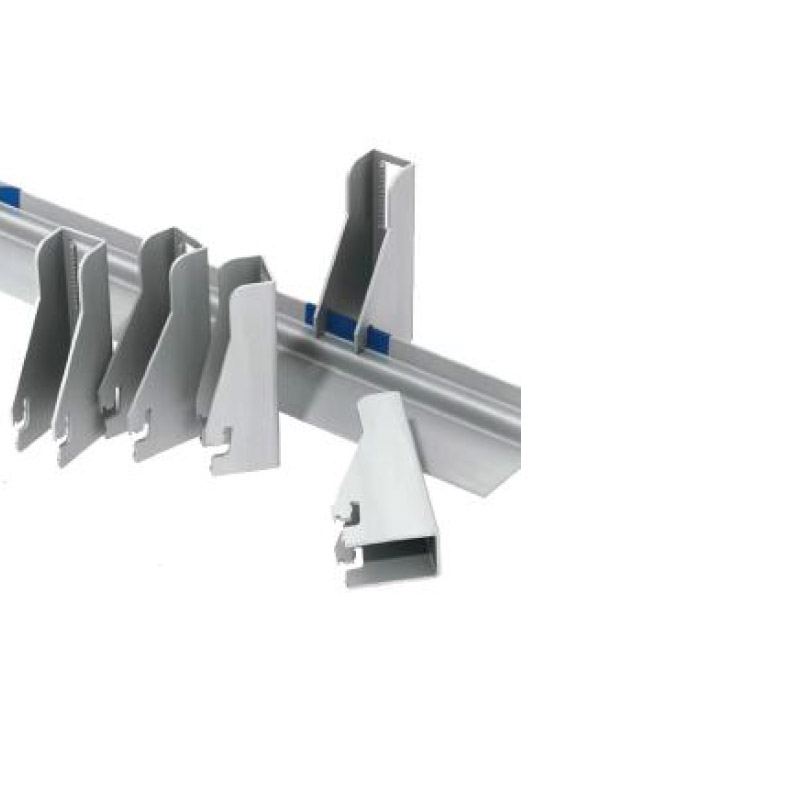
Figure 1: High-precision fabrication of Masonry Support components.
Technical Specifications and Parameters
Our range of Masonry Support systems is engineered to meet diverse project demands, offering robust performance characteristics tailored for structural integrity and longevity. The following table outlines key technical specifications for our standard product lines, serving as a guideline for architects and structural engineers.
| Parameter | Standard Angle Support (Type A) | Heavy-Duty Channel Support (Type B) | Continuous Support System (Type C) |
|---|---|---|---|
| Material Grade | Stainless Steel AISI 304 / Hot-Dip Galvanized Steel (S355JR) | Stainless Steel AISI 316 / Hot-Dip Galvanized Steel (S355JR) | Stainless Steel AISI 304/316 / Hot-Dip Galvanized Steel (S355JR) |
| Load Capacity (kN/m) | Up to 8 kN/m (typical) | Up to 25 kN/m (heavy-duty) | Up to 15 kN/m (continuous distribution) |
| Bracket/Angle Thickness | 6mm - 10mm | 10mm - 15mm | 8mm - 12mm |
| Cavity Width Range | 50mm - 150mm | 75mm - 250mm | 50mm - 200mm |
| Vertical Adjustment | ±15mm (via elongated holes) | ±20mm (via adjustment bolts) | ±15mm (via continuous slot/shims) |
| Horizontal Adjustment | ±10mm | ±15mm | ±10mm |
| Corrosion Resistance | Excellent (304), Good (HDG) | Superior (316), Excellent (HDG) | Varies by material selection |
| Compliance Standards | EN 845-2, ISO 9001, CE Mark | EN 845-2, ISO 9001, CE Mark, ASTM F1554 | EN 845-2, ISO 9001, CE Mark |
| Typical Applications | General brickwork, window head support | High-rise facade, large brick panels | Long continuous runs, complex facades |
It is imperative for project teams to consider specific project requirements, including design loads, environmental conditions, and local building codes, when selecting the appropriate Masonry Support system. Our technical team is available to assist with detailed load calculations and system selection to ensure optimal performance and compliance.
Application Scenarios and Technical Advantages
The versatility and robust engineering of modern Masonry Support systems allow for their deployment across a wide array of demanding construction environments. Their primary function of safely transferring masonry loads to the primary structure is enhanced by numerous technical advantages that address contemporary building challenges.
Typical Application Scenarios:
- High-Rise Building Facades: Essential for supporting multiple stories of masonry cladding, distributing the immense cumulative weight at each floor slab level. This prevents overstressing lower brickwork and accommodates structural movement.
- Lintel and Opening Support: Providing concealed or exposed support over doors, windows, and other apertures, ensuring the integrity of the masonry above without compromising aesthetic design.
- Relieving Beams and Expansion Joints: Creating necessary horizontal movement joints within large masonry panels, relieving stresses from thermal expansion, contraction, and structural deflection, crucial for facades exceeding certain heights.
- Retrofit and Renovation Projects: Implementing new masonry facades onto existing structural frames, often requiring custom-designed supports to interface with various substrate materials and irregular existing conditions.
- Complex Architectural Features: Supporting intricate brick patterns, arches, or projecting masonry elements that require precise and robust hidden support.
Technical Advantages:
- Enhanced Structural Stability & Safety: By effectively transferring loads, these systems prevent catastrophic failures and ensure the long-term stability of the masonry envelope. They accommodate differential movements between the frame and cladding, safeguarding against cracking and spalling.
- Superior Load Distribution: Engineered design ensures uniform distribution of vertical and lateral loads, optimizing the performance of the entire masonry assembly and preventing localized stress concentrations.
- Longevity & Corrosion Resistance: Manufactured from high-grade stainless steel (AISI 304, 316) or hot-dip galvanized steel, our supports offer exceptional resistance to corrosion, even in aggressive environments (e.g., coastal, industrial). This extends the service life of the building facade significantly.
- Facilitated Installation & Cost Efficiency: Pre-fabricated and precisely engineered components simplify on-site installation, reducing labor time and associated costs. Adjustable features allow for fine-tuning during installation, compensating for minor structural discrepancies.
- Thermal Bridging Reduction: Designs often incorporate thermal break pads or are strategically positioned to minimize thermal bridging, contributing to the overall energy efficiency of the building by maintaining insulation continuity.
- Aesthetic Integration: Many systems are designed to be concealed within the cavity, allowing for uninterrupted masonry aesthetics without visible structural elements, preserving the architect's vision.
- Compliance with Standards: Adherence to international standards (e.g., EN 845, ISO 9001) guarantees that our Masonry Support systems meet rigorous safety and performance benchmarks.
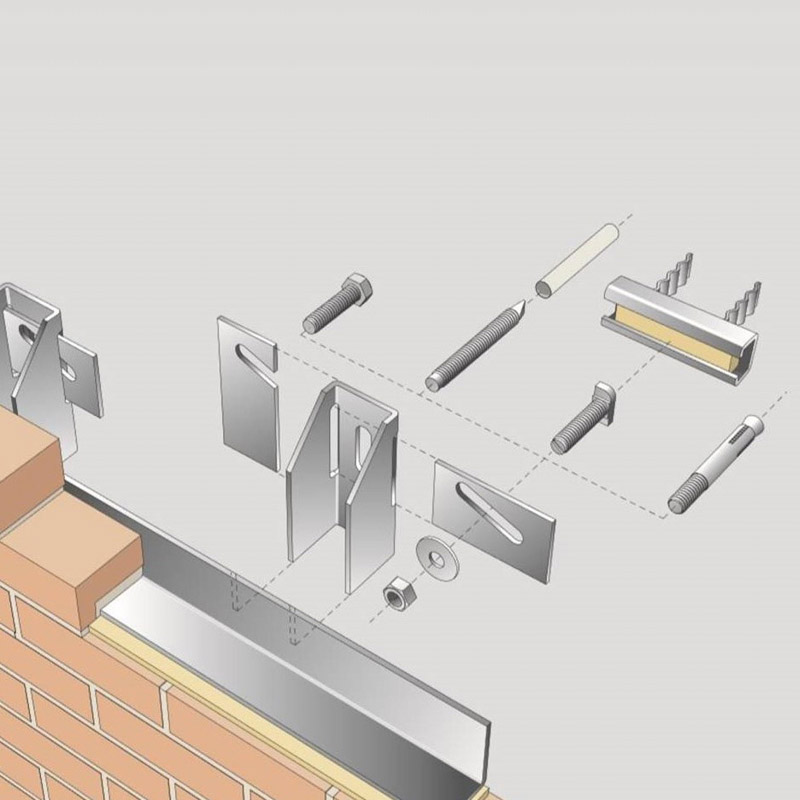
Figure 2: Masonry Support integrated into a modern facade system.
By integrating these technical advantages, our Masonry Support systems not only fulfill their fundamental structural role but also contribute to the long-term performance, sustainability, and aesthetic excellence of building projects.
Vendor Comparison: Evaluating Masonry Support Providers
Selecting the right vendor for Masonry Support systems is a critical decision that impacts project timelines, budget, and long-term structural performance. While numerous suppliers exist, a comprehensive evaluation beyond initial cost is essential. Factors such as material quality, engineering support, customization capabilities, and proven track record differentiate market leaders. The following comparison highlights key considerations when assessing vendors for your next project, illustrating our commitment to excellence against general market offerings.
| Feature/Parameter | CNTC Metal (Our Offering) | Tier 2 Vendor (Typical) | Budget Vendor (Typical) |
|---|---|---|---|
| Material Quality & Sourcing | Certified AISI 304/316 Stainless Steel, S355JR HDG Steel. Full traceability. | Often AISI 304, sometimes undisclosed grades. Limited HDG options. | Basic galvanized steel, questionable material certification. |
| Engineering & Design Support | Dedicated engineering team, CAD/BIM integration, custom design, load calculations. | Standard product selection guidance, minimal custom design. | No design support, customer provides specifications. |
| Customization Capability | High: Tailored solutions for specific loads, cavity widths, architectural features. | Moderate: Limited adjustments to standard product lines. | Low: Standard off-the-shelf products only. |
| Certifications & Compliance | ISO 9001, EN 845-2, CE Mark, ASTM, independent third-party testing reports. | ISO 9001 (sometimes), may lack specific product certifications. | Minimal to no recognizable certifications. |
| Warranty & After-Sales Support | Industry-leading 25-year structural warranty, dedicated support team, installation guidance. | Standard 5-10 year warranty, basic customer service. | Limited or no warranty, minimal support. |
| Lead Time (Standard Products) | 2-4 Weeks (efficient production, stock availability) | 4-6 Weeks (average production capacity) | 6+ Weeks (variable, often subject to delays) |
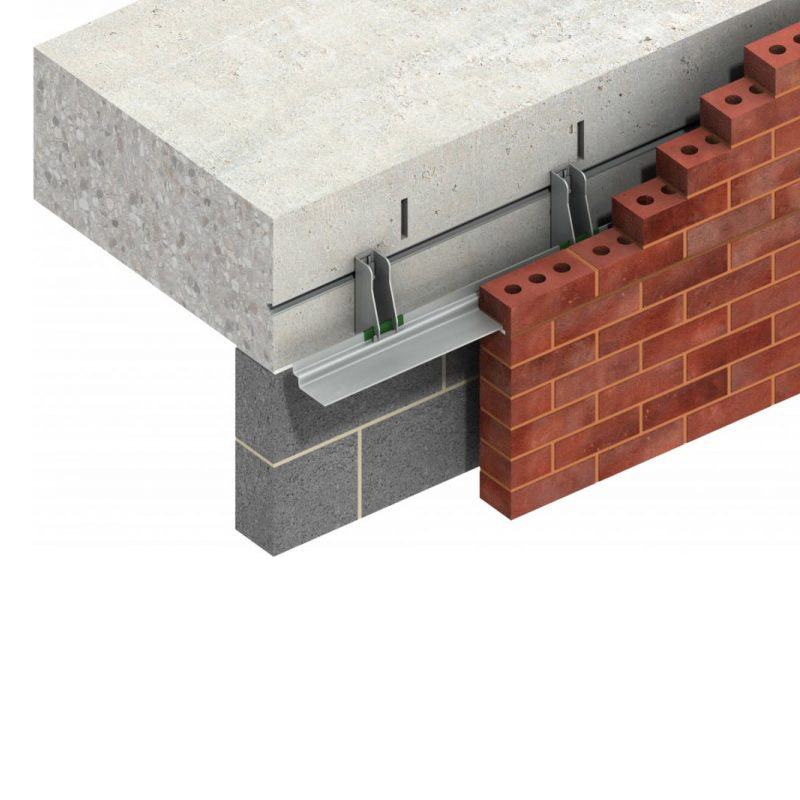
Figure 3: Precision-engineered Masonry Support being installed.
CNTC Metal differentiates itself through a steadfast commitment to engineering excellence, superior material quality, comprehensive design support, and reliable logistics. Our focus is not merely on supplying components but on delivering integrated solutions that ensure the long-term performance and safety of your masonry structures.
Customized Solutions for Masonry Support
Every architectural project presents unique challenges and specific design parameters. Recognizing that off-the-shelf solutions may not always suffice, we specialize in providing bespoke Masonry Support systems tailored to exact project specifications. Our engineering team collaborates closely with architects, structural engineers, and contractors from the initial concept phase through to fabrication, ensuring that the custom solution precisely integrates with the building's structural and aesthetic requirements.
Customization extends to various aspects, including:
- Load-Bearing Capacity: Designing supports for exceptional or non-standard vertical and lateral loads, factoring in specific masonry types and environmental conditions (e.g., seismic zones, high wind loads).
- Cavity Widths and Projections: Fabricating brackets and angles to accommodate unusual cavity dimensions, deep reveals, or complex facade projections.
- Material Selection: Offering specialized material grades beyond standard AISI 304/316, such as Duplex Stainless Steels for extreme corrosive environments or specific architectural finishes.
- Geometric Adaptations: Creating supports for curved walls, intricate brickwork patterns, archways, or non-linear facade elements that require complex geometries.
- Integration with Other Systems: Designing supports that seamlessly interface with curtain wall systems, insulation boards, waterproofing membranes, and other building envelope components.
- Thermal Performance Optimization: Developing thermally broken support elements to enhance the energy efficiency of the building envelope, crucial for achieving LEED or other green building certifications.
Our process for customized Masonry Support solutions involves detailed consultations, advanced CAD modeling, finite element analysis (FEA) for structural validation, and rigorous prototyping. This meticulous approach ensures that every custom solution is not only functionally superior but also compliant with all relevant international building codes and performance standards.
Application Case Studies: Proving Reliability in Practice
Real-world applications best demonstrate the efficacy and reliability of high-quality Masonry Support systems. Our solutions have been deployed in numerous challenging projects, delivering superior performance and long-term value.
Case Study 1: "The Pinnacle Towers" – High-Rise Commercial Facade
- Project: Construction of a 60-story commercial skyscraper in a dense urban environment, featuring a complex brick and stone facade.
- Challenge: Managing the immense dead load of multi-story masonry, accommodating wind loads exceeding 2.5 kPa, and integrating with advanced thermal insulation requirements while maintaining a tight construction schedule.
- Solution: We provided a bespoke heavy-duty channel Masonry Support system (Type B, AISI 316 Stainless Steel) with custom-fabricated thermal breaks. Each support bracket was designed to carry up to 20 kN/m, with precise vertical and horizontal adjustability for on-site alignment. Our engineering team integrated with the project's BIM model for seamless coordination.
- Outcome: The system successfully accommodated the structural loads and movements, contributing to a facade installation that was 15% faster than initial estimates. The superior corrosion resistance of the AISI 316 steel ensured longevity in the challenging urban atmosphere, and the thermal breaks significantly enhanced the building's energy performance.
Case Study 2: "Coastal Research Institute" – Industrial Facility Renovation
- Project: Renovation and expansion of a marine research institute located directly on a highly corrosive coastline, involving new brickwork facades and extensive lintel supports.
- Challenge: Extreme exposure to salt spray and high humidity necessitated materials with exceptional corrosion resistance. The renovation also required supports that could integrate with existing, sometimes irregular, concrete structures.
- Solution: We supplied a continuous Masonry Support system (Type C, Duplex Stainless Steel for enhanced resistance) specially designed for the aggressive marine environment. The supports featured elongated slots and custom shims to accommodate irregularities in the existing structure, providing flexibility during installation.
- Outcome: The selected Duplex Stainless Steel supports proved highly effective against the corrosive coastal conditions, far exceeding the performance of standard materials. The adaptability of the system allowed for efficient installation, minimizing disruption to ongoing research operations, and ensuring a robust, long-lasting facade for the vital facility.
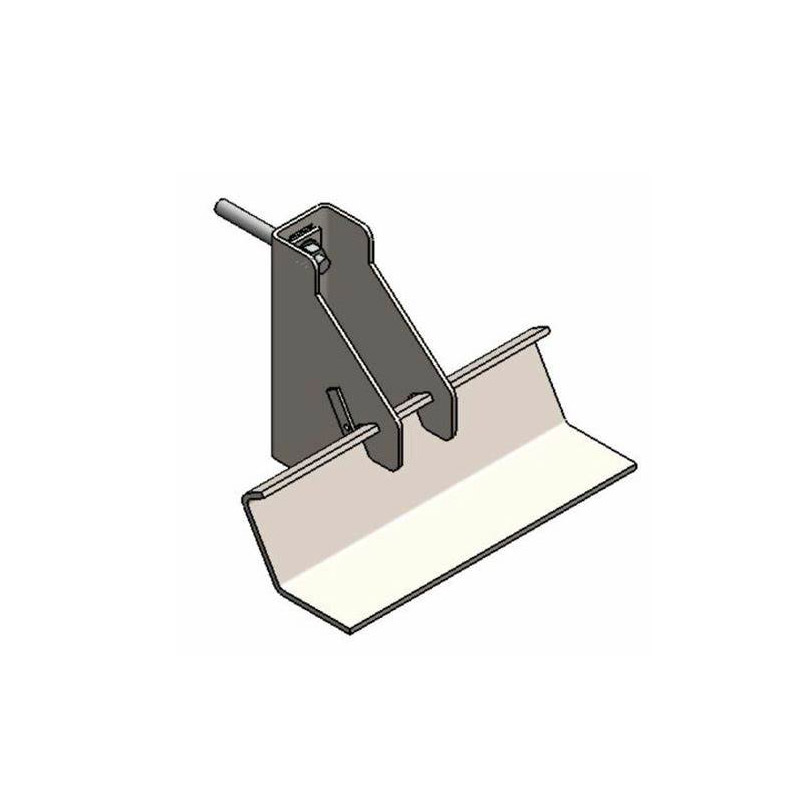
Figure 4: A custom Masonry Support solution in a demanding environment.
Frequently Asked Questions (FAQ)
Q1: What is the typical service life of your Masonry Support systems?
A: Our stainless steel Masonry Support systems (AISI 304, 316, Duplex) are designed for an exceptional service life of 50 years or more, often exceeding the lifespan of the building itself, especially when correctly specified and installed. Hot-dip galvanized steel options offer robust performance for 25-30 years in typical atmospheric conditions.
Q2: Can Masonry Support systems be customized for specific load requirements or aesthetic demands?
A: Absolutely. Customization is a core strength. We offer comprehensive engineering and design services to create bespoke Masonry Support solutions that perfectly match unique load capacities, cavity widths, material grades, and intricate architectural designs, ensuring both structural integrity and aesthetic integration.
Q3: What international standards do your Masonry Support products comply with?
A: Our Masonry Support systems adhere to stringent international standards, including but not limited to ISO 9001 for quality management, EN 845-2:2013 (Specification for ancillary components for masonry - Part 2: Lintels), and relevant ASTM specifications for material composition and performance. Our products also carry the CE Mark where applicable, confirming compliance with European safety, health, and environmental protection requirements.
Q4: How does your Masonry Support contribute to sustainable construction?
A: Our systems contribute to sustainability through several aspects: long service life reduces replacement needs; use of recyclable materials (stainless steel, galvanized steel); designs that minimize thermal bridging to enhance building energy efficiency; and robust performance that reduces maintenance and extends the overall life of the building envelope, thereby lowering its environmental footprint.
Lead Time, Warranty, and Customer Support
Lead Time & Fulfillment:
We understand the importance of timely delivery in project execution. Our typical lead times are:
- Standard Products: 2-4 weeks from order confirmation, depending on volume and current stock levels.
- Customized Solutions: 6-10 weeks from final design approval, allowing for detailed engineering, specialized fabrication, and testing.
We maintain a robust supply chain and utilize efficient logistics partners to ensure prompt and reliable delivery to construction sites globally. Expedited options are available upon request for urgent requirements.
Warranty Commitments:
Our commitment to quality is underscored by an industry-leading 25-year warranty on the structural integrity and material performance of our stainless steel Masonry Support systems, and a 10-year warranty for hot-dip galvanized steel variants. This warranty covers manufacturing defects and material failures under normal use and proper installation as per our guidelines and relevant building codes. Full warranty terms and conditions are available upon request.
Comprehensive Customer Support:
We pride ourselves on providing exceptional customer support throughout the entire project lifecycle. Our services include:
- Technical Consultation: Expert advice from our engineering team on product selection, load calculations, and design optimization.
- Dedicated Project Managers: A single point of contact to ensure seamless communication and project coordination.
- Installation Guidance: Detailed manuals, CAD drawings, and on-call support to assist with proper installation techniques.
- After-Sales Service: Responsive support for any post-installation queries or requirements.
Our team is available to assist you in making informed decisions and ensuring the successful implementation of your Masonry Support solutions.
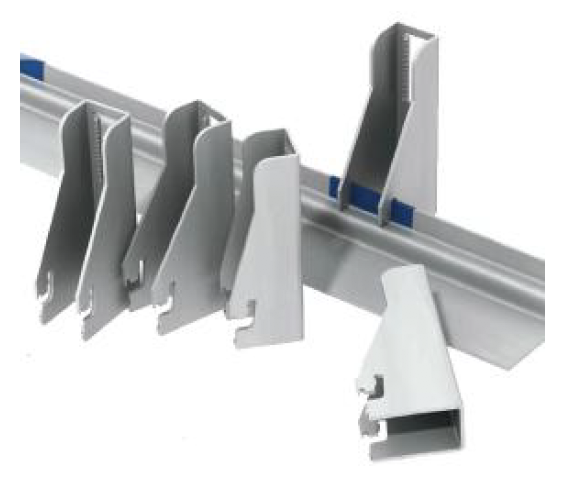
Figure 5: The robust engineering behind every Masonry Support system.
Conclusion
The selection and implementation of a high-quality Masonry Support system are critical for the structural integrity, longevity, and aesthetic appeal of any building featuring masonry cladding. By prioritizing robust engineering, superior material quality, adherence to international standards, and comprehensive customer support, CNTC Metal ensures that our solutions meet the rigorous demands of modern construction. Our commitment to customized solutions, coupled with a proven track record in diverse application scenarios, establishes us as a trusted partner for B2B decision-makers and engineers seeking reliable and efficient masonry support solutions. Investing in advanced masonry support is an investment in the enduring quality and safety of your architectural vision.
References
- European Committee for Standardization. EN 845-2:2013: Specification for ancillary components for masonry – Part 2: Lintels.
- International Organization for Standardization. ISO 9001:2015: Quality management systems – Requirements.
- American Society for Testing and Materials. ASTM A123/A123M-17: Standard Specification for Zinc (Hot-Dip Galvanized) Coatings on Iron and Steel Products.
- The Concrete Society. TR53: The design of masonry facades for tall buildings, 3rd Edition.
- Brick Development Association. Guidance on Masonry Support Systems in Modern Construction.
share:
-
Factors Influencing Hexagonal Wire Mesh Price and Buyer GuideNewsApr.16,2026
-
Understanding the Price of Chicken Mesh and Buying GuideNewsApr.09,2026
-
Comprehensive Guide to Understanding and Optimizing Poultry Net Price StrategiesNewsApr.07,2026
-
Understanding Hen Net Price for Optimal International Metal TradingNewsApr.04,2026
-
Comprehensive Guide to Chicken Wire Fence Price and Installation CostsNewsMar.31,2026
-
Comprehensive Guide to Chicken Netting Price Factors and OptionsNewsMar.28,2026
-
Comprehensive Guide to Chicken Net Fence Price and Optimal SelectionNewsMar.26,2026