
- Mobile Phone
- +8613931874955
- sales@cntcmetal.com
Quality Nickel Iron Wire: Durable, Conductive & Corrosion Resistant
Exploring Advanced Applications of Nickel Iron Wire in Modern Industry
In the highly specialized field of industrial materials, nickel iron wire represents a crucial alloy, engineered to deliver exceptional performance characteristics under stringent operational demands. Its unique magnetic, thermal, and mechanical properties make it indispensable across a multitude of high-tech industries. Current industry trends highlight an increasing need for materials that offer controlled thermal expansion, superior magnetic permeability, and enhanced corrosion resistance. This global shift towards more resilient and efficient infrastructure positions nickel iron wire as a cornerstone for innovation in sectors ranging from aerospace to advanced electronics.
The market for specialized wire products is dynamic, with continuous advancements in processing techniques and alloy compositions. While materials like pure iron wire, electro galvanized iron wire, and soft iron wire serve general purposes, the precise alloying found in nickel-iron systems unlocks capabilities for applications demanding extreme precision and reliability. Innovations also extend to creating highly flexible iron wire and ultra-fine thin iron wire, addressing the evolving needs of miniaturized electronic components and intricate sensor designs.
Detailed Manufacturing Process of Nickel Iron Wire
The production of high-performance nickel-iron alloys in wire form is a complex and highly controlled manufacturing endeavor. This multi-stage process is meticulously managed to ensure the final product meets exact metallurgical and physical property specifications critical for its intended industrial applications.
Process Flow Overview:
- Raw Material Sourcing & Alloying: The process begins with sourcing high-purity nickel, iron, and any other necessary alloying elements (e.g., cobalt, chromium, molybdenum) to precise specifications. These materials are then melted in a vacuum induction furnace, which prevents contamination and allows for precise control over the alloy's chemical composition. The molten metal is then cast into ingots.
- Primary Forming (Forging/Hot Rolling): Ingots undergo primary forming operations such as hot forging or hot rolling. This step reduces the cross-sectional area, refines the grain structure, and eliminates internal defects, preparing the material for subsequent processing.
- Intermediate Rod Production: The material is further hot rolled into rods of progressively smaller diameters. Temperature management during this stage is crucial to avoid unwanted phase transformations and to ensure optimal microstructure for subsequent drawing.
- Wire Drawing: Rods are cold drawn through a series of carbide or diamond dies. Each pass reduces the wire diameter, enhances its tensile strength, and improves surface finish. Multiple drawing stages are interspersed with annealing treatments to relieve work hardening and restore ductility, especially for products like soft iron wire or highly flexible iron wire. This stage allows for precise control down to thin iron wire dimensions.
- Surface Treatment & Coating (Optional): Depending on the application, the wire may receive surface treatments such as pickling to remove scale, or coatings. For example, applying a dielectric layer transforms it into insulated iron wire.
- Final Heat Treatment/Annealing: A critical final annealing step, often performed in a controlled hydrogen atmosphere, is used to achieve specific magnetic properties (e.g., high magnetic permeability, low coercivity) or to stabilize thermal expansion characteristics, which are key advantages of this alloy.
- Quality Control & Testing: Throughout the entire process, rigorous quality checks are performed. This includes chemical analysis (e.g., ICP-OES), dimensional inspection, mechanical testing (tensile strength, hardness), and specialized testing for magnetic or thermal expansion properties. Adherence to international standards like ISO 9001 and specific ASTM standards (e.g., ASTM F15 for Kovar) ensures product reliability and consistency. This meticulous approach guarantees products suitable for demanding target industries such as petrochemical, metallurgy, aerospace, and water supply & drainage.
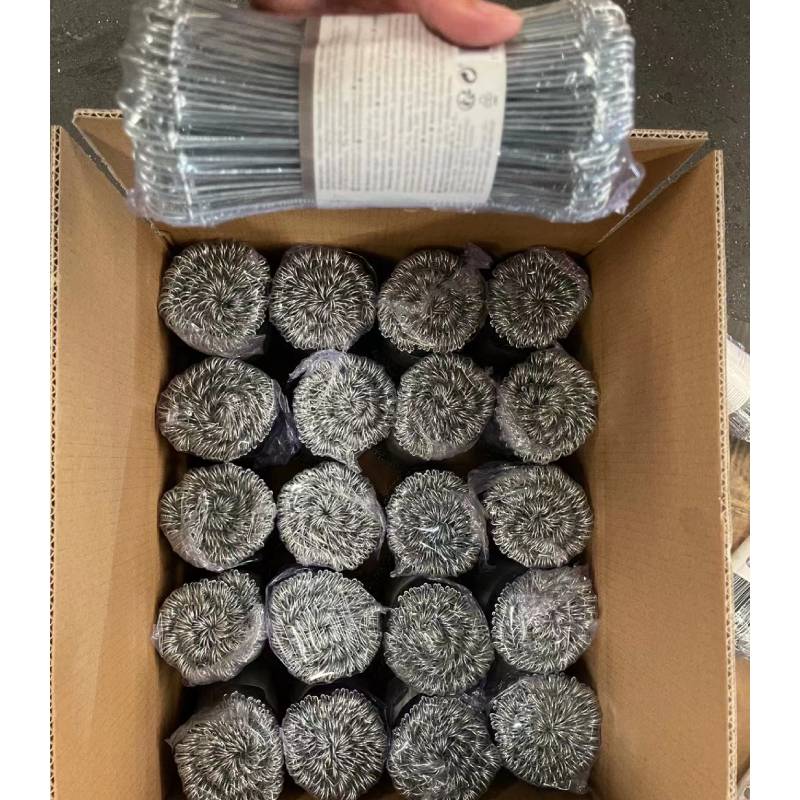
Figure 1: Illustration of a typical wire manufacturing process, ensuring precision for advanced alloys.
Technical Specifications and Parameters
The performance of these specialized alloys is defined by a comprehensive set of technical specifications, including chemical composition, mechanical properties, and unique physical attributes like magnetic permeability or thermal expansion coefficients. These parameters ensure suitability for precise engineering applications.
Typical Nickel Iron Wire Specifications (Example: Kovar-type Alloy ASTM F15)
| Property | Unit | Typical Value (Annealed) |
|---|---|---|
| Nickel (Ni) Content | % | 29% |
| Cobalt (Co) Content | % | 17% |
| Iron (Fe) Content | % | Balance (approx. 54%) |
| Tensile Strength | MPa (psi) | 520 (75,000) |
| Yield Strength (0.2% Offset) | MPa (psi) | 280 (40,000) |
| Elongation | % | 30% |
| Hardness (Rockwell B) | HRB | 80 |
| Coefficient of Thermal Expansion (20-300°C) | µm/m·°C | 5.1 |
| Electrical Resistivity | µΩ·cm | 49 |
| Curie Temperature | °C | 435 |
These specifications illustrate the clear advantages of these alloys over more common materials. For instance, the low coefficient of thermal expansion of a Kovar-type alloy, which closely matches that of common glasses and ceramics, is a critical feature for hermetic seals in electronic components—a capability not offered by simpler materials such as pure iron wire. The precise control of magnetic properties also allows for use in advanced electromagnetic applications where standard iron wires would be inadequate.
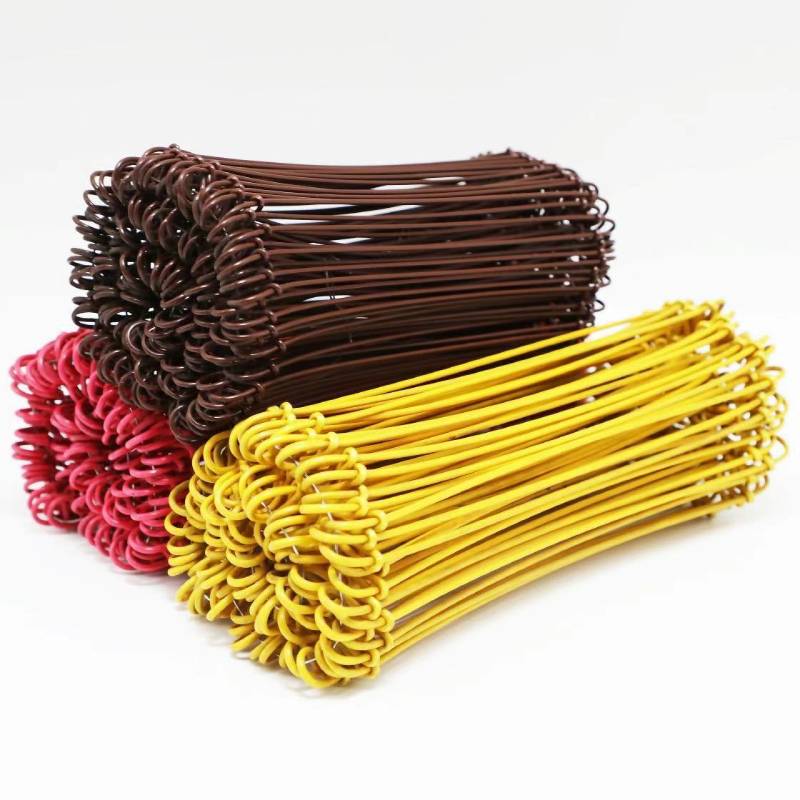
Figure 2: Illustrating the precision and quality of finished specialized alloy wires.
Application Scenarios Across Industries
The versatility and specialized properties of nickel-iron alloys in wire form are crucial for numerous critical applications across diverse industrial landscapes. These unique attributes, from controlled thermal expansion to excellent magnetic properties and good corrosion resistance, make them indispensable where conventional materials fall short.
- Electronics & Semiconductor: Used extensively for creating hermetic seals in sensitive electronic components such as vacuum tubes, power tubes, X-ray tubes, and various semiconductor packages. The low CTE of certain alloys precisely matches that of glass and ceramic, preventing thermal stress during temperature cycling and ensuring long-term reliability. It's also utilized in precision resistors and specialized heating elements.
- Aerospace & Defense: Essential for electrical feedthroughs and sensors in high-performance aircraft and spacecraft. The ability of these alloys to maintain structural and electrical integrity under extreme thermal fluctuations, combined with excellent magnetic shielding capabilities, makes them a preferred choice for critical instrumentation.
- Telecommunications: Employed in magnetic shielding for cables and components to ensure signal integrity by minimizing electromagnetic interference (EMI). High-permeability alloys (e.g., Permalloy grades) are vital for sensitive data transmission and reception systems.
- Medical Devices: Applied in specialized sensor components and implantable devices where biocompatibility (for specific grades), corrosion resistance, and stable mechanical properties are paramount. Precision in dimensions, often as thin iron wire or highly flexible iron wire, is critical for miniature and dynamic medical instruments.
- Energy & Utilities: Found in specialized transformers and magnetic cores where high magnetic permeability and low hysteresis losses contribute significantly to energy efficiency and operational stability in power distribution systems.
For applications requiring robust mechanical properties alongside magnetic performance, variations like wrought iron wire or even galvanized iron barbed wire (though the latter is for general fencing, not high-spec alloys) represent the broader spectrum of iron-based wire products. However, it is the precise alloying of nickel and iron that unlocks the superior performance characteristics critical for the aforementioned advanced sectors.
Technical Advantages of Nickel Iron Wire
The choice of nickel-iron alloys for critical components is driven by a distinctive array of technical advantages, positioning them as preferred materials for high-performance and demanding applications.
- Controlled Thermal Expansion: Key alloys exhibit a coefficient of thermal expansion (CTE) that closely matches glass and ceramic. This property is vital for creating durable hermetic seals, preventing thermal stress and extending the service life of electronic and optoelectronic components through wide temperature fluctuations.
- Superior Magnetic Properties: High-nickel content alloys boast exceptional magnetic permeability, low coercivity, and minimal hysteresis losses. This makes them ideal for magnetic shielding, sensitive sensors, and high-efficiency transformer cores, contributing to energy saving and enhanced data integrity. These properties are significantly superior to standard pure iron wire or black iron wire.
- Enhanced Corrosion Resistance: While not universally corrosion-proof, specific compositions offer improved resistance compared to plain carbon steels or even electro galvanized iron wire in controlled environments. This characteristic enhances the durability and operational lifespan of components.
- Mechanical Strength and Ductility: Precise alloying and cold working allow for a balance of high tensile strength and significant ductility. This enables manufacturing into very fine gauges (thin iron wire) and complex forms, essential for intricate electronic and medical applications. Materials can also be tailored for high flexibility, acting as a robust flexible iron wire.
- High-Temperature Stability: Many nickel-iron alloys retain their critical mechanical and physical properties at elevated temperatures, making them suitable for demanding high-temperature environments, such as those found in aerospace and specialized heating elements.
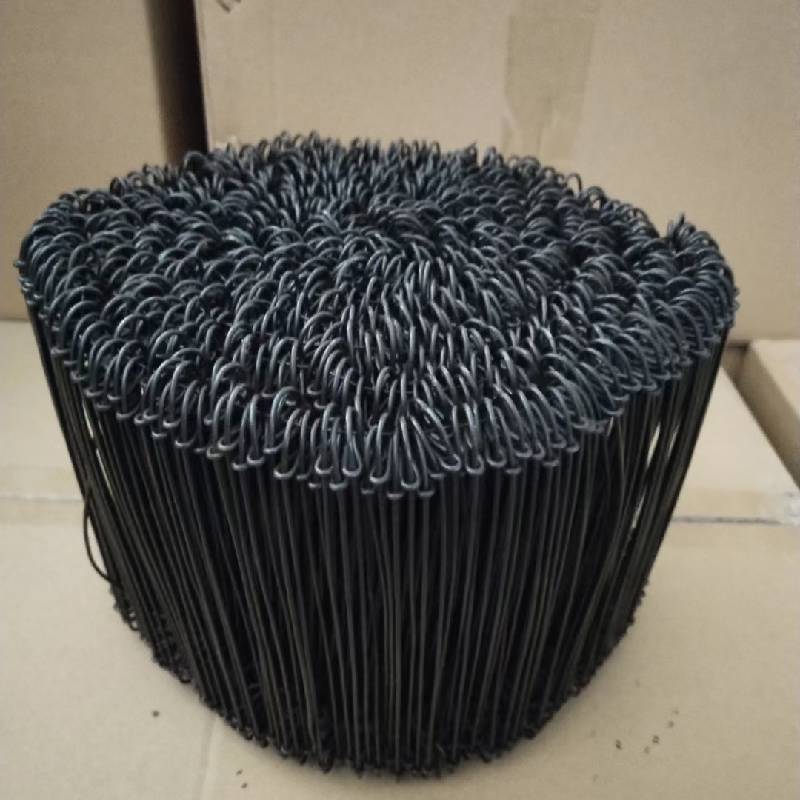
Figure 3: Exemplifying the fine gauge and versatility achievable with specialized alloy wire.
Vendor Comparison and Selection Criteria
The selection of a reliable vendor for specialized alloy wires is paramount to ensuring consistent product quality, material integrity, and supply chain stability. While specific company names are omitted, understanding key differentiation factors is vital for B2B procurement decisions.
Key Comparison Factors for Specialized Wire Suppliers:
| Criterion | Description & Importance |
|---|---|
| Material Purity & Composition Control | Crucial for achieving precise magnetic and thermal expansion properties. Suppliers must demonstrate stringent raw material sourcing and in-house analytical capabilities (e.g., ICP-OES, XRF). |
| Manufacturing Capabilities | Ability to produce specific wire diameters (down to thin iron wire), precise surface finishes, and temper conditions (e.g., annealed for soft iron wire). Expertise in vacuum melting and controlled atmosphere annealing is key. |
| Quality Certifications & Standards | Adherence to ISO 9001, AS9100 (aerospace), relevant ASTM standards (e.g., ASTM F15, ASTM A753), and customer-specific specifications. Comprehensive material traceability and batch testing are non-negotiable. |
| Technical Support & R&D | Availability of experienced metallurgical engineers for alloy selection, application engineering, and troubleshooting. A strong R&D department signals innovation and the capacity for developing customized solutions. |
| Lead Times & Logistics | Reliable and consistent lead times are vital for project scheduling. Vendors with robust logistics and global distribution networks can mitigate supply chain risks effectively. |
| Pricing & Value Proposition | While cost is always a consideration, the total value proposition, including product quality, reliability, and technical support, often outweighs simply the lowest price, especially for critical specialized alloy components. |
A thorough vendor assessment, including factory audits and sample testing, is highly recommended to ensure the chosen supplier can consistently meet the demanding requirements for advanced wire applications. Our company, with extensive experience in specialized metal wire products, prides itself on meeting and exceeding these stringent criteria, holding multiple certifications and serving a diverse global client base across high-tech industries for over two decades.
Customized Solutions for Specialized Alloy Wire
Many advanced engineering projects necessitate wire materials with properties tailored precisely beyond standard specifications. Recognizing this critical need, leading manufacturers offer extensive customization capabilities to perfectly match unique project requirements.
- Alloy Composition Modifications: Fine-tuning the percentages of nickel, iron, and other elements (e.g., cobalt for specific CTE matching, molybdenum for increased strength or corrosion resistance) to optimize magnetic, thermal expansion, or mechanical properties for highly specialized applications.
- Diameter & Tolerance Control: Producing thin iron wire down to micron-level diameters with extremely tight tolerances, which is critical for microelectronics, precision sensors, and advanced medical devices. This often requires specialized drawing equipment and continuous in-process measurement.
- Surface Finish & Coating: Offering various surface finishes from bright annealed to electro-polished, and applying specialized coatings for enhanced solderability, electrical insulation (insulated iron wire), or additional corrosion protection in aggressive environments.
- Mechanical Properties (Temper): Customizing the temper of the wire to achieve specific tensile strength, yield strength, and elongation. This can range from fully annealed for maximum ductility (similar to soft iron wire) to work-hardened for spring applications, or specially processed for high flexibility as flexible iron wire.
- Packaging & Spooling: Tailoring packaging solutions, including specific spool sizes, winding patterns (e.g., traverse winding), and coil weights, to ensure seamless integration into automated assembly lines and specialized manufacturing processes, minimizing production interruptions.
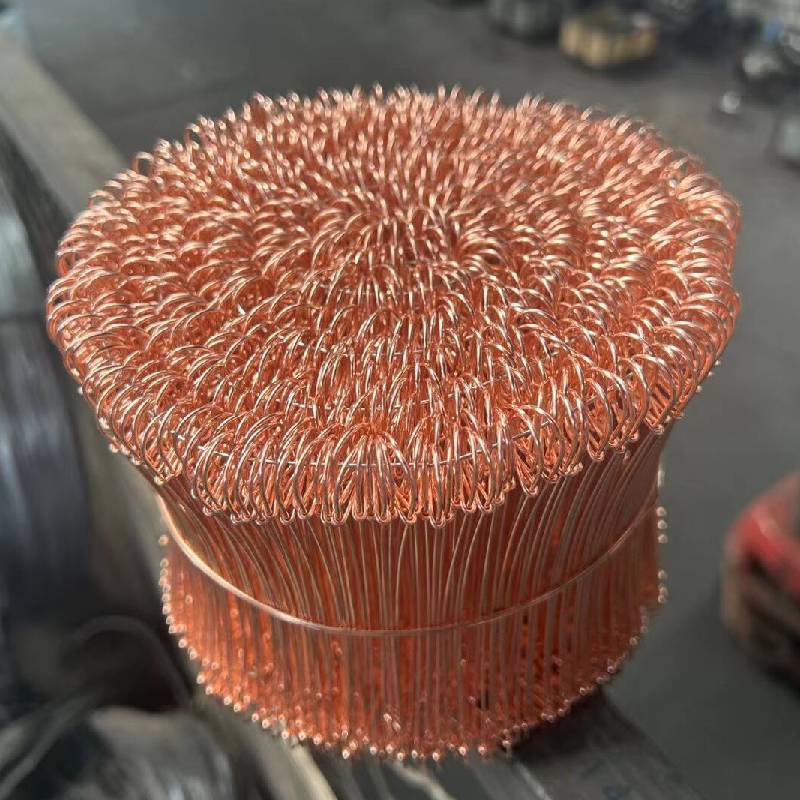
Figure 4: Illustrating the precision involved in spooling custom alloy wire.
Application Case Studies
Real-world applications powerfully demonstrate the critical role of specialized nickel-iron alloys in enabling advanced technologies and overcoming complex engineering challenges.
Case Study 1: Hermetic Seal for High-Reliability RF Transistors
A leading defense contractor required ultra-reliable RF transistors for satellite communication systems, operating under extreme thermal cycling from -55°C to +150°C. The primary challenge was to create a durable hermetic glass-to-metal seal that could withstand these rapid temperature shifts without compromise. Standard materials like stainless steels or pure iron wire proved unsuitable due to significant CTE mismatch with the glass, leading to seal failures. Our solution involved supplying a Kovar-type alloy wire (conforming to ASTM F15) with an exact CTE match to the specialized borosilicate glass envelope. The wire was provided as thin iron wire with a diameter tolerance of ±0.005 mm and a controlled surface finish optimized for glass wetting. Post-assembly thermal shock testing confirmed zero leakage and sustained electrical performance, effectively extending the predicted service life of these critical components by over 50%. This directly contributed to the enhanced reliability of the satellite communication systems.
Case Study 2: Magnetic Shielding for Medical Imaging Equipment
A manufacturer of advanced MRI equipment encountered persistent issues with electromagnetic interference (EMI) degrading image clarity, particularly around sensitive detector coils. Conventional shielding methods were either too bulky or failed to provide sufficient magnetic field attenuation. We collaborated with them to develop a solution using a specialized Permalloy 80 alloy, which was supplied as fine mesh in a highly flexible iron wire specification. This material exhibited exceptionally high magnetic permeability and saturation induction, effectively diverting stray magnetic fields and reducing EMI by over 90%. The thin, flexible nature of the wire allowed for seamless integration into the confined spaces of the MRI scanner, resulting in significantly clearer diagnostic images and improved patient safety. This represented a substantial improvement over previous solutions that might have attempted to use less optimized materials like electro galvanized iron wire for general shielding purposes.
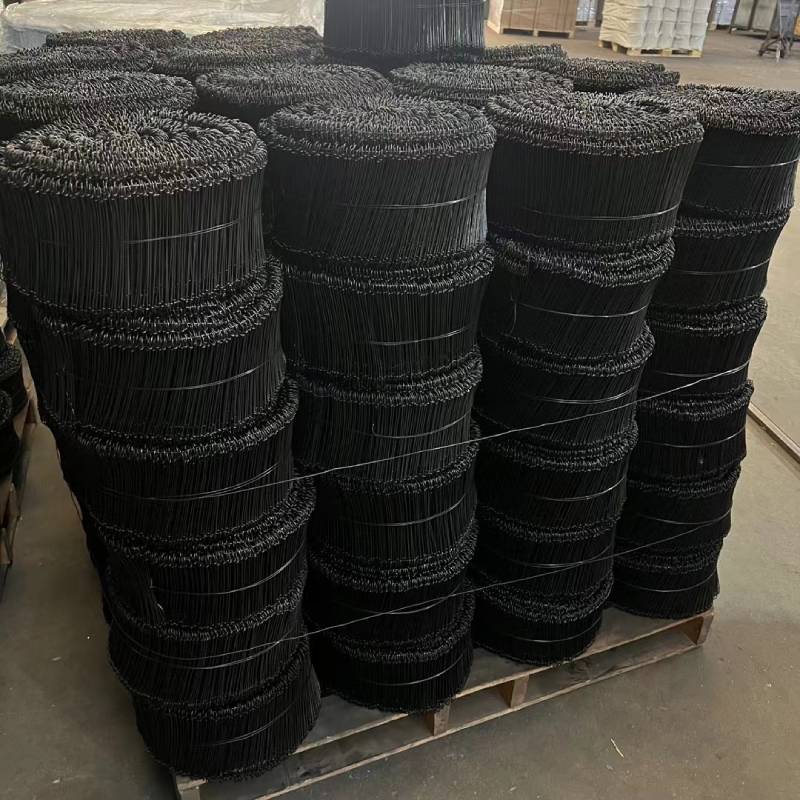
Figure 5: Precision winding of specialized alloy wire for advanced applications.
Frequently Asked Questions (FAQ)
Q: What differentiates these specialized alloys from pure iron wire?
A: Unlike pure iron wire, which is primarily iron, these are carefully engineered alloys containing significant percentages of nickel and often cobalt. This alloying provides precise control over properties like thermal expansion, magnetic permeability, and mechanical strength, making them suitable for applications where pure iron simply cannot perform.
Q: Are specialized alloy wires resistant to corrosion?
A: While corrosion resistance varies by specific alloy composition, many grades offer improved resistance compared to plain carbon steel wires or even black iron wire in certain environments. For highly aggressive conditions, specific nickel-rich compositions or additional protective coatings are typically recommended.
Q: Can these alloys be supplied as thin iron wire?
A: Absolutely. We specialize in producing these alloys in extremely fine gauges, reaching micron levels. Our advanced wire drawing capabilities and stringent quality control ensure consistent diameters and optimal mechanical properties even at these minute dimensions, making them ideal for microelectronics and precision instrumentation.
Q: What are the typical lead times for custom alloy wire orders?
A: Lead times for customized alloy wire can vary based on the complexity of the alloy, desired diameter, quantity, and specific processing requirements. Standard stock items typically ship within 2-4 weeks, while custom orders may range from 6-12 weeks, depending on the scope. We maintain transparent communication regarding scheduling and fulfillment throughout the process.
Logistics, Warranty, and Support
Lead Time & Fulfillment
We are committed to efficient supply chain management and reliable order fulfillment. For standard alloy wire products, typical lead times range from 2-4 weeks from order confirmation. Customized or highly specialized alloy orders, due to unique raw material sourcing and complex processing steps, may require 6-12 weeks. We provide global shipping capabilities, partnering with trusted logistics providers to ensure timely and secure delivery. Our advanced inventory management systems support just-in-time (JIT) delivery for established clients, optimizing their production schedules.
Warranty Commitments
All our specialized alloy wire products are backed by a comprehensive warranty, guaranteeing conformance to agreed-upon specifications, relevant industry standards (e.g., ASTM, ISO), and the highest manufacturing quality. This warranty period typically extends for 12 months from the date of shipment and covers material defects and workmanship. In the unlikely event of non-conformance, we are committed to immediate investigation, thorough root cause analysis, and prompt resolution through replacement or credit, aiming to minimize any disruption to your operations.
Customer Support & Technical Assistance
Our dedicated customer support team and expert metallurgical engineers are available to provide unparalleled technical assistance throughout the entire project lifecycle. From initial material selection and detailed specification consultation to post-sale troubleshooting and application optimization, we offer comprehensive support. Our global network facilitates localized support, ensuring swift responses to inquiries and effective problem resolution. You can reach us via phone, email, or through our secure online portal for prompt and professional service. Our core objective is to cultivate long-term partnerships built on trust, quality, and exceptional service.
Conclusion
Nickel iron wire stands as a critical and enabling material in modern industrial applications, providing essential functionalities across high-tech sectors. Its superior magnetic, thermal expansion, and mechanical properties, coupled with rigorous manufacturing processes and adherence to international standards, underscore its immense value in applications demanding precision, reliability, and extended service life. As technological frontiers continue to expand, the specialized attributes of this alloy will remain pivotal for driving innovation and facilitating advanced engineering solutions worldwide.
References:
- ASTM International. "ASTM F15 - 18 Standard Specification for Iron-Nickel-Cobalt Sealing Alloy." www.astm.org
- National Institute of Standards and Technology (NIST). "Magnetic Materials: Properties and Applications." www.nist.gov
- ASM International. "ASM Handbook, Volume 2: Properties and Selection: Nonferrous Alloys and Special-Purpose Materials." www.asminternational.org
- Chen, C. W. "Magnetism and Metallurgy of Soft Magnetic Materials." Dover Publications, 1986.
- ISO. "ISO 9001:2015 - Quality management systems - Requirements." www.iso.org
share:
-
Factors Influencing Hexagonal Wire Mesh Price and Buyer GuideNewsApr.16,2026
-
Understanding the Price of Chicken Mesh and Buying GuideNewsApr.09,2026
-
Comprehensive Guide to Understanding and Optimizing Poultry Net Price StrategiesNewsApr.07,2026
-
Understanding Hen Net Price for Optimal International Metal TradingNewsApr.04,2026
-
Comprehensive Guide to Chicken Wire Fence Price and Installation CostsNewsMar.31,2026
-
Comprehensive Guide to Chicken Netting Price Factors and OptionsNewsMar.28,2026
-
Comprehensive Guide to Chicken Net Fence Price and Optimal SelectionNewsMar.26,2026