
- Mobile Phone
- +8613931874955
- sales@cntcmetal.com
Wall Ties Masonry: Corrosion-Resistant, Code-Compliant—Why?
What pros really mean when they talk about wall ties masonry (and why dowel cradles matter too)
If you’ve spent time on job sites, you know the term gets tossed around a lot. Some folks are talking stainless ties in cavity walls; others mean load-transfer hardware at slab joints. Different worlds, same goal: move loads safely and keep cracks in their place. And yes, that’s where Dowel Cradles sneak into the conversation—quietly doing the heavy lifting at contraction joints while your façade stays straight and true.
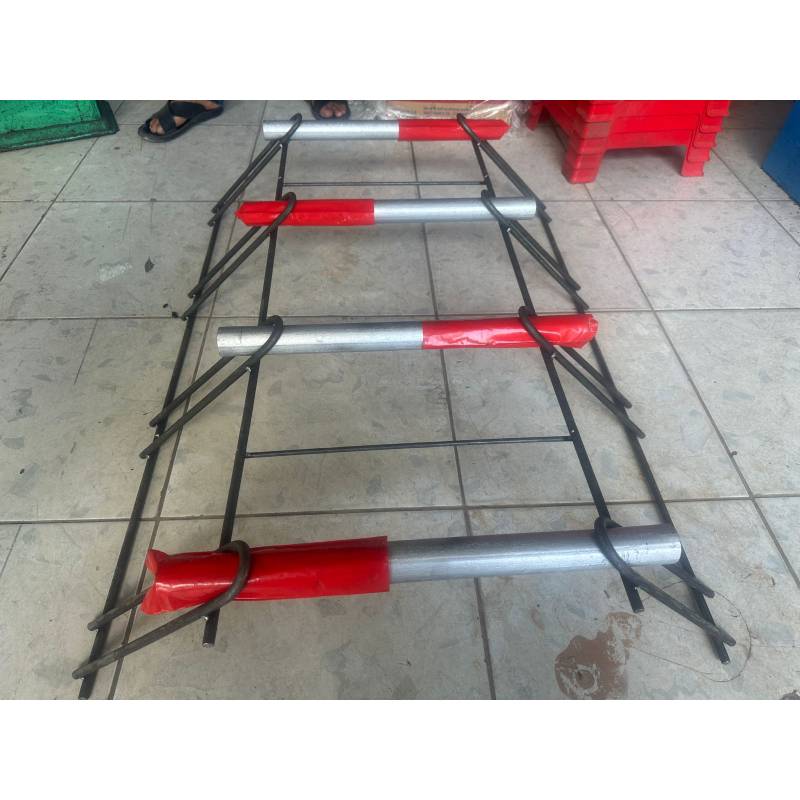
Industry trends I’m seeing on the ground
- Corrosion resistance first: More 316 stainless ties in coastal projects; epoxy-coated or stainless dowels in distribution centers.
- Predictable joints: Contractors moving from loose dowels to prefabricated cradles for straighter alignment and faster pours.
- Documentation heavy: Specifiers leaning on EN/ASTM/ACI language to satisfy warranty and FM approvals, which—honestly—keeps everyone honest.
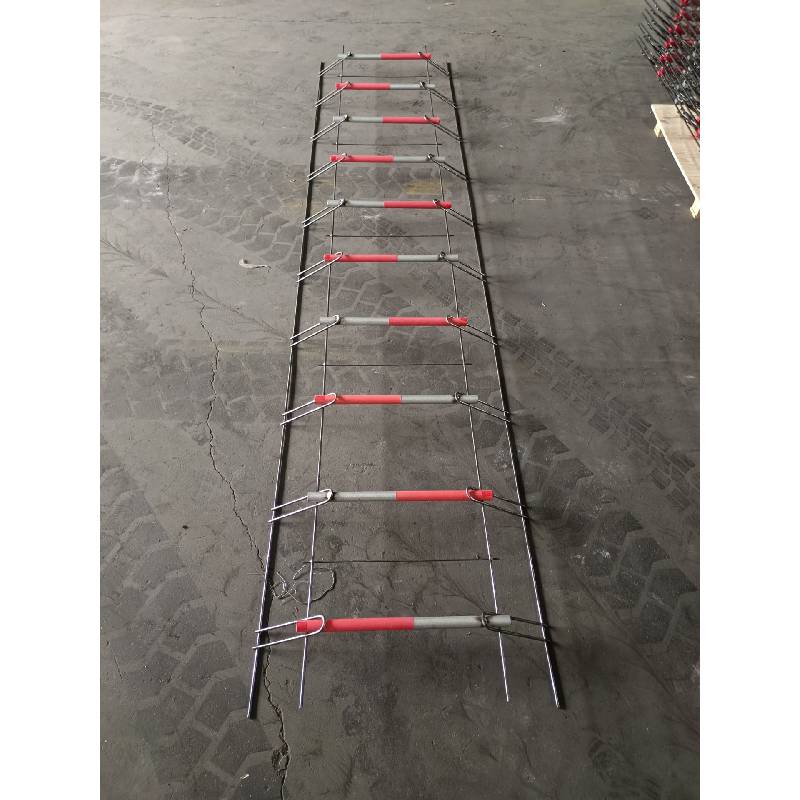
Product snapshot: Dowel Cradles for contraction joints
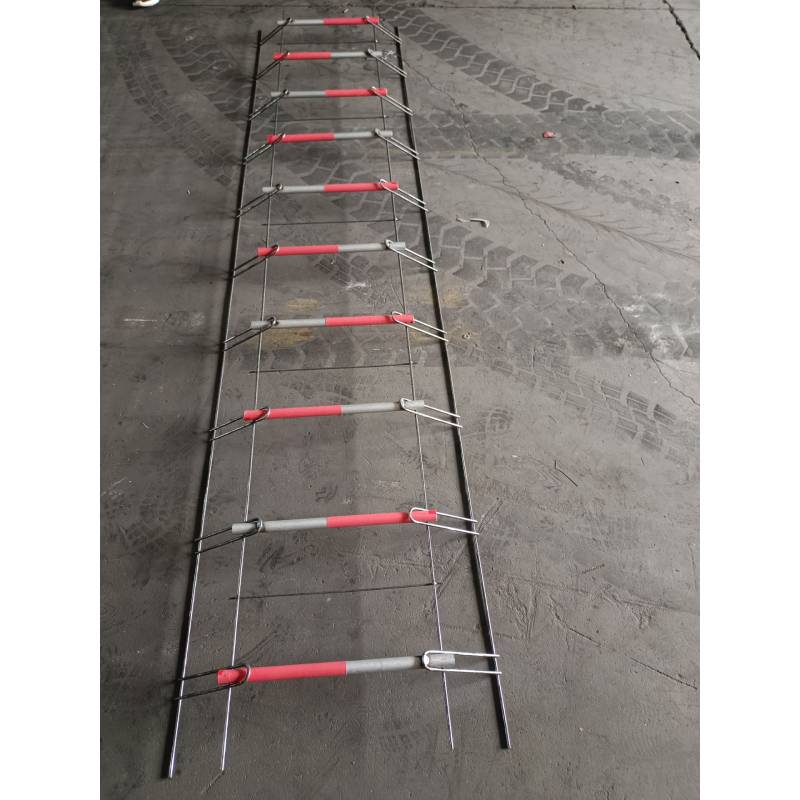
Dowel Cradles from CNTC Metal (Origin: ZHONGHUACHENG, ROOM 1518 SOUTH OF WEIMING STREET, QIAOXI DISTRICT SHIJIAZHUANG CITY, HEBEI, CHINA) are prefab, leave-in-place systems that hold round or plate dowels so your slab joints transfer load but still let panels move. It sounds simple—until a misaligned dowel locks the slab and telegraphs a random crack. Been there, not fun.
| Spec | Typical Range | Notes (real-world may vary) |
|---|---|---|
| Dowel type | Round (Ø12–32 mm) or plate (6–10 mm thick) | Round for general slabs; plate for higher shear with less movement restriction |
| Materials | Carbon steel, epoxy-coated; optional stainless | Epoxy per ASTM A775; stainless for aggressive environments |
| Spacing | ≈300–600 mm | Per ACI 302.1R and project loads |
| Shear capacity | Ø16 mm ≈ 30–40 kN | Depends on embedment, concrete strength, and sleeve |
| Service life | ≥50 years (typical) | When properly protected and detailed |
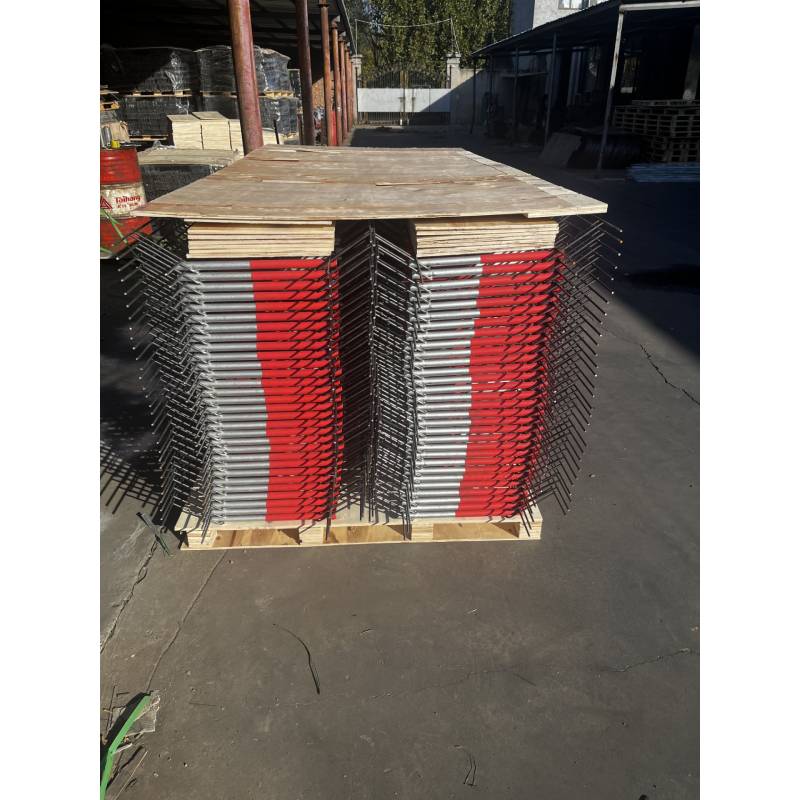
Where it all meets masonry ties
For façades, wall ties masonry systems (think stainless to EN 845-1 or ASTM A123 hot-dip) stabilize leaves and transfer wind loads. Down at slab level, aligned dowels keep the base stable so your brickwork isn’t fighting differential movement. Different products, same stability story. Many customers say the winning combo is quality ties in the cavity and pre-aligned dowels below.
Process flow and QA (short version)
- Materials: certified coil/rod; epoxy per ASTM A775; stainless for coastal.
- Methods: cradle fabrication with jigs; sleeves fixed to ensure slip; color-coding for sizes (nice touch).
- Testing: shear/slip tests; salt spray (ASTM B117) on coated parts; dimensional checks; for ties, tension tests per EN 846-5.
- Docs: mill certs, coating thickness logs, and traceability—specifiers increasingly ask for it.
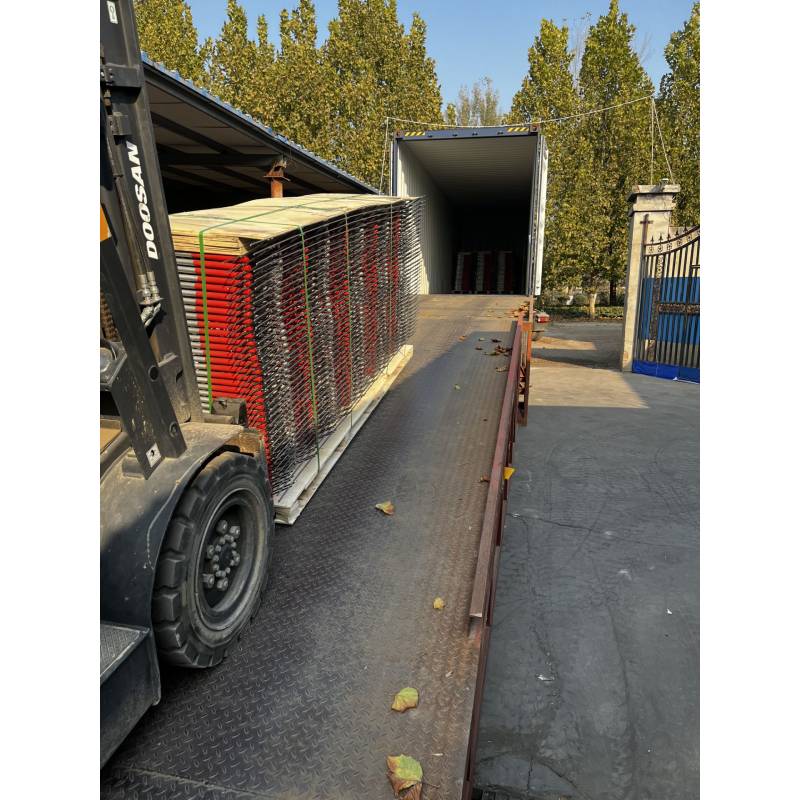
Applications and advantages
- Industrial floors, logistics hubs, cold storage, data centers (temperature cycling makes movement detailing critical).
- Schools/hospitals with brick or stone façades: reliable slab joints help keep veneer cracks at bay.
Advantages I’ve noticed: faster placement, cleaner saw cuts, fewer callbacks for random cracking. One GC told me, “alignment is boring until it isn’t”—right before showing me a repair invoice.
Customization and vendor snapshot
CNTC Metal offers custom bar diameters, cradle lengths, epoxy color codes, and stainless options. To be honest, the lead time matters more than anything when the pour date is locked.
| Vendor | Lead time | Certs/Standards | Customization | Price band |
|---|---|---|---|---|
| CNTC Metal (Dowel Cradles) | ≈2–4 weeks | ASTM A775, ACI 302.1R; EN options on request | High (sizes, coatings, packing) | Mid |
| Vendor A (generic) | 3–6 weeks | ASTM only | Medium | Mid–High |
| Vendor B (regional) | Stock-dependent | Local specs | Low–Medium | Low |
Real-world notes
- Cold storage slab, Midwest US: epoxy dowel cradles reduced random cracks; owner reported smoother forklift traffic after 6 months.
- Brick façade school, UK: stainless ties to EN 845-1 with carefully detailed slab joints—no façade cracking through the first winter, which is frankly what you want to hear.
Customer feedback: “Install was faster than loose bars,” “Packaging was tidy,” and my favorite, “The joints looked like someone actually planned them.”
Standards to reference (and keep in your submittals)
- EN 845-1 for wall ties masonry products; EN 846-5 for tie testing.
- ASTM A775/A775M for epoxy-coated reinforcement; ASTM B117 for salt spray.
- ACI 302.1R and ACI 360R for slab joints and load transfer detailing.
- EN 1996-1-1 (Eurocode 6) for masonry design context.
References
- BS EN 845-1:2013+A1:2016, Ancillary components for masonry – Wall ties.
- ASTM A775/A775M-17, Epoxy-Coated Steel Reinforcing Bars.
- ACI 302.1R-15, Guide for Concrete Floor and Slab Construction.
- EN 1996-1-1:2005+A1:2012, Eurocode 6 – Design of masonry structures.
share:
-
Factors Influencing Hexagonal Wire Mesh Price and Buyer GuideNewsApr.16,2026
-
Understanding the Price of Chicken Mesh and Buying GuideNewsApr.09,2026
-
Comprehensive Guide to Understanding and Optimizing Poultry Net Price StrategiesNewsApr.07,2026
-
Understanding Hen Net Price for Optimal International Metal TradingNewsApr.04,2026
-
Comprehensive Guide to Chicken Wire Fence Price and Installation CostsNewsMar.31,2026
-
Comprehensive Guide to Chicken Netting Price Factors and OptionsNewsMar.28,2026
-
Comprehensive Guide to Chicken Net Fence Price and Optimal SelectionNewsMar.26,2026