
- Mobile Phone
- +8613931874955
- sales@cntcmetal.com
Types of Masonry Ties: Which Durable, Code-Compliant Fit?
Field notes on types of masonry ties contractors actually trust
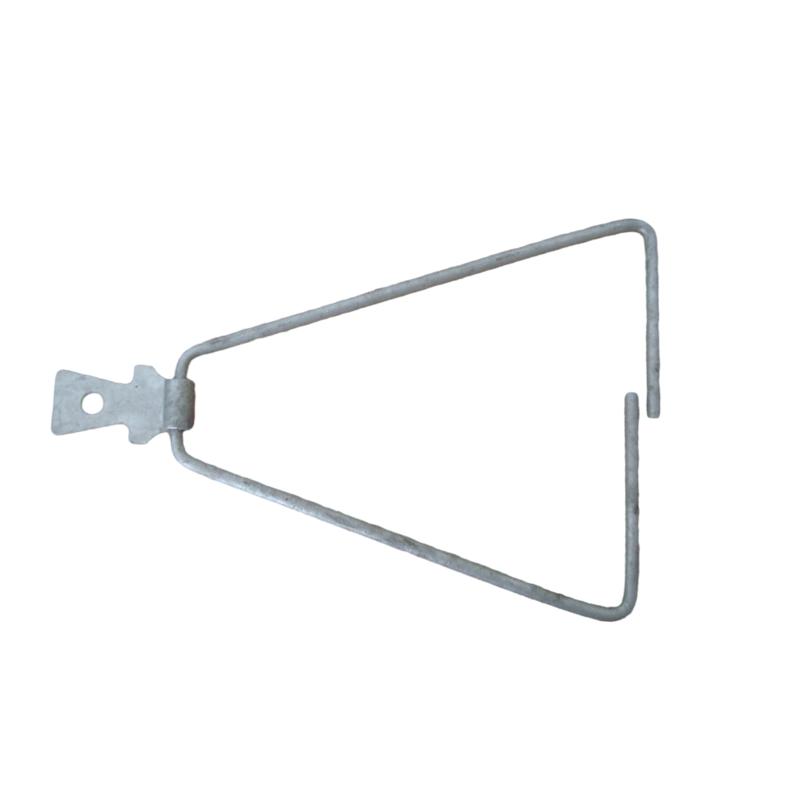
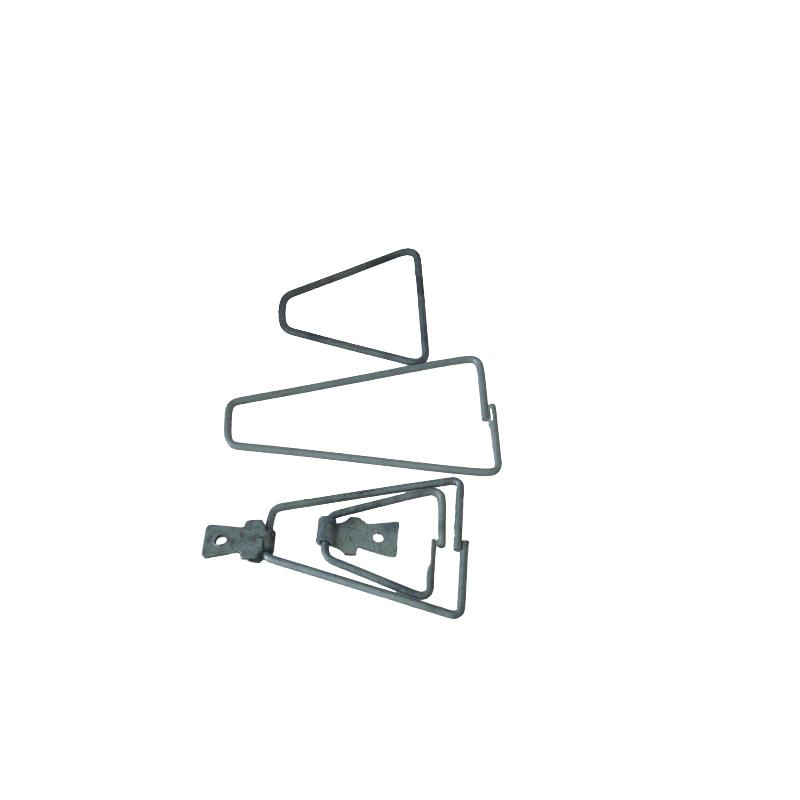
If you build with brick veneer over metal studs, you already know the unsung hero is the connector. The Masonry Veneer Anchor ties from CNTC Metal are the practical kind—an anchoring system made to attach brick veneer to metal studs, often paired with triangular ties for lateral stability. In day-to-day site chatter, people just call them “veneer anchors.” Not glamorous, but they carry the wall. To be honest, that’s what matters.
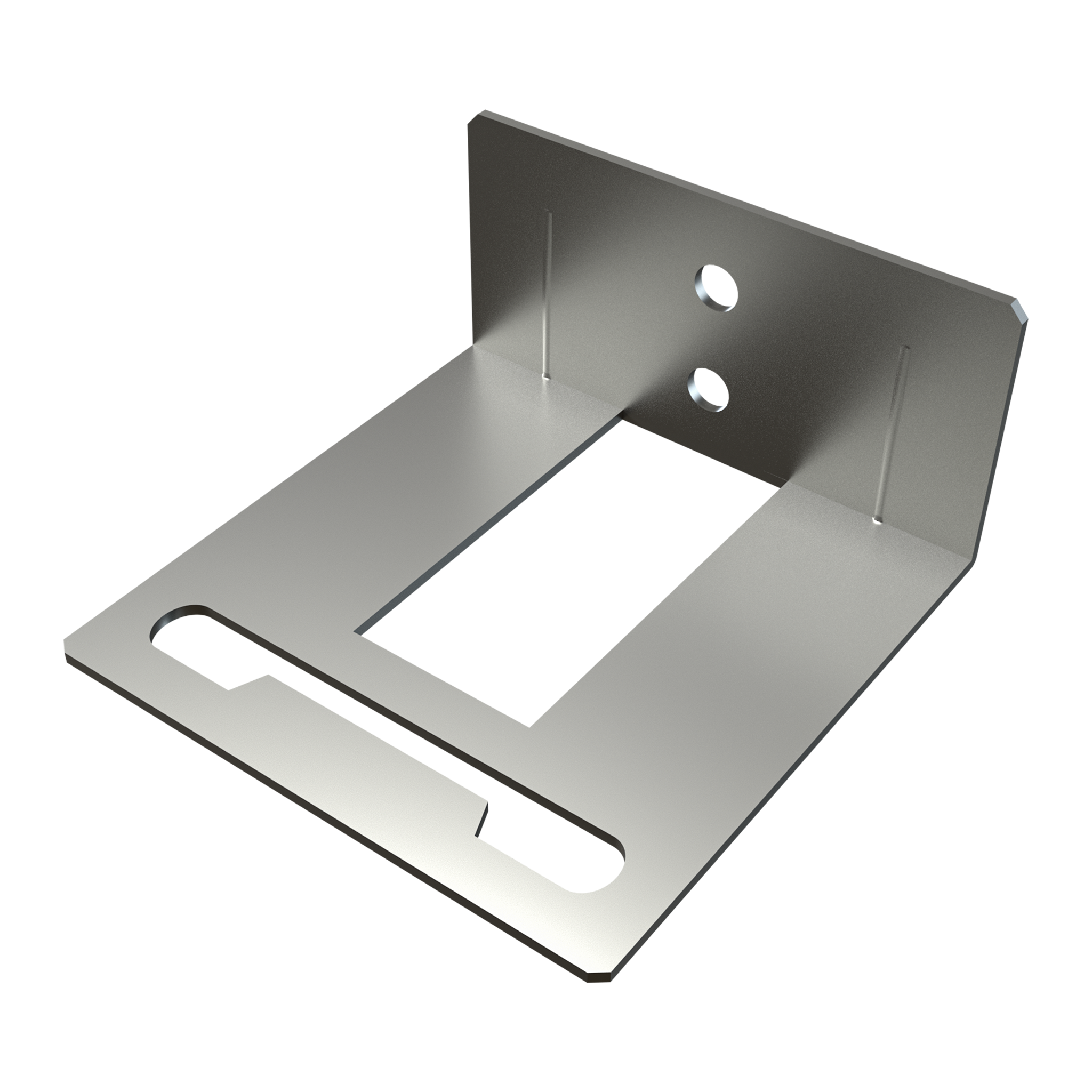
What’s trending in 2025
Three steady trends: more stainless (304 in-land, 316 near coasts), thermal breaks to cut bridging, and better QA documentation. Designers cite TMS 402/602, and yes—GCs ask for test data earlier in precon than they used to. Many customers say they’re pushing cavity widths to fit higher R-values; anchors must allow in-plane movement without telegraphing cracks.
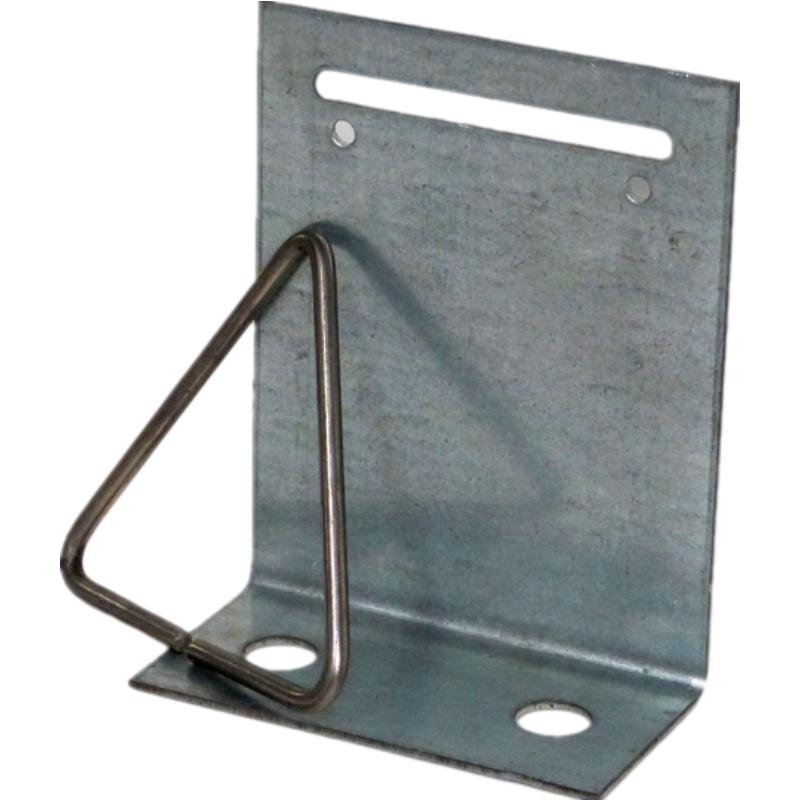
Quick spec snapshot (Masonry Veneer Anchor ties)
| Parameter | Spec | Notes |
|---|---|---|
| Materials | 304/316 SS; carbon steel HDG | ASTM A240 (SS), A153/A123 (zinc) |
| Wire/strap gauge | ≈ 3.5–5.0 mm wire or 14–18 ga strap | Real-world use may vary by wall design |
| Movement capacity | In-plane slip slots ±6–12 mm | Per TMS detailing practices |
| Service life | ≈ 30–50 yrs (HDG); 50–75 yrs (316 SS) | Environment dependent |
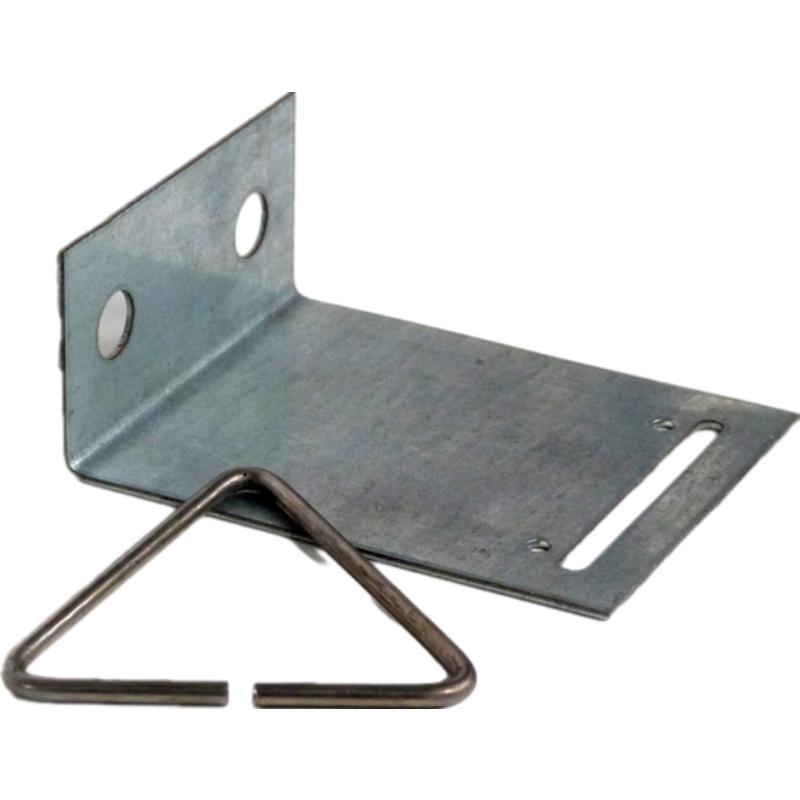
Process, testing, and compliance
- Materials: coil/wire in 304/316 stainless or low-carbon steel.
- Methods: forming, stamping, slotting, de-burr, welding (if required), passivation for SS, hot-dip galvanizing for carbon steel.
- Testing: anchors evaluated to ASTM C1357; coatings to ASTM A153/A123; project design under TMS 402/602; for cold-formed studs, check AISI S240.
- Typical lab values (illustrative): tension capacity ≈ 2.2–3.0 kN; shear ≈ 1.8–2.5 kN when tested per ASTM C1357. Always engineer-of-record to verify.
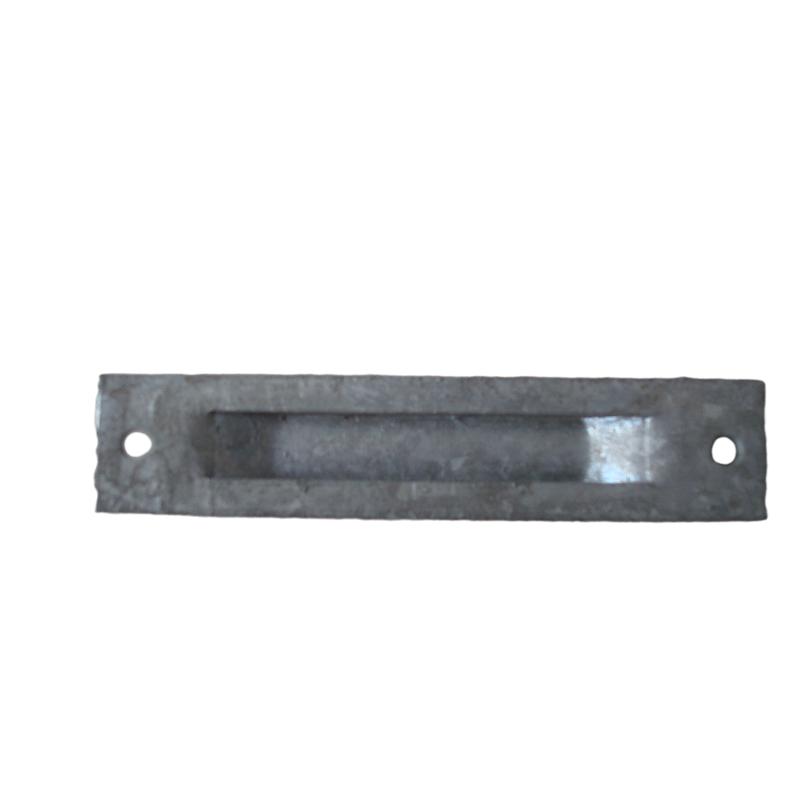
Where they’re used—and why
Hospitals, schools, mid-rise residential, retail façades, and lots of retrofits. Advantages: cleaner load path to studs, predictable slip, and straightforward inspection. A superintendent told me, “If the slots are clear and the bed joints look right, you sleep at night.” Fair point.
Vendor comparison (snapshot)
| Vendor | Materials | Certifications | Lead time | Notables |
|---|---|---|---|---|
| CNTC Metal (China) | 304/316 SS, HDG | ISO 9001; test reports per ASTM C1357 | ≈ 2–4 weeks | Custom lengths; OEM branding |
| US Brand A | 304 SS, HDG | ICC-ES (select lines) | ≈ 1–2 weeks | Broad distributor network |
| EU Brand B | 316 SS focus | CE marking (where applicable) | ≈ 3–5 weeks | Marine environments |
Customization and logistics
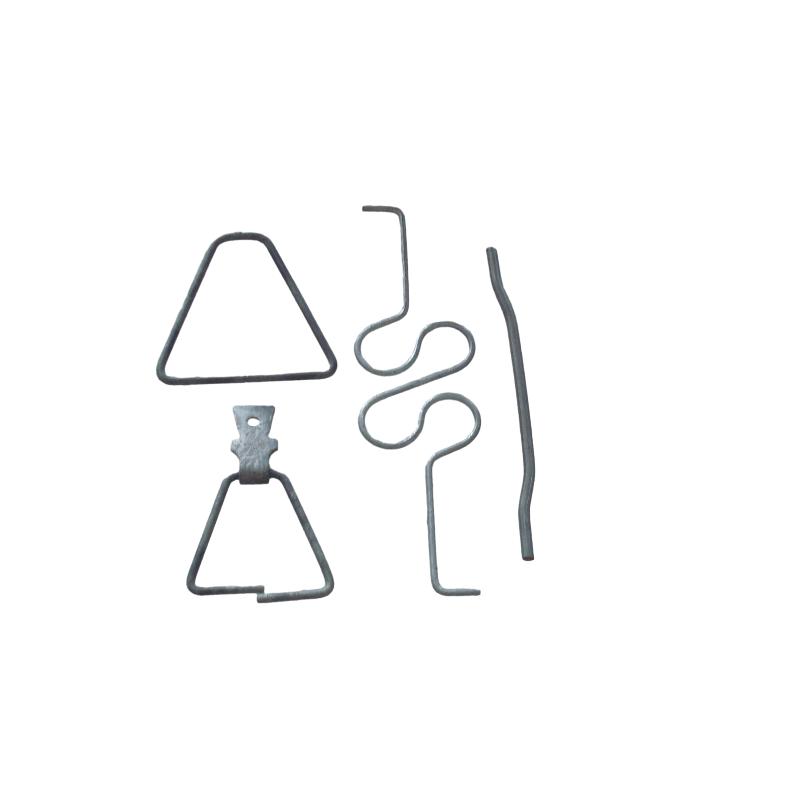
- Lengths, slot geometry, wire diameter, and coatings tailored to wall details.
- Thermal isolation clips available (project-by-project). BIM families on request.
- Private labeling, palletized packaging, and submittal bundles.
- Origin: ZHONGHUACHENG ,ROOM 1518 SOUTH OF WEIMING STREET , QIAOXI DISTRICT SHIJIAZHUANG CITY HEBEI PROVINCE CHINA .
Mini case notes
• Coastal clinic: 316 SS anchors + triangular ties; inspector praised clean slip clearances.
• K-12 retrofit: HDG anchors with thermal pads; masonry cracking reduced vs. legacy ties.
• Mid-rise apartments: Wider cavities; GC liked the documentation trail and quick shipping.
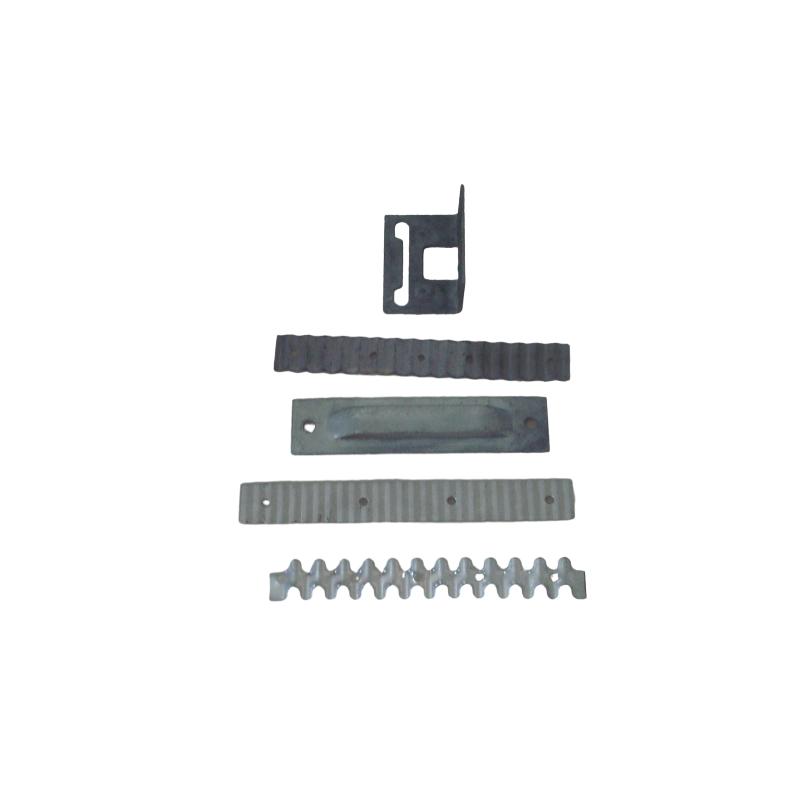
People keep asking about types of masonry ties for metal studs vs. CMU back-up. Short answer: pick the system that matches your substrate, cavity, and corrosion class—and get the lab data to back it up. Simple, but not always easy.
Final thought: spec to the standard, field to the detail, and keep your eye on movement joints. That’s how types of masonry ties avoid becoming tomorrow’s punch list.
Authoritative citations
- The Masonry Society (TMS) 402/602: Building Code Requirements and Specification for Masonry Structures. https://masonrysociety.org
- ASTM C1357: Standard Test Methods for Evaluating Masonry Anchor Strength. https://www.astm.org/c1357
- ASTM A153/A123: Zinc Coating (Hot-Dip) on Iron and Steel Hardware/Products. https://www.astm.org
- AISI S240: North American Standard for Cold-Formed Steel Structural Framing. https://www.buildusingsteel.org
- Brick Industry Association, Technical Notes on Anchored Veneer. https://www.gobrick.com
share:
-
Factors Influencing Hexagonal Wire Mesh Price and Buyer GuideNewsApr.16,2026
-
Understanding the Price of Chicken Mesh and Buying GuideNewsApr.09,2026
-
Comprehensive Guide to Understanding and Optimizing Poultry Net Price StrategiesNewsApr.07,2026
-
Understanding Hen Net Price for Optimal International Metal TradingNewsApr.04,2026
-
Comprehensive Guide to Chicken Wire Fence Price and Installation CostsNewsMar.31,2026
-
Comprehensive Guide to Chicken Netting Price Factors and OptionsNewsMar.28,2026
-
Comprehensive Guide to Chicken Net Fence Price and Optimal SelectionNewsMar.26,2026