
- Mobile Phone
- +8613931874955
- sales@cntcmetal.com
Types of Masonry Ties: Secure & Stable Brick Veneer Anchoring
The Critical Role of Masonry Ties in Modern Construction
In the demanding landscape of contemporary architecture and engineering, the structural integrity and longevity of masonry veneers are paramount. This detailed exposition delves into the crucial function and evolving nature of types of masonry ties, indispensable components that connect the masonry veneer to the structural backing. These small yet vital elements ensure the transfer of lateral loads, accommodate differential movement, and prevent buckling or collapse, thereby enhancing the overall resilience of the building envelope. Our discussion will traverse the spectrum from fundamental design principles to advanced material science, underscored by rigorous industry standards and real-world applications.
Understanding the various classifications, technical specifications, and application nuances of these ties is essential for architects, structural engineers, and contractors aiming for superior project outcomes. This content will provide an in-depth look at masonry wall ties and anchors, exploring their manufacturing intricacies, performance benchmarks, and strategic deployment in diverse construction environments.
Industry Trends in Masonry Anchoring Systems
The construction industry is witnessing significant advancements in masonry anchoring systems, driven by demands for enhanced structural performance, energy efficiency, and sustainability. Key trends include:
- Advanced Materials: A shift towards stainless steel (Type 304, 316) for superior corrosion resistance, especially in coastal or aggressive environments, replacing galvanized steel in many high-spec projects.
- Thermal Bridging Mitigation: Growing emphasis on ties designed with thermal breaks (e.g., plastic or composite components) to reduce heat transfer through the building envelope, aligning with stringent energy codes.
- Adjustability and Versatility: Increased demand for adjustable and pintle-style brick anchor ties that accommodate variations in construction tolerances and allow for vertical and lateral movement, preventing stress concentrations.
- Integrated Systems: Development of holistic brick veneer anchoring systems that combine ties with insulation and air/vapor barrier components for streamlined installation and improved building performance.
- Digital Design and BIM Integration: Use of Building Information Modeling (BIM) for precise placement, quantity take-offs, and clash detection of masonry ties, optimizing design and construction phases.
These trends reflect a broader industry move towards more resilient, energy-efficient, and technologically integrated building solutions, where the selection and deployment of appropriate types of masonry ties play a pivotal role.
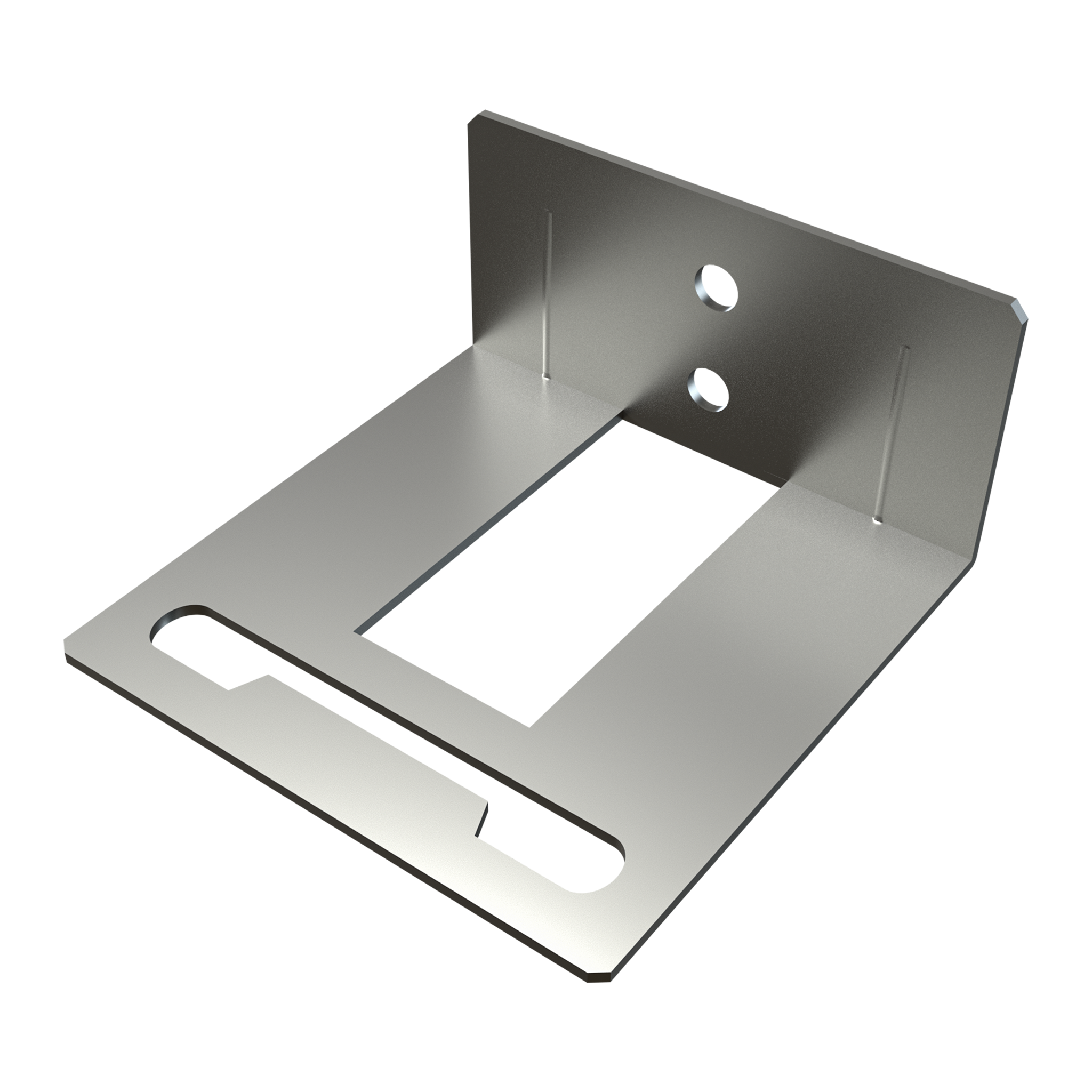
Fig 1: Modern Adjustable Masonry Ties for Enhanced Flexibility.
Technical Specifications and Classifications of Masonry Ties
The diverse range of types of masonry ties available today caters to specific structural demands and architectural designs. Understanding their technical specifications is crucial for optimal material selection.
Common Types of Masonry Ties:
- Corrugated Masonry Ties: Simple, cost-effective ties often made from galvanized steel, featuring corrugations for enhanced embedment. Known as corrugated metal brick ties, they are suitable for light-duty, non-load-bearing applications.
- Pintle/Adjustable Ties: Consist of a pintle (rod) that engages with a receiving plate or anchor, allowing for vertical adjustment. These are crucial for accommodating differential settlement between the veneer and backup wall.
- Wedge/Ladder Ties: Typically embedded in mortar joints, these ties offer strong lateral resistance and are often used with wire reinforcing systems.
- Seismic Ties: Engineered for regions prone to seismic activity, these ties provide enhanced ductility and strength to maintain veneer integrity during earthquakes. They often feature larger cross-sections or specific configurations to absorb energy.
- Masonry Triangle Ties: Triangularly shaped, often with a drip feature, providing robust connection and preventing moisture migration.
Key Technical Parameters:
- Material Grade: Stainless Steel (AISI 304, 316) for superior corrosion resistance; Hot-Dip Galvanized Steel for economic, moderate protection.
- Tensile Strength: The maximum load a tie can withstand before breaking. Typically measured in pounds-force (lbf) or kilonewtons (kN).
- Shear Strength: The load a tie can resist parallel to its plane.
- Stiffness/Flexibility: The tie's ability to resist deformation while allowing some movement to prevent cracking.
- Clearance & Embedment: The minimum distance from the tie to the face of the masonry unit and the depth of embedment into mortar joints for effective performance.
- Coating Thickness: For galvanized ties, critical for long-term corrosion protection (e.g., ASTM A153 specifies zinc coating weight).
Product Specification Table: Masonry Veneer Anchor Ties
| Parameter | Specification | Standard |
|---|---|---|
| Material Options | Stainless Steel (Type 304, 316), Hot-Dip Galvanized Steel (G90) | ASTM A240, ASTM A153 |
| Thickness (Typical) | 16 Ga (1.52mm), 14 Ga (1.91mm), 12 Ga (2.67mm) | ANSI/ASME B36.10M |
| Width (Typical) | 7/8" (22mm), 1-1/4" (32mm) | Manufacturer Specific |
| Length (Customizable) | Varies based on cavity width and embedment | Project Specific |
| Ultimate Tensile Load | Up to 400 lbf (1.78 kN) for 16 Ga SS | ASTM E754, ASTM E72 |
| Service Life Expectancy | 50-100+ years (Stainless Steel), 25-50 years (HDG) | Industry Average |
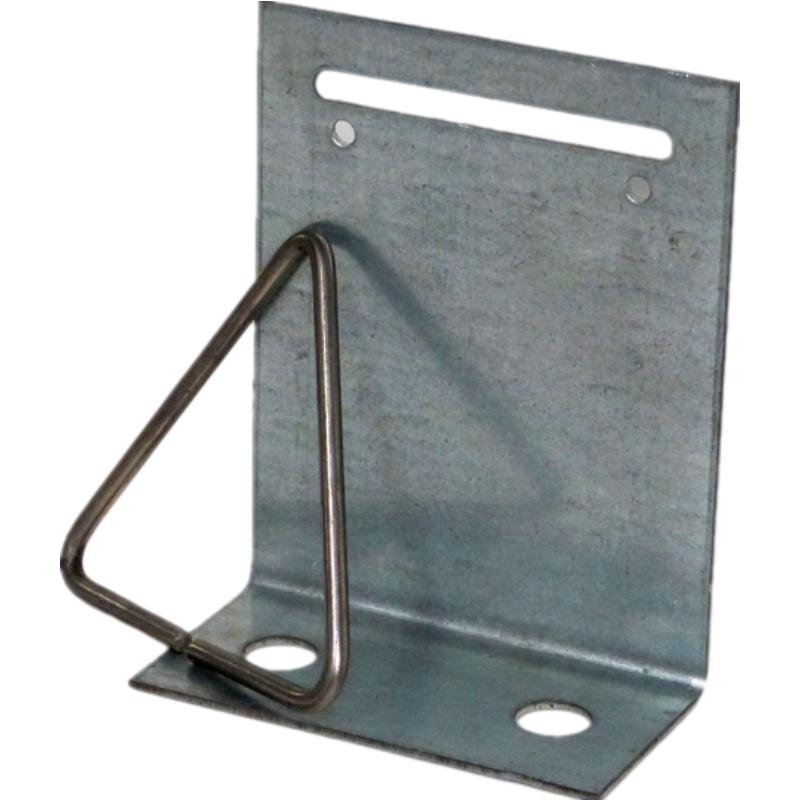
Fig 2: Various Forms and Configurations of Masonry Wall Ties.
Manufacturing Process Flow of Masonry Veneer Anchor Ties
The production of high-quality types of masonry ties involves a meticulously controlled manufacturing process, ensuring each product meets stringent performance and durability standards. Here's a typical flow:
- Raw Material Sourcing: High-grade stainless steel coils (e.g., AISI 304/316) or hot-dip galvanized steel sheets are procured from certified suppliers. Materials undergo incoming inspection for chemical composition, mechanical properties, and surface finish, adhering to standards like ASTM A240 for stainless steel or ASTM A653/A153 for galvanized steel.
- Slitting and Blanking: Large coils are slit into narrower strips, then precision blanked (stamped) into the rough shape of the tie using high-speed stamping presses. This stage ensures dimensional accuracy and minimizes material waste.
- Forming/Shaping: The blanked parts are then fed into progressive dies for complex bending, profiling, and forming operations. This creates the specific geometry of the tie, such as corrugations for corrugated masonry ties, pintle shapes, or integrated drip edges. CNC machining may be employed for intricate designs requiring higher precision.
- Welding (if applicable): For multi-component ties, such as adjustable two-part systems, resistance welding or TIG welding processes are used to securely join components, ensuring structural integrity.
-
Post-Processing/Surface Treatment:
- For galvanized steel ties: Freshly formed ties are subjected to hot-dip galvanization (if not pre-galvanized) per ASTM A153, providing a thick, durable zinc coating for superior corrosion resistance.
- For stainless steel ties: Passivation treatments may be applied to enhance the native passive layer, further improving corrosion resistance, especially after welding or forming.
-
Quality Control & Testing: Each batch undergoes rigorous testing. This includes:
- Dimensional verification using digital calipers and gauges.
- Mechanical testing (tensile strength, shear strength) per ASTM E754 or ASTM E72.
- Coating thickness measurement for galvanized ties (ISO 1461, ASTM A153).
- Visual inspection for defects, burrs, or inconsistencies.
- Packaging and Shipping: Finished and inspected ties are packaged to prevent damage during transit, typically in robust cartons or crates, ready for dispatch to target industries such as petrochemical, metallurgy, and water supply & drainage infrastructure.
The meticulous adherence to these steps ensures that the final product offers superior service life and optimal performance in demanding application scenarios, demonstrating advantages like exceptional energy saving potential through reduced thermal bridging and unparalleled corrosion resistance in harsh environments.
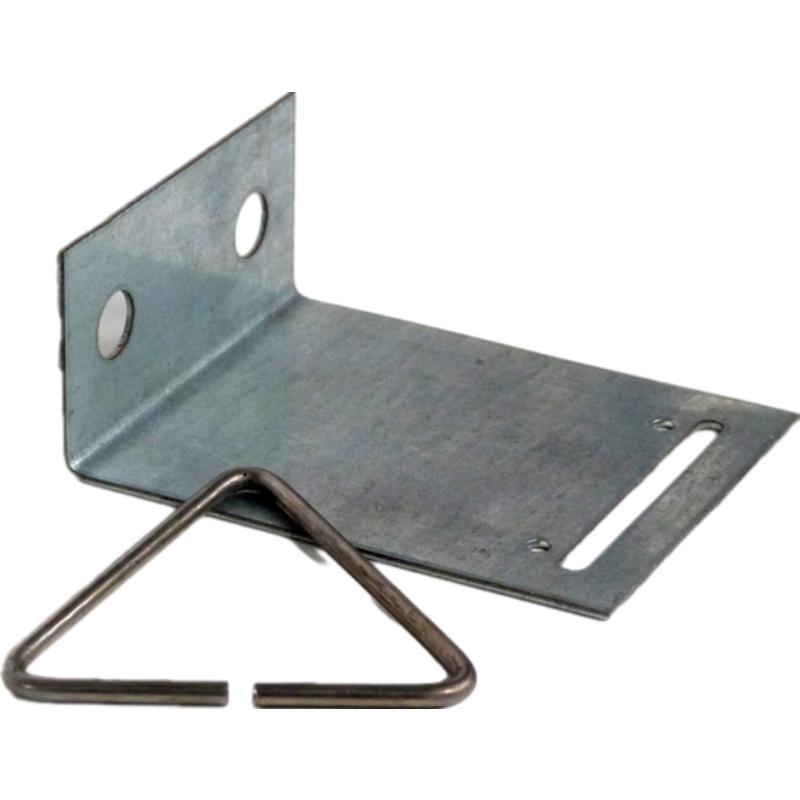
Fig 3: Close-up of Precision-Formed Masonry Ties.
Technical Advantages and Performance Benchmarks
The technical superiority of well-engineered types of masonry ties translates directly into enhanced building performance and longevity. Key advantages include:
- Superior Corrosion Resistance: Stainless steel ties (Type 304 and 316) offer excellent resistance to oxidation and chemical attack, crucial for structures in marine environments, industrial zones, or areas exposed to de-icing salts. This ensures the structural connection remains robust over the building's entire lifecycle.
- Optimized Thermal Performance: Modern ties are designed to minimize thermal bridging, reducing heat loss/gain through the wall assembly. This contributes significantly to a building's energy efficiency, lowering operational costs and supporting green building certifications (e.g., LEED). Data shows properly insulated wall systems with low thermal conductivity ties can improve overall R-value by 5-10%.
- Enhanced Structural Integrity: By effectively transferring lateral loads (wind, seismic) from the veneer to the structural backup, ties prevent buckling, cracking, and eventual collapse of the masonry. Their engineered strength and ductility ensure the veneer acts as an integral part of the building system. For example, high-performance brick tie anchors are rated to withstand lateral forces exceeding 100 psf.
- Accommodation of Differential Movement: Adjustable and flexible tie designs prevent stress build-up due to thermal expansion/contraction, moisture absorption, or structural settlement. This preserves the aesthetic appeal and structural soundness of the veneer by preventing unsightly cracks.
- Longevity and Low Maintenance: With service lives often exceeding 50-100 years for stainless steel, these ties offer a "install and forget" solution, minimizing future maintenance and replacement costs, which are significant over a building's lifespan.
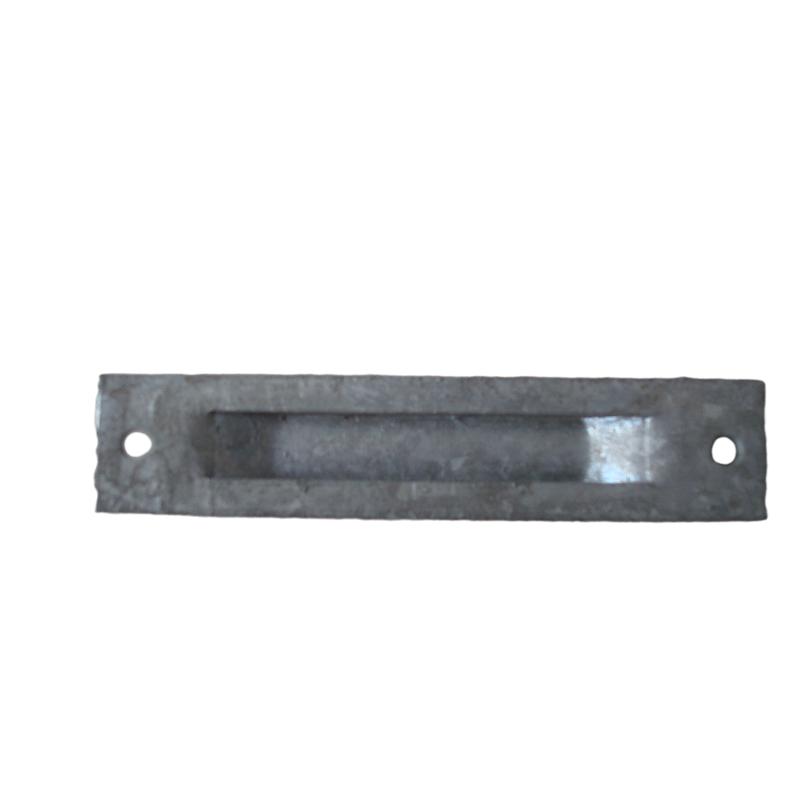
Fig 4: Masonry Ties Integrated into a Wall Section, Highlighting Thermal Break.
Application Scenarios Across Industries
The versatility and robust performance of various types of masonry ties make them indispensable across a wide array of construction sectors and building types.
- Commercial Buildings: High-rise office towers, shopping malls, and institutional buildings rely on sophisticated masonry wall ties and anchors to secure expansive brick or stone veneers against high wind loads and seismic forces.
- Residential Complexes: Multi-family dwellings, condominiums, and custom homes utilize ties to ensure the long-term stability and aesthetic integrity of brick and stone façades, enhancing curb appeal and property value.
- Industrial Facilities: In petrochemical plants, power stations, and manufacturing facilities, specialized corrosion-resistant ties (e.g., Type 316 stainless steel) are crucial for masonry veneers exposed to harsh chemicals, extreme temperatures, and aggressive atmospheres.
- Historical Restoration: When renovating or restoring historic masonry structures, specialized masonry tie back systems are often employed to re-anchor existing veneers without damaging original historic fabric, preserving architectural heritage.
- Infrastructure Projects: Bridges, tunnels, and water treatment plants often incorporate masonry elements for aesthetic or protective purposes, where robust, long-lasting ties are essential for structural stability in demanding environments (e.g., water supply & drainage infrastructure).
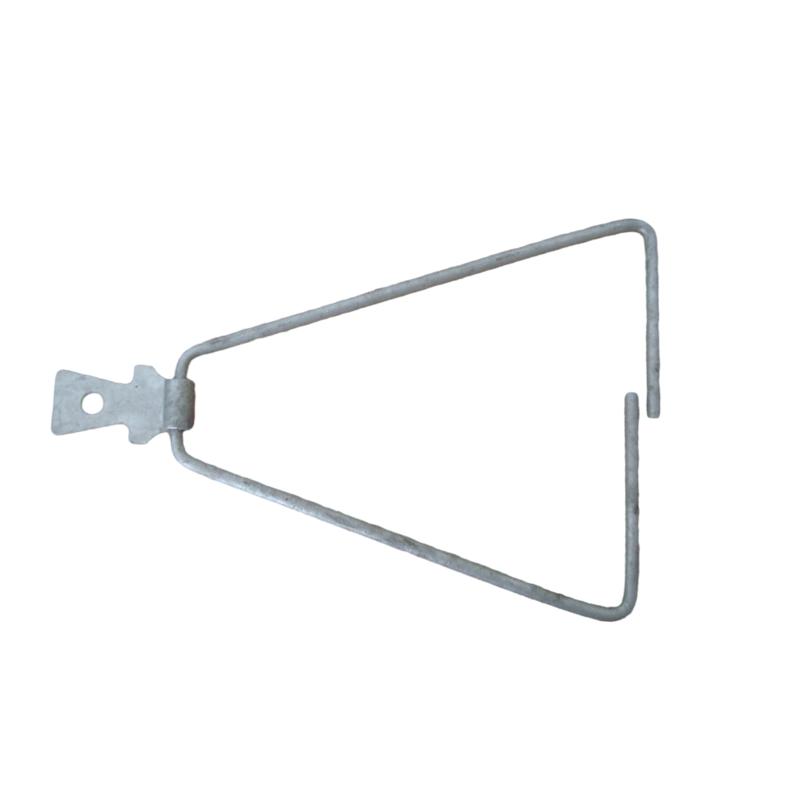
Fig 5: Masonry Tie Back Application in Commercial Construction.
Vendor Comparison: Selecting the Right Partner for Masonry Ties
Choosing the right supplier for types of masonry ties is as critical as selecting the ties themselves. A competent vendor provides not only quality products but also technical support, reliable logistics, and competitive pricing.
Key Comparison Criteria:
- Product Quality & Certifications: Adherence to international standards (ISO 9001, ASTM, ANSI) and verifiable test data.
- Material Expertise: Specialization in high-performance materials like specific stainless steel grades, and knowledge of their application nuances.
- Customization Capabilities: Ability to produce ties with specific dimensions, shapes, or material combinations for unique project requirements.
- Technical Support & Engineering: Provision of design assistance, load calculations, and expert advice on tie selection and placement.
- Supply Chain Efficiency: Reliable lead times, efficient logistics, and inventory management to prevent project delays.
- Cost-Effectiveness: Competitive pricing without compromising on quality or service.
Comparison Table: Leading Masonry Tie Vendors (Illustrative)
| Feature | Vendor A (e.g., CNTC Metal) | Vendor B (Competitor) | Vendor C (Specialty) |
|---|---|---|---|
| Material Options | SS 304, 316, HDG | SS 304, HDG | Proprietary Composites, SS 316 |
| Customization | High (Design & Fabricate) | Moderate (Size/Gauge only) | High (Thermal break focus) |
| Certifications | ISO 9001, ASTM, ANSI | ASTM | Proprietary testing, ICC-ES |
| Technical Support | Full Engineering & Design | Basic Product Data | Thermal Analysis Support |
| Lead Time (Typical) | 2-4 Weeks | 3-6 Weeks | 4-8 Weeks |
A thorough vendor assessment ensures that the selected types of masonry ties not only meet project specifications but are also delivered reliably with expert backing.
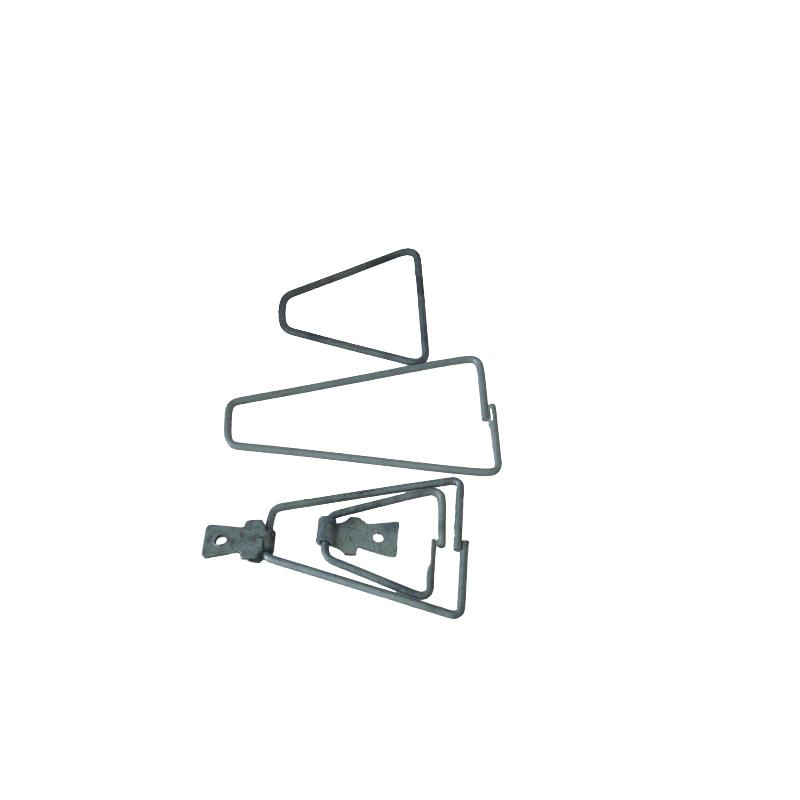
Fig 6: Quality Assurance Check in Masonry Tie Manufacturing.
Customized Solutions for Unique Project Demands
In modern construction, cookie-cutter solutions rarely suffice for complex architectural designs or challenging environmental conditions. Providers specializing in types of masonry ties offer extensive customization capabilities to meet unique project specifications. This includes:
- Material Specification: Tailoring tie materials (e.g., specific stainless steel alloys, varying grades of galvanized steel) to match the corrosive potential of the site and required service life.
- Dimensional Modifications: Custom lengths, widths, thicknesses, and configurations to accommodate unusual cavity widths, veneer thicknesses, or backup wall types.
- Specialized Coatings: Application of polymer or epoxy coatings for enhanced chemical resistance or specific aesthetic requirements, in addition to standard galvanization or passivation.
- Engineered Designs: Development of entirely new tie geometries or attachment methods for novel structural systems, unique load conditions, or historical renovation projects requiring non-standard anchoring solutions.
- Performance Optimization: Design iterations focused on maximizing specific performance attributes, such as pull-out strength, shear capacity, or thermal efficiency, through advanced FEA (Finite Element Analysis) and physical testing.
Leveraging a vendor's customization expertise ensures that the masonry veneer performs optimally under all anticipated conditions, reflecting a commitment to engineering excellence and project-specific precision.
Application Case Studies
Case Study 1: High-Rise Residential Tower in a Coastal City
Challenge: A 40-story residential tower situated directly on a coastline required a robust brick veneer anchoring system capable of withstanding extreme wind loads (up to 150 mph) and severe saltwater corrosion over a 75-year design life. Standard galvanized ties were deemed insufficient due to the aggressive environment.
Solution: Engineers specified Type 316 Stainless Steel adjustable pintle ties. These ties offered superior corrosion resistance, crucial for the marine environment, and their adjustable design allowed for precise alignment of the brick veneer with the concrete shear wall backup, accommodating differential movement. The ties were independently tested for ultimate tensile and shear loads exceeding project requirements, ensuring safety factors were well within code limits.
Outcome: The project successfully integrated over 150,000 stainless steel ties. Post-construction inspections after five years showed no signs of corrosion or structural degradation in the veneer system, validating the material choice and design. Customer feedback highlighted the ease of installation due to the ties' adjustability, saving labor time.
Case Study 2: Energy-Efficient Educational Facility
Challenge: An educational facility aiming for LEED Platinum certification required an exceptionally energy-efficient envelope. The traditional steel types of masonry ties posed a significant thermal bridging risk, undermining insulation performance.
Solution: A customized solution was developed, utilizing stainless steel pintle ties with integrated thermal breaks made from high-density, low-conductivity polymer. This design significantly reduced the heat transfer coefficient across the wall cavity. The ties were paired with a continuous insulation system to maximize the R-value of the wall.
Outcome: Thermal imaging confirmed a dramatic reduction in thermal bridging points. The building achieved its LEED Platinum target, with post-occupancy energy audits showing a 20% improvement in thermal performance compared to similar facilities built with conventional ties. This directly translated into reduced heating and cooling costs and a lower carbon footprint.
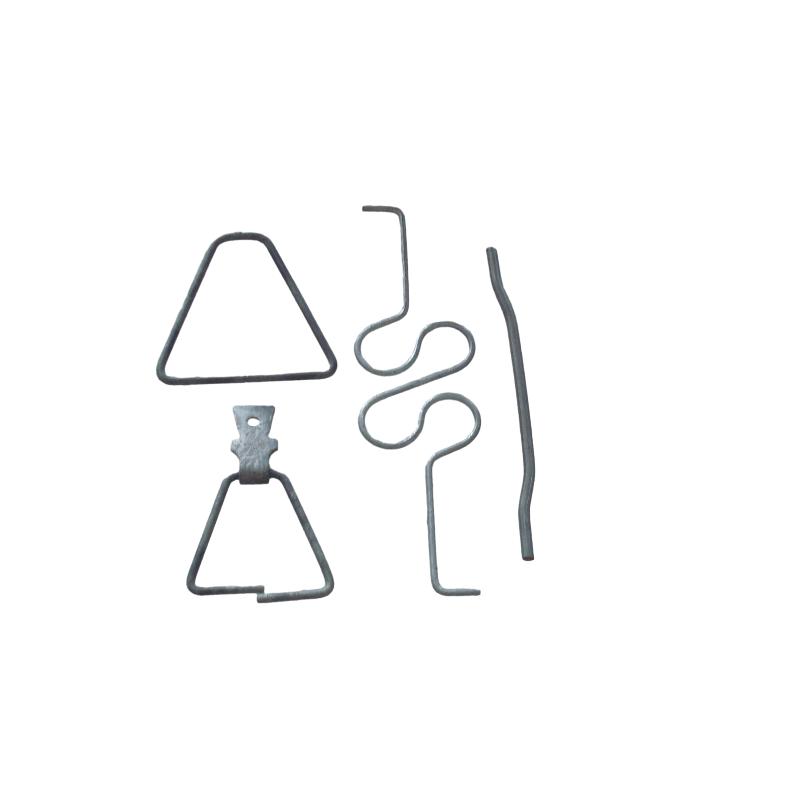
Fig 7: Field Application of Masonry Ties in a Commercial Project.
Ensuring : Authoritativeness and Trustworthiness
Certifications and Quality Assurance
Our commitment to quality is underpinned by adherence to rigorous international standards. All types of masonry ties are manufactured under an ISO 9001 certified quality management system, ensuring consistency and excellence at every stage. Products conform to relevant ASTM (e.g., ASTM A240, ASTM A153, ASTM E72, ASTM E754) and ANSI standards, validating their material composition, mechanical properties, and performance characteristics. Independent laboratory testing reports are available upon request, offering verifiable data for critical project specifications. Our long-standing partnerships with leading contractors and architectural firms, spanning over two decades, attest to our reliability and expertise in delivering high-performance anchoring solutions.
Frequently Asked Questions (FAQ)
- Q: What is the recommended spacing for masonry ties?
- A: Generally, building codes (e.g., TMS 402/ACI 530/ASCE 5) recommend a maximum horizontal spacing of 36 inches (914mm) and a maximum vertical spacing of 24 inches (610mm). However, specific project designs and load conditions may require closer spacing. Always consult with a structural engineer.
- Q: How do I choose between galvanized and stainless steel ties?
- A: Hot-dip galvanized ties are suitable for most interior or moderately exposed applications with a typical service life of 25-50 years. Stainless steel (Type 304 or 316) is recommended for highly corrosive environments (e.g., coastal, industrial, chemical exposure) or where a service life exceeding 50 years is required, offering superior long-term performance and minimal maintenance.
- Q: Can your masonry ties accommodate seismic forces?
- A: Yes, we offer specialized seismic ties designed with enhanced ductility and strength to perform effectively in seismic zones. These ties undergo specific testing to ensure they can withstand cyclic loading and accommodate the inter-story drift without failure of the veneer connection. We can provide engineering data to support seismic design.
- Q: What is the typical lead time for custom orders?
- A: For standard products, lead time is typically 2-4 weeks. For customized types of masonry ties, lead times vary based on complexity and order volume, usually ranging from 4-8 weeks from drawing approval to shipment. We work closely with clients to meet project schedules and offer expedited options where feasible.
Warranty and After-Sales Support
We stand behind the quality of our types of masonry ties with comprehensive warranty commitments. All products are warranted against defects in material and workmanship for a period consistent with industry standards and expected service life. Our dedicated customer support team, composed of experienced technical experts, is available to provide post-purchase assistance, troubleshoot installation queries, and offer long-term product support. We ensure complete documentation, including material certifications and test reports, is provided for every order, guaranteeing peace of mind for our clients.
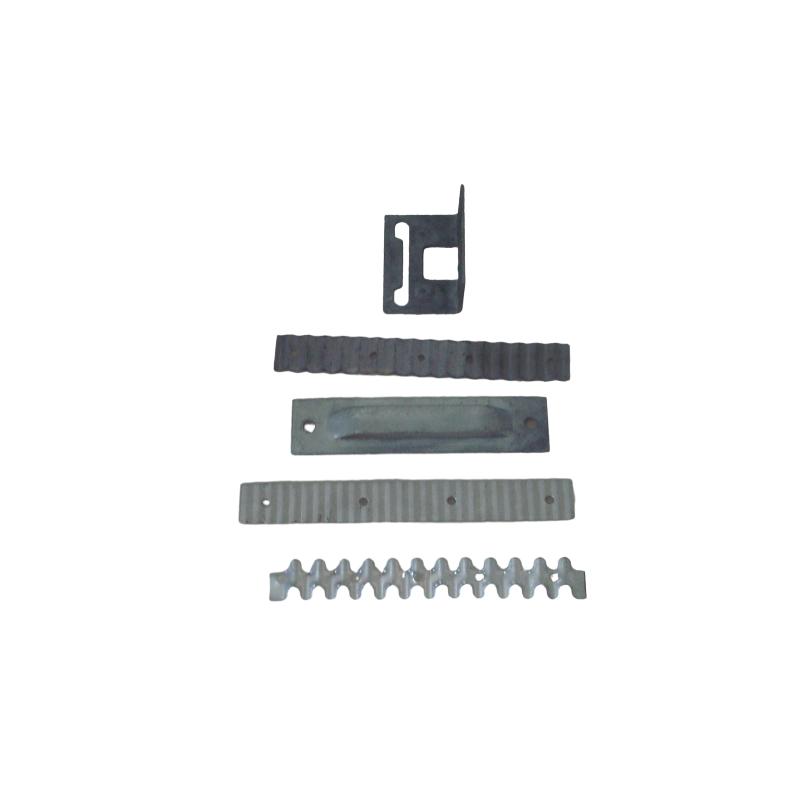
Fig 8: Packaging of Masonry Ties for Shipment, Indicating Quality Control.
Conclusion
The selection and implementation of appropriate types of masonry ties are foundational to the structural integrity, longevity, and performance of masonry veneer systems. From basic corrugated masonry ties to advanced seismic and thermally broken solutions, understanding the technical nuances, manufacturing precision, and application contexts is critical for B2B decision-makers. By prioritizing high-quality materials, adherence to stringent testing standards, and leveraging expert vendor support, construction projects can ensure their masonry envelopes are not only aesthetically pleasing but also exceptionally resilient and sustainable for decades to come.
References
- ASTM International. (2023). ASTM A240/A240M, Standard Specification for Chromium and Chromium-Nickel Stainless Steel Plate, Sheet, and Strip for Pressure Vessels and for General Applications.
- ASTM International. (2023). ASTM A153/A153M, Standard Specification for Zinc Coating (Hot-Dip) on Iron and Steel Hardware.
- The Masonry Society (TMS). (2022). Building Code Requirements for Masonry Structures (TMS 402-22/ACI 530-22/ASCE 5-22).
- National Institute of Building Sciences (NIBS). (2019). Whole Building Design Guide (WBDG): Masonry Veneer.
- Council on Tall Buildings and Urban Habitat (CTBUH). (2021). The Tall Building Reference Book.
The Critical Role of Masonry Ties in Modern Construction
In the demanding landscape of contemporary architecture and engineering, the structural integrity and longevity of masonry veneers are paramount. This detailed exposition delves into the crucial function and evolving nature of types of masonry ties, indispensable components that connect the masonry veneer to the structural backing. These small yet vital elements ensure the transfer of lateral loads, accommodate differential movement, and prevent buckling or collapse, thereby enhancing the overall resilience of the building envelope. Our discussion will traverse the spectrum from fundamental design principles to advanced material science, underscored by rigorous industry standards and real-world applications.
Understanding the various classifications, technical specifications, and application nuances of these ties is essential for architects, structural engineers, and contractors aiming for superior project outcomes. This content will provide an in-depth look at masonry wall ties and anchors, exploring their manufacturing intricacies, performance benchmarks, and strategic deployment in diverse construction environments.
Industry Trends in Masonry Anchoring Systems
The construction industry is witnessing significant advancements in masonry anchoring systems, driven by demands for enhanced structural performance, energy efficiency, and sustainability. Key trends include:
- Advanced Materials: A shift towards stainless steel (Type 304, 316) for superior corrosion resistance, especially in coastal or aggressive environments, replacing galvanized steel in many high-spec projects.
- Thermal Bridging Mitigation: Growing emphasis on ties designed with thermal breaks (e.g., plastic or composite components) to reduce heat transfer through the building envelope, aligning with stringent energy codes.
- Adjustability and Versatility: Increased demand for adjustable and pintle-style brick anchor ties that accommodate variations in construction tolerances and allow for vertical and lateral movement, preventing stress concentrations.
- Integrated Systems: Development of holistic brick veneer anchoring systems that combine ties with insulation and air/vapor barrier components for streamlined installation and improved building performance.
- Digital Design and BIM Integration: Use of Building Information Modeling (BIM) for precise placement, quantity take-offs, and clash detection of masonry ties, optimizing design and construction phases.
These trends reflect a broader industry move towards more resilient, energy-efficient, and technologically integrated building solutions, where the selection and deployment of appropriate types of masonry ties play a pivotal role.
Fig 1: Modern Adjustable Masonry Ties for Enhanced Flexibility.
Technical Specifications and Classifications of Masonry Ties
The diverse range of types of masonry ties available today caters to specific structural demands and architectural designs. Understanding their technical specifications is crucial for optimal material selection.
Common Types of Masonry Ties:
- Corrugated Masonry Ties: Simple, cost-effective ties often made from galvanized steel, featuring corrugations for enhanced embedment. Known as corrugated metal brick ties, they are suitable for light-duty, non-load-bearing applications.
- Pintle/Adjustable Ties: Consist of a pintle (rod) that engages with a receiving plate or anchor, allowing for vertical adjustment. These are crucial for accommodating differential settlement between the veneer and backup wall.
- Wedge/Ladder Ties: Typically embedded in mortar joints, these ties offer strong lateral resistance and are often used with wire reinforcing systems.
- Seismic Ties: Engineered for regions prone to seismic activity, these ties provide enhanced ductility and strength to maintain veneer integrity during earthquakes. They often feature larger cross-sections or specific configurations to absorb energy.
- Masonry Triangle Ties: Triangularly shaped, often with a drip feature, providing robust connection and preventing moisture migration.
Key Technical Parameters:
- Material Grade: Stainless Steel (AISI 304, 316) for superior corrosion resistance; Hot-Dip Galvanized Steel for economic, moderate protection.
- Tensile Strength: The maximum load a tie can withstand before breaking. Typically measured in pounds-force (lbf) or kilonewtons (kN).
- Shear Strength: The load a tie can resist parallel to its plane.
- Stiffness/Flexibility: The tie's ability to resist deformation while allowing some movement to prevent cracking.
- Clearance & Embedment: The minimum distance from the tie to the face of the masonry unit and the depth of embedment into mortar joints for effective performance.
- Coating Thickness: For galvanized ties, critical for long-term corrosion protection (e.g., ASTM A153 specifies zinc coating weight).
Product Specification Table: Masonry Veneer Anchor Ties
| Parameter | Specification | Standard |
|---|---|---|
| Material Options | Stainless Steel (Type 304, 316), Hot-Dip Galvanized Steel (G90) | ASTM A240, ASTM A153 |
| Thickness (Typical) | 16 Ga (1.52mm), 14 Ga (1.91mm), 12 Ga (2.67mm) | ANSI/ASME B36.10M |
| Width (Typical) | 7/8" (22mm), 1-1/4" (32mm) | Manufacturer Specific |
| Length (Customizable) | Varies based on cavity width and embedment | Project Specific |
| Ultimate Tensile Load | Up to 400 lbf (1.78 kN) for 16 Ga SS | ASTM E754, ASTM E72 |
| Service Life Expectancy | 50-100+ years (Stainless Steel), 25-50 years (HDG) | Industry Average |
Fig 2: Various Forms and Configurations of Masonry Wall Ties.
Manufacturing Process Flow of Masonry Veneer Anchor Ties
The production of high-quality types of masonry ties involves a meticulously controlled manufacturing process, ensuring each product meets stringent performance and durability standards. Here's a typical flow:
- Raw Material Sourcing: High-grade stainless steel coils (e.g., AISI 304/316) or hot-dip galvanized steel sheets are procured from certified suppliers. Materials undergo incoming inspection for chemical composition, mechanical properties, and surface finish, adhering to standards like ASTM A240 for stainless steel or ASTM A653/A153 for galvanized steel.
- Slitting and Blanking: Large coils are slit into narrower strips, then precision blanked (stamped) into the rough shape of the tie using high-speed stamping presses. This stage ensures dimensional accuracy and minimizes material waste.
- Forming/Shaping: The blanked parts are then fed into progressive dies for complex bending, profiling, and forming operations. This creates the specific geometry of the tie, such as corrugations for corrugated masonry ties, pintle shapes, or integrated drip edges. CNC machining may be employed for intricate designs requiring higher precision.
- Welding (if applicable): For multi-component ties, such as adjustable two-part systems, resistance welding or TIG welding processes are used to securely join components, ensuring structural integrity.
-
Post-Processing/Surface Treatment:
- For galvanized steel ties: Freshly formed ties are subjected to hot-dip galvanization (if not pre-galvanized) per ASTM A153, providing a thick, durable zinc coating for superior corrosion resistance.
- For stainless steel ties: Passivation treatments may be applied to enhance the native passive layer, further improving corrosion resistance, especially after welding or forming.
-
Quality Control & Testing: Each batch undergoes rigorous testing. This includes:
- Dimensional verification using digital calipers and gauges.
- Mechanical testing (tensile strength, shear strength) per ASTM E754 or ASTM E72.
- Coating thickness measurement for galvanized ties (ISO 1461, ASTM A153).
- Visual inspection for defects, burrs, or inconsistencies.
- Packaging and Shipping: Finished and inspected ties are packaged to prevent damage during transit, typically in robust cartons or crates, ready for dispatch to target industries such as petrochemical, metallurgy, and water supply & drainage infrastructure.
The meticulous adherence to these steps ensures that the final product offers superior service life and optimal performance in demanding application scenarios, demonstrating advantages like exceptional energy saving potential through reduced thermal bridging and unparalleled corrosion resistance in harsh environments.
Fig 3: Close-up of Precision-Formed Masonry Ties.
Technical Advantages and Performance Benchmarks
The technical superiority of well-engineered types of masonry ties translates directly into enhanced building performance and longevity. Key advantages include:
- Superior Corrosion Resistance: Stainless steel ties (Type 304 and 316) offer excellent resistance to oxidation and chemical attack, crucial for structures in marine environments, industrial zones, or areas exposed to de-icing salts. This ensures the structural connection remains robust over the building's entire lifecycle.
- Optimized Thermal Performance: Modern ties are designed to minimize thermal bridging, reducing heat loss/gain through the wall assembly. This contributes significantly to a building's energy efficiency, lowering operational costs and supporting green building certifications (e.g., LEED). Data shows properly insulated wall systems with low thermal conductivity ties can improve overall R-value by 5-10%.
- Enhanced Structural Integrity: By effectively transferring lateral loads (wind, seismic) from the veneer to the structural backup, ties prevent buckling, cracking, and eventual collapse of the masonry. Their engineered strength and ductility ensure the veneer acts as an integral part of the building system. For example, high-performance brick tie anchors are rated to withstand lateral forces exceeding 100 psf.
- Accommodation of Differential Movement: Adjustable and flexible tie designs prevent stress build-up due to thermal expansion/contraction, moisture absorption, or structural settlement. This preserves the aesthetic appeal and structural soundness of the veneer by preventing unsightly cracks.
- Longevity and Low Maintenance: With service lives often exceeding 50-100 years for stainless steel, these ties offer a "install and forget" solution, minimizing future maintenance and replacement costs, which are significant over a building's lifespan.
Fig 4: Masonry Ties Integrated into a Wall Section, Highlighting Thermal Break.
Application Scenarios Across Industries
The versatility and robust performance of various types of masonry ties make them indispensable across a wide array of construction sectors and building types.
- Commercial Buildings: High-rise office towers, shopping malls, and institutional buildings rely on sophisticated masonry wall ties and anchors to secure expansive brick or stone veneers against high wind loads and seismic forces.
- Residential Complexes: Multi-family dwellings, condominiums, and custom homes utilize ties to ensure the long-term stability and aesthetic integrity of brick and stone façades, enhancing curb appeal and property value.
- Industrial Facilities: In petrochemical plants, power stations, and manufacturing facilities, specialized corrosion-resistant ties (e.g., Type 316 stainless steel) are crucial for masonry veneers exposed to harsh chemicals, extreme temperatures, and aggressive atmospheres.
- Historical Restoration: When renovating or restoring historic masonry structures, specialized masonry tie back systems are often employed to re-anchor existing veneers without damaging original historic fabric, preserving architectural heritage.
- Infrastructure Projects: Bridges, tunnels, and water treatment plants often incorporate masonry elements for aesthetic or protective purposes, where robust, long-lasting ties are essential for structural stability in demanding environments (e.g., water supply & drainage infrastructure).
Fig 5: Masonry Tie Back Application in Commercial Construction.
Vendor Comparison: Selecting the Right Partner for Masonry Ties
Choosing the right supplier for types of masonry ties is as critical as selecting the ties themselves. A competent vendor provides not only quality products but also technical support, reliable logistics, and competitive pricing.
Key Comparison Criteria:
- Product Quality & Certifications: Adherence to international standards (ISO 9001, ASTM, ANSI) and verifiable test data.
- Material Expertise: Specialization in high-performance materials like specific stainless steel grades, and knowledge of their application nuances.
- Customization Capabilities: Ability to produce ties with specific dimensions, shapes, or material combinations for unique project requirements.
- Technical Support & Engineering: Provision of design assistance, load calculations, and expert advice on tie selection and placement.
- Supply Chain Efficiency: Reliable lead times, efficient logistics, and inventory management to prevent project delays.
- Cost-Effectiveness: Competitive pricing without compromising on quality or service.
Comparison Table: Leading Masonry Tie Vendors (Illustrative)
| Feature | Vendor A (e.g., CNTC Metal) | Vendor B (Competitor) | Vendor C (Specialty) |
|---|---|---|---|
| Material Options | SS 304, 316, HDG | SS 304, HDG | Proprietary Composites, SS 316 |
| Customization | High (Design & Fabricate) | Moderate (Size/Gauge only) | High (Thermal break focus) |
| Certifications | ISO 9001, ASTM, ANSI | ASTM | Proprietary testing, ICC-ES |
| Technical Support | Full Engineering & Design | Basic Product Data | Thermal Analysis Support |
| Lead Time (Typical) | 2-4 Weeks | 3-6 Weeks | 4-8 Weeks |
A thorough vendor assessment ensures that the selected types of masonry ties not only meet project specifications but are also delivered reliably with expert backing.
Fig 6: Quality Assurance Check in Masonry Tie Manufacturing.
Customized Solutions for Unique Project Demands
In modern construction, cookie-cutter solutions rarely suffice for complex architectural designs or challenging environmental conditions. Providers specializing in types of masonry ties offer extensive customization capabilities to meet unique project specifications. This includes:
- Material Specification: Tailoring tie materials (e.g., specific stainless steel alloys, varying grades of galvanized steel) to match the corrosive potential of the site and required service life.
- Dimensional Modifications: Custom lengths, widths, thicknesses, and configurations to accommodate unusual cavity widths, veneer thicknesses, or backup wall types.
- Specialized Coatings: Application of polymer or epoxy coatings for enhanced chemical resistance or specific aesthetic requirements, in addition to standard galvanization or passivation.
- Engineered Designs: Development of entirely new tie geometries or attachment methods for novel structural systems, unique load conditions, or historical renovation projects requiring non-standard anchoring solutions.
- Performance Optimization: Design iterations focused on maximizing specific performance attributes, such as pull-out strength, shear capacity, or thermal efficiency, through advanced FEA (Finite Element Analysis) and physical testing.
Leveraging a vendor's customization expertise ensures that the masonry veneer performs optimally under all anticipated conditions, reflecting a commitment to engineering excellence and project-specific precision.
Application Case Studies
Case Study 1: High-Rise Residential Tower in a Coastal City
Challenge: A 40-story residential tower situated directly on a coastline required a robust brick veneer anchoring system capable of withstanding extreme wind loads (up to 150 mph) and severe saltwater corrosion over a 75-year design life. Standard galvanized ties were deemed insufficient due to the aggressive environment.
Solution: Engineers specified Type 316 Stainless Steel adjustable pintle ties. These ties offered superior corrosion resistance, crucial for the marine environment, and their adjustable design allowed for precise alignment of the brick veneer with the concrete shear wall backup, accommodating differential movement. The ties were independently tested for ultimate tensile and shear loads exceeding project requirements, ensuring safety factors were well within code limits.
Outcome: The project successfully integrated over 150,000 stainless steel ties. Post-construction inspections after five years showed no signs of corrosion or structural degradation in the veneer system, validating the material choice and design. Customer feedback highlighted the ease of installation due to the ties' adjustability, saving labor time.
Case Study 2: Energy-Efficient Educational Facility
Challenge: An educational facility aiming for LEED Platinum certification required an exceptionally energy-efficient envelope. The traditional steel types of masonry ties posed a significant thermal bridging risk, undermining insulation performance.
Solution: A customized solution was developed, utilizing stainless steel pintle ties with integrated thermal breaks made from high-density, low-conductivity polymer. This design significantly reduced the heat transfer coefficient across the wall cavity. The ties were paired with a continuous insulation system to maximize the R-value of the wall.
Outcome: Thermal imaging confirmed a dramatic reduction in thermal bridging points. The building achieved its LEED Platinum target, with post-occupancy energy audits showing a 20% improvement in thermal performance compared to similar facilities built with conventional ties. This directly translated into reduced heating and cooling costs and a lower carbon footprint.
Fig 7: Field Application of Masonry Ties in a Commercial Project.
Ensuring : Authoritativeness and Trustworthiness
Certifications and Quality Assurance
Our commitment to quality is underpinned by adherence to rigorous international standards. All types of masonry ties are manufactured under an ISO 9001 certified quality management system, ensuring consistency and excellence at every stage. Products conform to relevant ASTM (e.g., ASTM A240, ASTM A153, ASTM E72, ASTM E754) and ANSI standards, validating their material composition, mechanical properties, and performance characteristics. Independent laboratory testing reports are available upon request, offering verifiable data for critical project specifications. Our long-standing partnerships with leading contractors and architectural firms, spanning over two decades, attest to our reliability and expertise in delivering high-performance anchoring solutions.
Frequently Asked Questions (FAQ)
- Q: What is the recommended spacing for masonry ties?
- A: Generally, building codes (e.g., TMS 402/ACI 530/ASCE 5) recommend a maximum horizontal spacing of 36 inches (914mm) and a maximum vertical spacing of 24 inches (610mm). However, specific project designs and load conditions may require closer spacing. Always consult with a structural engineer.
- Q: How do I choose between galvanized and stainless steel ties?
- A: Hot-dip galvanized ties are suitable for most interior or moderately exposed applications with a typical service life of 25-50 years. Stainless steel (Type 304 or 316) is recommended for highly corrosive environments (e.g., coastal, industrial, chemical exposure) or where a service life exceeding 50 years is required, offering superior long-term performance and minimal maintenance.
- Q: Can your masonry ties accommodate seismic forces?
- A: Yes, we offer specialized seismic ties designed with enhanced ductility and strength to perform effectively in seismic zones. These ties undergo specific testing to ensure they can withstand cyclic loading and accommodate the inter-story drift without failure of the veneer connection. We can provide engineering data to support seismic design.
- Q: What is the typical lead time for custom orders?
- A: For standard products, lead time is typically 2-4 weeks. For customized types of masonry ties, lead times vary based on complexity and order volume, usually ranging from 4-8 weeks from drawing approval to shipment. We work closely with clients to meet project schedules and offer expedited options where feasible.
Warranty and After-Sales Support
We stand behind the quality of our types of masonry ties with comprehensive warranty commitments. All products are warranted against defects in material and workmanship for a period consistent with industry standards and expected service life. Our dedicated customer support team, composed of experienced technical experts, is available to provide post-purchase assistance, troubleshoot installation queries, and offer long-term product support. We ensure complete documentation, including material certifications and test reports, is provided for every order, guaranteeing peace of mind for our clients.
Fig 8: Packaging of Masonry Ties for Shipment, Indicating Quality Control.
Conclusion
The selection and implementation of appropriate types of masonry ties are foundational to the structural integrity, longevity, and performance of masonry veneer systems. From basic corrugated masonry ties to advanced seismic and thermally broken solutions, understanding the technical nuances, manufacturing precision, and application contexts is critical for B2B decision-makers. By prioritizing high-quality materials, adherence to stringent testing standards, and leveraging expert vendor support, construction projects can ensure their masonry envelopes are not only aesthetically pleasing but also exceptionally resilient and sustainable for decades to come.
References
- ASTM International. (2023). ASTM A240/A240M, Standard Specification for Chromium and Chromium-Nickel Stainless Steel Plate, Sheet, and Strip for Pressure Vessels and for General Applications.
- ASTM International. (2023). ASTM A153/A153M, Standard Specification for Zinc Coating (Hot-Dip) on Iron and Steel Hardware.
- The Masonry Society (TMS). (2022). Building Code Requirements for Masonry Structures (TMS 402-22/ACI 530-22/ASCE 5-22).
- National Institute of Building Sciences (NIBS). (2019). Whole Building Design Guide (WBDG): Masonry Veneer.
- Council on Tall Buildings and Urban Habitat (CTBUH). (2021). The Tall Building Reference Book.
share:
-
Factors Influencing Hexagonal Wire Mesh Price and Buyer GuideNewsApr.16,2026
-
Understanding the Price of Chicken Mesh and Buying GuideNewsApr.09,2026
-
Comprehensive Guide to Understanding and Optimizing Poultry Net Price StrategiesNewsApr.07,2026
-
Understanding Hen Net Price for Optimal International Metal TradingNewsApr.04,2026
-
Comprehensive Guide to Chicken Wire Fence Price and Installation CostsNewsMar.31,2026
-
Comprehensive Guide to Chicken Netting Price Factors and OptionsNewsMar.28,2026
-
Comprehensive Guide to Chicken Net Fence Price and Optimal SelectionNewsMar.26,2026
Types of Masonry Ties: Secure & Stable Brick Veneer Anchoring
The Critical Role of Masonry Ties in Modern Construction
In the demanding landscape of contemporary architecture and engineering, the structural integrity and longevity of masonry veneers are paramount. This detailed exposition delves into the crucial function and evolving nature of types of masonry ties, indispensable components that connect the masonry veneer to the structural backing. These small yet vital elements ensure the transfer of lateral loads, accommodate differential movement, and prevent buckling or collapse, thereby enhancing the overall resilience of the building envelope. Our discussion will traverse the spectrum from fundamental design principles to advanced material science, underscored by rigorous industry standards and real-world applications.
Understanding the various classifications, technical specifications, and application nuances of these ties is essential for architects, structural engineers, and contractors aiming for superior project outcomes. This content will provide an in-depth look at masonry wall ties and anchors, exploring their manufacturing intricacies, performance benchmarks, and strategic deployment in diverse construction environments.
Industry Trends in Masonry Anchoring Systems
The construction industry is witnessing significant advancements in masonry anchoring systems, driven by demands for enhanced structural performance, energy efficiency, and sustainability. Key trends include:
- Advanced Materials: A shift towards stainless steel (Type 304, 316) for superior corrosion resistance, especially in coastal or aggressive environments, replacing galvanized steel in many high-spec projects.
- Thermal Bridging Mitigation: Growing emphasis on ties designed with thermal breaks (e.g., plastic or composite components) to reduce heat transfer through the building envelope, aligning with stringent energy codes.
- Adjustability and Versatility: Increased demand for adjustable and pintle-style brick anchor ties that accommodate variations in construction tolerances and allow for vertical and lateral movement, preventing stress concentrations.
- Integrated Systems: Development of holistic brick veneer anchoring systems that combine ties with insulation and air/vapor barrier components for streamlined installation and improved building performance.
- Digital Design and BIM Integration: Use of Building Information Modeling (BIM) for precise placement, quantity take-offs, and clash detection of masonry ties, optimizing design and construction phases.
These trends reflect a broader industry move towards more resilient, energy-efficient, and technologically integrated building solutions, where the selection and deployment of appropriate types of masonry ties play a pivotal role.
Fig 1: Modern Adjustable Masonry Ties for Enhanced Flexibility.
Technical Specifications and Classifications of Masonry Ties
The diverse range of types of masonry ties available today caters to specific structural demands and architectural designs. Understanding their technical specifications is crucial for optimal material selection.
Common Types of Masonry Ties:
- Corrugated Masonry Ties: Simple, cost-effective ties often made from galvanized steel, featuring corrugations for enhanced embedment. Known as corrugated metal brick ties, they are suitable for light-duty, non-load-bearing applications.
- Pintle/Adjustable Ties: Consist of a pintle (rod) that engages with a receiving plate or anchor, allowing for vertical adjustment. These are crucial for accommodating differential settlement between the veneer and backup wall.
- Wedge/Ladder Ties: Typically embedded in mortar joints, these ties offer strong lateral resistance and are often used with wire reinforcing systems.
- Seismic Ties: Engineered for regions prone to seismic activity, these ties provide enhanced ductility and strength to maintain veneer integrity during earthquakes. They often feature larger cross-sections or specific configurations to absorb energy.
- Masonry Triangle Ties: Triangularly shaped, often with a drip feature, providing robust connection and preventing moisture migration.
Key Technical Parameters:
- Material Grade: Stainless Steel (AISI 304, 316) for superior corrosion resistance; Hot-Dip Galvanized Steel for economic, moderate protection.
- Tensile Strength: The maximum load a tie can withstand before breaking. Typically measured in pounds-force (lbf) or kilonewtons (kN).
- Shear Strength: The load a tie can resist parallel to its plane.
- Stiffness/Flexibility: The tie's ability to resist deformation while allowing some movement to prevent cracking.
- Clearance & Embedment: The minimum distance from the tie to the face of the masonry unit and the depth of embedment into mortar joints for effective performance.
- Coating Thickness: For galvanized ties, critical for long-term corrosion protection (e.g., ASTM A153 specifies zinc coating weight).
Product Specification Table: Masonry Veneer Anchor Ties
| Parameter | Specification | Standard |
|---|---|---|
| Material Options | Stainless Steel (Type 304, 316), Hot-Dip Galvanized Steel (G90) | ASTM A240, ASTM A153 |
| Thickness (Typical) | 16 Ga (1.52mm), 14 Ga (1.91mm), 12 Ga (2.67mm) | ANSI/ASME B36.10M |
| Width (Typical) | 7/8" (22mm), 1-1/4" (32mm) | Manufacturer Specific |
| Length (Customizable) | Varies based on cavity width and embedment | Project Specific |
| Ultimate Tensile Load | Up to 400 lbf (1.78 kN) for 16 Ga SS | ASTM E754, ASTM E72 |
| Service Life Expectancy | 50-100+ years (Stainless Steel), 25-50 years (HDG) | Industry Average |
Fig 2: Various Forms and Configurations of Masonry Wall Ties.
Manufacturing Process Flow of Masonry Veneer Anchor Ties
The production of high-quality types of masonry ties involves a meticulously controlled manufacturing process, ensuring each product meets stringent performance and durability standards. Here's a typical flow:
- Raw Material Sourcing: High-grade stainless steel coils (e.g., AISI 304/316) or hot-dip galvanized steel sheets are procured from certified suppliers. Materials undergo incoming inspection for chemical composition, mechanical properties, and surface finish, adhering to standards like ASTM A240 for stainless steel or ASTM A653/A153 for galvanized steel.
- Slitting and Blanking: Large coils are slit into narrower strips, then precision blanked (stamped) into the rough shape of the tie using high-speed stamping presses. This stage ensures dimensional accuracy and minimizes material waste.
- Forming/Shaping: The blanked parts are then fed into progressive dies for complex bending, profiling, and forming operations. This creates the specific geometry of the tie, such as corrugations for corrugated masonry ties, pintle shapes, or integrated drip edges. CNC machining may be employed for intricate designs requiring higher precision.
- Welding (if applicable): For multi-component ties, such as adjustable two-part systems, resistance welding or TIG welding processes are used to securely join components, ensuring structural integrity.
-
Post-Processing/Surface Treatment:
- For galvanized steel ties: Freshly formed ties are subjected to hot-dip galvanization (if not pre-galvanized) per ASTM A153, providing a thick, durable zinc coating for superior corrosion resistance.
- For stainless steel ties: Passivation treatments may be applied to enhance the native passive layer, further improving corrosion resistance, especially after welding or forming.
-
Quality Control & Testing: Each batch undergoes rigorous testing. This includes:
- Dimensional verification using digital calipers and gauges.
- Mechanical testing (tensile strength, shear strength) per ASTM E754 or ASTM E72.
- Coating thickness measurement for galvanized ties (ISO 1461, ASTM A153).
- Visual inspection for defects, burrs, or inconsistencies.
- Packaging and Shipping: Finished and inspected ties are packaged to prevent damage during transit, typically in robust cartons or crates, ready for dispatch to target industries such as petrochemical, metallurgy, and water supply & drainage infrastructure.
The meticulous adherence to these steps ensures that the final product offers superior service life and optimal performance in demanding application scenarios, demonstrating advantages like exceptional energy saving potential through reduced thermal bridging and unparalleled corrosion resistance in harsh environments.
Fig 3: Close-up of Precision-Formed Masonry Ties.
Technical Advantages and Performance Benchmarks
The technical superiority of well-engineered types of masonry ties translates directly into enhanced building performance and longevity. Key advantages include:
- Superior Corrosion Resistance: Stainless steel ties (Type 304 and 316) offer excellent resistance to oxidation and chemical attack, crucial for structures in marine environments, industrial zones, or areas exposed to de-icing salts. This ensures the structural connection remains robust over the building's entire lifecycle.
- Optimized Thermal Performance: Modern ties are designed to minimize thermal bridging, reducing heat loss/gain through the wall assembly. This contributes significantly to a building's energy efficiency, lowering operational costs and supporting green building certifications (e.g., LEED). Data shows properly insulated wall systems with low thermal conductivity ties can improve overall R-value by 5-10%.
- Enhanced Structural Integrity: By effectively transferring lateral loads (wind, seismic) from the veneer to the structural backup, ties prevent buckling, cracking, and eventual collapse of the masonry. Their engineered strength and ductility ensure the veneer acts as an integral part of the building system. For example, high-performance brick tie anchors are rated to withstand lateral forces exceeding 100 psf.
- Accommodation of Differential Movement: Adjustable and flexible tie designs prevent stress build-up due to thermal expansion/contraction, moisture absorption, or structural settlement. This preserves the aesthetic appeal and structural soundness of the veneer by preventing unsightly cracks.
- Longevity and Low Maintenance: With service lives often exceeding 50-100 years for stainless steel, these ties offer a "install and forget" solution, minimizing future maintenance and replacement costs, which are significant over a building's lifespan.
Fig 4: Masonry Ties Integrated into a Wall Section, Highlighting Thermal Break.
Application Scenarios Across Industries
The versatility and robust performance of various types of masonry ties make them indispensable across a wide array of construction sectors and building types.
- Commercial Buildings: High-rise office towers, shopping malls, and institutional buildings rely on sophisticated masonry wall ties and anchors to secure expansive brick or stone veneers against high wind loads and seismic forces.
- Residential Complexes: Multi-family dwellings, condominiums, and custom homes utilize ties to ensure the long-term stability and aesthetic integrity of brick and stone façades, enhancing curb appeal and property value.
- Industrial Facilities: In petrochemical plants, power stations, and manufacturing facilities, specialized corrosion-resistant ties (e.g., Type 316 stainless steel) are crucial for masonry veneers exposed to harsh chemicals, extreme temperatures, and aggressive atmospheres.
- Historical Restoration: When renovating or restoring historic masonry structures, specialized masonry tie back systems are often employed to re-anchor existing veneers without damaging original historic fabric, preserving architectural heritage.
- Infrastructure Projects: Bridges, tunnels, and water treatment plants often incorporate masonry elements for aesthetic or protective purposes, where robust, long-lasting ties are essential for structural stability in demanding environments (e.g., water supply & drainage infrastructure).
Fig 5: Masonry Tie Back Application in Commercial Construction.
Vendor Comparison: Selecting the Right Partner for Masonry Ties
Choosing the right supplier for types of masonry ties is as critical as selecting the ties themselves. A competent vendor provides not only quality products but also technical support, reliable logistics, and competitive pricing.
Key Comparison Criteria:
- Product Quality & Certifications: Adherence to international standards (ISO 9001, ASTM, ANSI) and verifiable test data.
- Material Expertise: Specialization in high-performance materials like specific stainless steel grades, and knowledge of their application nuances.
- Customization Capabilities: Ability to produce ties with specific dimensions, shapes, or material combinations for unique project requirements.
- Technical Support & Engineering: Provision of design assistance, load calculations, and expert advice on tie selection and placement.
- Supply Chain Efficiency: Reliable lead times, efficient logistics, and inventory management to prevent project delays.
- Cost-Effectiveness: Competitive pricing without compromising on quality or service.
Comparison Table: Leading Masonry Tie Vendors (Illustrative)
| Feature | Vendor A (e.g., CNTC Metal) | Vendor B (Competitor) | Vendor C (Specialty) |
|---|---|---|---|
| Material Options | SS 304, 316, HDG | SS 304, HDG | Proprietary Composites, SS 316 |
| Customization | High (Design & Fabricate) | Moderate (Size/Gauge only) | High (Thermal break focus) |
| Certifications | ISO 9001, ASTM, ANSI | ASTM | Proprietary testing, ICC-ES |
| Technical Support | Full Engineering & Design | Basic Product Data | Thermal Analysis Support |
| Lead Time (Typical) | 2-4 Weeks | 3-6 Weeks | 4-8 Weeks |
A thorough vendor assessment ensures that the selected types of masonry ties not only meet project specifications but are also delivered reliably with expert backing.
Fig 6: Quality Assurance Check in Masonry Tie Manufacturing.
Customized Solutions for Unique Project Demands
In modern construction, cookie-cutter solutions rarely suffice for complex architectural designs or challenging environmental conditions. Providers specializing in types of masonry ties offer extensive customization capabilities to meet unique project specifications. This includes:
- Material Specification: Tailoring tie materials (e.g., specific stainless steel alloys, varying grades of galvanized steel) to match the corrosive potential of the site and required service life.
- Dimensional Modifications: Custom lengths, widths, thicknesses, and configurations to accommodate unusual cavity widths, veneer thicknesses, or backup wall types.
- Specialized Coatings: Application of polymer or epoxy coatings for enhanced chemical resistance or specific aesthetic requirements, in addition to standard galvanization or passivation.
- Engineered Designs: Development of entirely new tie geometries or attachment methods for novel structural systems, unique load conditions, or historical renovation projects requiring non-standard anchoring solutions.
- Performance Optimization: Design iterations focused on maximizing specific performance attributes, such as pull-out strength, shear capacity, or thermal efficiency, through advanced FEA (Finite Element Analysis) and physical testing.
Leveraging a vendor's customization expertise ensures that the masonry veneer performs optimally under all anticipated conditions, reflecting a commitment to engineering excellence and project-specific precision.
Application Case Studies
Case Study 1: High-Rise Residential Tower in a Coastal City
Challenge: A 40-story residential tower situated directly on a coastline required a robust brick veneer anchoring system capable of withstanding extreme wind loads (up to 150 mph) and severe saltwater corrosion over a 75-year design life. Standard galvanized ties were deemed insufficient due to the aggressive environment.
Solution: Engineers specified Type 316 Stainless Steel adjustable pintle ties. These ties offered superior corrosion resistance, crucial for the marine environment, and their adjustable design allowed for precise alignment of the brick veneer with the concrete shear wall backup, accommodating differential movement. The ties were independently tested for ultimate tensile and shear loads exceeding project requirements, ensuring safety factors were well within code limits.
Outcome: The project successfully integrated over 150,000 stainless steel ties. Post-construction inspections after five years showed no signs of corrosion or structural degradation in the veneer system, validating the material choice and design. Customer feedback highlighted the ease of installation due to the ties' adjustability, saving labor time.
Case Study 2: Energy-Efficient Educational Facility
Challenge: An educational facility aiming for LEED Platinum certification required an exceptionally energy-efficient envelope. The traditional steel types of masonry ties posed a significant thermal bridging risk, undermining insulation performance.
Solution: A customized solution was developed, utilizing stainless steel pintle ties with integrated thermal breaks made from high-density, low-conductivity polymer. This design significantly reduced the heat transfer coefficient across the wall cavity. The ties were paired with a continuous insulation system to maximize the R-value of the wall.
Outcome: Thermal imaging confirmed a dramatic reduction in thermal bridging points. The building achieved its LEED Platinum target, with post-occupancy energy audits showing a 20% improvement in thermal performance compared to similar facilities built with conventional ties. This directly translated into reduced heating and cooling costs and a lower carbon footprint.
Fig 7: Field Application of Masonry Ties in a Commercial Project.
Ensuring : Authoritativeness and Trustworthiness
Certifications and Quality Assurance
Our commitment to quality is underpinned by adherence to rigorous international standards. All types of masonry ties are manufactured under an ISO 9001 certified quality management system, ensuring consistency and excellence at every stage. Products conform to relevant ASTM (e.g., ASTM A240, ASTM A153, ASTM E72, ASTM E754) and ANSI standards, validating their material composition, mechanical properties, and performance characteristics. Independent laboratory testing reports are available upon request, offering verifiable data for critical project specifications. Our long-standing partnerships with leading contractors and architectural firms, spanning over two decades, attest to our reliability and expertise in delivering high-performance anchoring solutions.
Frequently Asked Questions (FAQ)
- Q: What is the recommended spacing for masonry ties?
- A: Generally, building codes (e.g., TMS 402/ACI 530/ASCE 5) recommend a maximum horizontal spacing of 36 inches (914mm) and a maximum vertical spacing of 24 inches (610mm). However, specific project designs and load conditions may require closer spacing. Always consult with a structural engineer.
- Q: How do I choose between galvanized and stainless steel ties?
- A: Hot-dip galvanized ties are suitable for most interior or moderately exposed applications with a typical service life of 25-50 years. Stainless steel (Type 304 or 316) is recommended for highly corrosive environments (e.g., coastal, industrial, chemical exposure) or where a service life exceeding 50 years is required, offering superior long-term performance and minimal maintenance.
- Q: Can your masonry ties accommodate seismic forces?
- A: Yes, we offer specialized seismic ties designed with enhanced ductility and strength to perform effectively in seismic zones. These ties undergo specific testing to ensure they can withstand cyclic loading and accommodate the inter-story drift without failure of the veneer connection. We can provide engineering data to support seismic design.
- Q: What is the typical lead time for custom orders?
- A: For standard products, lead time is typically 2-4 weeks. For customized types of masonry ties, lead times vary based on complexity and order volume, usually ranging from 4-8 weeks from drawing approval to shipment. We work closely with clients to meet project schedules and offer expedited options where feasible.
Warranty and After-Sales Support
We stand behind the quality of our types of masonry ties with comprehensive warranty commitments. All products are warranted against defects in material and workmanship for a period consistent with industry standards and expected service life. Our dedicated customer support team, composed of experienced technical experts, is available to provide post-purchase assistance, troubleshoot installation queries, and offer long-term product support. We ensure complete documentation, including material certifications and test reports, is provided for every order, guaranteeing peace of mind for our clients.
Fig 8: Packaging of Masonry Ties for Shipment, Indicating Quality Control.
Conclusion
The selection and implementation of appropriate types of masonry ties are foundational to the structural integrity, longevity, and performance of masonry veneer systems. From basic corrugated masonry ties to advanced seismic and thermally broken solutions, understanding the technical nuances, manufacturing precision, and application contexts is critical for B2B decision-makers. By prioritizing high-quality materials, adherence to stringent testing standards, and leveraging expert vendor support, construction projects can ensure their masonry envelopes are not only aesthetically pleasing but also exceptionally resilient and sustainable for decades to come.
References
- ASTM International. (2023). ASTM A240/A240M, Standard Specification for Chromium and Chromium-Nickel Stainless Steel Plate, Sheet, and Strip for Pressure Vessels and for General Applications.
- ASTM International. (2023). ASTM A153/A153M, Standard Specification for Zinc Coating (Hot-Dip) on Iron and Steel Hardware.
- The Masonry Society (TMS). (2022). Building Code Requirements for Masonry Structures (TMS 402-22/ACI 530-22/ASCE 5-22).
- National Institute of Building Sciences (NIBS). (2019). Whole Building Design Guide (WBDG): Masonry Veneer.
- Council on Tall Buildings and Urban Habitat (CTBUH). (2021). The Tall Building Reference Book.
The Critical Role of Masonry Ties in Modern Construction
In the demanding landscape of contemporary architecture and engineering, the structural integrity and longevity of masonry veneers are paramount. This detailed exposition delves into the crucial function and evolving nature of types of masonry ties, indispensable components that connect the masonry veneer to the structural backing. These small yet vital elements ensure the transfer of lateral loads, accommodate differential movement, and prevent buckling or collapse, thereby enhancing the overall resilience of the building envelope. Our discussion will traverse the spectrum from fundamental design principles to advanced material science, underscored by rigorous industry standards and real-world applications.
Understanding the various classifications, technical specifications, and application nuances of these ties is essential for architects, structural engineers, and contractors aiming for superior project outcomes. This content will provide an in-depth look at masonry wall ties and anchors, exploring their manufacturing intricacies, performance benchmarks, and strategic deployment in diverse construction environments.
Industry Trends in Masonry Anchoring Systems
The construction industry is witnessing significant advancements in masonry anchoring systems, driven by demands for enhanced structural performance, energy efficiency, and sustainability. Key trends include:
- Advanced Materials: A shift towards stainless steel (Type 304, 316) for superior corrosion resistance, especially in coastal or aggressive environments, replacing galvanized steel in many high-spec projects.
- Thermal Bridging Mitigation: Growing emphasis on ties designed with thermal breaks (e.g., plastic or composite components) to reduce heat transfer through the building envelope, aligning with stringent energy codes.
- Adjustability and Versatility: Increased demand for adjustable and pintle-style brick anchor ties that accommodate variations in construction tolerances and allow for vertical and lateral movement, preventing stress concentrations.
- Integrated Systems: Development of holistic brick veneer anchoring systems that combine ties with insulation and air/vapor barrier components for streamlined installation and improved building performance.
- Digital Design and BIM Integration: Use of Building Information Modeling (BIM) for precise placement, quantity take-offs, and clash detection of masonry ties, optimizing design and construction phases.
These trends reflect a broader industry move towards more resilient, energy-efficient, and technologically integrated building solutions, where the selection and deployment of appropriate types of masonry ties play a pivotal role.
Fig 1: Modern Adjustable Masonry Ties for Enhanced Flexibility.
Technical Specifications and Classifications of Masonry Ties
The diverse range of types of masonry ties available today caters to specific structural demands and architectural designs. Understanding their technical specifications is crucial for optimal material selection.
Common Types of Masonry Ties:
- Corrugated Masonry Ties: Simple, cost-effective ties often made from galvanized steel, featuring corrugations for enhanced embedment. Known as corrugated metal brick ties, they are suitable for light-duty, non-load-bearing applications.
- Pintle/Adjustable Ties: Consist of a pintle (rod) that engages with a receiving plate or anchor, allowing for vertical adjustment. These are crucial for accommodating differential settlement between the veneer and backup wall.
- Wedge/Ladder Ties: Typically embedded in mortar joints, these ties offer strong lateral resistance and are often used with wire reinforcing systems.
- Seismic Ties: Engineered for regions prone to seismic activity, these ties provide enhanced ductility and strength to maintain veneer integrity during earthquakes. They often feature larger cross-sections or specific configurations to absorb energy.
- Masonry Triangle Ties: Triangularly shaped, often with a drip feature, providing robust connection and preventing moisture migration.
Key Technical Parameters:
- Material Grade: Stainless Steel (AISI 304, 316) for superior corrosion resistance; Hot-Dip Galvanized Steel for economic, moderate protection.
- Tensile Strength: The maximum load a tie can withstand before breaking. Typically measured in pounds-force (lbf) or kilonewtons (kN).
- Shear Strength: The load a tie can resist parallel to its plane.
- Stiffness/Flexibility: The tie's ability to resist deformation while allowing some movement to prevent cracking.
- Clearance & Embedment: The minimum distance from the tie to the face of the masonry unit and the depth of embedment into mortar joints for effective performance.
- Coating Thickness: For galvanized ties, critical for long-term corrosion protection (e.g., ASTM A153 specifies zinc coating weight).
Product Specification Table: Masonry Veneer Anchor Ties
| Parameter | Specification | Standard |
|---|---|---|
| Material Options | Stainless Steel (Type 304, 316), Hot-Dip Galvanized Steel (G90) | ASTM A240, ASTM A153 |
| Thickness (Typical) | 16 Ga (1.52mm), 14 Ga (1.91mm), 12 Ga (2.67mm) | ANSI/ASME B36.10M |
| Width (Typical) | 7/8" (22mm), 1-1/4" (32mm) | Manufacturer Specific |
| Length (Customizable) | Varies based on cavity width and embedment | Project Specific |
| Ultimate Tensile Load | Up to 400 lbf (1.78 kN) for 16 Ga SS | ASTM E754, ASTM E72 |
| Service Life Expectancy | 50-100+ years (Stainless Steel), 25-50 years (HDG) | Industry Average |
Fig 2: Various Forms and Configurations of Masonry Wall Ties.
Manufacturing Process Flow of Masonry Veneer Anchor Ties
The production of high-quality types of masonry ties involves a meticulously controlled manufacturing process, ensuring each product meets stringent performance and durability standards. Here's a typical flow:
- Raw Material Sourcing: High-grade stainless steel coils (e.g., AISI 304/316) or hot-dip galvanized steel sheets are procured from certified suppliers. Materials undergo incoming inspection for chemical composition, mechanical properties, and surface finish, adhering to standards like ASTM A240 for stainless steel or ASTM A653/A153 for galvanized steel.
- Slitting and Blanking: Large coils are slit into narrower strips, then precision blanked (stamped) into the rough shape of the tie using high-speed stamping presses. This stage ensures dimensional accuracy and minimizes material waste.
- Forming/Shaping: The blanked parts are then fed into progressive dies for complex bending, profiling, and forming operations. This creates the specific geometry of the tie, such as corrugations for corrugated masonry ties, pintle shapes, or integrated drip edges. CNC machining may be employed for intricate designs requiring higher precision.
- Welding (if applicable): For multi-component ties, such as adjustable two-part systems, resistance welding or TIG welding processes are used to securely join components, ensuring structural integrity.
-
Post-Processing/Surface Treatment:
- For galvanized steel ties: Freshly formed ties are subjected to hot-dip galvanization (if not pre-galvanized) per ASTM A153, providing a thick, durable zinc coating for superior corrosion resistance.
- For stainless steel ties: Passivation treatments may be applied to enhance the native passive layer, further improving corrosion resistance, especially after welding or forming.
-
Quality Control & Testing: Each batch undergoes rigorous testing. This includes:
- Dimensional verification using digital calipers and gauges.
- Mechanical testing (tensile strength, shear strength) per ASTM E754 or ASTM E72.
- Coating thickness measurement for galvanized ties (ISO 1461, ASTM A153).
- Visual inspection for defects, burrs, or inconsistencies.
- Packaging and Shipping: Finished and inspected ties are packaged to prevent damage during transit, typically in robust cartons or crates, ready for dispatch to target industries such as petrochemical, metallurgy, and water supply & drainage infrastructure.
The meticulous adherence to these steps ensures that the final product offers superior service life and optimal performance in demanding application scenarios, demonstrating advantages like exceptional energy saving potential through reduced thermal bridging and unparalleled corrosion resistance in harsh environments.
Fig 3: Close-up of Precision-Formed Masonry Ties.
Technical Advantages and Performance Benchmarks
The technical superiority of well-engineered types of masonry ties translates directly into enhanced building performance and longevity. Key advantages include:
- Superior Corrosion Resistance: Stainless steel ties (Type 304 and 316) offer excellent resistance to oxidation and chemical attack, crucial for structures in marine environments, industrial zones, or areas exposed to de-icing salts. This ensures the structural connection remains robust over the building's entire lifecycle.
- Optimized Thermal Performance: Modern ties are designed to minimize thermal bridging, reducing heat loss/gain through the wall assembly. This contributes significantly to a building's energy efficiency, lowering operational costs and supporting green building certifications (e.g., LEED). Data shows properly insulated wall systems with low thermal conductivity ties can improve overall R-value by 5-10%.
- Enhanced Structural Integrity: By effectively transferring lateral loads (wind, seismic) from the veneer to the structural backup, ties prevent buckling, cracking, and eventual collapse of the masonry. Their engineered strength and ductility ensure the veneer acts as an integral part of the building system. For example, high-performance brick tie anchors are rated to withstand lateral forces exceeding 100 psf.
- Accommodation of Differential Movement: Adjustable and flexible tie designs prevent stress build-up due to thermal expansion/contraction, moisture absorption, or structural settlement. This preserves the aesthetic appeal and structural soundness of the veneer by preventing unsightly cracks.
- Longevity and Low Maintenance: With service lives often exceeding 50-100 years for stainless steel, these ties offer a "install and forget" solution, minimizing future maintenance and replacement costs, which are significant over a building's lifespan.
Fig 4: Masonry Ties Integrated into a Wall Section, Highlighting Thermal Break.
Application Scenarios Across Industries
The versatility and robust performance of various types of masonry ties make them indispensable across a wide array of construction sectors and building types.
- Commercial Buildings: High-rise office towers, shopping malls, and institutional buildings rely on sophisticated masonry wall ties and anchors to secure expansive brick or stone veneers against high wind loads and seismic forces.
- Residential Complexes: Multi-family dwellings, condominiums, and custom homes utilize ties to ensure the long-term stability and aesthetic integrity of brick and stone façades, enhancing curb appeal and property value.
- Industrial Facilities: In petrochemical plants, power stations, and manufacturing facilities, specialized corrosion-resistant ties (e.g., Type 316 stainless steel) are crucial for masonry veneers exposed to harsh chemicals, extreme temperatures, and aggressive atmospheres.
- Historical Restoration: When renovating or restoring historic masonry structures, specialized masonry tie back systems are often employed to re-anchor existing veneers without damaging original historic fabric, preserving architectural heritage.
- Infrastructure Projects: Bridges, tunnels, and water treatment plants often incorporate masonry elements for aesthetic or protective purposes, where robust, long-lasting ties are essential for structural stability in demanding environments (e.g., water supply & drainage infrastructure).
Fig 5: Masonry Tie Back Application in Commercial Construction.
Vendor Comparison: Selecting the Right Partner for Masonry Ties
Choosing the right supplier for types of masonry ties is as critical as selecting the ties themselves. A competent vendor provides not only quality products but also technical support, reliable logistics, and competitive pricing.
Key Comparison Criteria:
- Product Quality & Certifications: Adherence to international standards (ISO 9001, ASTM, ANSI) and verifiable test data.
- Material Expertise: Specialization in high-performance materials like specific stainless steel grades, and knowledge of their application nuances.
- Customization Capabilities: Ability to produce ties with specific dimensions, shapes, or material combinations for unique project requirements.
- Technical Support & Engineering: Provision of design assistance, load calculations, and expert advice on tie selection and placement.
- Supply Chain Efficiency: Reliable lead times, efficient logistics, and inventory management to prevent project delays.
- Cost-Effectiveness: Competitive pricing without compromising on quality or service.
Comparison Table: Leading Masonry Tie Vendors (Illustrative)
| Feature | Vendor A (e.g., CNTC Metal) | Vendor B (Competitor) | Vendor C (Specialty) |
|---|---|---|---|
| Material Options | SS 304, 316, HDG | SS 304, HDG | Proprietary Composites, SS 316 |
| Customization | High (Design & Fabricate) | Moderate (Size/Gauge only) | High (Thermal break focus) |
| Certifications | ISO 9001, ASTM, ANSI | ASTM | Proprietary testing, ICC-ES |
| Technical Support | Full Engineering & Design | Basic Product Data | Thermal Analysis Support |
| Lead Time (Typical) | 2-4 Weeks | 3-6 Weeks | 4-8 Weeks |
A thorough vendor assessment ensures that the selected types of masonry ties not only meet project specifications but are also delivered reliably with expert backing.
Fig 6: Quality Assurance Check in Masonry Tie Manufacturing.
Customized Solutions for Unique Project Demands
In modern construction, cookie-cutter solutions rarely suffice for complex architectural designs or challenging environmental conditions. Providers specializing in types of masonry ties offer extensive customization capabilities to meet unique project specifications. This includes:
- Material Specification: Tailoring tie materials (e.g., specific stainless steel alloys, varying grades of galvanized steel) to match the corrosive potential of the site and required service life.
- Dimensional Modifications: Custom lengths, widths, thicknesses, and configurations to accommodate unusual cavity widths, veneer thicknesses, or backup wall types.
- Specialized Coatings: Application of polymer or epoxy coatings for enhanced chemical resistance or specific aesthetic requirements, in addition to standard galvanization or passivation.
- Engineered Designs: Development of entirely new tie geometries or attachment methods for novel structural systems, unique load conditions, or historical renovation projects requiring non-standard anchoring solutions.
- Performance Optimization: Design iterations focused on maximizing specific performance attributes, such as pull-out strength, shear capacity, or thermal efficiency, through advanced FEA (Finite Element Analysis) and physical testing.
Leveraging a vendor's customization expertise ensures that the masonry veneer performs optimally under all anticipated conditions, reflecting a commitment to engineering excellence and project-specific precision.
Application Case Studies
Case Study 1: High-Rise Residential Tower in a Coastal City
Challenge: A 40-story residential tower situated directly on a coastline required a robust brick veneer anchoring system capable of withstanding extreme wind loads (up to 150 mph) and severe saltwater corrosion over a 75-year design life. Standard galvanized ties were deemed insufficient due to the aggressive environment.
Solution: Engineers specified Type 316 Stainless Steel adjustable pintle ties. These ties offered superior corrosion resistance, crucial for the marine environment, and their adjustable design allowed for precise alignment of the brick veneer with the concrete shear wall backup, accommodating differential movement. The ties were independently tested for ultimate tensile and shear loads exceeding project requirements, ensuring safety factors were well within code limits.
Outcome: The project successfully integrated over 150,000 stainless steel ties. Post-construction inspections after five years showed no signs of corrosion or structural degradation in the veneer system, validating the material choice and design. Customer feedback highlighted the ease of installation due to the ties' adjustability, saving labor time.
Case Study 2: Energy-Efficient Educational Facility
Challenge: An educational facility aiming for LEED Platinum certification required an exceptionally energy-efficient envelope. The traditional steel types of masonry ties posed a significant thermal bridging risk, undermining insulation performance.
Solution: A customized solution was developed, utilizing stainless steel pintle ties with integrated thermal breaks made from high-density, low-conductivity polymer. This design significantly reduced the heat transfer coefficient across the wall cavity. The ties were paired with a continuous insulation system to maximize the R-value of the wall.
Outcome: Thermal imaging confirmed a dramatic reduction in thermal bridging points. The building achieved its LEED Platinum target, with post-occupancy energy audits showing a 20% improvement in thermal performance compared to similar facilities built with conventional ties. This directly translated into reduced heating and cooling costs and a lower carbon footprint.
Fig 7: Field Application of Masonry Ties in a Commercial Project.
Ensuring : Authoritativeness and Trustworthiness
Certifications and Quality Assurance
Our commitment to quality is underpinned by adherence to rigorous international standards. All types of masonry ties are manufactured under an ISO 9001 certified quality management system, ensuring consistency and excellence at every stage. Products conform to relevant ASTM (e.g., ASTM A240, ASTM A153, ASTM E72, ASTM E754) and ANSI standards, validating their material composition, mechanical properties, and performance characteristics. Independent laboratory testing reports are available upon request, offering verifiable data for critical project specifications. Our long-standing partnerships with leading contractors and architectural firms, spanning over two decades, attest to our reliability and expertise in delivering high-performance anchoring solutions.
Frequently Asked Questions (FAQ)
- Q: What is the recommended spacing for masonry ties?
- A: Generally, building codes (e.g., TMS 402/ACI 530/ASCE 5) recommend a maximum horizontal spacing of 36 inches (914mm) and a maximum vertical spacing of 24 inches (610mm). However, specific project designs and load conditions may require closer spacing. Always consult with a structural engineer.
- Q: How do I choose between galvanized and stainless steel ties?
- A: Hot-dip galvanized ties are suitable for most interior or moderately exposed applications with a typical service life of 25-50 years. Stainless steel (Type 304 or 316) is recommended for highly corrosive environments (e.g., coastal, industrial, chemical exposure) or where a service life exceeding 50 years is required, offering superior long-term performance and minimal maintenance.
- Q: Can your masonry ties accommodate seismic forces?
- A: Yes, we offer specialized seismic ties designed with enhanced ductility and strength to perform effectively in seismic zones. These ties undergo specific testing to ensure they can withstand cyclic loading and accommodate the inter-story drift without failure of the veneer connection. We can provide engineering data to support seismic design.
- Q: What is the typical lead time for custom orders?
- A: For standard products, lead time is typically 2-4 weeks. For customized types of masonry ties, lead times vary based on complexity and order volume, usually ranging from 4-8 weeks from drawing approval to shipment. We work closely with clients to meet project schedules and offer expedited options where feasible.
Warranty and After-Sales Support
We stand behind the quality of our types of masonry ties with comprehensive warranty commitments. All products are warranted against defects in material and workmanship for a period consistent with industry standards and expected service life. Our dedicated customer support team, composed of experienced technical experts, is available to provide post-purchase assistance, troubleshoot installation queries, and offer long-term product support. We ensure complete documentation, including material certifications and test reports, is provided for every order, guaranteeing peace of mind for our clients.
Fig 8: Packaging of Masonry Ties for Shipment, Indicating Quality Control.
Conclusion
The selection and implementation of appropriate types of masonry ties are foundational to the structural integrity, longevity, and performance of masonry veneer systems. From basic corrugated masonry ties to advanced seismic and thermally broken solutions, understanding the technical nuances, manufacturing precision, and application contexts is critical for B2B decision-makers. By prioritizing high-quality materials, adherence to stringent testing standards, and leveraging expert vendor support, construction projects can ensure their masonry envelopes are not only aesthetically pleasing but also exceptionally resilient and sustainable for decades to come.
References
- ASTM International. (2023). ASTM A240/A240M, Standard Specification for Chromium and Chromium-Nickel Stainless Steel Plate, Sheet, and Strip for Pressure Vessels and for General Applications.
- ASTM International. (2023). ASTM A153/A153M, Standard Specification for Zinc Coating (Hot-Dip) on Iron and Steel Hardware.
- The Masonry Society (TMS). (2022). Building Code Requirements for Masonry Structures (TMS 402-22/ACI 530-22/ASCE 5-22).
- National Institute of Building Sciences (NIBS). (2019). Whole Building Design Guide (WBDG): Masonry Veneer.
- Council on Tall Buildings and Urban Habitat (CTBUH). (2021). The Tall Building Reference Book.
share:
-
Factors Influencing Hexagonal Wire Mesh Price and Buyer GuideNewsApr.16,2026
-
Understanding the Price of Chicken Mesh and Buying GuideNewsApr.09,2026
-
Comprehensive Guide to Understanding and Optimizing Poultry Net Price StrategiesNewsApr.07,2026
-
Understanding Hen Net Price for Optimal International Metal TradingNewsApr.04,2026
-
Comprehensive Guide to Chicken Wire Fence Price and Installation CostsNewsMar.31,2026
-
Comprehensive Guide to Chicken Netting Price Factors and OptionsNewsMar.28,2026
-
Comprehensive Guide to Chicken Net Fence Price and Optimal SelectionNewsMar.26,2026