
- Mobile Phone
- +8613931874955
- sales@cntcmetal.com
Comprehensive Guide to Poultry Netting for Secure Livestock Management
Poultry Netting: A Comprehensive Guide for Effective Livestock Management
Protecting your poultry from predators and ensuring their safe containment is crucial for successful farming. Poultry netting, also known as chicken wire, plays a vital role in this process. This article will delve into the various aspects of poultry netting, from its materials and applications to choosing the right type for your specific needs. We’ll cover everything you need to know to create a secure and thriving environment for your birds. CNTC Metal provides high-quality poultry netting solutions for various applications.
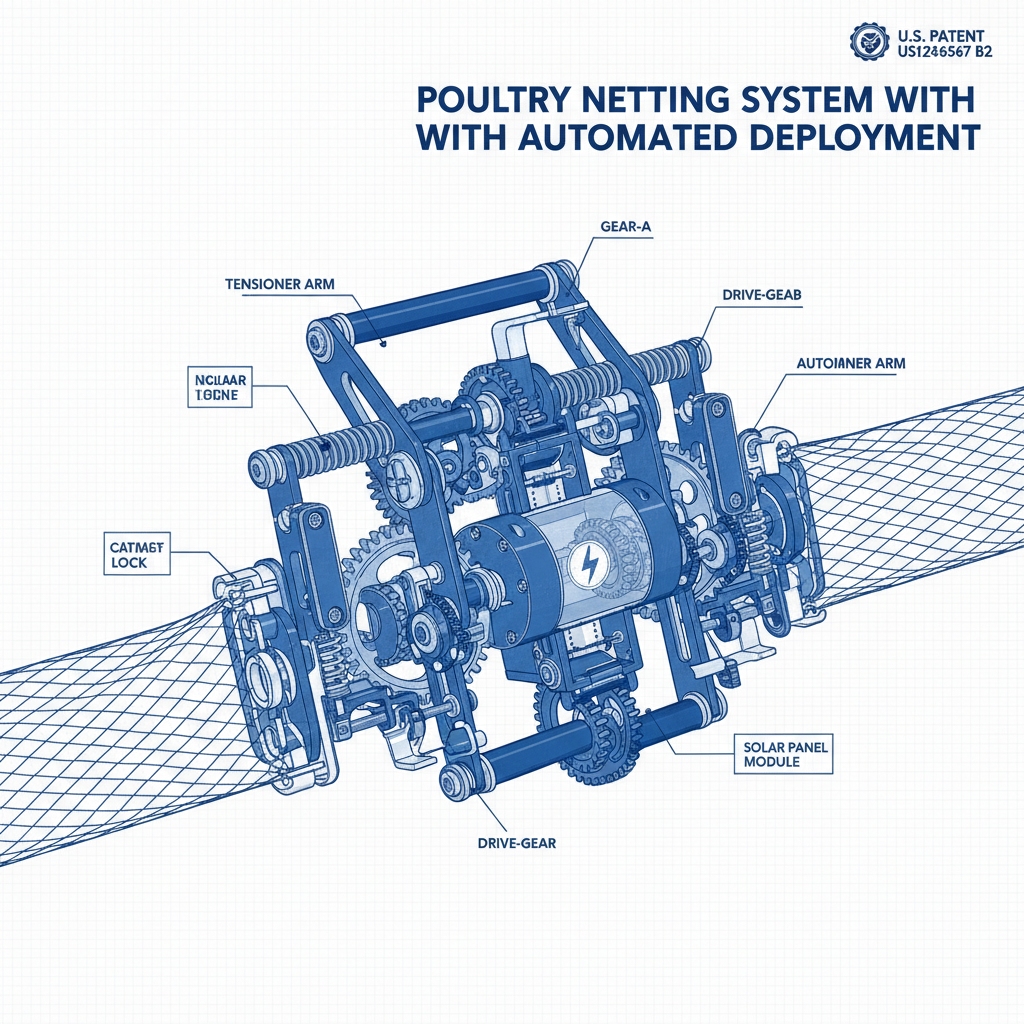
Understanding Poultry Netting: Materials and Construction
Poultry netting is typically made from galvanized steel wire, which provides excellent corrosion resistance. The wire is woven into a mesh pattern, with varying mesh sizes and wire gauges. The galvanization process is key, protecting the steel from rust and extending the netting's lifespan, particularly in outdoor environments. Stainless steel poultry netting is also available, offering superior corrosion resistance but at a higher cost. The choice of material depends on the climate and the expected level of exposure to moisture. Different weaves, such as hexagonal or square, also impact the netting's strength and flexibility. Heavier gauge wire provides increased durability and resistance to predator damage.
Key Highlights: Poultry netting is available in galvanized steel or stainless steel. Galvanization is critical for corrosion resistance, and heavier gauge wire offers greater durability.
Choosing the Right Poultry Netting: Mesh Size and Wire Gauge
Selecting the appropriate poultry netting involves considering the type of birds you’re raising and the predators in your area. Smaller mesh sizes (e.g., ½ inch) are ideal for containing chicks and smaller birds, preventing them from escaping and keeping out smaller predators like mice. Larger mesh sizes (e.g., 1 inch) are suitable for adult chickens and larger birds, offering better ventilation. The wire gauge (thickness) is also crucial. A higher gauge number indicates a thicker wire, providing increased strength. For areas with aggressive predators, such as foxes or coyotes, a heavier gauge wire is essential.
Mesh Size and Gauge Considerations:
• Smaller mesh = better containment of small birds & smaller predators
• Larger mesh = better ventilation & suitable for adult birds
• Higher gauge = stronger wire & increased predator resistance
• Consider your local predator population when choosing.
Poultry Netting Applications: Beyond Chicken Coops
While commonly used for chicken coops and runs, poultry netting has a variety of applications. It's perfect for creating secure enclosures for ducks, geese, turkeys, and other fowl. It can also be used to protect gardens from birds, create temporary fencing for livestock, and even construct animal pens for smaller pets. Its flexibility makes it easy to shape and adapt to different environments. CNTC Metal offers custom cutting and fabrication services to meet specific application requirements.
Installation Tips for Maximum Security
Proper installation is just as important as choosing the right poultry netting. Ensure the netting is securely attached to sturdy posts, buried at least 6-12 inches deep to prevent digging predators. Overlap the edges of the netting by several inches and securely fasten them together. Regularly inspect the netting for any holes or damage and repair them promptly. Consider adding an apron of netting extending outwards from the base of the enclosure to deter digging. Using tension wires can also help maintain the netting’s shape and prevent sagging.
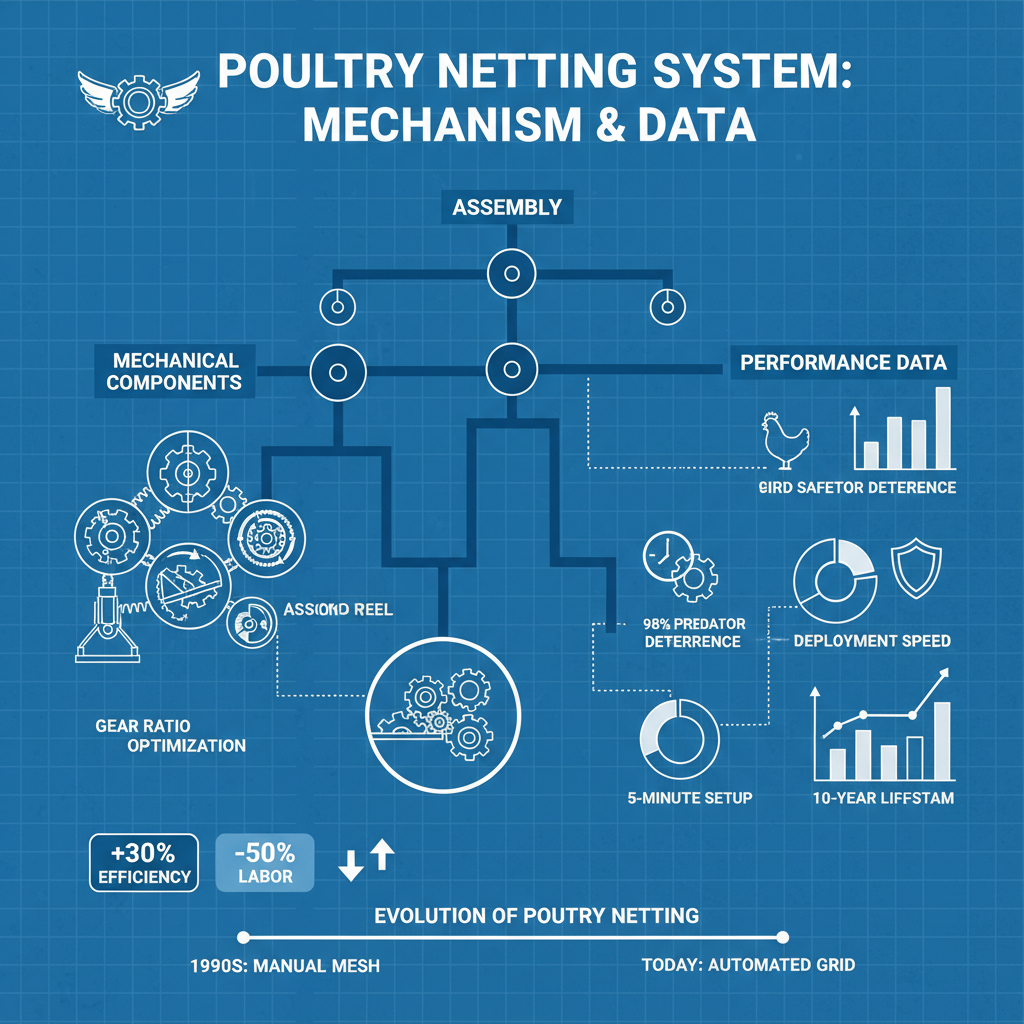
Poultry Netting Specifications & Options from CNTC Metal
CNTC Metal offers a wide variety of poultry netting to meet diverse needs. We specialize in providing customized solutions and high-quality materials. Here’s a quick overview of our offerings:
Conclusion: Secure Your Flock with Quality Poultry Netting
Investing in high-quality poultry netting from a trusted supplier like CNTC Metal is crucial for protecting your flock and ensuring their well-being. By carefully considering the factors outlined in this guide – material, mesh size, wire gauge, and installation – you can create a secure and thriving environment for your poultry.
Frequently Asked Questions (FAQs)
What is the best way to prevent predators from digging under poultry netting?
To prevent predators from digging under poultry netting, bury the netting at least 6-12 inches deep. You can also add an apron of netting extending outwards from the base of the enclosure, burying it horizontally. Consider using hardware cloth (a more rigid mesh) for the bottom section, as it’s more difficult for animals to dig through. Regularly inspect the area for any signs of digging and reinforce it as needed. Adding a perimeter of gravel or rocks can also deter digging.
How long will galvanized poultry netting last?
The lifespan of galvanized poultry netting depends on environmental factors such as humidity, soil pH, and exposure to salt air. Typically, galvanized netting can last 5-10 years with proper maintenance. Regularly inspect the netting for rust and corrosion. Applying a protective coating, such as zinc-rich paint, can extend its lifespan. Stainless steel netting offers significantly longer life but is more expensive.
Can poultry netting be used for temporary fencing?
Yes, poultry netting is often used for temporary fencing, especially for containing poultry or creating temporary livestock enclosures. Its lightweight and flexible nature make it easy to install and remove. However, for temporary fencing, ensure the netting is securely anchored with sturdy posts and tensioned properly to prevent sagging and ensure containment. Use appropriate stakes for the ground conditions.
What is the difference between galvanized and stainless steel poultry netting?
Galvanized steel poultry netting is coated with zinc to protect against rust, making it suitable for most environments. Stainless steel poultry netting offers superior corrosion resistance, making it ideal for harsh environments, such as coastal areas or those with high humidity. Stainless steel is significantly more expensive but provides a much longer lifespan and requires less maintenance.
share:
-
Factors Influencing Hexagonal Wire Mesh Price and Buyer GuideNewsApr.16,2026
-
Understanding the Price of Chicken Mesh and Buying GuideNewsApr.09,2026
-
Comprehensive Guide to Understanding and Optimizing Poultry Net Price StrategiesNewsApr.07,2026
-
Understanding Hen Net Price for Optimal International Metal TradingNewsApr.04,2026
-
Comprehensive Guide to Chicken Wire Fence Price and Installation CostsNewsMar.31,2026
-
Comprehensive Guide to Chicken Netting Price Factors and OptionsNewsMar.28,2026
-
Comprehensive Guide to Chicken Net Fence Price and Optimal SelectionNewsMar.26,2026