Product Advantages
1. High strength and stability: Made of high-strength stainless steel or hot-dipped galvanized steel wire, it has high strength and load-bearing capacity, effectively resisting tension and deformation to ensure a firm connection between the brick veneer and the support structure.
2. Easy installation and adjustment: Simple in design and easy to install, it can be adjusted as needed to fit different support structures and brick veneer sizes.
3. Corrosion resistance: It is treated with stainless or hot-dipped galvanized surface treatment for enhanced corrosion resistance and extended service life.
4. Customizable: Customizable in size and material to meet specific requirements.
Product Instructions
1. Determine the installation position: Based on the design requirements, determine the installation position and spacing of the ties.
2. Install the ties: Hook one end of the tie onto the anchor point of the support structure and embed the other end in the mortar joint of the brick veneer wall.
3. Adjust the ties: Adjust the length and angle of the ties as needed to ensure a tight connection between the brick veneer and the support structure.
4. Inspection and acceptance: After installation, inspect the quality of the ties to ensure compliance.
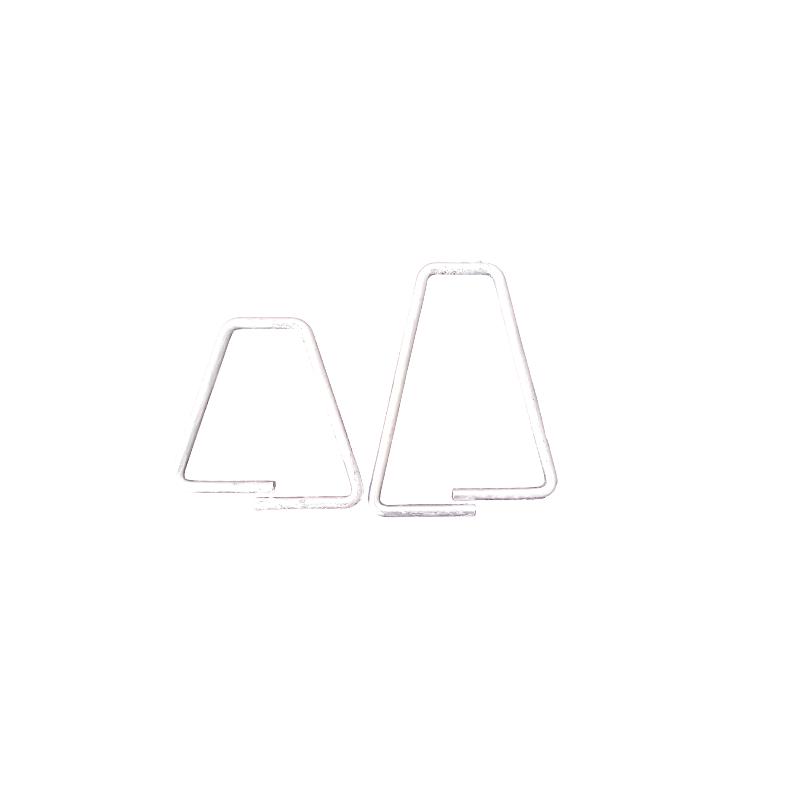
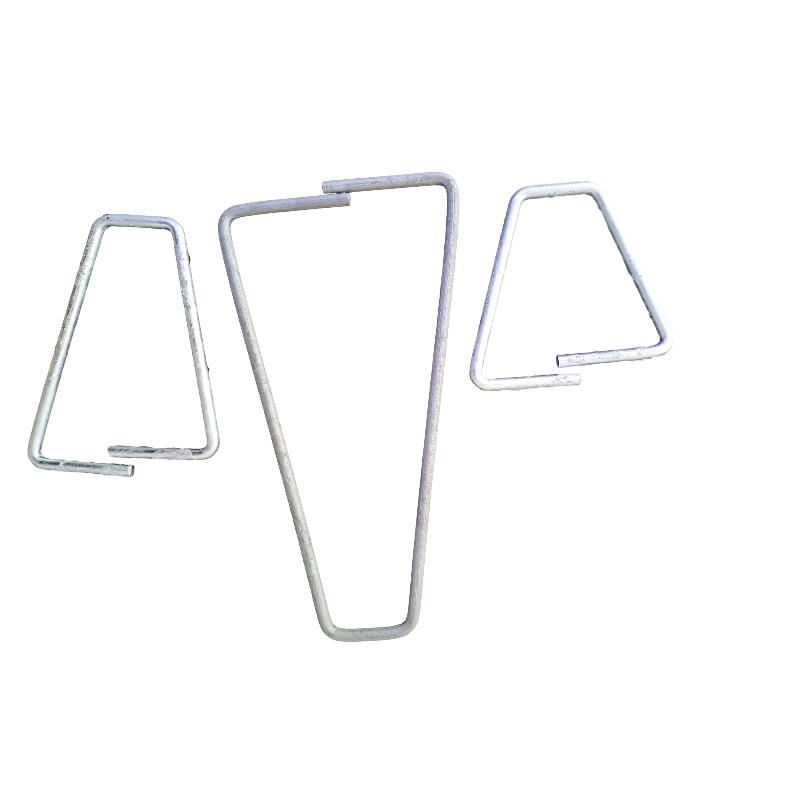
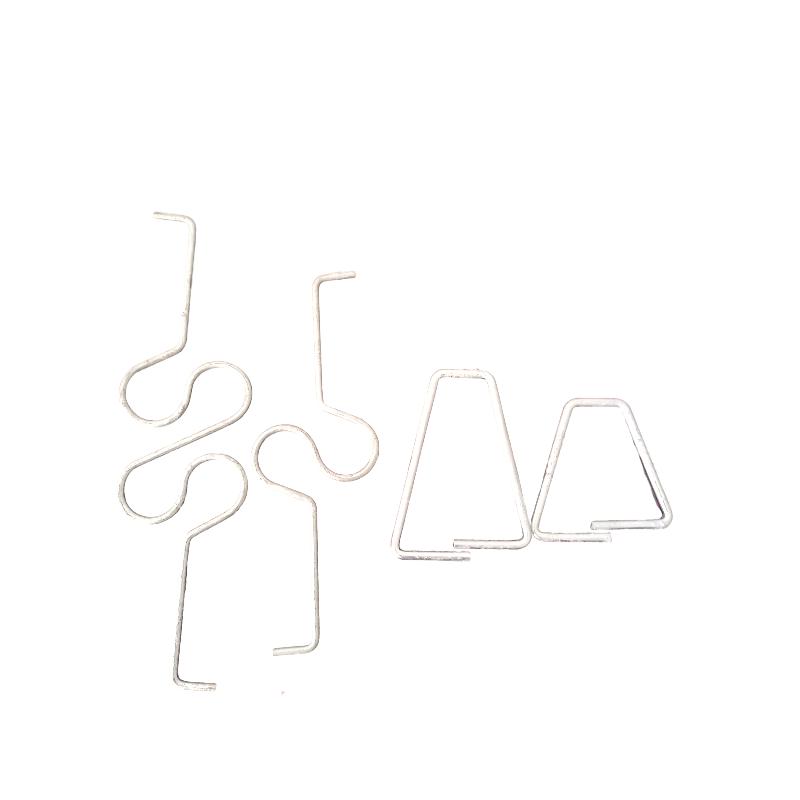
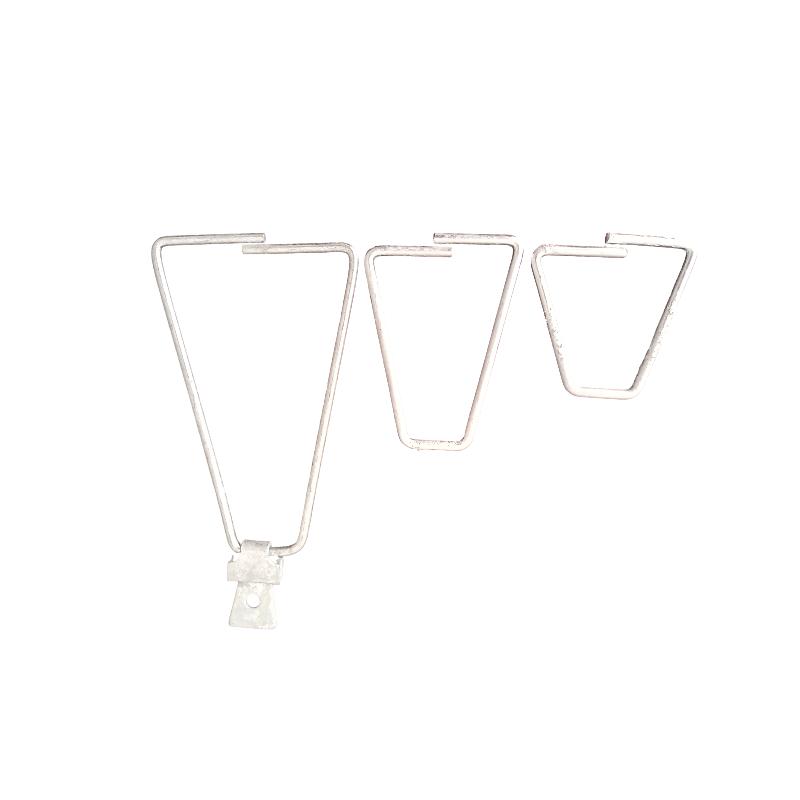
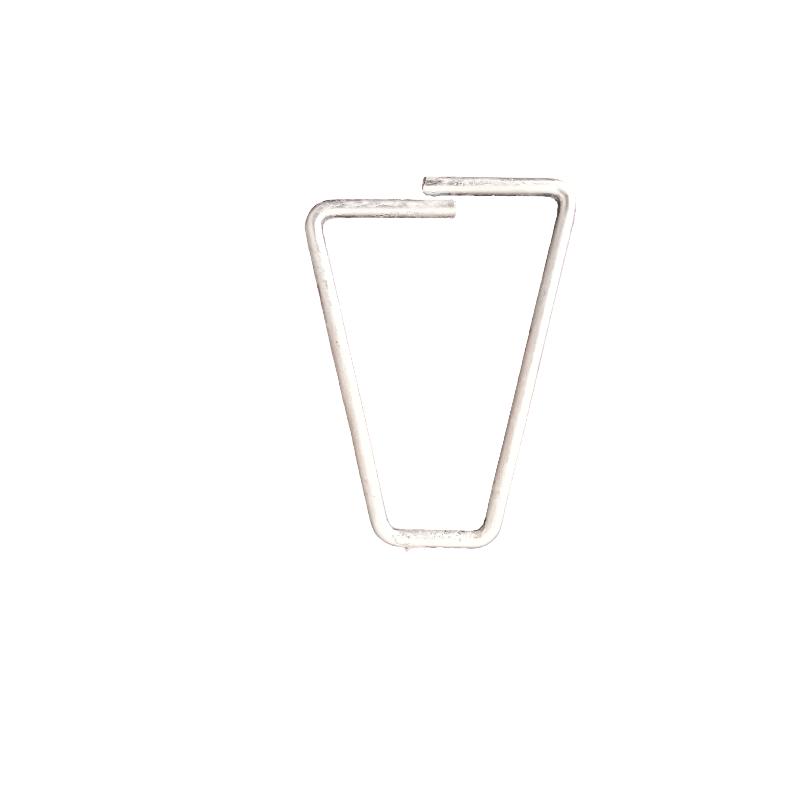
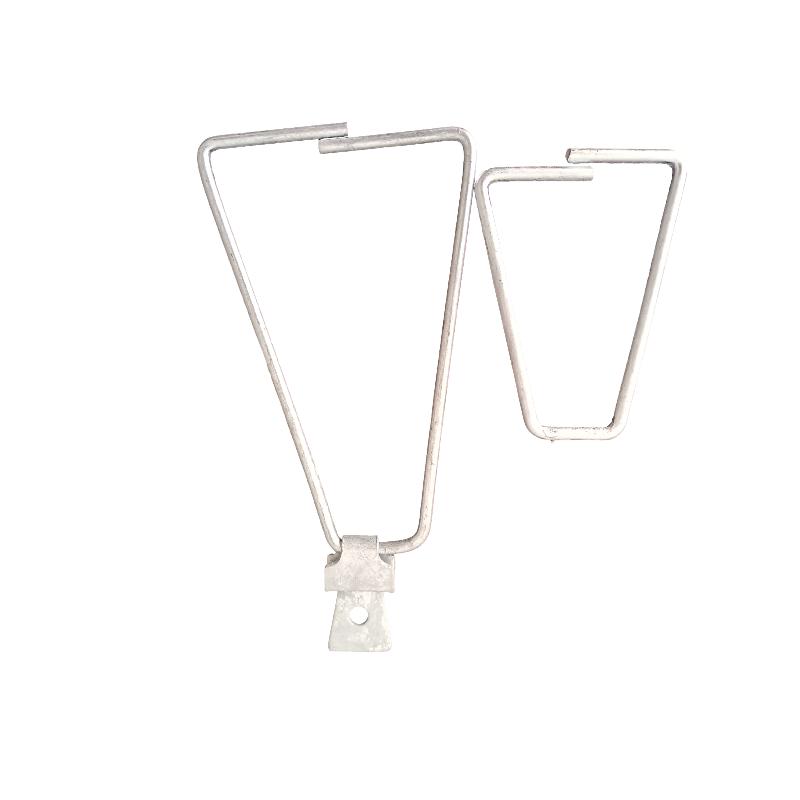
The production process of Triangular Wire Tie typically involves bending high-strength stainless steel or hot-dipped galvanized steel wire into a triangle shape.
Product Application Scenarios
It is mainly used in connecting brick veneers to support structures such as brick veneer exterior walls, interior walls, and parapets. It provides extra strength and stability, preventing brick veneers from being damaged during earthquakes, winds, or other natural disasters.
Product Price Advantage
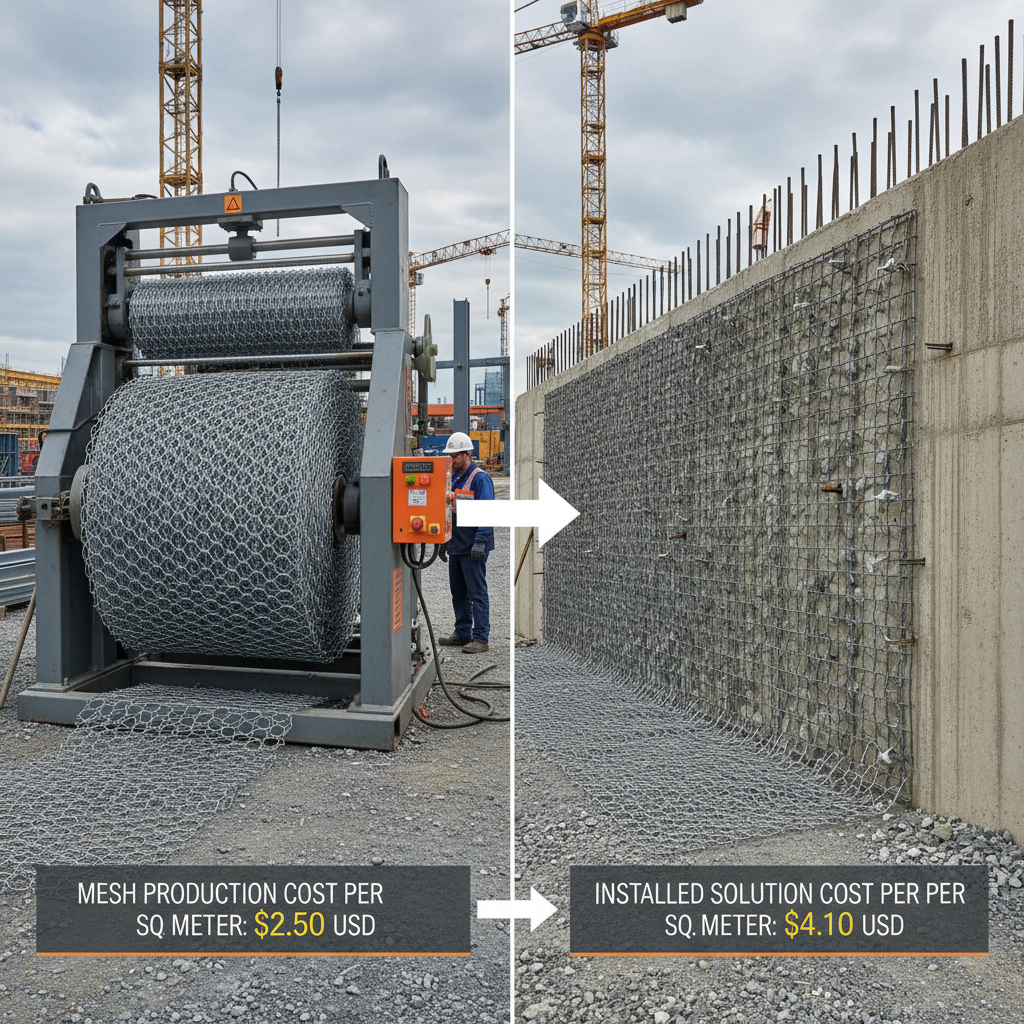
Relatively low in price, it is an economical and practical anchoring solution. Its simple design and manufacturing process result in lower production costs, offering competitive prices to users.
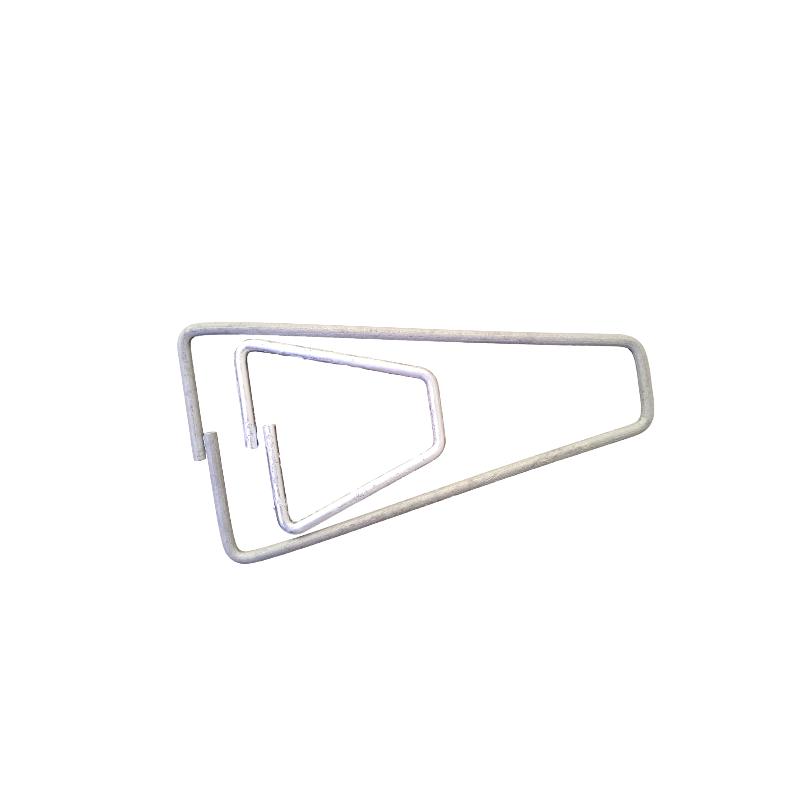
How to Install Triangular Wire Tie for Brick and Block Walls
Proper installation of Triangular Wire Tie is essential to ensure structural stability and long-term durability in brick and block walls. These wire ties serve as crucial connectors that bond the masonry veneer to the structural backup wall, helping resist lateral forces such as wind and seismic loads. When installed correctly, Triangular Wire Ties enhance wall performance, prevent separation, and extend the lifespan of masonry systems.
Step 1: Understanding the Function of Triangular Wire Tie
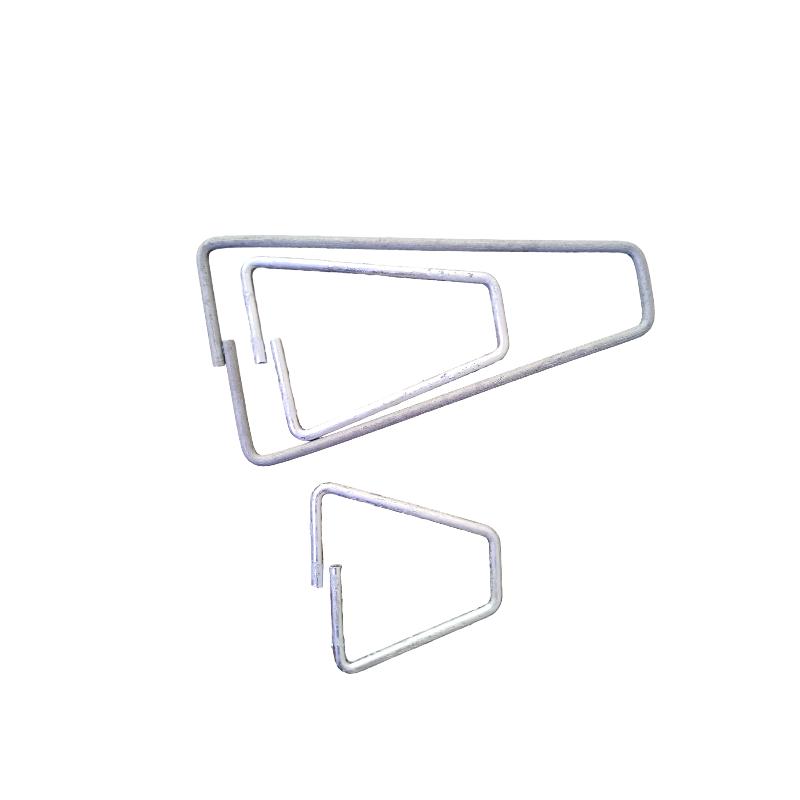
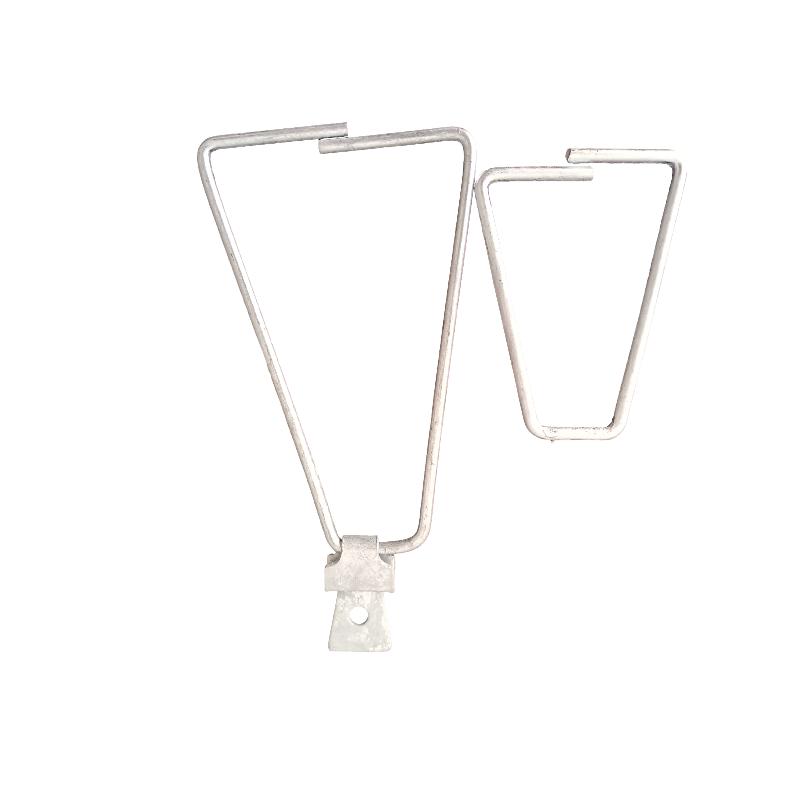
A Triangular Wire Tie features a distinctive triangular shape that provides excellent stability and flexibility. It is typically made from galvanized or stainless steel to prevent corrosion and ensure durability in various environmental conditions. The tie connects the outer brick veneer to the inner concrete or masonry wall, allowing for differential movement while maintaining structural integrity.
Step 2: Preparing the Wall System
Before installation, inspect both the backup wall and the veneer to ensure proper alignment and surface condition. The wall ties should be installed in conjunction with horizontal joint reinforcement or anchors. Verify that the substrate is clean, level, and ready to receive the ties. The spacing and placement should comply with local building codes or project specifications—commonly one tie every 16 inches horizontally and 24 inches vertically, unless otherwise specified.
Step 3: Positioning and Fastening the Triangular Wire Tie
Install each Triangular Wire Tie by embedding one end securely into the mortar joint of the backup wall. The other end extends into the veneer, where it will be surrounded by mortar during brick or block placement. Ensure that the tie is set at a slight downward angle toward the outer wall to allow for water drainage, preventing moisture buildup inside the cavity.
Fasten the tie firmly to the structural backup using an approved anchor or reinforcement wire, depending on the wall design. Maintain consistent alignment across all ties to ensure uniform load transfer between the veneer and the backup wall.
Step 4: Embedding the Tie in Mortar
As you lay the next course of bricks or blocks, embed the projecting end of the Triangular Wire Tie into the fresh mortar joint. Make sure the tie is fully covered with mortar, as exposed metal could lead to corrosion over time. The tie should not be bent or twisted, as this may compromise its strength and bonding performance.
Step 5: Inspecting and Finishing
After installation, conduct a visual inspection to confirm that all Triangular Wire Ties are correctly placed, fully embedded, and evenly spaced. Check for proper drainage alignment and ensure there are no gaps between the tie and the mortar bed. Once the wall is complete, allow the mortar to cure properly before applying any finishes or insulation layers.
Conclusion
When properly installed, Triangular Wire Tie systems significantly improve the structural integrity of brick and block walls. They enhance wall bonding, resist lateral movement, and help maintain the overall stability of the masonry veneer. By following these installation steps and adhering to best practices, builders can ensure that their masonry walls perform efficiently, remain crack-free, and withstand the test of time.
Triangular Wire Tie vs. Double Loop Wire Tie: What’s the Difference?
In modern masonry construction, choosing the right wall tie is crucial for ensuring strength, flexibility, and long-term durability. Among the most common types are the Triangular Wire Tie and the Double Loop Wire Tie. Both serve the essential purpose of bonding the masonry veneer to the backup structure, but their design, performance, and ideal applications differ significantly. Understanding these differences helps builders select the best solution for each project.
Design and Structure
The Triangular Wire Tie is named for its distinct triangular shape, featuring two diagonal wires connected at the top and a base that anchors into the wall system. This design provides excellent stability, load transfer, and resistance to both vertical and lateral forces. The open triangular form allows for natural flexibility while maintaining a strong connection between the brick veneer and the structural backup wall.
In contrast, the Double Loop Wire Tie consists of two interlocking wire loops that provide a simple yet secure connection. This design is particularly popular for lightweight masonry applications, as it allows for quick installation and reliable alignment between masonry wythes. However, its load-bearing capacity and lateral stability are generally lower than that of the triangular tie, making it more suitable for smaller-scale or non-structural walls.
Performance and Load Capacity
The Triangular Wire Tie offers superior structural performance due to its truss-like geometry. The angled design effectively distributes stress across the wall, reducing cracking and maintaining stability even under high wind or seismic pressure. Its robust configuration ensures strong bonding and long-term resistance to movement or separation between wall layers.
On the other hand, the Double Loop Wire Tie excels in flexibility and ease of installation. Its looped design allows slight movement between the veneer and backup, which can be beneficial in walls that experience thermal expansion or minor settlement. However, it may not provide the same degree of reinforcement strength as a Triangular Wire Tie, especially in load-bearing or exterior applications.
Installation and Application
Installation methods for both ties are relatively straightforward, but their use depends on project requirements. Triangular Wire Ties are typically used in structural or reinforced masonry walls, including high-rise buildings, retaining walls, and exterior facades where wind and seismic resistance are critical. The ties are usually made of galvanized or stainless steel for enhanced corrosion protection and longevity.
In comparison, Double Loop Wire Ties are often used in cavity walls, lightweight partitions, or non-load-bearing systems. They are ideal for projects where cost efficiency and quick installation are top priorities. Although they may not match the truss-like strength of triangular ties, they provide sufficient bonding for general masonry work.
Conclusion
Both Triangular Wire Tie and Double Loop Wire Tie contribute to the safety and integrity of masonry walls, but each serves a different structural purpose. The Triangular Wire Tie is best suited for heavy-duty or exterior applications that demand superior strength and rigidity, while the Double Loop Wire Tie is ideal for lighter, more flexible wall systems. By understanding the key differences in design and performance, engineers and contractors can make informed decisions to achieve optimal wall stability, efficiency, and durability in every construction project.
Benefits of Triangular Wire Tie in Masonry Construction
In the world of masonry construction, ensuring a secure and long-lasting bond between structural components is essential. Among the many reinforcement options available, the Triangular Wire Tie stands out for its strength, durability, and efficiency. Designed to connect the masonry veneer to the structural backup wall, Triangular Wire Ties play a key role in improving wall stability, minimizing cracking, and enhancing overall performance.
Superior Structural Stability
One of the greatest advantages of Triangular Wire Tie is its truss-like geometry. The triangular design effectively transfers both vertical and lateral loads between the veneer and backup wall, reducing stress concentrations that can lead to cracks or wall separation. This shape provides multidirectional strength, making it ideal for projects that demand superior load-bearing capacity—such as high-rise buildings, retaining walls, or structures exposed to wind and seismic activity.
Excellent Crack Control and Load Distribution
Because of its diagonal configuration, the Triangular Wire Tie helps distribute loads evenly across the masonry system. This minimizes the formation of thermal or settlement cracks, ensuring the wall remains uniform and visually appealing over time. The reinforcement also provides better bonding between the brick veneer and the structural wall, maintaining the wall’s integrity even when subjected to environmental fluctuations.
Enhanced Durability and Corrosion Resistance
Durability is another key benefit of the Triangular Wire Tie. It is typically manufactured from galvanized or stainless steel, providing strong resistance against rust and corrosion. This makes it suitable for both interior and exterior masonry applications, including those in humid or coastal environments. The high-quality materials ensure long-term performance with minimal maintenance requirements, reducing overall lifecycle costs.
Improved Flexibility and Movement Accommodation
While providing exceptional stability, Triangular Wire Tie also allows controlled movement between the veneer and backup wall. This flexibility helps the wall system absorb expansion and contraction caused by temperature changes, preventing structural damage. The result is a more resilient masonry structure capable of withstanding natural forces without compromising its strength or aesthetics.
Ease of Installation and Compatibility
Another major advantage of Triangular Wire Ties is their simplicity of installation. They are easy to position within mortar joints and are compatible with most standard brick and block dimensions. The open design ensures full mortar coverage, enhancing adhesion and reducing voids. Contractors appreciate the time efficiency of this system, as it simplifies the reinforcement process without requiring special tools or techniques.
Sustainability and Long-Term Value
From a sustainability perspective, Triangular Wire Tie contributes to longer-lasting masonry walls that require fewer repairs and replacements. Its high structural performance and corrosion resistance reduce material waste and maintenance over time. This makes it an eco-friendly and cost-effective choice for modern building designs seeking to balance performance with environmental responsibility.
Conclusion
The Triangular Wire Tie offers multiple benefits—strength, flexibility, corrosion resistance, and ease of use—that make it a preferred reinforcement option in masonry construction. Whether used in commercial buildings, residential walls, or architectural facades, it ensures superior bonding, long-term durability, and improved wall integrity. By incorporating Triangular Wire Ties, builders can achieve safer, stronger, and more efficient masonry structures that stand the test of time.
brick tie backs
brick veneer anchor
brick wall straps
brick wire ties
concrete accessories suppliers
dw 10hs veneer anchors
frame ties for brickwork
masonry tie backs
rebar positioner
wire clips for brick wall