
Product Description
Sandwich panel anchors are mainly used for carrying the resulting vertical loads from the dead load of the facing layer. Planned or unplanned eccentric loads and horizontal loads due to e.g. wind and temperature deformation should also be considered.
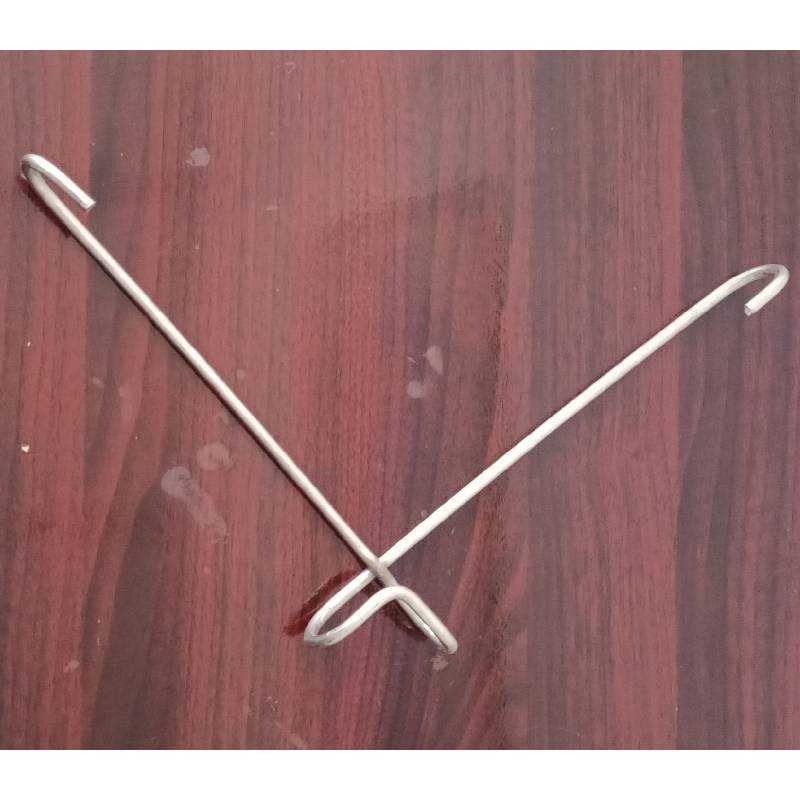
Products made of stainless steel wire, for connecting cladding panels with inner panels in a concrete sandwich wall.
Sandwich panel anchors are used as load bearing anchors. They are V-shaped anchors made of wire stainless steel (AISI316), with wire diameters of 5 mm, 6.5 mm, 8.5 mm and 10 mm. The bent ends ensure anchorage in concrete and to fix the reinforcement bars.
The load on the anchors depends on the dead weight of the façade layer, wind load and the warping caused by the temperature.
Sandwich Panel Anchors are load-bearing anchors used in sandwich panel construction. They are V-shaped anchors made of stainless steel wire (AISI316&304) with wire diameters of 5mm, 6.5mm, 8.5mm, and 10mm. The bent ends of the anchors ensure secure anchoring in concrete and allow for the fixing of reinforcement bars.
Product Advantages
1. High strength: Made of stainless steel wire, they have high strength and corrosion resistance, able to withstand large loads.
2. Easy installation: The V-shaped design and bent ends make installation easy, saving installation time and cost.
3. Multiple size options: They come in different wire diameters to meet the needs of different sandwich panels and load requirements.
4. Concrete anchoring: The bent ends ensure secure anchoring in concrete, providing reliable connection.
5. Reinforcement bar fixing: Can be used to fix reinforcement bars, enhancing the overall stability of the structure.
Product Instructions
1. Installation preparation: Before using the sandwich panel anchors, ensure that the concrete surface is clean and level.
2. Select the appropriate anchor: Choose the appropriate diameter of the sandwich panel anchor based on the thickness and load requirements of the sandwich panel.
3. Installation of anchors: Insert the sandwich panel anchors into the concrete, making sure the bent ends are fully embedded.
4. Fixing of reinforcement bars: If needed, use the sandwich panel anchors to fix the reinforcement bars for enhanced stability.
5. Inspection and acceptance: After installation, inspect the quality of the sandwich panel anchors to ensure they meet the requirements.
The production process of Sandwich Panel Anchors typically involves bending and forming high-strength stainless steel wires into a V-shaped shape to meet the specific requirements of different projects.
Product Application Scenarios
Sandwich Panel Anchors are widely used in various sandwich panel structures, such as exterior walls, interior walls, and ceilings of buildings. They are essential in providing secure anchoring for sandwich panels, ensuring the stability and safety of the overall structure.
Product Price Advantage
Sandwich Panel Anchors are relatively inexpensive, offering a cost-effective solution for anchoring sandwich panels. Their simple design and manufacturing process result in lower production costs, making them more affordable for users.
Benefits of Sandwich Panel Anchor in Modern Construction
In modern construction, sandwich panels have become an essential component for walls and roofs due to their excellent insulation, lightweight design, and structural efficiency. However, the performance and longevity of these panels depend heavily on how securely they are attached to the supporting framework. The Sandwich Panel Anchor plays a vital role in providing strong, reliable connections that enhance both safety and durability in contemporary building projects.
Enhanced Structural Stability
One of the primary benefits of the Sandwich Panel Anchor is its ability to maintain structural stability. By mechanically fastening sandwich panels to the supporting structure, anchor systems prevent lateral and vertical movement, ensuring that walls and roofs remain aligned and secure under various loads. This stability is particularly crucial in modern buildings, where panels are subjected to wind pressures, vibrations, and other environmental stresses.
Improved Load Distribution
Properly installed sandwich panel anchors help distribute loads evenly across the panels. Uneven load distribution can lead to stress concentrations, which may cause panel deformation, cracking, or detachment over time. With Sandwich Panel Anchors, the forces acting on panels are transferred efficiently to the supporting framework, reducing weak points and enhancing the overall durability of the building envelope.
Versatility in Applications
Sandwich Panel Anchors are highly versatile and suitable for both wall and roof panels. They can secure a wide range of sandwich panel types, including insulated, composite, or metal-faced panels. This adaptability allows architects and engineers to use a standardized anchoring solution across different areas of a building, simplifying the design and construction process while ensuring consistent performance.
Ease of Installation and Efficiency
Another key advantage of the Sandwich Panel Anchor is its ease of installation. Designed for quick and accurate placement, these anchors reduce labor requirements and construction time. Their straightforward installation process ensures that panels are properly aligned and securely fastened, minimizing errors and improving overall project efficiency. This is especially valuable for large-scale industrial or commercial projects where time and cost savings are critical.
Durability and Longevity
Constructed from high-quality galvanized or stainless steel materials, Sandwich Panel Anchors offer excellent resistance to corrosion, rust, and environmental wear. They maintain secure attachment even under extreme weather conditions, including heavy rain, snow, high winds, or temperature fluctuations. This durability ensures long-term performance and reduces maintenance requirements, contributing to the sustainability and lifecycle efficiency of the building.
Thermal and Structural Flexibility
Modern buildings experience thermal expansion and contraction due to temperature changes. The Sandwich Panel Anchor accommodates these minor movements without compromising the connection to the structural framework. This flexibility helps prevent cracking, warping, or joint stress, preserving both the structural integrity and energy efficiency of the panels over time.
Conclusion
The Sandwich Panel Anchor offers numerous benefits in modern construction, including enhanced structural stability, improved load distribution, versatile applications, ease of installation, durability, and accommodation of thermal movements. By incorporating these anchors into building designs, engineers and contractors can ensure safe, efficient, and long-lasting panel installations. Ultimately, Sandwich Panel Anchors are essential for achieving high-quality, reliable, and sustainable construction outcomes in contemporary projects.
Innovative Applications of Sandwich Panel Anchor in Commercial Projects
In contemporary commercial construction, efficiency, durability, and aesthetic appeal are key factors for successful projects. The Sandwich Panel Anchor plays a crucial role in addressing these requirements by providing secure, reliable, and versatile fastening for sandwich panels. These anchors are widely used in modern commercial buildings, offering innovative solutions that enhance structural performance while enabling creative architectural designs.
Enhanced Structural Stability
A primary advantage of the Sandwich Panel Anchor is its ability to maintain structural stability in commercial buildings. These anchors mechanically fasten sandwich panels to the building’s framework, preventing lateral or vertical movement caused by wind, vibrations, or operational loads. This ensures that walls and roofs remain aligned, secure, and capable of withstanding environmental stresses, which is particularly important in high-rise office buildings, retail centers, and industrial offices.
Versatility Across Wall and Roof Systems
Sandwich Panel Anchors are highly adaptable, making them suitable for both wall and roof panel applications. In wall systems, they provide uniform support and alignment for façade panels, while in roofing systems, they resist uplift and allow for minor thermal expansion. This versatility enables commercial projects to employ a consistent anchoring solution across various building components, simplifying installation and ensuring optimal performance.
Enabling Innovative Façade Designs
Beyond functional stability, Sandwich Panel Anchors support innovative architectural designs. Their mechanical interlock allows for creative panel arrangements, decorative overhangs, or complex façade patterns without compromising safety. Architects can implement visually striking building exteriors, while engineers maintain the structural integrity of the panel systems. This combination of aesthetics and performance is increasingly important in modern commercial construction, where appearance and durability are equally prioritized.
Efficiency and Ease of Installation
The installation process of Sandwich Panel Anchors is simple, efficient, and labor-saving. Designed for quick insertion into panel cores, these anchors minimize the time and effort required for proper attachment. Efficient installation ensures precise alignment and secure fastening, reducing errors and project delays. This is especially valuable in commercial construction, where tight schedules and large panel coverage require reliable and rapid anchoring solutions.
Durability and Long-Term Performance
Constructed from high-quality galvanized or stainless steel, Sandwich Panel Anchors offer excellent corrosion resistance and durability. They perform reliably under harsh environmental conditions, including high humidity, heavy rain, and temperature fluctuations. This ensures the long-term performance of both walls and roofs, reduces maintenance costs, and extends the lifespan of commercial building envelope systems.
Conclusion
The Sandwich Panel Anchor provides innovative and practical solutions for modern commercial construction projects. Its benefits include enhanced structural stability, versatility for wall and roof applications, support for creative façade designs, ease of installation, and long-term durability. By incorporating these anchors, commercial buildings achieve secure, efficient, and visually appealing panel installations, ensuring both functional and aesthetic excellence for years to come.
Installation Guide for Sandwich Panel Anchor in Wall and Roof Panels
The Sandwich Panel Anchor is a vital component in modern construction, providing secure attachment of sandwich panels to structural frameworks in both wall and roof systems. Proper installation is essential for maintaining structural stability, ensuring safety, and maximizing the long-term performance of the building envelope. This guide outlines step-by-step procedures and best practices for installing sandwich panel anchors efficiently and effectively.
Step 1: Preparing the Work Area
Before installation, inspect the panel surfaces and supporting structures to ensure they are clean, level, and free from debris. Verify that the sandwich panels meet project specifications, including thickness and type, and confirm that anchor spacing complies with engineering drawings. Gather all necessary tools, such as drills, anchor insertion devices, measuring equipment, and safety gear, to ensure a smooth and safe installation process.
Step 2: Understanding the Function of Sandwich Panel Anchors
The Sandwich Panel Anchor is designed to penetrate the panel core and mechanically lock the panel to the structural framework. Its design accommodates minor thermal expansion and contraction, preventing panel stress and joint damage. By providing a secure connection, anchor pins enhance the stability of wall and roof panels, ensuring that they remain properly aligned and resistant to wind, vibrations, and other environmental forces.
Step 3: Marking Anchor Locations
Determine the precise locations for each sandwich panel anchor based on project specifications. Typically, anchors are placed at regular vertical and horizontal intervals to ensure uniform load distribution and panel alignment. Accurate positioning is crucial to prevent misalignment and to maintain structural integrity, particularly in commercial and industrial buildings where panels cover large areas.
Step 4: Installing the Anchors
Carefully insert the Sandwich Panel Anchor into the marked location using the appropriate tool. Ensure that the anchor penetrates the panel core fully and engages with the supporting structure. Avoid excessive force that could damage the panel or compromise the anchor’s holding strength. Once inserted, the anchor should sit flush with the panel surface, providing a secure and stable connection.
Step 5: Securing and Verifying Stability
After insertion, check each anchor to ensure it is properly seated and firmly attached. Inspect the panels to confirm they are aligned correctly and make any necessary adjustments. Properly installed anchors distribute loads evenly and prevent movement, enhancing the overall performance and longevity of the wall or roof system.
Step 6: Completing Panel Assembly
Once all anchors are installed, continue with panel joining, sealing, and finishing according to project specifications. Properly anchored panels maintain their structural integrity, resist environmental stress, and preserve thermal insulation properties over time. Regular inspection during and after installation ensures consistent performance and reduces maintenance needs.
Conclusion
Installing Sandwich Panel Anchors correctly is essential for achieving strong, durable, and safe wall and roof panel assemblies. By following preparation, marking, insertion, and verification procedures, builders and engineers can ensure panels remain securely anchored and aligned. Proper installation not only enhances the structural stability and durability of sandwich panels but also contributes to the long-term efficiency, safety, and aesthetic appeal of modern buildings.
brick tie backs
brick veneer wall ties
brick wall straps
concrete accessories
concrete accessories products
concrete accessories suppliers
concrete construction accessories
precast concrete accessories
what are concrete accessories